
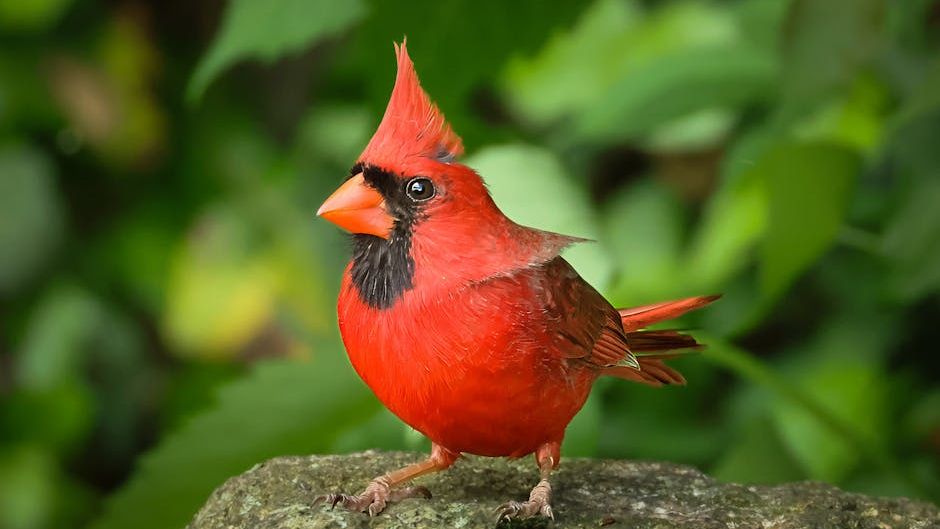
Few backyard birds stop people mid-conversation quite like a male cardinal in full color. That electric, almost impossibly saturated crimson seems too intense for something that lands on a feeder between snow flurries. It looks painted on. And in a sense, it kind of is – the story behind it turns out to be far more intricate, and more surprising, than most people expect.
The red isn’t simply a birthright. It’s the product of diet, genetics, cellular chemistry, and millions of years of evolutionary pressure all working together. Unpack any one of those layers and the bird becomes even more interesting.
Cardinals Can’t Make Red on Their Own
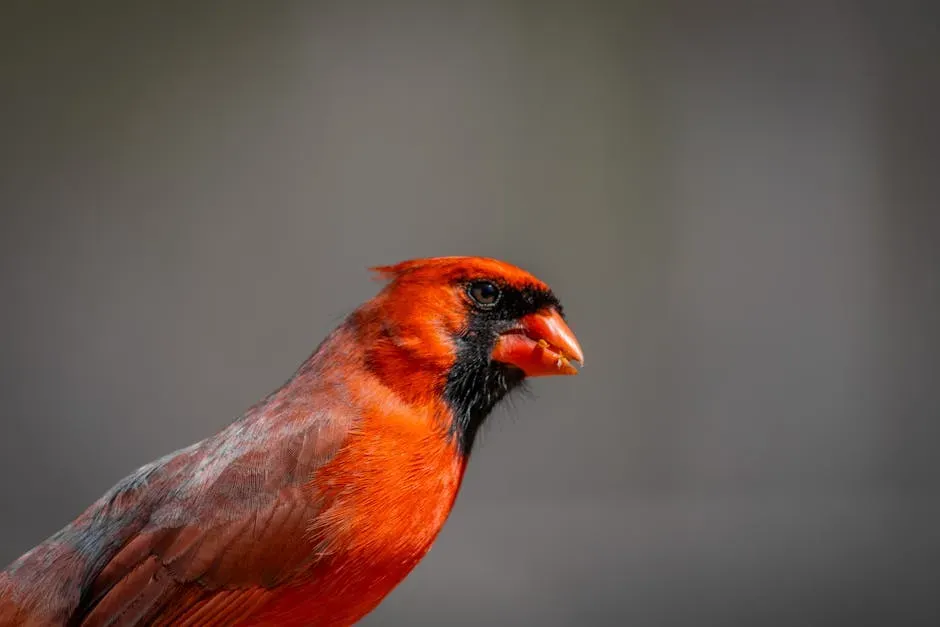
Here’s what most people don’t know: cardinals are physically incapable of producing their own red pigment from scratch. The vibrant red of a male cardinal comes from pigments called carotenoids, and like many birds, cardinals cannot synthesize these pigments themselves – they must obtain them through their diet.
To develop red feathers, they need to eat seeds or fruit containing pigment molecules called yellow carotenoids, and their bodies then change those pigments from yellow to red. That conversion is the key step. Without it, the bird would be a very different shade altogether.
Cardinals naturally produce an enzyme called ketolase, and without it, the feathers would not be red at all – the bird would end up being yellow instead. Yellow cardinals do occasionally appear in the wild, and they’re genuinely rare precisely because the enzymatic machinery almost always works as intended.
The Hidden Gene That Flips the Switch
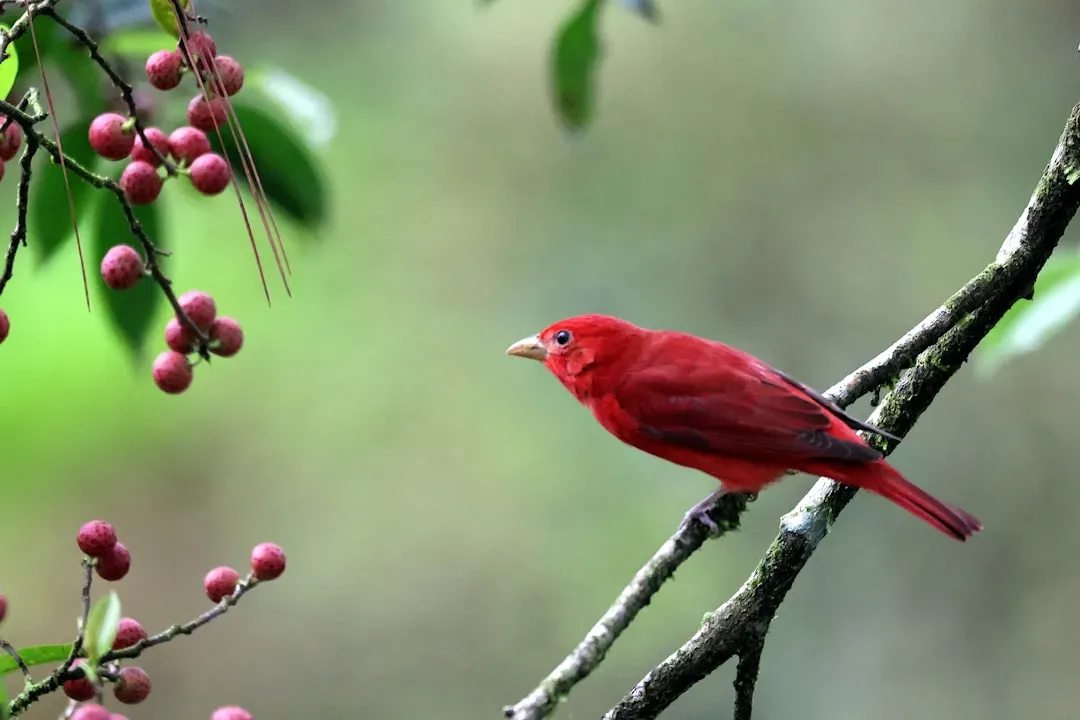
Researchers at Washington University School of Medicine in St. Louis discovered the gene that produces the brilliant red color in male birds. They found an enzyme that converts a yellow molecule, which the birds obtain by eating seeds, leaves, and fruit, into a red one.
One of the key genomic regions contains the gene encoding CYP2J19, a cytochrome P450 enzyme known to metabolize carotenoids. Researchers found that CYP2J19 was strongly expressed in the skin and liver of red birds compared to yellow birds, suggesting this enzyme is responsible for the red coloration.
In yellow canaries, this gene is turned on only in the eyes, where it creates red molecules that act as a light filter and help the birds see color. In red birds, it is turned on in the skin, feathers, and liver, in addition to the eye. That’s the difference – not a separate gene entirely, but the same gene being active in a different place.
Since the gene is widespread in birds, many species may have the potential to develop red feathers. However, if the gene isn’t turned on in their skin, they don’t get the benefit of scarlet plumage. It’s a small biological switch with a dramatic visual result.
What the Cardinal Eats Shapes How Red It Gets
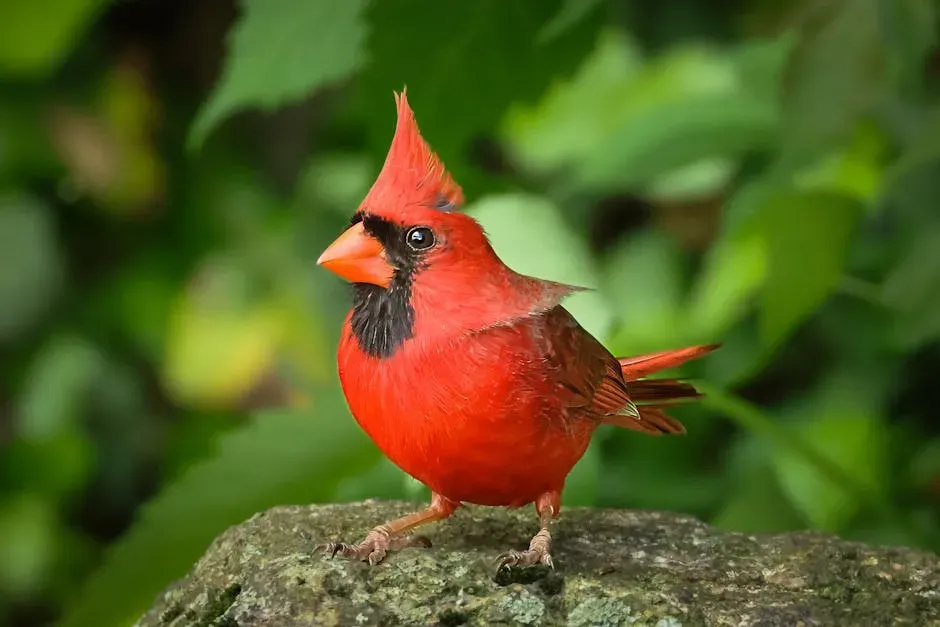
A favorite food source for cardinals is the carotenoid-rich bright red berries from dogwood trees. As they metabolize these berries and other red carotenoid-rich sources, the pigments are processed by the liver, then moved through the bloodstream and deposited in growing feather follicles.
Carotenoids don’t give fully grown feathers more color, but add color to new feathers. If cardinals are deprived of carotenoid-rich food, their red color will become duller as the bird molts. If their diet improves, new feathers will show the more brilliant red colors again. The color, in other words, is constantly being earned.
When the cardinal molts its old feathers each year and grows new ones, scientists believe it is during this particular time that the bird’s diet – the quality and quantity of carotenoids – determines how bright or dull the feathers will be. It’s a yearly reset, built into the biology of the bird.
Red as a Signal: What Females Are Actually Reading
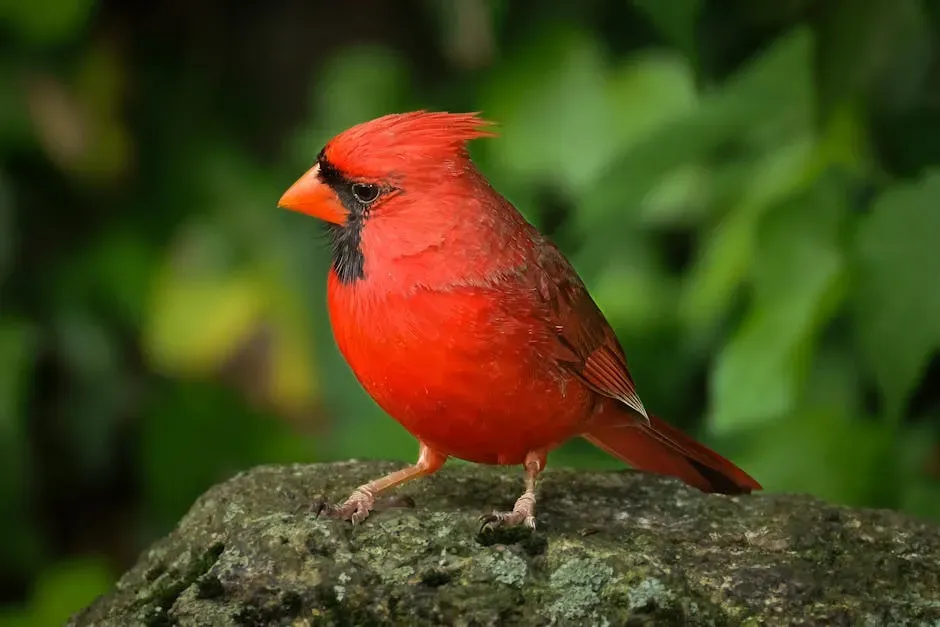
The color isn’t just cosmetic. Female cardinals use it as a source of real information, and the science behind what they’re reading is genuinely fascinating.
Female cardinals are influenced in their choice of mate by the color of males. In nature, a bright red male indicates that he is fit and healthy, able to find the best sources of food rich in protein and other nutrients as well as red carotenoid pigments. He is also more likely to hold a better territory and to offer more parental care.
A three-year study of this territorial bird found that redder males have more offspring in a breeding season. Redder males also gain higher-quality territories, appearing more dominant to duller male cardinals, and pair up with earlier breeding females. In addition, the male’s bright-colored breast plumage has been positively correlated with parental care.
Scientists think one answer to why brightness matters may lie in a male’s mitochondria, the energy powerhouses inside the body’s cells. Research indicates that red carotenoids are concentrated in the mitochondria, and bright coloring is linked to mitochondrial performance. In general, birds with the brightest color also tend to have better immunity, winter survival, foraging ability, and skill at avoiding predators. The red isn’t just pretty – it’s a cellular report card.
When Red Becomes Complicated: Urban Cardinals and Yellow Mutations
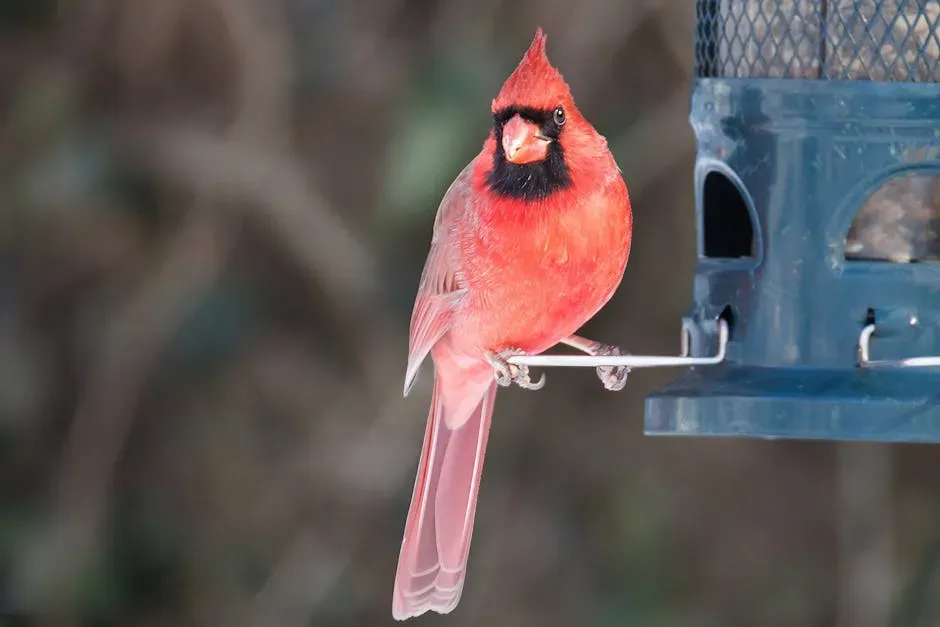
The relationship between redness and fitness, it turns out, isn’t perfectly straightforward in every environment. Urban and suburban life has introduced some unexpected wrinkles.
For cardinals that live in cities, redder may not be better. A study found that in urban areas, brighter cardinals had poorer body condition and didn’t produce as many young as more subtly hued cardinals. The study’s authors suggested this surprising finding may have to do with the prevalence of non-native honeysuckle.
Honeysuckle berries are high in carotenoids, but unlike native fruits such as dogwood and winterberry, they’re very low in fats and proteins. A cardinal feeding heavily on honeysuckle might look vivid while actually running a nutritional deficit. Color and condition, in the city, come apart.
Rarely, a male cardinal may display an unusual yellow coloration instead of red. This phenomenon, known as xanthochroism, is caused by a genetic mutation. Xanthochroism is a genetic mutation that prevents cardinals from properly converting yellow carotenoids into red pigments, resulting in yellow or orange plumage instead of the characteristic red. These yellow cardinals, when spotted, tend to draw considerable attention from birders – and for good reason.
Conclusion
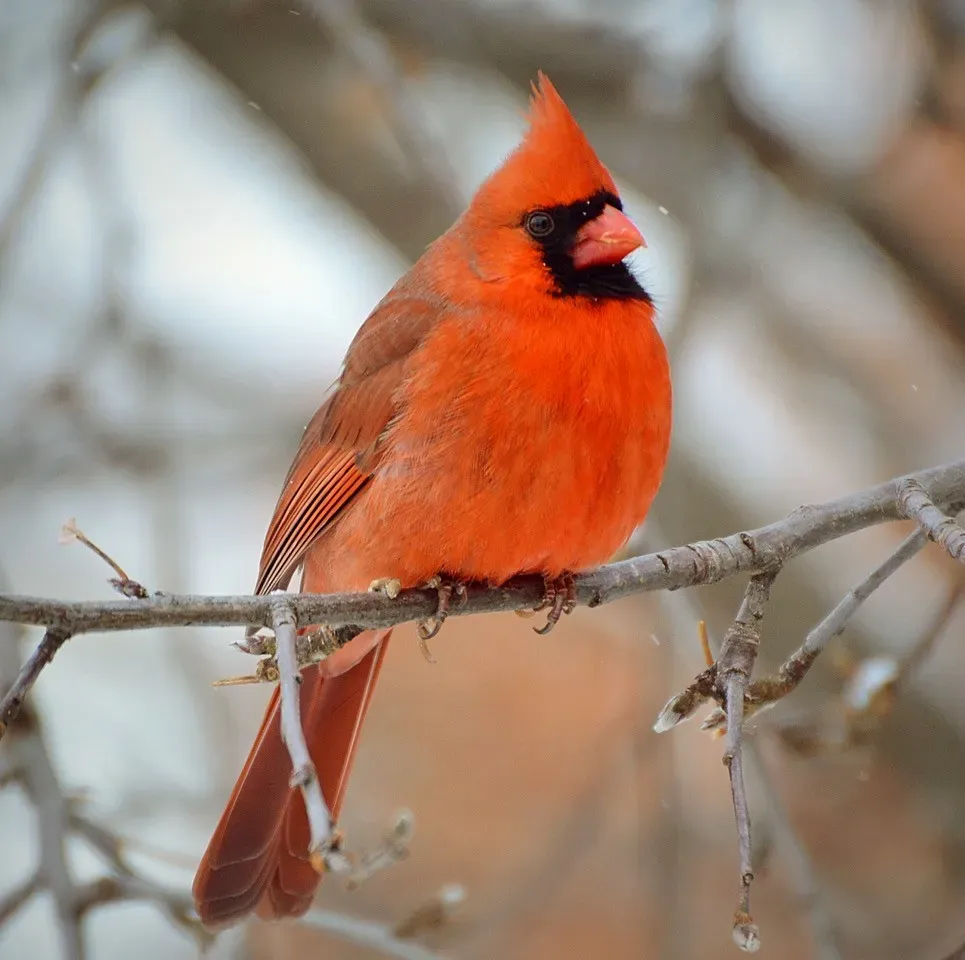
The brilliant red of a male cardinal isn’t a simple accident of nature. It’s the visible outcome of diet, genetics, enzymatic conversion, cellular health, and evolutionary pressure shaped over vast stretches of time. Every molting season, the bird essentially rebuilds its color from what it finds in the world around it.
There’s something quietly remarkable about that. A color so striking it makes people stop and point turns out to be fragile in its own way – dependent on the right berries, the right gene expression, the right cellular machinery all working in concert.
The next time a cardinal lands near you in winter, dressed in that almost unreasonable shade of red, you’re not just seeing a bird. You’re seeing chemistry, evolution, and environment all made visible at once.

- 11 Ways Your Cat Is Secretly Protecting You Every Day - August 14, 2026
- 10 Mistakes People Make When Camping in Wolf Country - August 14, 2026
- 8 Dog Breeds That Form the Strongest Bond With One Person - August 14, 2026