

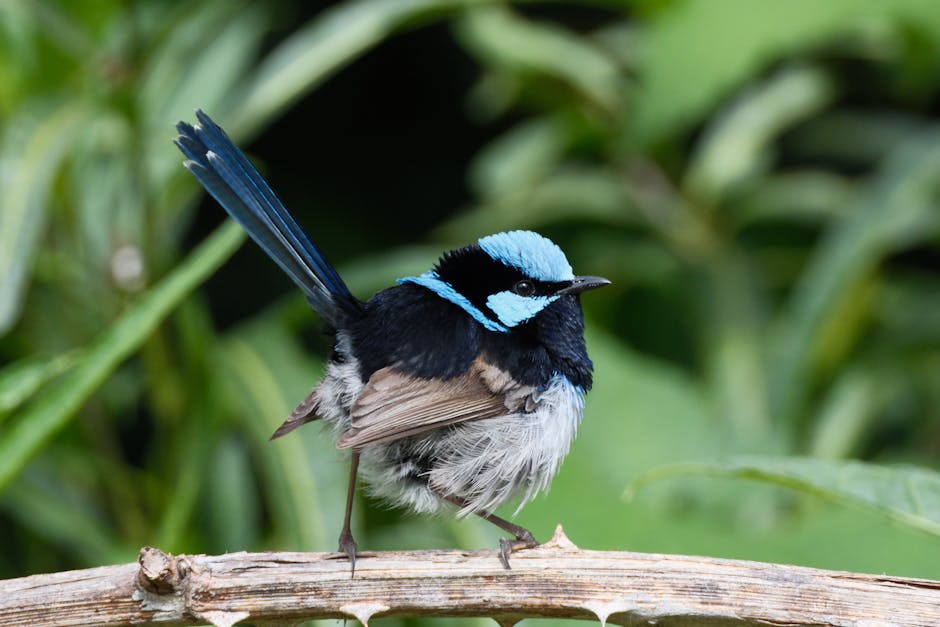
A Global Hunt Yields Hidden Survivors (Image Credits: Pexels)
Conservationists marked 2025 as a year of unexpected triumphs in the quest to locate elusive birds. Birdwatchers and researchers documented five species that had evaded detection for over a decade, all native to remote islands in Southeast Asia and Oceania. These finds, captured through photographs and sound recordings, trimmed the ranks of the world’s “lost birds” and underscored the value of global citizen science efforts.[1][2]
A Global Hunt Yields Hidden Survivors
Imagine trekking through dense island forests, camera in hand, only to spot a bird long presumed vanished. Such moments defined 2025 for dedicated observers. The Search for Lost Birds project, a partnership among American Bird Conservancy, Re:wild, and BirdLife International, tracks species unseen for at least 10 years. This initiative scans platforms like eBird and iNaturalist for evidence, turning everyday birders into key players in conservation.[3]
John Mittermeier, the project’s director, described the list as an early warning system. It flags potential trouble before formal assessments confirm declines. In 2025, the effort paid off handsomely, with five rediscoveries that shrank the list from 122 species at the start of the year to 121 by January 2026.[2]
Spotlight on the 2025 Rediscoveries
All five birds hail from island ecosystems, where habitat loss and invasives pose constant threats. Observers snapped photos or recorded calls, providing irrefutable proof of survival. These events highlighted how targeted searches and technology can bridge data gaps.
| Species | Location | Years Missing | Rediscovered By |
|---|---|---|---|
| Bismarck Kingfisher (Ceyx websteri) | New Ireland, Papua New Guinea | 13 | John Lamaris |
| Biak Myzomela (Myzomela rubrobrunnea) | Biak Island, Indonesia | 21 | Ethan Skinner |
| Broad-billed Fairywren (Chenorhamphus grayi) | West Papua mountains, Indonesia | 11 | Daniel Hoops and Royke Mananta |
| Sulu Cuckooshrike (Coracina guillemardi) | Sulu Archipelago, Philippines | 18 | Shareef Khaddafi Hairal |
| Rufous-breasted Blue Flycatcher (Cyornis camarinensis) | Luzon Island, Philippines | 17 | Martin Kennewell |
Each discovery carried unique stories. The Biak Myzomela, absent since 2004, appeared on Biak Island after Ethan Skinner’s vigilant watch. Similarly, the Broad-billed Fairywren’s song echoed again in West Papua’s highlands, thanks to a birder and local guide.[1][2]
Islands Under Pressure
Southeast Asia and Oceania dominate the lost birds roster, with islands bearing the brunt of extinctions. These rediscoveries offered relief amid grim news. The slender-billed curlew joined the extinct list in 2025, its last sighting dating to 1995. A taxonomic shift also removed the white-chested tinkerbird, now deemed a subspecies.
Still, six new species entered the list for 2026, including the Mindoro bleeding-heart and Guadalcanal honeyeater, all island dwellers unseen since around 2015. Mittermeier noted the concern: islands lead in bird losses due to limited habitats. Yet he remained optimistic, praising the global community’s role.[1]
Lessons for Conservation
These finds proved that absence does not always signal extinction. Public data platforms accelerated confirmations, showing how amateurs complement experts. Mittermeier emphasized the thrill: people love the chase, but true losses demand redirected resources.
The project shortened its list by about 25% since 2022, from 163 to 121 species. Such progress fuels ambition. As Mittermeier put it, zero lost birds feels feasible with sustained effort.
Key Takeaways:
- Five island-endemic birds reemerged in 2025 after 11-21 years, via photos and recordings.
- The Lost Birds list now stands at 121, down significantly since 2022.
- Citizen science drives discoveries, but islands face ongoing extinction risks.
These rediscoveries remind us that vigilance can turn the tide for vanishing wildlife. What role can you play in spotting the next lost bird? Share your thoughts in the comments.

- Urban Coyotes Show Remarkable Adaptability, Learning to Thrive in City Environments - July 22, 2026
- Beavers Are Nature’s Engineers, Creating Vital Habitats for Other Wildlife Species - July 21, 2026
- The Recovery of the California Condor Offers Hope for Other Critically Endangered Birds - July 21, 2026