

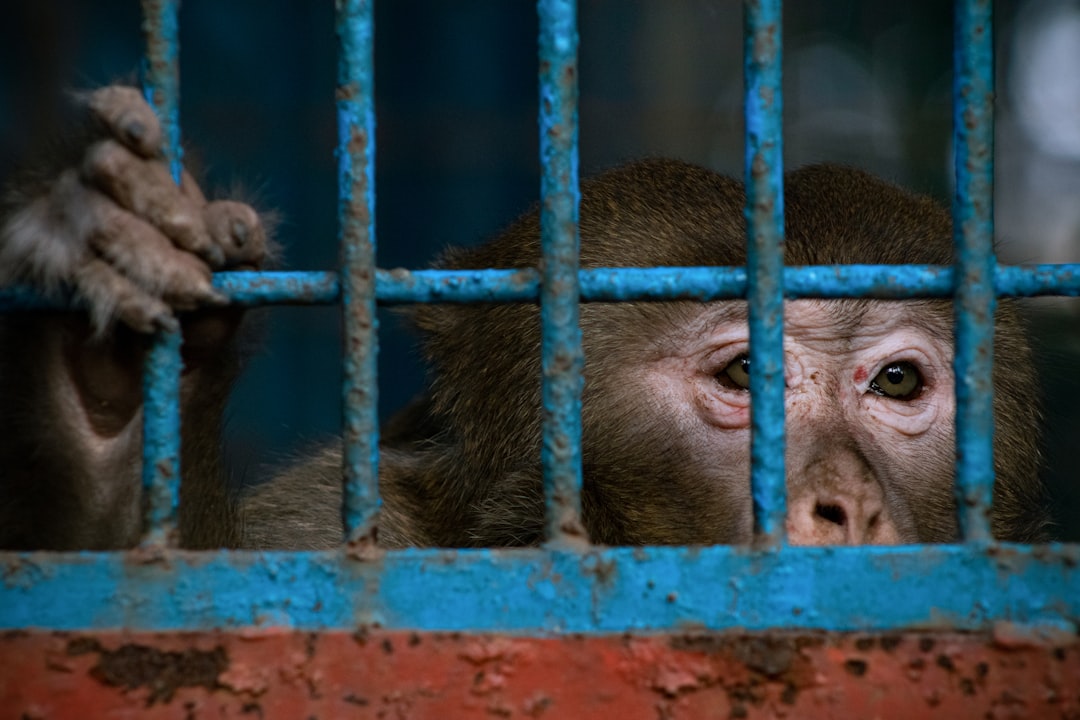
GAO Report Exposes Scale of Unverified Funding (Image Credits: Unsplash)
American taxpayers contributed approximately $2.2 billion over a decade to animal research conducted in foreign laboratories, according to a federal audit. The National Institutes of Health directed these funds to organizations in more than 40 countries, including some with adversarial ties to the United States. Yet significant gaps in monitoring have sparked debates over animal welfare and accountability, prompting legislative action.[1][2]
GAO Report Exposes Scale of Unverified Funding
A U.S. Government Accountability Office investigation revealed the extent of NIH’s overseas investments in animal studies. From fiscal years 2011 to 2021, the agency awarded $2.2 billion through contracts and grants to roughly 200 foreign entities for projects involving animals.[2] This funding supported a range of experiments, from cancer research on mice to other biomedical efforts.
The report highlighted a core problem: NIH’s reliance on self-reported data from grant recipients. Officials did not conduct site visits or independent verifications, leaving potential welfare issues undetected. Such practices raised alarms about the reliability of compliance assurances provided annually by these overseas labs.[1]
Spotlight on High-Risk Countries and Experiments
China emerged as a focal point in critiques of these programs. U.S.-funded cancer studies there involved mice subjected to painful procedures, with some resulting papers later retracted over welfare and data integrity concerns.[1] Similar projects occurred in Russia and Colombia, among others, where local standards often fell short of U.S. requirements.
Advocacy groups documented cases of severe suffering in these settings. The lack of on-site inspections meant federal funds flowed without direct confirmation of humane treatment. Critics argued this not only risked animal mistreatment but also undermined scientific validity.[3]
- China: Retracted studies on mice due to welfare violations.
- Russia: Eligible labs despite geopolitical tensions.
- Colombia: Part of broader funding to over 40 nations.
- General concerns: Limited transparency in experiment details.
Oversight Weaknesses Fuel Bipartisan Backlash
NIH maintained processes for monitoring domestic labs, including mandatory inspections under federal law. Foreign facilities, however, escaped such scrutiny. The agency accepted unverified reports, creating what watchdogs called a “dangerous accountability gap.”[1]
The New York City Bar Association emphasized this disparity in a recent analysis. “Foreign animal research lacks direct verification for humane standards,” the group stated, urging reforms to match domestic protections.[1] Lawmakers echoed these sentiments, pointing to risks of fraud and abuse.
Legislative Momentum Builds to Close the Loophole
Senators Rick Scott and Cory Booker introduced the Cease Animal Research Grants Overseas (CARGO) Act in 2025. The bill seeks to prohibit NIH from funding animal experiments in foreign labs lacking sufficient oversight.[4] Scott described the practice as “deeply concerning,” while Booker noted over $2 billion had supported “cruel experiments” abroad.
Companion efforts included the Accountability in Foreign Animal Research (AFAR) Act from Representatives Lisa McClain and Don Davis. These measures targeted funding to adversarial nations and pushed for stronger verification methods. Congressional committees, such as the House Labor-HHS Appropriations Subcommittee, faced calls to act swiftly.[1]
| Bill | Sponsors | Key Goal |
|---|---|---|
| CARGO Act | Scott (R-FL), Booker (D-NJ) | Ban foreign animal grants |
| AFAR Act | McClain (R-MI), Davis (D-NC) | Enhance accountability |
| WATCH Act | Bipartisan senators | Target illegal labs |
Path Forward for Responsible Research Funding
Reforms could redirect funds toward domestic labs or non-animal alternatives, aligning with growing ethical standards in science. The GAO recommended steps like site visits to bolster reliability.[2] As debates continue, the focus remains on balancing innovation with welfare protections.
Taxpayers deserve assurance that their contributions support ethical, verifiable work. Ongoing congressional pressure signals potential change, but implementation will test commitments on both sides.
Stricter controls could prevent misuse while advancing medical progress. What steps should Congress take next? Share your thoughts in the comments.

- Urban Coyotes Show Remarkable Adaptability, Learning to Thrive in City Environments - July 22, 2026
- Beavers Are Nature’s Engineers, Creating Vital Habitats for Other Wildlife Species - July 21, 2026
- The Recovery of the California Condor Offers Hope for Other Critically Endangered Birds - July 21, 2026