
Worried about unexpected vet bills?
Pet insurance can cover thousands in unexpected vet costs. Get a free quote from Lemonade in under 2 minutes.
Get My Free Quote →Sponsored · Opens Lemonade.com
The United States is home to an extraordinary range of wildlife, from the towering forests of the Pacific Northwest to the sun-baked marshes of the Deep South. Most of these animals want nothing to do with you. They hear you coming and vanish long before you even know they were there.
Still, a handful of species carry real potential for serious harm, and what separates a close call from a catastrophe is often just one bad decision. Understanding which animals demand your full attention, and why, could genuinely make a difference the next time you’re out in wild country.
The Grizzly Bear: Power Beyond Comprehension
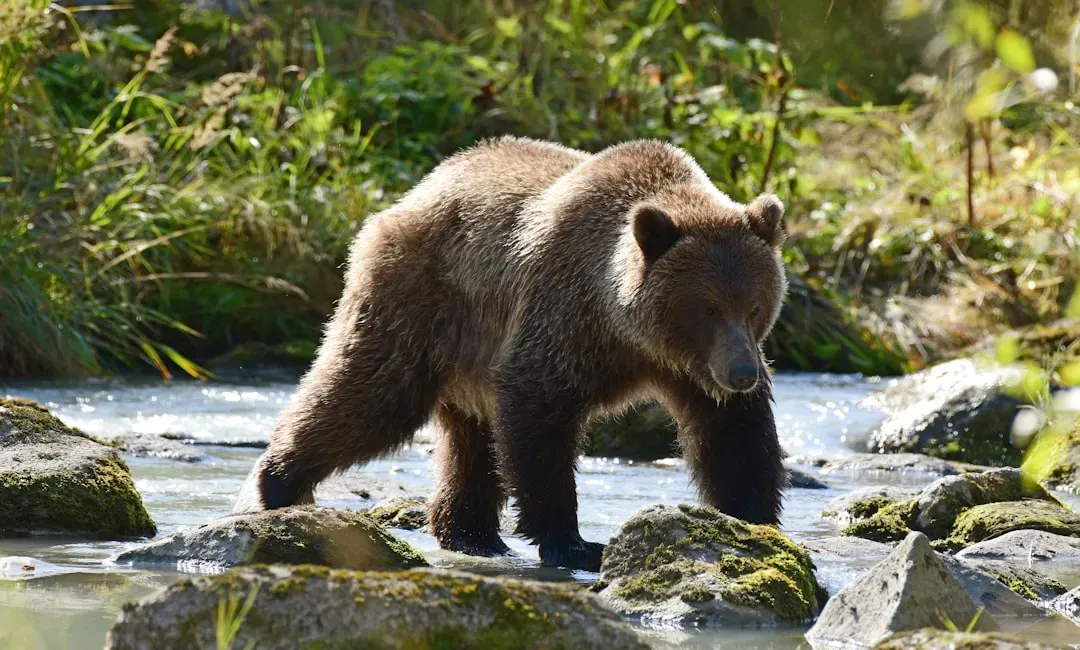
Bulky yet extraordinarily agile, grizzlies can run up to 35 miles per hour and have been known to attack humans in a predatory way. That’s faster than most people can even process what’s happening.
Weighing in at around five times the weight of a human and nearly 10 feet tall in some cases, grizzlies are equipped with strong jaws and five-inch-long, lethally sharp claws. When one decides to engage, the encounter moves from startling to life-threatening in seconds.
Grizzlies are apex predators with formidable strength and sharp claws. While they typically avoid humans, surprise encounters or threats to their cubs can trigger aggressive behavior, potentially leading to attacks.
If attacked by a grizzly bear, the National Park Service says you should play dead, lying with your stomach down and leave your backpack on, if you have one, to better protect yourself. Running is never the answer.
The American Alligator: Ancient and Always Watching
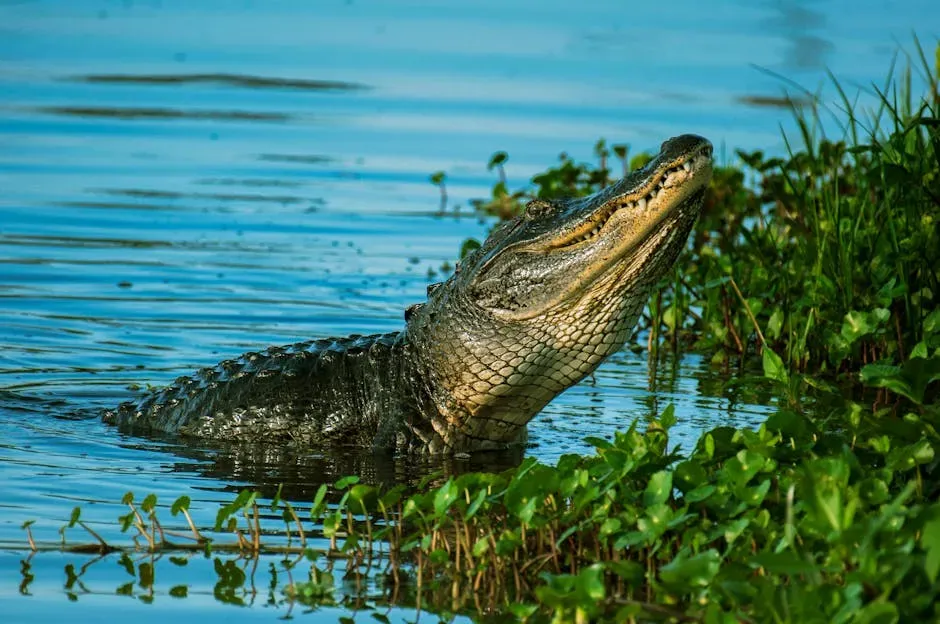
Thriving in swamps, marshes, rivers, and lakes, these prehistoric predators have remained largely unchanged for millions of years. With their powerful jaws, armored bodies, and stealthy hunting techniques, alligators are apex predators that command both fear and respect.
These powerful predators can grow up to 15 feet in length and weigh over 1,000 pounds. Alligator attacks on humans are rare, but they do occur, particularly in areas where people and alligators come into close contact, such as residential neighborhoods near bodies of water.
Between 1948 and November 2021, there were 442 alligator attacks in Florida, of which 26 resulted in human fatalities. Those numbers span decades, but they underscore how proximity breeds risk. Avoid swimming at night when gators are most active, and never try to feed the animals or swim in areas where warnings are posted.
The Mountain Lion: The Predator You Never See Coming
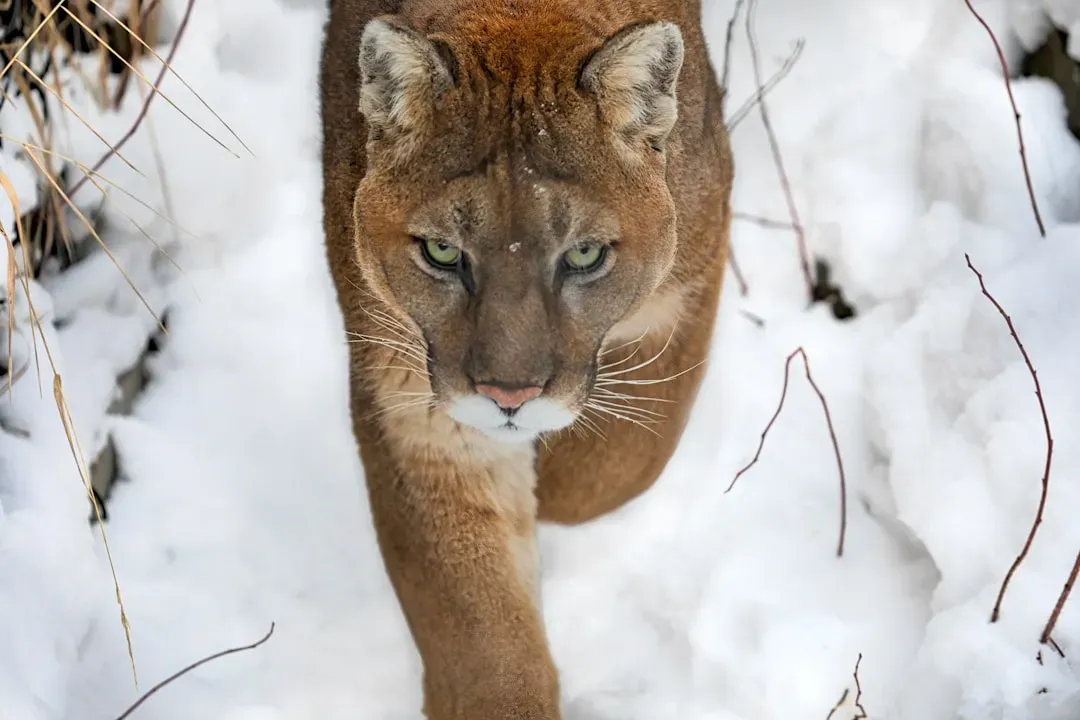
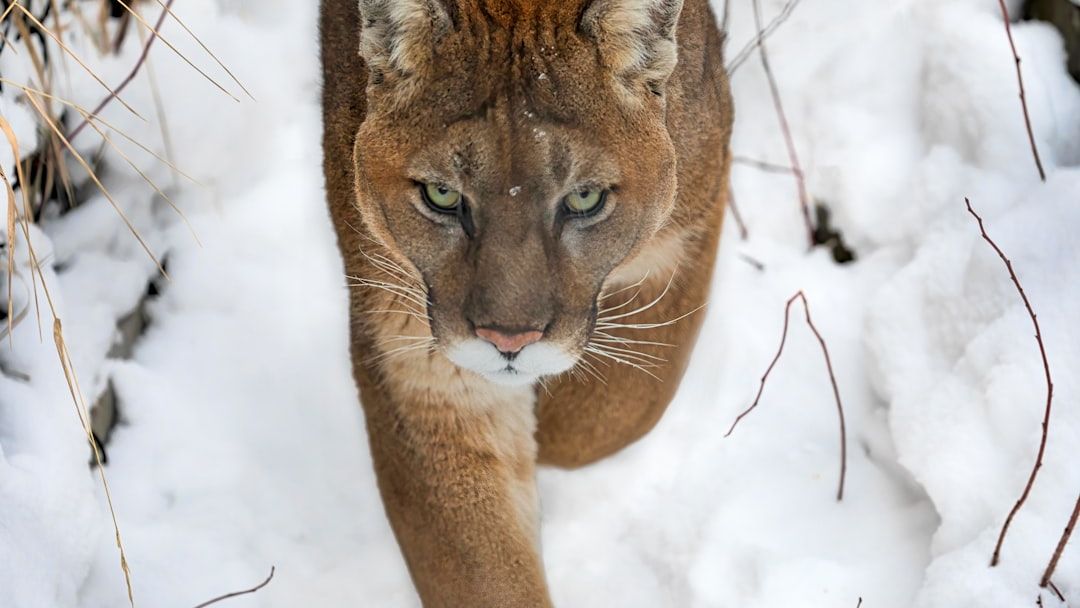
Also known as mountain lions, panthers, and pumas, this is one wild cat that should not be underestimated. One of the most powerful predators in the wild, it is the largest wildcat in North America. Cougars prefer to live in wooded areas and attacks tend to be opportunistic.
Able to run at up to 50 miles per hour and a very capable climber, the mountain lion is a formidable predator. Its natural prey includes deer, elk, and moose, as well as livestock. Typically the cougar kills its prey with a bite to the back of the neck, aiming to position its canine teeth between the vertebrae and into the spinal cord.
If you encounter a mountain lion, maintain eye contact, stand tall, and slowly back away without turning your back. Do not bend over or crouch down. Speak loudly and firmly and make yourself appear as large as possible. This is one animal where turning and walking away could cost you everything.
Over 130 cougar attacks have been documented in North America in the past 100 years, with 27 cougar attacks resulting in fatalities in the US. Those numbers are relatively low, but the nature of the attack, sudden, silent, from behind, is what makes mountain lions uniquely dangerous.
The Rattlesnake: A Warning You Shouldn’t Ignore
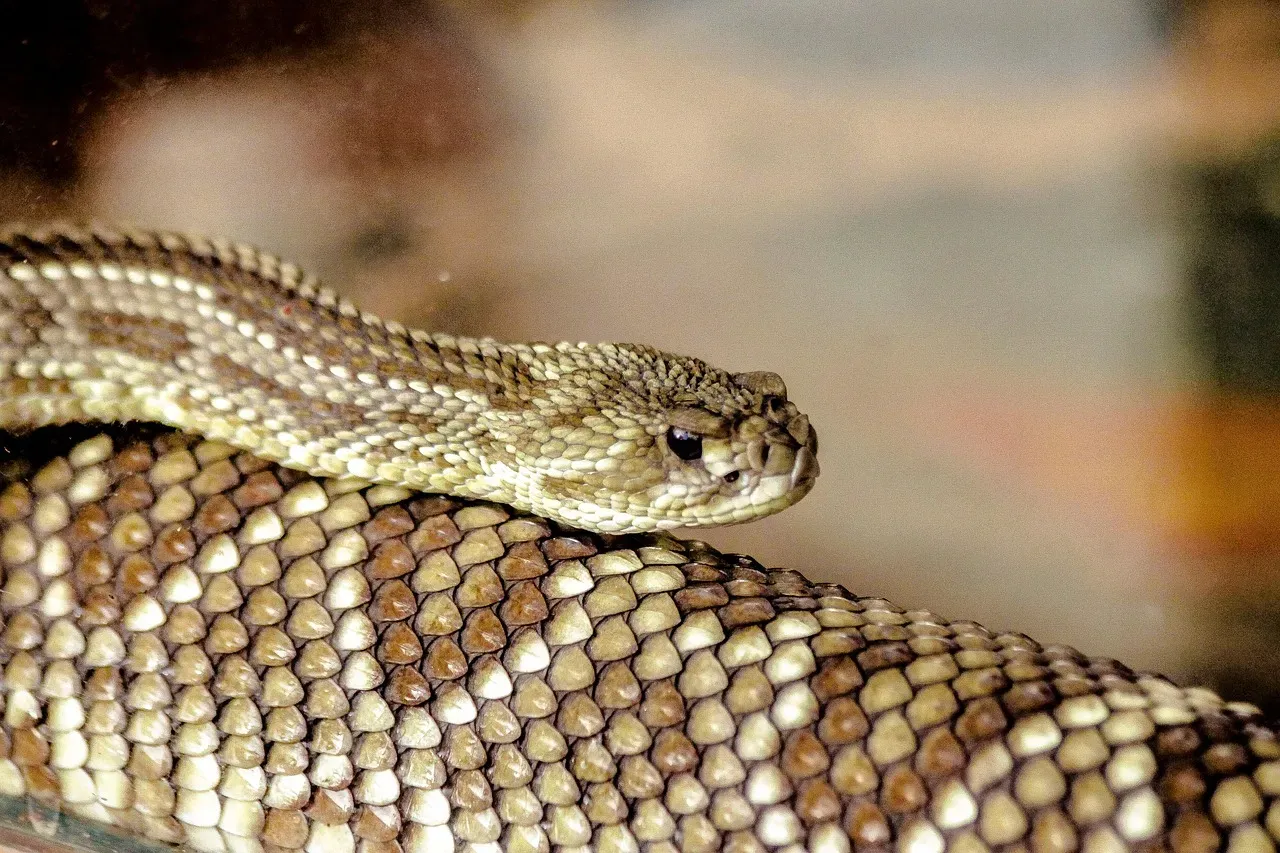
Deadly types of snakes like the rattlesnake, copperhead, and cottonmouth can all be encountered in the United States, though the vast majority of fatalities are attributed to rattlesnake bites.
The venom of the Eastern Diamondback Rattlesnake is highly potent, containing a complex mix of hemotoxins that destroy tissue, disrupt blood clotting, and cause severe pain. A single bite can deliver enough venom to kill multiple adult humans, although fatalities are rare thanks to modern medical treatments. The venom causes rapid swelling, intense pain, and, in severe cases, organ failure if left untreated.
There are 7,000 to 8,000 venomous snake bites reported annually in the US, but thanks to modern medicine, the chances of dying from a snake bite are only one in 50 million, according to the University of Florida’s Department of Wildlife Ecology and Conservation. Treatment is effective. The danger lies in delay.
The sound of a rattle is enough to notify you of a snake’s presence so you can back away. Nonetheless, their incredible camouflage makes them extremely difficult to spot and hikers often stumble upon them before they hear the rattle. Moving slowly and watching your step in rocky or grassy terrain is simply non-negotiable.
The Moose: Deceptively Lethal
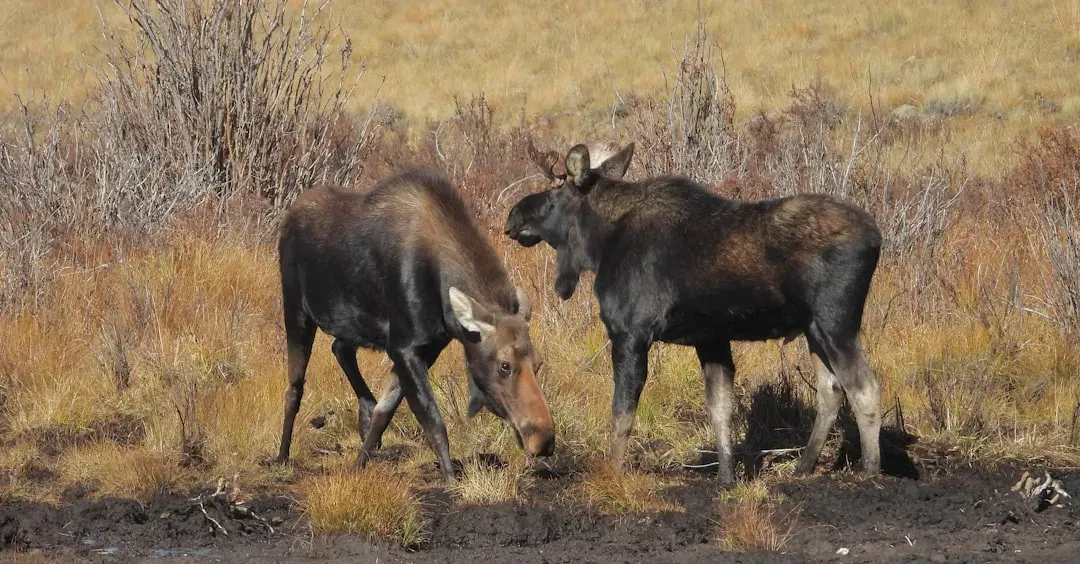
Most people picture moose as slow, lumbering creatures best seen from a car window. That picture is dangerously incomplete. The Alaska Department of Fish and Game notes that more people are injured by moose than by bears in the state each year.
These magnificent animals have poor eyesight but acute hearing and smell, often perceiving humans as threats, especially with dogs nearby. Wildlife officials strongly advise maintaining at least 50 yards distance from moose, never approaching for photographs, and retreating immediately if a moose lays back its ears, raises hackles, or licks its lips, all signs of imminent aggression.
The largest member of the deer family, moose can measure up to six feet at shoulder height. Fairly easy to see in northern parts of the US and Alaska, this charismatic animal is an incredible sight in the wild but can pose real dangers when it feels threatened.
If charged, experts recommend running, unlike with predators, and placing solid objects between yourself and the animal. A moose charge is not a bluff. It is a full-weight commitment from an animal that can reach over 1,000 pounds.
The American Black Bear: Familiar but Never Tame
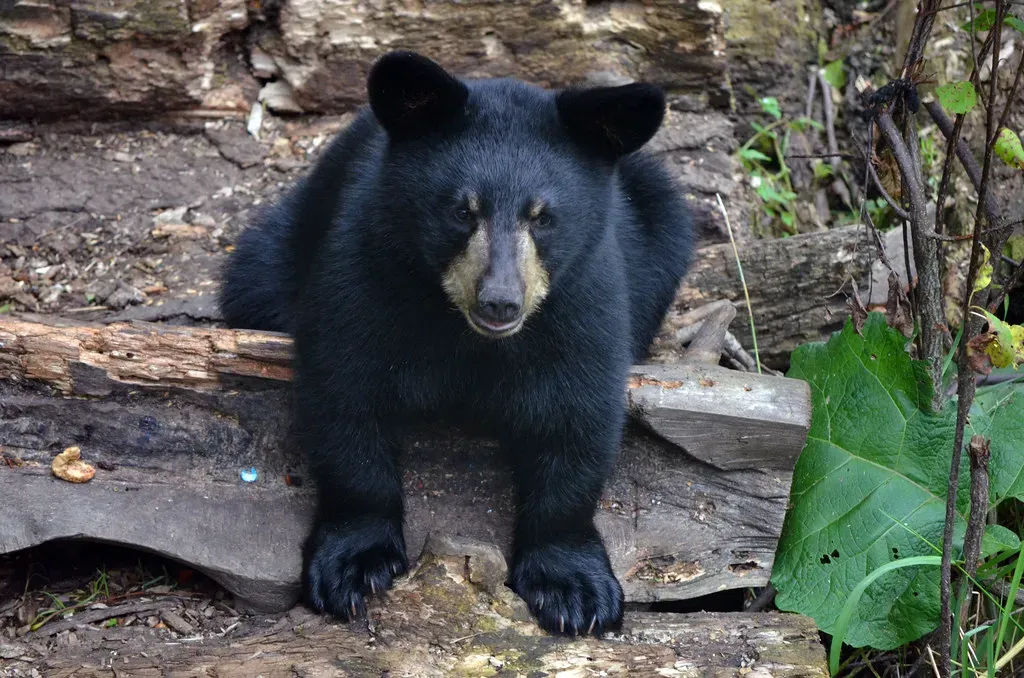
The bear you’re most likely to encounter on hikes is the American black bear, with around 80,000 living across most of the states. That wide range means this is not just a wilderness concern. Suburban sightings have become routine in many parts of the country.
While American black bears rarely attack people, lone, predatory black bears are responsible for most fatal black bear attacks on humans in the United States and Canada. Unlike female bears, motivated to attack humans to protect cubs, male black bears may display predatory behavior toward humans and view them as a potential food source.
While less aggressive than grizzlies, black bears can still pose risks to humans and pets, especially if surprised or defending their young or food sources. Store food securely when camping, and avoid leaving out attractants like garbage or pet food.
The American Bison: The Underestimated Giant
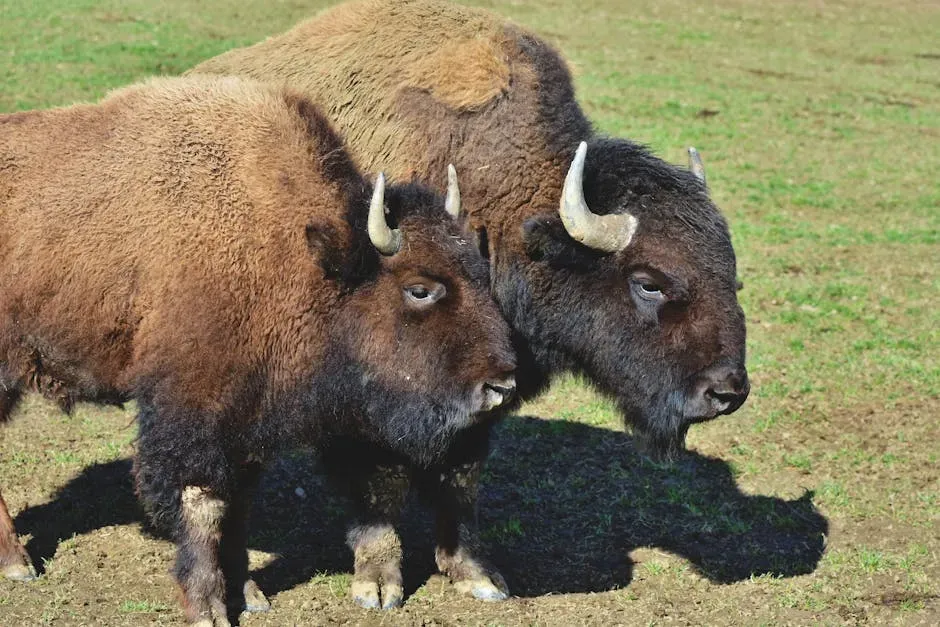
Of all the animals on this list, bison may be the one most consistently underestimated by visitors. They appear calm, almost docile, grazing at a distance in places like Yellowstone. That calmness is not an invitation. Humans often underestimate the danger posed to them, as they usually move slowly and seem docile. However, they can move with lightning speed and put all of their massive weight behind every attack.
The American bison is the official national mammal of the United States. At one time, millions of bison roamed North America, with thousands of herds stretching from Mexico into Canada. Today, managed herds exist within national parks, and the proximity to tourists has led to a troubling pattern of close encounters and injuries.
Bison can weigh well over a ton and are fully capable of goring, trampling, and launching a person into the air. Wildlife agencies consistently cite them as one of the most dangerous animals in Yellowstone. The rule is simple: stay at least 25 yards away, and never position yourself between an animal and its herd.
The Venomous Bees, Wasps, and Hornets: Tiny but Statistically Deadly
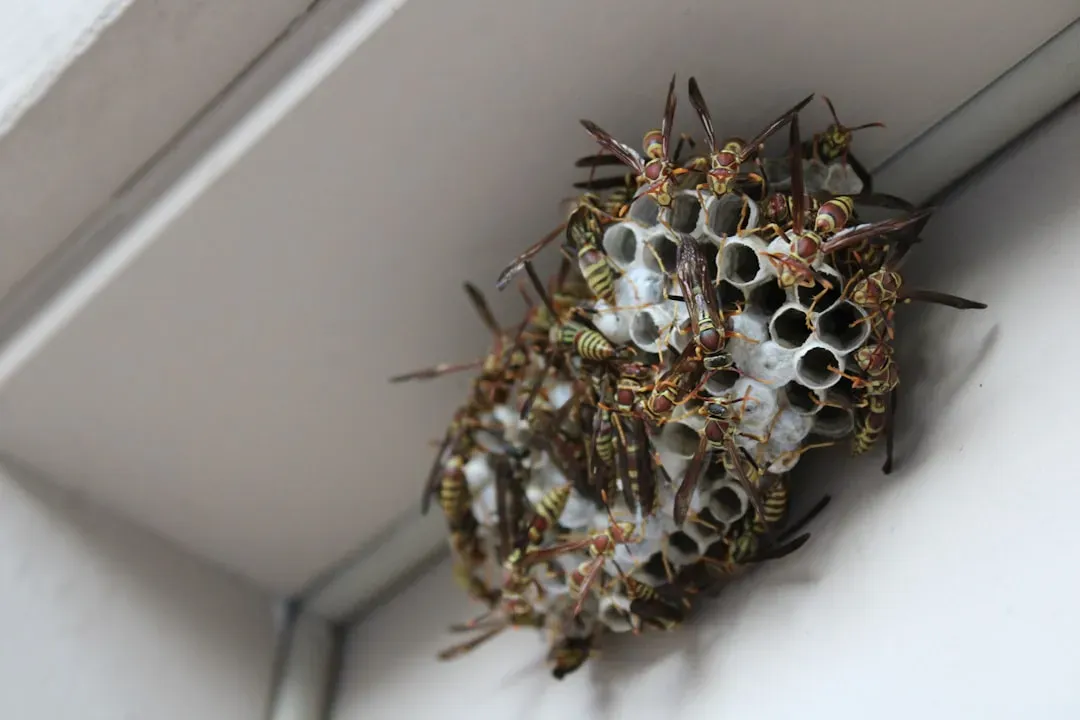
It might seem surprising to end this list with insects, but the numbers are hard to argue with. Winged venomous insects of the order Hymenoptera, comprising hornets, wasps, and bees, are among the biggest killers in documented US animal attack data. Stings from these flying insects killed 478 people over one study period, averaging 60 per year.
While some attacks occur unpredictably, most animal attacks happen due to defensive behavior, stress, or territorial instincts. Accidentally disturbing a ground nest while mowing a lawn or walking a trail is all it takes to trigger a swarming response. For people with severe allergies, that scenario is immediately life-threatening.
The danger here isn’t a single dramatic encounter. It’s accumulated venom from dozens or even hundreds of stings in a short period, a scenario that can overwhelm even someone without a known allergy. Knowing where nests tend to form, staying alert near overhangs, hollow trees, and thick brush, goes a long way toward avoiding the situation entirely.
Conclusion: Respect Is the Real Safety Strategy
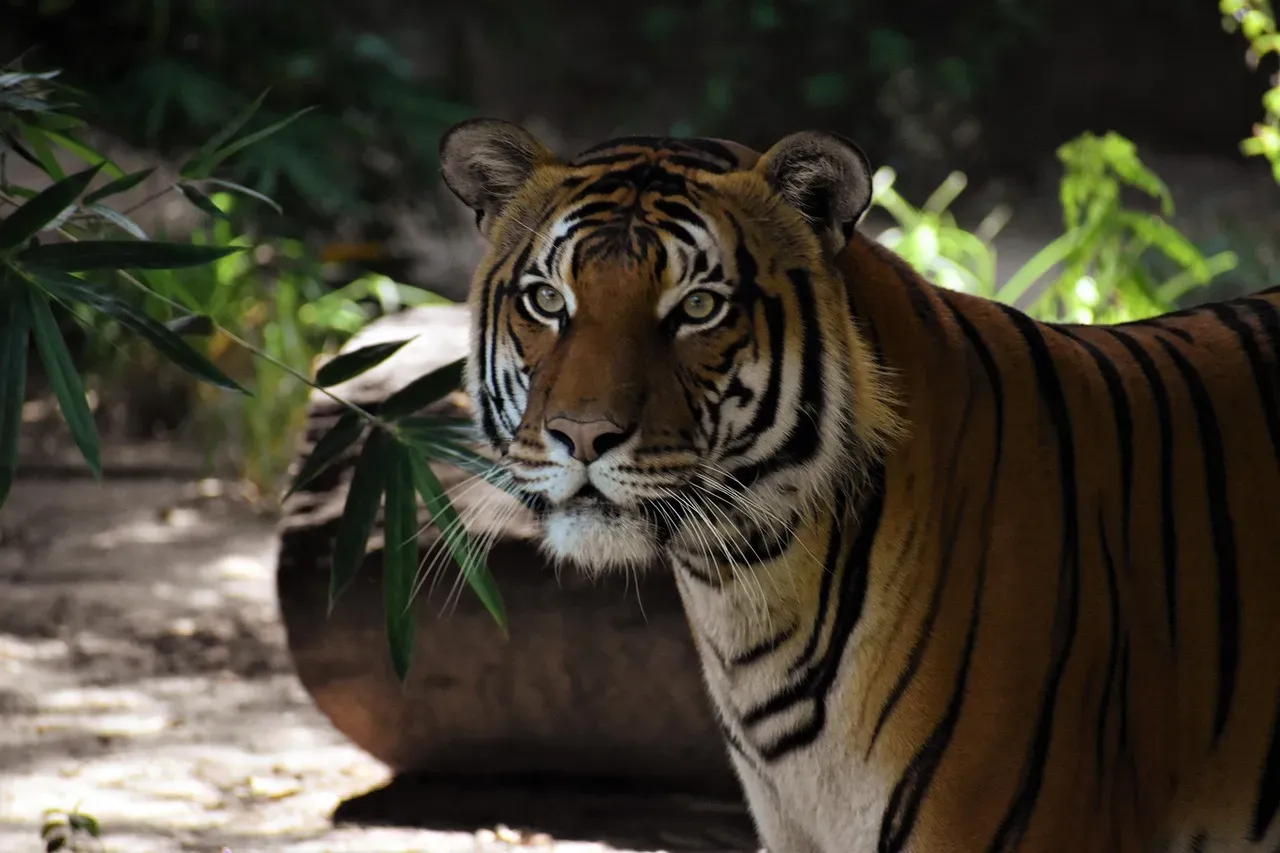
None of the animals on this list are villains. Every one of them is acting on instinct, defending territory, protecting young, or simply reacting to a perceived threat. Across America’s diverse ecosystems, animal aggression almost always stems from defensive reactions rather than predatory intent. Understanding this fundamental principle is key to safely coexisting with wildlife in every state. From Alaska’s towering grizzlies to smaller, venomous creatures, aggressive behaviors typically occur when animals feel threatened, are protecting young, or when humans inadvertently violate their space.
The common thread running through every dangerous encounter is human behavior, getting too close, moving too quietly, reacting too slowly, or simply not knowing enough. The most effective strategy for preventing dangerous wildlife encounters is education, learning to recognize warning signs, understanding seasonal behavior patterns, and respecting wildlife by maintaining appropriate distances.
Wild places are worth exploring. The animals in them are worth understanding. The best encounters, the ones you’ll tell stories about for years, are the ones where you both walked away unharmed.
Worried about unexpected vet bills?
Pet insurance can cover thousands in unexpected vet costs. Get a free quote from Lemonade in under 2 minutes.
Get My Free Quote →Sponsored · Opens Lemonade.com
