
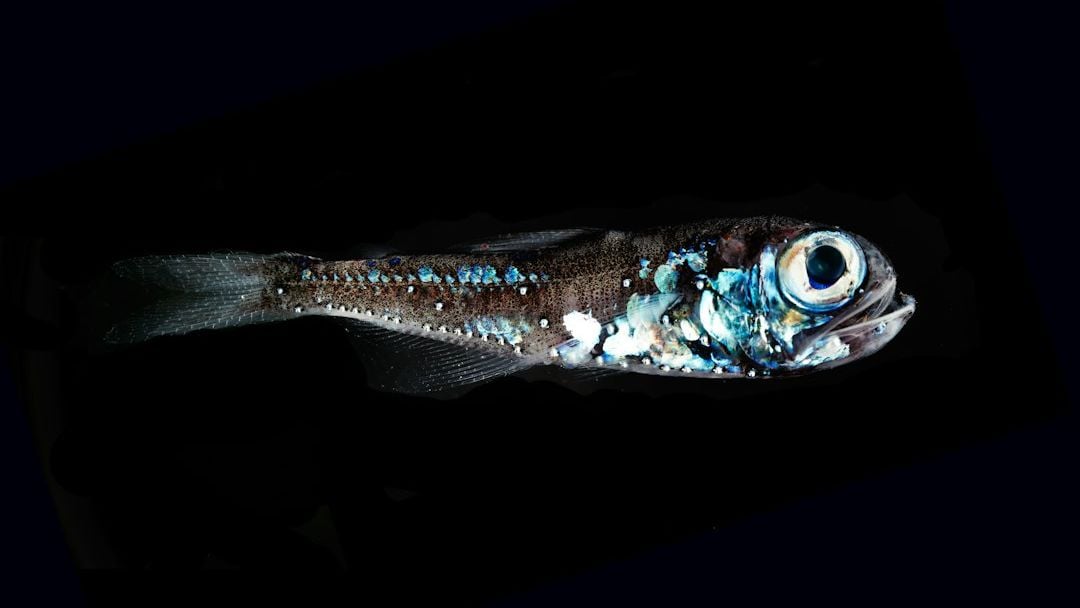
Picture the ocean floor dropping away to depths beyond imagination. Places like Challenger Deep in the Mariana Trench reach nearly 11 kilometers down, where pressure crushes like dozens of elephants stacked atop a single point. Sunlight vanishes entirely, temperatures hover near freezing, and food is scarce.
Long thought barren, these hadal zones now prove vibrant with life. Advanced submersibles and remote vehicles have pierced the darkness in recent years. Expeditions since 2025 uncovered thriving communities and thousands of previously unknown species.[1][2]
The Hadal Zone Revealed
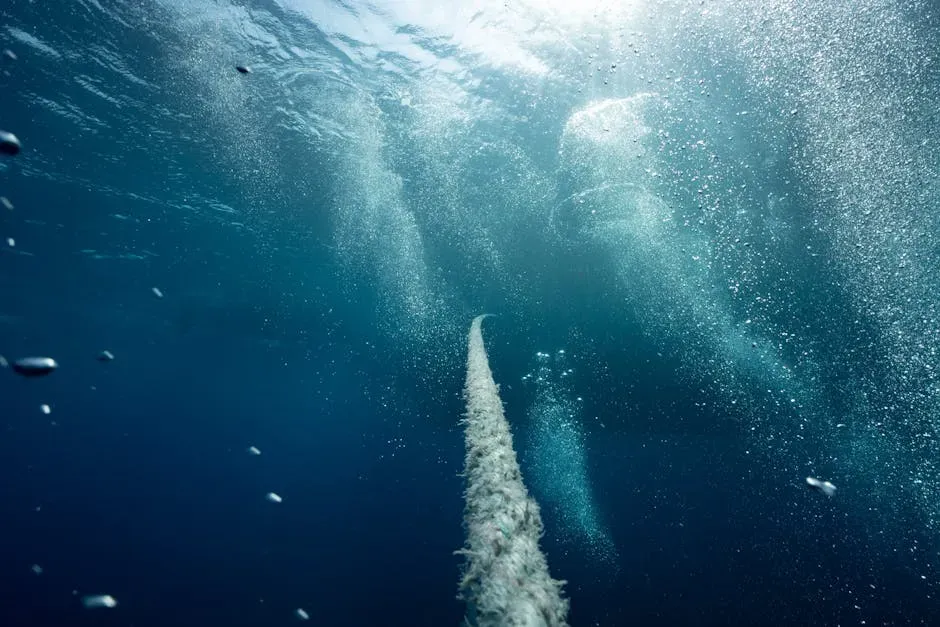
The hadal zone spans depths over six kilometers, mainly in trenches formed by tectonic plates grinding together. Mariana, Tonga-Kermadec, and Japan trenches dominate this realm. Conditions there challenge all known biology with near total darkness and bone-crushing force.
Life persists through chemosynthesis, where microbes convert chemicals into energy instead of sunlight. Recent studies show dense clusters of worms and mollusks at these extremes. Such findings upend old views of lifeless voids.[3][4]
Explorers now document ecosystems rivaling shallower seas in complexity. Bacteria form the base, supporting larger creatures. Diversity surges where organic matter settles from above.
Breakthroughs in the Mariana Trench
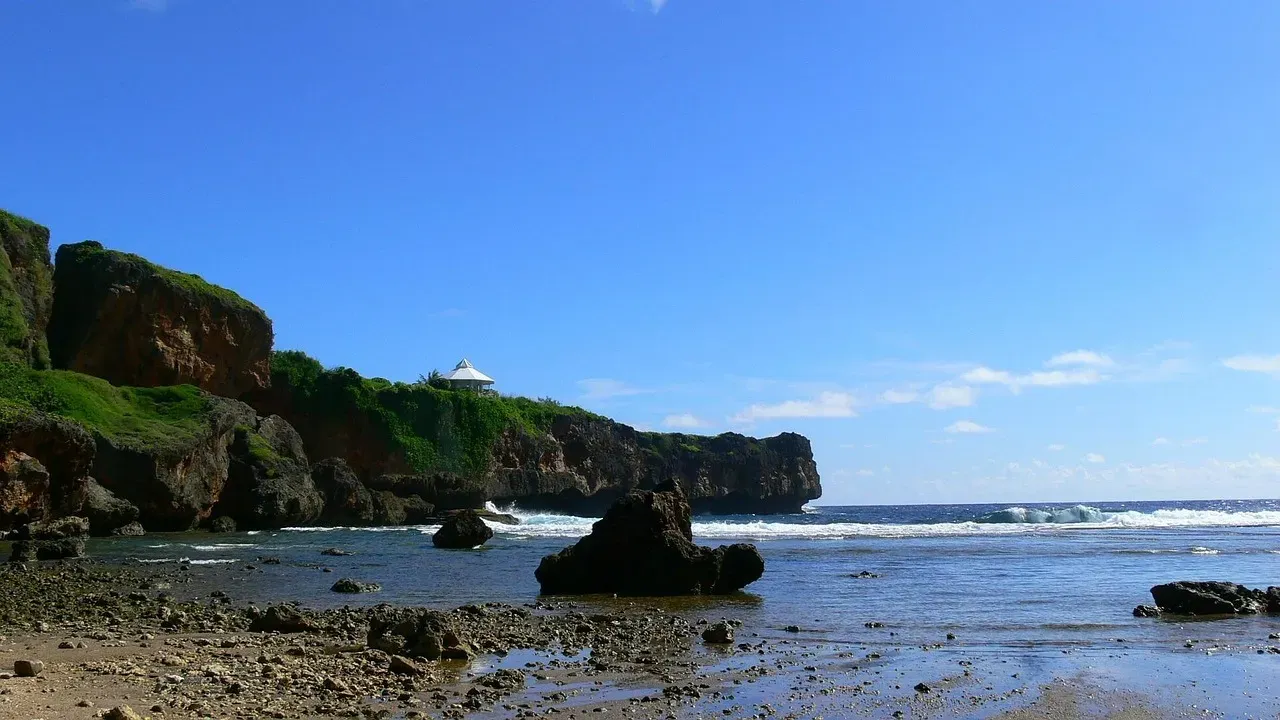
Challenger Deep, the planet’s lowest point, drew intense focus in 2025. A Chinese submersible captured video of thousands of worms and mollusks clustered nearly 10 kilometers down. These formed the deepest known animal communities yet filmed.[2]
Separate research identified over 7,000 new microbial species from sediment samples. Nearly nine in ten proved entirely novel to science. Such microbes hint at untapped evolutionary branches thriving under extremes.[1]
Snailfish and amphipods also appear in records, adapted to the void. These sightings confirm life not just survives but flourishes. Expeditions logged life on most dives over 40 days.
Global Trenches Yield Surprises
Japan’s trenches shone in 2026 surveys, revealing rich biodiversity up to 10 kilometers deep. Scientists cataloged dozens of new species, including unidentified forms in the Nankai Trough. Nutrient flows from surface support unexpected abundance.[5][4]
The Kermadec and Tonga trenches host unique amphipods and nematodes at record depths. Baited traps pulled up specimens hinting at undescribed kinds. Sea cucumbers and deposit feeders thrive where food rains down.
Even the Kuril-Kamchatka region between Russia and Alaska showed hadal ecosystems in 2025. These patches sustain complex food webs. Patterns emerge across trenches worldwide.
Adaptations That Defy Extremes
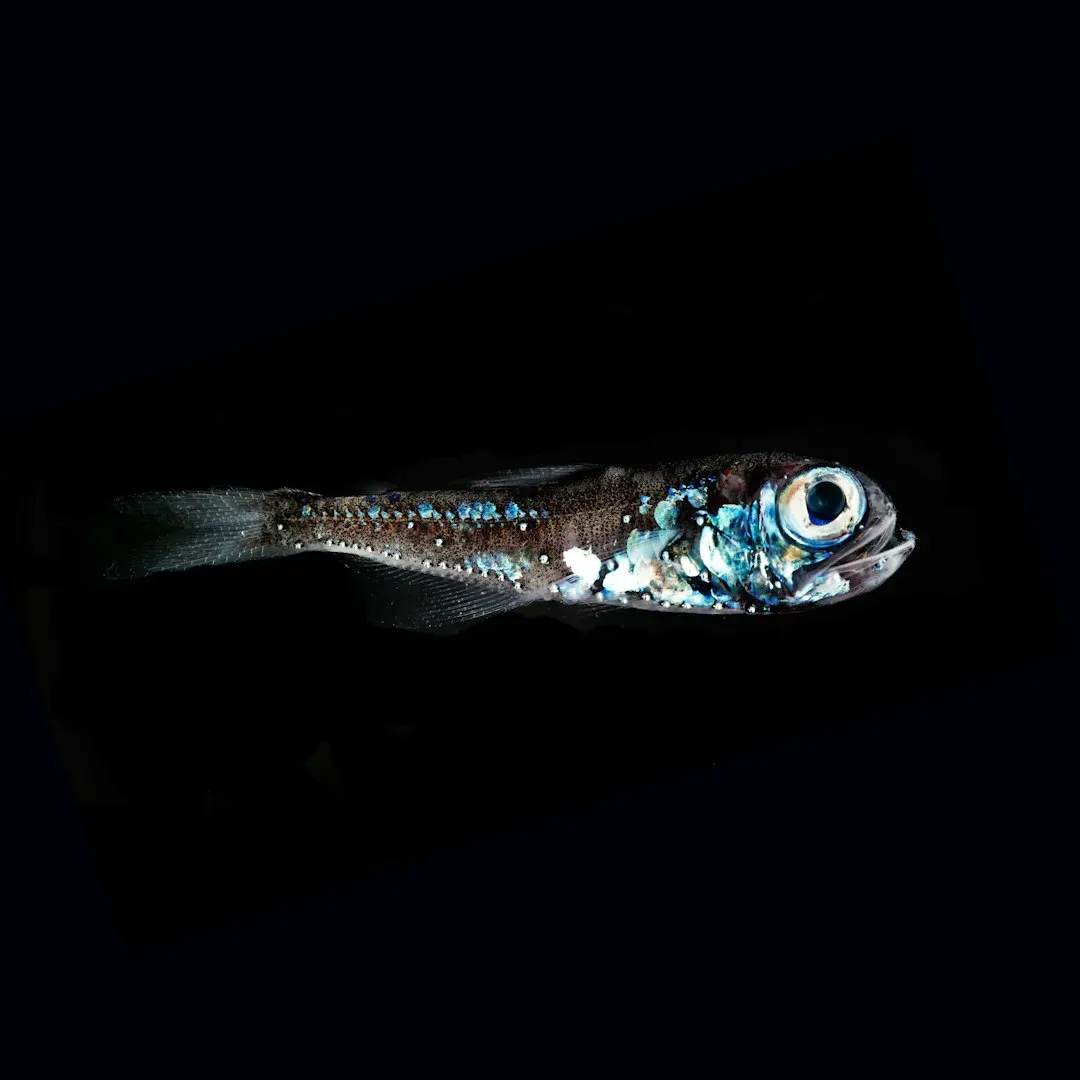
Deep-dwellers boast gelatinous bodies to withstand pressure. No air bladders burden fish like snailfish here. They gulp prey whole, relying on flexible frames.
Chemosynthetic bacteria power many communities, oxidizing methane or sulfides. Worms host these symbionts in gills, farming energy from rock seeps. Such partnerships enable life without the sun.
High reproduction rates help sparse populations endure. Some amphipods scavenge whale falls for feasts. These strategies reveal evolution’s ingenuity in the abyss.
Paths Forward for Discovery
These revelations spur calls for protected zones amid mining threats. Clarion-Clipperton finds of 24 new amphipods in 2026 underscore vulnerability.[6] Better mapping and AI analysis accelerate identifications.
Ocean Census projects aim to name thousands more by 2030. Submersible tech improves reach yearly. Each dive peels back layers of the unknown.
Trenches mirror early Earth conditions, offering clues to life’s origins. Protecting them preserves potential medicines and biotech wonders. The deep remains mostly unseen, promising endless surprises. As probes descend further, one truth holds: emptiness never defined these realms.

- 6 US States With the Most Salmon - July 12, 2026
- 14 Signs Your Dog Has Started Living in the Moment More Than You Do - July 12, 2026
- 8 Fascinating Facts About the Elusive Red Wolf, America’s Most Endangered Canine - July 12, 2026