
Worried about unexpected vet bills?
Pet insurance can cover thousands in unexpected vet costs. Get a free quote from Lemonade in under 2 minutes.
Get My Free Quote →Sponsored · Opens Lemonade.com
Most of us glance out the window, spot a chickadee on the feeder or a crow on the fence post, and think nothing of it. They’re birds. They eat, they fly, they sing. What more is there? Quite a lot, as it turns out. Decades of research in animal cognition have steadily dismantled the idea that birds are simple, instinct-driven creatures, and the findings are genuinely striking.
The birds visiting your yard are navigating a cognitive world far richer than most people assume. They remember faces, pass knowledge through generations, and carry brain structures that rival the processing power of primates. The science behind this is not fringe speculation. It’s well-documented, peer-reviewed, and keeps getting more detailed every year.
The Bird Brain Myth Was Always Wrong
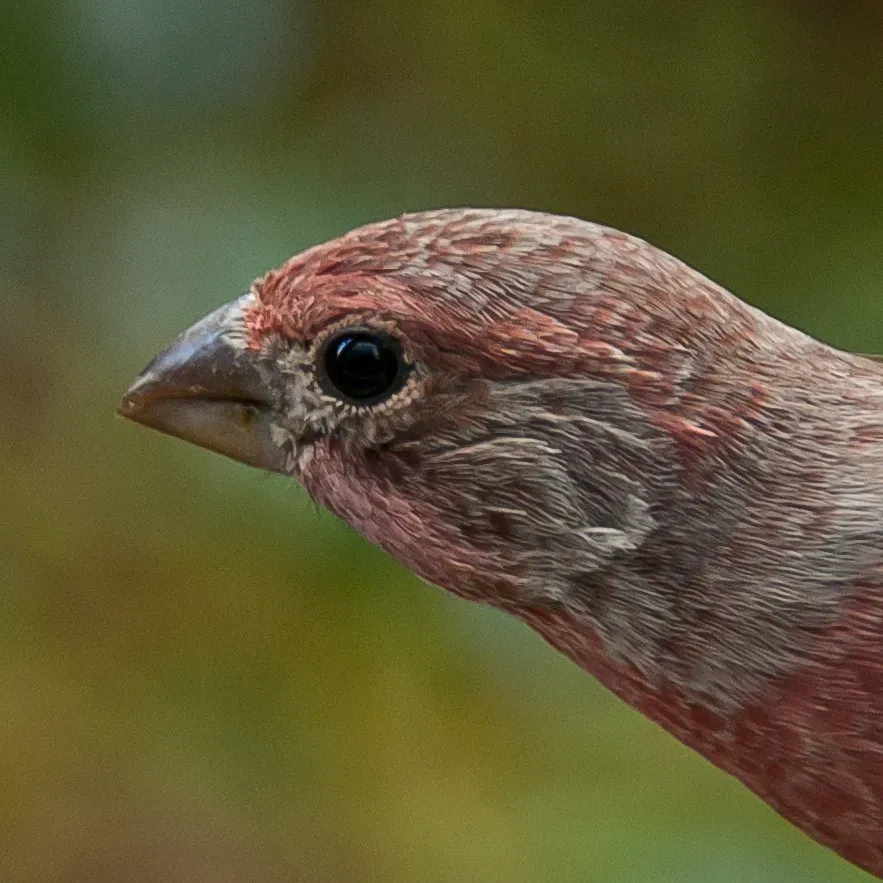
For a long time, calling someone a “birdbrain” was shorthand for stupidity. The assumption was straightforward: birds have tiny brains, therefore limited intelligence. That assumption turned out to be badly mistaken. Corvids and parrots possess non-cortical brains of just one to twenty-five grams, yet they exhibit cognitive abilities comparable with those of great apes such as chimpanzees, which have brains of about four hundred grams.
The key isn’t raw brain size. It’s how neural architecture is organized. Researchers have identified four convergently evolved neural features of smart birds: many associative pallial neurons, a pallial area that takes on the functions of the mammalian prefrontal cortex, dense dopaminergic innervation of associative pallial areas, and flexible neural foundations of working memory.
Analyses of the composition, development, and evolution of the pallium, which is the brain region in birds and mammals largely responsible for memory, learning, and thinking, show that some brain cell types remained nearly unchanged over hundreds of millions of years, whereas others evolved quite differently. In other words, birds arrived at sophisticated cognition by a different evolutionary road than mammals, but they arrived nonetheless. The destination was surprisingly similar.
Chickadees Have a Memory System That Rivals Much Larger Animals
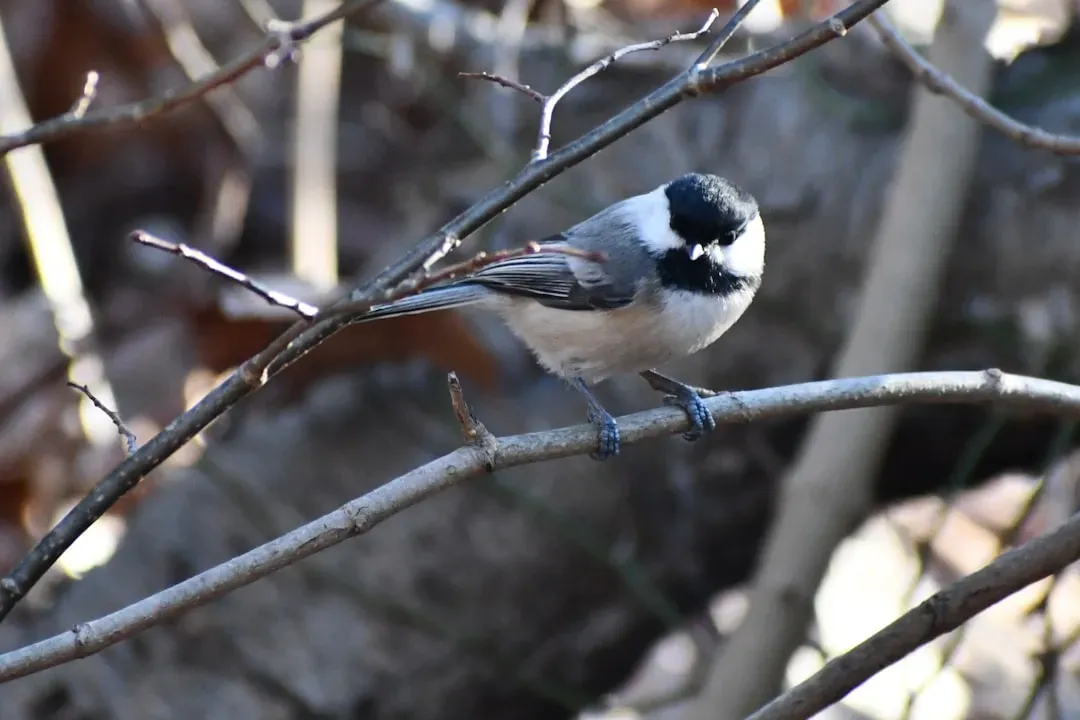
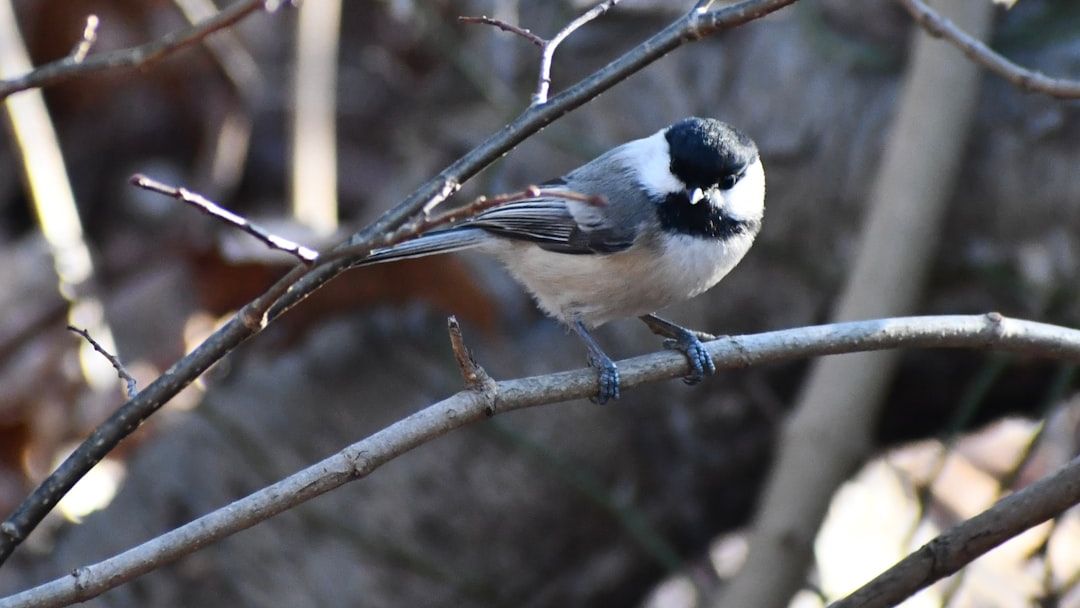
The black-capped chickadee is a small bird. It weighs about as much as a few paper clips. Yet its memory capabilities are exceptional in ways that have caught the attention of neuroscientists worldwide. Mountain chickadees spend the fall hiding as many as eighty thousand individual seeds, which they then retrieve by memory during the winter. Their ability to keep track of that many locations puts their memory among the most impressive in the animal kingdom.
What makes this even more remarkable is how the memory itself works. New research suggests that these birds with impeccable memories use a system similar to something you’ve probably seen at the grocery store. They appear to memorize each food location using brain cell activity that functions similarly to how a barcode works. Hippocampal neurons fired in a unique pattern each time a chickadee stored food in a certain location, and each memory was tagged with a unique pattern in the hippocampus that lit up when the bird retrieved the cached food. Researchers referred to these patterns as barcodes since they are very specific labels of individual memories.
Crucially, this memory isn’t just about retrieval. A single memory of site contents is used in a context-dependent manner: during caching, chickadees avoid sites that contain food, while during retrieval they instead preferentially access occupied sites. That’s not simple stimulus-response behavior. It’s flexible, context-aware memory use. Even more striking, researchers tracking the spatial cognition and lifespan of two hundred and twenty-seven mountain chickadees for more than a decade found that birds with better spatial learning and memory abilities lived longer.
Crows Know Your Face, and They Won’t Forget It
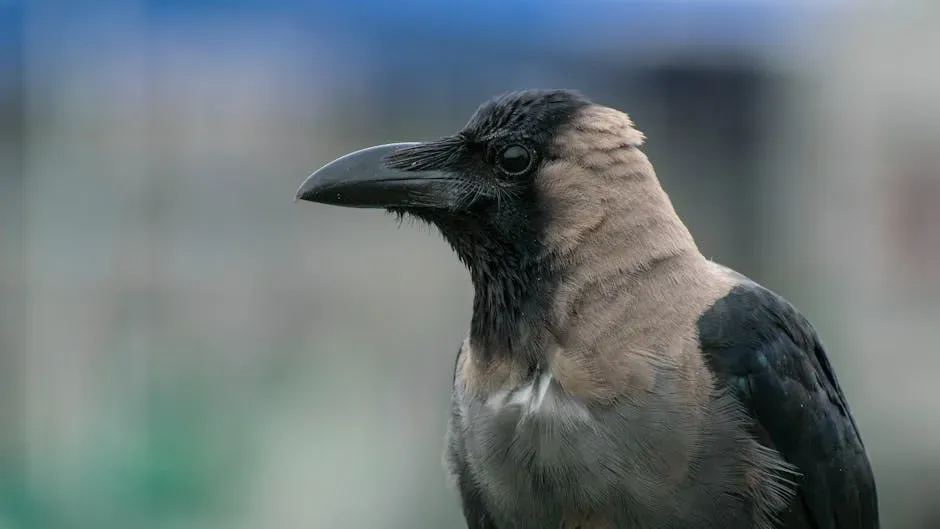
If you’ve ever had a crow watch you closely, there’s a real chance it was doing exactly that: studying you. Crows pay close attention to people and can remember specific faces for several years after a single encounter. This isn’t anecdote. It’s been verified experimentally under controlled conditions across multiple research sites.
Research demonstrated experimentally that the American crow quickly and accurately learns to recognize the face of a dangerous person and continues to do so for at least two and a half years. Wild crows consistently used harsh vocalizations to scold and mob people who wore a dangerous mask, even when they were in crowds. What makes this especially interesting is the social dimension. The birds present at the original trapping remembered which masks corresponded to capturing, and they passed this information to their young and other crows.
Crows are not alone in this. Mockingbirds recognize and remember people whom they perceive as threatening their nests, and if those songbirds spot an unwelcome visitor, they screech, dive bomb, and even sometimes graze the visitor’s head, while ignoring other passers-by or nearby strangers. The mockingbirds in one study were clearly able to recognize and remember a single individual based on just two brief negative encounters at their nest. Sixty seconds of exposure was enough. That’s a faster recognition rate than many domesticated animals trained in laboratory conditions.
Birds Have Culture, and They Pass It Down
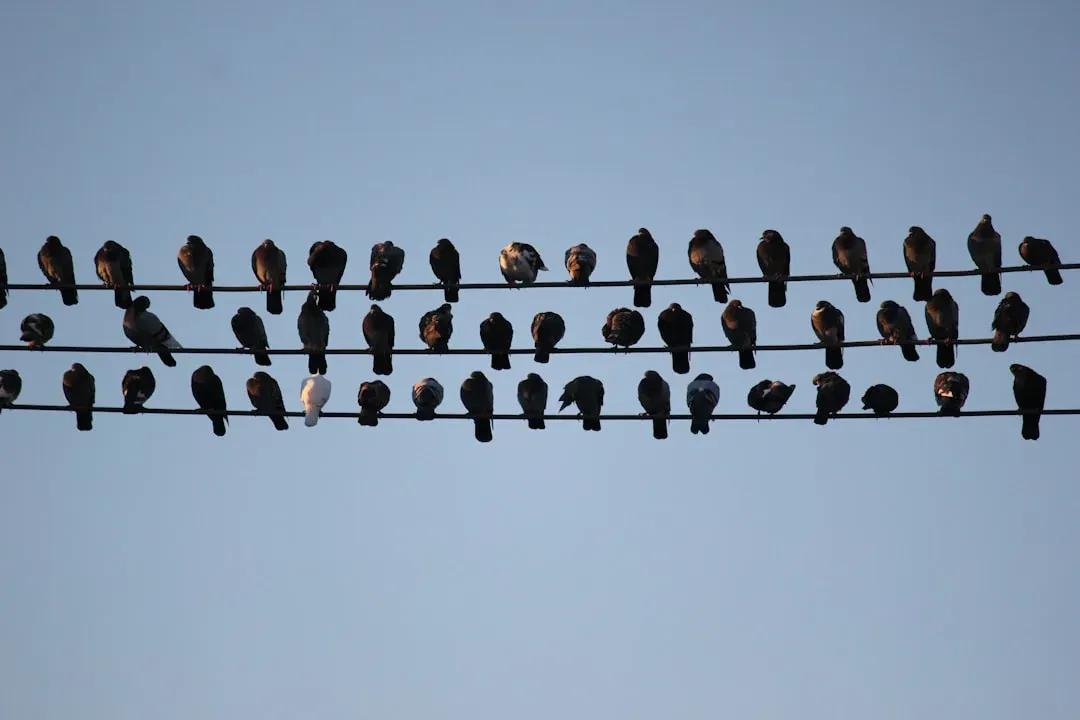
Culture is no longer a word reserved for humans. There is now abundant evidence for a role of social learning and culture in shaping behaviour in a range of avian species across multiple contexts, from migration routes in geese and foraging behaviour in crows, to passerine song. The mechanisms behind this cultural transmission are well documented and, in some cases, surprisingly robust.
One of the most striking demonstrations of avian culture involved great tits and a foraging puzzle. Researchers introduced alternative novel foraging techniques into replicated wild sub-populations of great tits and employed automated tracking to map the diffusion, establishment, and long-term persistence of the seeded behaviors. From just two trained birds in each sub-population, information spread rapidly through social network ties to reach an average of seventy-five percent of individuals.
Just as with human languages, songbirds have dialects that are learned and passed down through generations. Construction and use of tools by crows and problem solving by cockatoos also appear to be culturally learned and transmitted. Birds are even able to change their culture to become more efficient, and research reveals immigration as a powerful driver of cultural change in animal groups that could help them adapt to rapidly changing environments. The birds in your neighborhood, in other words, are not just inheriting behavior. They’re updating it.
Problem-Solving and Innovation Are Survival Skills in the Wild
Intelligence in birds isn’t just about memory and social mimicry. It also shows up in how individual birds respond to entirely new challenges. Large-scale analyses have shown that innovativeness reduces extinction risk, increases colonization success, and is associated with increased brain size and pallial neuron numbers. Flexibility, quite literally, keeps species alive.
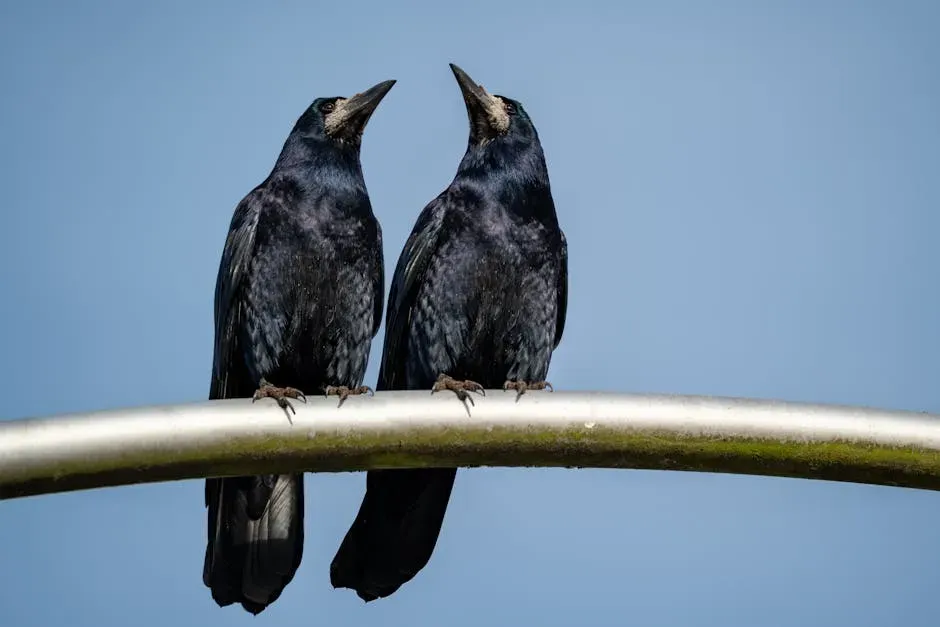
Crows can recognize human faces, understand causality, and even make their own tools to retrieve food. Crows have been observed carrying useful tools around with them on foraging expeditions, with each type of tool used for a specific function requiring a particular action. Pandanus leaves were used to probe for prey under leaf detritus using rapid back and forth movements, whereas hooked twigs were used to poke out insect larvae from within holes in trees using slow, deliberate movements. These are not random behaviors. They reflect something that looks remarkably like planning.
Wild birds that are more clever than others at foraging for food have different levels of a neurotransmitter receptor that has been linked with intelligence in humans. The findings could provide insight into the evolutionary mechanisms affecting cognitive traits in a range of animals. From suburban crows and mockingbirds that remember unfriendly faces to nutcrackers, chickadees, and nuthatches that memorize the location of food stores, birds have evolved to use impressive memory and cognition in many of their everyday behaviors. The next time you see a jay eyeing your garden or a crow tilting its head at you from the rooftop, it’s worth pausing. That bird is running calculations you’d probably never guess.
Conclusion
The evidence accumulated over decades of research points in one consistent direction: backyard birds possess cognitive abilities that most casual observers dramatically underestimate. Their brains are organized differently from ours, but those differences don’t mean less. They mean other.
Memory systems encoded like barcodes, facial recognition lasting years, cultural traditions passed across generations, problem-solving that adjusts in real time. These are not the behaviors of creatures acting purely on instinct. Research on avian cognition challenges the assumption that advanced memory and facial recognition were primarily limited to mammals. Studying birds helps scientists understand how intelligence and memory evolve across species under different environmental pressures.
There’s something quietly humbling about watching a chickadee at a winter feeder and knowing it has memorized thousands of hiding spots with a precision that still puzzles neuroscientists. Birds don’t need our recognition of their intelligence to keep using it. They’ve been doing just fine without it for millions of years.
Worried about unexpected vet bills?
Pet insurance can cover thousands in unexpected vet costs. Get a free quote from Lemonade in under 2 minutes.
Get My Free Quote →Sponsored · Opens Lemonade.com
