

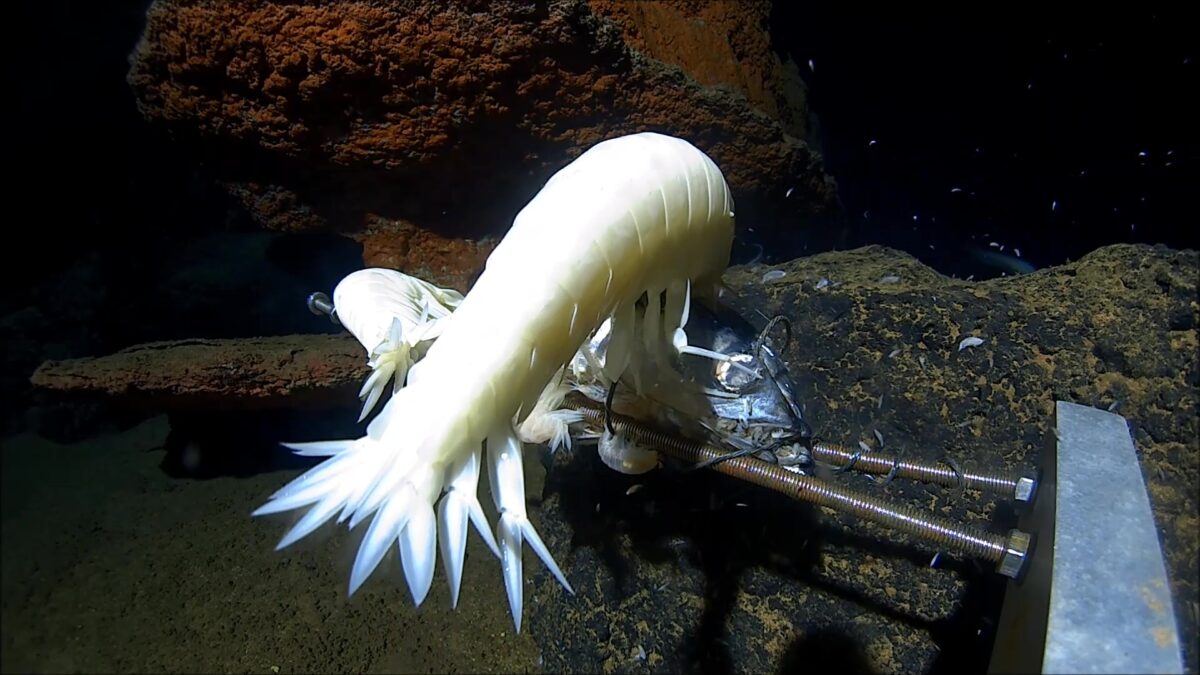
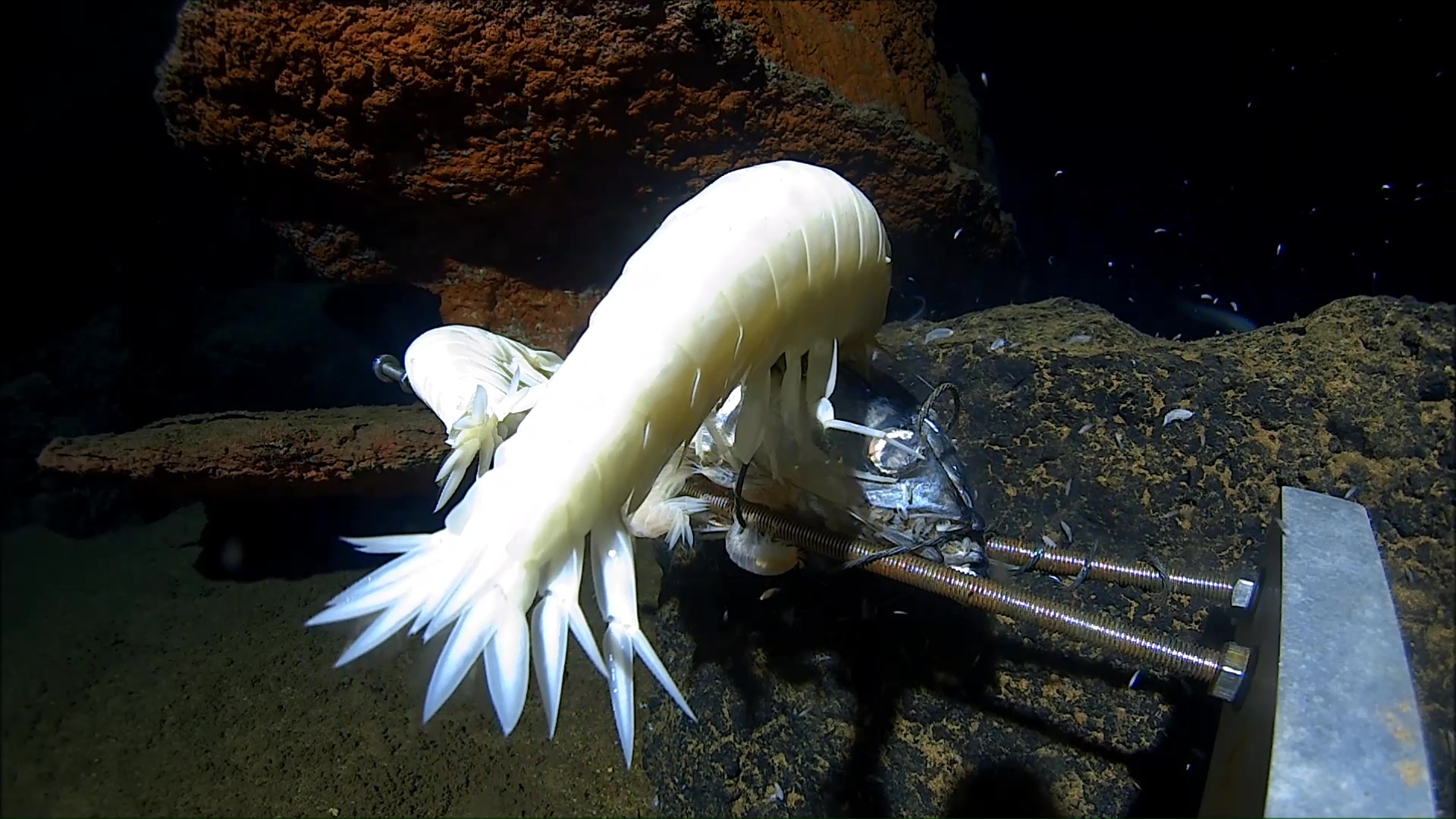
Plunging into the Hadal Zone (Image Credits: Upload.wikimedia.org)
Off the coast of Japan – researchers descended into the planet’s most inaccessible realms during a 2022 expedition targeting the Japan, Ryukyu, and Izu-Ogasawara trenches. Teams from the Minderoo-UWA Deep-Sea Research Center and Tokyo University of Marine Science and Technology captured hours of footage from depths reaching nearly 10 kilometers. Among the revelations emerged a slow-gliding creature that defied classification, prompting experts worldwide to puzzle over its origins.[1][2]
Plunging into the Hadal Zone
Scientists aboard the DSSV Pressure Drop embarked on a two-month mission funded by Caladan Oceanic and Inkfish. They employed crewed submersibles, such as the Limiting Factor, for close-up transects along the seafloor. Baited free-fall camera systems complemented these efforts, drawing scavengers without disturbing delicate ecosystems.[2]
The approach marked a shift from traditional trawling, which often damaged fragile life forms and missed behavioral insights. Over 460 hours of video yielded observations from 4,534 to 9,775 meters. This effort cataloged at least 108 distinct morphotaxa, establishing the most detailed visual record of Northwest Pacific abyssal and hadal megafauna to date.[1][3]
The Baffling Slow-Glider Emerges
Cameras recorded the enigma twice – once at 9,100 meters and again at 9,137 meters in the Japan Trench’s Boso triple junction. The pale, whitish organism glided slowly through the water column, its body split into two symmetrical halves with rigid, antenna-like projections reminiscent of nudibranch rhinophores. Though its form evoked sea slugs like the alabaster nudibranch or even sea cucumbers, key traits set it apart.[2]
Global taxonomic experts reviewed the footage but could not assign it to any known phylum. Designated Animalia incerta sedis – Latin for an animal of uncertain placement – the creature’s rigid appendages contradicted nudibranch flexibility. Its presence at more than twice the depth of known sea slugs, around 4,000 meters, deepened the mystery. Researchers noted that such depths challenge assumptions about marine adaptability.[1][3]
Other Revelations from the Abyss
Beyond the unidentified glider, the expedition uncovered record-breaking sights. A snailfish of the genus Pseudoliparis fed at 8,336 meters, marking the deepest in-situ fish observation ever. Dense meadows of over 1,500 stalked crinoids carpeted rocks at 9,300 meters, while carnivorous sponges from the Cladorhizidae family appeared at 9,568 to 9,744 meters – the deepest such sighting.[2]
Scavengers flocked to baited landers, including the supergiant amphipod Alicella gigantea across all trenches. The Japan Trench hosted the richest diversity, influenced by geology, depth, and nutrients. Human debris also surfaced, carried downslope into these remote zones.[1]
| Trench | Max Depth Surveyed | Notable Finds |
|---|---|---|
| Japan Trench | 9,137 m | Mystery organism, crinoid meadows, snailfish |
| Ryukyu Trench | ~9,000 m | Amphipods, bait-attending fauna |
| Izu-Ogasawara Trench | 9,775 m | Carnivorous sponges |
Foundations for Future Exploration
The findings, detailed in Biodiversity Data Journal, highlighted trench-specific patterns. Japan Trench diversity outpaced others, tied to unique conditions. Non-invasive methods preserved behaviors invisible to trawls, as the team explained: “Trawls and physical samples provide essential information, but they can damage fragile organisms and rarely capture behaviour or ecological context.”[2]
Human impacts, even here, underscored urgency. The study laid groundwork for ongoing research in the hadal zone, one of Earth’s least-explored frontiers. Researchers emphasized: “This study was not simply about observing deep-sea organisms, but also aimed to establish a foundation for future research at these depths.”[1]
These trenches pulse with unforeseen life, reminding us how much remains hidden below. What secrets might the next dive reveal?
Key Takeaways
- A slow-gliding organism at 9,137 meters resists phylum classification, dubbed Animalia incerta sedis.
- Record depths for fish feeding (8,336 m) and carnivorous sponges (9,744 m) expand known limits.
- 108 morphotaxa cataloged, with human debris signaling reach of surface activities.
These trenches pulse with unforeseen life, reminding us how much remains hidden below. What do you think this mystery creature could be? Share your thoughts in the comments.

- Urban Coyotes Show Remarkable Adaptability, Learning to Thrive in City Environments - July 22, 2026
- Beavers Are Nature’s Engineers, Creating Vital Habitats for Other Wildlife Species - July 21, 2026
- The Recovery of the California Condor Offers Hope for Other Critically Endangered Birds - July 21, 2026