
Colorado’s Rocky Mountains don’t make life easy. The terrain is steep, the winters are punishing, and the altitude strips oxygen from the air long before you reach the summit. Yet somehow, the wildlife here doesn’t just survive those conditions – it thrives because of them.
Colorado’s wildlife is defined by extreme elevation gradients and a mix of Rocky Mountain alpine tundra, conifer forests, aspen parklands, sagebrush basins, canyonlands, rivers, and shortgrass prairie. That staggering variety of habitat is exactly why this state shelters one of the most diverse collections of wild animals in the American West. From high-alpine tundra creatures that can’t tolerate warmth to forest predators that patrol hundreds of miles of territory, these are ten animals that have made Colorado’s mountains their own.
Rocky Mountain Elk: The Iconic Herd Animal
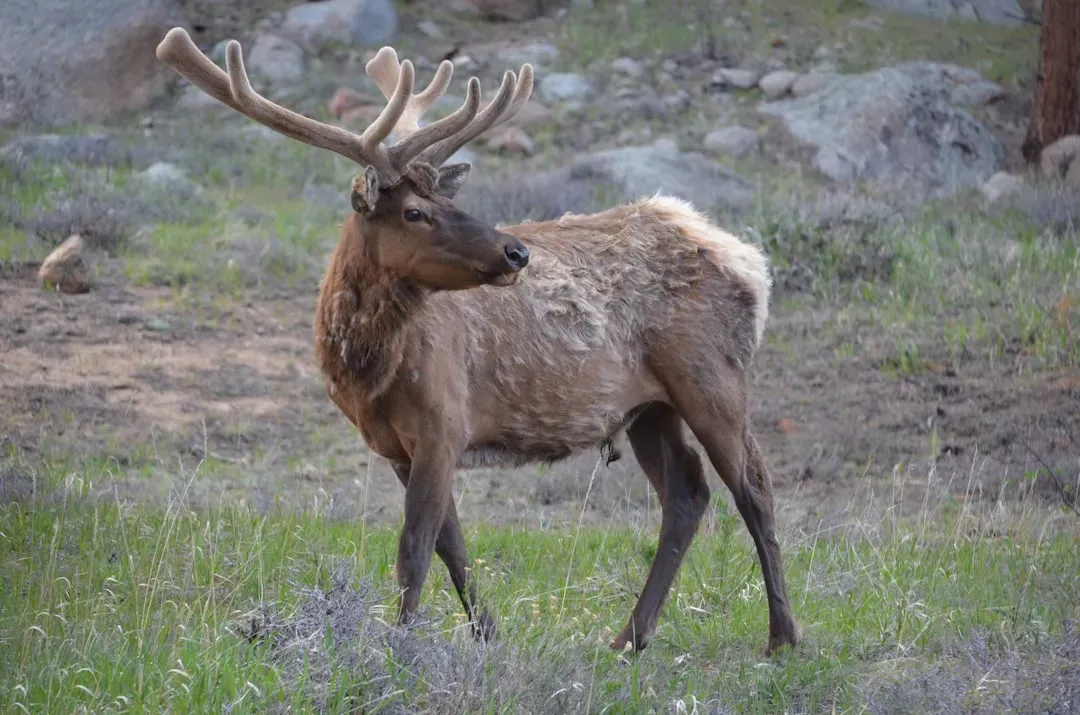
The Rocky Mountain Elk is probably the most popular wildlife to see in Colorado, part of the deer family that thrives in Colorado’s forests. Eating mostly plants and grasses, they are well-identified by their prominent antlers, which only grow on males, while on average a cow elk weighs around 500 pounds and a bull elk reaches 700 pounds.
According to Colorado Parks and Wildlife, in the early 1900s only 40,000 elk remained across all of North America, and due to massive hunting efforts, elk were almost completely lost from Colorado forever. Due to relocation efforts, however, Colorado is now home to more than 280,000 elk. Elk travel in herds, making it more likely to see hundreds at a time, and they can be found throughout the state in the mountainous parts, feeding in meadows during winter and grazing on high tundra in the summer months.
Rocky Mountain Bighorn Sheep: Colorado’s Official State Animal
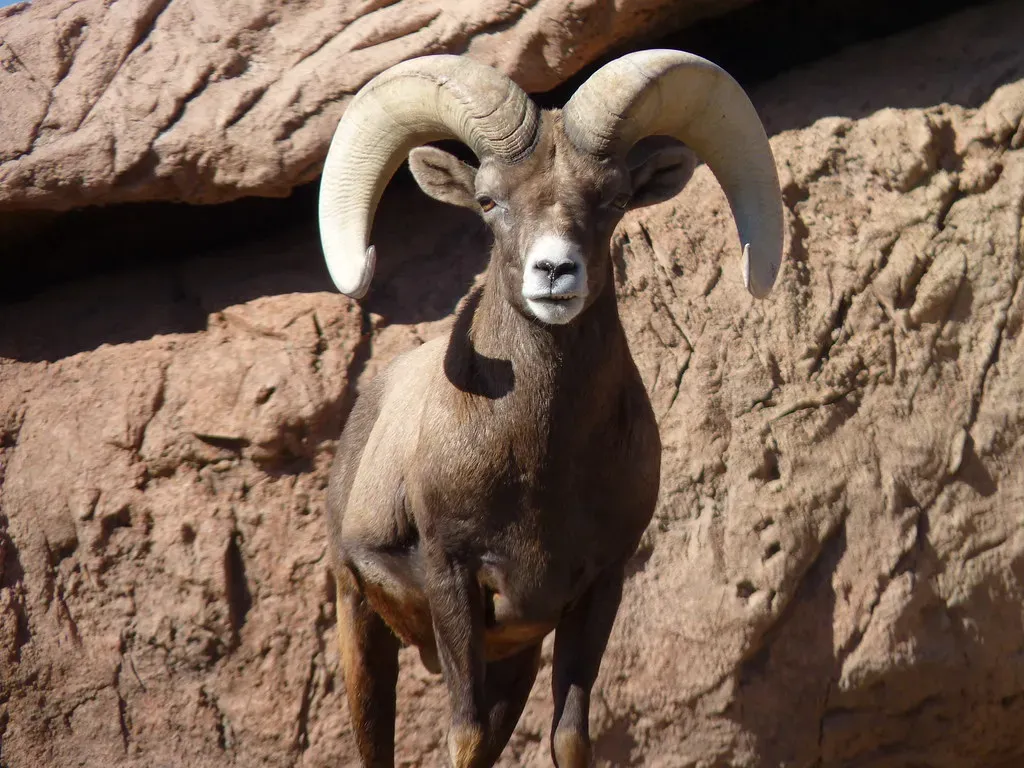
Colorado’s state animal, the Rocky Mountain bighorn sheep, spends its life on cliffs and rocky faces across central and western Colorado. Colorado is home to the largest population of the species anywhere. Named for their massive, curling horns which can grow to 50 inches in length, they are known for their agility and perfect balance, found only in the Rockies in extremely rugged terrain.
Despite its iconic status, the bighorn sheep was near extinction at the turn of the century, as diseases introduced through European livestock and unregulated hunting had decimated populations throughout the West. Thanks to decades of dedicated conservation efforts, Colorado’s iconic bighorn sheep are once again abundant, with an estimated statewide population of 7,000 animals.
American Black Bear: Forest Wanderer of the Rockies
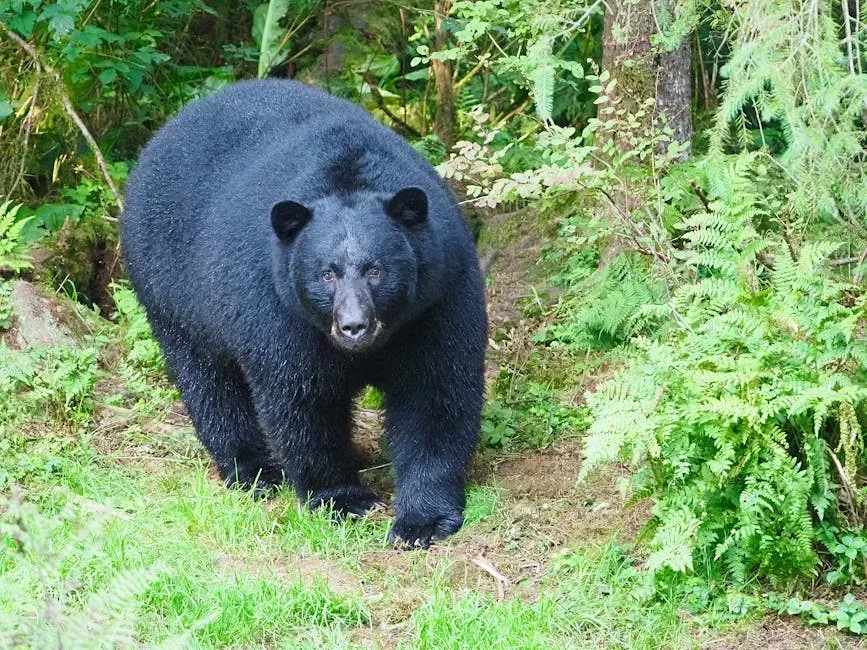
Black bears are the most common bear species in the Rocky Mountains, ranging widely through forested regions, with Colorado’s largest populations living in habitats with Gambel oak and aspen as well as chokecherry and serviceberry. Even with approximately 12,000 black bears throughout the state, they are a rightfully secretive species.
In spring, they feast on shrubs and new shoots in the forest, then throughout summer and fall retreat to the cooler alpine zone, chasing berries and trout, before hibernating in winter. The best chances of seeing a bear in Colorado are around dawn or dusk, and in the fall when they are frantically foraging to prepare for the long winter ahead.
American Pika: The High-Altitude Survivor
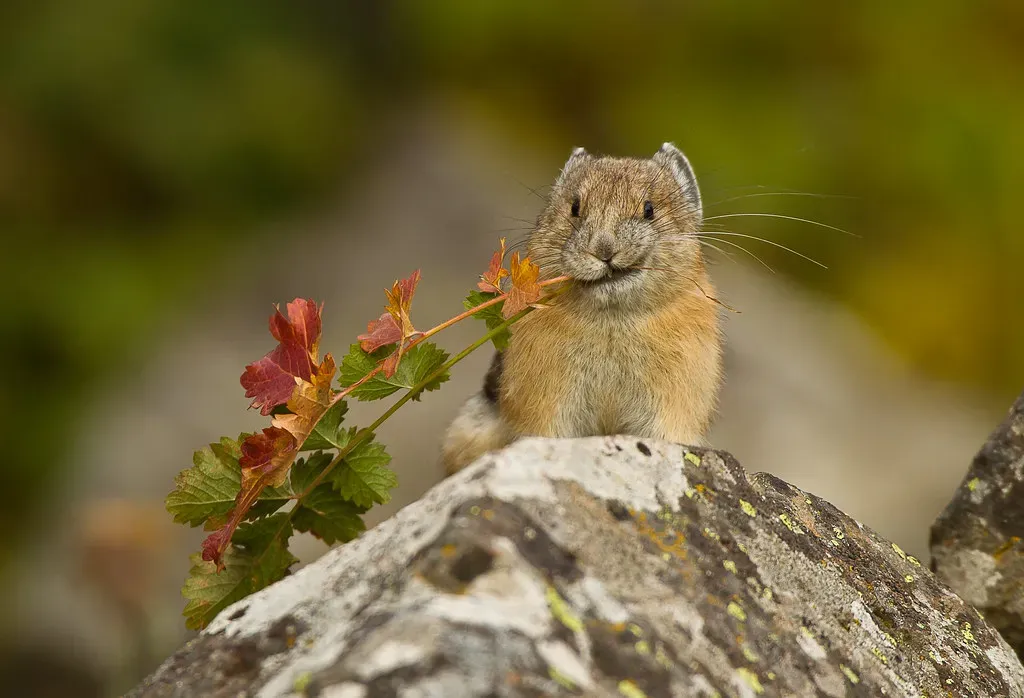
Fluffy brown or black pikas live in the higher regions of Colorado’s mountains, thriving in the cold – in fact, if the temperature hits 77 degrees Fahrenheit, a pika won’t survive more than a few hours due to its fully insulated fur coat. Around 8 inches long, they resemble rodents but are actually related to rabbits, living in colonies with each pika having its own den and a distinctive whistle to flag predators.
Pikas don’t hibernate; instead, they spend their summer frantically gathering grasses and wildflowers to store in “haypiles” deep within the rocks to survive the winter. Because they are so sensitive to temperature changes, pikas are considered climate-change indicators – making them one of the most scientifically watched small mammals in the entire mountain range.
Yellow-Bellied Marmot: The Whistle Pig of the Peaks
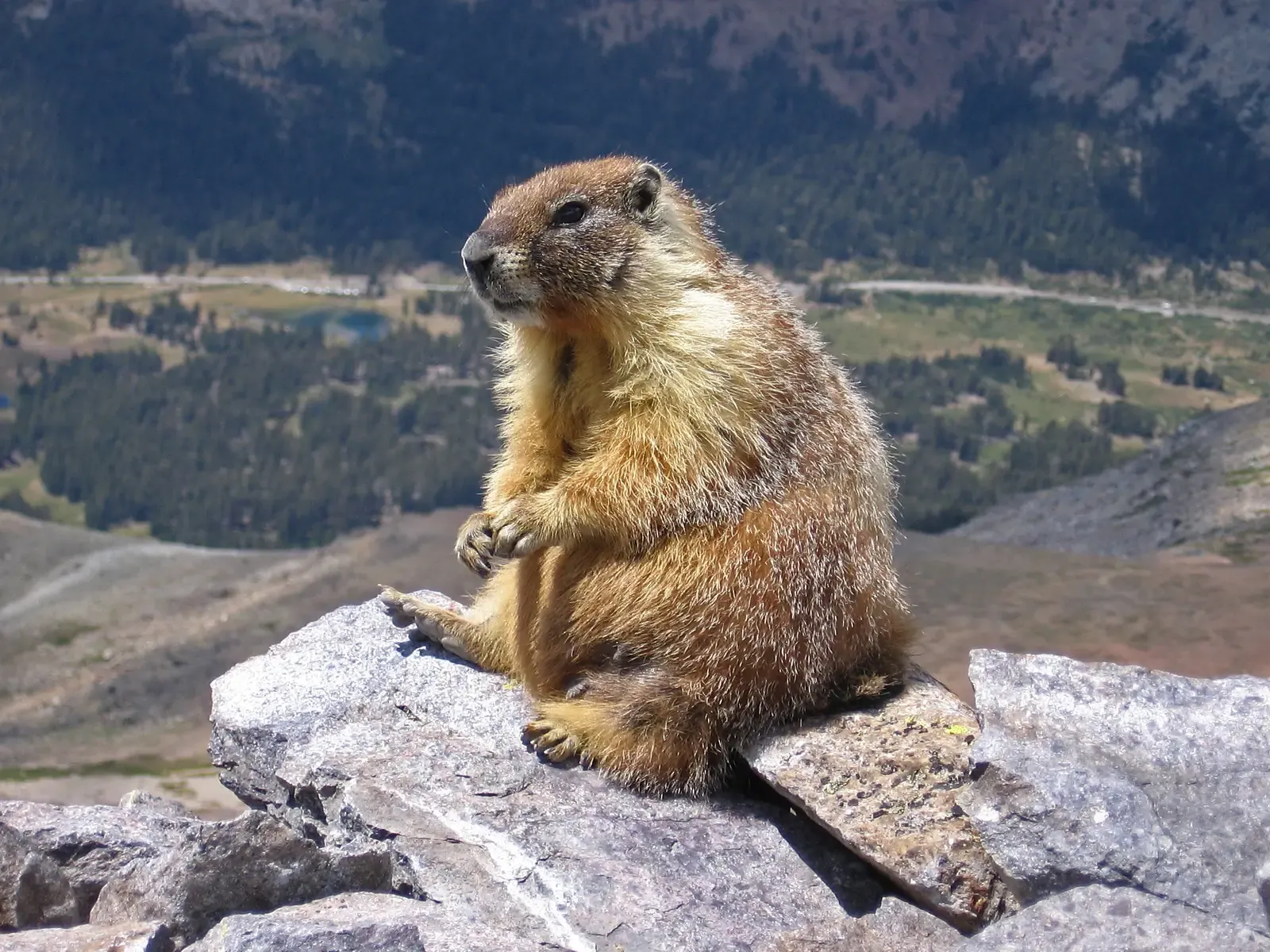
Derivative work: jjron (talk · contribs), CC BY-SA 3.0)
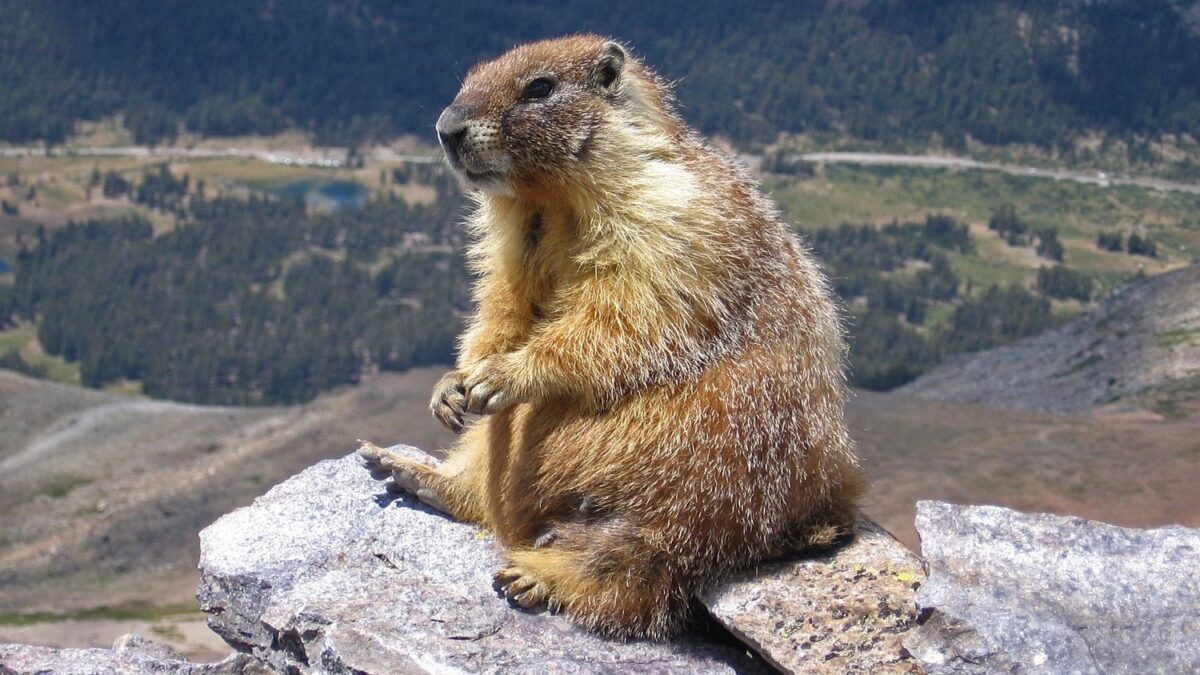
Marmots live at high altitudes and can be seen even in the Rocky Mountain tundra above treeline, thriving on even sparse greenery, consuming tundra grasses, lichen, flowers, and roots. Marmots whistle loudly to warn their colony of approaching danger and spend much of the day basking with siblings or gathering greenery to stash for winter.
These chunky rodents can get up to two feet in size and are most often found at higher elevations, hibernating from September until May and actually spending about half their lives in hibernation. One of the largest members of the squirrel family, your best bet for sightings will be in open or rocky areas at higher elevations, and you might see more than one in the same area, since there’s usually a sentinel keeping watch while others feed or sun themselves.
Moose: The Gentle Giant of the Wetlands
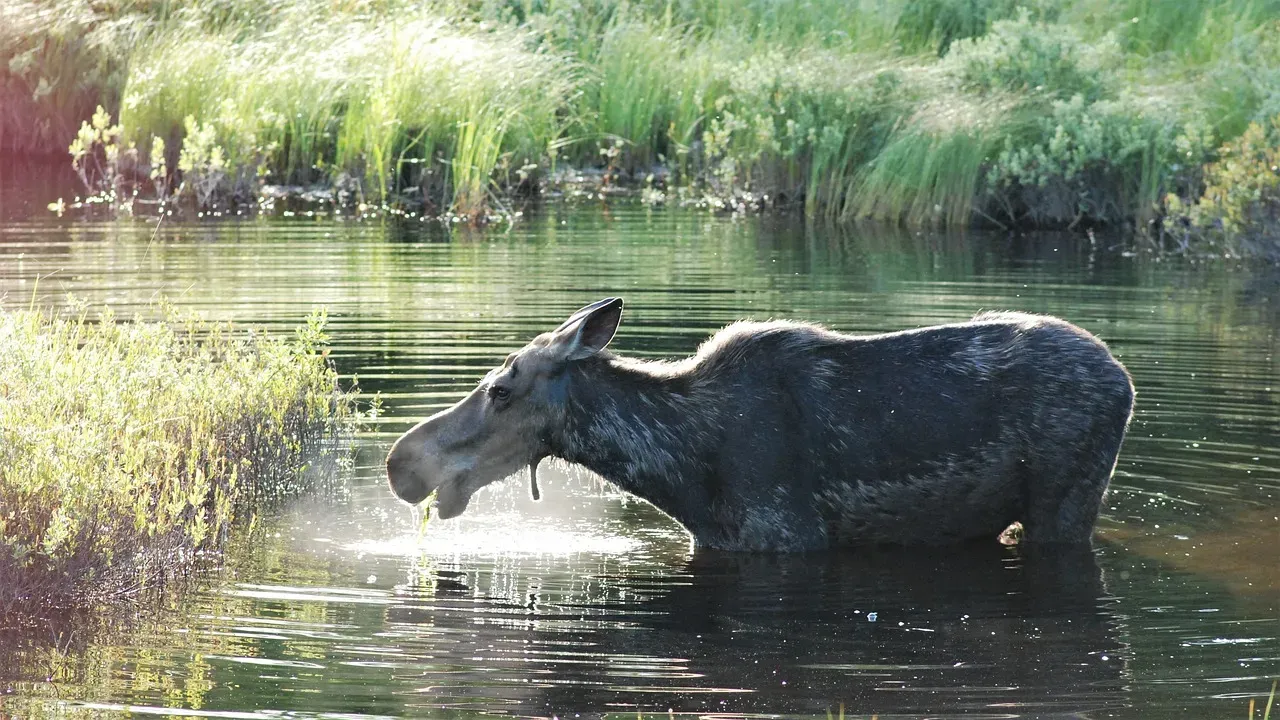
Moose are now commonly seen in Rocky Mountain National Park, though they were not historically recorded as being part of this particular area of the Rocky Mountains. Moose feed on grasses and aquatic plants throughout the park, which means you can often find them near rivers, lakes, and wetlands, and you’re likely to spot one trudging through willow thickets near the Kawuneeche Valley.
Some of the best places to see moose include the western side of Rocky Mountain National Park and the Moose-Goose Nature Trail in Arapaho National Wildlife Refuge near Walden, as well as State Forest State Park. Moose may look placid from a distance, but they’re best admired with plenty of space between you and them – they can be surprisingly aggressive when startled or when protecting their young.
Mountain Lion: The Elusive Apex Predator
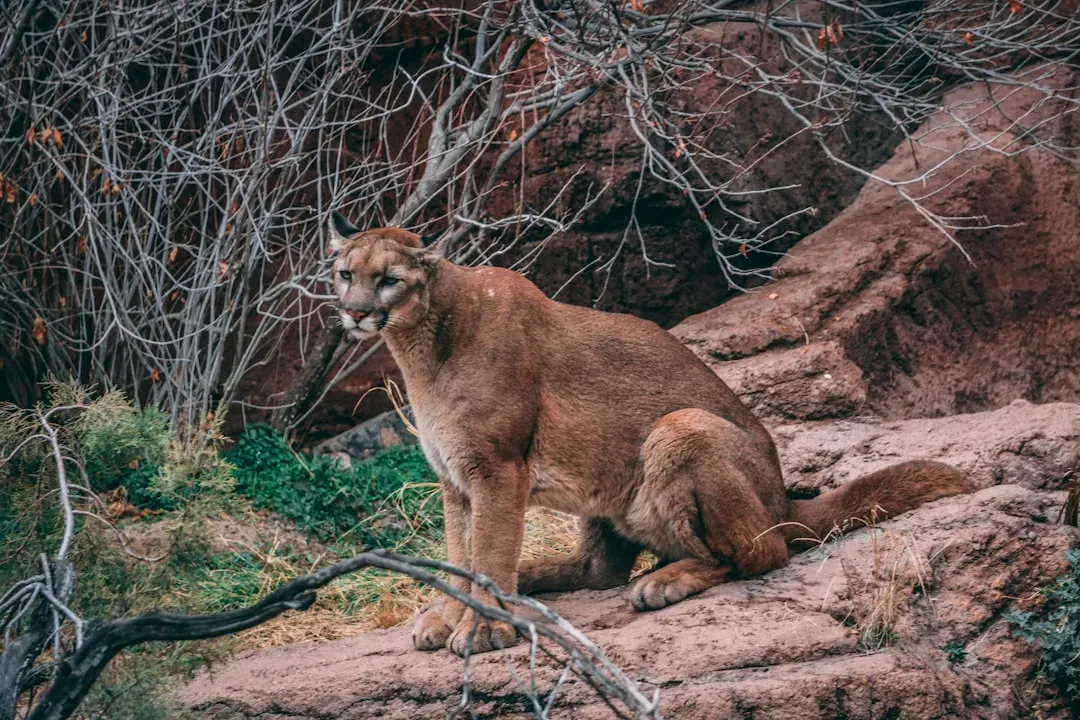
Called cougars or mountain lions, these big cats are the park’s apex predators, though seeing one is exceedingly rare. They roam huge territories and hunt deer, elk, and smaller mammals, keeping population balance, and signs of mountain lions like tracks or scat are more common than actual sightings.
Cougars prey on bighorn sheep, mule deer, moose calves, rodents, and even snakes, and while most often seen in the forested montane regions, they will ascend from subalpine to alpine regions when stalking prey. These big cats are most active at dawn, dusk, or through the night in remote forested or rocky areas, and their secretive nature adds a sense of wild mystery to the park.
Mule Deer: The Ubiquitous Mountain Browser
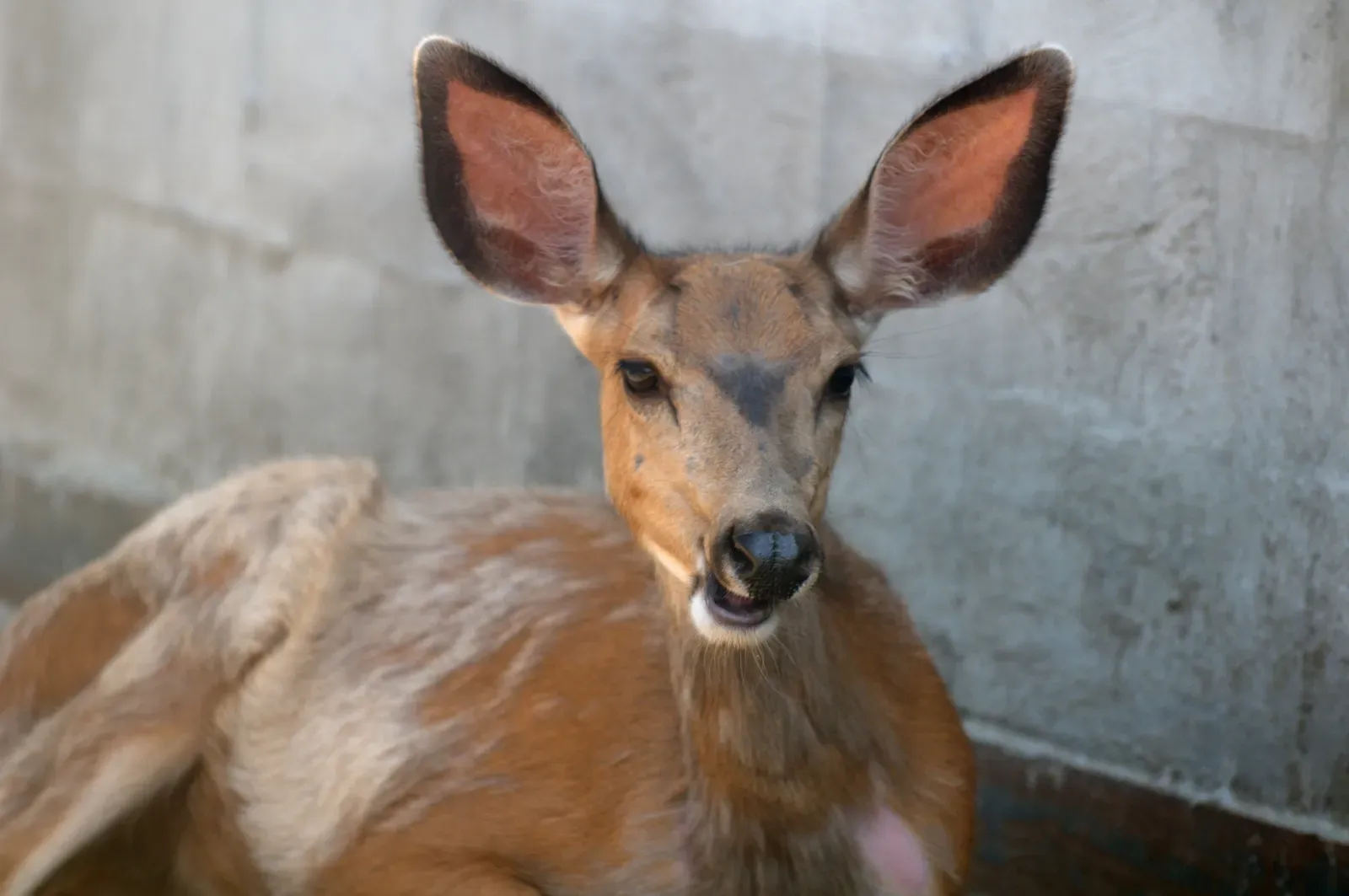
Mule deer are among the most common animals found on the Rocky Mountains, looking similar to white-tailed deer but distinguished by their black tails, forking antlers, and large mule-type ears. Males can reach up to 460 pounds and nearly 7 feet from nose to tail tip.
Mule deer are ubiquitous in the park, though visitors frequently mistake them for elk – they are much smaller and named for their oversized, mule-like ears, and can be found browsing in open meadows, campgrounds, and forest edges throughout the park. They are a defining big-game species of foothills, shrublands, and high basins, and are highly visible in many mountain towns and migration corridors.
Coyote: The Adaptable Mountain Opportunist
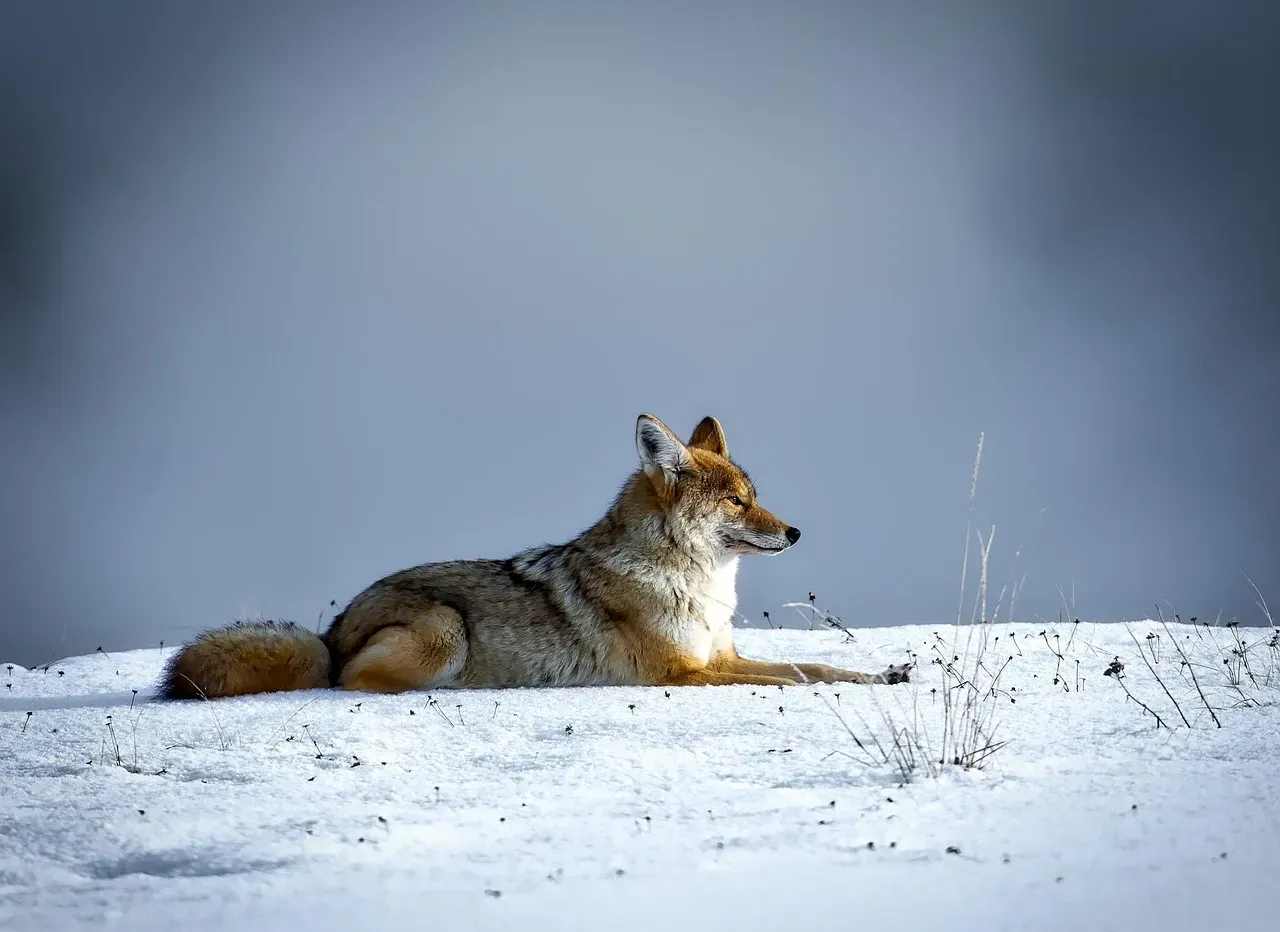
Coyotes are highly adaptable canids found throughout Rocky Mountain National Park, primarily in the montane and subalpine zones, weighing between 20 and 50 pounds with a tawny-gray coat and a bushy tail. As opportunistic omnivores, their diet consists of small mammals, insects, fruit, and carrion.
These intelligent and resourceful animals have a strong sense of smell and remarkable agility, enabling them to thrive in various environments, and are known for their wide range of vocalizations used to communicate with other pack members and establish territory boundaries. They are most active during dawn and dusk. Few animals in Colorado are as adaptable as the coyote – as capable navigating a ski town parking lot as they are a remote alpine meadow.
Mountain Goat: The High-Country Climber
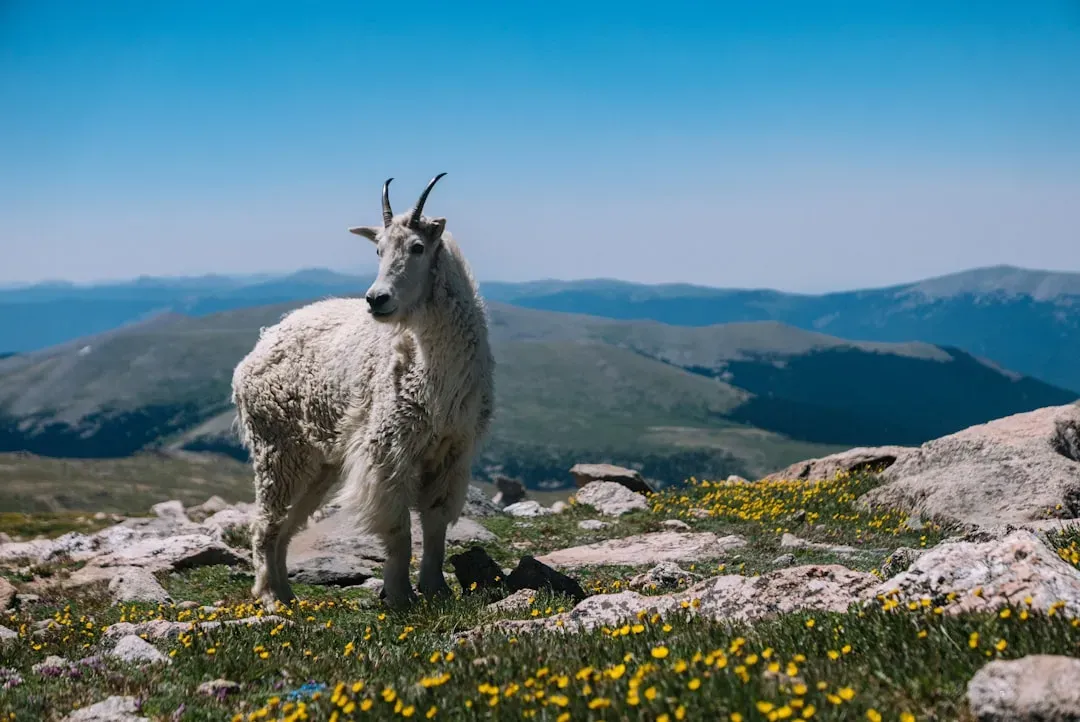
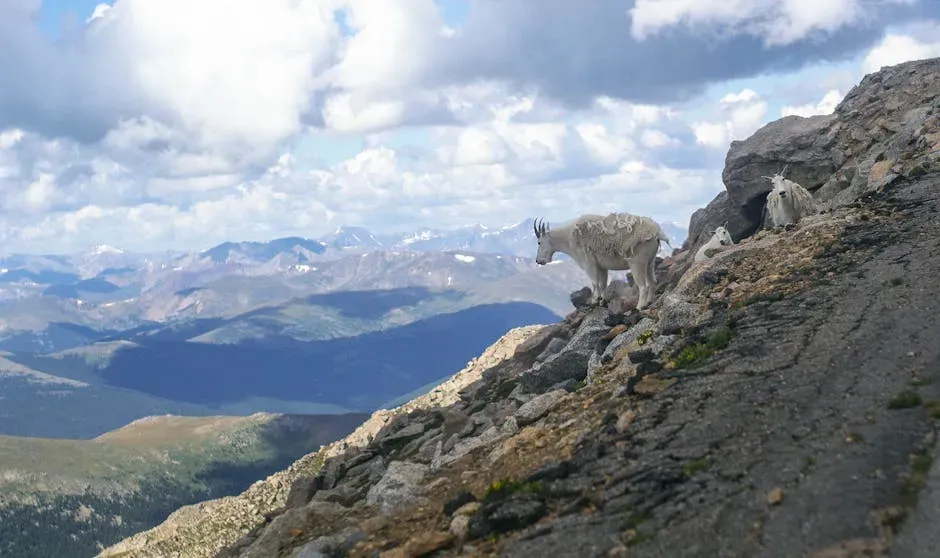
Shaggy white-haired mountain goats are now a symbol of Colorado’s high country, though they’re not even indigenous to the area – they were brought in during the late 1940s as a game species and have since grown to thrive in Colorado’s high country. Mountain goats are abundant at high elevations and can often be found at Mount Blue Sky, Grays and Torreys Peaks, and Quandary Peak.
Known as epic mountain climbers, their climbing talent comes from their rubber-like hooves, which allow them to scale canyon walls and steep mountainsides. If you’re fortunate enough to spot a mountain goat during your visit, take a moment to appreciate their remarkable ability to thrive in such a challenging environment, and keep a safe distance to help protect both the animals and the fragile alpine area they call home.
A Place Worth Protecting
The Rockies have always been wild, but they haven’t always been managed well. Overhunting and habitat loss pushed many of these species to the edge of disappearance. The elk, the bighorn sheep, and others exist in the numbers they do today largely because people chose to act before it was too late.
Colorado is home to spectacular wildlife, from tiny pikas to powerful cougars, and the remote location and dizzying height of its mountains keep many humans away, meaning animal life flourishes. That distance is part of the protection – and it’s worth maintaining.
What makes Colorado’s wildlife so compelling isn’t just the spectacle of an elk herd or the improbability of a pika surviving a blizzard above treeline. It’s the reminder that resilience, when given the right conditions, finds a way. The mountains offer those conditions. The rest is up to the animals – and to us.
