
You think you’d notice if your dog was struggling. A limp, a whimper, a refusal to eat – surely something obvious would tip you off. But veterinarians say the real warning signs almost never look like an emergency. They look like a nap that runs a little long, a bark that sounds slightly off, a dog who leans on the couch instead of sitting on his own.
Owners call these things “just getting old.” Vets call them something else entirely – early data. And by the time the obvious symptoms finally show up, months of treatable pain, confusion, or disease may have already passed quietly under your roof. Here are the 14 signs experts say are easy to miss, and hard to forgive yourself for once you know what they mean.
#1 – Sudden “Velcro Dog” Behavior
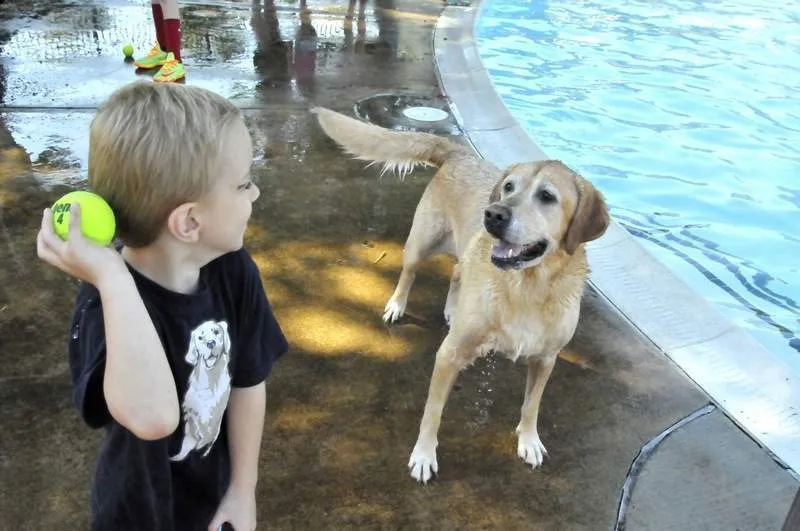
When a dog who spent years perfectly content across the room suddenly won’t let you out of his sight, it isn’t always love talking. Vets see clinginess like this as a possible signal of anxiety, cognitive decline, or fading senses. If the world has started to feel unpredictable to your dog, you become the only fixed point in it – so he sticks close.
Watch for him trailing you room to room, panicking the second a door closes between you, or pacing anxiously until you sit, then pressing his whole body against you like he’s checking you’re real. On their own, these moments look sweet. Paired with nighttime restlessness, confusion, or house accidents, they can be the opening chapter of canine cognitive dysfunction – and the earlier it’s caught, the more you can slow it down.
#2 – Sleeping More, But Resting Worse
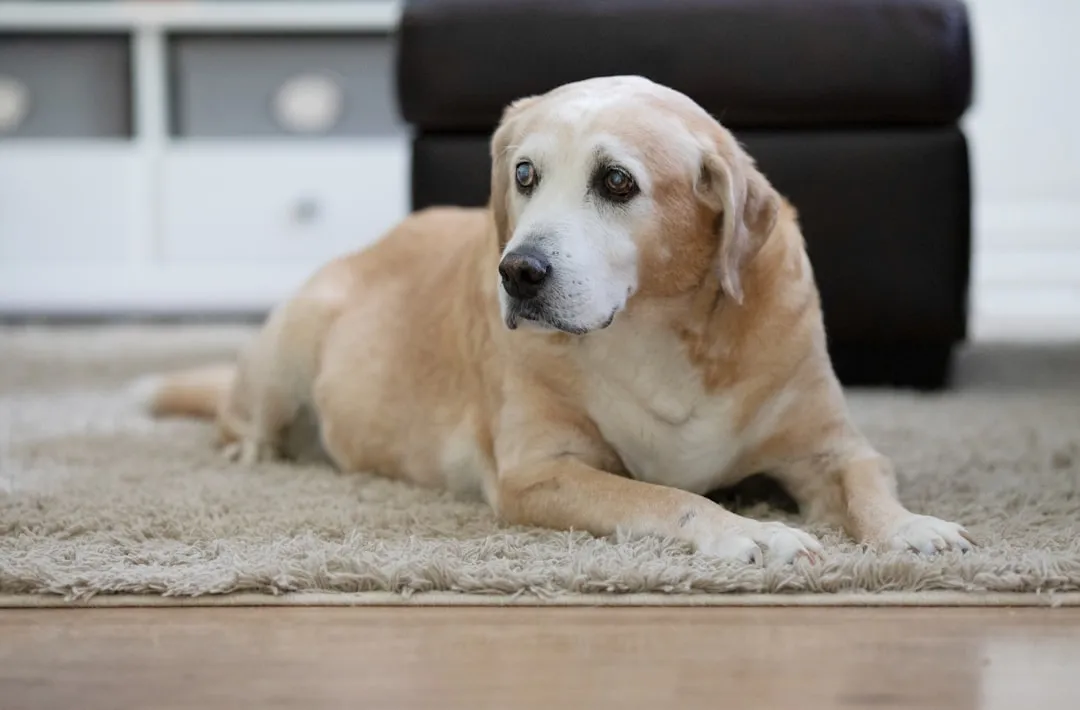
Yes, older dogs sleep more. That part everyone expects. What catches owners off guard is a dog who sleeps for hours and still wakes up looking exhausted, restless, and unsettled – not because he’s “just old,” but because something is quietly keeping him from real rest.
Look past the hours and watch the quality: constant repositioning like he can’t get comfortable, heavy sighing or groaning, pacing at 2 a.m. for no obvious reason. A dog who naps all day and then seems wired or disoriented at night may be dealing with arthritis pain or cognitive decline disrupting his sleep cycle. Many vets consider this one of the most under-discussed signs of suffering in seniors – and a basic pain check can change everything.
#3 – The “Slow Sit” and “Careful Stand”
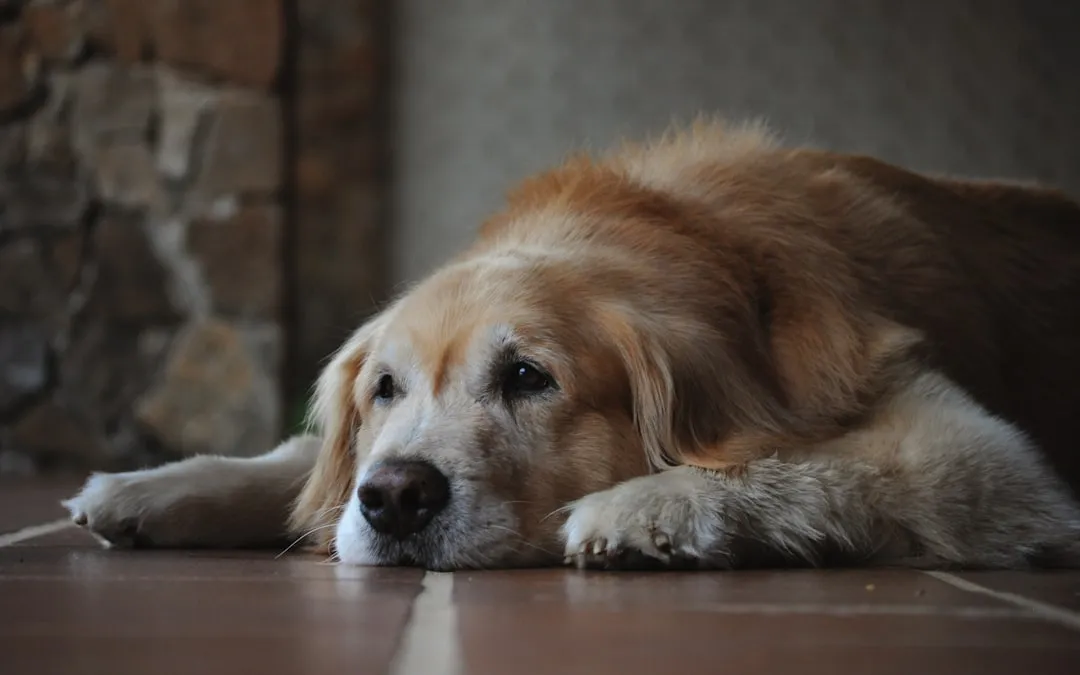
Most owners don’t worry until their dog is visibly limping. But pain usually shows up first in something smaller – the careful, almost hesitant way an older dog lowers himself down or pushes himself back up. That hitch you’ve been watching for weeks isn’t clumsiness. It’s one of the clearest silent signs of arthritis.
Notice the hind legs sliding out into a lazy “puppy sit,” or your dog leaning almost entirely on his front legs to stand instead of pushing with his back ones. He’s not being dramatic – dogs rarely yelp over joint pain, they just start moving differently. Waiting for an obvious limp before addressing this, experts say, costs dogs years of comfort they didn’t have to lose.
Fast Facts
- Canine arthritis affects 80 percent of dogs that are age 8 or older, making it one of the most common – and most missed – conditions in senior pets.
- The knees, hips, elbows, and back are the joints most often affected, so watch how your dog moves in and out of those positions specifically.
- Early diagnosis and treatment slows the progression of the disease, so your pet can be comfortable longer.
#4 – Subtle Weight Shifts and “Furniture Surfing”
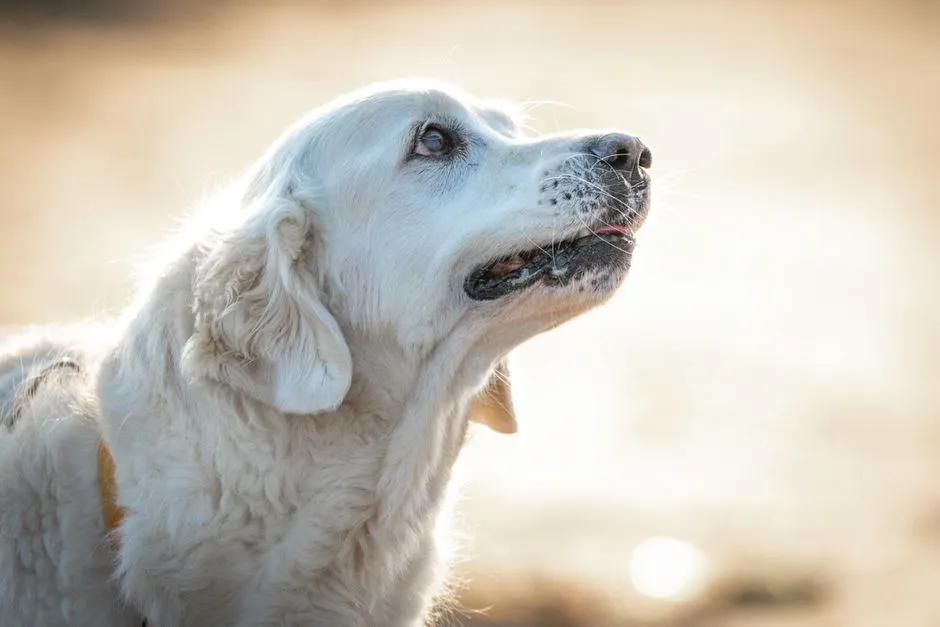
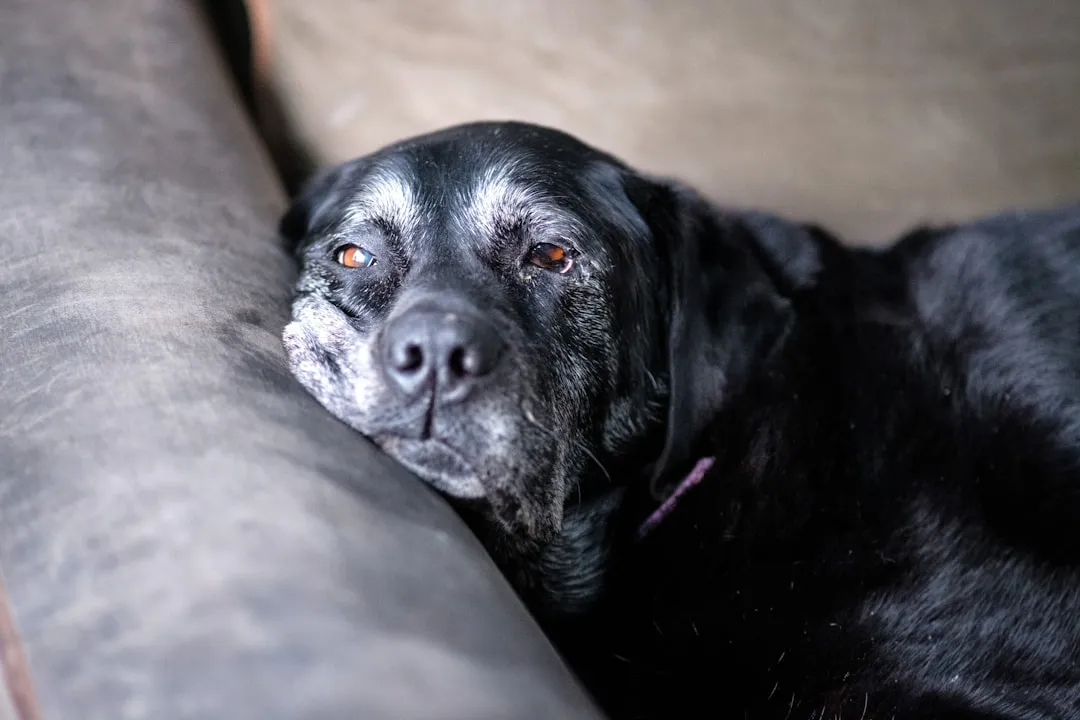
That habit of leaning against the couch, the wall, or your leg a little more than he used to? Most owners read it as affection. Vets read it as a dog quietly offloading weight from a joint that hurts, or compensating for balance that’s starting to slip.
Watch for a wider stance than normal, like he’s bracing for impact, or his back end sliding along the wall as he walks. Pausing at doorways or on slick floors is another tell – a small hesitation that says he’s no longer sure his body will do what he asks. These shifts rarely show up in a quick vet exam unless you describe what you’re seeing at home, which means owners who chalk it up to “cute cuddling” can miss a full year of treatable pain.
#5 – “He Just Doesn’t Like That Food Anymore”
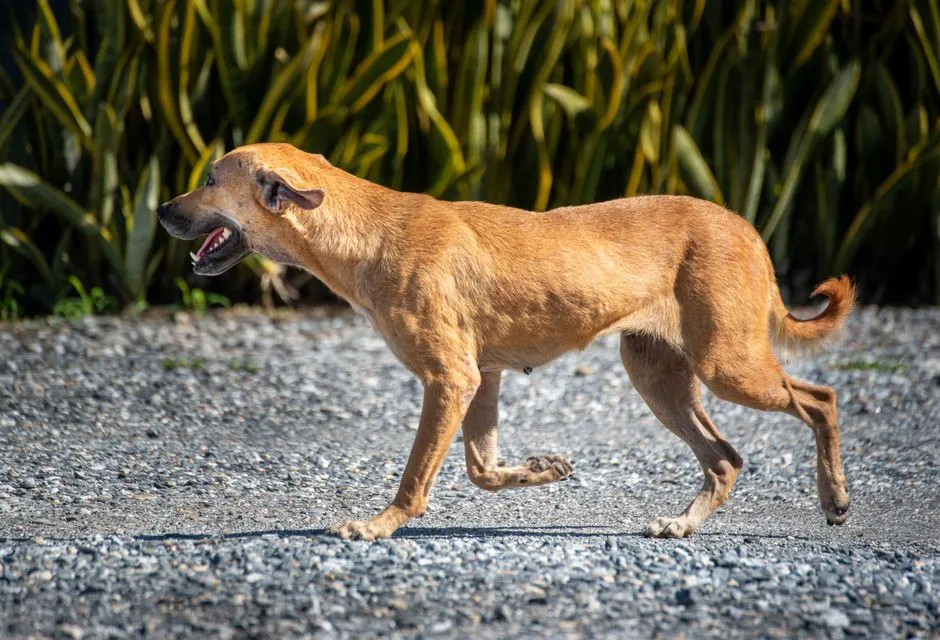
A senior dog who suddenly turns picky isn’t developing expensive taste. Appetite changes are one of the most misread warning signs in older pets, and behind a surprising number of them is something physical – dental pain, nausea, even early organ trouble.
Notice him eating treats but ignoring his regular kibble, walking to the bowl and sniffing before turning away, or taking a few bites and abandoning the rest. Owners often cycle through ten different dog foods before realizing the problem was never the recipe – it was his mouth, or his stomach. If the pickiness sticks around for more than a few days, it stops being a quirk and starts being a symptom worth catching early, while it’s still fixable.
#6 – Water Bowl Changes You Shrug Off
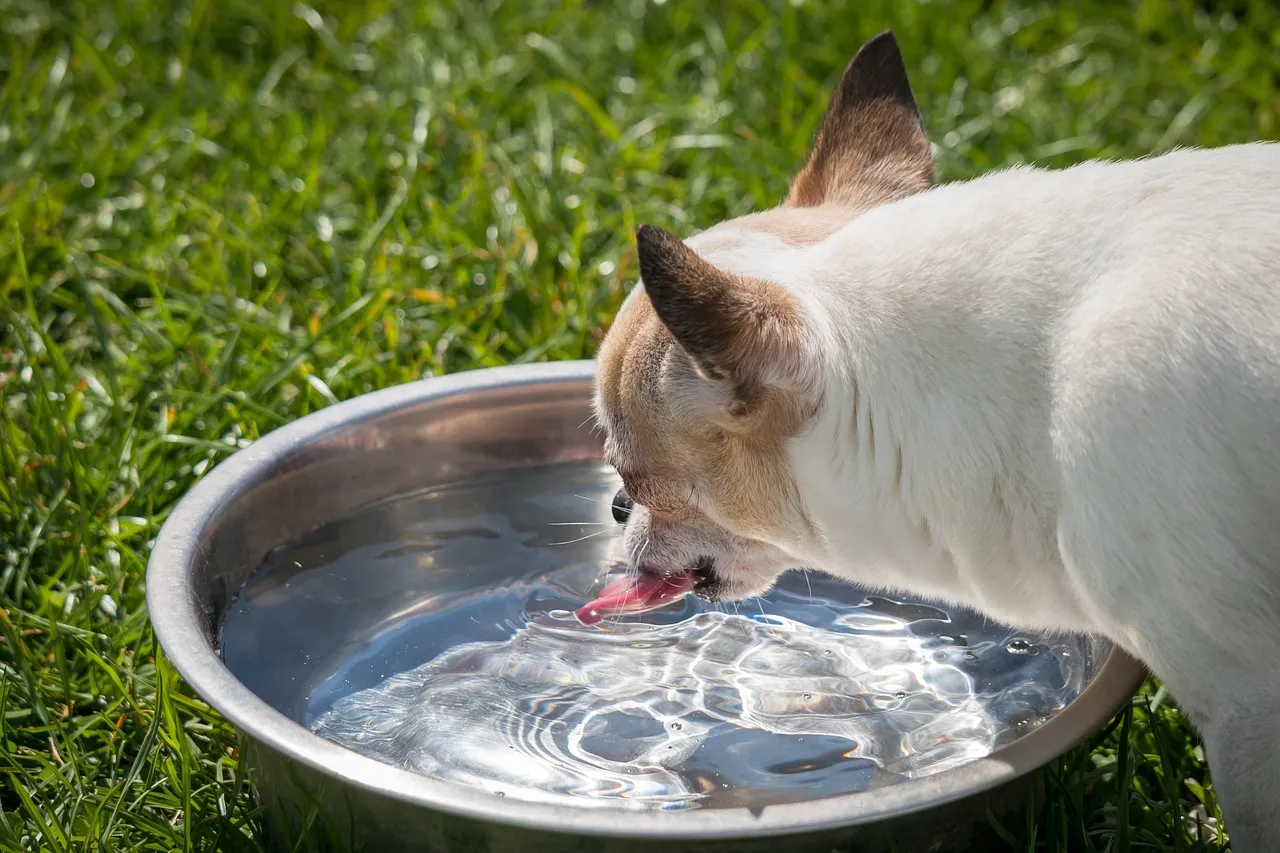
You refill the bowl more often lately, but it’s summer, he’s older, it’s probably nothing. Except increased or decreased thirst is one of the biggest quiet red flags in aging dogs – often the very first clue of kidney disease, diabetes, or a hormonal condition like Cushing’s.
Pay attention to bowls emptying faster than usual alongside bigger or more frequent accidents indoors, or the opposite pattern – barely drinking, with darker urine or visible straining. Most owners don’t act until there’s dramatic weight loss or vomiting, and by then the disease has often had time to advance. A simple blood and urine panel, run the moment you notice the water bowl acting strange, can catch a crisis while it’s still just a manageable diagnosis.
Quick Compare
- Drinking noticeably more: possible kidney disease, diabetes, or Cushing’s disease – especially with more frequent urination.
- Drinking noticeably less: possible dental pain, nausea, or general malaise making him avoid the bowl altogether.
- Either pattern lasting more than a couple of days: worth a same-week vet visit, not a wait-and-see.
#7 – New “Quirks” Around Doors, Stairs, and Cars
When your senior dog suddenly freezes at the top of the stairs or stands staring blankly at an open doorway, it’s tempting to laugh it off as stubbornness. It’s rarely stubbornness. It’s often the earliest sign of vision loss, changing depth perception, or cognitive decline creeping in.
Watch for him scanning the steps before committing to go down, refusing to jump into the car he used to launch himself into, or misjudging furniture edges he’s navigated for years. He isn’t being difficult – he’s stopped trusting his own body the way he used to. Ramps, better lighting, and a vet eye exam can prevent both injuries and unnecessary anxiety, but most owners don’t act until after a bad fall.
#8 – Quiet Grooming Changes and That “Old Dog Smell”
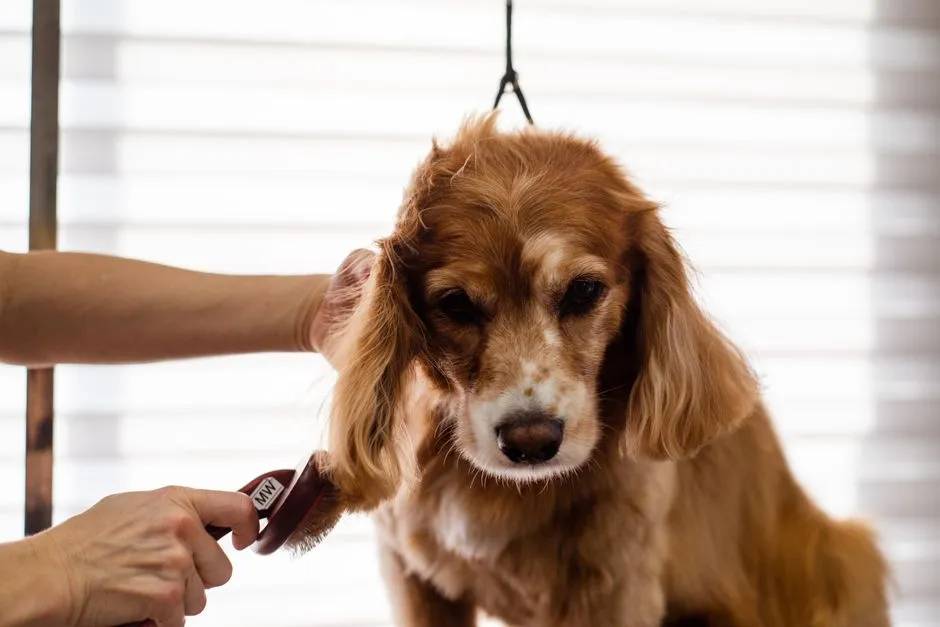
“Old dog smell” isn’t a personality trait – it’s usually a medical story nobody’s saying out loud. When your senior suddenly smells different, whether it’s stronger breath, yeasty skin, or a musty coat, it’s often infection, dental disease, or a hormonal shift, not simply age catching up.
Notice if he’s grooming himself less, licking one spot obsessively, or if his coat has gone dull and oily on the same diet that used to keep it shiny. Breath that shifts from normal “doggy” to sour or metallic is a particularly loud signal. Many owners wait until teeth are visibly rotting or skin is raw before asking for help, when early dental and skin care could have spared months of quiet discomfort.
#9 – “Grumpy” Reactions to Touch They Used to Love
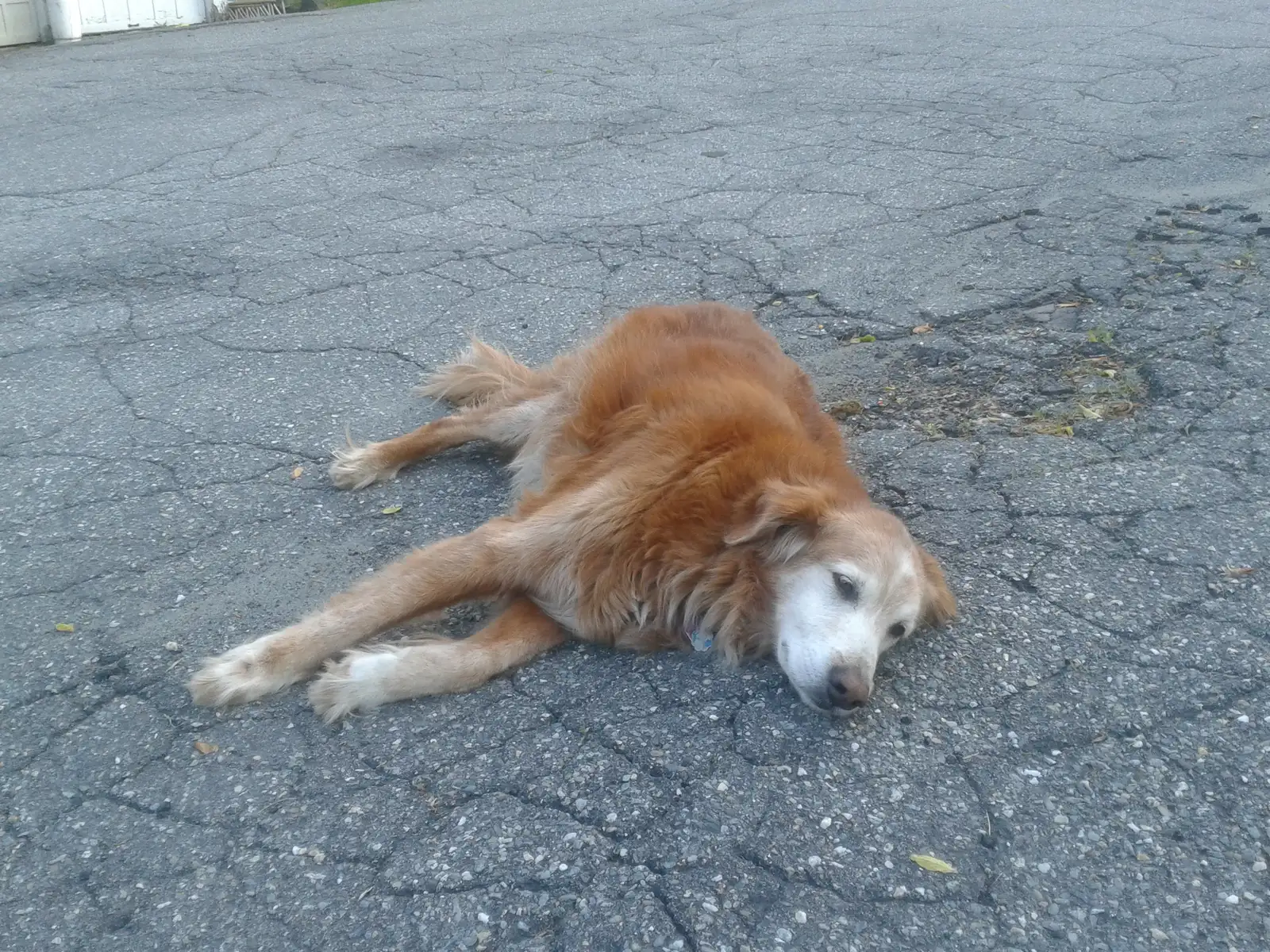
If your dog once melted for belly rubs and now stiffens, growls softly, or pulls away, it’s easy to write him off as “cranky in his old age.” That label is unfair, and it can be dangerous – behavior changes around touch are one of the clearest signs of chronic pain in a senior dog.
Watch for flinching when you touch near the spine, hips, or neck, or snapping when he’s lifted or brushed, even gently. Dogs are experts at hiding pain – by the time they finally protest, even quietly, the discomfort has usually been building for a while.
Pain in dogs is a whisper, not a scream – and by the time we hear it, they’ve often been enduring it in silence for a long time.
Common veterinary wisdom on chronic pain in senior dogs
#10 – Staring at Walls and Getting “Stuck”
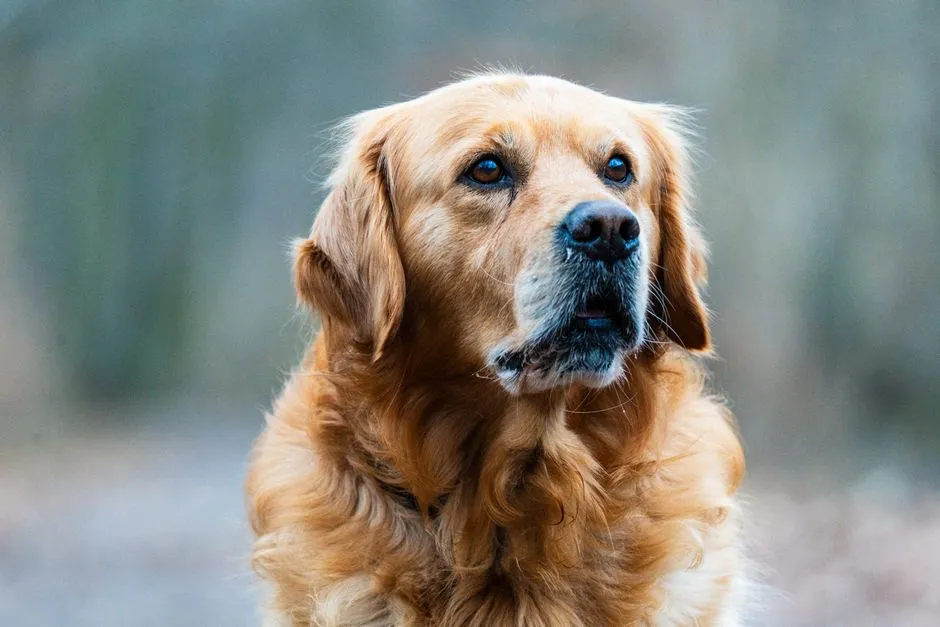
People post videos of their senior dog staring blankly into a corner and caption it “derpy” or “weird.” Neurology specialists see it differently. Zoning out like this, especially when a dog seems unable to snap out of it, is a classic early marker of canine cognitive dysfunction.
Watch for him standing frozen behind furniture as if he’s forgotten how to back out, staring at a wall for longer than a few seconds with no reaction to your voice, or getting physically stuck in tight spaces until you guide him free. It’s not silliness – it’s his brain misfiring in real time. Catching this early opens the door to enrichment, medication, and diet changes; waiting until he’s disoriented around the clock turns a manageable problem into a devastating one.
Worth Knowing
- Approximately 14 to 22.5 percent of dogs older than 8 years suffer from age-related cognitive impairment.
- Fifty percent of dogs over age ten will exhibit some degree of symptoms of cognitive dysfunction.
- Most affected dogs are never diagnosed because owners assume the signs are normal aging and practices do not routinely screen for them.
- Early recognition is crucial, since treatment is more effective in the earlier stages of the disease.
#11 – Tiny Changes in Bark, Whine, or “Talkativeness”

Your dog’s voice is a window into what’s happening inside his body, and when it changes, even slightly, it usually means more than owners realize. A hoarser bark, more frequent whining, or sudden nighttime vocalizing can point to pain, anxiety, or even a throat or respiratory issue.
Notice a bark going raspier or oddly high-pitched, a normally silent dog suddenly “complaining” throughout the day, or barking at nothing you can see or hear late at night. Sometimes it’s hearing loss or confusion driving him to call out for reassurance; sometimes it’s heart or lung trouble making it physically harder to vocalize. Dismissing it as him “getting chatty” in old age can mean missing his only way of telling you something’s wrong.
#12 – Housebreaking “Accidents” in a Previously Perfect Dog
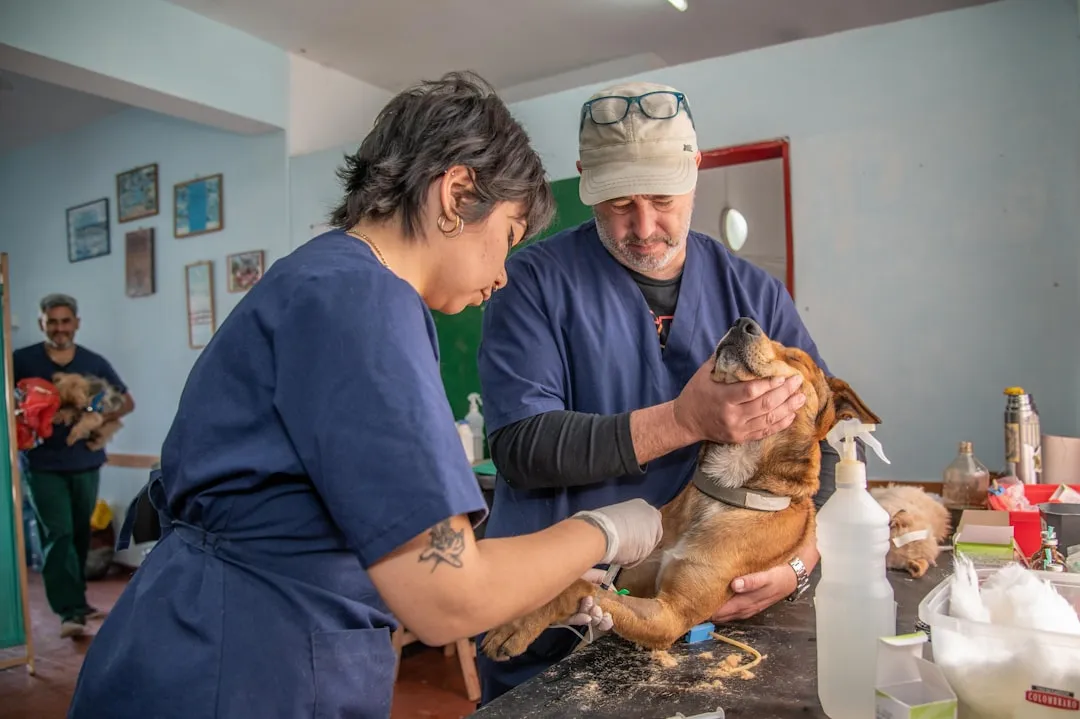
More owners get quietly frustrated with their senior dog’s accidents than anyone likes to admit. But a dog who was reliably housetrained for years and suddenly isn’t almost never has a behavior problem – he has a medical one.
Watch for dribbling urine while sleeping or just after standing, squatting repeatedly but only producing a few drops, or genuine confusion about where the door even is. These accidents can point to urinary infections, incontinence, kidney disease, or arthritis that’s made the normal posture too painful to hold. Scolding only adds fear on top of illness – vets are firm that sudden accidents in a senior dog should be treated as a symptom first, a training issue never.
#13 – Shrinking Social Circle and Sudden “Party Pooper” Energy
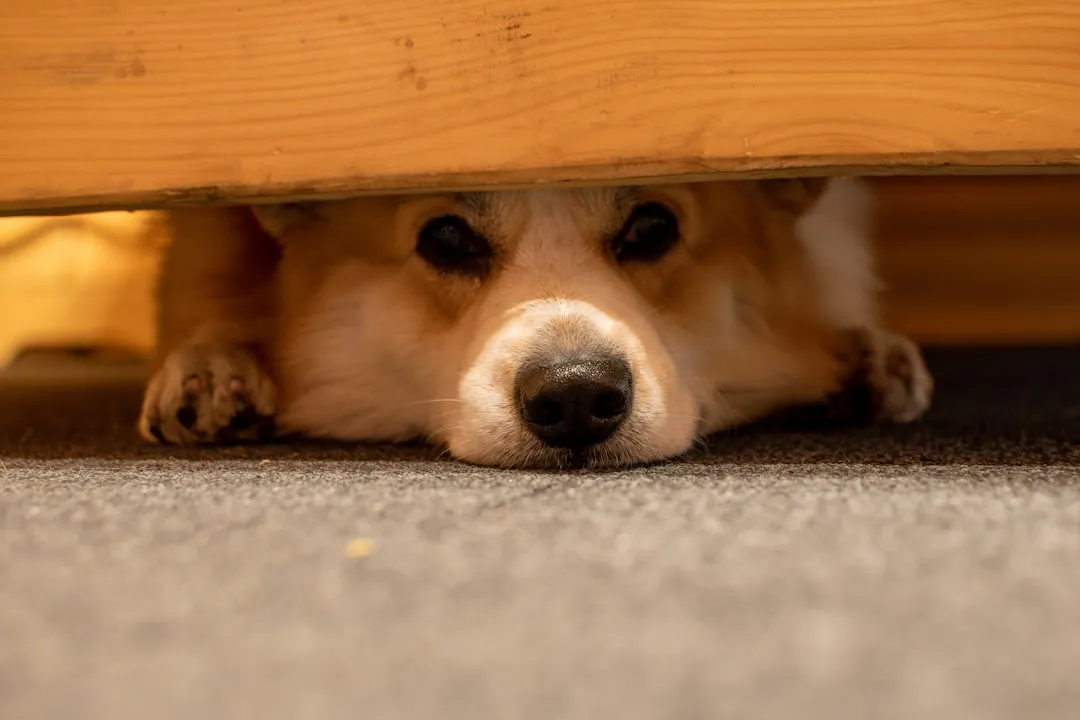
If your once-social dog used to be the star of every backyard barbecue and now disappears to a bedroom the moment guests arrive, it’s not him becoming antisocial for fun. Age often brings less tolerance for noise, chaos, and jostling – and that shrinking patience can be pain, anxiety, or sensory loss quietly speaking up.
Watch for him avoiding the door instead of racing to greet visitors, leaving the room when kids get loud or rough, or retreating to dark, quiet corners during anything busy. Some owners chalk this up to “maturing,” but behaviorists often see it as overwhelm or discomfort, especially paired with trembling or startling easily. He’s not sulking – he’s advocating for himself the only way he can, and the kindest response is adjusting the environment around him, not dragging him back into the noise.
At a Glance
- Skips greeting guests at the door, even ones he used to adore
- Leaves the room the moment kids start playing loudly
- Trembles, pants, or hides during gatherings that used to excite him
- Seeks out one quiet person instead of the whole crowd
#14 – That Gut Feeling: “Something’s Off, but I Can’t Explain It”
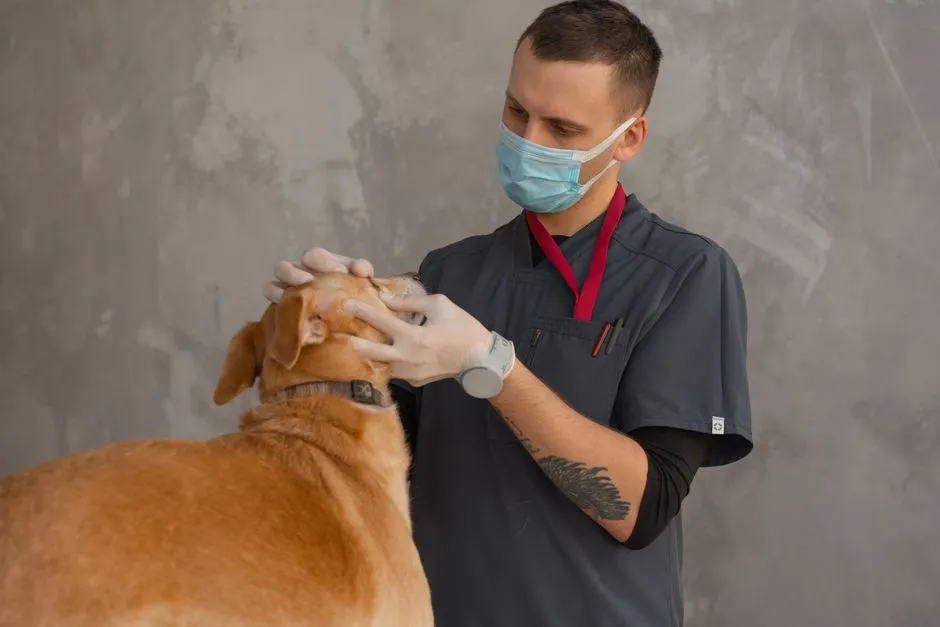
Here’s the sign almost nobody talks about, though experienced dog people swear by it. Sometimes the only real clue you get is a feeling – his eyes look a little duller, the routine is identical but the spark underneath it isn’t, and every time you mention it out loud, someone says, “He’s just old.”
This is the moment that decides whether you save months of suffering or lose them to silence. You live with your dog every single day; you notice micro-changes no vet can catch in a fifteen-minute exam. When your gut keeps whispering that something isn’t right, that instinct is data – and a senior wellness exam built around your own observations can catch what bloodwork alone might miss. Experts say the most commonly missed sign of all is the one owners talk themselves out of trusting.
The Bottom Line
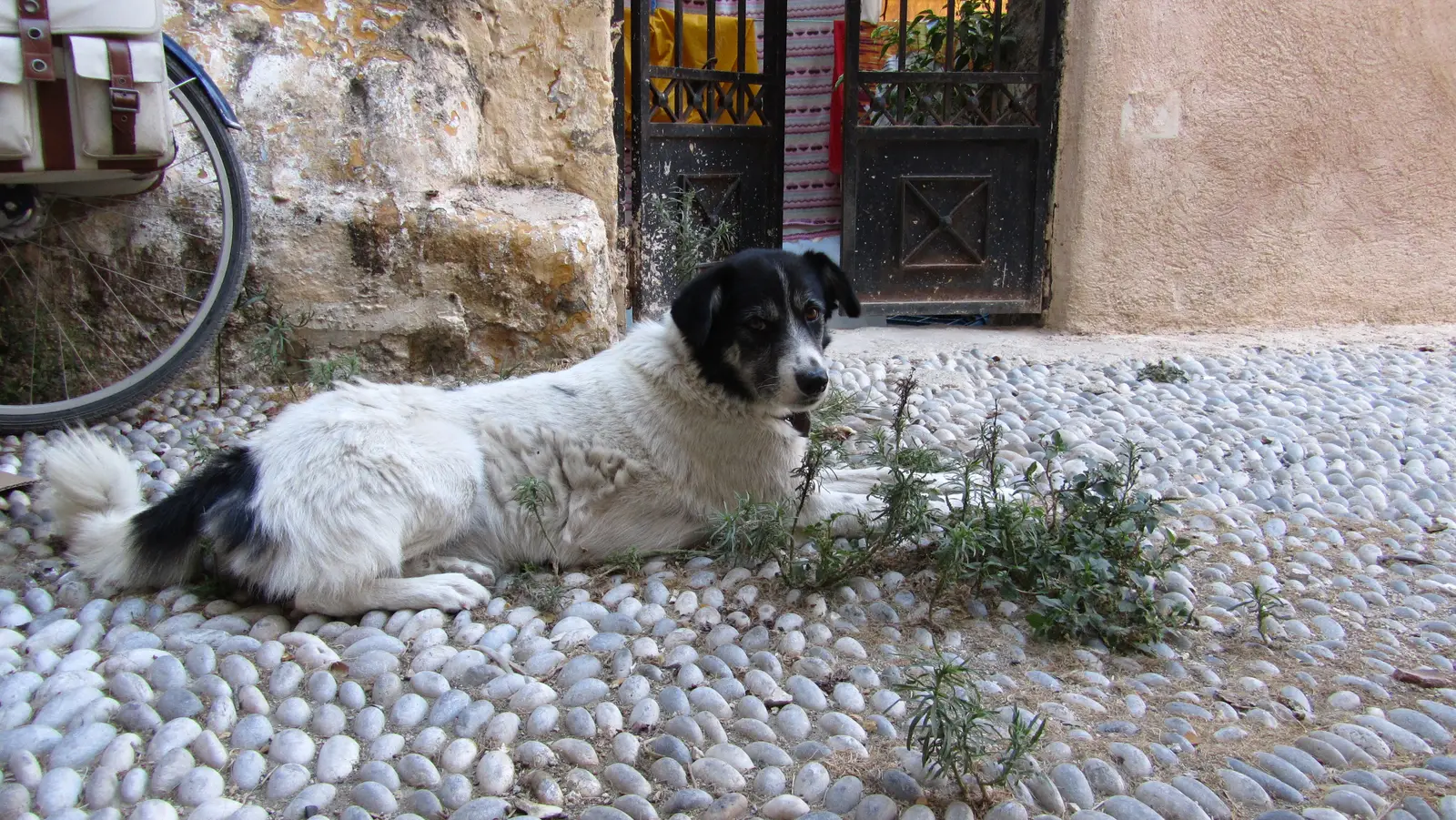
Old dogs rarely complain out loud. They speak in whispers – a slower sit, a strange stare, a bark that sounds a little different, house rules quietly forgotten. Almost all of it gets waved off as “just age,” but age was never a diagnosis. It’s a risk factor, and nothing more.
The uncomfortable truth is that most of what we accept as inevitable in a senior dog – the pain, the confusion, the slow retreat from the things they used to love – is often treatable, manageable, sometimes even reversible if you catch it early enough. The real failure isn’t missing one sign. It’s watching a pattern build for months and dismissing it because everyone around you insists it’s normal.
If your old dog is showing even a handful of these shifts, he isn’t being difficult, dramatic, or moody. He’s asking for help in the only language he has left. The least we owe him is to finally learn how to listen.
