
South Carolina sits in a sweet spot along the southeastern Atlantic coast, where subtropical air rolls in from the Gulf Stream, marshes stretch for miles, and summers arrive early and linger long. That climate draws people, of course, but it’s also precisely what makes the state a haven for some of the most fascinating wildlife in North America.
With three geographic regions, mild winters, and hot and humid summers, South Carolina is a paradise for all kinds of wildlife, from small rodents to badgers, spiders, long-tailed weasels, birds, reptiles, amphibians, and insects. For the animals below, warmth is not just a preference – it’s a biological necessity.
1. American Alligator
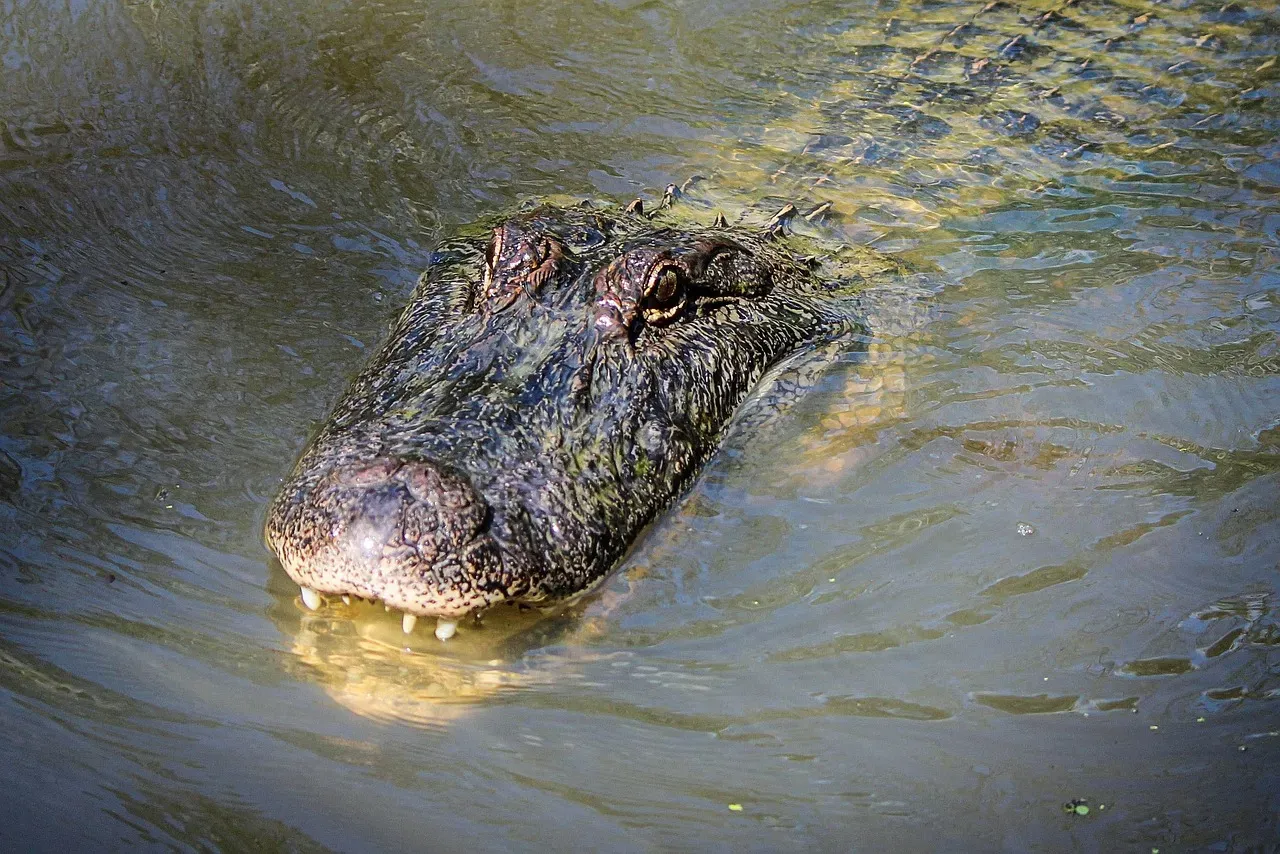
Few animals define the South Carolina lowcountry quite like the alligator. Alligators thrive in the state’s warm climate and have adapted remarkably well to living near people in coastal and lowcountry regions.
While primarily associated with freshwater habitats, alligators are adaptable and can be found in brackish coastal areas, including some of South Carolina’s estuaries. They are cold-blooded, so the state’s long warm season allows them to stay active for much of the year.
Most gators avoid humans, but they can become dangerous if fed or provoked. Keeping pets away from pond edges, especially during breeding season in spring, is strongly advised. The alligator is arguably the state’s most iconic warm-weather resident.
2. Loggerhead Sea Turtle
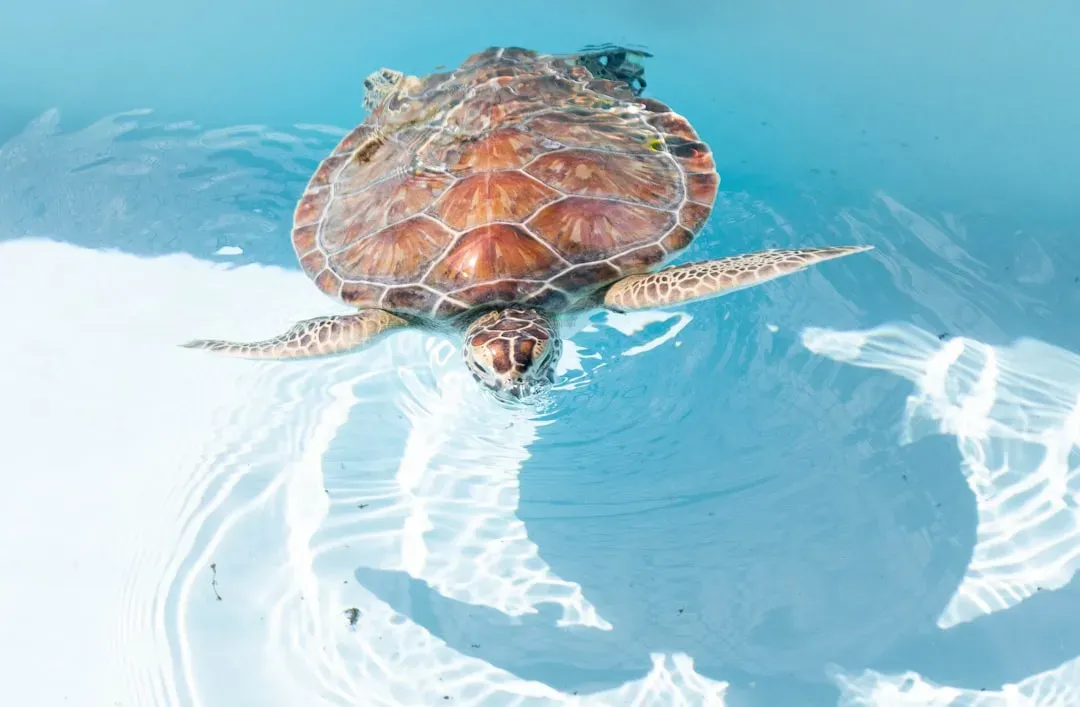
Loggerhead sea turtles became South Carolina’s state reptile in 1988. Every warm season, these ancient mariners return to the state’s sandy shores with remarkable loyalty.
Nesting season in South Carolina begins in May and continues through August, with average egg incubation taking about 56 days. Nest temperature actually determines the sex of the hatchlings: hotter temperatures produce more females, while cooler temperatures produce more males.
Loggerhead nesting has been well documented and has averaged 3,378 nests per year over the last ten years in South Carolina. Many of the females actually travel thousands of miles to the beach on which they were hatched to lay their own eggs. It’s one of the most impressive acts of biological homing in the animal kingdom.
3. Bottlenose Dolphin
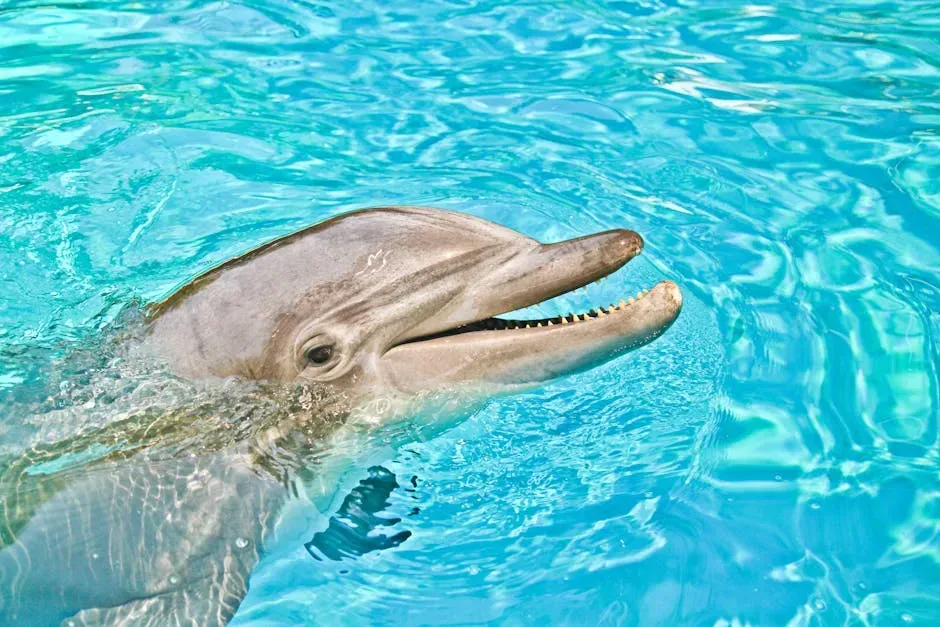
Spend an afternoon on the Carolina coast and you’ll likely spot them: arching fins in the surf, a small pod moving with casual confidence just beyond the breaking waves. In South Carolina, the bottlenosed dolphin is the most common mammal inhabiting estuarine habitats as well as open water.
Bottlenose dolphins inhabit warm temperate waters, adapting to several marine and estuarine habitats, including, occasionally, rivers. Inshore dolphins live in bays, lagoons, and estuaries and travel in groups of four or five.
The most popular place to find dolphins in South Carolina is on Kiawah Island, located 25 miles outside of Charleston. These creatures can live up to 60 years and can grow up to 13 feet long. Their presence here is not seasonal tourism – many are long-term residents of these warm coastal waters.
4. Carolina Wren
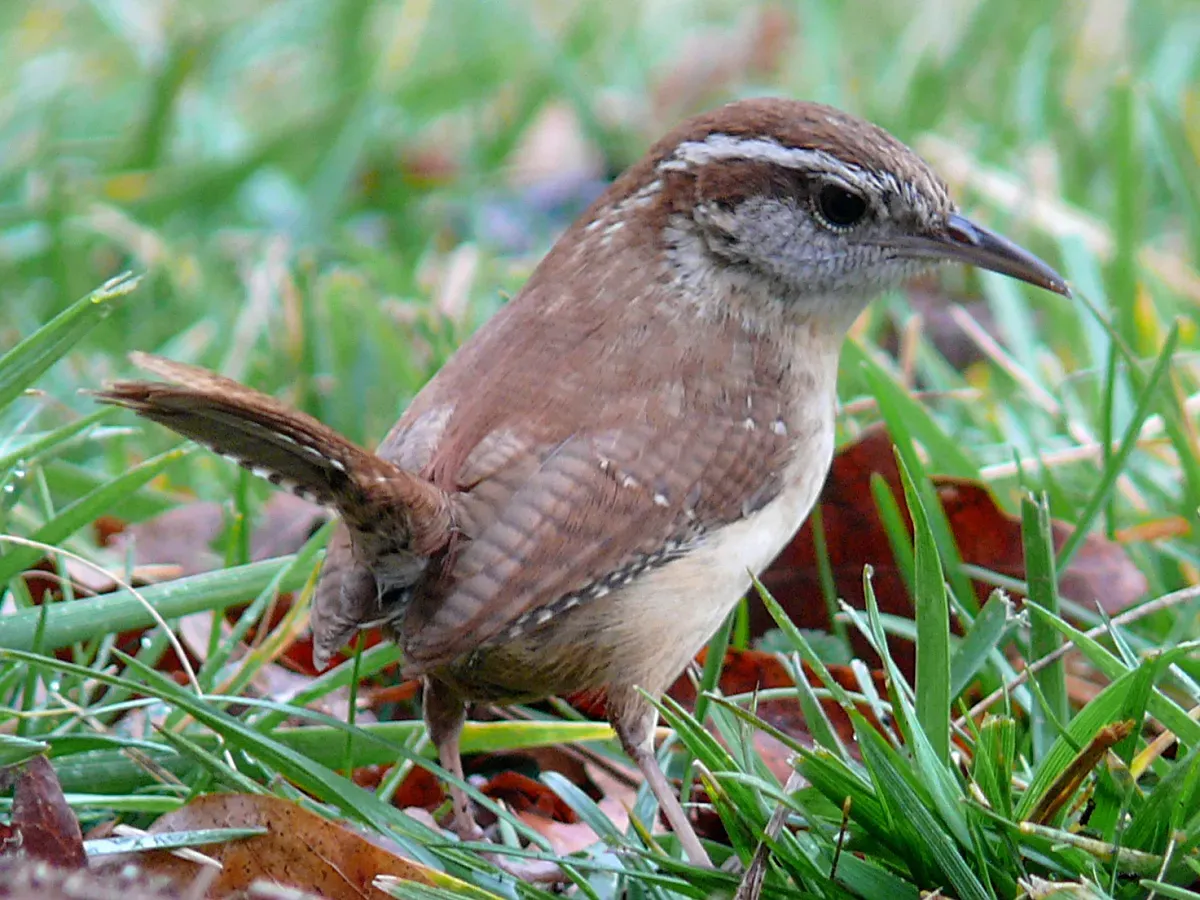
Small in size, enormous in personality. South Carolina’s official state bird is the Carolina wren, an aggressive little bird with a loud and confident voice. It thrives precisely because of the state’s climate.
This bird makes up for its size with a distinct song that can be heard year-round, day and night, and in all kinds of weather, with the male producing one of the loudest songs per volume of any bird. The Carolina wren is found in all areas of South Carolina and can be distinguished from other wrens by the white stripe over its eyes, living in pairs that produce several broods each year.
Unlike many species, the Carolina wren does not migrate. Warm winters in South Carolina mean it can stay active and breed through much of the year, which gives the state’s resident population a clear advantage over wrens further north.
5. Eastern Box Turtle
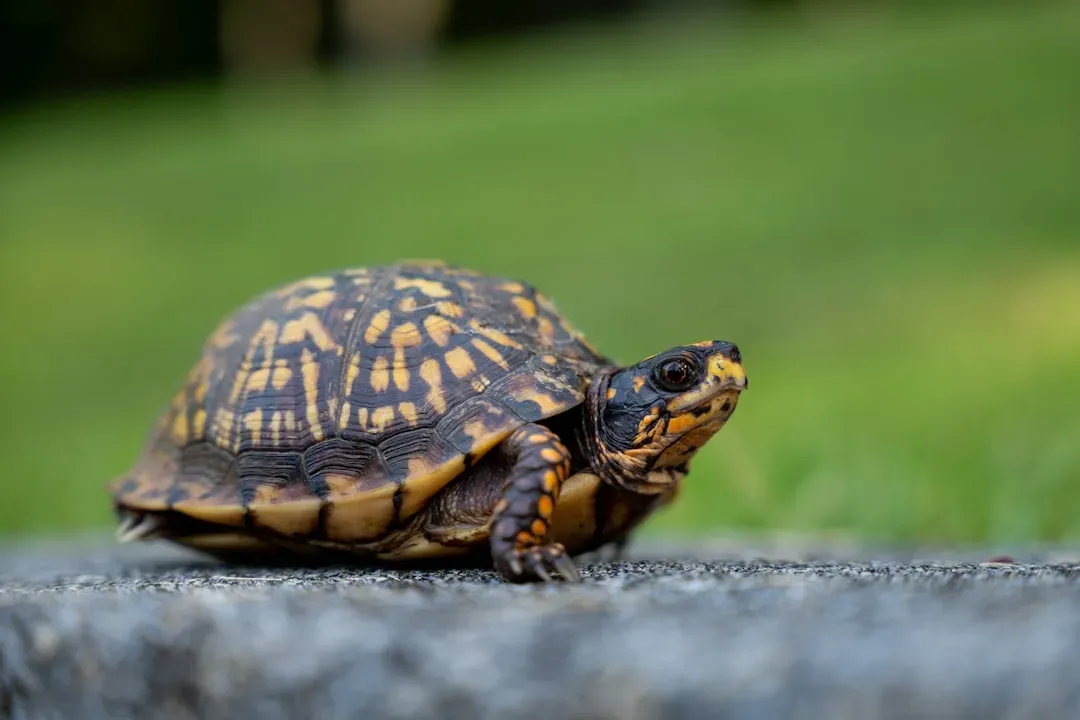
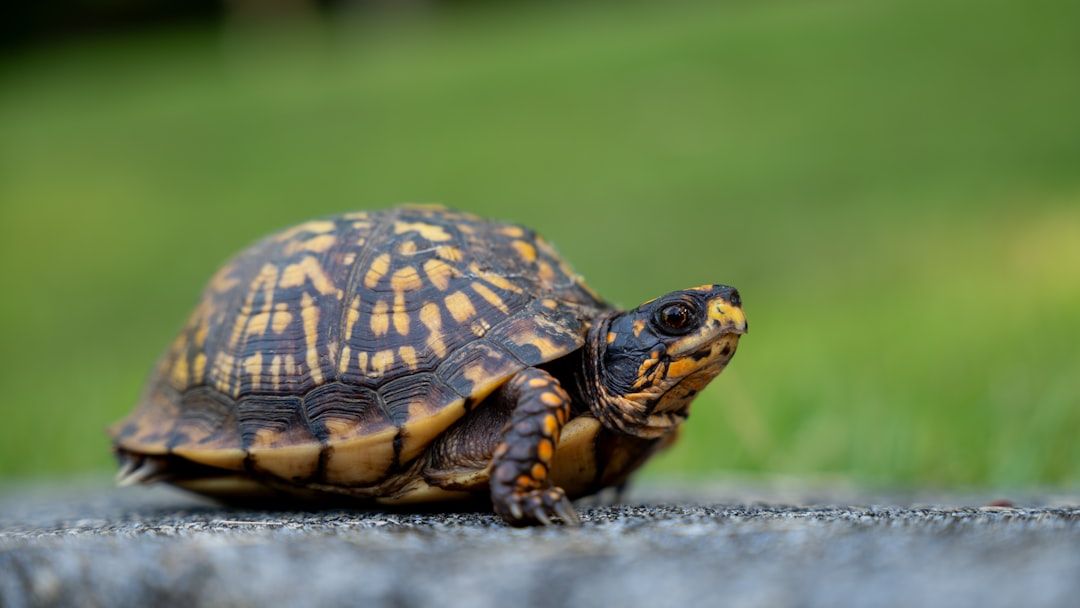
Finding a box turtle slowly crossing your South Carolina lawn is like discovering a little piece of ancient history – these land-dwelling turtles can live over 100 years and often return to the same areas throughout their incredibly long lives.
Their domed shells feature beautiful yellow and orange patterns that make each one unique. Box turtles are ectothermic, meaning they depend on external warmth to regulate body temperature. South Carolina’s long warm season suits them perfectly.
They are most active during warm, humid months when insect populations and berry crops are at their peak. During dry heat spells, they seek out shaded, moist ground – another reason the state’s abundant wetlands and pine forests make such an ideal home for them.
6. Wild Turkey
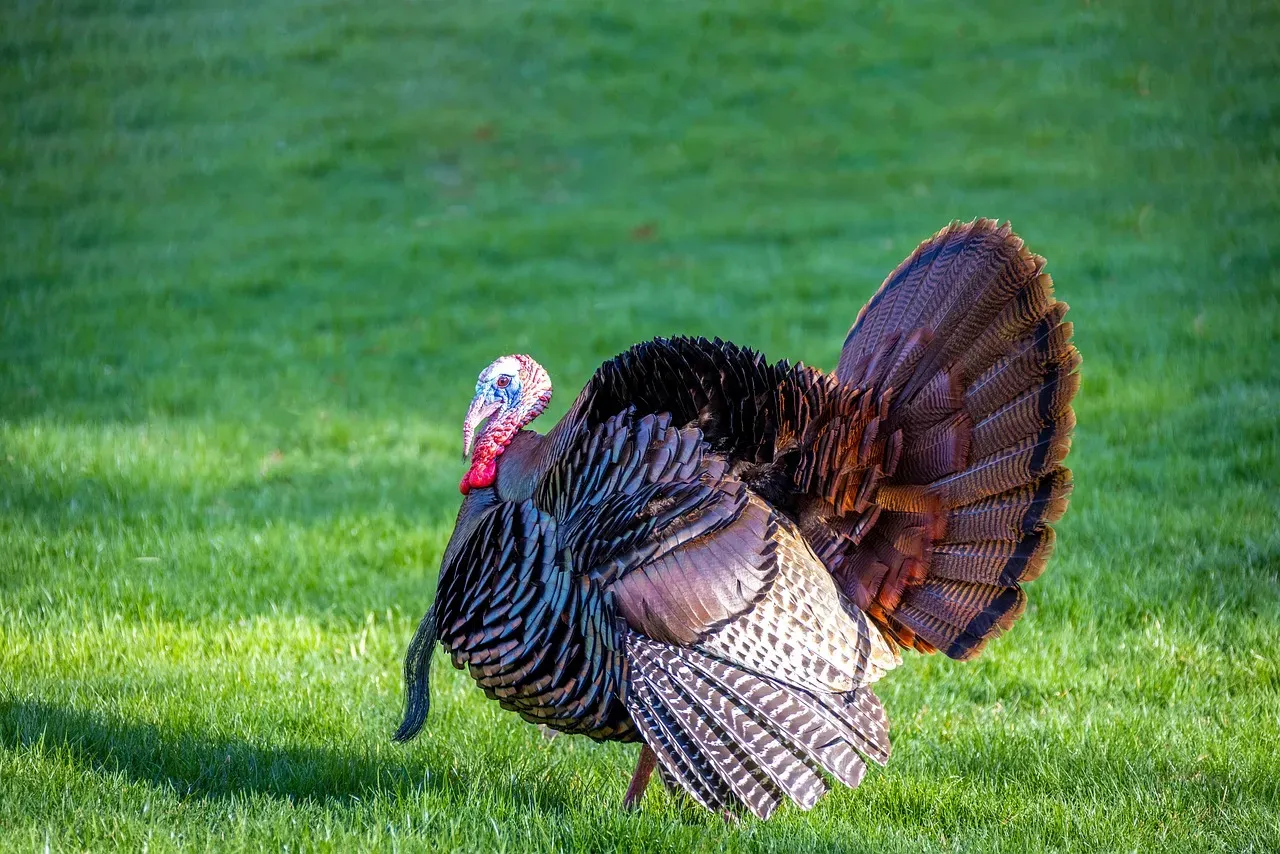
The wild turkey is a bird that most people associate with Thanksgiving rather than subtropical forests, but it’s deeply at home in South Carolina’s warm, wooded landscape. Once a dying breed, the wild turkey has made a definite resurgence and can be found in droves throughout the forests of the state.
The state wild game bird is the wild turkey, which, like the white-tailed deer, is widespread. The male turkey, which is much larger and more colorful, has small, featherless red heads that can turn quickly to blue, and its feathers are primarily dark in color, with a large tail that can spread into a fan.
Wild turkeys are foragers that do particularly well in warm climates where food sources remain accessible throughout the year. South Carolina’s mix of forests, agricultural edges, and open fields gives them everything they need.
7. White-Tailed Deer
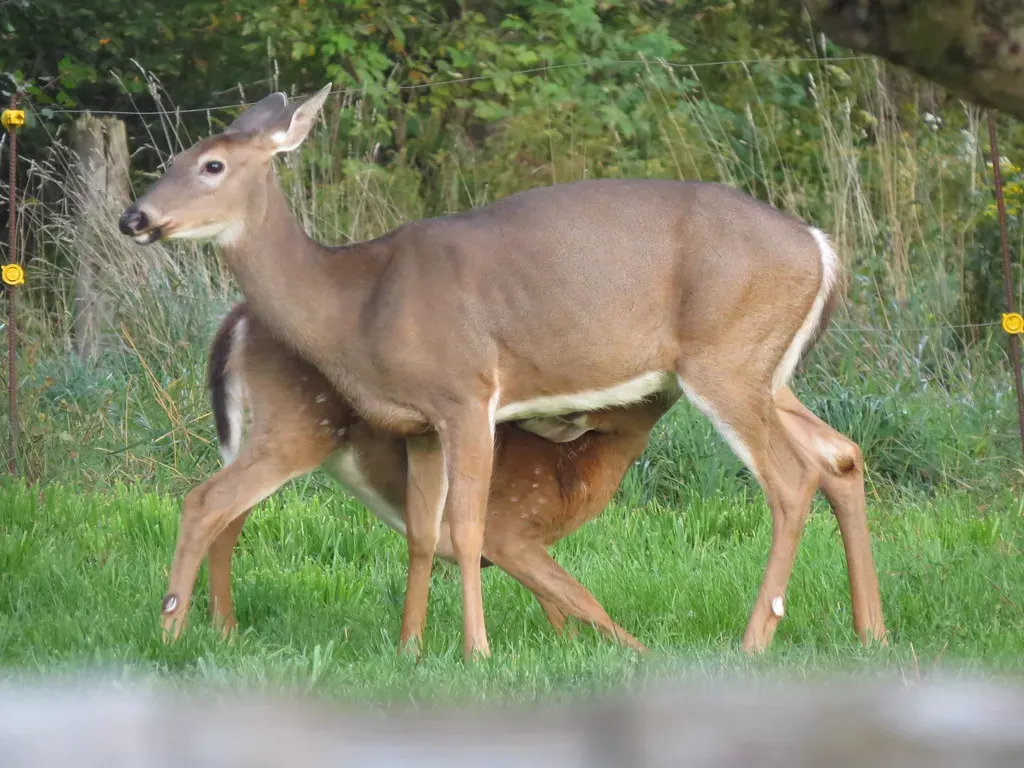
The official state animal of South Carolina is the white-tailed deer, which, to be blunt, is found absolutely everywhere in the state. Few animals embody the mild-climate advantage more visibly.
These animals are incredibly adaptable, thriving just as well in the open prairie as they do the woods or lowlands, and preferring to eat legumes, plants, fruit, and nuts. South Carolina’s warm growing season means food stays available longer, supporting healthy deer populations year-round.
Only the young fawns have the characteristic spots, while mature deer sport a reddish-brown coat in the spring and a greyish-brown coat in the winter. Mild winters mean less energy stress for deer, allowing them to enter spring in better condition than populations in colder states.
8. Manatee
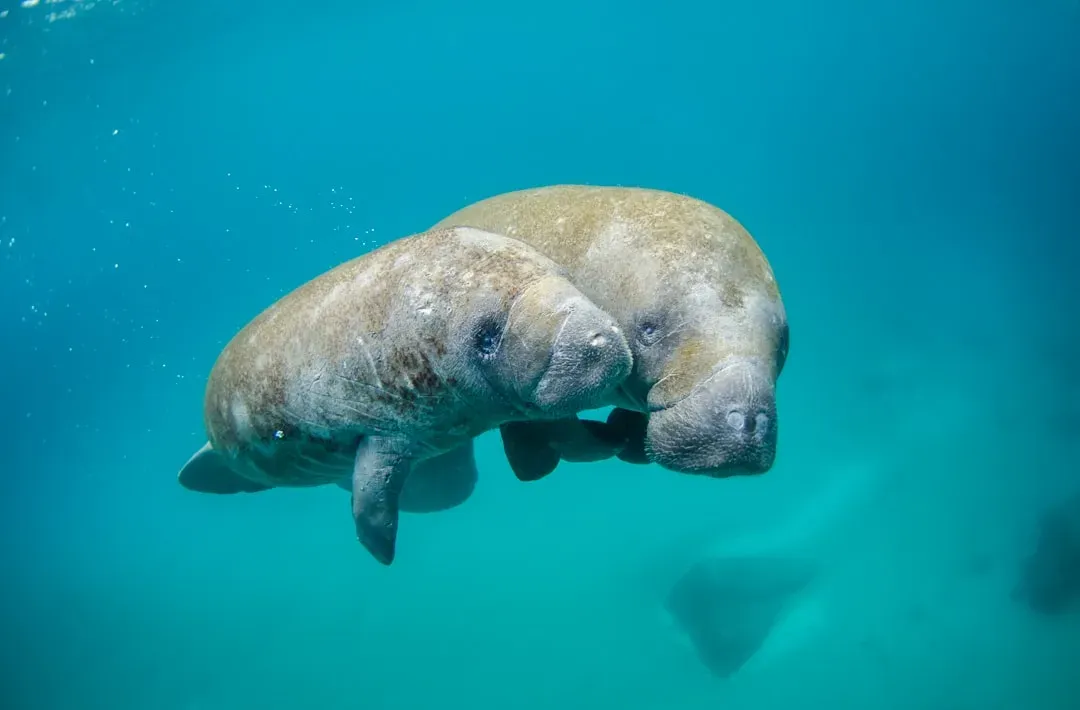
The manatee is perhaps the most surprising name on this list. These gentle giants are usually thought of as Florida residents, yet they make a regular appearance along the South Carolina coast as the mercury rises. The gentle manatee, or sea cow, can sometimes be spotted in the warmer months in South Carolina’s coastal waters.
Manatees are highly sensitive to cold water and can suffer cold stress syndrome at temperatures below roughly 68 degrees Fahrenheit. South Carolina’s warm summer coastal waters draw them northward during the warmer months as they follow food and favorable temperatures.
Sightings tend to increase from late spring through early fall, particularly near coastal inlets and river mouths. Visitors and locals are encouraged to boat safely and report manatee sightings to local wildlife authorities, as vessel strikes remain a serious threat to these slow-moving mammals.
9. Raccoon
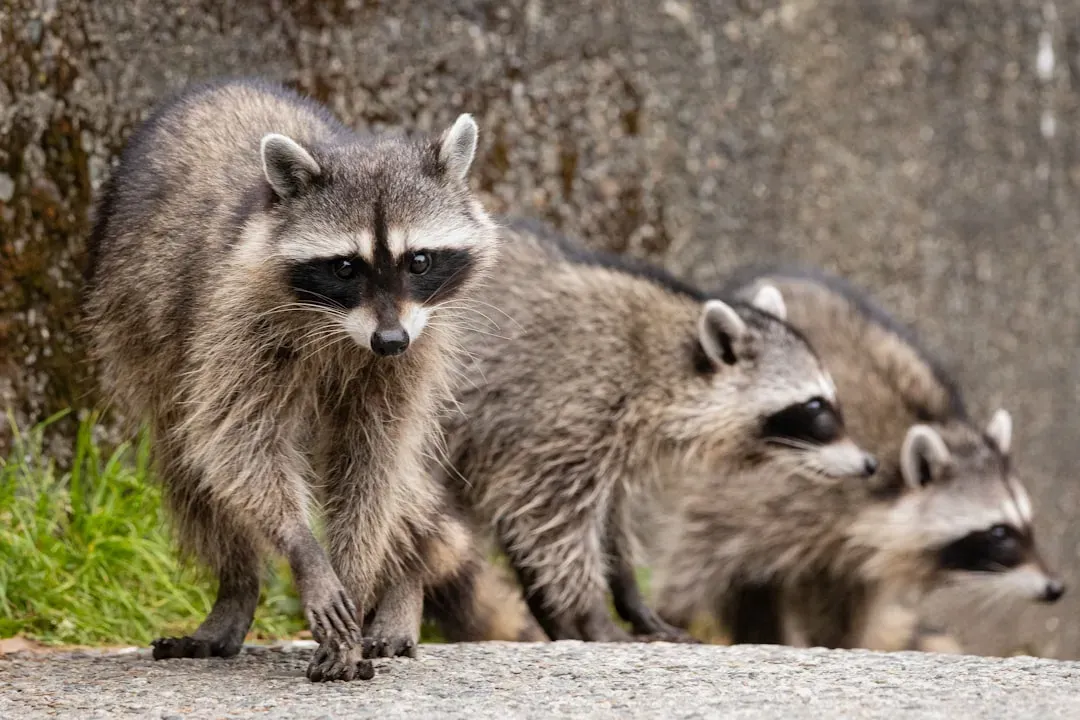
Adaptable, clever, and completely unbothered by human company. South Carolina’s mild climate and abundant food sources make it raccoon paradise, especially in neighborhoods with accessible garbage.
Due to their ability to adapt to humans, raccoons have an extensive range and are found in forests, wetlands, suburbs, parks, and cities, generally thriving in areas with water sources, abundant food, and den sites. Raccoons are found year-round in all southeastern states but are less active in the winter months, and are commonly found in attics during the spring because it is when they usually give birth.
Their nimble paws can open latches, unscrew jars, and tear through weak containers with ease. In South Carolina’s warm climate, their foraging season is effectively year-round, giving local populations a significant advantage over their northern counterparts who spend months in a semi-dormant state.
10. Eastern Cottonmouth Snake
Note: Not all PHIL images are public domain; be sure to check copyright status and credit authors and content providers.
العربية | Deutsch | English | македонски | slovenščina | +/−
I downloaded the high-resolution TIFF from the website and re-saved it in the PNG format (compression level 9) using GIMP. This reduced the file size by about half while resulting in no loss of visual information., Public domain)
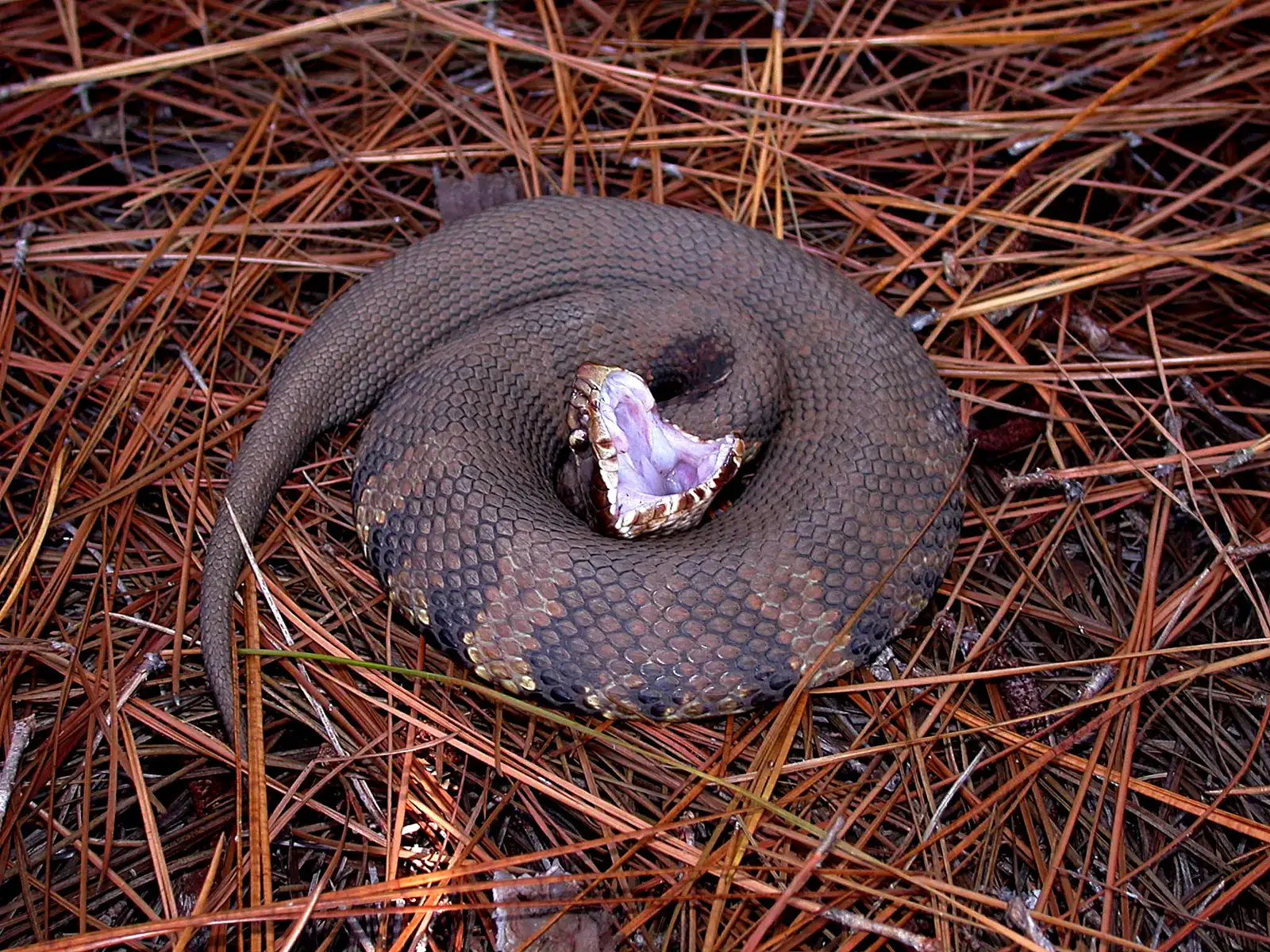
South Carolina is home to an impressive number of snake species, and among the most heat-loving is the eastern cottonmouth. South Carolina is home to 38 different species of snakes, with common species including the corn snake, black racer, rat snake, mud snake, and ribbon snake.
Many people are frightened by snakes, but having snakes around can be helpful as they may reduce the rodent population on your property. Snakes are found in all states, especially during warmer months when they are more active and travel farther. The cottonmouth in particular is closely tied to the state’s warm, wetland-heavy lowcountry.
The Coastal Plain harbors alligators and all four types of poisonous snakes found in the United States. Cottonmouths love slow-moving water, marshes, and swamps – habitats that thrive precisely because of South Carolina’s warm, humid climate. They are most active from spring through early fall, retreating in cold snaps but rarely disappearing for long.
A Living Argument for the South Carolina Climate
What’s striking about this list is how varied it is. Apex reptiles and delicate songbirds. Ancient turtles and marine mammals. All of them pointing to the same conclusion: the subtropical climate plays host to a diverse array of flora and fauna, along with plenty of rare and endangered species, making the wildlife here one of the most unique and magical aspects of life on the east coast.
Warm climates don’t just support life – they concentrate it. South Carolina’s marshes, forests, beaches, and coastal waters serve as a mosaic of overlapping habitats where warmth-loving species from land, sky, and sea can coexist. Some of these animals are year-round residents; others arrive when temperatures peak and leave when they drop. Together, they paint a vivid picture of what a genuinely warm, biologically rich state looks like in practice.
If anything, watching these animals go about their lives – a loggerhead hauling herself ashore at midnight, a dolphin arcing through a golden afternoon tide, a wren singing from a fence post in January – is a reminder that South Carolina’s climate is not just a weather pattern. It’s an entire world in motion.
