
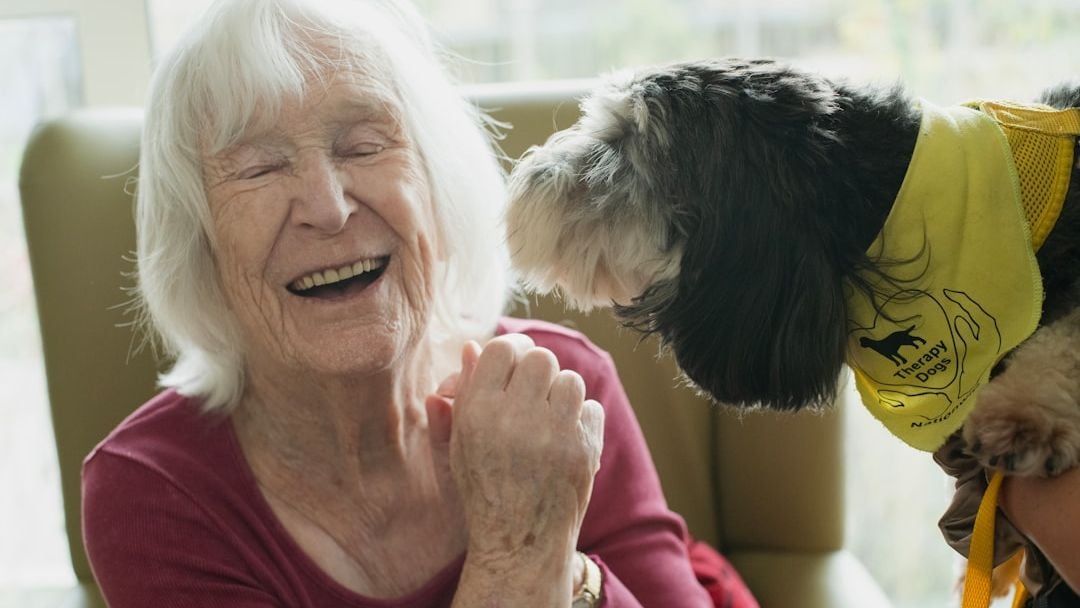
There’s something quietly remarkable about watching an older person with their pet. A dog that settles its chin onto a grandparent’s knee. A cat that chooses, out of everyone in the room, to curl up beside the eldest member of the family. These small moments carry more weight than they might seem.
The relationship between older adults and their animals isn’t just pleasant company. It touches on something deeper: the human need for warmth, purpose, and connection, especially in the years when life tends to slow down and the house grows quieter. Research increasingly confirms what many families already sense intuitively. For grandparents, a pet isn’t just an animal. It’s a companion, a reason to get up, and sometimes, a lifeline.
An Unconditional Presence That Asks for Nothing in Return
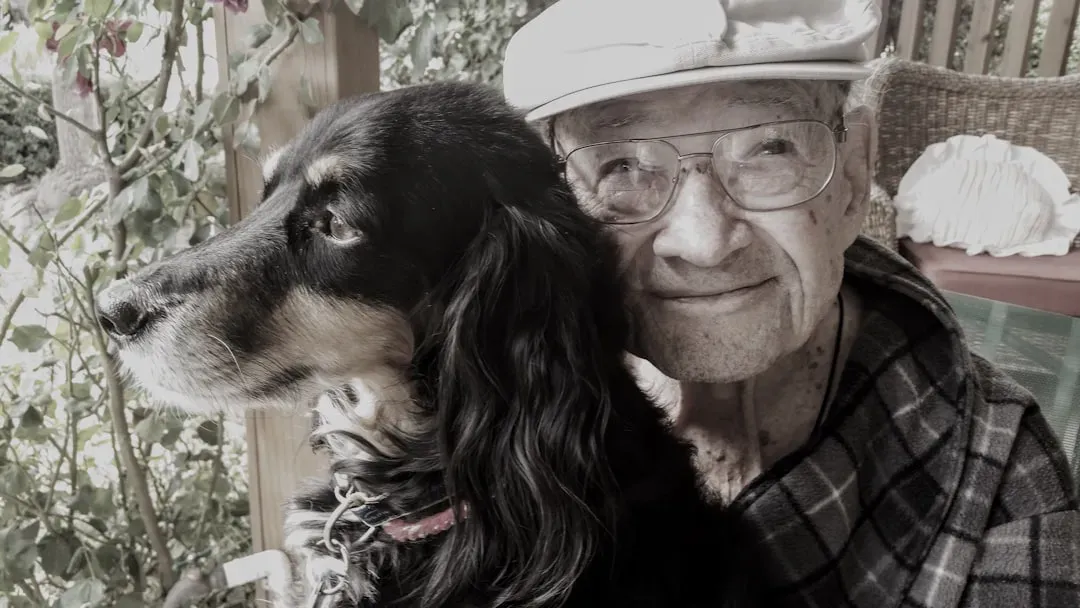
Many older adults don’t view their pets simply as animals, but as cherished companions who offer unconditional love, companionship, and a sense of purpose. Whether it’s a playful dog, a cuddly cat, or a chirping bird, the bond can run deep and bring real meaning to an older person’s daily routine.
The unconditional love and loyalty of a pet can greatly improve the emotional wellbeing of seniors, offering a sense of purpose and meaning in their lives. That reliability matters. Relationships with other people are complex and sometimes unpredictable. A pet, by contrast, delivers consistency.
Owning a pet can also offer a consistent and non-judgmental source of interaction, which can be particularly valuable for individuals who may lack sufficient human social connections. For grandparents living alone or in quieter circumstances, that steady presence can fill a gap that nothing else quite manages to close.
The positive impact of the human-animal bond for mental wellbeing has been validated through decades of scientific research. What’s notable is how clearly this plays out in the lives of older adults specifically, where the stakes around isolation and emotional health are especially high.
The Loneliness Factor: Why Pets Matter More as We Age

Older adults who report feelings of loneliness are at increased risk for a range of negative physical and mental health outcomes, including early mortality. That’s a sobering fact. Loneliness in later life isn’t just an emotional difficulty. It carries real physiological consequences.
Pet owners were significantly less likely than non-pet owners to report loneliness, in a model controlling for age, living status, happy mood, and seasonal residency. That’s a meaningful difference, especially for grandparents who may no longer have a partner, whose friends have passed, or whose children live far away.
Research indicates that pet owners experienced lower loneliness than non-pet owners when living alone, such that loneliness mediated the effects of pet ownership on wellbeing. The pet doesn’t simply distract from loneliness. It actually reduces it, through the mechanism of genuine attachment.
Pets can reduce subjective feelings of loneliness and can help against social isolation by facilitating social contacts. Feelings of loneliness and social isolation are risk factors for experiencing psychological distress and insufficient social support. The ripple effect goes further than the living room.
Keeping the Mind and Body Moving
Studies have shown that the bond between people and their pets can increase fitness, lower stress, and bring happiness to their owners. Some of the health benefits include decreased blood pressure, decreased cholesterol and triglyceride levels, decreased feelings of loneliness, and increased opportunities for socialization.
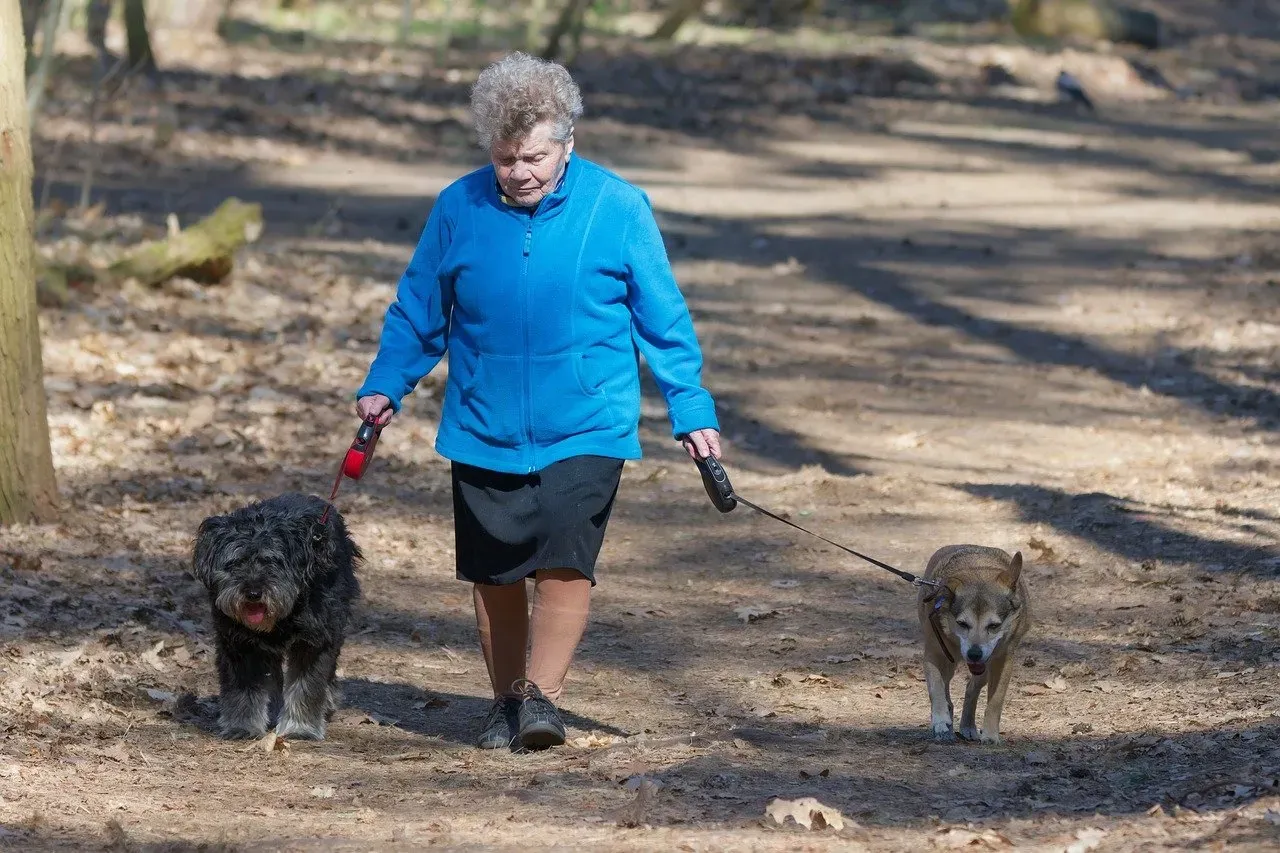
The presence of a pet can encourage seniors to stay active and engaged in physical activities. Whether it’s taking a leisurely stroll with a dog or engaging in playtime with a cat, pets provide opportunities for exercise and movement that can help seniors maintain mobility and reduce the risk of health issues such as obesity and heart disease.
The cognitive picture is particularly compelling. Longitudinal evidence supports the contribution of pet ownership to the maintenance of cognitive function in generally healthy, community-residing older adults. Older adult pet owners experienced less decline in cognitive function as they aged. Memory, executive function, language function, psychomotor speed, and processing speed deteriorated less over ten years among pet owners than among non-owners.
In a study of nearly 8,000 older adults published in JAMA Network Open, researchers found that among those living alone, having a pet was associated with a slower rate of cognitive decline, specifically in composite verbal cognition, verbal memory, and verbal fluency. These aren’t trivial gains. They speak to a genuine protective effect on the aging brain.
The physical activity, emotional connection, reduced stress, cognitive stimulation, social connections, and sense of purpose that come with owning a pet can help reduce the risks of cognitive decline and enhance brain health.
Bridging Generations: Pets as a Family Thread
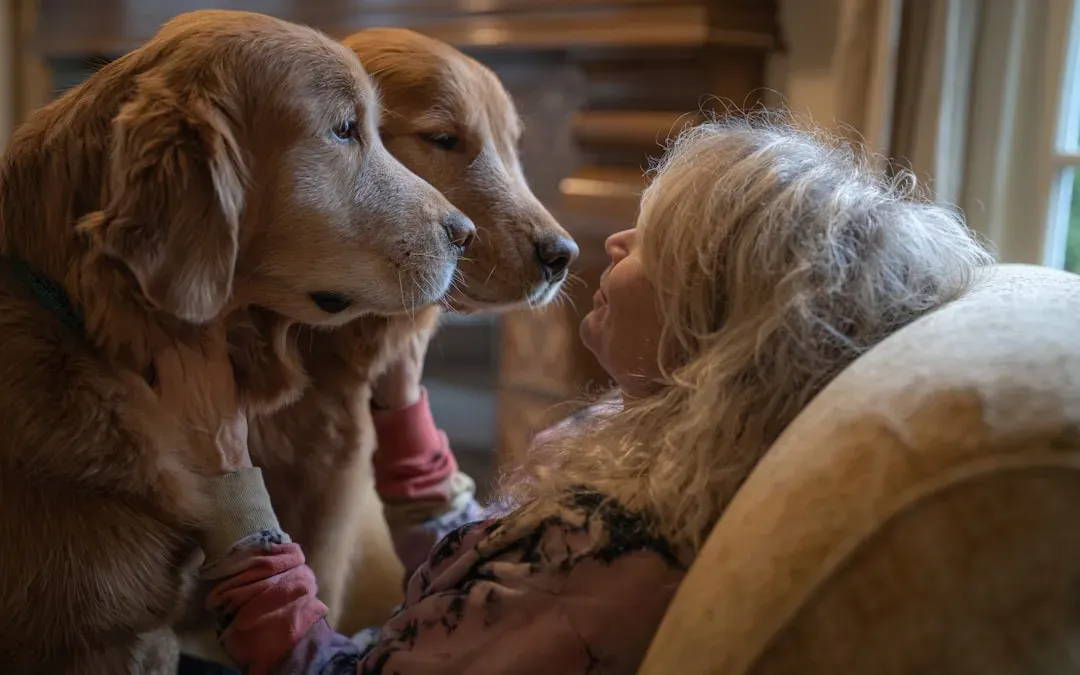
Seniors with pets are more able to bridge generational gaps and strengthen intergenerational bonds, particularly in families where grandchildren are involved. The shared experience of caring for and bonding with a pet can create lasting memories and strengthen familial ties, enriching the lives of both seniors and their loved ones.
This is one of the quieter and less-discussed dimensions of the grandparent-pet bond. The animal doesn’t just serve the older person. It becomes common ground. Seniors can teach their grandchildren how to care for animals, and love for a pet can bring families closer together. If pets are in the house, grandchildren might be more likely to visit and spend time with their grandparents, which could lead to opportunities for bonding and shared experiences.
Grandparents get to feel useful by sharing their wisdom about pet care, while grandchildren see their elders as active participants in something they care about. The pet doesn’t just sit between them; it connects them. That dynamic, simple as it sounds, can reshape how entire families relate to one another.
For grandparents, pets can become unexpected bridges between generations. Grandchildren often bond quickly with pets, creating shared experiences and memories that don’t rely on screens or schedules. There’s something almost old-fashioned about it, in the best possible way.
Real Considerations: The Responsibilities and the Rewards
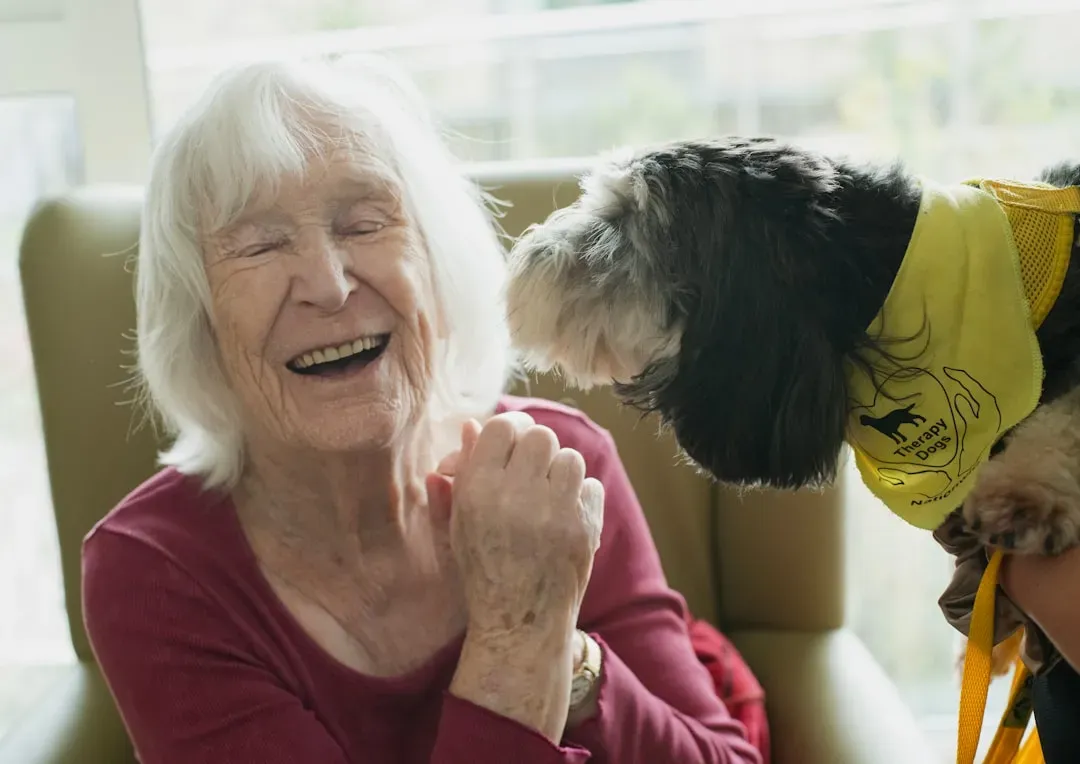
The benefits are real. So are the practicalities. Studies point to many physical, mental, and emotional benefits of pet ownership for seniors, but it is important to weigh both the pros and cons. While the routine of caring for a pet can be beneficial, it can also be demanding. Seniors must consider if they have the physical and financial capacity to meet the needs of a pet, including food, vet visits, and daily care tasks.
Within the household, older adults took account of their relationship with their pets and the ways in which they believed their pets impacted their health, which in turn influenced how they balanced resources and priorities. The belief that pets were beneficial to their health, as well as the bond they shared with their pets, led them to negotiate priorities and sometimes make concessions to their own health for the benefit of the household.
For seniors who cannot manage the care of a full-time pet, alternatives exist. Therapy animals provide companionship during visits and help reduce stress in community settings. Innovative options like robotic companion pets have also been shown to reduce loneliness for seniors with dementia or limited mobility. These alternatives ensure that every person, regardless of physical ability, can still experience the comfort, connection, and emotional benefits that pets bring.
Many older owners find they are more patient, attentive, and emotionally available than they were earlier in life, making them exceptionally good caregivers. That realization alone shifts the conversation. It’s not just about what a pet gives to a grandparent. It’s also about what a grandparent, uniquely, is able to give back.
Conclusion
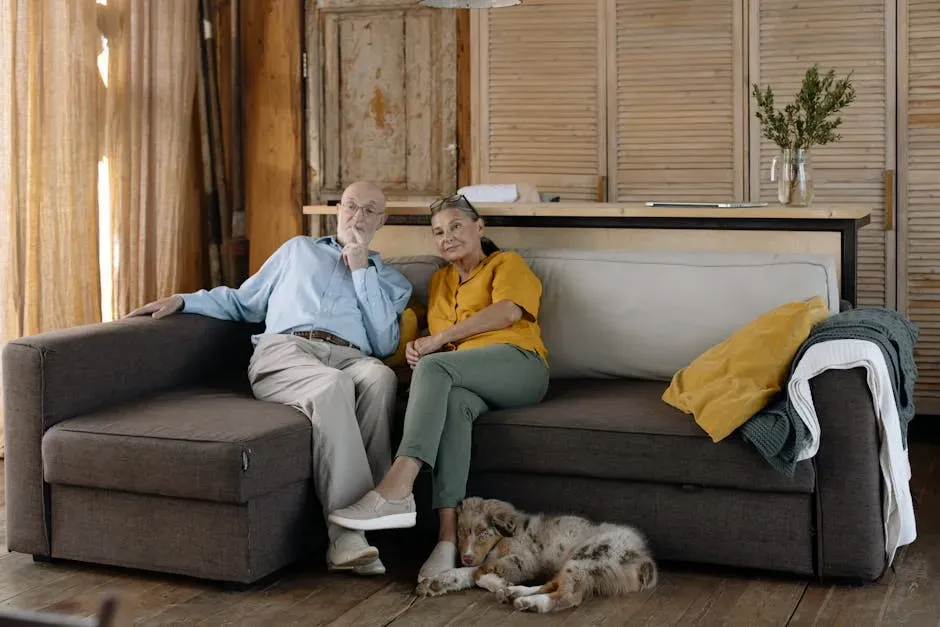
The bond between grandparents and their pets is not a simple or sentimental thing. It’s supported by real science, felt in daily routines, and lived out in small, ordinary moments that turn out to matter enormously. A walk in the morning. A warm body on a quiet evening. A reason to keep going.
What research continues to confirm is that this relationship carries genuine weight, for emotional health, physical vitality, cognitive resilience, and family connection. The human-animal bond continues to grow stronger, with the vast majority of pet owners saying their pet is a member of the family, and nearly all saying their pets have helped improve their mental or physical health.
For older adults, that truth is especially potent. Aging brings change and loss, and finding steady sources of love and purpose is not always easy. A pet, however modest or unremarkable it might seem to an outsider, can quietly hold a life together. That’s not nothing. That’s quite a lot.

- Could Rising Ocean Temperatures Create Super Hurricanes? - July 13, 2026
- These Majestic Birds Are Soaring to Unprecedented Heights Across the US - July 13, 2026
- 12 Amazing Things Only Dog Owners Truly Understand - July 13, 2026