
Worried about unexpected vet bills?
Pet insurance can cover thousands in unexpected vet costs. Get a free quote from Lemonade in under 2 minutes.
Get My Free Quote →Sponsored · Opens Lemonade.com
Most people don’t spend much time thinking about bees when they pour coffee, bite into an apple, or sprinkle almonds on their morning yogurt. That’s precisely the problem. The connection between the food on our plates and the insects buzzing around wildflowers is far more direct than most of us realize.
According to bee experts at the Food and Agriculture Organization of the United Nations, roughly a third of the world’s food production depends on bees. That’s not a small margin. It represents entire grocery store aisles, global export industries, and the nutritional variety that most people in wealthier countries simply take for granted. The stakes couldn’t be higher, and the trend lines are not encouraging.
The Biology Behind the Work: Why Bees Are Built for Pollination
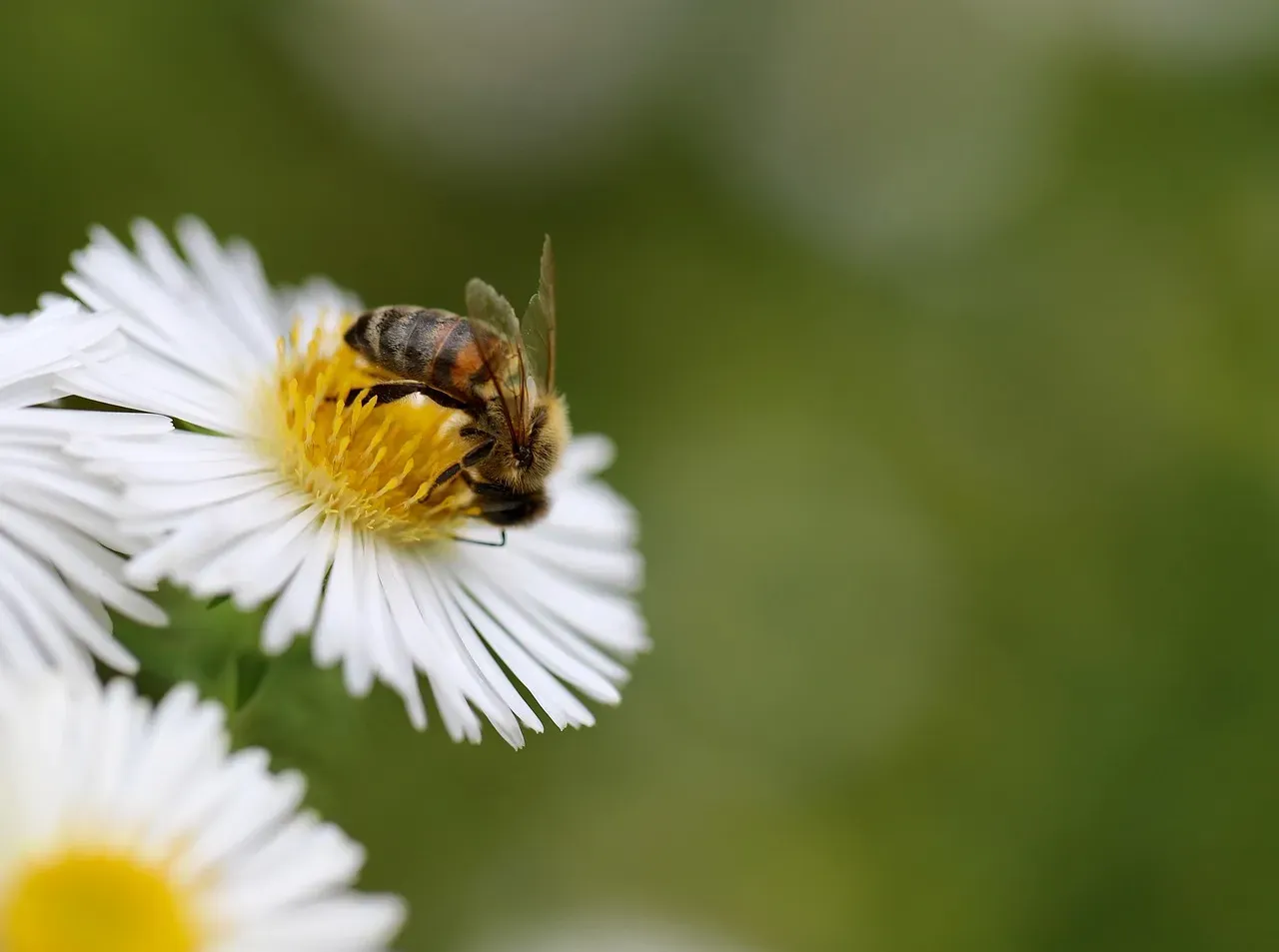
There’s something almost elegant about the way bees are designed for the job. A honeybee’s body is covered in fuzzy, branched hairs that are electrostatically charged, and as a bee visits a flower to collect nectar, pollen grains cling to these hairs like magnets. When the bee moves to the next flower, some of this pollen rubs off, completing the pollination process.
This design is incredibly efficient, allowing a single bee to transfer thousands of pollen grains on a single foraging trip. That’s just one bee. A healthy colony can number in the tens of thousands.
Some bee species, like bumblebees, are capable of “buzz pollination,” where they vibrate their flight muscles at a specific frequency to release pollen from certain flowers more effectively. Their unique characteristics, such as flower fidelity, thoroughness in handling flowers, long working hours, and high population sizes, make bees the most efficient and reliable pollinators. Their social organization, communication methods, and morphological adaptations further contribute to their unparalleled effectiveness.
What Would Actually Disappear Without Bees
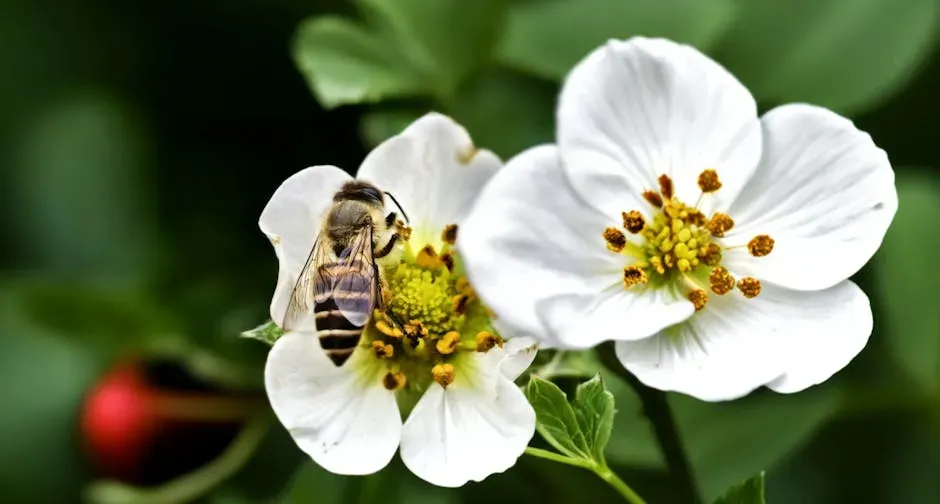
According to the United Nations Environment Programme, of the 100 crop varieties that provide roughly nine tenths of the world’s food, 71 are pollinated by bees. That is a stunning concentration of dependency on a single group of insects.
Some of the most bee-dependent crops include apples, blueberries, cherries, almonds, and pumpkins. Without bees, these crops would produce significantly less fruit, and in some cases, might not produce fruit at all.
If this trend of decline continues, nutritious crops such as fruits, nuts, and many vegetables will be substituted increasingly by staple crops like rice, corn, and potatoes, eventually resulting in an imbalanced diet. So many of the fruit and vegetable crops we rely upon for our own food, as well as the hay and alfalfa crops that our entire cattle industry relies on for meat and dairy, depend on pollination. The knock-on effect reaches much further than most people appreciate.
The Scale of the Crisis: What the Numbers Actually Tell Us
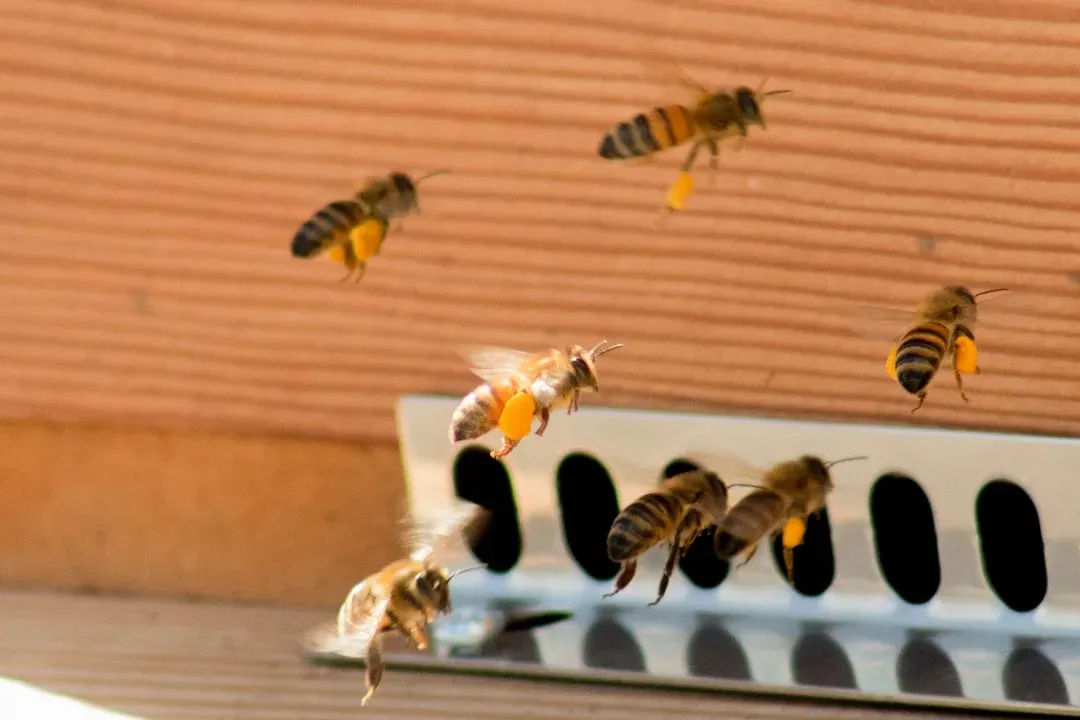
The bee decline is at its worst ever, with roughly 62 percent of commercial beehives lost in a survey covering June 2024 to February 2025. That figure is staggering. It signals something has gone deeply wrong in the relationship between modern agriculture and the insects that sustain it.
The number of managed honey bee colonies in the United States dropped from roughly 6 million in 1947 to less than 2.5 million today. Commercial beekeepers across the country are suffering astronomical hive losses, severely crippling their ability to meet pollination demands for a variety of crops, including almonds, apples, berries, and row crops.
Researchers analyzed data from more than 130 farms in the U.S. and Canada that grow apples, blueberries, sweet cherries, tart cherries, almonds, pumpkins, and watermelon, and found that five of the seven crops showed evidence of lowered yields due to less pollination by smaller bee populations. The data is no longer theoretical. It’s showing up in harvests.
What Is Driving the Decline
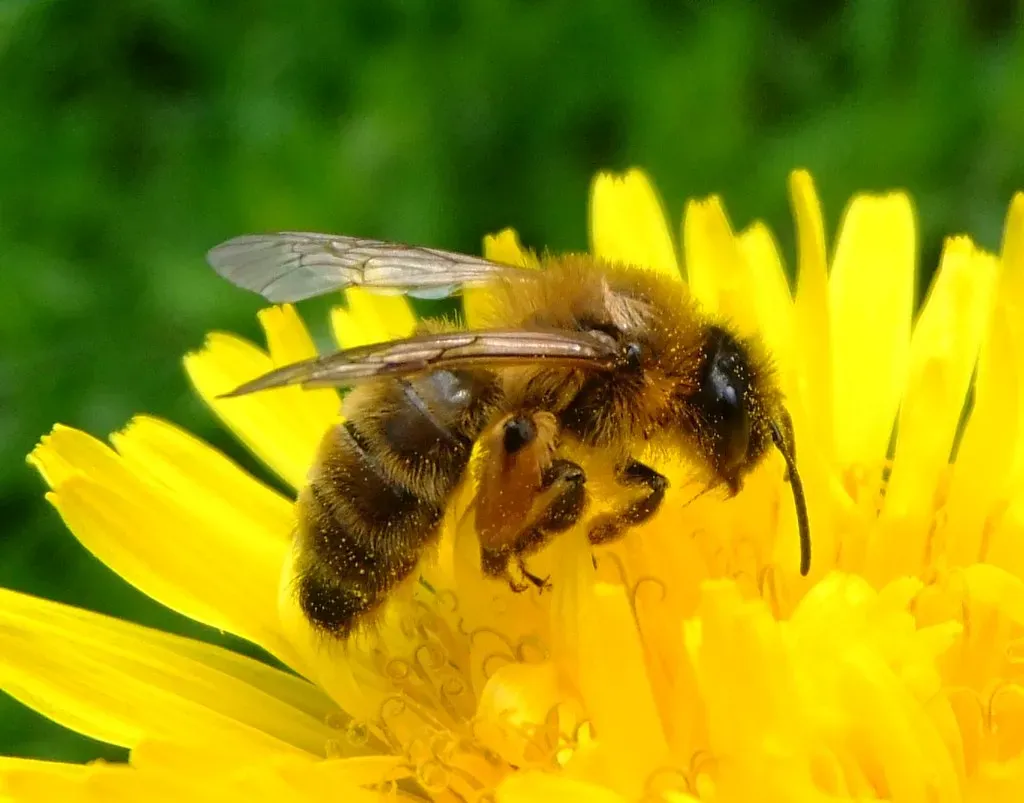
Bees and other pollinators are declining in abundance in many parts of the world largely due to intensive farming practices, mono-cropping, excessive use of agricultural chemicals, and higher temperatures associated with climate change, affecting not only crop yields but also nutrition.
Changing climate patterns can disrupt the synchronization of flowering plants and bee activity, affecting pollination timing. Bees also face numerous parasites and diseases, including the varroa mite, which can decimate honeybee colonies. Large-scale monoculture farming reduces the availability of diverse food sources for bees, leading to poor nutrition and weakened immune systems.
Air pollution is also thought to be affecting bees. Preliminary research shows that air pollutants interact with scent molecules released by plants, which bees need to locate food. The mixed signals interfere with the bees’ ability to forage efficiently, making them slower and less effective at pollination. It’s a compounding problem, with each stressor weakening the bees’ ability to handle the next one.
What Can Actually Be Done
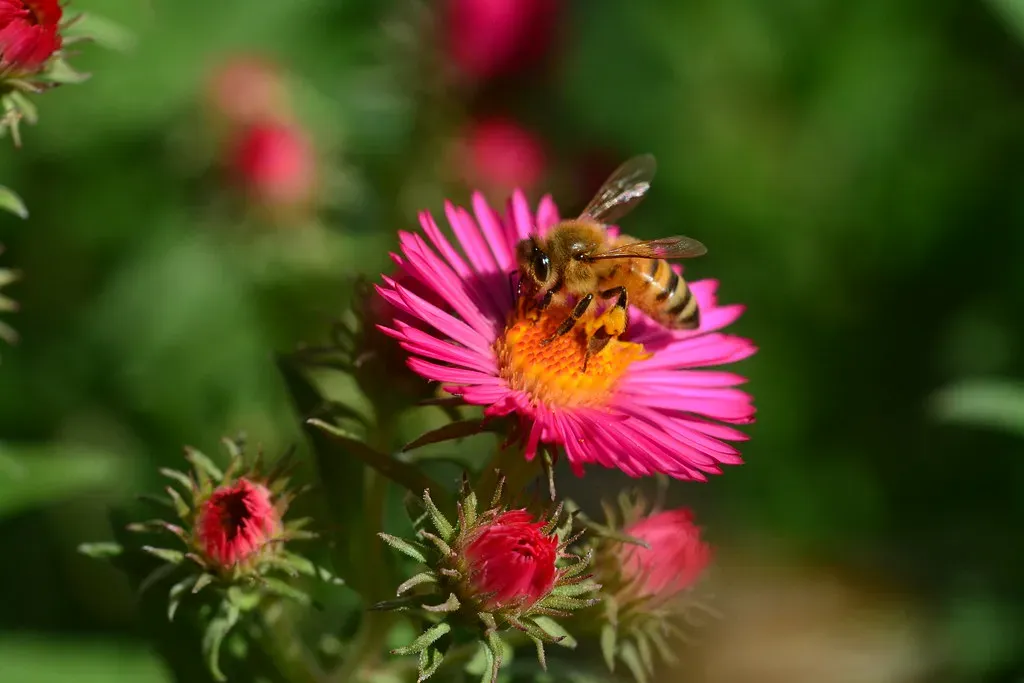
Protecting bees requires supporting sustainable agricultural practices, reducing the use of harmful pesticides, and creating habitats that are conducive to bee health. These aren’t radical proposals. Many of them are practical and already being tested at scale in various countries.
The setting of strips featuring a variety of native plant species blooming at different times throughout the growing season could offer a continuous and diverse food source for pollinators. Research consistently finds that what is most associated with improved bee health is a diverse, native flower population.
Farmers may need to invest in alternative pollination methods, such as hand pollination or the use of other pollinating insects, which can be labor-intensive and costly. That reality underscores just how irreplaceable bees are when you try to replicate their work. No technology has come close to matching the efficiency, reach, and ecological harmony of a healthy bee population doing what it evolved to do.
Conclusion
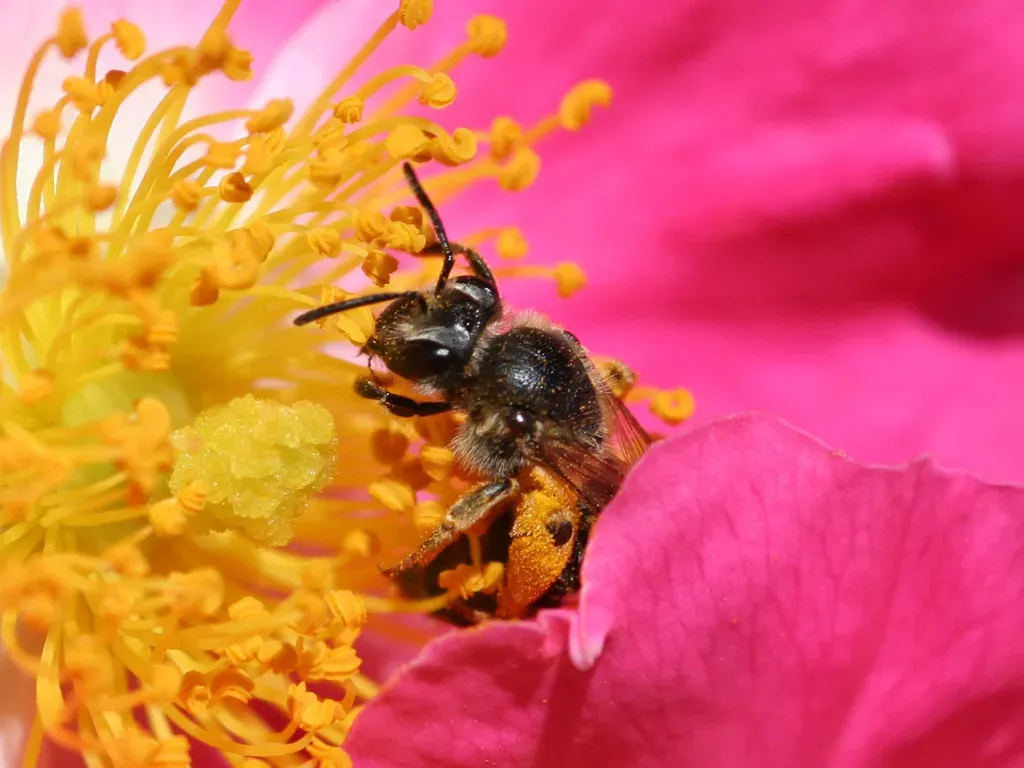
The story of bees and food is ultimately a story about systems. Healthy soils, diverse crops, and reliable harvests are all tied together through a chain of dependencies that runs straight through the hive. Disrupting one link doesn’t just weaken that link; it weakens the whole structure.
Bees play a critical role in supporting the livelihoods of farmers, particularly those who rely on crops such as apples, almonds, coffee, and cucumbers, many of which depend heavily on bee pollination. The economic stability of entire communities depends on the continued health of bee populations.
There’s something grounding about recognizing that one of the most important forces in global food security weighs less than a paperclip and works for free. The least we can do is stop making its world harder to survive in.
Worried about unexpected vet bills?
Pet insurance can cover thousands in unexpected vet costs. Get a free quote from Lemonade in under 2 minutes.
Get My Free Quote →Sponsored · Opens Lemonade.com
