
Conservation rarely moves in a straight line. Species vanish from regions they occupied for millennia, then slowly, painstakingly, return. Sometimes the credit belongs to a single piece of legislation. Sometimes it’s the result of decades of unglamorous fieldwork in remote terrain. Usually, it’s both.
Throughout its history, the Endangered Species Act has proven to be incredibly effective in stabilizing populations of species at risk, preventing the extinction of many others, and conserving the habitats upon which they depend. The numbers that underpin these recoveries are, in many cases, genuinely astonishing. Species that once existed in the dozens now number in the hundreds or thousands. That progress deserves a closer look.
1. California Condor: Back from the Edge of Zero
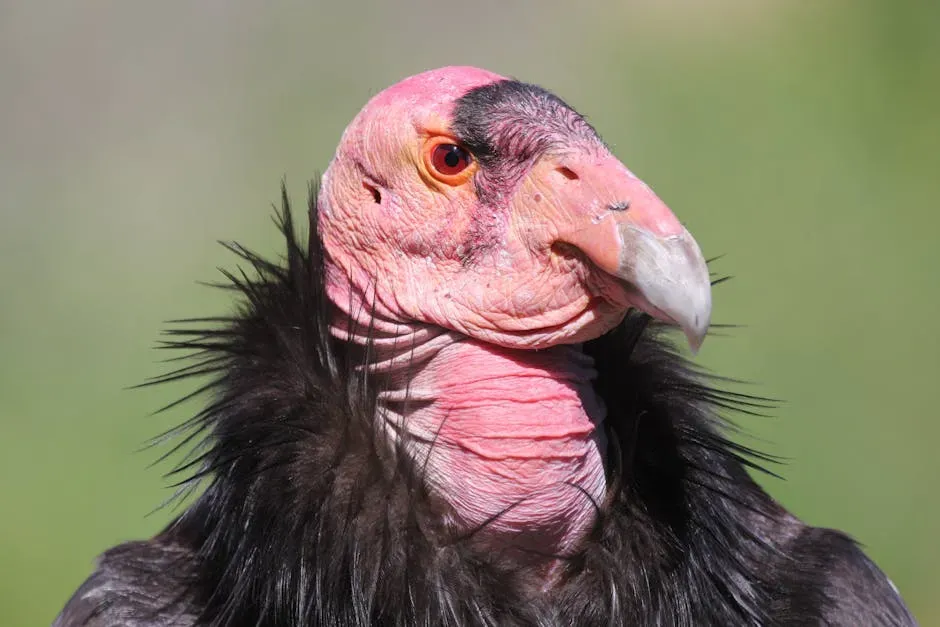
There may be no more dramatic rescue in American conservation history. In 1987, the last wild California condors were captured and brought into captivity. The total world population stood at just 27 birds.
The California condor population grew from 27 individuals in 1987 to over 500 birds by 2024, including more than 300 flying free in California, Arizona, and Utah. That recovery took decades of careful captive breeding and systematic reintroduction into the wild.
Lead poisoning from spent ammunition remains the condor’s most persistent threat today, which is why advocacy for non-lead bullets in condor range continues to be a conservation priority. Still, the fact that these birds soar again over the Grand Canyon is nothing short of extraordinary.
2. Bald Eagle: America’s Most Symbolic Comeback
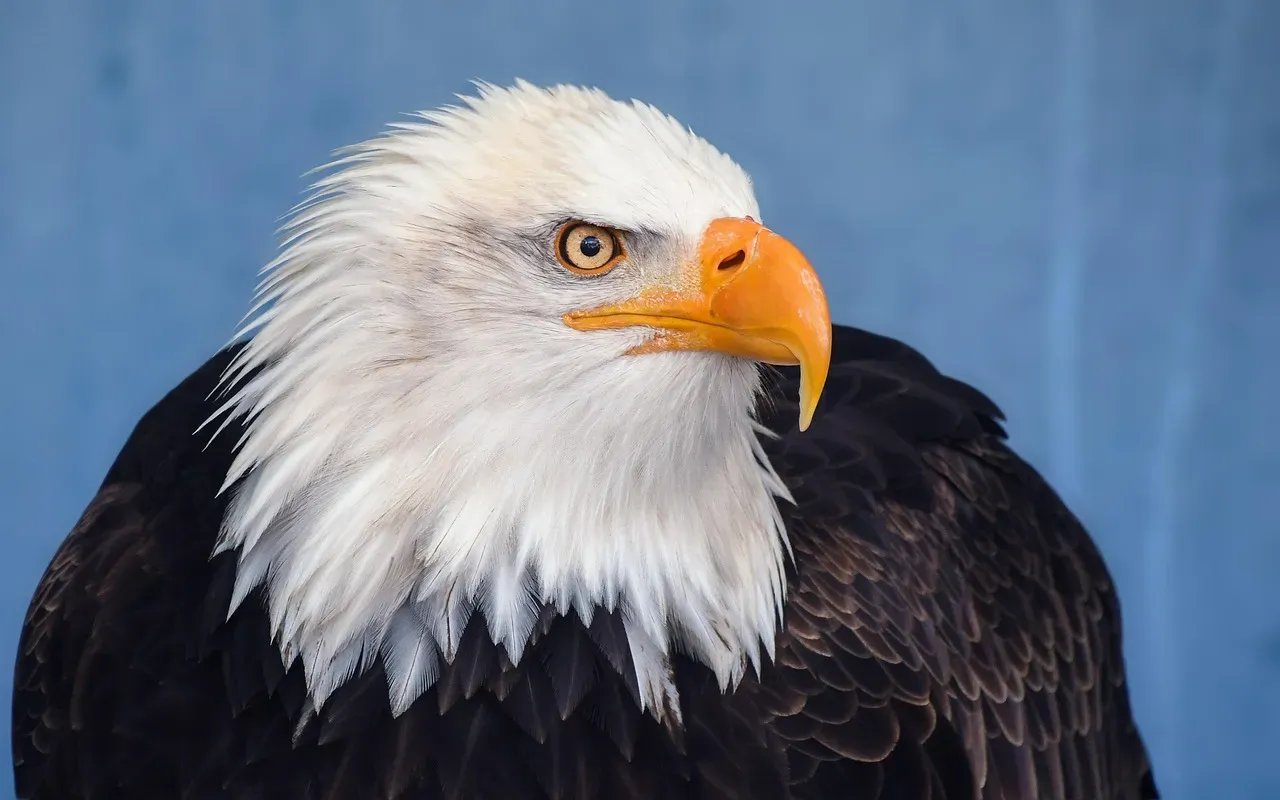
When first listed in 1967, fewer than 500 nesting pairs remained in the lower 48 states, decimated by hunting, habitat loss, and the effects of DDT. The pesticide was thinning eggshells, quietly hollowing out an entire generation of birds before they could hatch.
Through ESA protections, including habitat conservation and the banning of DDT, bald eagle populations rebounded dramatically to more than 9,700 nesting pairs by the time of their delisting in 2007. Today, the population exceeds 15,000 pairs, a remarkable 30-fold increase.
Captive breeding programs, habitat protection, and a ban on DDT contributed to the successful recovery of this American symbol. It’s worth noting that the bald eagle was removed from federal endangered species protection entirely, which makes it one of the clearest demonstrations that the system can actually work.
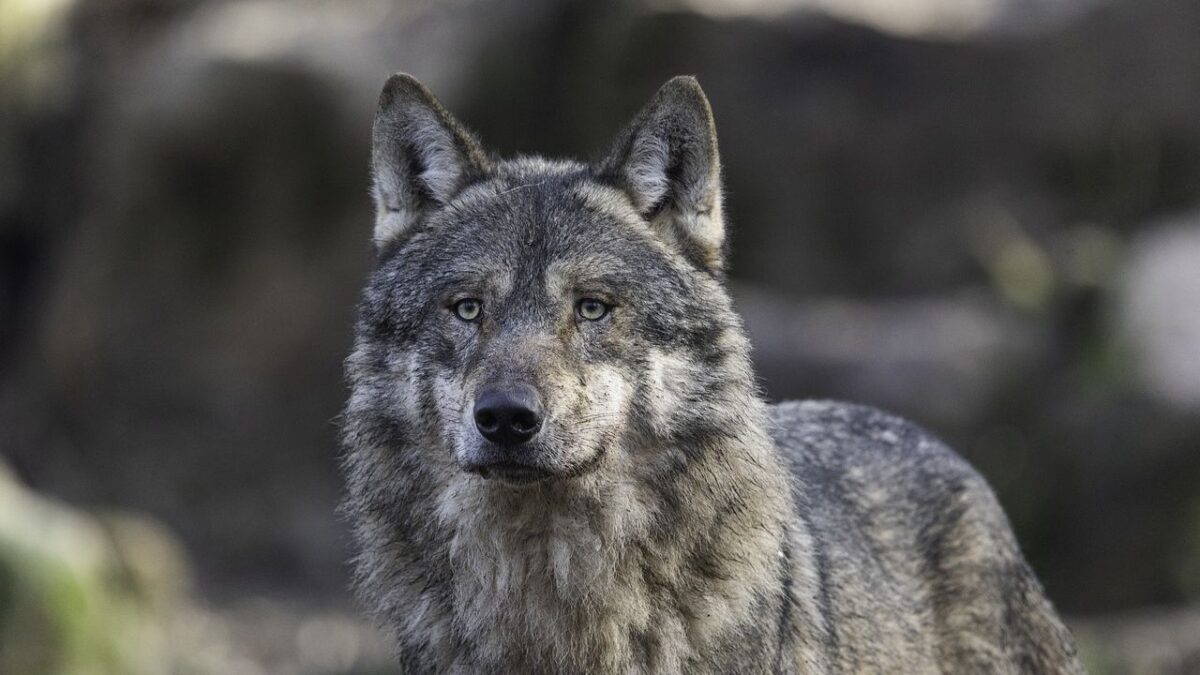
3. Gray Wolf: A Predator Reclaims Its Range
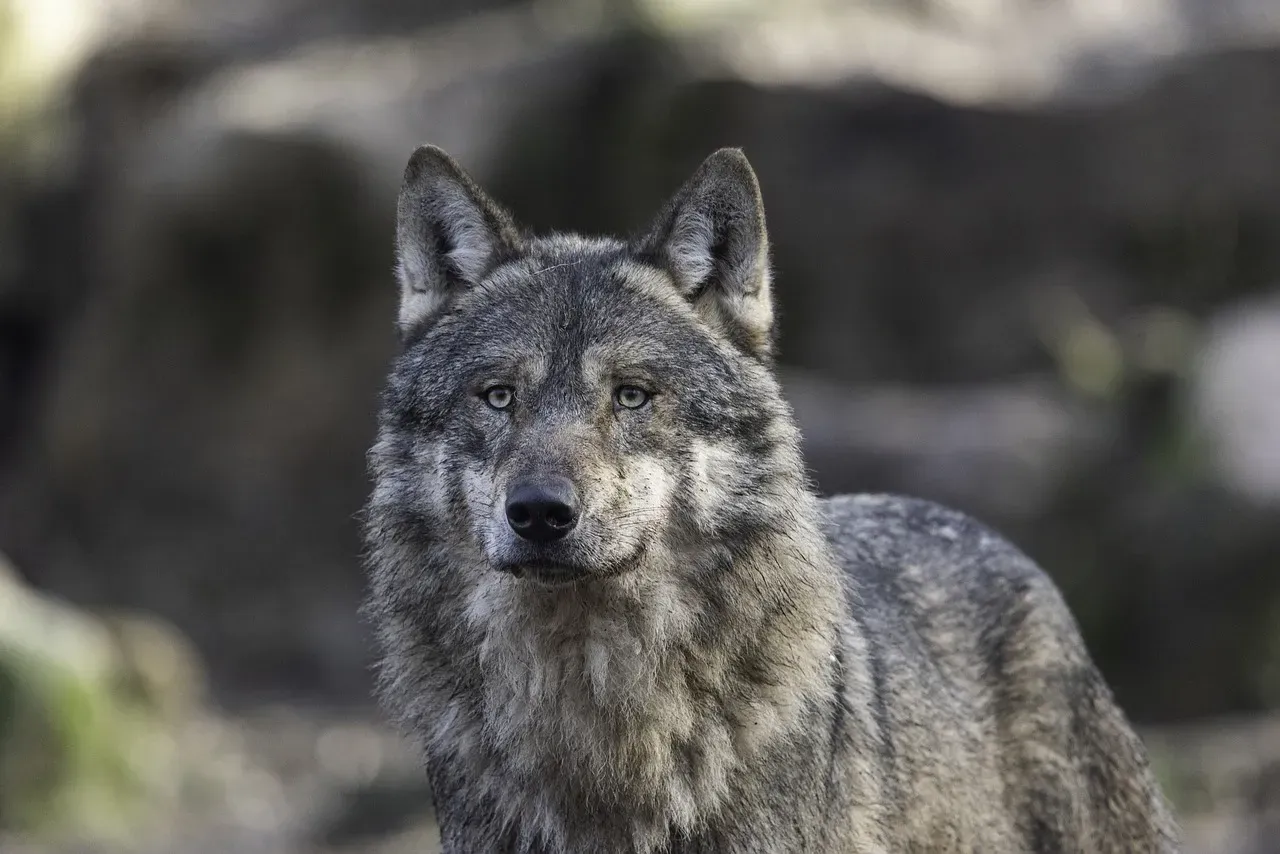
Few species have inspired as much controversy, or as much genuine ecological excitement, as the gray wolf. Its return to the American West reshaped entire landscapes through what ecologists call a trophic cascade, altering the behavior of elk and deer and allowing vegetation to regenerate along riverbanks.
Today, thanks to Endangered Species Act protections, more than 6,000 gray wolves reside across the lower 48 states. That number would have seemed impossible just a few decades ago.
The gray wolf’s success is a result of stimulated efforts such as public education about the species, habitat restoration, wolf introduction into various areas, and compensation of ranchers for livestock killed by wolves. That last component, compensating affected ranchers, was essential in maintaining enough community tolerance for the program to survive politically.
4. Grizzly Bear: Yellowstone’s Keystone Comeback
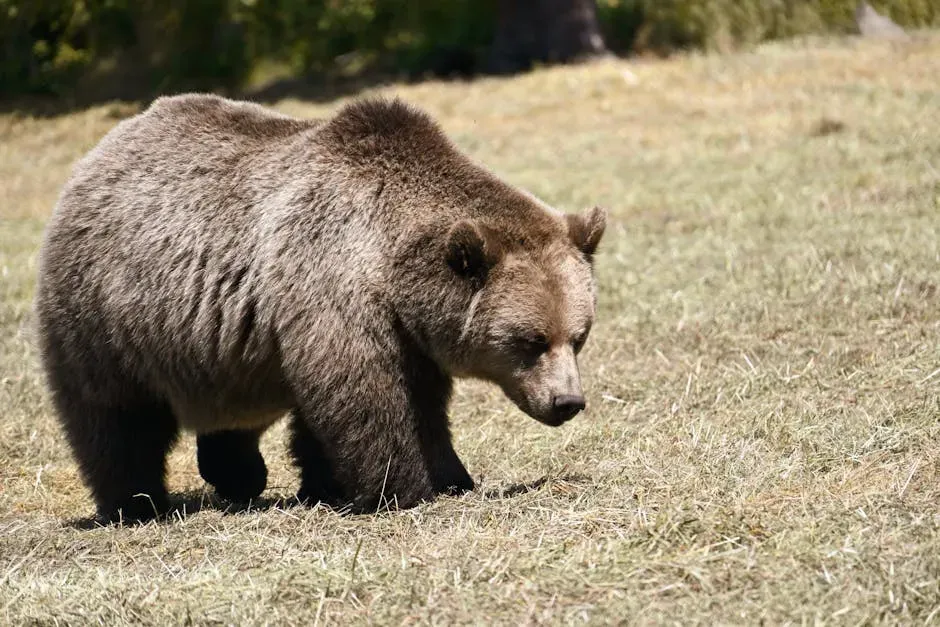
Within the lower 48 states, grizzly bear populations were reduced to a mere two percent of their former range. Grizzly bears were brought under federal management when they were listed under the Endangered Species Act in 1975. At that time, fewer than 250 bears occupied the Yellowstone area.
Now, with ESA protection and the support of conservation organizations, there are over 1,900 grizzly bears in the contiguous 48 states. The recovery around Yellowstone has been particularly well-documented and is widely cited as a model for large carnivore conservation.
The grizzly’s continued recovery is not without complication. Conflicts with livestock, competition for space as bear populations expand beyond park boundaries, and ongoing debates over delisting keep this species at the center of conservation policy. Even so, the trajectory from near-oblivion to thousands of individuals is remarkable by any measure.
5. Whooping Crane: North America’s Tallest Bird Finds Its Footing
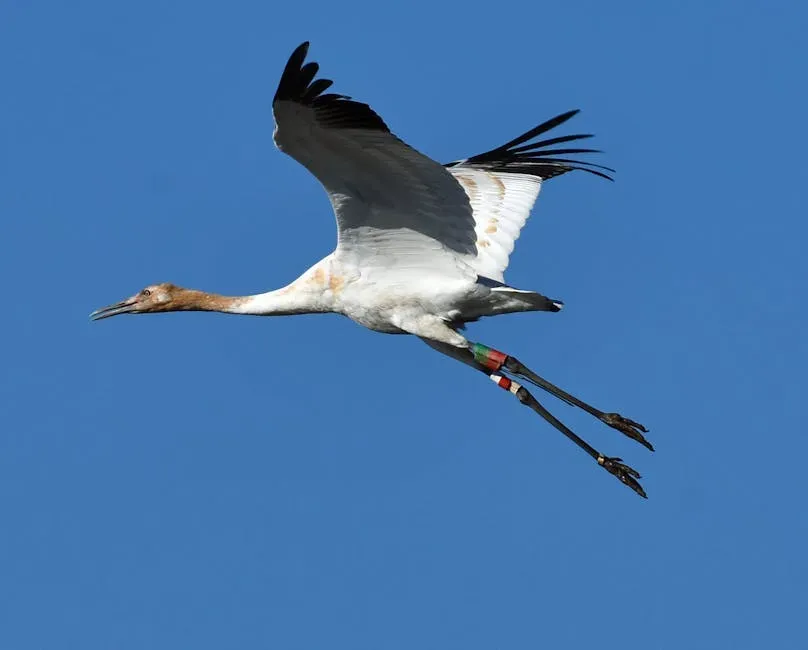
The whooping crane occurs only in North America and is the continent’s tallest bird. Though it once ranged throughout the Great Plains and Gulf Coast regions, the whooping crane population was decimated by hunting and habitat loss.
The whooping crane was listed as endangered in 1970, has made a steady recovery, and its population has increased from just 21 individuals in 1941 to over 500 individuals today. Getting there required one of the most hands-on breeding and reintroduction programs in wildlife management history.
The SAFE Whooping Crane program supports the recovery of North America’s tallest avian species by aiming to establish multiple self-sustaining wild populations so the bird may eventually be downlisted and reclassified as threatened. The road ahead is still long, but the contrast with 1941 makes any progress worth celebrating.
6. Black-Footed Ferret: Risen From Presumed Extinction
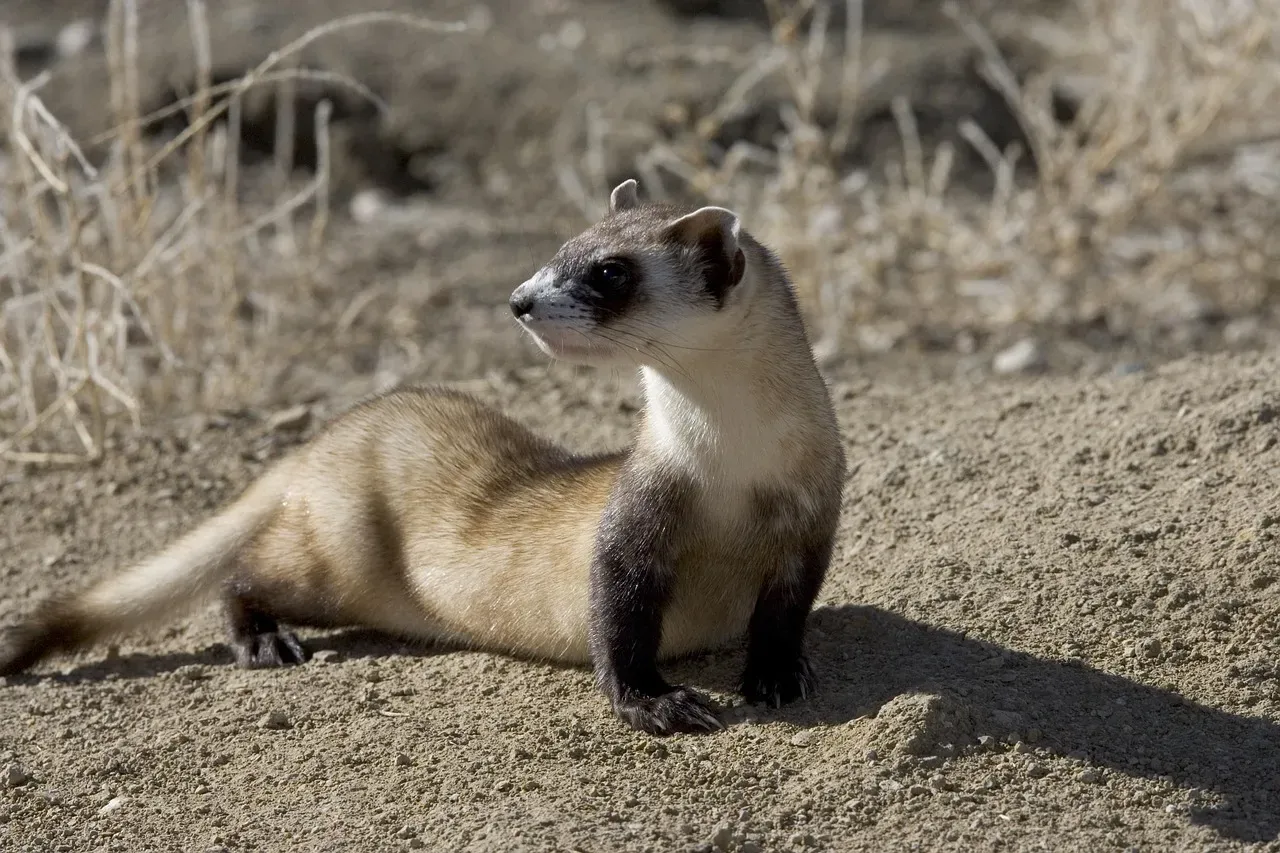
Endemic to the Great Plains, this species was thought to be extinct until 1981, when a single population of 24 individuals was discovered in Meeteetse, Wyoming. That discovery changed everything. Scientists immediately began an emergency captive breeding effort to prevent the species from disappearing entirely.
Over the last thirty years, concerted efforts from many state and federal agencies, zoos, Native American tribes, conservation organizations, and private landowners have given black-footed ferrets a second chance for survival. Today, recovery efforts have helped restore the black-footed ferret population to nearly 300 animals across North America.
Their recovery in the wild signifies the health of the grassland ecosystem, which they depend on to survive. Because black-footed ferrets rely almost entirely on prairie dog colonies for food and shelter, protecting the ferret effectively means protecting an entire prairie ecosystem. One species, many beneficiaries.
7. Peregrine Falcon: From Pesticide Victim to City Skyscraper Resident
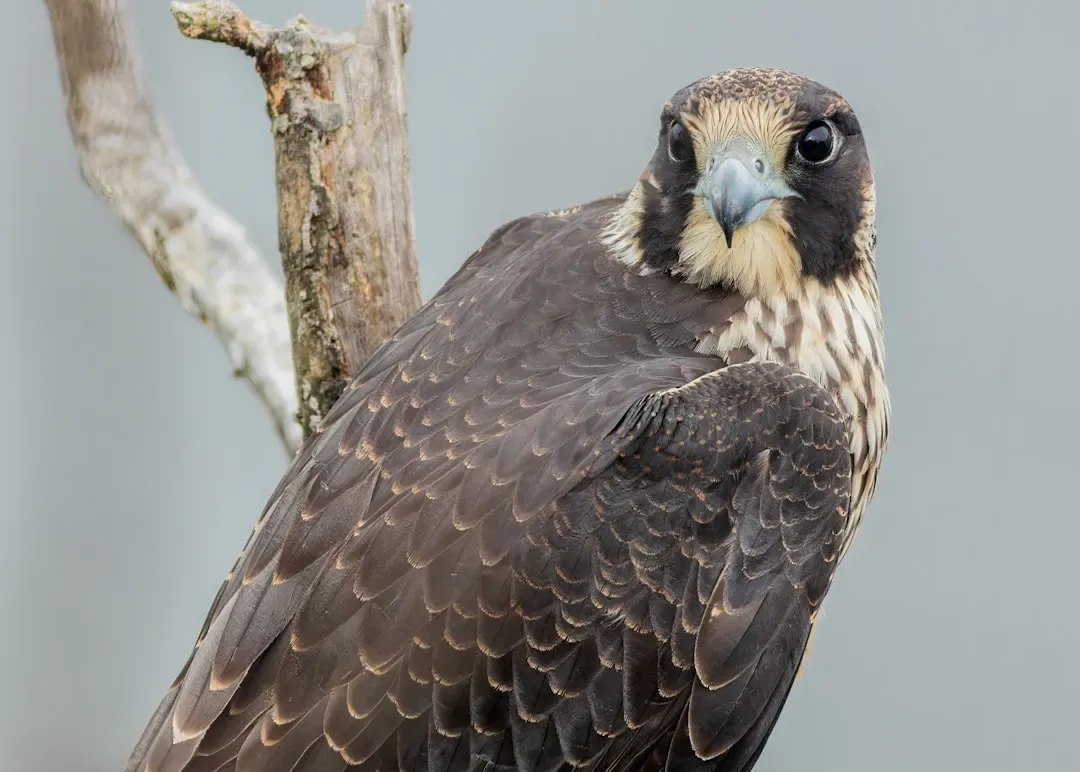
The U.S. population of peregrine falcons dropped from an estimated 3,900 in the mid-1940s to just 324 birds in 1975, and the falcon was considered locally extinct in the eastern United States. The culprit was the same pesticide that hammered the bald eagle: DDT.
The population collapse was successfully reversed through captive breeding programs across the country. Peregrines had disappeared from Connecticut until 1997, when birds bred as part of a reintroduction project in New York relocated across state lines.
Their comeback has been truly remarkable. Today, there are approximately 3,500 nesting pairs in the United States. Perhaps the most unexpected chapter of the peregrine’s story is its urban adaptation. They are noteworthy for having adapted especially well to living in cities, where they prey on pigeon populations. Bridges, skyscrapers, and ledges now serve as perfectly adequate cliff faces for one of the world’s fastest animals.
8. Green Sea Turtle: A Florida Beach Transformed
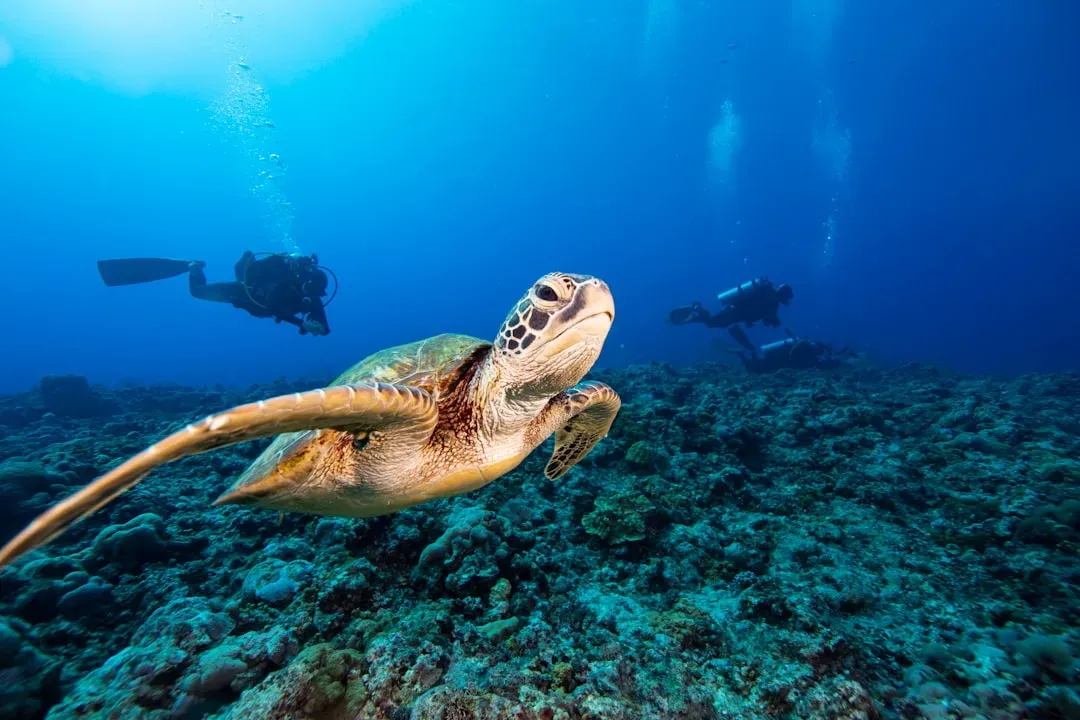
The numbers from Florida’s Archie Carr National Wildlife Refuge tell the story plainly. In 1990, fewer than fifty green sea turtles were documented nesting at the refuge on Florida’s east coast. This 20-mile stretch of beach hosted more than 10,000 green sea turtle nests in 2013, making this one of the greatest conservation success stories of our time.
Protections under this law led to critical conservation efforts, including reducing incidental catch in fishing gear, safeguarding nesting sites, and restoring vital habitats. All three of those actions were necessary. Removing just one from the equation likely would have stalled the recovery.
Green sea turtles still face significant threats from ocean warming, plastic pollution, and coastal development. Their comeback is real but not yet secure, which is why continued monitoring and nesting beach protection remain essential components of any long-term strategy for the species.
9. Southern Sea Otter: California’s Kelp Forest Guardian Returns
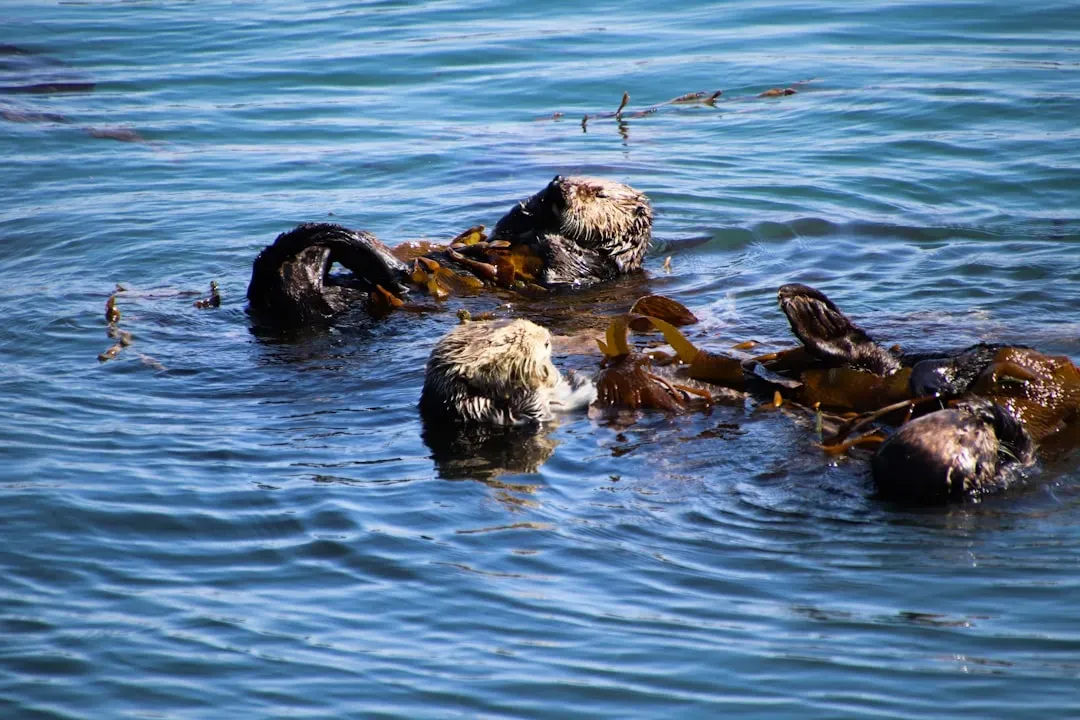
Recognized as an umbrella species for the conservation of California’s near-shore coastal ecosystem, the southern sea otter was listed as threatened under the federal Endangered Species Act in 1977. Its population once numbered over a million but was hunted to near extinction by the fur trade.
As a keystone species, their return has wide-reaching impacts, helping kelp forests thrive. These kelp forests support fisheries, store carbon, and shelter countless species including commercially important fish species, octopus, sea stars, sharks, and whales.
Currently, there are about 2,800 otters on the California coast. That figure reflects genuine progress from the low hundreds, though the species remains threatened and occupies only a fraction of its historic range. The sea otter is a useful reminder that recovery is rarely a finished story, it’s an ongoing commitment.
10. Humpback Whale: An Ocean Giant Pulls Back From the Brink
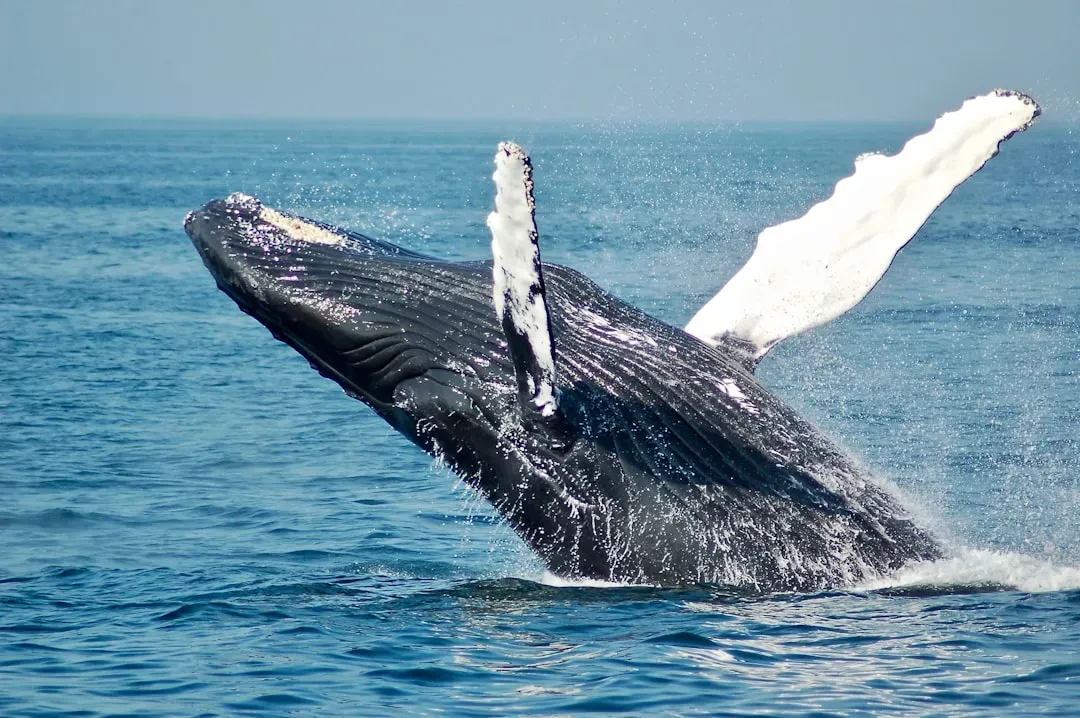
Once nearly wiped out by industrial whaling, humpback whales saw their numbers drop by a shocking 95%. The scale of that collapse is difficult to wrap your head around. Entire ocean populations, reduced to a fraction of what they once were in less than a century.
Scientists estimate that the Hawaii population grew 87% from 1981 to 2022, with over 11,000 whales. In 2016, scientists confirmed the Hawaii population had recovered and was taken off the list of species protected by the ESA. That delisting is among the more encouraging milestones in recent marine conservation history.
However, other humpback whale populations, like those that spend winters off the Central American Pacific, remain endangered, and continued effort is needed to prevent threats like entanglement in fishing gear. The humpback’s story is one of genuine triumph, but also a reminder that ocean conservation doesn’t stop at national borders.
What These Recoveries Tell Us
Since the Endangered Species Act was established, 99 percent of the species listed on it are still with us, and more than 100 species were removed or downlisted to a lower-risk category. That track record is worth understanding clearly. The Act doesn’t guarantee recovery, but it creates the legal and institutional foundation that makes recovery possible.
Under the protection of the ESA, the California condor, grizzly bear, whooping crane, and black-footed ferret have all been brought back from the brink of extinction. Each of those outcomes required not just legislation but sustained funding, scientific coordination, and a willingness to stay committed across political administrations and changing public priorities.
The species profiled here didn’t recover by accident. They recovered because people made specific decisions, over many years, to prioritize their survival. That fact carries weight when thinking about the hundreds of species still waiting for their own comeback story.
Conclusion
Extinction tends to get more attention than recovery, and understandably so. Loss is visible, irreversible, and easy to mourn. Recovery is slower, messier, and harder to narrate neatly. Yet the ten species above represent proof that the arc of wildlife conservation can genuinely bend toward survival when the commitment is real.
None of these recoveries came cheaply or easily. Each one required coordination between federal agencies, state wildlife programs, conservation organizations, private landowners, and often Indigenous communities who hold deep generational knowledge of the land.
What these stories ultimately demonstrate is something worth holding onto: the natural world’s capacity to rebuild itself, given the chance. The question for the years ahead isn’t whether wildlife can recover. We’ve already seen that it can. The question is whether we’ll continue making the choices that give it room to do so.

- 6 Exotic Bird Species You Can Spot in U.S. National Parks - July 19, 2026
- 11 Iconic American Birds Facing New Challenges and How You Can Help - July 19, 2026
- 10 Friendliest Animals in the World - July 19, 2026