

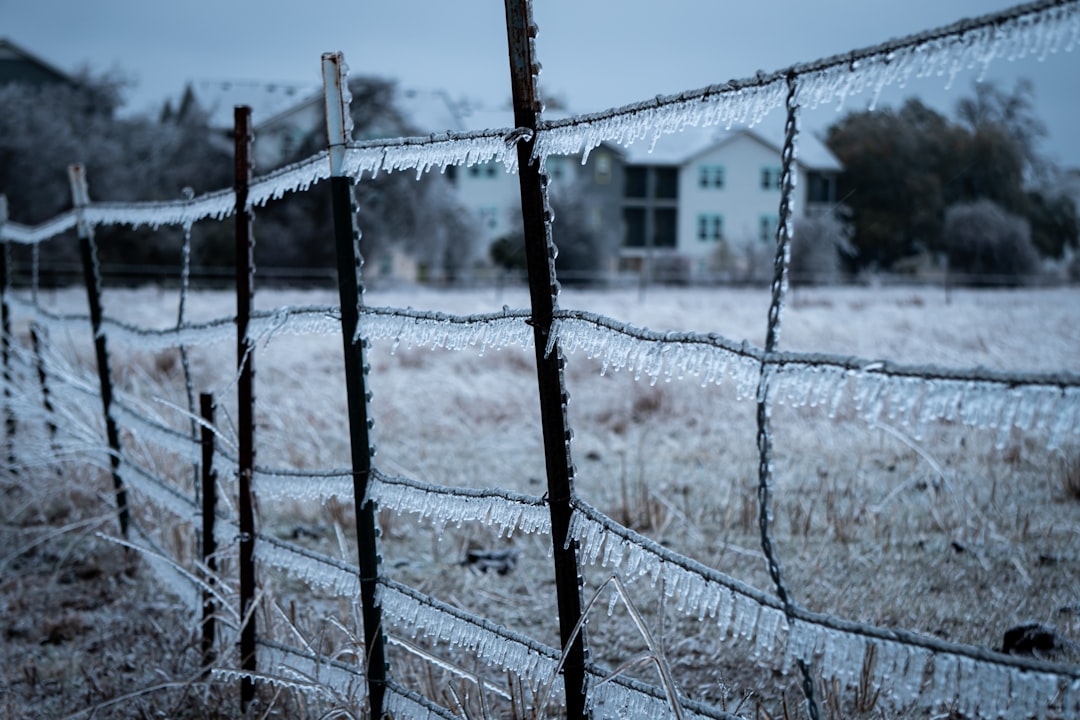
Texas – A potent cold front barreled toward the state on Friday, setting the stage for a stark temperature reversal over the weekend. Parts of the Texas Panhandle faced freeze and frost alerts from Friday night through Saturday morning, with lows dipping into the 30s after highs neared 90 degrees earlier in the day.[1][2] This abrupt shift highlighted a classic case of weather whiplash, as much of Texas transitioned from well above-average warmth to chilly conditions below normal.
Panhandle Hit First by Freezing Grip
Temperatures in the Texas Panhandle plunged dramatically behind the front’s leading edge. Amarillo recorded highs close to 90 degrees Fahrenheit on Friday before expected lows settled in the 30s by Saturday morning. Highs struggled to climb into the mid-60s that afternoon, roughly five degrees below seasonal norms.[3]
A freeze watch covered the region, signaling risks to crops, sensitive plants, and unprotected pipes. The National Weather Service highlighted near-freezing conditions persisting into Sunday mornings in northern areas like Dalhart. Residents prepared for potential frost damage during this rare late-April chill.
Statewide Temperature Plunge Unfolds
The cold front progressed methodically across Texas. It reached northern areas around 9 to 11 a.m. on Friday in some spots, swept into central regions between 7 and 9 p.m., and arrived in southern parts by 9 to 10 p.m.[1] Statewide, readings fell as much as 30 degrees within 24 hours, flipping from 30 degrees above average on Friday to similarly below by Saturday.
Major cities felt the impact too. Dallas saw Friday highs around 82 degrees drop to the mid-60s on Saturday. Austin barely topped 70 degrees after an 88-degree peak the day prior. San Antonio and Houston anticipated the front later Saturday, with scattered showers trailing in its wake.
| City | Friday High (°F) | Saturday Morning Low (°F) | Saturday High (°F) |
|---|---|---|---|
| Amarillo | 90 | 30s | Mid-60s |
| Dallas | 82 | Near freezing possible | Mid-60s |
| Austin | 88 | Chilly | ~70 |
Storms and Rain Accompany the Chill
Thunderstorms accompanied the front’s advance, particularly Friday night into Saturday morning. Strong to severe cells posed risks of hail, damaging winds, and an isolated tornado across central areas. Gusts reached 25 to 30 miles per hour behind the line, adding to travel challenges.[4]
Rain lingered into Saturday afternoon, especially east of Interstate 35. Isolated spots in central and eastern Texas faced 1 to 2 inches of accumulation, prompting a low risk for flash flooding. Fire danger eased after elevated conditions earlier Friday, thanks to incoming moisture.
Preparation Urged Amid Shifting Patterns
Officials emphasized vigilance for vulnerable outdoor items. The freeze watch in the Panhandle urged protection for tender vegetation just as the growing season began. Breezy north winds amplified the chill factor into early next week, with highs lingering in the 60s and low 70s through Tuesday.
- Secure pipes against freezing by insulating or draining.
- Cover plants or bring them indoors overnight.
- Monitor roads for slick spots from rain or frost.
- Stay updated via local National Weather Service forecasts.
- Prepare for gusty winds impacting high profiles.
Key Takeaways
- Freeze alerts target Panhandle Friday night to Saturday morning, with sub-freezing risks.
- Temperatures drop 10-30 degrees statewide post-front.
- Thunderstorms bring hail, winds; rain risks flooding in east.
Texas navigated yet another volatile weather episode, underscoring the state’s unpredictable spring patterns. Forecasters expected gradual warming early next week, but the weekend served as a reminder of nature’s sudden turns. How will you gear up for the cold? Share your thoughts in the comments.

- Urban Coyotes Show Remarkable Adaptability, Learning to Thrive in City Environments - July 22, 2026
- Beavers Are Nature’s Engineers, Creating Vital Habitats for Other Wildlife Species - July 21, 2026
- The Recovery of the California Condor Offers Hope for Other Critically Endangered Birds - July 21, 2026