

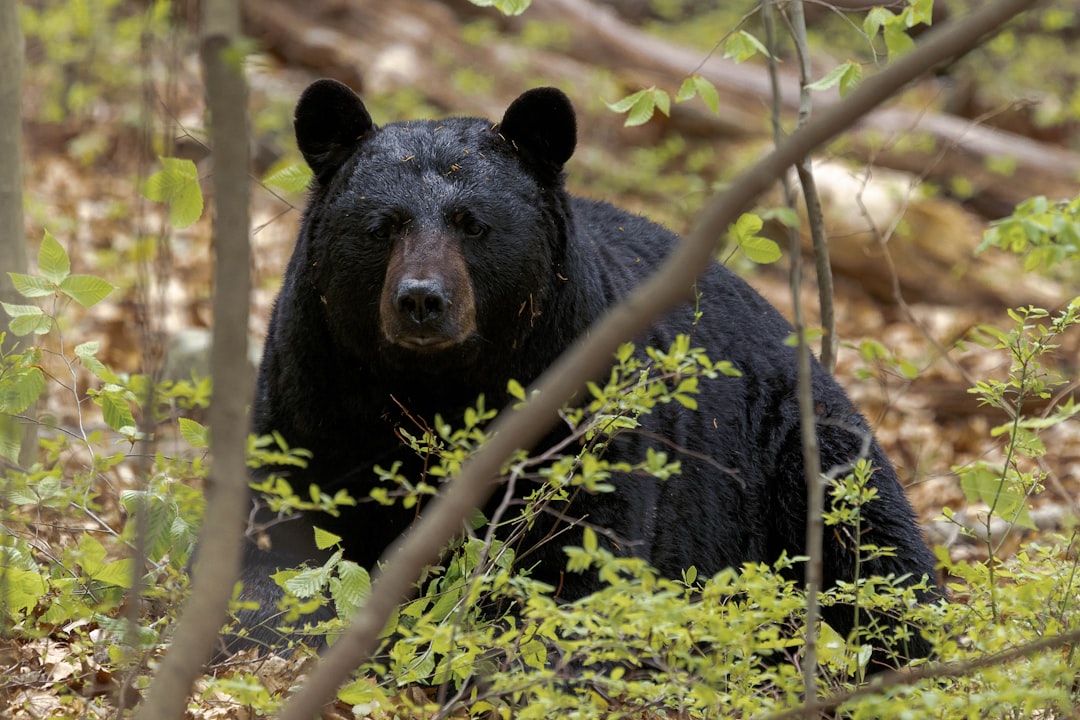
Arkansas – As flowers bloom and days stretch longer, young black bears emerge from winter dens across the state, seeking new territories. Officials with the Arkansas Game and Fish Commission note that these primarily male bears wander into neighborhoods near bear habitat, drawn by easy human food sources.[1][2] Securing everyday attractants helps these animals pass through without incident, preserving both human safety and the state’s thriving bear population.
Bears Dispersing Naturally After Winter
Each spring, young black bears leave their mothers’ territories to establish homes elsewhere. Female bears produce cubs only every other year, raising them through two winters before yearlings separate. Young females remain nearby, but males face pressure from dominant adults to move on.[1]
This dispersal expands populations and prevents inbreeding, according to Spencer Daniels, AGFC Bear Program coordinator. The bears prioritize food-rich areas, turning to spring greens, berries, and soft mast. Human-provided options like unsecured trash prove irresistible, however, leading to unwanted visits in backyards and rural edges.[1] Arkansas once boasted so many bears it earned the nickname “The Bear State,” and conservation efforts since the 1950s have restored over 5,000 statewide.[2]
Everyday Items That Draw Bears Close
Open garbage, greasy grills, and stocked feeders top the list of temptations for hungry dispersers. Bears view these as effortless meals amid their search for natural forage. Residents in bear-prone areas, especially the Ouachita and Ozark mountains, report more sightings as males roam widely.[1]
Wildlife managers emphasize quick action to remove these lures. Daniels explained that the first response to complaints involves advising landowners to store attractants properly. Deer feeders, in particular, sit unused by whitetails in spring greens but magnetize bears effectively.[1] Without food rewards, wandering bears continue onward.
Proven Ways to Bear-Proof Your Property
Simple habits keep properties unappealing to visitors. Officials recommend the following steps to eliminate risks:
- Store trash cans in a garage or shed until collection day.
- Wipe down and store outdoor grills, removing all grease drippings.
- Empty or dismantle wildlife feeders until late summer, consulting the latest Arkansas Hunting Guidebook for rules.
- Avoid leaving pet food or livestock feed outside overnight.
- Clear fallen fruit or carcasses promptly from yards.
These measures align with broader guidelines from BearWise.org, a resource crafted by Southeast bear experts.[1] Properties free of easy calories encourage bears to stick to wild foods, reducing repeat appearances.
Handling a Surprise Bear Sighting
Black bears native to Arkansas shy away from people by nature. Most encounters end quickly if humans assert presence boldly. Daniels advised making noise, yelling, or tossing a stick to appear large and intimidating.[1]
Ninety-nine percent of bears retreat under such pressure. Back away slowly without running, maintaining noise until safe. Persistent bears warrant a call to the AGFC Nuisance Wildlife Hotline at 833-345-0315 for guidance.[1] Never approach for photos or feed them, as habituation leads to bolder behavior and potential removal.
Maintaining Harmony in Bear Country
Arkansas’ successful bear restoration traces to a 1958-1968 program that relocated hundreds from northern stocks. Today, regulated hunting sustains balance, with bears reclaiming historic ranges.[2] Coexistence thrives when residents respect wild instincts.
Habituation turns curious wanderers into problem animals, damaging property or endangering pets. Proactive steps preserve this natural dynamic, allowing safe enjoyment of spring outdoors.
- Secure trash, grills, and feeders to deter dispersing young males.
- Act boldly but calmly during sightings to reinforce bears’ natural fear.
- Call 833-345-0315 for ongoing issues, supporting AGFC management.
Preventing bear conflicts starts at home, ensuring these icons of Arkansas wilderness roam free. What steps will you take this season? Tell us in the comments.

- Urban Coyotes Show Remarkable Adaptability, Learning to Thrive in City Environments - July 22, 2026
- Beavers Are Nature’s Engineers, Creating Vital Habitats for Other Wildlife Species - July 21, 2026
- The Recovery of the California Condor Offers Hope for Other Critically Endangered Birds - July 21, 2026