

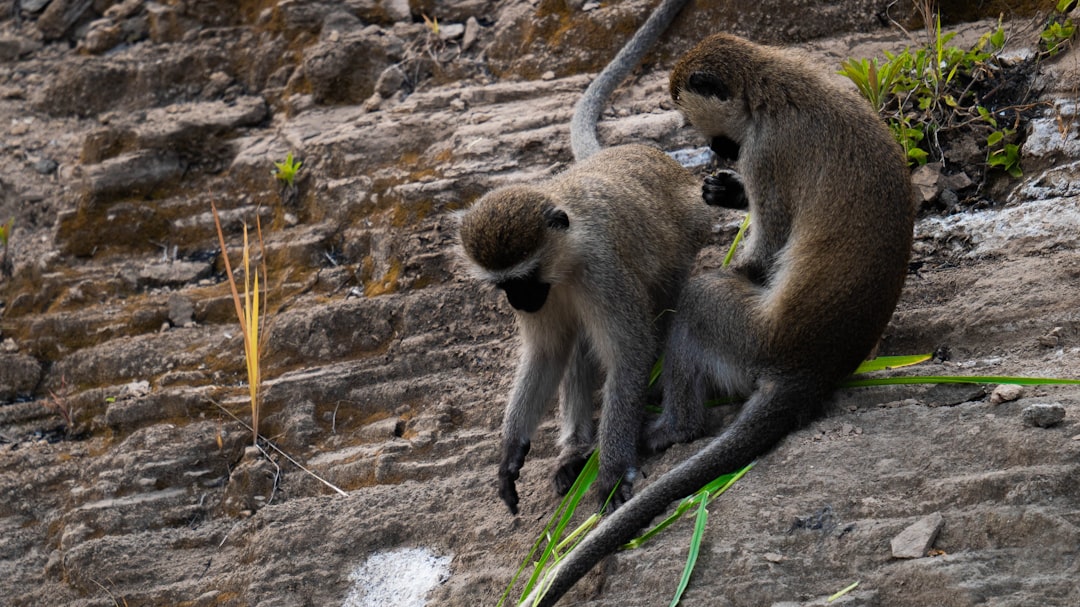
In the rugged landscapes of South Asia, gray langur troops live under constant threat from marauding rival males hungry for dominance. These intruders shatter family units with ferocious raids, often killing infants sired by the defeated leader to speed up mating opportunities. Mothers, sensing the danger, seize their young and bolt for the steepest cliffs around. Such desperate flights reveal the raw calculus of survival in primate societies. Recent footage from these encounters has gripped wildlife enthusiasts worldwide.
Here’s the thing: these escapes aren’t just instinctual dashes. They demand precision amid chaos, turning sheer rock faces into lifelines. As human pressures mount on their habitats, these stories carry urgent weight for conservation.
Rival Males Upend Langur Family Life
Gray langur troops, typically anchored by a single dominant male, roam forested hills and scrublands across India, Nepal, and Sri Lanka. Rival males prowl in bachelor bands, waiting for chances to storm in and claim the group. These takeovers trigger pandemonium, with the ousted leader fleeing and females scattering to shield their offspring. Infanticide runs rampant in the aftermath, as newcomers eliminate unrelated young to refocus females’ energies. Wildlife observations peg infant mortality during such upheavals as high as 30 percent in affected troops. This relentless cycle underscores the high-stakes hierarchy governing langur societies.
Cliffs Become Desperate Sanctuaries
When raids erupt, mothers clutch infants tight and scramble toward towering cliffs pocked with narrow ledges. These vertical strongholds deter ground-pounding pursuers, who lack the agility for such heights. The ascent tests every ounce of strength, with tiny hands gripping fur amid shifting weight and slippery holds. One false move risks a fatal plunge into ravines below. Langurs’ adaptations to rocky terrains shine here, honed by evolution in cliff-dotted habitats. Environmental features like these cliffs double as defenses and scouting perches during calmer times.
Maternal Bonds Fuel Extraordinary Feats
At the core pulses an unbreakable mother-infant tie, propelling females up near-impossible surfaces. Infants dangle precariously, yet mothers pause only to readjust their grip before pressing on. Physical demands peak – balancing on outcrops, scanning for threats, all under duress. This devotion echoes across primates facing similar perils, prioritizing offspring survival above personal safety. Evolutionary pressures favor such resolve, ensuring genes pass forward despite odds. Observers note the palpable tension in these climbs, a testament to nature’s fierce priorities.
Persistent Perils Atop the Heights
Safety proves fleeting even at the summit, where birds of prey wheel hungrily overhead. Gusting winds batter fragile perches, while sun-baked rocks accelerate exhaustion and thirst. Descent later carries equal terror, often under rival watch. Many escapes claim young lives anyway, amplifying troop instability. Fatigue compounds every risk for the mother too, her own odds slim. These heights, while refuge, expose new vulnerabilities in langur survival strategies.
Conservation Challenges in Fragmented Habitats
Habitat loss from development funnels langurs into riskier fringes, spiking rival clashes during mating peaks. Initiatives like India’s Project Langur track these dynamics and map safe corridors. Climate shifts threaten foliage, pushing greater cliff reliance. As seed dispersers, langurs ripple through ecosystems, demanding habitat protection. Local reports flag more frequent escapes, signaling population stress. Collaborative efforts from governments and NGOs grow vital to sustain these troops.
Final Thought
Langur mothers’ cliff odysseys embody nature’s unyielding drive to protect the next generation amid primal turf wars. These tales stir awe at wildlife resilience while spotlighting human impacts on wild spaces. What strikes you most about such survival gambits? Share in the comments below.
Source: Original YouTube Video

- Urban Coyotes Show Remarkable Adaptability, Learning to Thrive in City Environments - July 22, 2026
- Beavers Are Nature’s Engineers, Creating Vital Habitats for Other Wildlife Species - July 21, 2026
- The Recovery of the California Condor Offers Hope for Other Critically Endangered Birds - July 21, 2026