

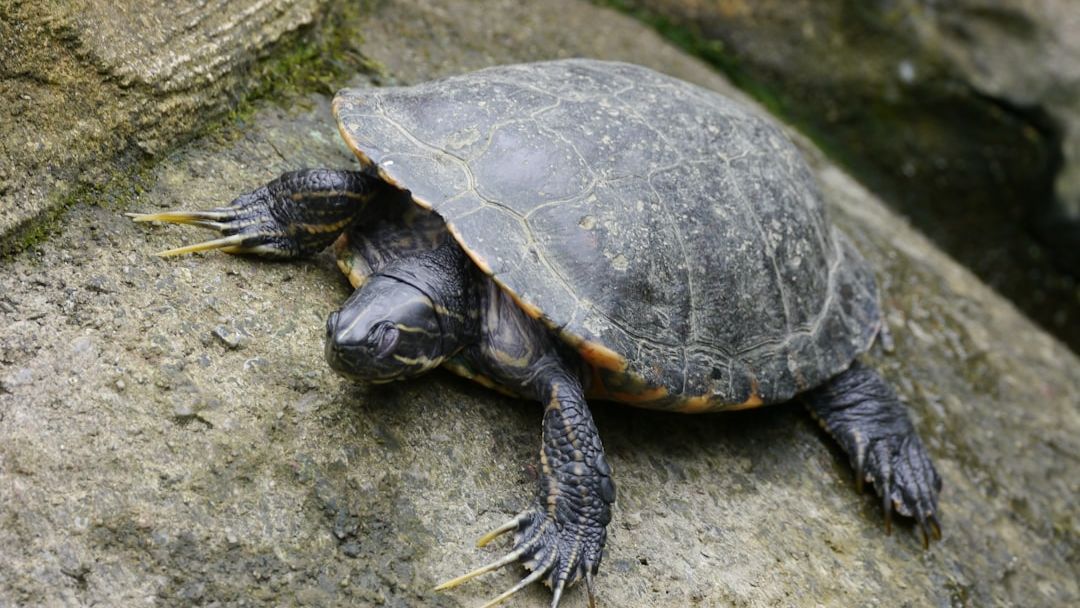
Africa’s waterways teem with unspoken rivalries, where every sun-warmed rock becomes a battleground. Late March brought one such drama to light at Kings Camp Nature Reserve, captured live by Africam’s vigilant cameras. A dominant terrapin reclaimed its space from an opportunistic smaller reptile, underscoring the fierce instincts that shape reptilian life. These moments remind us how survival hinges on bold assertions of dominance.
What elevates this encounter above routine wildlife squabbles? It offers a front-row seat to the unyielding rules of nature’s hierarchy.
Territorial Fury in Action
Terrapins patrol South African ponds and rivers with unwavering vigilance, their robust shells doubling as both shield and weapon. Prime basking sites prove irresistible, drawing smaller reptiles eager for shared warmth or camouflage. The larger individual’s swift twist showcased neck muscles honed for instant defense, propelling the intruder into the depths below. Such maneuvers not only deter freeloaders but also curb parasites and conserve precious energy. Females ramp up aggression during breeding periods, turning personal space into fortified zones. Kings Camp’s shallow waters amplify these displays, where resources like sunlight spark inevitable confrontations.
Africam’s Live Lens on Hidden Behaviors
Kings Camp in the Timbavati region hosts Africam’s streams, beaming unfiltered wildlife from waterholes alive with birds, fish, and reptiles. Terrapins flourish here amid hippos and crocs, their semi-aquatic lives intertwined in a delicate balance. Continuous monitoring uncovers fleeting rivalries that elude traditional observation, from territorial ejections to subtle hierarchies. Climate pressures concentrate species around dwindling waters, intensifying clashes over every perch. These feeds spotlight conservation hurdles like pollution and habitat loss threatening terrapin populations. Viewers worldwide gain insights into ecosystems where micro-battles sustain broader biodiversity.
Reptilian Rivalries and Ecosystem Ripples
Territorial spats enforce spacing in crowded wetlands, compelling smaller creatures to adapt and seek alternatives. This promotes resilience across food webs, with predators exploiting the fallout for opportunistic gains. Evolutionary traits like powerful launches have endured millennia, echoing in turtles, crocs, and even hippos. Public fascination with such raw power drives support for live cams and sanctuaries. Breeding seasons heighten stakes, as females defend nests amid mounting pressures. Ultimately, these interactions weave the competitive fabric binding nature’s theater.
Final Thought
Nature’s turf wars boil down to one truth: no free rides in the wild. How might shrinking habitats reshape these fierce standoffs? Share your take in the comments.
Source: Original YouTube Video

- Urban Coyotes Show Remarkable Adaptability, Learning to Thrive in City Environments - July 22, 2026
- Beavers Are Nature’s Engineers, Creating Vital Habitats for Other Wildlife Species - July 21, 2026
- The Recovery of the California Condor Offers Hope for Other Critically Endangered Birds - July 21, 2026