

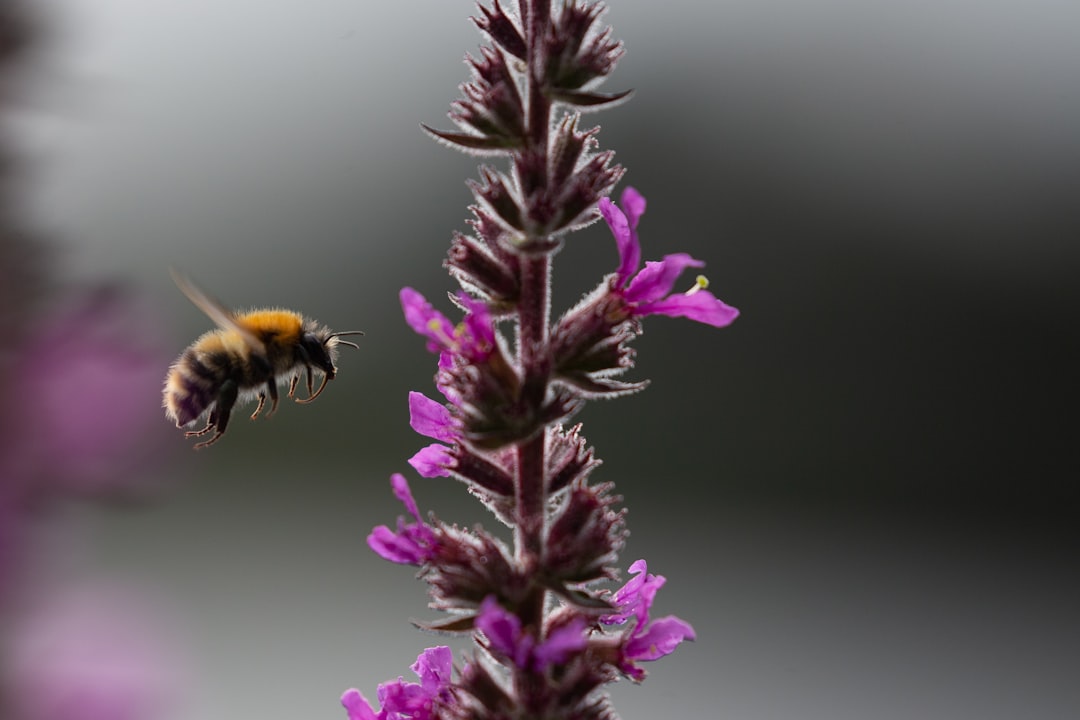
Devices like Thermacell offer backyard users a mosquito-free zone through vaporized prallethrin, a pyrethroid insecticide. Finnish researchers recently exposed a critical flaw in this convenience: the chemical severely hampers bumblebees’ homing instincts.[1]
Workers from vital colonies struggle to return after even limited contact, threatening food supplies for their nests. This discovery prompts a closer look at everyday pest control’s hidden environmental costs.
A Clever Experiment Tracks Bee Homing
Scientists at the University of Turku and University of Oulu designed a rigorous field test to measure prallethrin’s effects. They equipped 167 buff-tailed bumblebees with RFID tags for precise tracking. The team simulated real-world backyard scenarios by activating a standard Thermacell device.
Bees faced exposure for one, ten, or twenty minutes before release one kilometer from their nest. Researchers monitored returns over three days, comparing results to an unexposed control group. Laboratory checks confirmed no rise in mortality from the chemical.
Return Rates Plummet with Exposure Time
Just twenty minutes near the repellent slashed successful returns to a mere five percent. The control group achieved thirty-seven percent homing success, while one-minute exposures showed little change. Ten minutes proved devastating, with only seventeen percent making it back.[1]
Those bees that did return took no longer than usual, pinpointing navigation failure as the issue rather than physical harm. The table below summarizes the stark differences:
| Exposure Duration | Return Rate |
|---|---|
| Control (none) | 37% |
| 1 minute | Similar to control |
| 10 minutes | 17% |
| 20 minutes | 5% |
Navigation Loss Spells Colony Trouble
Bumblebee workers forage far from home, gathering nectar and pollen essential for nest survival. “For bumblebees, returning to the nest is no small matter; on the contrary, it is essential to the survival of the entire colony. If the workers cannot find their way back, the nest will not get any food,” stated Senior Research Fellow Olli Loukola from the University of Turku.
Lost foragers mean dwindling resources, weakening the colony over time. Fewer new queens emerge, and entire nests face collapse in extreme cases. Researcher Kimmo Kaakinen from the same university noted, “Bumblebee colonies depend on workers collecting food, so if they cannot find their way back to the nest, the colony’s ability to obtain nutrition deteriorates.”
Regulations, Risks, and Next Steps
Finland permits Thermacell near homes like patios but bans it in forests or parks. Prallethrin products help prevent mosquito-borne diseases worldwide, justifying some use. Still, the study urges deeper scrutiny of household insecticides on pollinators.
Experts call for reassessing these repellents’ ecological safety. Further research could explore alternatives or refined application methods. Backyard users now weigh bite protection against pollinator health, a balance central to gardens and crops.[1]
- Short prallethrin exposure specifically impairs bumblebee navigation, not causing direct death.
- Declining return rates from ten minutes onward risk starving entire colonies.
- Researchers advocate evaluating common repellents’ impacts on wild pollinators.
Protecting bumblebees safeguards pollination services that underpin food production. As warmer months arrive, consider repellent choices carefully to support these indispensable insects. What steps will you take to shield pollinators in your yard? Share your views in the comments.

- Urban Coyotes Show Remarkable Adaptability, Learning to Thrive in City Environments - July 22, 2026
- Beavers Are Nature’s Engineers, Creating Vital Habitats for Other Wildlife Species - July 21, 2026
- The Recovery of the California Condor Offers Hope for Other Critically Endangered Birds - July 21, 2026