
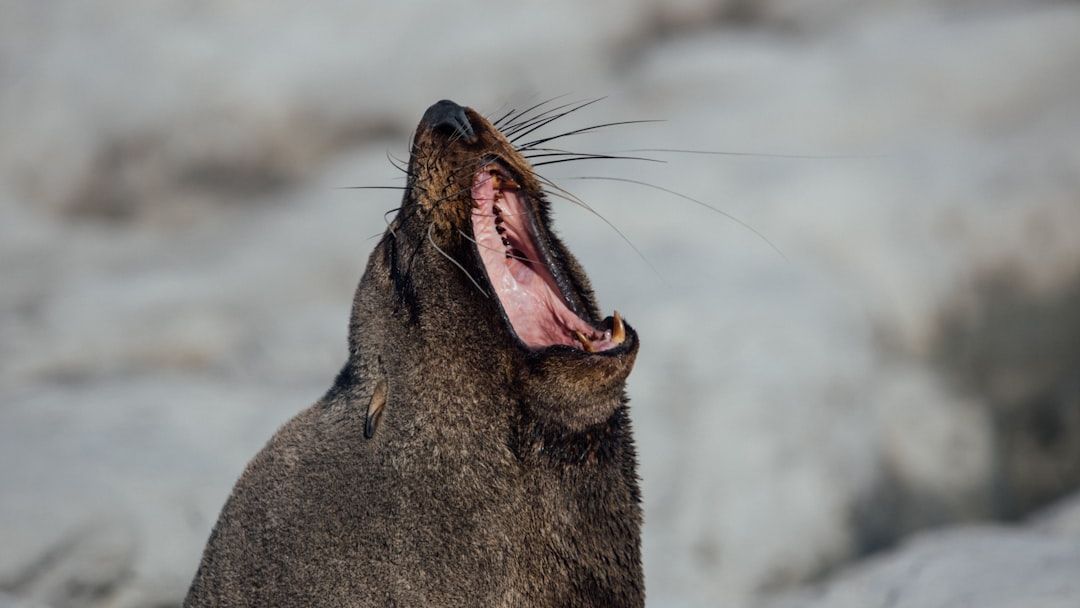
Worried about unexpected vet bills?
Pet insurance can cover thousands in unexpected vet costs. Get a free quote from Lemonade in under 2 minutes.
Get My Free Quote →Sponsored · Opens Lemonade.com
Deep beneath the ice sheets of Antarctica, where sunlight barely reaches and temperatures hover at the edge of what most life can endure, something extraordinary is happening. A large, spotted seal is singing. Not barking, not grunting, but producing sounds so eerie and melodic that researchers and visitors alike have described them as science fiction brought to life.
This is the Weddell seal, and it’s unlike any animal you’ve heard before. Marine biologists have described their vocalizations as “the most beautiful, melodic songs that sound like alien synthesizer music.” The more science looks, the stranger and more remarkable this creature turns out to be.
The World’s Most Southerly Singing Mammal
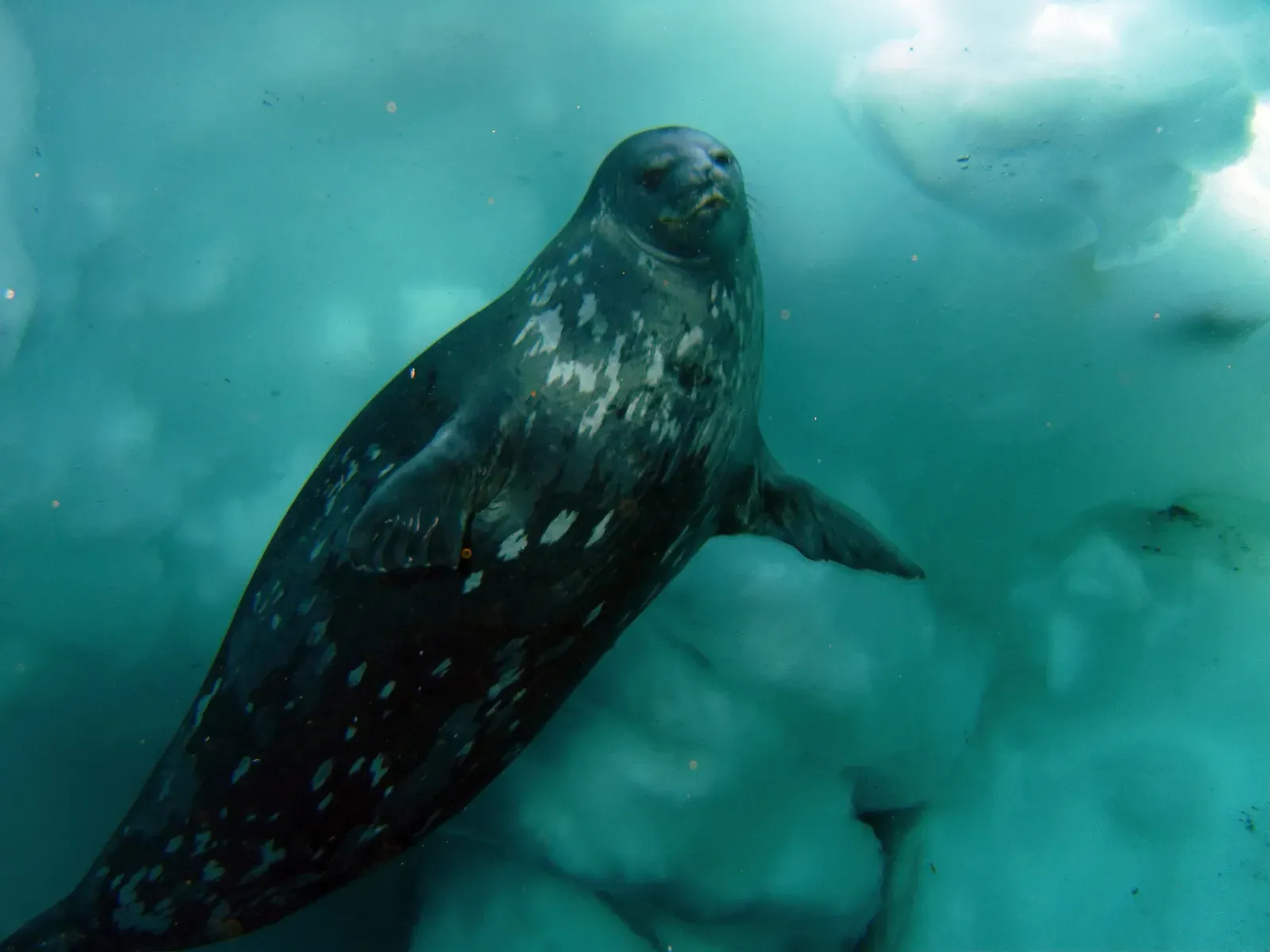
Weddell seals are the most southerly breeding mammal on Earth, found all around Antarctica in a circumpolar distribution. That distinction alone is remarkable. No other mammal permanently inhabits a place so far from warmth, food diversity, or the kind of conditions most creatures would recognise as survivable.
The Weddell seal is a relatively large and abundant true seal. It was discovered and named in the 1820s during expeditions led by British sealing captain James Weddell, and its life history is among the best documented of any seal species, largely because it lives close to Antarctic research bases. That proximity to science has, over time, made it one of the most studied wild animals on the planet.
Weddell seals measure roughly two and a half to three and a half metres in length and weigh between 400 and 600 kilograms. They carry that size with surprising ease in the water, diving and navigating in conditions that would be completely disorienting to any other large mammal.
A Vocal Repertoire That Defies Belief
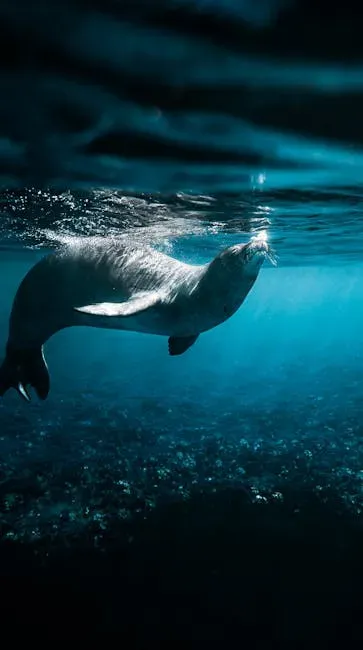
Weddell seals produce the largest range of sounds of any pinniped, making up to 49 different types of sounds in some Antarctic locations where they have been studied. That’s a staggering number for any wild animal. Dolphins are celebrated for their complexity; Weddell seals quietly match them beat for beat from underneath the ice.
Even in the audible spectrum, the Weddell seals make otherworldly trills and whistles. Researchers in 1982 described some 34 different types of calls just in the frequency range of human hearing. At the time, that was considered the full picture. It wasn’t even close.
Weddell seals have an impressive vocal repertoire, including trills, buzzes, chirps, and more – some of which sound like sci-fi sound effects underwater. The comparison to a synthesizer is not a stretch. These are sweeping, modulated, layered tones that seem almost engineered rather than biological.
The Songs That No Human Ear Can Hear
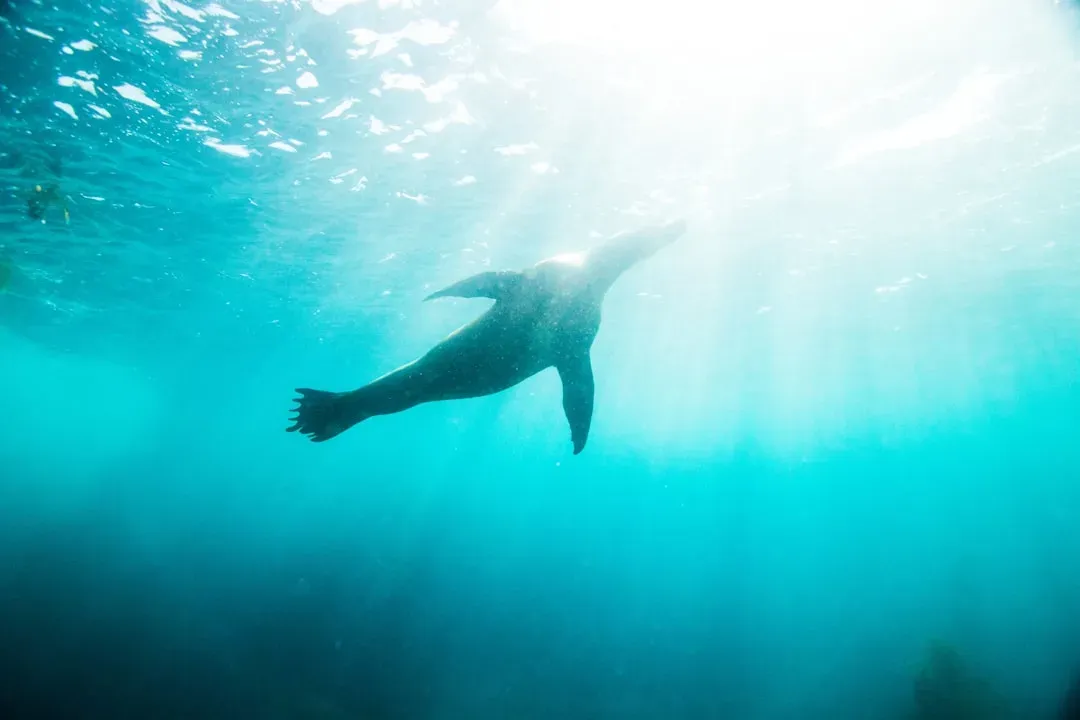
Weddell seals are chirping, whistling, and trilling under Antarctica’s ice at sound frequencies that are inaudible to humans. Two years of recordings at a live-streaming underwater observatory in McMurdo Sound captured nine types of tonal ultrasonic seal vocalizations that reach to 50 kilohertz. That discovery, published in the Journal of the Acoustical Society of America, fundamentally changed what researchers thought they knew.
No other pinnipeds – seals, sea lions, or walruses – are known to use sounds originating at ultrasonic frequencies. This makes the Weddell seal a genuine outlier among all fin-footed mammals. It’s doing something acoustically that, until recently, scientists didn’t believe seals were capable of.
One whistle reached 44.2 kHz and descending chirps in another call type began at about 49.8 kHz. Harmonics, or the overtones, of some vocalizations exceeded 200 kHz. To put that in context, the upper limit of human hearing sits at around 20 kHz. These sounds exist in a register we simply cannot access without technology.
Songs From the Deep: The “Star Wars” Soundscape
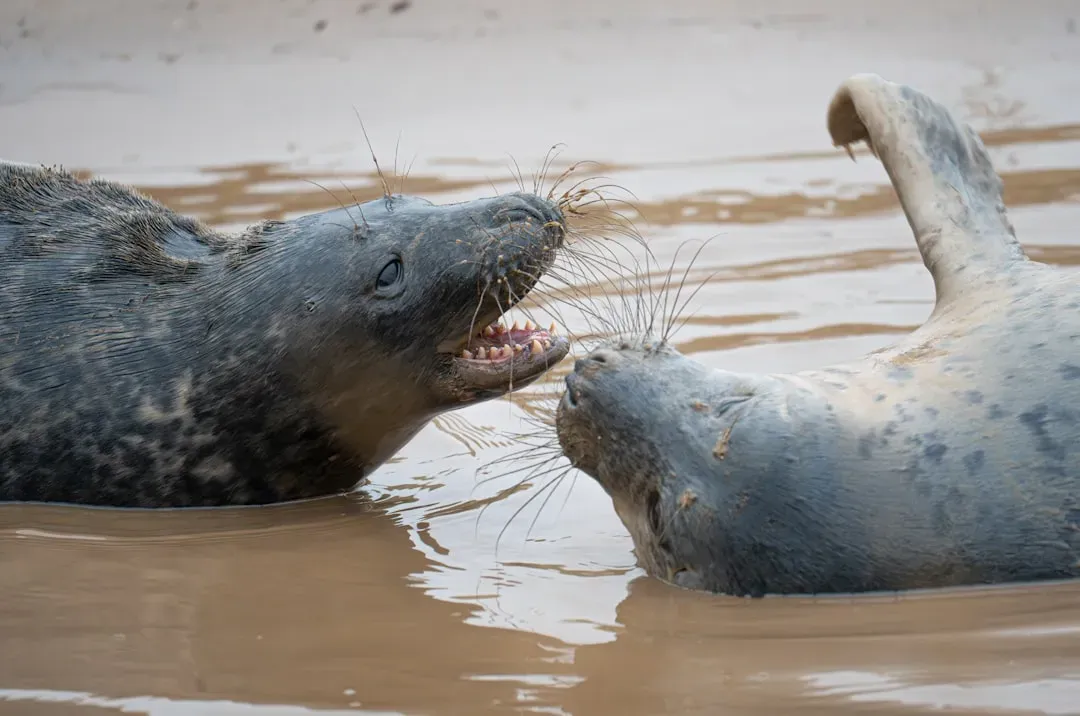
Researchers kept coming across ultrasonic call types in the data from the McMurdo observatory, and eventually it became clear that the seals were using them quite regularly. What was once assumed to be silence was, in fact, a rich and layered acoustic world running continuously beneath the frozen surface.
The observatory is located 21 metres below the sea ice cover at McMurdo Sound, Antarctica, 850 miles from the South Pole. Working researchers stationed there reportedly fell asleep to the audible version of these calls broadcasting from below. The sounds were that pervasive, and strangely soothing.
The audible calls alone were remarkable enough. As one researcher described it, the Weddell seals’ calls create “an almost unbelievable, otherworldly soundscape under the ice,” one that “really sounds like you’re in the middle of a space battle in ‘Star Wars,’ laser beams and all.”
Each Seal Has Its Own Unique Song
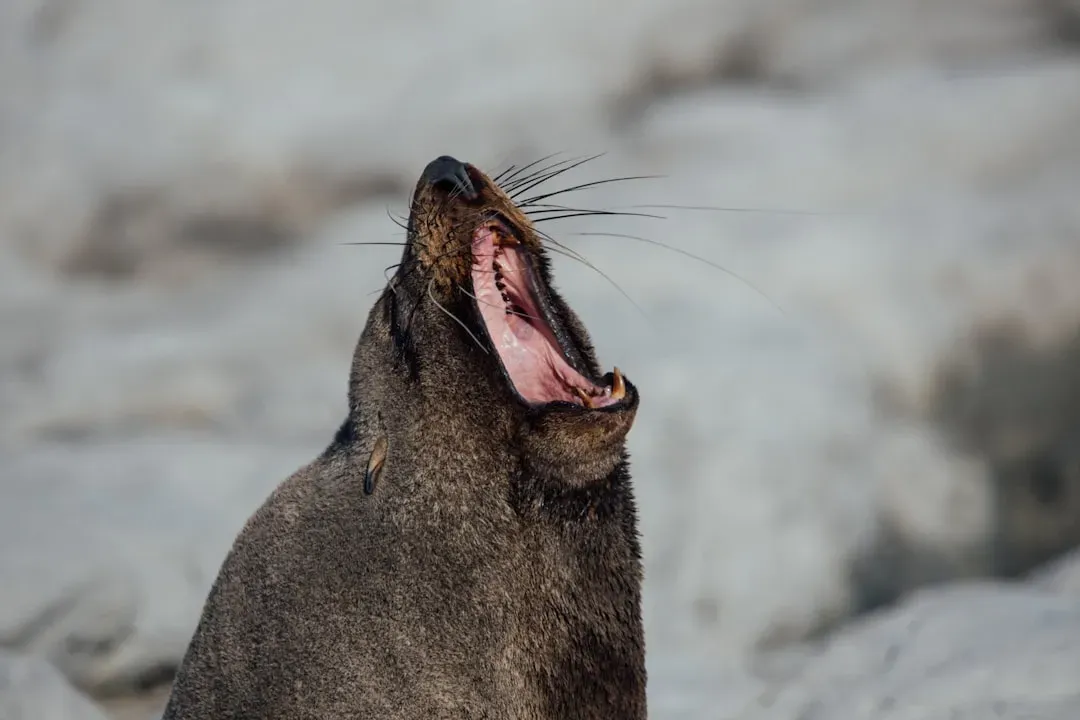
There have been recordings of Weddell seal vocalisations described as songs. Their songs consist of repetitive sequences of the same vocal elements, and they only vary slightly over time. Individual Weddell seals can each produce their own unique song, though singing behaviour is not common. It’s a subtle but significant distinction: these aren’t just species-level calls. They’re personal.
Weddell seal vocalizations from different Antarctic locations show similarities, but none are identical. One vocalization was unique to a single station. Across all sites, trills, or territorial defense calls, were the most common and had more types than other calls. The geographic variation suggests these vocal patterns may carry information about population identity, almost like a regional dialect.
Territories are defended acoustically, with males producing complex vocalizations to attract potential females and ward off rivals. Voice, in this world, is both weapon and invitation. The right call, projected clearly through freezing water, may mean the difference between reproductive success and exclusion.
Sound as a Lifeline: Echolocation and Navigation Under the Ice
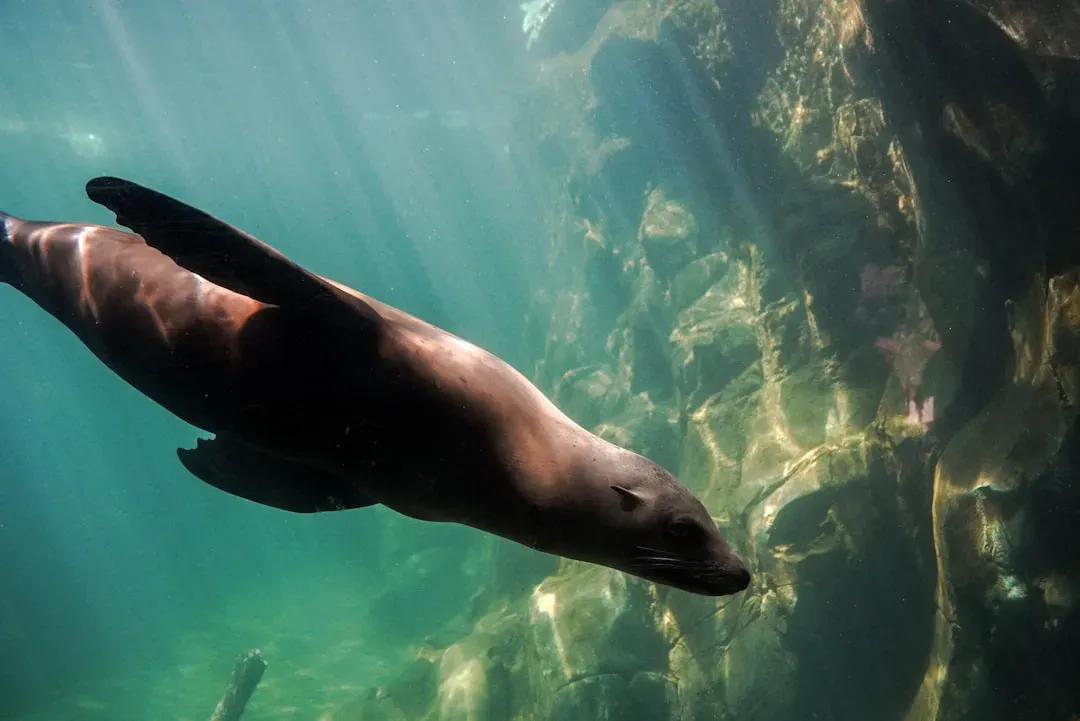
Weddell seals can swim great distances across what appears to be continuous sea ice by detecting natural cracks and holes along the way. When covering distance rather than fishing, they dive to a shallow depth and find the next breathing hole in the gloom under the ice by sonar, emitting a series of high-pitched sounds and detecting the difference when the sounds reach a hole. It’s a navigational tool that science is only beginning to understand.
Researchers are not yet fully certain why the seals vocalize at ultrasonic frequencies. One speculation is that these sounds may serve a rudimentary form of echolocation, akin to the biosonar of dolphins and toothed whales. Alternatively, the ultrasonic calls could simply be for communicating with other seals on a different channel when lower frequencies are cluttered with other sounds.
It is not known how Weddell seals navigate and find prey during the months of near absolute darkness in the Antarctic winter, and the current research provides no direct evidence for echolocation. The honest answer, for now, is that researchers are still working it out. That open question is part of what makes the Weddell seal so compelling.
The Teeth That Keep Them Alive – and Limit Their Lives
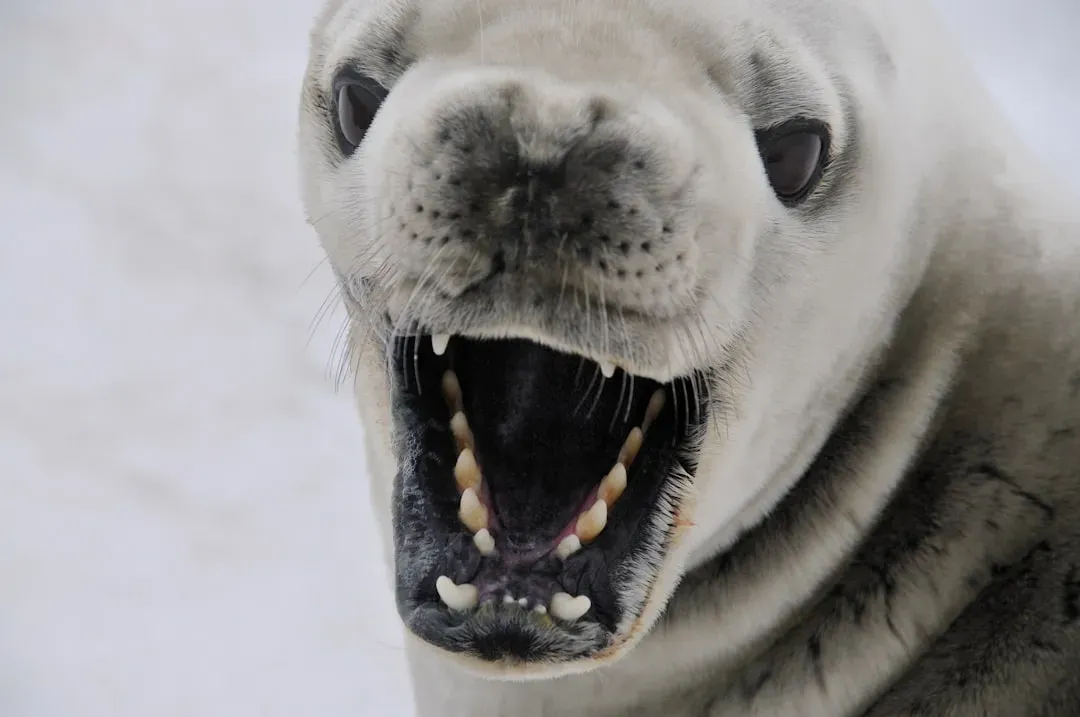
Weddell seals have a unique adaptation that allows them to access open water even in the depths of winter when natural tidal cracks have frozen over. Using their sharp canines and incisors, they scrape large breathing holes in the sea ice, which they use to access their feeding grounds below. It’s a remarkable piece of engineering, performed with nothing but teeth and persistence.
Over time, this effort wears their teeth down, and they may become unable to maintain their breathing holes. This is thought to be a common cause of Weddell seal mortality. There’s something quietly sobering about that. The very tool that keeps them alive is gradually consumed by the effort of staying alive.
Scientists believe Weddell seals rely mainly on eyesight to hunt when there is light. During the Antarctic winter darkness, when there is no light under the ice, they rely primarily on the sense of touch from their vibrissae, or whiskers, which are complex sense organs with more than 500 nerve endings. These hairs allow the seals to detect the wake of swimming fish and use that to capture prey.
The Role of Song in Mother and Pup Bonds
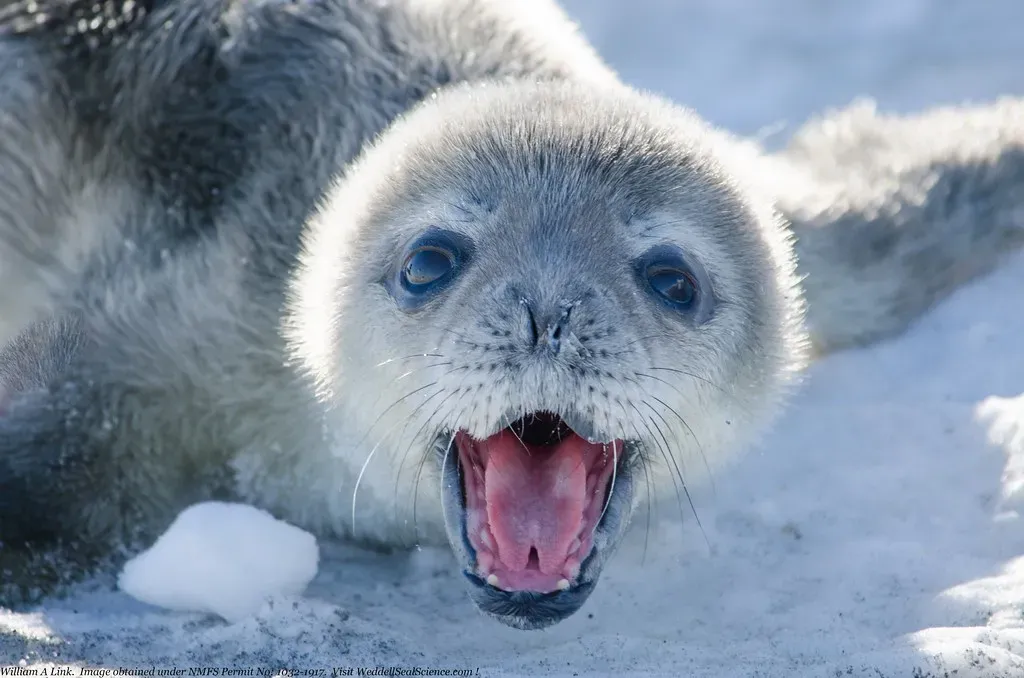
Mother Weddell seals use vocalisations to call their pups from further distances when smell can no longer be used efficiently. Pups also use higher, more urgent vocalisations when hungry to alert their mothers to feed. From the very first weeks of life, sound is the thread that holds the family together in one of the most challenging environments on Earth.
During the first two weeks, mother Weddell seals distinguish their pups through scent and specialised vocalisations, and stay in the same spatial area. After six to seven weeks, pups are weaned and begin to hunt independently. The acoustic bond between mother and pup is not just emotional; it’s practical survival.
Newborn pups weigh about 25 to 30 kilograms and grow to two times their birth weight within their first week of life. That kind of growth requires an intense, attentive mother, and it requires communication. In a landscape where ice can look identical in every direction, the sound of a mother’s call is a pup’s most reliable compass.
Conclusion: The Singer Beneath the Ice
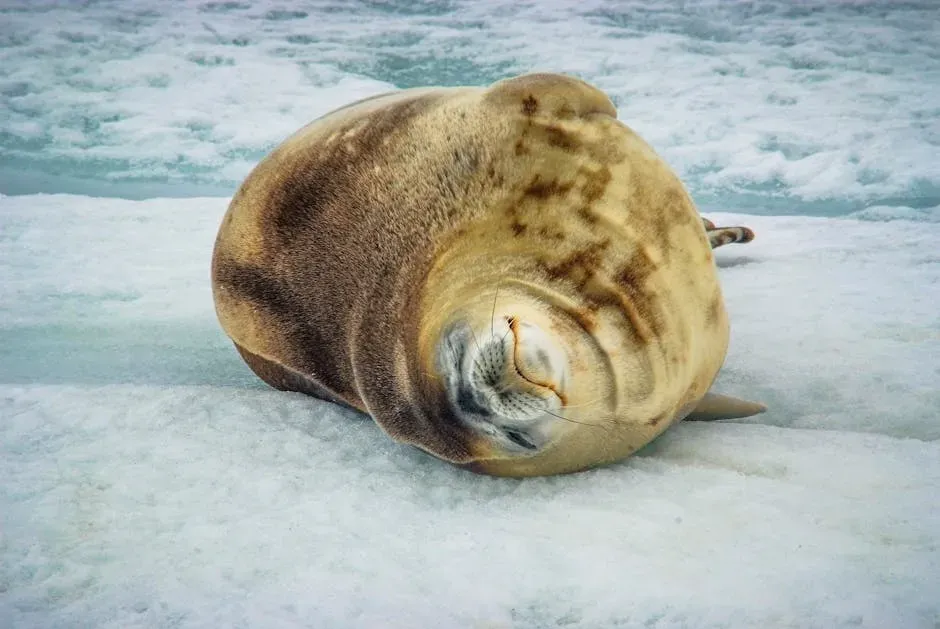
The Weddell seal sits at an unusual intersection of biology and mystery. It’s well-studied, accessible to researchers near Antarctic bases, and has been observed in extraordinary detail for decades. Yet it keeps surprising us. A seal that sings like a synthesizer, navigates under frozen darkness, breathes through holes it carves with its own teeth, and produces sounds beyond human perception – this is not a creature we’ve finished understanding.
The effects of global climate change on Antarctic seals are still to be fully determined. Research estimates seal populations may decline as the availability of their habitat is extremely temperature sensitive. Climate changes affecting the duration and extent of sea ice and nutrient availability could potentially reduce pup survival and may have important implications for population growth rates.
What the Weddell seal ultimately reminds us is that the natural world has been running conversations we weren’t equipped to hear. The ocean beneath the Antarctic ice has never been silent. We simply didn’t have the tools to listen – until now.
Worried about unexpected vet bills?
Pet insurance can cover thousands in unexpected vet costs. Get a free quote from Lemonade in under 2 minutes.
Get My Free Quote →Sponsored · Opens Lemonade.com

- The US States With the Most Elk - June 6, 2026
- The Hidden Downside To Putting A Bird Feeder In Your Yard - June 6, 2026
- How Volcanoes, Quakes, and Ice Ages Rewrote the Prehistoric Map of Life - June 6, 2026