

Most dog owners can tell the difference between a happy bark and an anxious one just from experience. Over time, you start to recognize the tiny shifts in pitch, the way your dog holds their body, the moment a sound changes tone. What’s surprising is how much more is happening beneath those familiar noises.
Dog sounds don’t work quite like human language and can’t convey messages with as many nuances as we can. However, their sounds do communicate something very important: they tell us about the dog’s emotional state. That’s actually a more meaningful signal than it might seem. Once you start listening carefully, you realize your dog has been talking to you all along.
1. The Bark: More Layered Than You Think
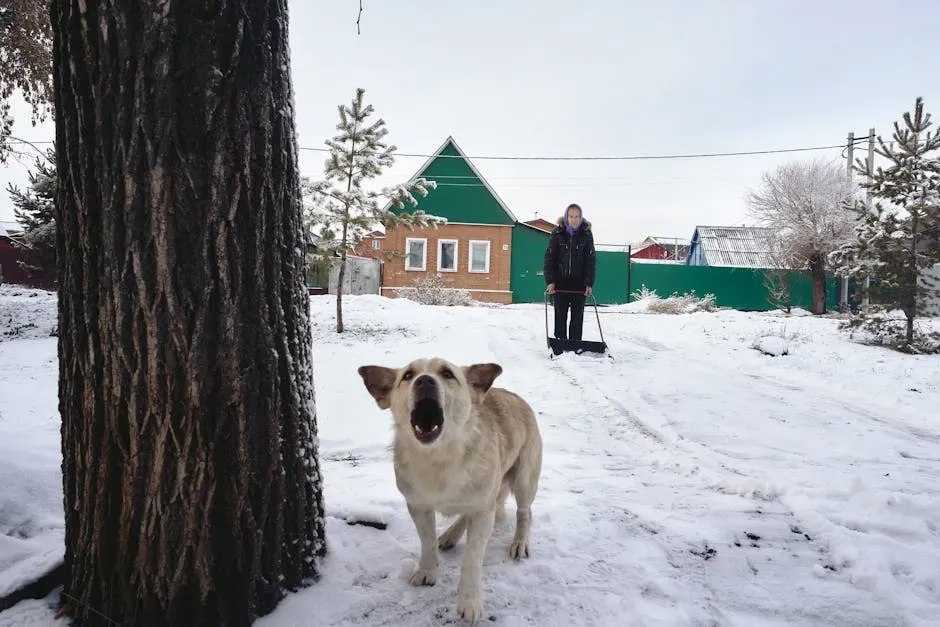
Dogs don’t just bark to communicate. There are lots of different dog sounds pups use to express how they feel, and some breeds vocalize differently. Most people assume a bark is just a bark, but the details matter enormously.
High-pitched barks may be welcoming, while deep barks may be your dog issuing an alert. A bark accompanied by a wagging tail often spells joy, while a crouched, angry bark with hackles up can indicate your dog is feeling fear or aggression.
Barks can convey a huge range of meanings and emotional states as they range from high to low pitch. In fact, a study in 2000 looked at nine different breeds and found that each had between two to twelve different types of barks. That’s a wide vocabulary for a single sound.
2. The Growl: A Warning Worth Respecting

Growls are most often a warning that serious aggression may ensue if you persist in whatever you’re doing or whatever is going on around him. Rather than taking offense at your dog’s growl, heed the warning, and figure out how to make them more comfortable with the situation.
Punishing a dog for growling may only exacerbate the problem. Next time, they might skip the warning altogether and lead with more aggressive behavior. This is one of those cases where a sound deserves genuine respect rather than correction.
If instead of a hostile growl your dog is grumbling lowly, they may be perfectly happy. Dogs also growl in play. It’s common for a dog to growl while playing tug, and that’s perfectly appropriate as long as the rest of the body language says they’re playing.
3. The Whine: The Language of Need

Dog whining sounds are high-pitched vocalizations, often produced nasally with the mouth closed. A dog may whine when it wants something, needs or wants to go outside, feels frustrated by leash restraint, is separated from a valued companion, or just wants attention.
If your dog whines while making lots of eye contact, they’re likely requesting something, like to go outside or get more attention. However, if your dog whines with a tucked tail or a hunched posture, they may be upset or in pain. If your dog whines after you get home, together with tail wagging and prancing, it’s likely due to excitement.
The whine is one of the most context-dependent sounds in a dog’s vocabulary. The same pitch can carry completely opposite meanings depending on posture and situation.
4. The Howl: An Ancient Call
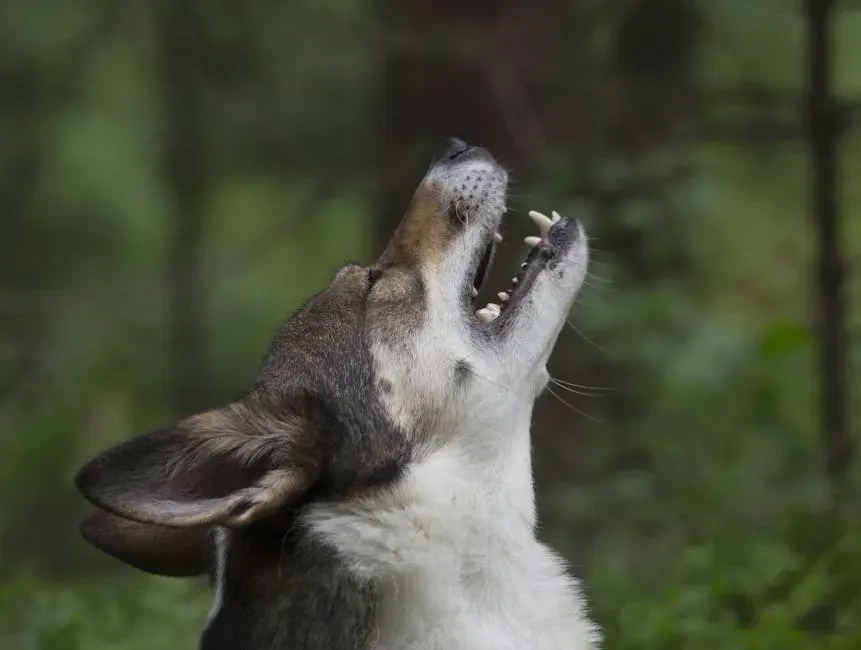
Howling is a behavior with deep roots in canine evolution, often used by dogs to communicate with their pack or claim territory. It’s one of the most recognizable links between domestic dogs and their wolf ancestry, and it clearly still serves a purpose.
Dogs howl when they are left alone, but they also howl when they hear certain sounds, such as the howl of another individual, a siren, a violin, someone singing, or certain types of music. That reaction to music, in particular, never stops being fascinating to witness.
Just like how your dog marks every branch to let others know they were there, howling may be a way to claim territory. The howl can communicate things to other dogs, such as “I am here” or “This yard is mine.” It’s territorial communication, plain and simple.
5. The Whimper: Soft but Significant

Dog whimpering is softer and less intense than whining. It’s the kind of sound that can easily be mistaken for nothing important, yet it often carries real emotional weight.
A whimper or a yelp is often an indication that a dog is in pain. This may happen when dogs play, if one dog bites the other dog too hard. The whimper or yelp is used to communicate the dog’s distress to a pack member or human when they are friendly.
Whimpers can also indicate strong excitement, such as when an owner returns at the end of a long workday. Excitement whimpering is often accompanied by licking, jumping, and barking. So a soft whimper at the door when you get home? That’s love, not distress.
6. The Sigh or Groan: Contentment or Complaint?

A relaxed dog might express satisfaction with a sigh of contentment. This release indicates your dog is safe, comfortable, and happy. It’s one of the more pleasant sounds to hear from a dog settled in beside you on the couch.
Puppies moan and groan when they are settling down for a nap, and adults may sigh as they relax. If your dog pesters you to play or go for a walk, however, and then flops down on the ground and lets out a long sigh or groan, they could be disappointed that they haven’t gotten what they want.
While a moan is often sustained, a grunt is typically a short, guttural sound. When one dog was a senior dog with arthritis, they would grunt once whenever lying down. Repeated grunts from an older dog, especially when moving, are worth mentioning to a vet.
7. The Yelp: Sharp, Sudden, and Urgent

A high-pitched yelp can be an exclamation from your dog. These sounds can express pain, and it can also mean that your dog is startled. The sound might indicate that your dog needs attention and care.
If your dog starts making noises that sound more like a “yelp,” it may mean they’re surprised, afraid, or in pain. The sharpness of the sound is usually what tips you off. Unlike a whine, a yelp is instinctive and immediate.
Yelping is clear pain or distress. If your dog yelps and then begins to favor a limb, seems reluctant to move, or shows other signs of discomfort, treating it as a signal worth investigating is always the right call.
8. The Bay: The Hound’s Signature Sound

Baying is a mournful sound more extended than a bark and deeper than a howl. It often happens when a dog is hunting and wants to communicate that they’ve found their prey. If you have a hound, like a Beagle or Bloodhound, then you’re likely no stranger to this soulful sound.
Baying is deep-throated, prolonged barking, most often heard when a dog is in pursuit of prey, but also sometimes offered by a dog who is challenging an intruder. The scent hounds are notorious for their melodic baying voices.
For hound owners, baying is simply part of daily life. It’s not aggression or anxiety. It’s a dog doing precisely what centuries of selective breeding designed them to do, communicating trail status to anyone who will listen.
9. The Purr or Rumble: The Quiet Sign of Pure Happiness
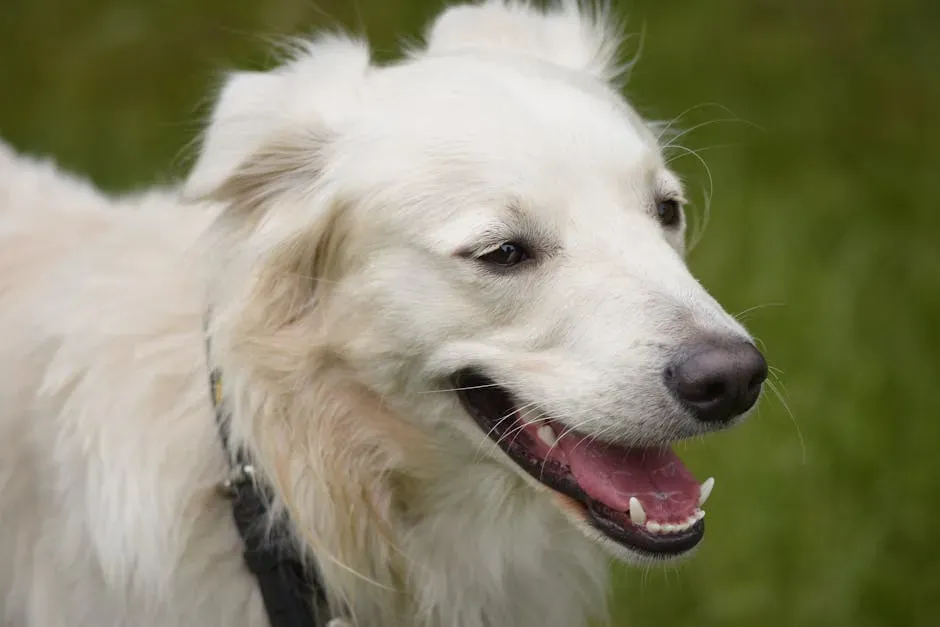
Some dogs make a similar sound to a cat’s purr, a throaty noise. This unusual rumbling sound can indicate contentment, relaxation, or excitement, like when you get the belly rub just right. Many owners don’t even realize their dog is doing it at first.
This throaty “brrr” sound is often called a “rumble” by trainers and usually signals happiness. These dog sounds are usually a cross between a low rumble, a loud purr, and a grumbly growl.
The best clue to distinguish what the purr means is to see when your dog does it. For most, it’s either an excited or happy noise, like when they’re about to go for a car ride. For others, it’s a noise that spells their total and utter contentment, such as when they’re lying next to you being petted.
10. The Snort and Reverse Sneeze: When It Sounds Worse Than It Is
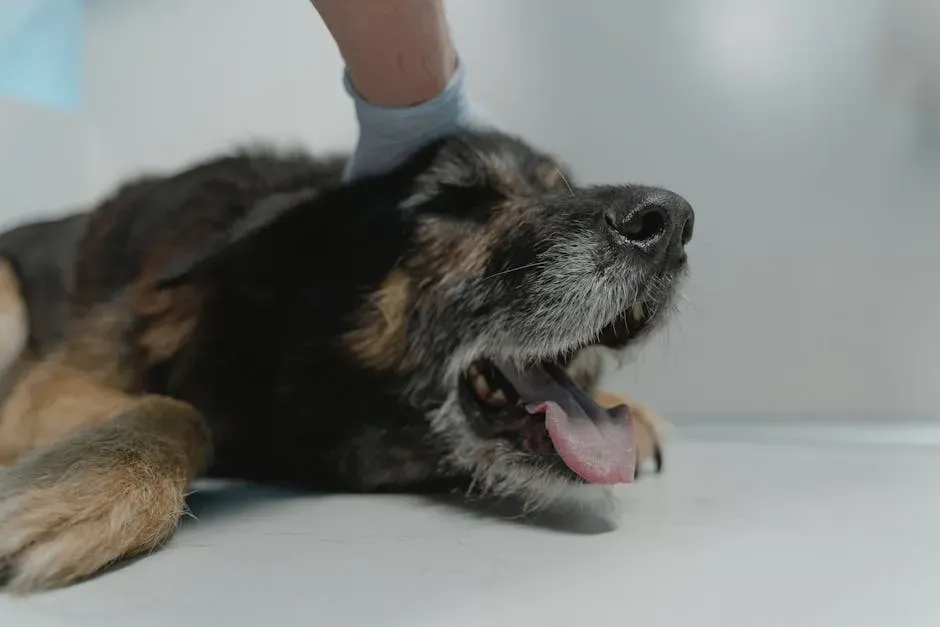
Snorting sounds like a sneezy “huff.” It might be your dog’s way of demanding dinner, seeking attention, or expressing excitement when you’re doing something fun together, like playing or training at home. If your dog is snorting rapidly, they might actually be reverse sneezing and trying to get an irritant out of their throat.
Reverse sneezing is actually not a sneeze at all. This noise, which sounds like a long, drawn-out snort, is caused by a spasm of the soft palate. During this spasm, the airway narrows, making it hard for the dog to breathe. It can look alarming the first time you witness it, but it’s usually harmless.
Reverse sneezing usually stops on its own with no lasting ill effects. If you want to intervene, you can try to encourage your dog to swallow by gently stroking the throat in a downward motion or covering the nostrils with your fingers for a few seconds.
Conclusion: Learn to Listen

Your dog isn’t just making noise to fill the silence. Every bark, sigh, whimper, and rumble is part of a continuous conversation. A dog’s vocalizations can be categorized into distinct types, but there are many factors that contribute to what a dog is trying to convey. Deciphering what dogs are trying to communicate depends on the tone of their communication, their body language, environmental factors, health, and emotional state.
Their sounds communicate something very important: they tell us about the dog’s emotional state. So if you know how to listen, you can find out how your dog is feeling. That knowledge alone changes the relationship.
Paying attention to the sounds your dog makes, combined with the context around them, is one of the most practical things you can do as an owner. The more familiar you become with your dog’s personal vocal patterns, the easier it is to notice when something is off, or when everything is simply, quietly right. Dogs have always been talking. The job is just to start hearing them properly.

- 14 Birds of Prey That Dominate the Skies of North America - August 13, 2026
- Signs Your Cat Is Trying to Warn You About Danger - August 13, 2026
- According to Native American Tradition, Coyotes Were Clever Teachers Rather Than Villains - August 13, 2026