

For a long time, the prevailing scientific view treated animal behavior as something close to pure mechanism: stimulus in, response out. Emotions were considered a human privilege. That view has shifted considerably, and the shift has been accelerating.
Across disciplines ranging from evolutionary biology to neuroscience, researchers are building a clearer picture of how deeply emotional states are woven into the lives of non-human animals. The evidence points to something more layered than instinct alone.
The Science Is Catching Up to What Many Already Suspected
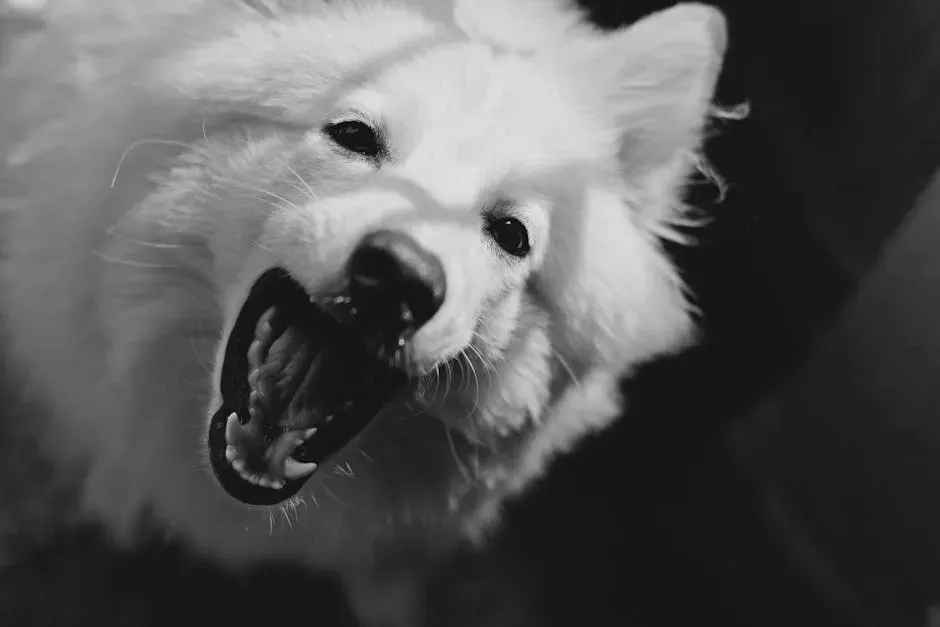
According to a recent interdisciplinary project drawing on animal behavior researchers from the fields of biology, psychology, anthropology, and philosophy, the answer to whether animals have emotions is a resounding yes.
A majority of professional animal behavior researchers now ascribe emotions and consciousness to a wide range of the animal taxonomy – a finding that stands in stark contrast to the attitudes of the 20th century, when the importance of emotions in animals’ lives was at best ignored and more often completely denied.
Animal emotions can be defined as a multidimensional response composed of physiological, behavioral, and cognitive reactions that are triggered by social and environmental events. That definition alone tells us something important: emotions in animals are not just internal feelings floating in isolation. They are responses shaped by the world around them, and by the social relationships they depend on.
Since ancient times, philosophers pondered whether animals experience emotions. Aristotle believed animals and humans share similar emotions, while Descartes argued animals were more like machines. By the mid-20th century, leading behavioral theorists were dismissing the idea of studying animal emotions entirely. The turnaround since then has been remarkable.
Emotions as Survival Tools, Not Just Feelings

Research emphasizes that emotions like fear, joy, and anger are not just reactions but adaptive responses that have evolved to enhance survival. Fear responses help animals avoid danger, while social emotions like bonding and affection help maintain relationships within social groups.
The adaptive role of short-term emotions parallels the notion of emotional systems as having evolved to facilitate appropriate and rapid responses to a range of survival challenges. This framing matters because it places emotion firmly in the realm of biology rather than sentiment.
Primary emotions, such as fear, involve instinctual tendencies that are essential to survival. Fear permits escape from dangerous situations or predators. The fight-or-flight response is an instinctual pattern of behavior found in response to danger.
In chimpanzee communities, bonds between individuals are essential for cooperation and survival, particularly when it comes to tasks like hunting or defending against predators. The emotional bonds within these groups provide stability and foster trust, which are crucial for group cohesion. Emotion, in this sense, is infrastructure.
The Chemistry Behind Animal Bonds
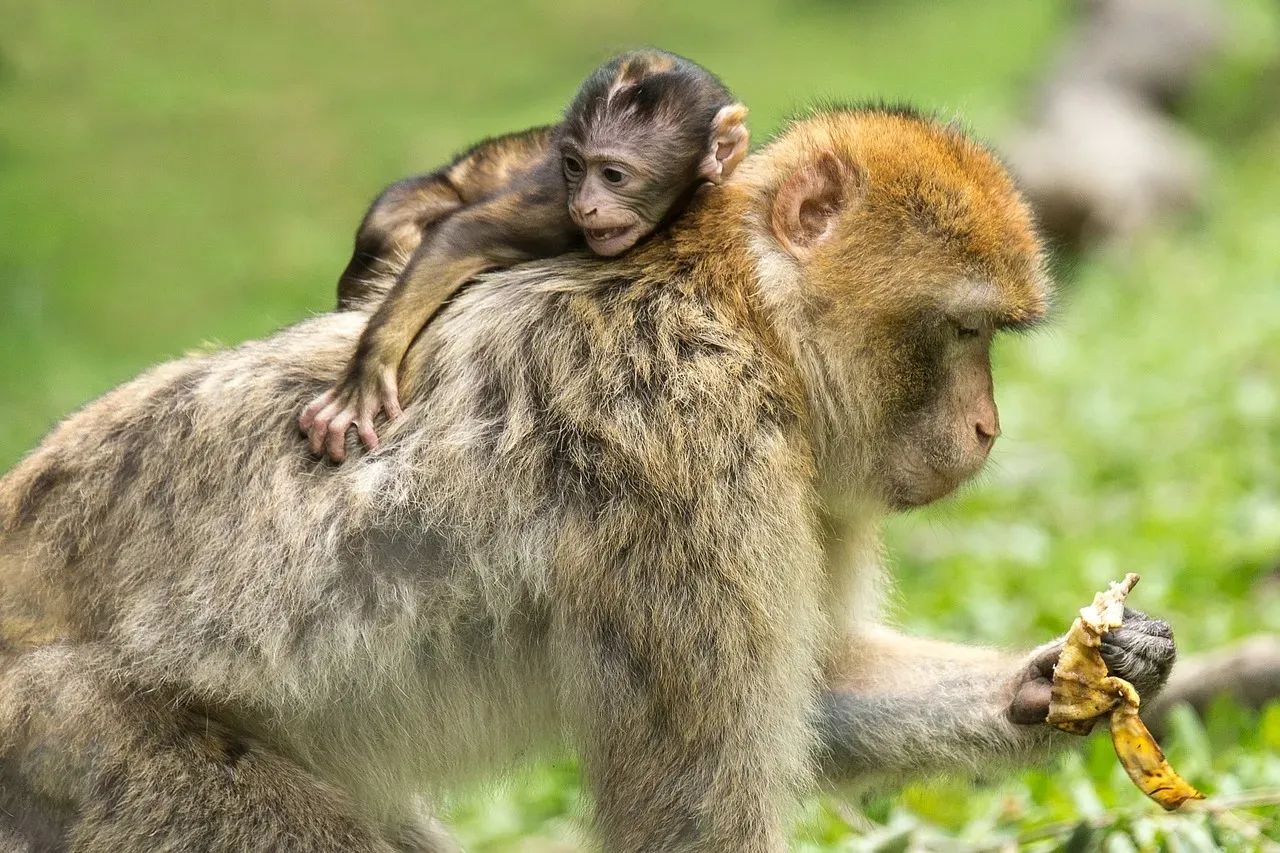
The neurotransmitter dopamine is released in copious amounts during periods of pleasure and excitement. Researchers have found that rats experience an increase in dopamine when engaging in activities that appear to suggest play, and if dopamine production is blocked through the administration of a blocking agent, play activity disappears entirely.
Synchronized oxytocin fluctuations seem to be involved with pair bonding and maternal behaviors, and may indicate positive affect. In dogs, urinary and plasma oxytocin have been shown to increase in response to positive stimuli. These are not trivial findings. They suggest that the neurochemistry underpinning human love and attachment has deep evolutionary roots.
Researchers have investigated the role of oxytocin in bonding among voles, and found that if a female vole is injected with oxytocin, the animal will quickly select a mate. The hormone doesn’t create the bond from nothing, but it clearly primes the animal for it.
Both a human and their dog release the hormone oxytocin when making eye contact with each other, which proves that dogs have the ability to feel affection and reciprocate it. That particular exchange is one of the more striking examples of how emotional chemistry bridges species entirely.
Empathy, Grief, and Social Complexity Across Species
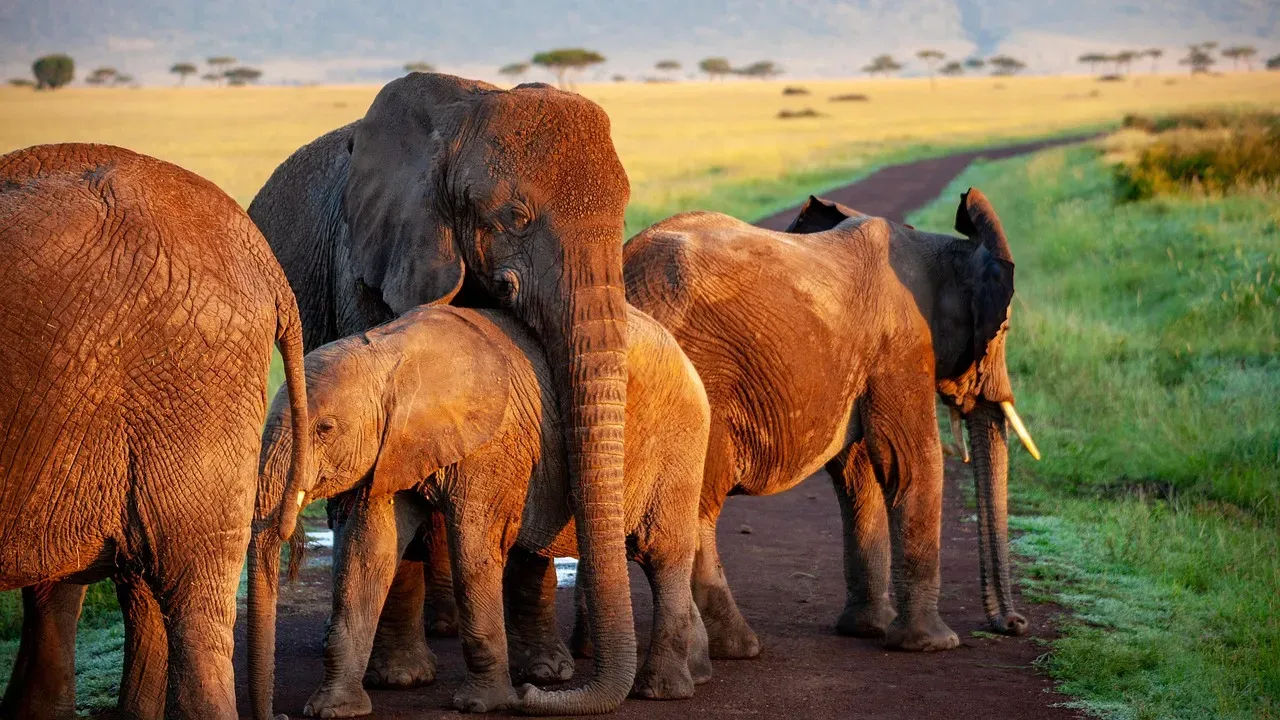
Grief is commonly reported during field observations of various animals. The behaviors of elephants, chimpanzees, sea lions, and geese suggesting grief in response to the loss of a mate or offspring have been well documented.
Macaques refused to pull a chain that delivered food to themselves if doing so also caused a companion to receive an electric shock. This inhibition of hurting another conspecific was more pronounced between familiar than unfamiliar macaques, a finding similar to that of empathy in humans.
Studies have shown that lions can recognize when another lion is distressed and may approach them to offer physical comfort, such as nuzzling or grooming, which are powerful indicators of empathy. Lionesses may exhibit signs of depression, such as withdrawal from social activities and a lack of interest in hunting, and this grief can ripple through the pride, affecting social dynamics and health.
Elephants display a wide spectrum of emotions, ranging from fear and grief to happiness and love. As strongly social animals, these gentle giants live in matriarchal herds bound by filial bonds, and have been known to mourn the passing away of a loved one. The consistency of this mourning behavior across such different species is difficult to dismiss as coincidence.
AI Is Giving Researchers a New Way to Listen

Researchers from the Department of Biology at the University of Copenhagen have successfully trained a machine-learning model to distinguish between positive and negative emotions in seven different ungulate species, including cows, pigs, and wild boars. By analyzing the acoustic patterns of their vocalizations, the model achieved an accuracy of nearly ninety percent.
The most important predictors of whether an emotion was positive or negative included changes in duration, energy distribution, fundamental frequency, and amplitude modulation. Remarkably, these patterns were somewhat consistent across species, suggesting that fundamental vocal expressions of emotions are evolutionarily conserved.
The AI-powered classification model could be used to develop automated tools for real-time monitoring of animal emotions, transforming the way we approach livestock management, veterinary care, and conservation efforts. That’s a considerable leap from simply observing behavior in the field.
A large majority of researchers are optimistic that tools either currently exist or will exist in the future to rigorously address these questions, and that animal behavior as a field should do more to encourage emotions research. The momentum, at least among scientists actively working in this space, is clear.
Conclusion: Rethinking What We Thought We Knew

The evidence has been accumulating for decades, but the picture is now sharper than it has ever been. Animal emotions are not a projection of human sentiment onto creatures that don’t deserve it. They are measurable, physiologically grounded, and directly tied to how animals survive, cooperate, and form lasting social bonds.
The emotional lives of animals are far more complex and nuanced than once believed. Animals are not just instinct-driven beings; they experience emotions that are deeply intertwined with their survival, social structures, and relationships.
What changes when we accept that? Practically, it changes how we think about animal welfare, conservation, and even livestock management. Philosophically, it nudges us toward a more honest reckoning with the rest of the living world. The question was never really whether animals feel. It was whether we were willing to look closely enough to see it.
