

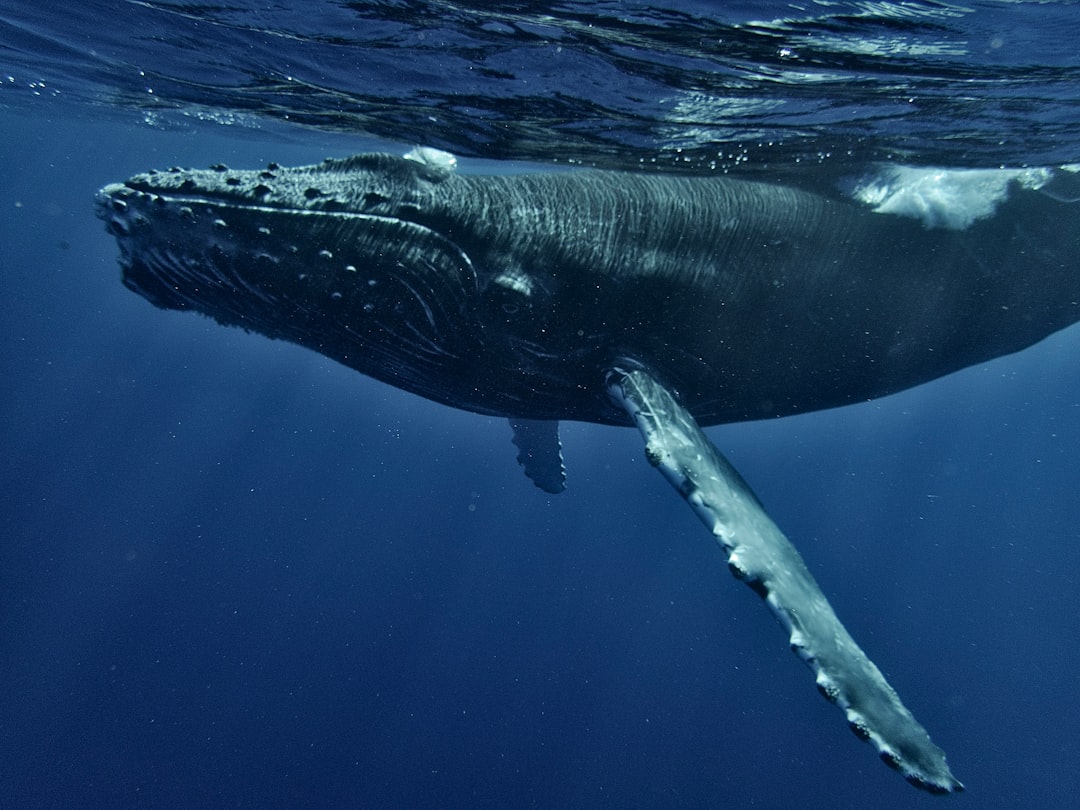
Northern Germany – A young male humpback whale found itself trapped on a shallow sandbar in the Baltic Sea, sparking a frantic multi-day rescue operation that gripped onlookers and experts alike. The roughly 32-foot creature, far from its typical deep-ocean habitat, endured over 76 hours of grueling struggle near Timmendorfer Strand before breaking free.[1] Hotel guests first heard its distress calls on March 23, alerting authorities and setting off a chain of innovative efforts to guide it to safety. This rare visitor highlighted the perils facing marine mammals in unfamiliar waters.
Unusual Visitor Sparks Alarm
The whale’s appearance stunned locals and scientists, as humpback whales rarely venture into the enclosed, low-salinity Baltic Sea.[1] First sighted possibly near Wismar before drifting to Lübeck Bay near Niendorf, the animal likely strayed while pursuing prey or exploring alone as young males often do. Responders arrived swiftly after reports of deep moans echoing from the sandbar.
Firefighters deployed drones for overhead surveillance, while police boats circled to assess the predicament. The creature lifted its head occasionally, vocalizing in distress, but its massive weight compressed its organs on the exposed seabed. Every hour increased risks like dehydration and exhaustion.[2]
Rescuers Deploy Creative Tactics
Teams repositioned the whale so its head pointed toward deeper water, hoping tides would assist. Boats generated artificial waves to buoy it up, and responders carefully removed tangled fishing nets that compounded its woes.[1] Sea Shepherd volunteers joined local authorities, monitoring vital signs closely. Carsten Mannheimer from the group noted the whale remained alive and responsive amid the chaos.
An excavator later dug an escape channel, a bold move after initial tides failed on March 24. The beach closed to crowds, with spokesperson Ulli Fritz Gerlach emphasizing calm: “Keeping the animal as calm as possible is critical.”[1] Sven Biertümpfel warned of deteriorating conditions, calling prolonged stranding a potential “death sentence.”[1]
| Date | Location | Action Taken |
|---|---|---|
| March 23 | Timmendorfer Strand | Drones, boats, repositioning |
| March 24 | Lübeck Bay | Tide wait, net removal |
| March 27 | Sandbar | Channel dug, freed |
Freedom Eludes in Repeated Ordeals
The whale swam free on March 27 after the 76-hour vigil, cheered by a flotilla escort toward open seas. Yet hopes dimmed quickly as it re-stranded near Wismar the next day.[3] Experts from Greenpeace and the environment ministry tracked its path, but low salinity triggered skin ailments and weakness. It beached multiple times, including a third at Wismar Bay.
Further attempts involved guiding vessels and exclusion zones for rest. By late March, breathing slowed, and reactions faded. Biologist Robert Marc Lehmann examined it during one episode, confirming injuries possibly from initial netting.[4] The saga, livestreamed nationwide, transfixed Germany.
- Police and inflatable boats created waves for lift-off.
- Drones provided real-time positioning data.
- Excavators carved safe channels to deeper water.
- Volunteers enforced quiet zones to reduce stress.
- Sea Shepherd monitored health indicators hourly.
The Deadly Trap of Baltic Waters
Humpbacks thrive in salty Atlantic expanses, not the brackish Baltic with its narrow exits. Disorientation from noise or fish pursuits likely drew Timmy – nicknamed after Timmendorfer – in. Nutrition scarcity and skin disease eroded its strength over weeks.[2]
Burkard Baschek of the German Maritime Museum declared further intervention futile by early April: “We’re of the firm opinion the animal will die there.”[2] Till Backhaus called it an “exceptional tragedy.” Rescuers shifted to dignified monitoring on Poel Island, abandoning active saves.
Key Takeaways
- Rare humpback sightings underscore migration risks.
- Low-salinity waters pose fatal health threats.
- Non-invasive rescues prioritize animal welfare.
Timmy’s prolonged fight exposed nature’s unforgiving boundaries and human limits in aid. Though efforts freed it temporarily, the Baltic proved insurmountable. This tale urges greater ocean awareness – what lessons can we draw for future encounters? Share your thoughts in the comments.

- Urban Coyotes Show Remarkable Adaptability, Learning to Thrive in City Environments - July 22, 2026
- Beavers Are Nature’s Engineers, Creating Vital Habitats for Other Wildlife Species - July 21, 2026
- The Recovery of the California Condor Offers Hope for Other Critically Endangered Birds - July 21, 2026