

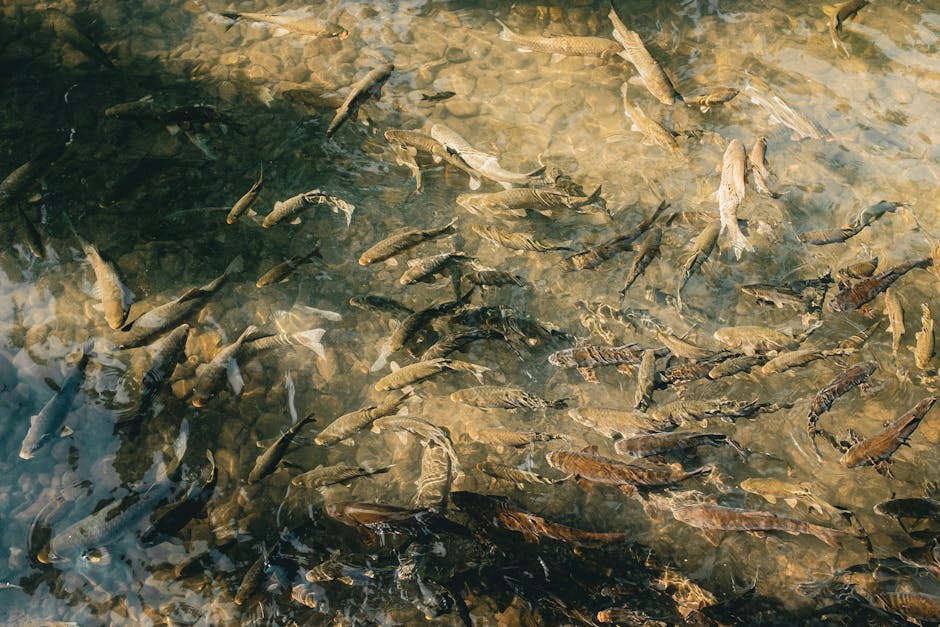
Murray, Utah – A local resident’s routine walk along the Jordan River revealed a stark environmental crisis. Fish flopped desperately in water reduced to mere inches deep, a scene captured on video and shared with news outlets. This alarming situation stems from an unusually weak spring runoff, exacerbated by one of the state’s lowest snowpacks on record.[1]
Unexpected Sight Sparks Concern
Chelsea LaRoe, a Murray resident, heard an odd “flip-flop” noise while strolling the river trail. She peered over and saw fish thrashing in unusually shallow waters. The discovery prompted her to record the scene and alert FOX 13 News.
LaRoe described the conditions as shocking. “You could probably walk to the middle of that and be less than knee-deep high in the Jordan River,” she said. Such low depths confined the fish to tiny pools, heightening their vulnerability. Officials confirmed similar low flows extended beyond this spot, affecting stretches across the river.[1]
Record Snowpack Shortfall Drives Crisis
Hydrologist Glen Merrill with the National Weather Service attributed the diminished flows to this winter’s record-low snowpack. “It’s a direct feedback loop from our record low snowpack that we saw this winter,” Merrill explained. Rivers statewide peaked far earlier than usual, some a month to six weeks ahead of schedule.
“Many [rivers] have already been through their peak flows about a month to a month and a half early,” he added. Current streamflows lag well below normal levels, with gauges showing discharges around 70% of typical volumes in recent days. No significant precipitation relief appeared imminent, signaling prolonged strain on waterways like the Jordan River.[1][2]
Fish Face Crowding and Oxygen Shortages
Trina Hedrick, Cold Water Sport Fish Coordinator for the Utah Division of Wildlife Resources, outlined the perils for aquatic species. Reduced volumes forced fish into tighter spaces. “There’s going to be lesser flows in streams… less area in the stream… same number of fish, less space for each of them,” she noted.
Warming temperatures compounded the issue. “As the water warms, it’s holding less oxygen as well,” Hedrick said. Cold-water fish like trout suffered most under these constraints. The combination of shallow depths, crowding, and depleted oxygen created a survival gauntlet, with conditions poised to intensify through summer.[1]
Anglers Urged to Adapt Practices
Wildlife experts issued targeted advice for those recreating on affected waters. Fishermen should target cooler morning or evening hours to ease stress on catches. Handling fish minimally proved crucial during catch-and-release sessions.
Hedrick recommended, “If you are going to catch and release, don’t even take it out of the water… The less you can handle a fish, the better.” Broader conservation efforts also gained emphasis. Households could help by curbing usage, preserving more water for rivers and reservoirs. “The less we use in our homes, the more stays in those water bodies,” she stressed.[1]
- Fish early morning or late evening when waters stay cooler.
- Keep fish submerged during release to maintain oxygen flow.
- Avoid crowded spots where competition for space runs high.
- Monitor local streamflow updates via USGS gauges.
- Practice water-saving habits at home, like shorter showers.
Key Takeaways
- Record-low snowpack triggered early, weak spring runoff statewide.
- Fish in the Jordan River now battle shallow waters and low oxygen.
- Conservation and careful angling can mitigate immediate risks.
Utah’s waterways, including the Jordan River, underscore the cascading effects of drought on everyday ecosystems. Officials anticipate persistent low flows unless unexpected rains intervene. What steps will you take to conserve water this season? Share your thoughts in the comments.

- Urban Coyotes Show Remarkable Adaptability, Learning to Thrive in City Environments - July 22, 2026
- Beavers Are Nature’s Engineers, Creating Vital Habitats for Other Wildlife Species - July 21, 2026
- The Recovery of the California Condor Offers Hope for Other Critically Endangered Birds - July 21, 2026