

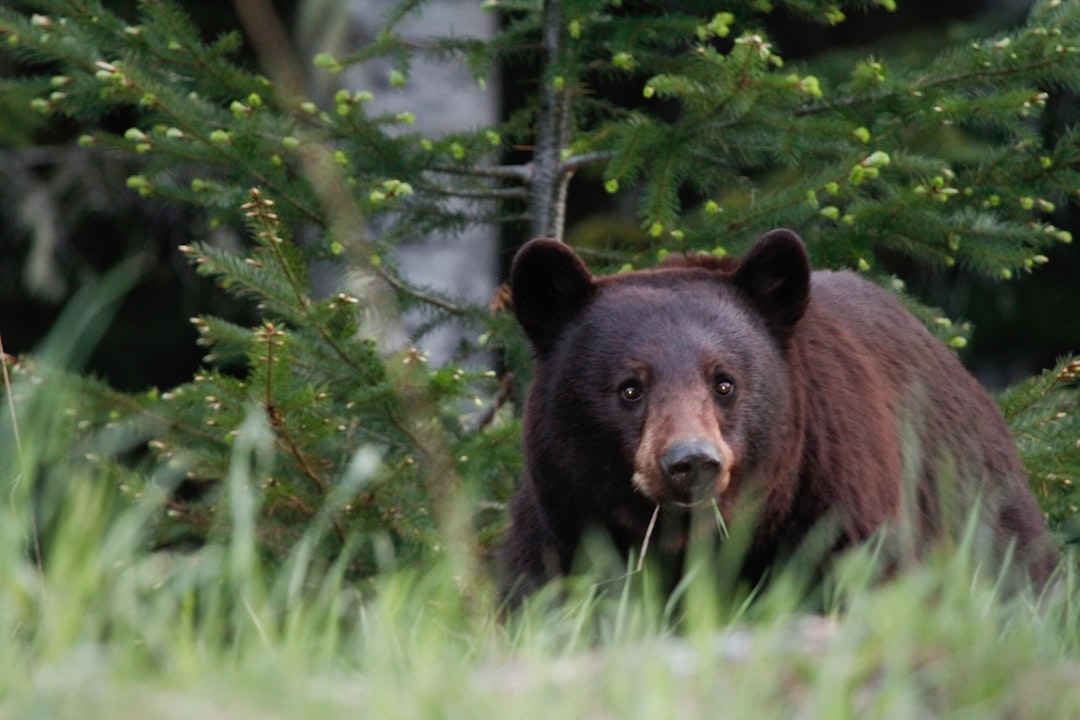
Great Smoky Mountains National Park – Rangers responded to multiple bear incidents over recent weekends, leading to temporary closures of popular trails to ensure visitor safety. Black bears, abundant in this densely populated wildlife area, showed bold behavior toward hikers, prompting swift action from park officials. These events highlight the challenges of sharing space with nature in America’s most-visited national park.[1][2]
Bold Bears Target Hikers at Ramsey Cascades
Rangers handled three bear-related incidents at Ramsey Cascades Trail during the weekend of April 18-19. In two separate encounters, bears approached visitors and snatched backpacks, displaying a lack of fear toward humans. A third incident involved an aggressive bear that briefly chased a group of hikers.[1]
Park officials closed Ramsey Prong Road and the full length of Ramsey Cascades Trail immediately after these events. Rangers now monitor the area closely for continued bear activity. Such measures prevent further close calls while allowing bears to resume natural foraging patterns.[3]
Abrams Falls Trail Rebounds from Earlier Aggression
The prior weekend brought similar trouble to Abrams Falls Trail, where an aggressive black bear figured in three incidents. One visitor suffered a bite after venturing into a restricted zone despite warnings. Officials shut down the access road and trail for public safety.[1]
After days without observed bear presence, the trail and road reopened. This quick resolution demonstrated effective management, though it served as a stark reminder of risks in bear country. Park teams used the closure to haze the bear and redirect its movements away from high-traffic paths.[2]
Spring Foraging Fuels Heightened Bear Activity
Mother bears emerge from dens in spring with cubs in tow, scouring for scarce early-season food. This period marks a vulnerable time, as proximity to humans can stress the animals and spark defensive reactions. Abundant acorns and other natural foods draw bears to certain trails, overlapping with peak hiker traffic.[1]
Great Smoky Mountains hosts around 1,900 black bears, the highest density in the U.S. at two per square mile. Combined with 12 million annual visitors, encounters become almost inevitable without precautions. Officials note that spring and summer see the most activity, with bears active across all elevations.[4]
Essential Safety Rules for Trail Users
Park guidelines emphasize maintaining distance and proper food handling to avoid conflicts. Visitors must stay at least 50 yards from bears, a rule enforced with fines or arrest for violations. Secure all trash, food, and scented items in vehicles or bear cables in backcountry sites.[1]
Feeding bears carries severe penalties, up to $5,000 fines or six months imprisonment, as it conditions wildlife to seek human sources. Pets provoke most incidents and remain banned from most trails. Hikers should travel in groups, carry bear spray, and report odd behavior to 865-436-1230.[4]
- Never approach or feed bears; back away slowly if encountered.
- Store food properly and pack out all waste.
- Make noise on trails to alert bears of your presence.
- Use designated pull-offs for wildlife viewing from vehicles.
- Fight back aggressively if attacked in a non-predatory defense.
- Check current closures before heading out.
Navigating Bear Country in a Busiest Park
Annually, rangers log about 339 negative human-bear interactions, though many go unreported. Wildlife managers deploy non-lethal hazing to keep bears wild and away from people. Closures like those at Campsite #19, due to faulty bear cables, underscore ongoing vigilance.[3][4]
Black bears sustain themselves mostly on plants, insects, and nuts, rarely preying on larger animals. Their keen sense of smell draws them to unsecured items from afar. Visitors who follow rules contribute to conservation, ensuring these omnivores thrive without habituation.[2]
- Bear incidents at Ramsey Cascades involved backpack thefts and a chase, closing the trail and road.
- Spring mothers with cubs heighten risks; stay 50 yards away.
- Secure food and report issues to keep encounters rare.
These closures protect both people and bears, preserving the delicate balance in this iconic park. Proactive steps now prevent tragedies later. What steps will you take on your next Smokies hike? Share in the comments.

- Urban Coyotes Show Remarkable Adaptability, Learning to Thrive in City Environments - July 22, 2026
- Beavers Are Nature’s Engineers, Creating Vital Habitats for Other Wildlife Species - July 21, 2026
- The Recovery of the California Condor Offers Hope for Other Critically Endangered Birds - July 21, 2026