
Worried about unexpected vet bills?
Pet insurance can cover thousands in unexpected vet costs. Get a free quote from Lemonade in under 2 minutes.
Get My Free Quote →Sponsored · Opens Lemonade.com
The Midwest conjures images of wide open prairies, quiet river bends, and forests tucked far from any city street. That picture is partly true. It’s also increasingly incomplete. Across the region, from the sprawl of Chicagoland to the retention ponds of Columbus and the drainage channels threading through suburban Kansas City, creatures are quietly doing very well in places most people never expect to find them.
Research has found little difference in wild mammal diversity between suburban areas and more natural settings, with most animals that lived in the wider region also found in suburban spaces. That’s not a reassuring footnote buried in a science journal. It’s a meaningful shift in how we understand where wildlife actually lives. These six critters tell that story clearly.
The Coyote: Flourishing Right Inside City Limits
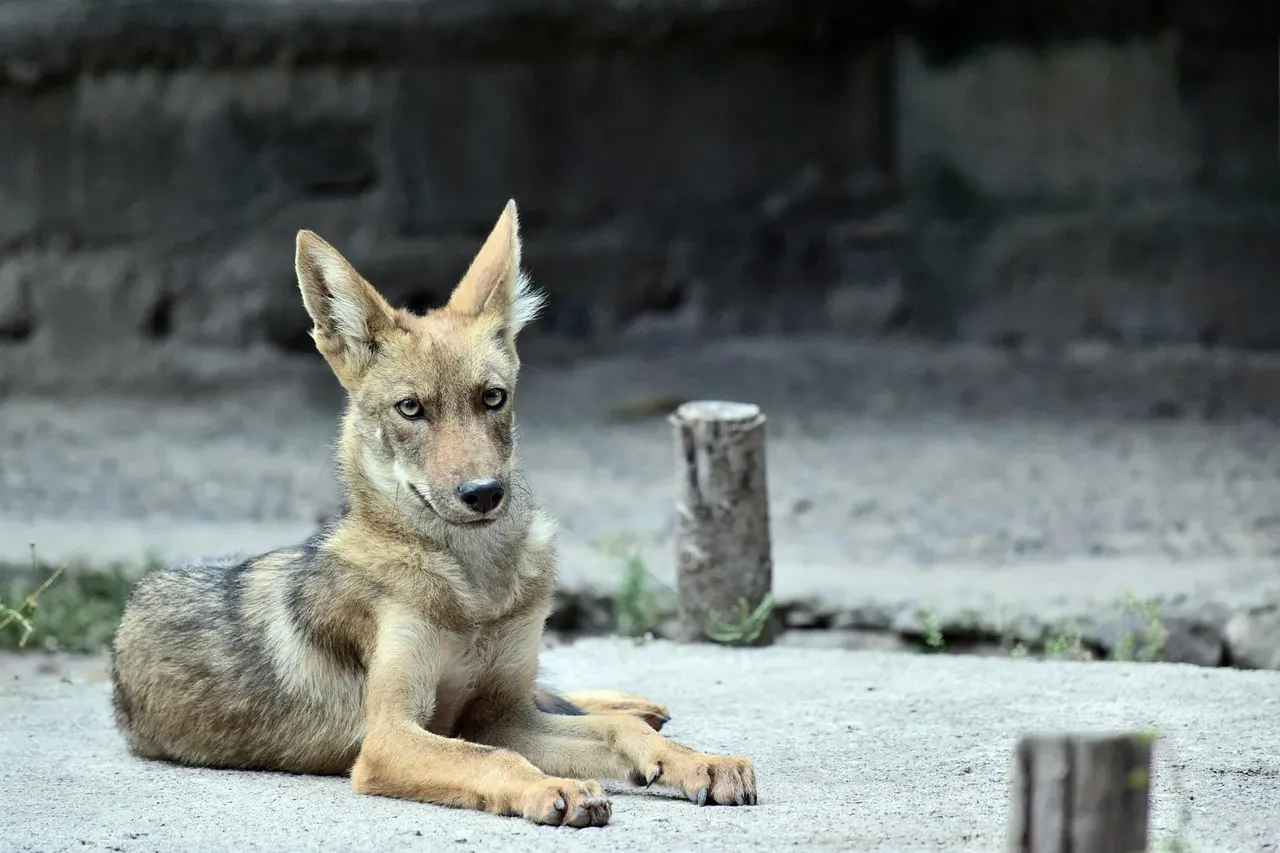
Few animals have colonized the Midwest’s cities and suburbs more thoroughly than the coyote. Researchers estimated that there are up to 2,000 coyotes living in the Chicago metropolitan area alone. That number would have seemed implausible just a few decades ago.
The survival rate of coyotes in the city is actually higher than in the country, at least in the Midwest, because there’s very limited hunting or trapping taking place in cities, which are the biggest causes of mortality in rural environments. The city, counterintuitively, functions as a safe haven.
At larger, suburban scales, coyote populations have thrived, benefiting from fragmented habitats and edges that offer access to both natural and human-modified resources. They use storm drains, railroad corridors, and parkway greenways to move between neighborhoods almost invisibly.
Societal misconceptions about coyotes, often cast as predators to be feared, can overshadow their ecological role in controlling rodent populations and maintaining balanced urban ecosystems. In other words, the coyote you glimpse crossing a parking lot at midnight is doing real ecological work.
The North American Beaver: Dam Builder in the Drainage Ditch
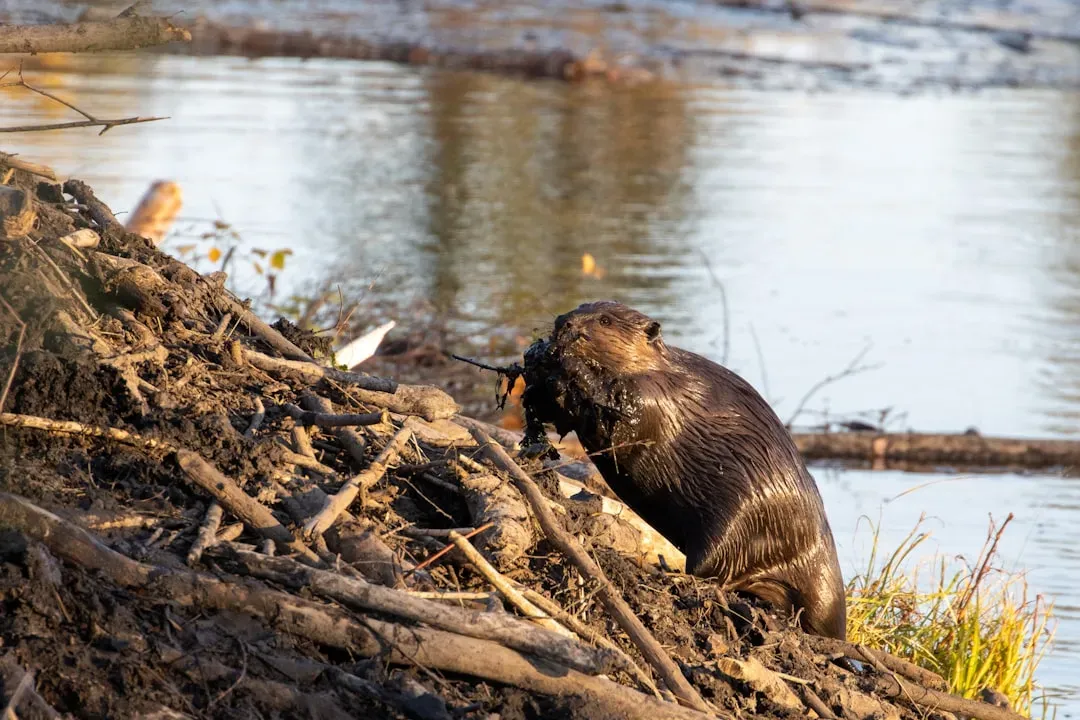
Most people still picture beavers as wilderness animals, at home along remote northern rivers. The American beaver is found in every central Midwest state, and most people associate beavers with deep wilderness, but they’ve established themselves along drainage channels, suburban creek systems, and retention ponds throughout the region with impressive consistency.
Beaver dams create ponds that protect against predators and hold food during winter, and these structures modify the natural environment in such a way that the overall ecosystem builds upon the change, making beavers a keystone species and ecosystem engineers. Their instinct to build doesn’t stop just because a subdivision appeared nearby.
Wetland benefits from beaver activity include flood control downstream, biodiversity by providing habitat for different species, and water cleansing, both by the breakdown of toxins and the retention of silt. A beaver working a suburban ditch is creating habitat for frogs, herons, and invertebrates that wouldn’t otherwise exist there.
The Virginia Opossum: The Unlikely Suburban Survivor
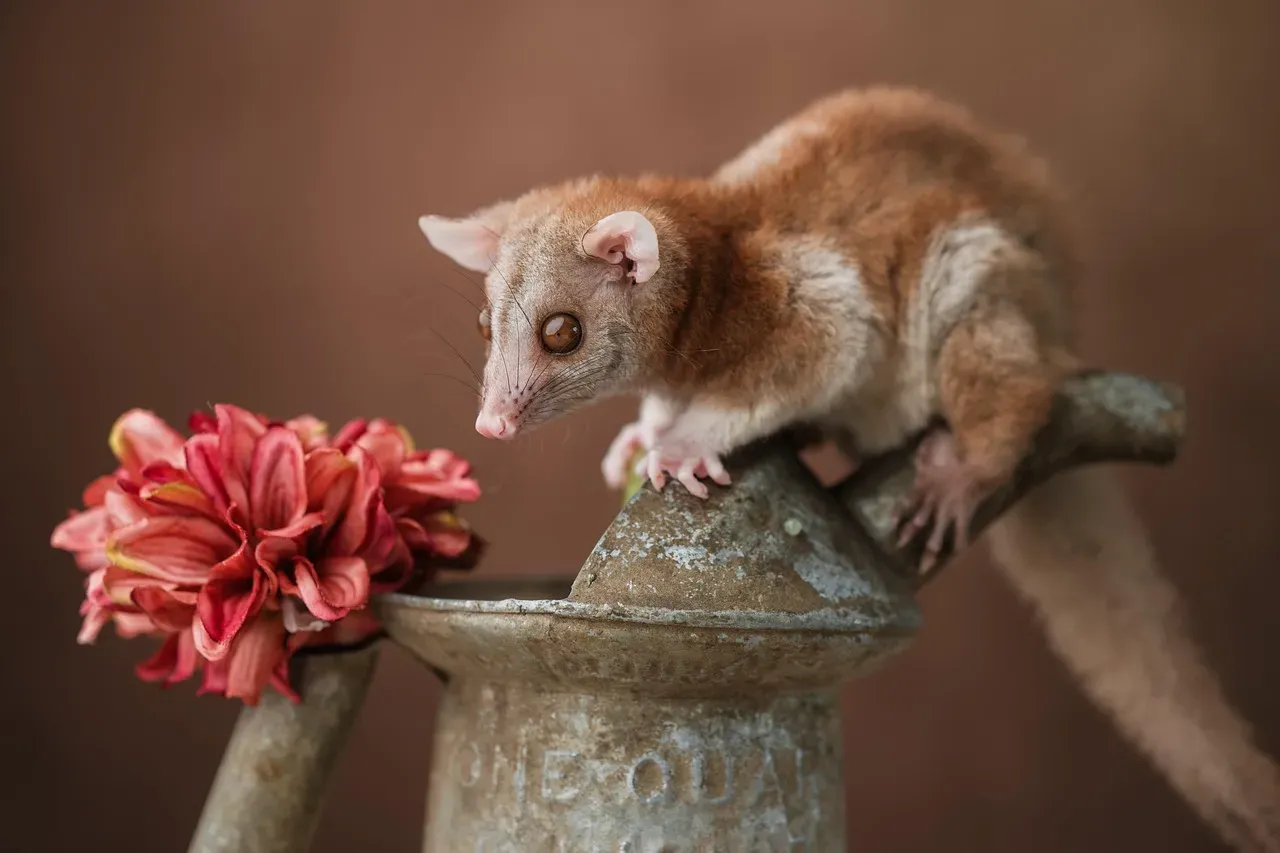
The Virginia opossum doesn’t look like a success story. Slow-moving, pale, and perpetually misunderstood, it tends to inspire more alarm than admiration. The opossum is the only marsupial in Wisconsin and across much of the Midwest, with a hairless prehensile tail used to grasp branches and the most teeth of any North American mammal, totaling fifty. That last part usually gets people’s attention.
Opossums are omnivorous, meaning they will eat any plant or animal material they encounter, which makes them excellent scavengers in suburban environments, quietly cleaning up fallen fruit, insects, and small rodents from yards and gardens. They’re working a shift most homeowners never notice.
More direct human factors may also be important for the opossum’s expansion, including resources easily available in agricultural and suburban landscapes. Garbage cans, bird feeders, and backyard compost piles have all served as reliable pit stops. The opossum, it turns out, is exceptionally well-suited to the modern Midwestern suburb.
The White-Tailed Deer: Rewriting Its Own Rules at the Forest Edge
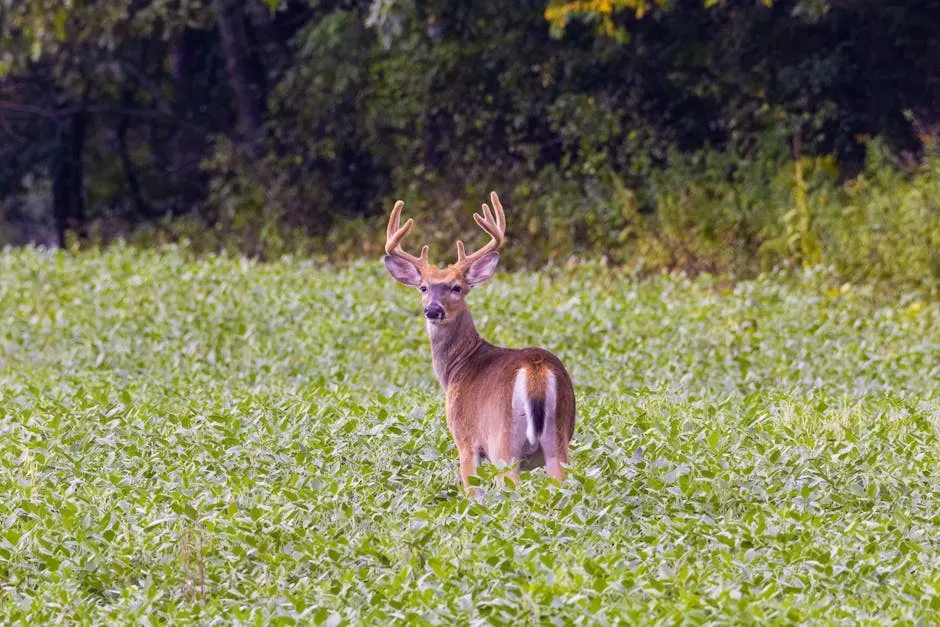
White-tailed deer are so common across the Midwest that it’s easy to take their adaptability for granted. During the past century, logging and farming caused dramatic changes in forest structure, which actually created ideal habitat for white-tailed deer. They now thrive especially along the edge where forest meets open field, where food sources and forest cover are both easily accessible.
Research has shown that white-tailed deer, while having positive associations with housing development, shift to more nocturnal activity in suburban regions, suggesting they adjust behavior to limit interactions with humans. It’s a quiet but remarkable behavioral shift, and it’s happening in neighborhoods across Ohio, Indiana, Illinois, and beyond.
Overall, mammal relative abundance in suburban regions is highest, and this effect is largely driven by white-tailed deer. Golf courses, corporate parks, and the grassy margins of housing developments have all become productive foraging zones for deer that move mostly under cover of darkness, ghost-like and largely unseen.
The Red Fox: Bright Coat, Bold Territory
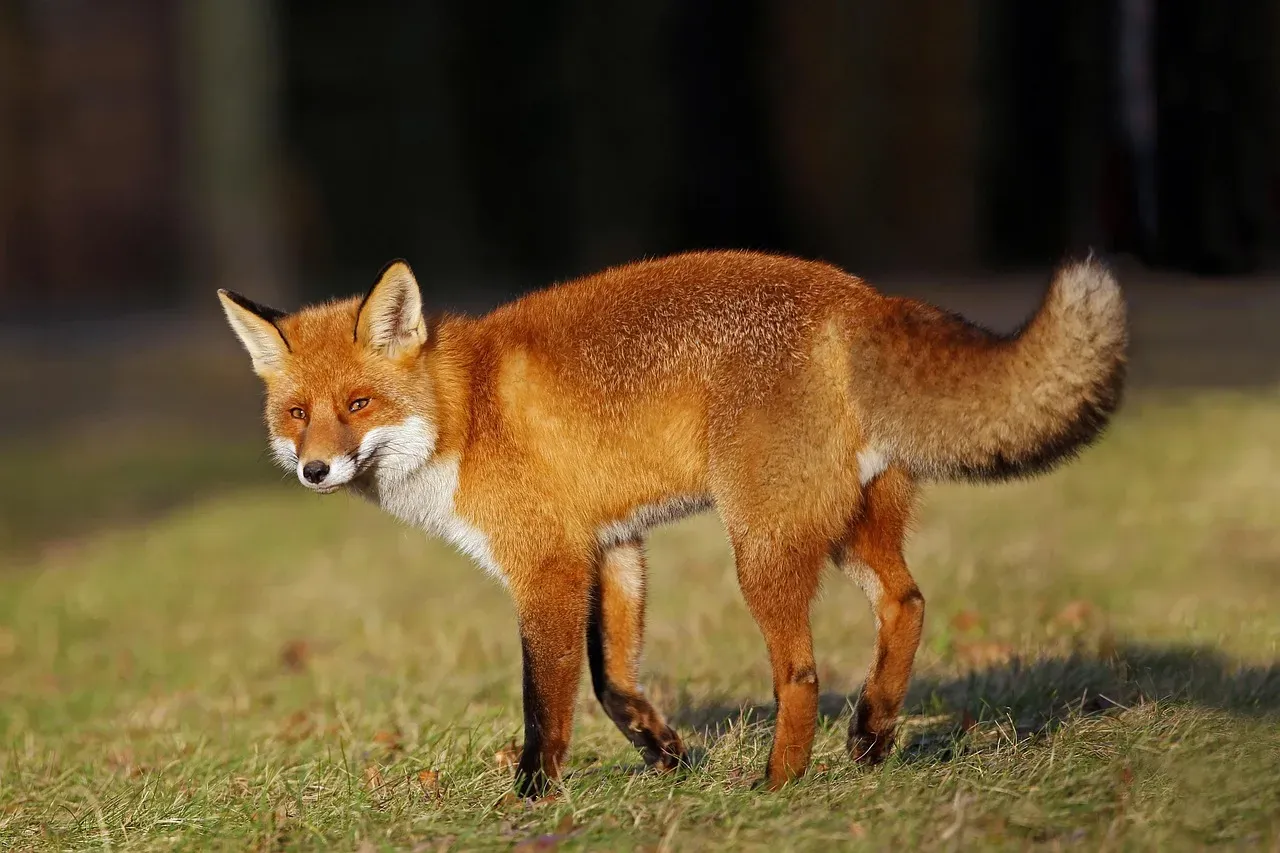
The red fox has one of the most striking appearances in Midwest wildlife, and it’s increasingly willing to make its home in residential areas. Red foxes are among the most urban-adapted carnivores and have been frequently detected in residential yards by wildlife camera studies. Their bright coats and pointed ears make a striking sight against a winter lawn, though most people never notice them until a kit starts playing in the garden.
Despite the challenges posed by urbanization, many species have adapted to the changing landscape and found ways to thrive in urban environments. The red fox is a strong example of that principle in action. It doesn’t just pass through suburban territory; it denning there, raising young there, and treating the whole neighborhood as its range.
Urbanization strongly affects nocturnality in some species, with red foxes becoming less nocturnal as housing density increases. That’s an unusual twist. Rather than retreating into darkness near people, some Midwest foxes appear to grow more comfortable with daytime movement in areas where human presence is a daily constant rather than an occasional surprise.
The Raccoon: Masked and Magnificently at Home Everywhere
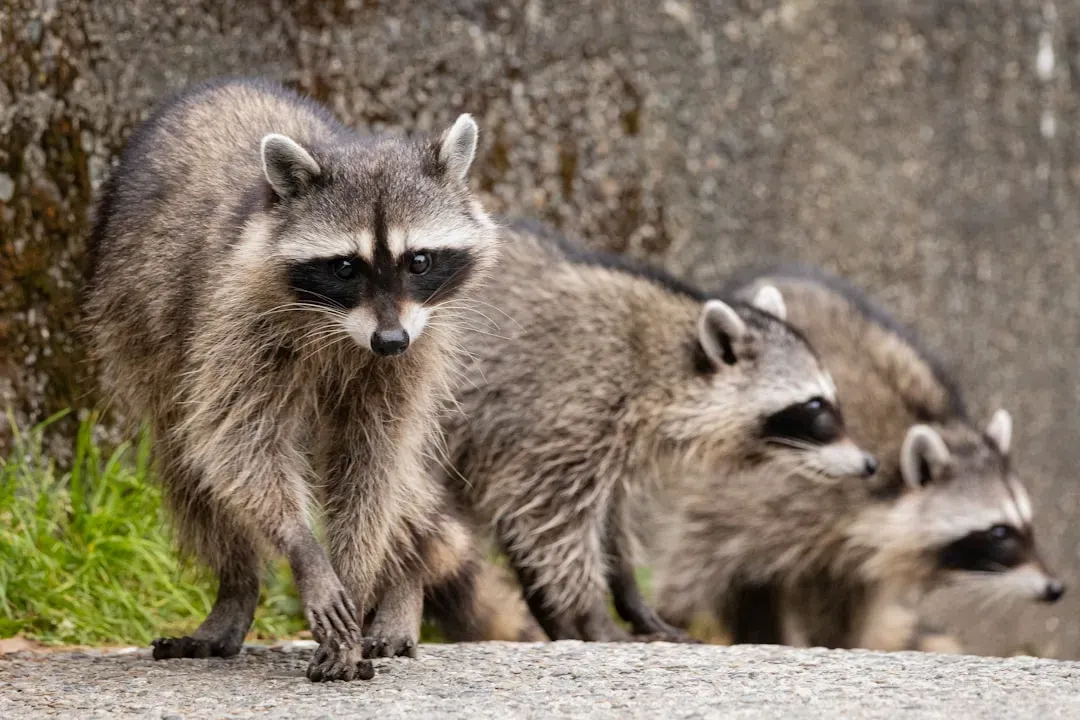
If any Midwest critter has mastered the art of thriving in unexpected places, it’s the raccoon. Raccoons are common and well-known across the Midwest, recognizable by their distinctive black masks and ringed tails. As generalists, they can live almost anywhere and eat almost anything. That combination of traits makes them one of the most successfully urbanized mammals in North America.
Many animals have adapted to urban environments, finding ways to thrive in spite of the challenges posed by urbanization. Raccoons have learned to scavenge for food in garbage cans and dumpsters, while also adapting to nesting on buildings and other man-made structures. They’ve essentially reverse-engineered the suburban landscape to suit their needs.
Research in Cleveland found that a single den complex created by a woodchuck can provide shelter for opossums, foxes, and raccoons, supporting the idea that urban wildlife communities are more interconnected than they appear. The raccoon, as it turns out, is sometimes the anchor species holding together an entire hidden neighborhood of wild animals.
The availability of a year-round food supply, along with the presence of an enormous variety of safe shelters and breeding sites, promotes a higher life expectancy, which partly or mostly balances the higher vehicle-related death rates to which urban wildlife is continuously subject. For raccoons, the math still works strongly in their favor.
Conclusion: The Wild Is Already Here
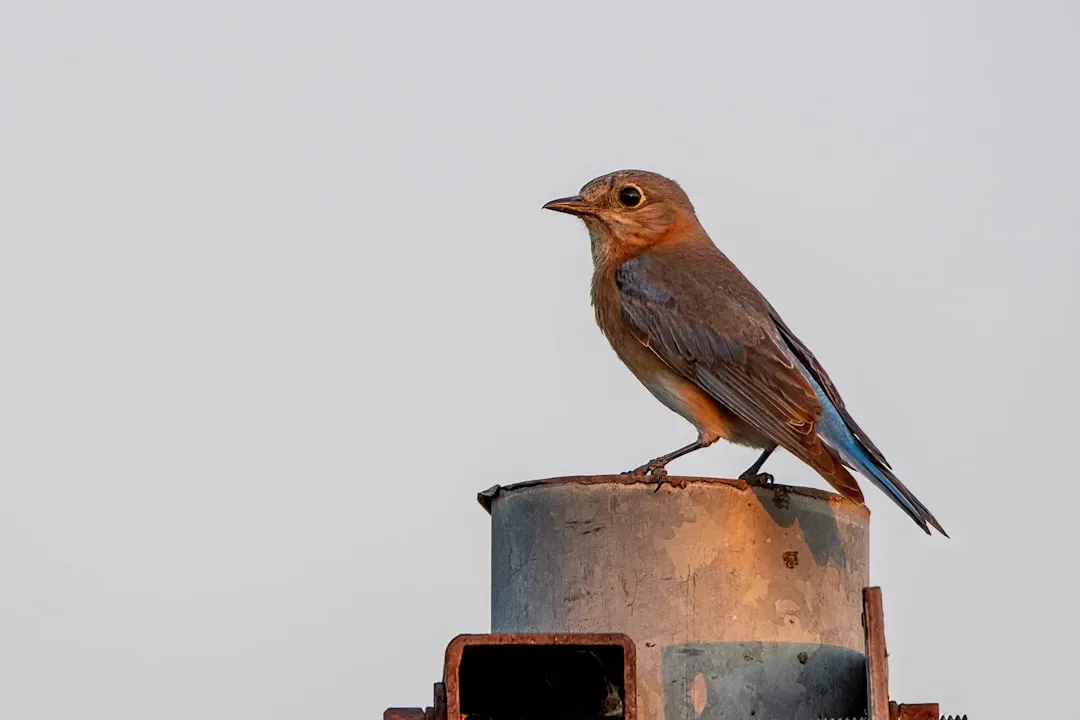
There’s a tendency to think of wildlife as something that exists somewhere else, deeper in the woods, further from the road, well away from the noise. The Midwest keeps quietly proving that wrong. Urban and suburban spaces provide habitat and support migratory pathways and stopovers that link wildlife populations across places. From opportunistic mammals to patient birds of prey, the Midwest’s wild residents have quietly adapted to life alongside us.
Despite shrinking habitat, many animals have not only found a way to adapt in an urban-suburban environment, but to thrive. Coyotes nesting in city parks, beavers rerouting drainage channels, raccoons denning under garden sheds: none of this is accidental. It reflects real behavioral flexibility shaped by pressure and opportunity in equal measure.
The more interesting question isn’t really why these critters are here. It’s whether we’re paying enough attention to notice them. The suburbs of the Midwest are not a gap between the wild and the civilized. For many of these species, they are simply home.
Worried about unexpected vet bills?
Pet insurance can cover thousands in unexpected vet costs. Get a free quote from Lemonade in under 2 minutes.
Get My Free Quote →Sponsored · Opens Lemonade.com

- 10 Strange Sounds Owls Make at Night (And What They Usually Mean) - June 10, 2026
- Why Deer Suddenly Appear More Often During Quiet Evenings - June 10, 2026
- 12 Strange Behaviors Geese Show Before Sudden Weather Changes - June 10, 2026