
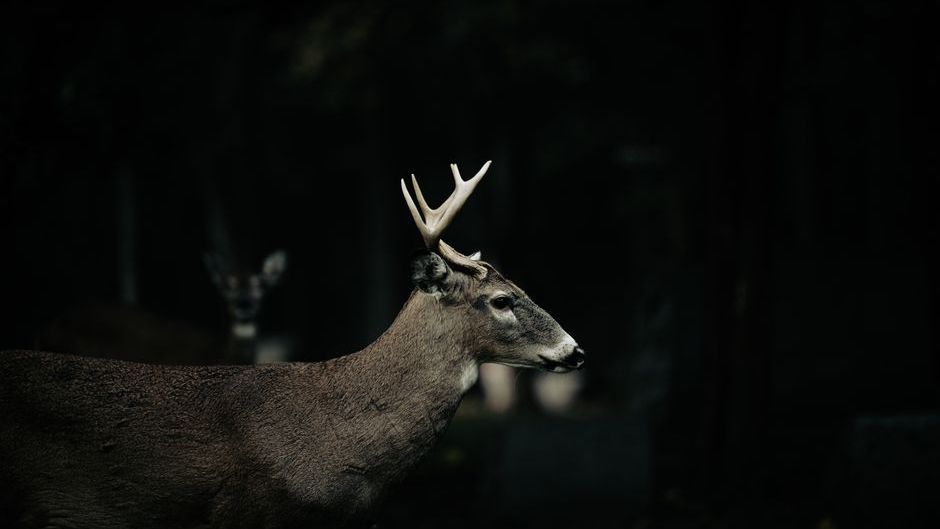
You step onto the porch as the last light fades, and a movement catches your eye at the tree line. A doe and her fawns stand there, heads up, ears flicking, as if they have been waiting for the world to settle. The sight feels almost timed, and it leaves you wondering what changes in those still hours that brings them so close.
Understanding Deer Activity Patterns
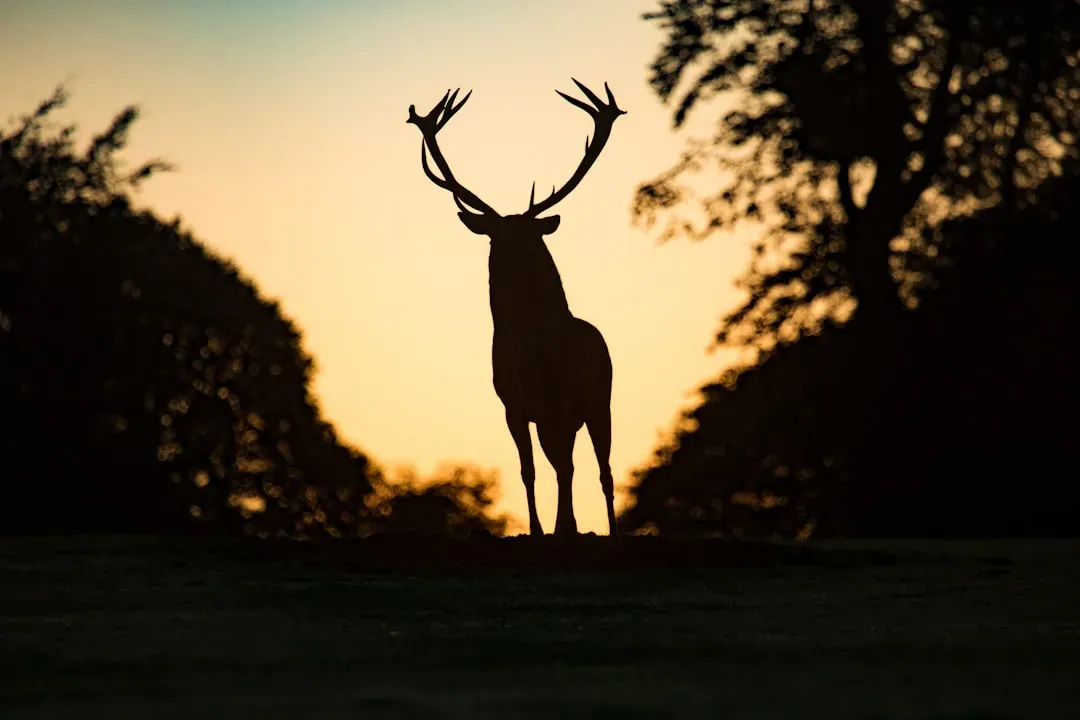
Deer tend to follow rhythms shaped by both their biology and the world around them. They often become active when daylight softens into twilight, a pattern that helps them balance feeding needs with staying safe. This timing aligns closely with quieter periods after people have finished their daily routines.
Many observers notice the shift most clearly once traffic and yard work taper off. The animals move with more confidence once the constant background noise drops. Their senses stay tuned to subtle sounds and scents that stand out in the calm.
The Appeal of Low Light Conditions
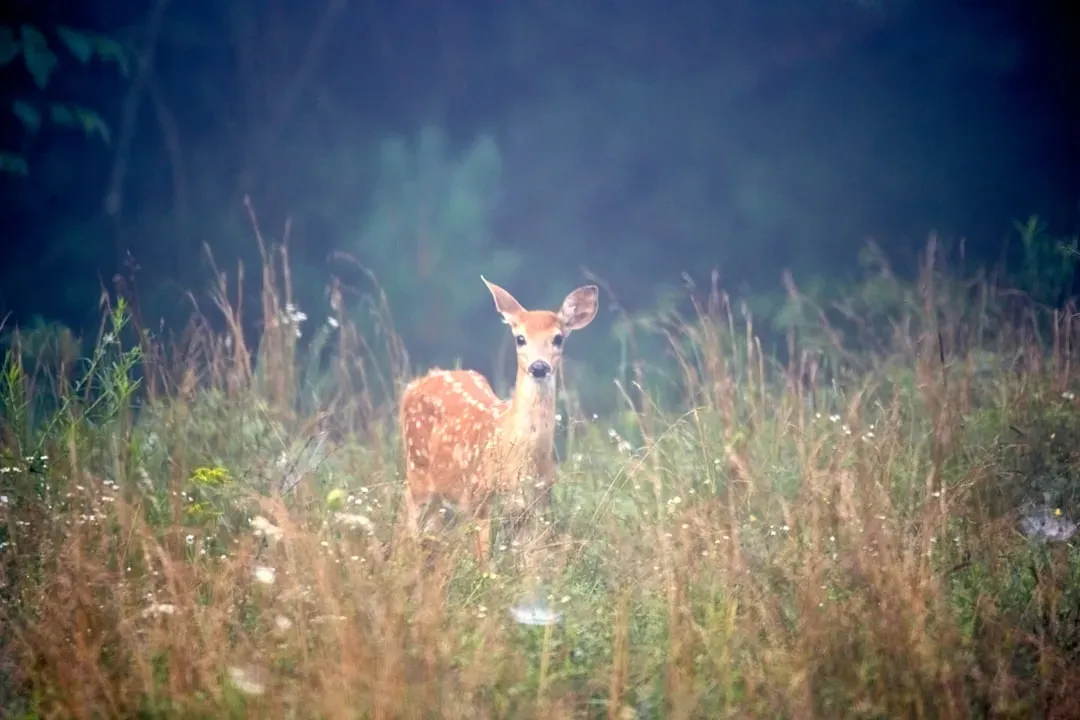
Twilight offers a middle ground where deer can see well enough to navigate while remaining harder for others to spot. Their eyes adjust quickly to the dimmer setting, giving them an edge during these hours. The softer light also reduces harsh shadows that might otherwise reveal their outlines too clearly.
Evening temperatures often cool the air, which can make movement more comfortable after a warm day. This combination of visibility and comfort encourages them to venture farther from cover. The result is sightings that feel sudden to anyone watching from a distance.
Fewer Human Interruptions After Dark
Quiet evenings usually mean fewer cars on nearby roads and less activity in yards or fields. Deer respond to this drop in disturbance by expanding their range into areas they avoid during busier times. The absence of voices, dogs, and machinery lets them focus on grazing rather than constant vigilance.
Even subtle changes, such as lights turning off in homes, signal a safer window. These animals learn quickly which times of day carry the least risk from people. Over repeated evenings the pattern becomes reliable enough that they return to the same spots.
Foraging Opportunities in the Cool Evening Air
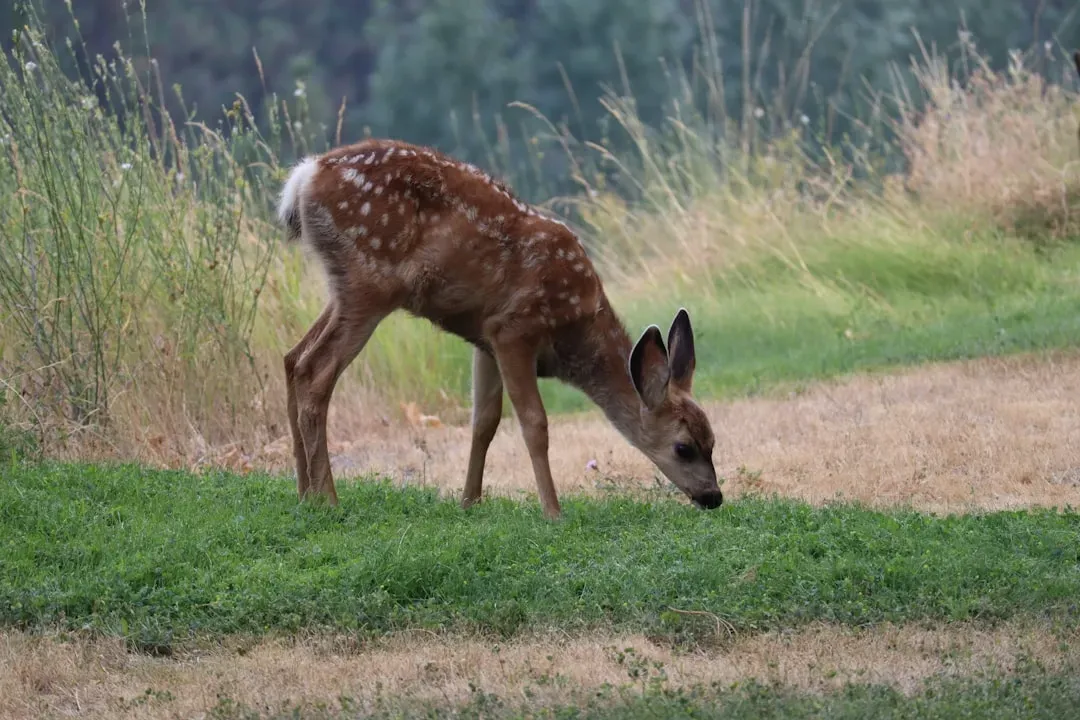
Many plants release more moisture or scent as temperatures fall, which can make them more appealing to deer. The animals take advantage of this window to browse on grasses, leaves, and garden edges that might have been too exposed earlier. Cooler air also helps them conserve energy while moving between feeding spots.
Acorns or fallen fruit become easier to locate once the ground has settled after daytime activity. Deer often follow established trails that lead directly to these resources during the calm hours. The combination of available food and reduced competition draws them out consistently.
Social and Mating Behaviors at Dusk
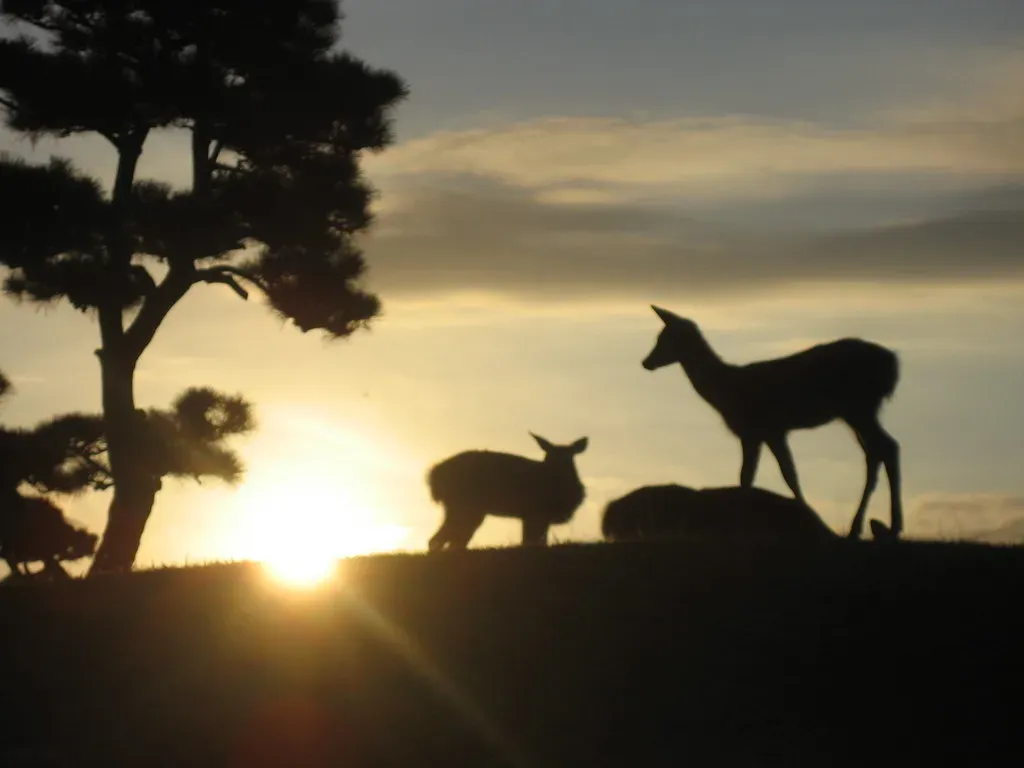
During certain seasons deer gather in small groups that become more visible once the day winds down. Does and fawns stay close together while bucks may move through territories checking for signs of others. These interactions happen more openly when the surroundings feel secure.
The fading light provides cover for these movements without the full darkness that limits vision. Observers sometimes catch brief glimpses of these social exchanges near field edges or forest openings. The timing fits naturally with the animals’ preference for low-disturbance periods.
Safety from Predators During Twilight Hours
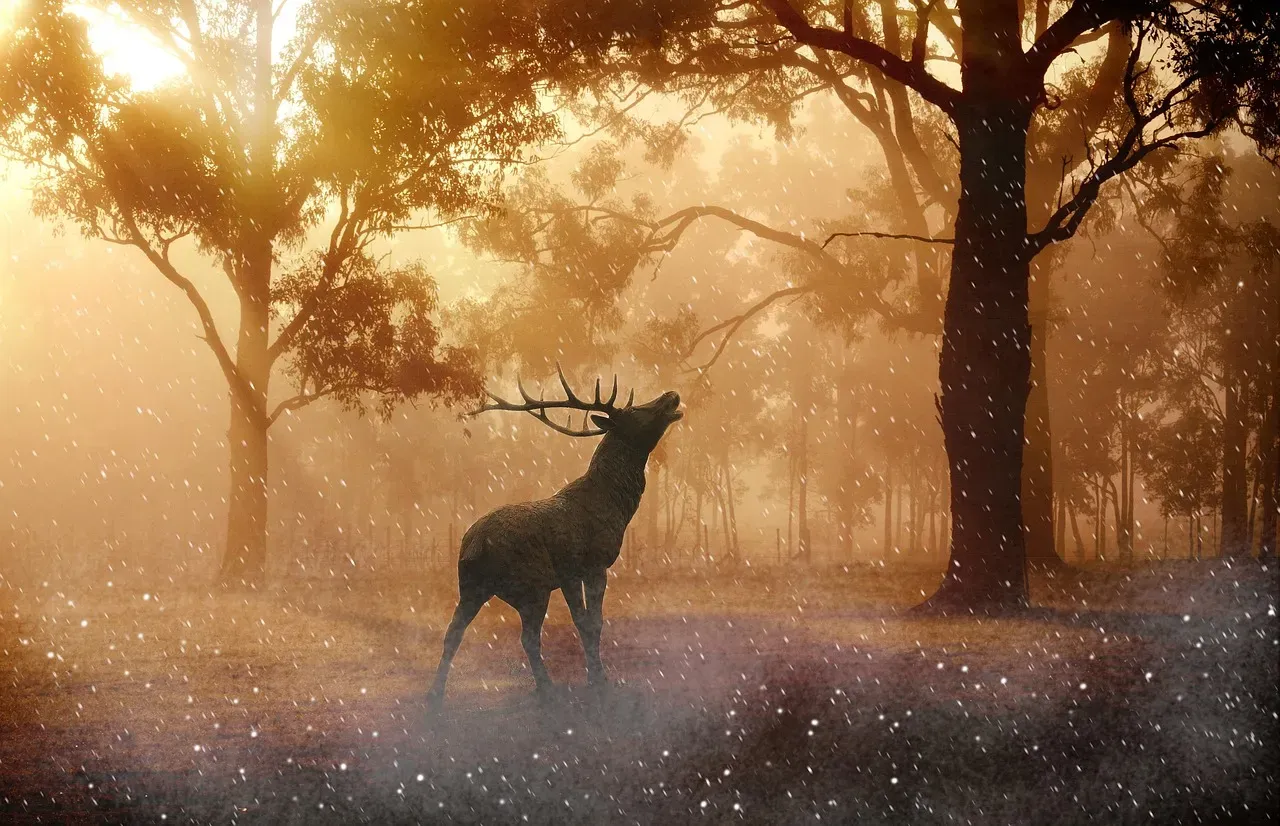
Deer balance the need to feed against the risk of being caught by predators that hunt at night. Twilight gives them enough light to detect threats while still offering concealment from larger animals. This balance often makes the evening hours preferable to full daylight or complete darkness.
Quiet conditions further reduce the chance that a predator will approach undetected. The animals can listen for rustling or other cues that stand out against the stillness. Many sightings occur because deer feel the setting allows them to feed without constant flight responses.
Reflecting on These Evening Encounters
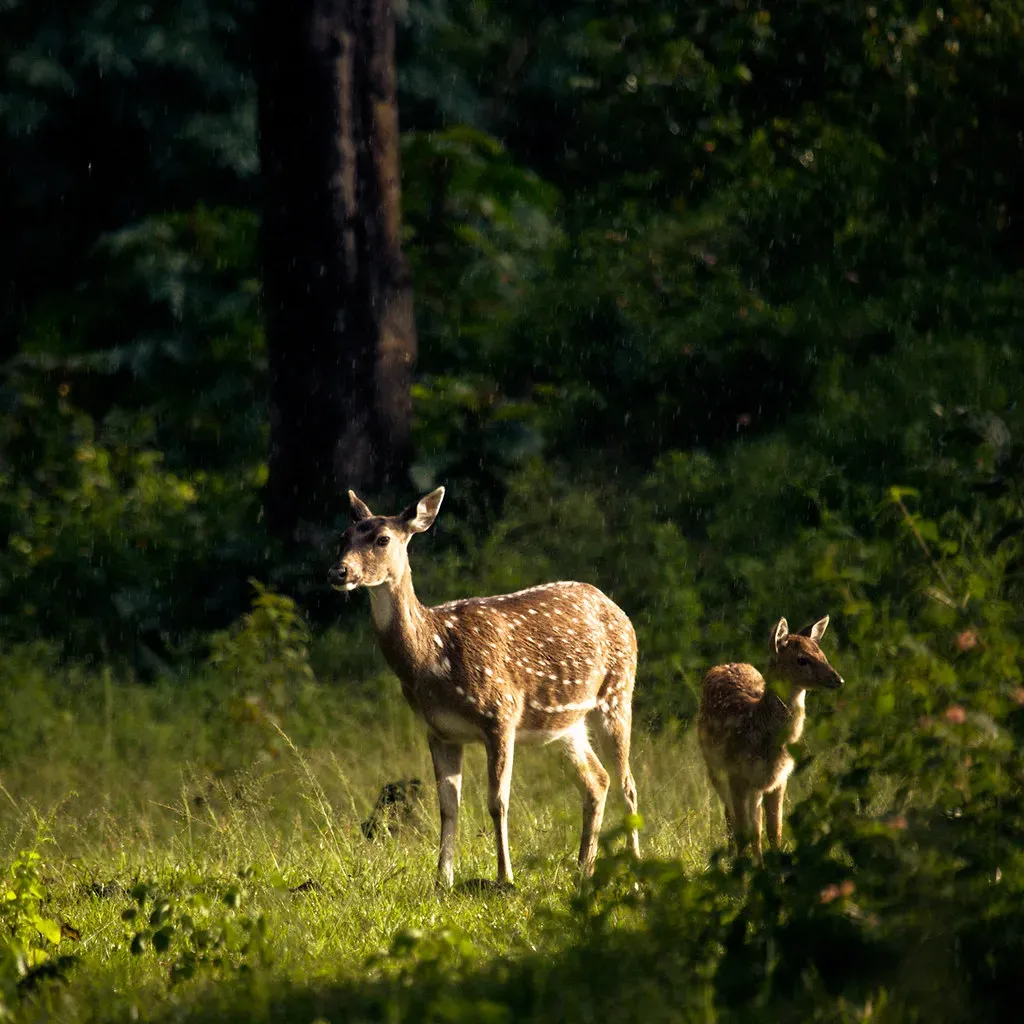
Noticing deer during quiet evenings reminds us how wildlife adapts to the spaces we share. The pattern reflects practical choices about safety, food, and comfort rather than any sudden change in the animals themselves. Paying attention to these rhythms can make future sightings feel less surprising and more expected.
Respecting the calm that draws them out helps keep these moments possible. Small adjustments, such as keeping noise low near natural areas, support the same conditions that benefit both deer and observers. In the end the quiet itself becomes part of what makes the encounter memorable.

- What Makes Wolves Howl at the Moon? - July 26, 2026
- 8 Worst Invasive Animals in the United States - July 26, 2026
- 11 Summer Garden Mistakes Experts Finally Stop Making - July 26, 2026