

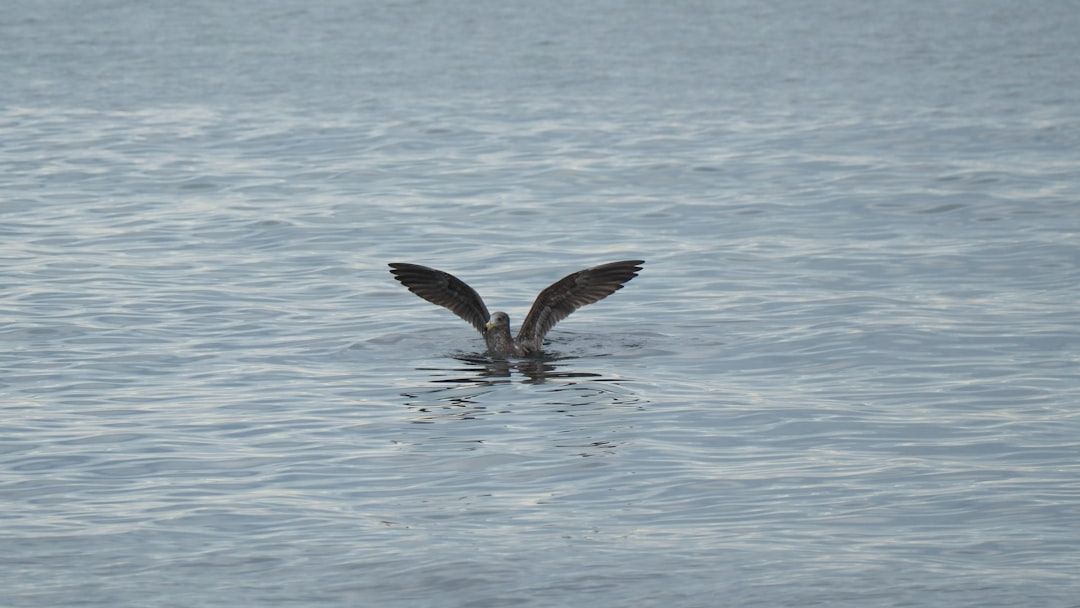
Eastern Australia – Beaches stretching from Queensland to Tasmania have become grim scenes this 2025-26 summer, with increasing numbers of dead shearwaters washing ashore.[1][2] This follows a catastrophic event last year when ocean warming triggered mass starvation among these resilient seabirds. Experts now link the recurring deaths to environmental shifts far beyond typical wildlife challenges, urging closer scrutiny of marine health.
Tough Travelers of the Pacific
Short-tailed and sable shearwaters, known locally as muttonbirds, rank among nature’s most enduring migrants. These seabirds breed on islands off southeastern Australia before embarking on a grueling, non-stop flight exceeding 10,000 kilometers to the Bering Sea near Alaska and Russia.[1] They endure ferocious conditions, including flights through hurricane eyes at altitudes over 4,700 meters amid winds surpassing 200 km per hour.
Specialized adaptations, such as shoulder tendons that harness intense winds, allow them to cover vast distances with minimal energy. These features have enabled shearwaters to thrive for generations. Yet, recent strandings reveal vulnerabilities that storms alone cannot explain.
Why Winds and Migration Fall Short as Explanations
Public and even some agencies often attribute beach-stranded shearwaters to strong winds or migration mishaps. Pelagic seabirds like these rarely near land except to breed or when weakened by illness or hunger, at which point winds may merely deliver them to shore.[1]
The widespread distribution of carcasses, spanning thousands of kilometers, rules out localized weather events. Healthy shearwaters possess the stamina to fast for extended periods, but limits exist. Common misconceptions overlook deeper systemic issues at play in the ocean.
The 2023-24 Heatwave Catastrophe
A intense marine heatwave gripped Australia’s east coast during the 2023-24 southern summer, leading to an estimated 629,000 adult shearwater deaths on beaches.[1][2] For short-tailed shearwaters, this represented roughly 3% of the global population lost in mere weeks. Researchers quantified the toll through new modeling that accounted for underreported cases across vast shorelines.[3]
Emaciated bodies pointed to starvation as the primary killer. Prey scarcity arose as ocean temperatures disrupted food chains, forcing fish and krill to shift locations or depths beyond the birds’ reach. This event echoed prior wrecks, such as the 400,000 Cassin’s auklets that perished off the U.S. Pacific northwest in 2014-15 amid similar warming.[1]
Warming Waters Accelerate the Crisis
Australia’s east coast oceans warm at a rate significantly exceeding the global average, funneling excess heat from climate change into marine ecosystems.[1] Marine heatwaves, now more frequent and severe, compound the pressure. Over 90% of trapped planetary heat absorbs into the seas, altering habitats faster than many species can adapt.
Shearwaters serve as ocean sentinels; thriving populations signal robust seas, while mass die-offs warn of decline. Overseas studies corroborate the pattern, tying seabird losses to warming.[1] This summer’s uptick in strandings suggests ongoing pressures persist, with no quick reversal in sight.
What matters now: Marine heatwaves strike more often, threatening biodiversity hotspots like Australia’s coasts. Shearwater declines highlight the need for sustained ocean monitoring and emission reductions.
These birds’ plight underscores a broader marine crisis where gradual warming meets sudden extremes. As oceans continue to heat, expect more such indicators of imbalance. Protecting these sentinels demands global action to curb the root causes.

- Urban Coyotes Show Remarkable Adaptability, Learning to Thrive in City Environments - July 22, 2026
- Beavers Are Nature’s Engineers, Creating Vital Habitats for Other Wildlife Species - July 21, 2026
- The Recovery of the California Condor Offers Hope for Other Critically Endangered Birds - July 21, 2026