
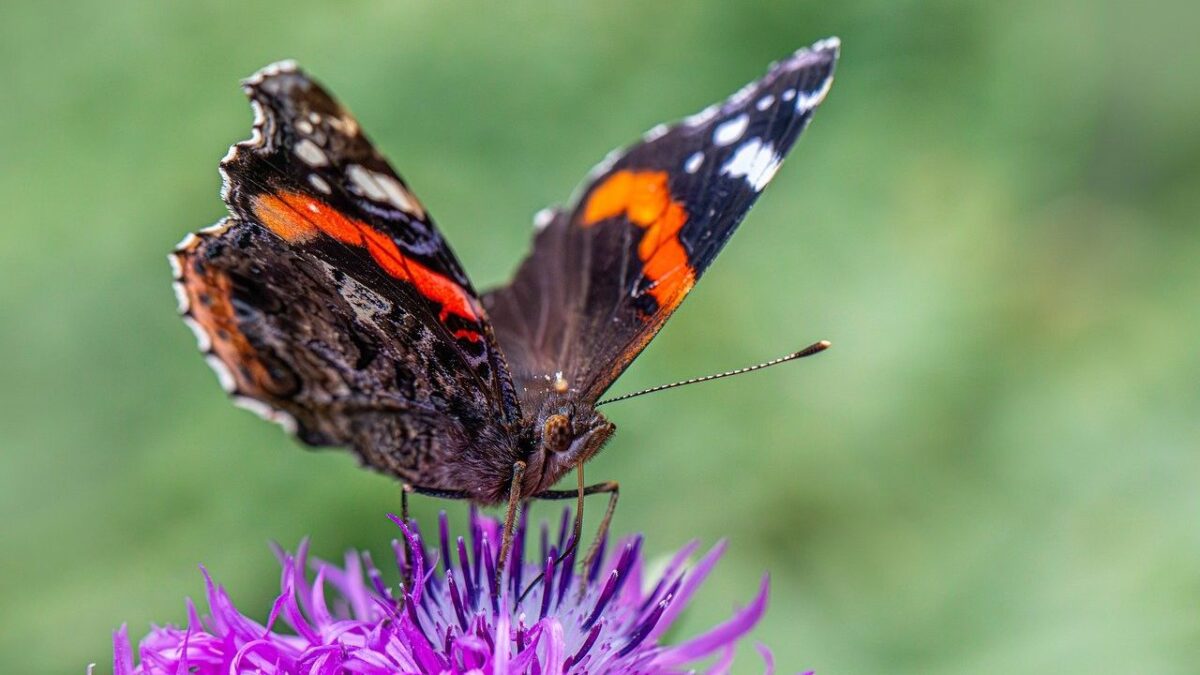
There’s something telling about the way most garden centers are laid out. You walk in looking for butterfly plants, and you’re greeted by rows of brightly labeled cultivars and non-native varieties, all promising pollinators. The problem is, butterflies aren’t fooled by clever packaging.
Native plants are best because butterflies have adapted to using them over thousands of years. That deep, co-evolved relationship is something no hybrid or imported ornamental can replicate. While non-native flowering shrubs may provide some nectar for butterflies when in bloom, they’re not host plants for any North American butterflies. Think of them like soda for butterflies: a sweet treat for adults, but without the food or habitat of a true host plant.
The shrubs on this list are different. They serve butterflies at every stage of life, from egg to caterpillar to adult. Some host dozens of species. Others provide shelter, overwintering sites, and late-season nectar when almost nothing else is blooming.
Spicebush (Lindera benzoin)
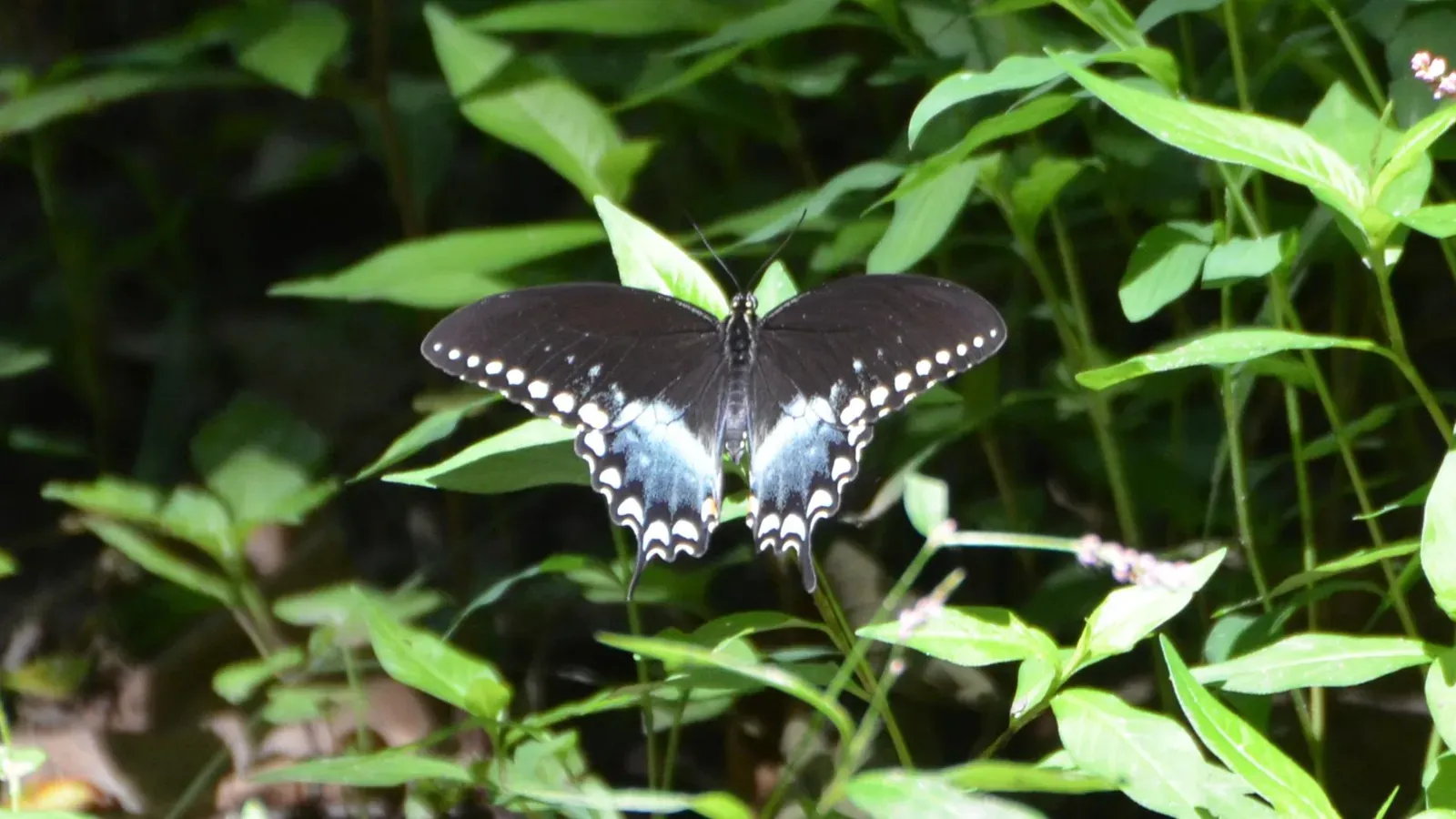
Native across the eastern U.S. and in parts of the Midwest, spicebush is so attractive to butterflies that it lends its name to the spicebush swallowtail, which uses it as a host plant. That relationship is about as close as it gets in the plant-insect world.
This shrub is the host plant for the spectacular spicebush swallowtail, a large black butterfly with iridescent blue patches on its lower wings, and the larvae eat the leaves, rolling them around their bodies for protection. Other species that love this deciduous shrub include the eastern tiger swallowtail and the promethea silkmoth.
Buttonbush (Cephalanthus occidentalis)
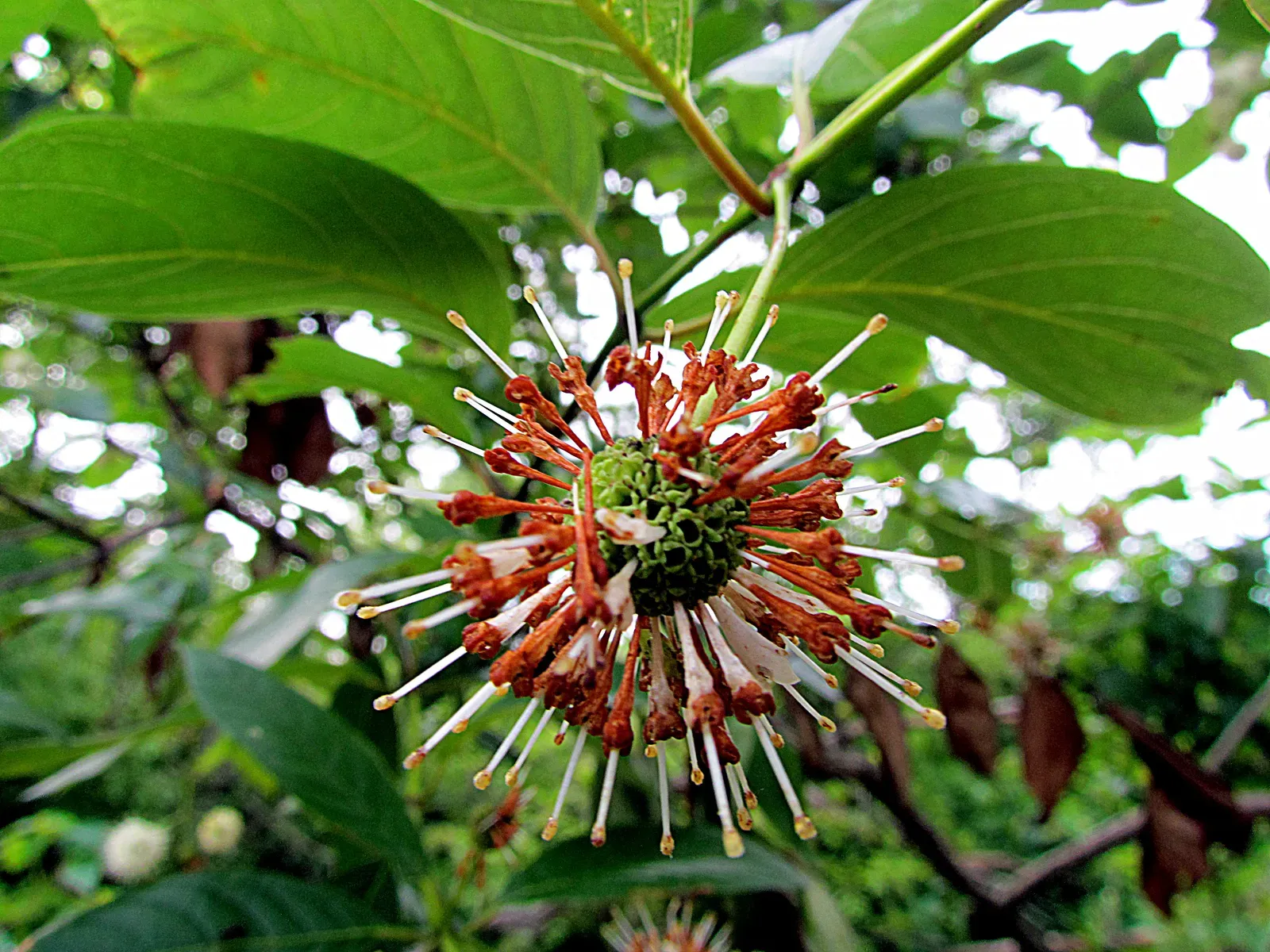
Buttonbush has one of the most unique flowers of any shrub, and butterflies think so too. Skippers, monarchs, and virtually any butterflies that happen to be passing by love the white flowers. It blooms in midsummer, right when butterfly activity peaks.
In addition to its appeal for butterflies, buttonbush also serves as a host plant for some of the largest and showiest moths, including the titan sphinx and the hydrangea sphinx. Between the showy blooms, glossy green leaves, fall color, and red “buttons,” buttonbush is a four-season beauty.
Ninebark (Physocarpus opulifolius)
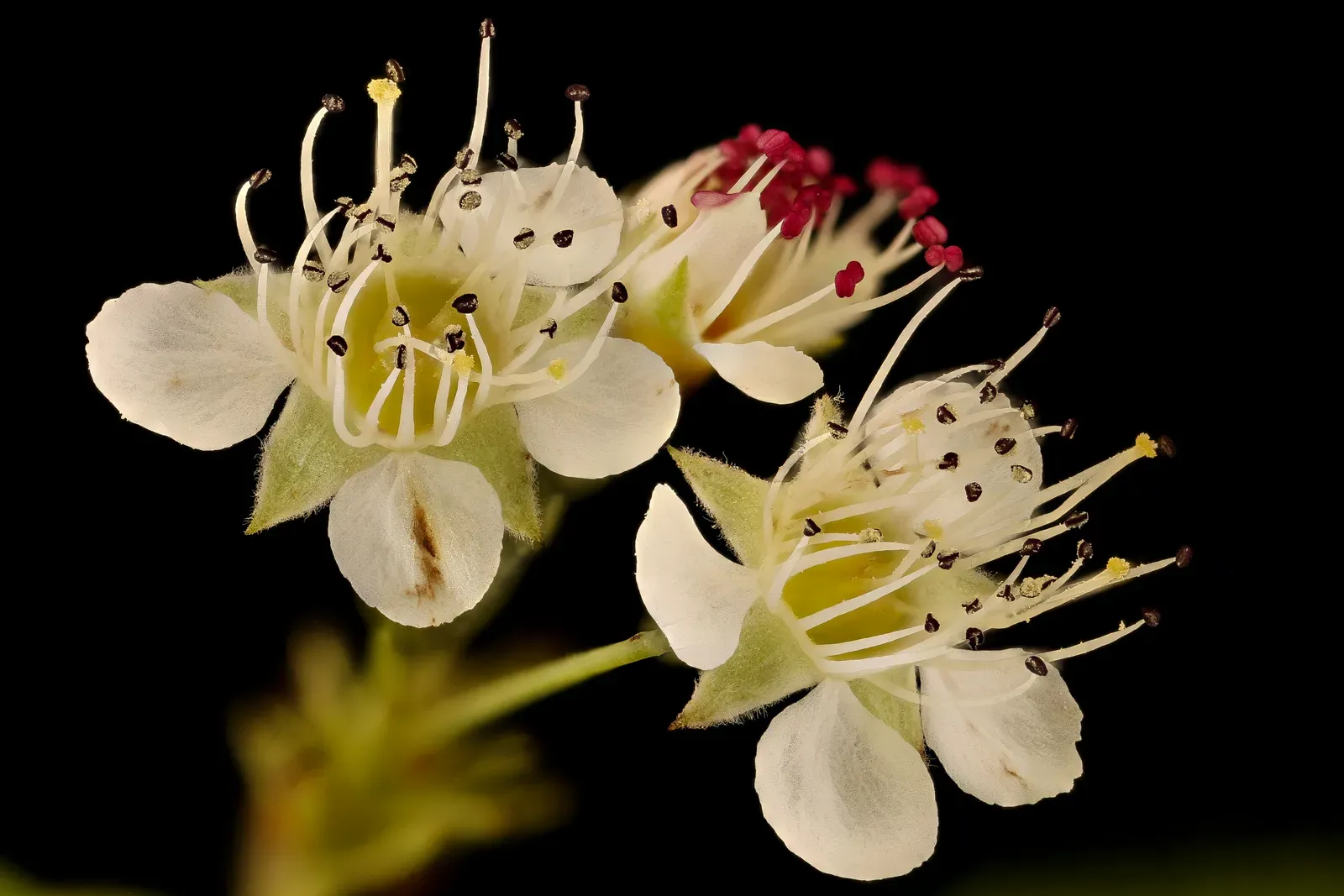
Ninebark is tolerant of various soil types, grows well in sun or partial shade, and is adaptable to drought. Clusters of white flowers are produced in late spring and are visited by an assortment of pollinators. Few native shrubs are this forgiving.
Its flowers provide nectar and pollen for native bees, butterflies, and flies, contributing to pollinator diversity in your yard. The shrub is also a host plant for numerous moth and butterfly species, with caterpillars that become crucial food for nesting songbirds. It’s the kind of plant that quietly holds an entire food web together.
Shrub Dogwoods (Cornus spp.)
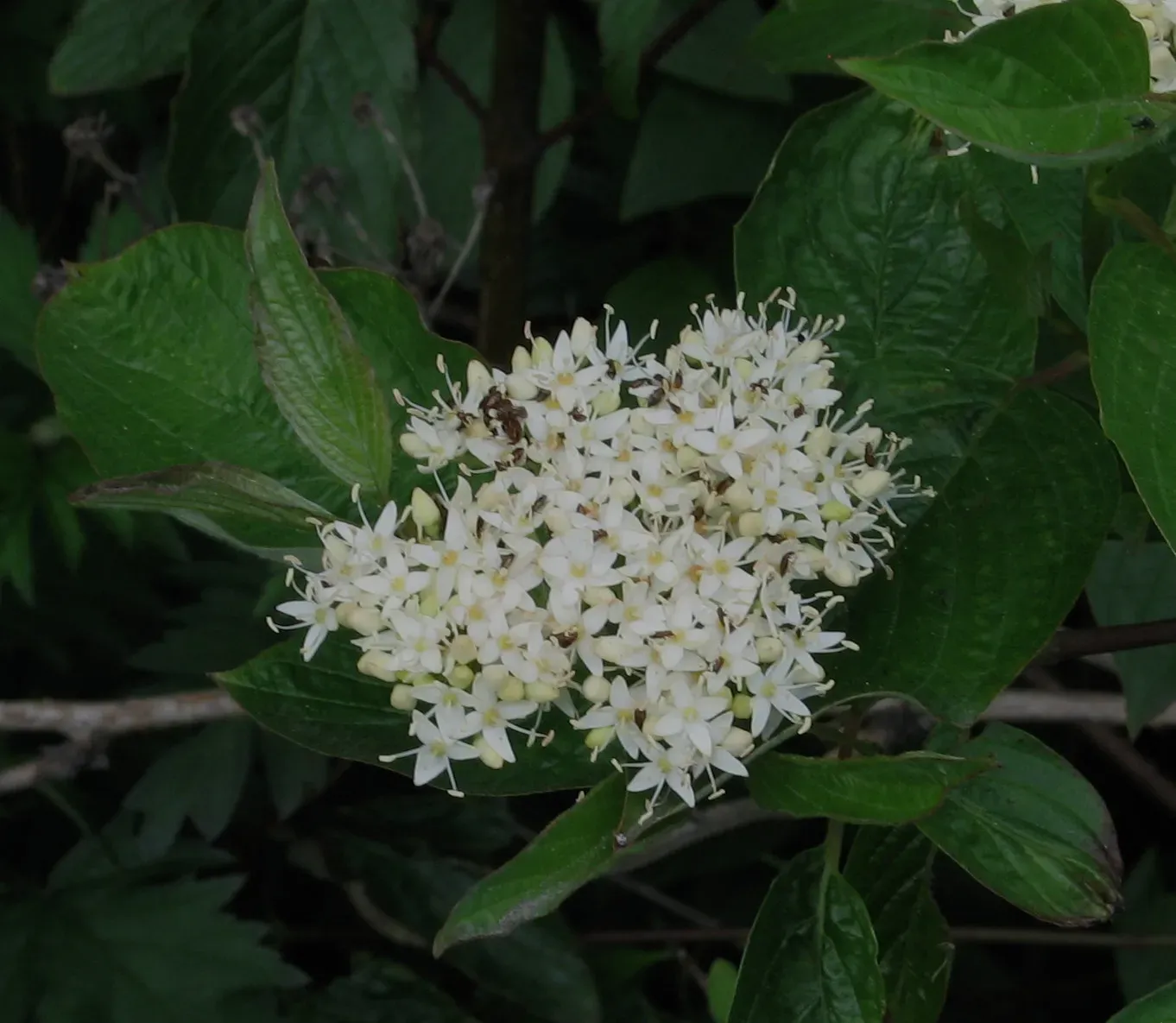
Shrub dogwoods are excellent, adaptable shrubs suitable for many growing sites. They can be used in hedges, mixed plantings, or as individual specimens, and their flowers and fruit provide food for birds, mammals, bees, and other pollinators.
Dogwoods are the larval host for about 100 moth and butterfly species, including the spring azure butterfly. That number alone puts most garden center shrubs to shame. The smaller fruit of red-osier and gray dogwood are very attractive to songbirds, especially when grown in clumps.
Black Chokeberry (Aronia melanocarpa)
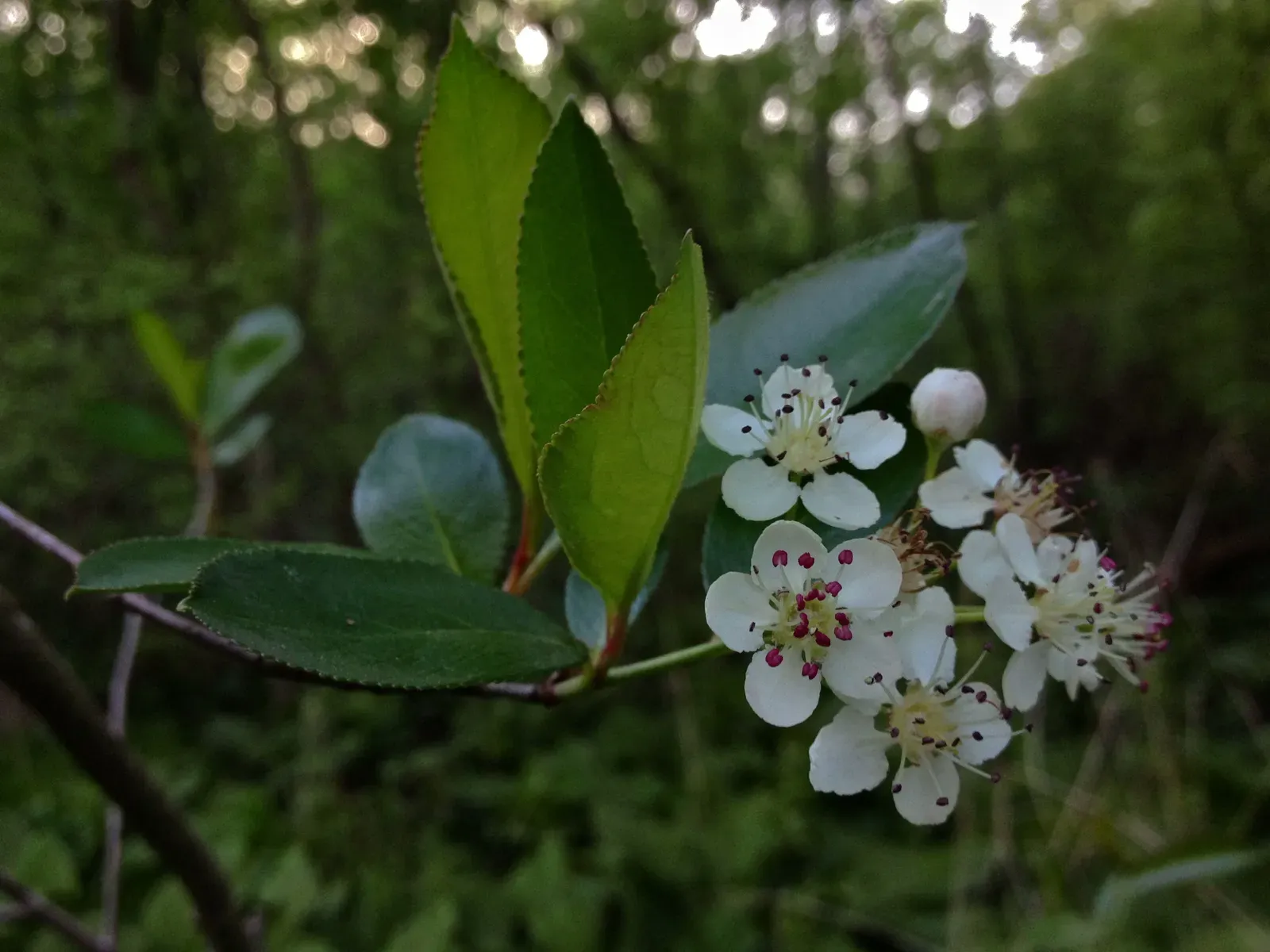
Chokeberries provide food for bees, birds, mammals, and about two dozen caterpillar species. Despite their unassuming appearance in early spring, these shrubs punch well above their weight for wildlife value. Plant chokeberries in full sun for best flower and fruit production.
Bees and other pollinators love the spring blooms on native chokeberry, and in late winter the berries offer birds and other wildlife a survival food source. Chokeberry does well in natural areas of the yard or as erosion control, can handle part shade but fruits better in full sun, and also has good fall color.
Elderberry (Sambucus canadensis)
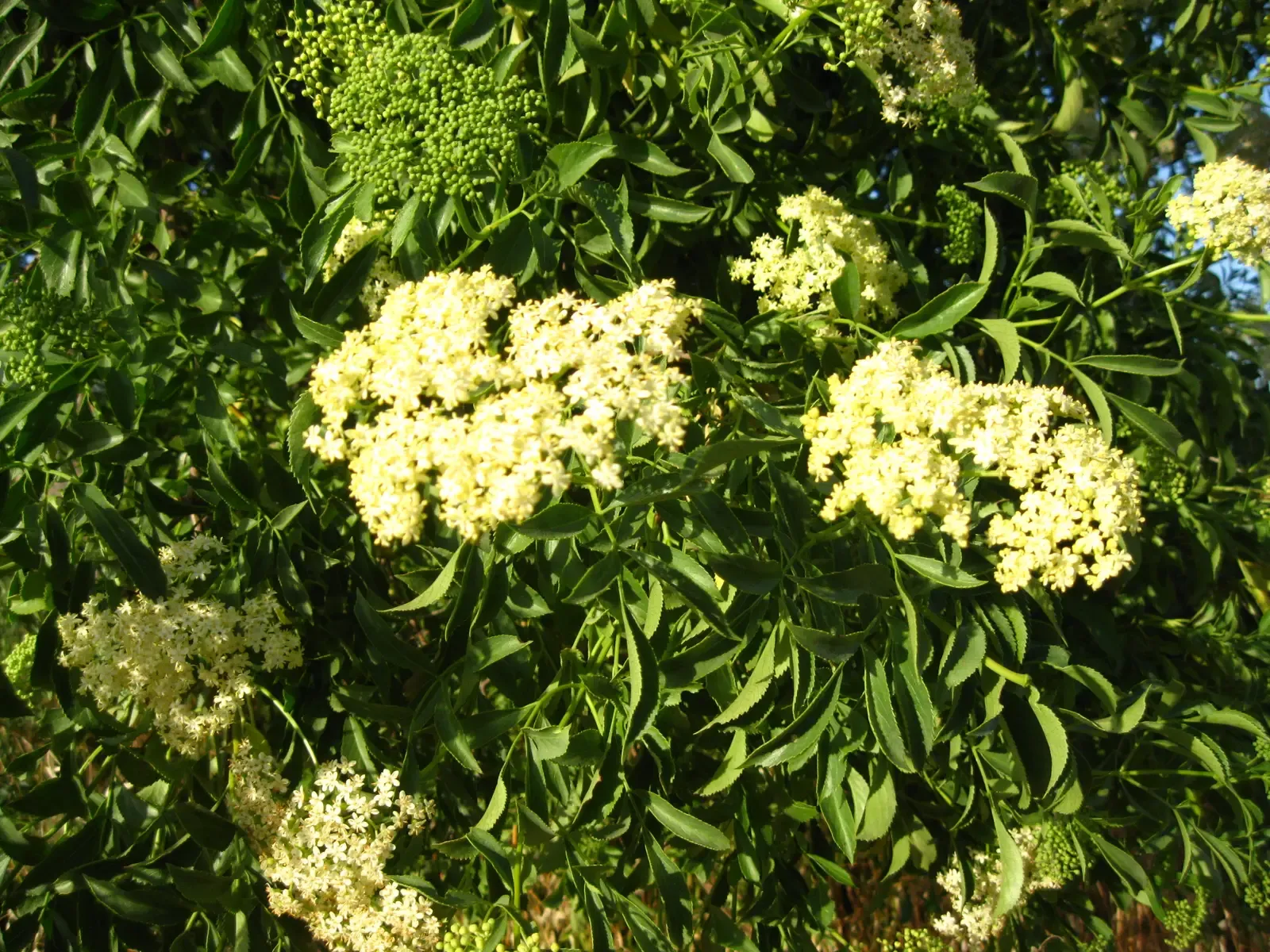
Flat-topped clusters of creamy white flowers in spring attract pollinators seeking pollen, and solitary tunnel-nesting bees use cut or broken stems. The sheer size of an elderberry in full bloom is a sight worth waiting for.
Elderberry leaves are used as a caterpillar host plant by more than two dozen moths, including polyphemus and cecropia moths. The fruit is eaten by an assortment of birds and mammals and is often used in jelly, pies, and wine. It’s generous to both wildlife and the gardener.
Ceanothus / Wild Lilac (Ceanothus spp.)
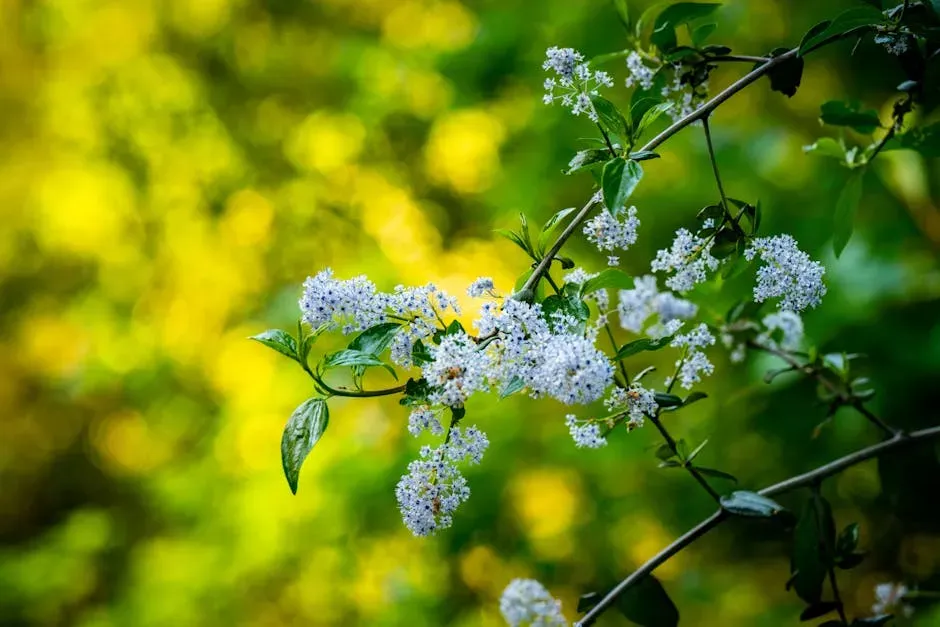
Wild lilac or blue blossom shrubs, Ceanothus species, may get the prize for most butterfly species hosted: pale swallowtail, California tortoiseshell, hedgerow hairstreak, brown elfin, echo blue and spring azure all use it. For West Coast gardeners, this is arguably the single most valuable shrub you can plant.
The majestic ceanothus silk moth is as showy as a butterfly, and its host plants are wild lilac and coffeeberry. These shrubs also bloom prolifically and require little water once established, making them well-suited to dry western gardens and drought-prone landscapes.
Serviceberry (Amelanchier spp.)
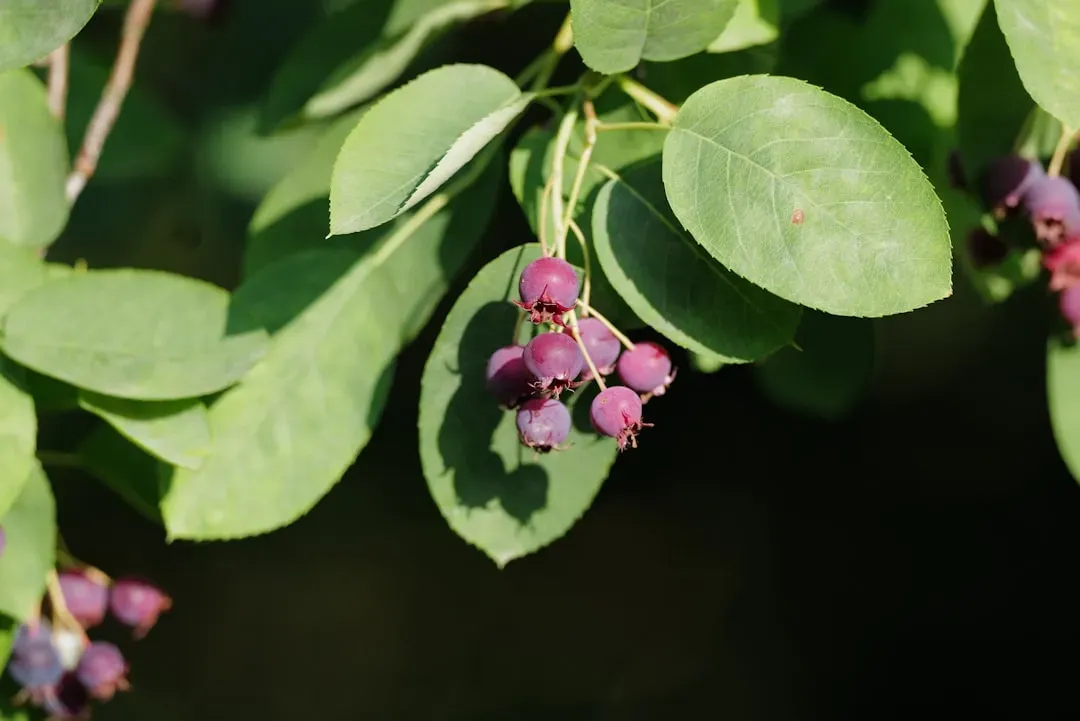
True to its name, serviceberry is a beneficial addition to any butterfly garden. With around 20 varieties native across most of the country, it provides both food and shelter for striped hairstreak and red-spotted purple butterflies, as well as blinded sphinx and small-eyed sphinx moths.
The edible berries of this large shrub or small tree are delicious for humans and songbirds. Serviceberry typically grows 10 to 25 feet high and blooms with delicate white flowers in clusters from March through April, with red berries ripening in June. It’s one of the few native shrubs that rewards everyone.
New Jersey Tea (Ceanothus americanus)
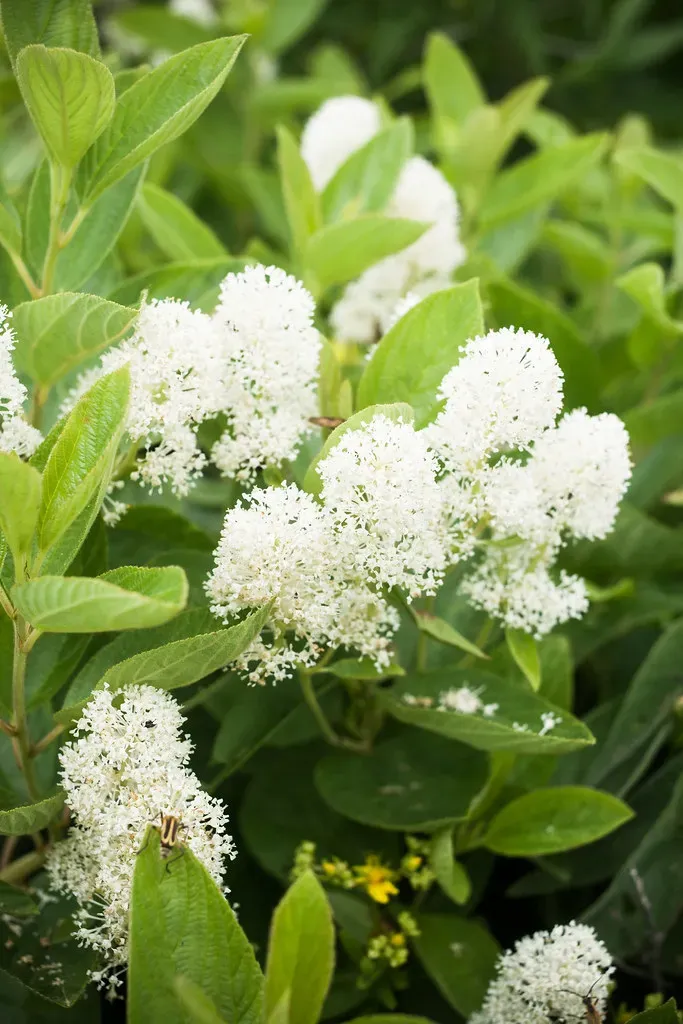
New Jersey Tea is native to eastern North America, where it was sometimes used as a tea substitute during Revolutionary War years. It throws deep roots, making it drought-tolerant but hard to transplant. Give this low-growing summer bloomer well-drained soil in full sun to part shade.
The leaves of the New Jersey tea shrub offer food for spring azure butterflies, and their flowers look like white lilac-like orbs. Compact enough for smaller yards yet ecologically robust, it’s a strong candidate for gardeners who want high wildlife value without sacrificing space.
Virginia Sweetspire (Itea virginica)
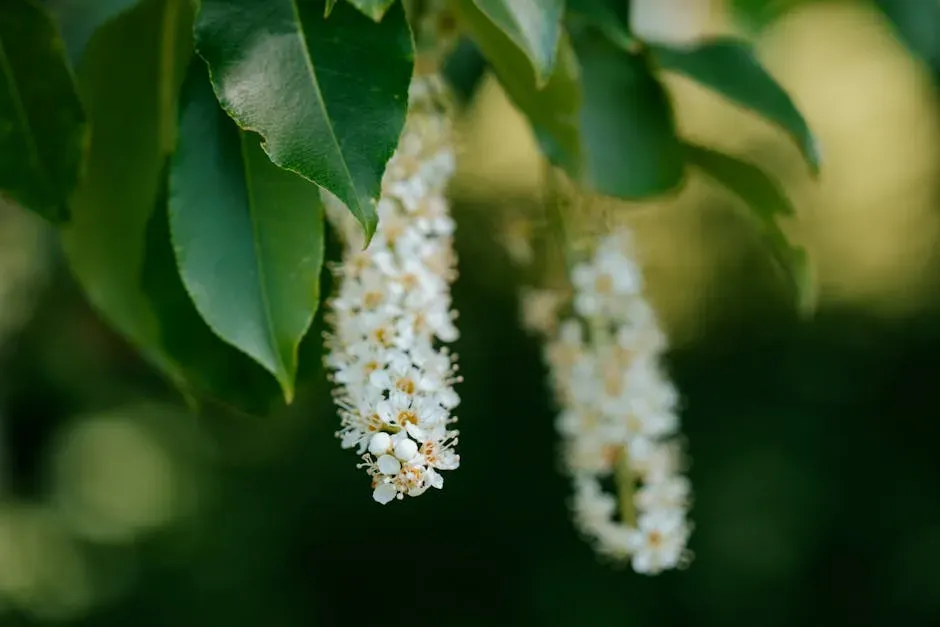
Virginia sweetspire boasts drooping spires of tiny white flowers that open from base to tip over days or weeks. For best flowering, give it full sun for at least part of the day, and the flower spires are at their peak in May and June, excellent for early butterflies.
This North American native loves wet soil and produces drooping spires of tiny white flowers. For best flowering, give it full sun for at least part of the day. Sweetspire is best grown in massed plantings, as it tends to look a little weedy when grown singly. Plant it in drifts and the result is genuinely impressive.
Summersweet (Clethra alnifolia)
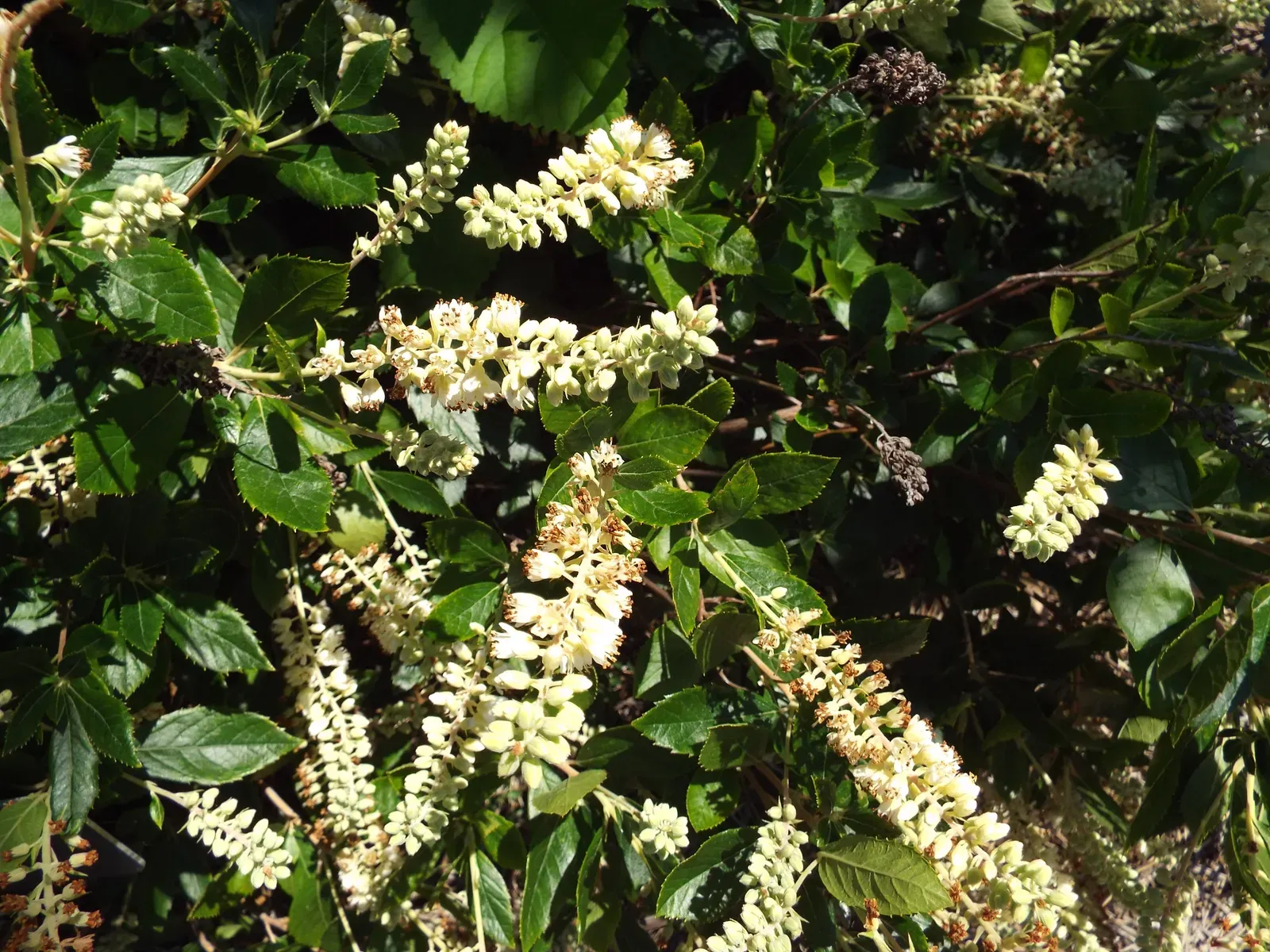
If you’ve got a spot in your yard that stays consistently moist, summersweet is the answer. This flowering shrub needs lots of moisture to thrive, grows in any light condition, and the long flower spikes called panicles are covered with sweet white blooms in late summer, even if grown in shade.
Summersweet is native to eastern North America, making it an excellent choice for native butterfly gardens in those areas. Its late-summer bloom window is particularly valuable, filling a gap when many other shrubs have finished flowering and migrating butterflies still need fuel.
Fothergilla (Fothergilla spp.)
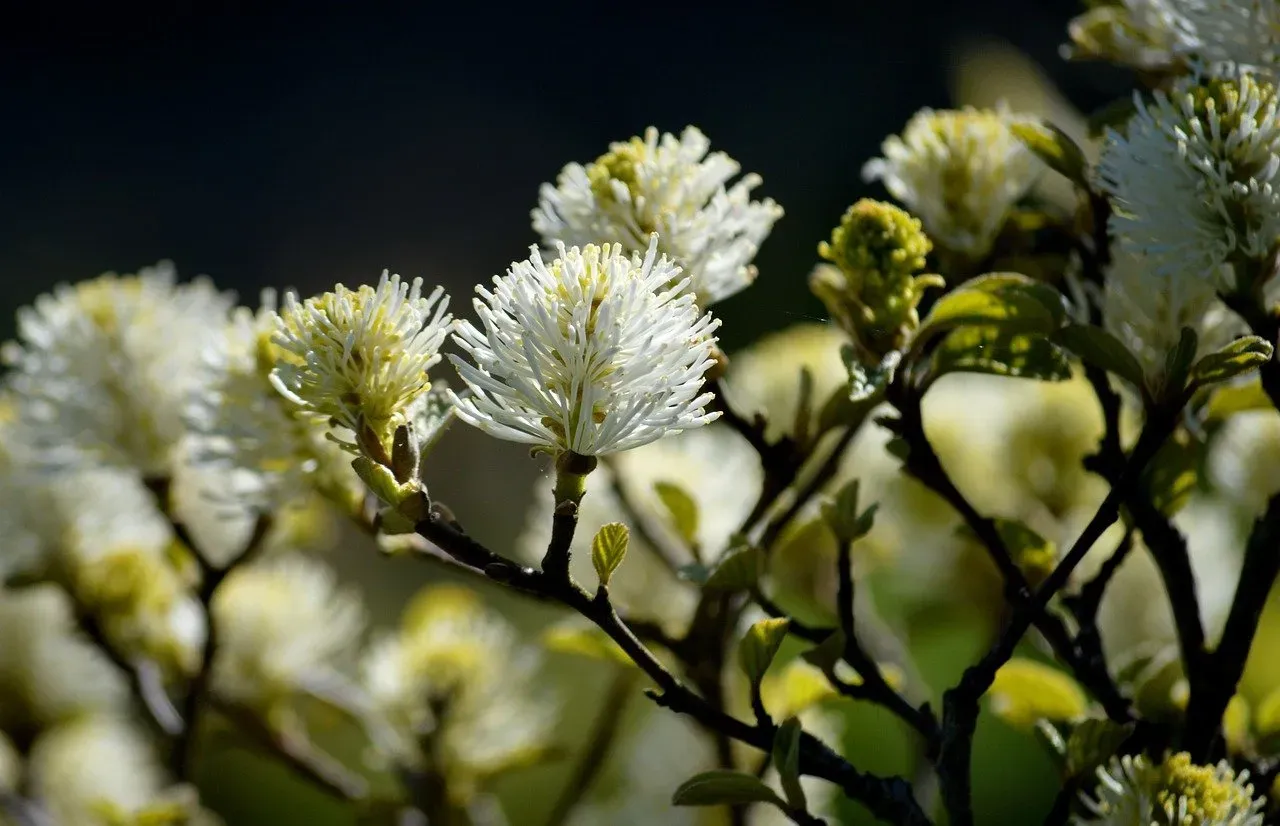
Native fothergilla shrubs have an unusual fan-shaped leaf in a dusty sage green that changes to a fiery yellow-orange in fall. This alone makes them a wonderful choice for a landscape design, and they are also wildlife friendly. The white, bottle brush-like flowers have a light honey scent and attract pollinators and bees.
Fothergilla is one of the underrated gems of the native shrub world. It delivers three distinct seasons of interest, from its honeyscented spring blooms to its layered summer foliage to that blazing autumn color. Butterflies and bees visit the flowers readily, making this a quiet but consistent performer in any wildlife-friendly yard.
Native Azalea (Rhododendron spp.)
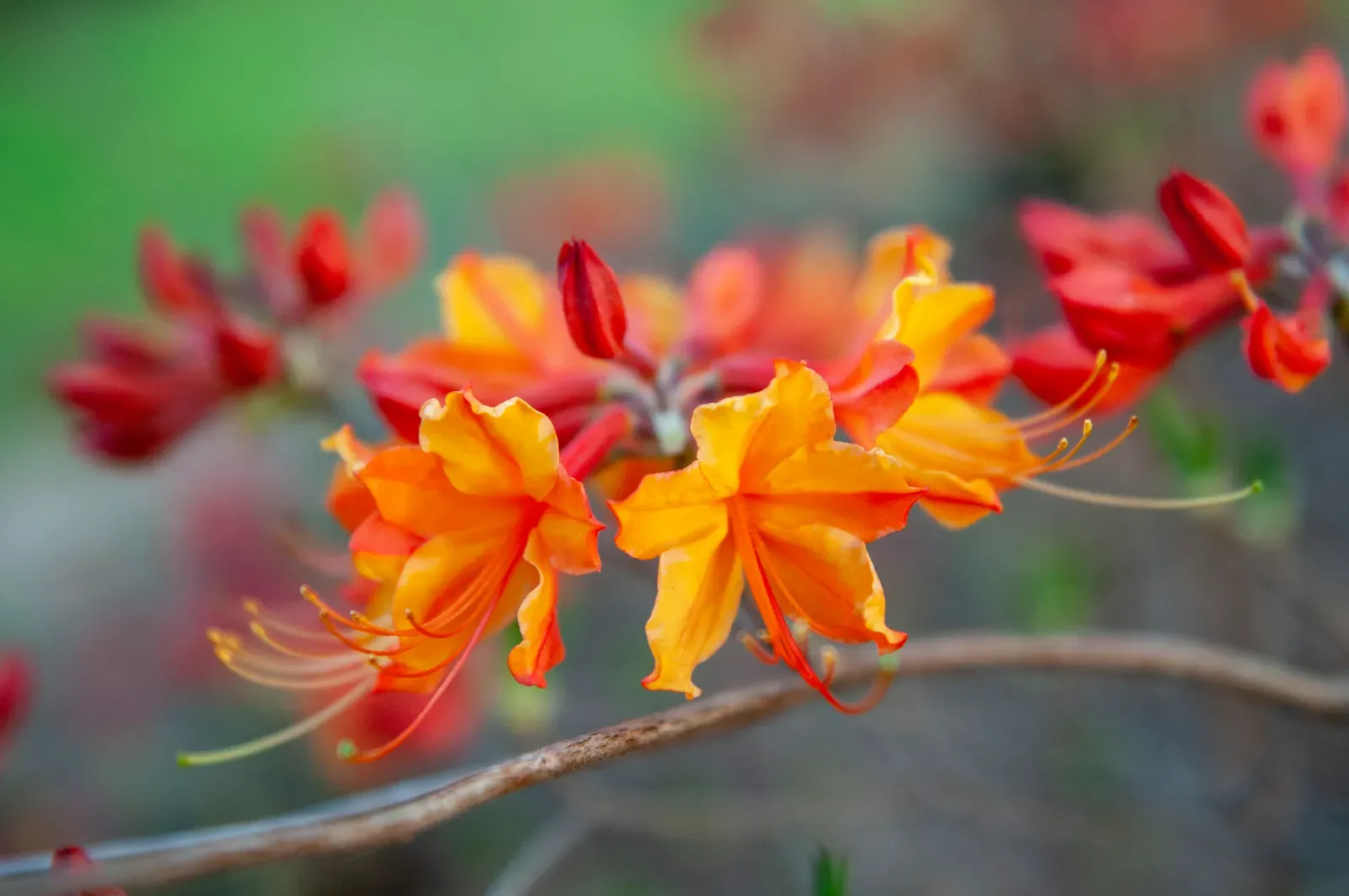
The large flowers of native azaleas lure key pollinators, including the showy great spangled fritillary and eastern tiger swallowtail. Other swallowtails, including palamedes, also frequent azalea. Few spring shrubs put on a display quite like these.
Each spring, clusters of small white blooms can cloak native viburnums and azaleas with an intoxicating aroma, luring Baltimore checkerspot butterflies from far afield. These colorful butterflies are named for the orange and white patterning on deep black wings. The combination of fragrance and floral structure makes native azaleas especially effective at drawing a wide range of butterfly species.
Fragrant Sumac (Rhus aromatica)
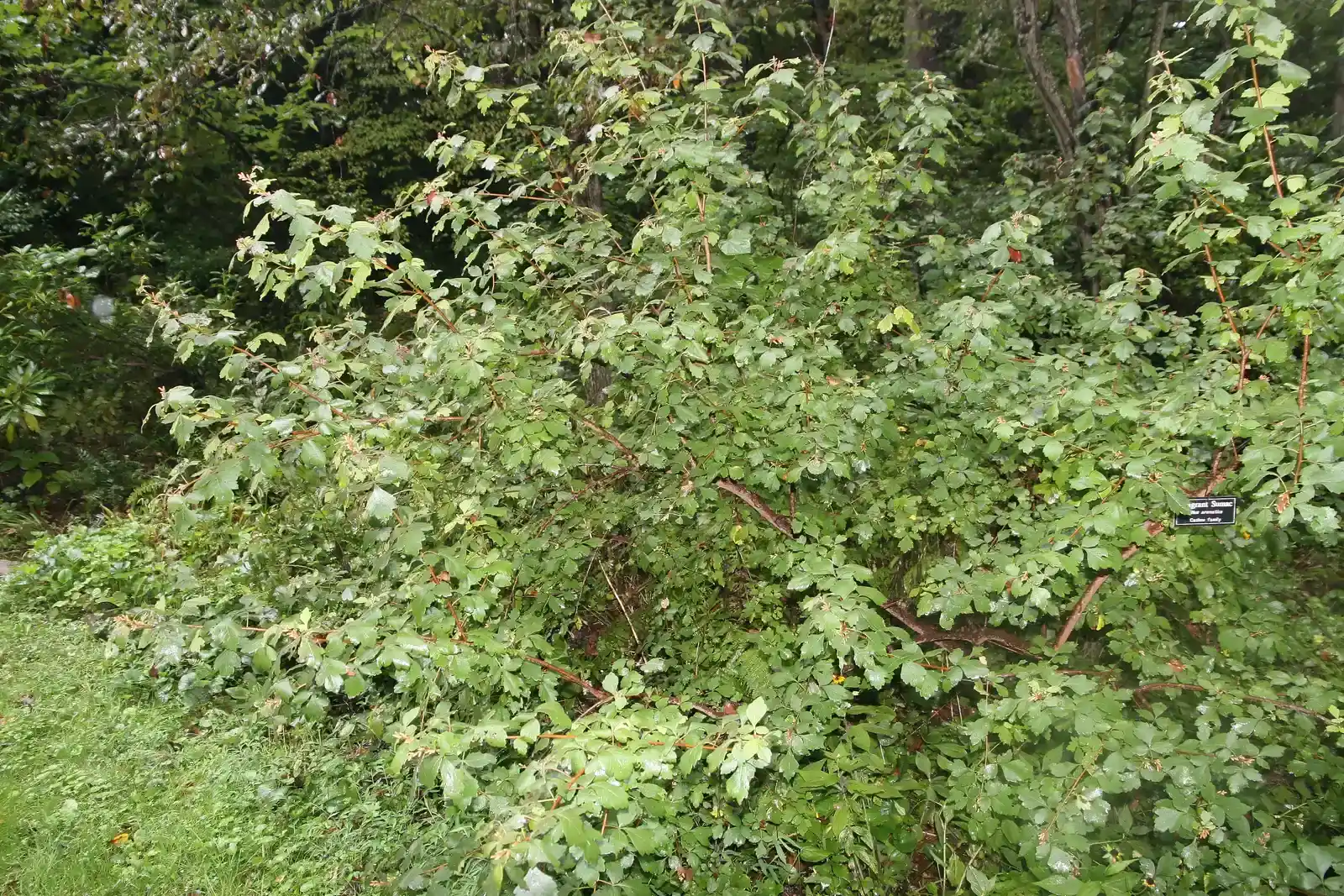
When creating a garden to attract bees, butterflies, and other pollinating insects, shrubs are an important design element. Shrubs have a larger size than perennials, so they offer a larger supply of nectar and pollen, and they also provide shelter and permanent branches for caterpillars to build cocoons on and hiding places from predators. Fragrant sumac embodies all of this.
This low-growing native is tough, reliable, and often overlooked in favor of showier options. It spreads gradually to form dense, wildlife-friendly thickets and blooms in early spring with small yellow flowers that offer early-season nectar when butterflies first emerge. Native plants are often the best pick for a butterfly garden since native pollinators prefer native plants, because this is what they have survived on all along.
Conclusion: Plant for the Whole Lifecycle, Not Just the Visit
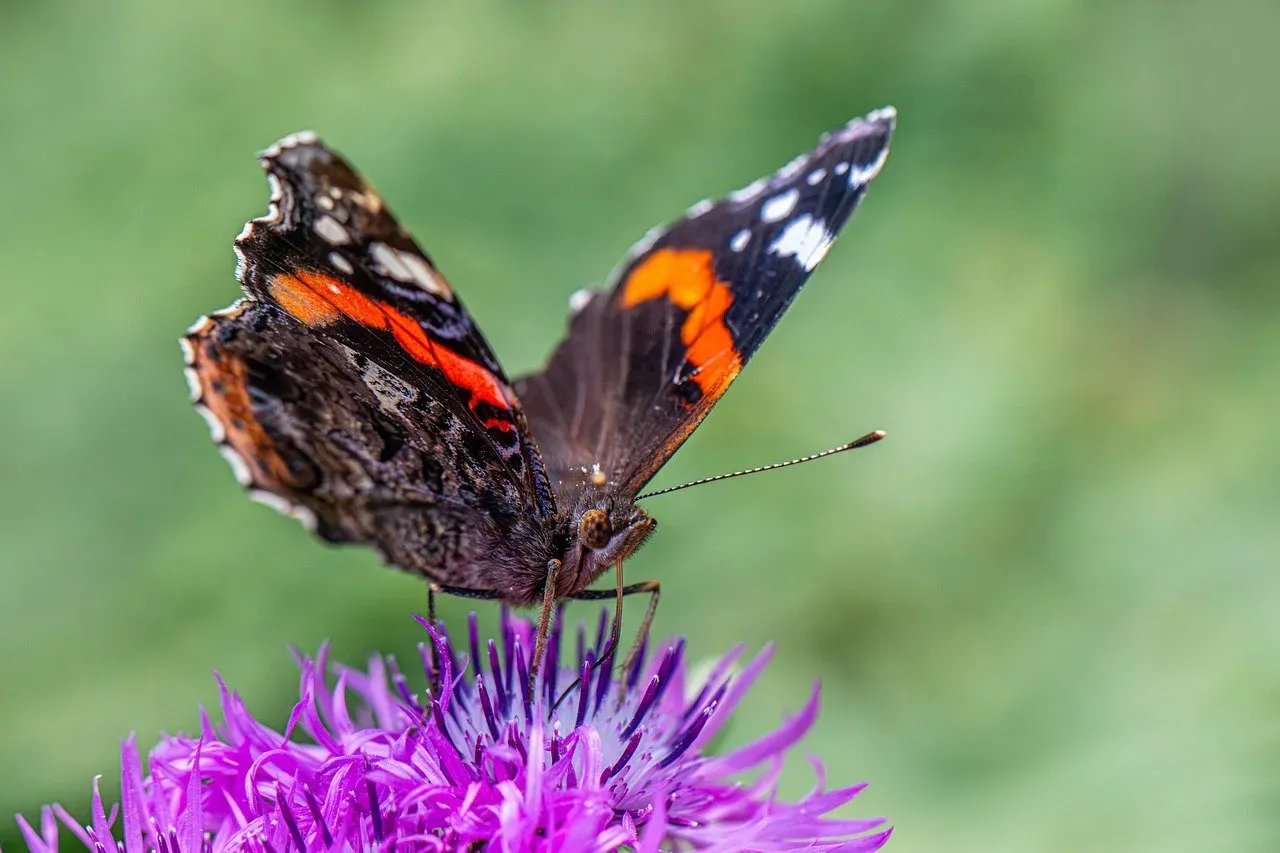
Butterflies bring joy to any garden, but you need nectar plants to feed the adults and host plants to feed the young caterpillars. That’s the core insight most garden center displays miss entirely. A bed of pretty annuals might attract a passing visit, but it rarely sustains a breeding population.
Wildlife evolved alongside the native plants in your region and use those natives as food, shelter and a place to raise their young. As a result, nearly every living creature on the planet relies on native plants for survival. They are the foundation of local food webs, giving butterflies, birds and other wildlife what they need to survive.
The difference between a garden that attracts butterflies and a garden that truly supports them comes down to one question: can a caterpillar complete its life cycle here? When choosing plants, be sure to include local genetic stock, as local butterflies are best adapted to local plants. Our gardens can never replace lost wild habitats, but we can help in a meaningful way to sustain our native butterflies, while surrounding ourselves with beauty. That’s not a small thing.
