
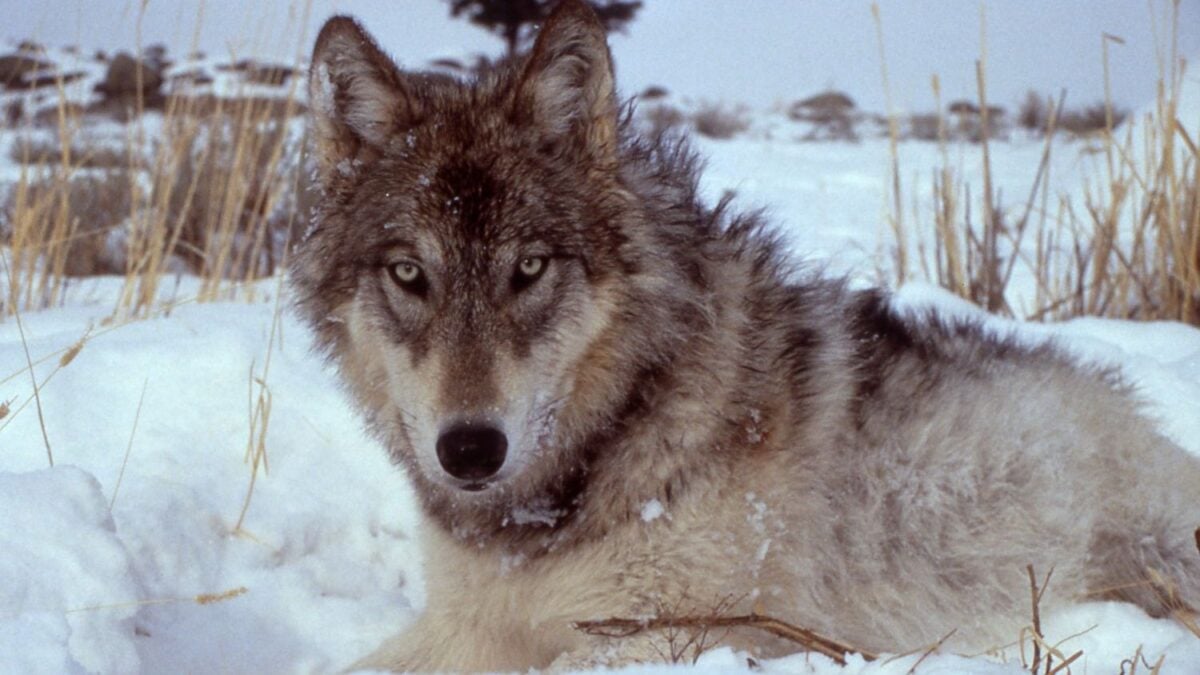
Something remarkable has been unfolding across American wild landscapes over the past several decades. Wolves are running through Colorado’s mountain valleys again. Grizzly bears are reasserting themselves in the greater Yellowstone region. Mountain lions are pressing the edges of territory they once roamed freely. Over the past five decades, gray wolves, pumas, black bears, and grizzly bears have made significant spatial and numerical recoveries across North America, enabled by legislative protections, the cessation of predator-eradication campaigns, and changing societal perceptions of large carnivores.
The reasons behind this shift go back to hard political choices and shifting public values. Across North America, mountain lions, bears, and gray wolves have made a remarkable comeback over the last 50 years. Once nearly exterminated, these animals have been recovering their populations and returning to the landscapes they historically roamed, thanks to protections like the Endangered Species Act, hunting limits, and reintroduction programs. What’s less settled is exactly what their return means for the land, the water, and every species in between.
Yellowstone Set the Stage for Everything That Followed
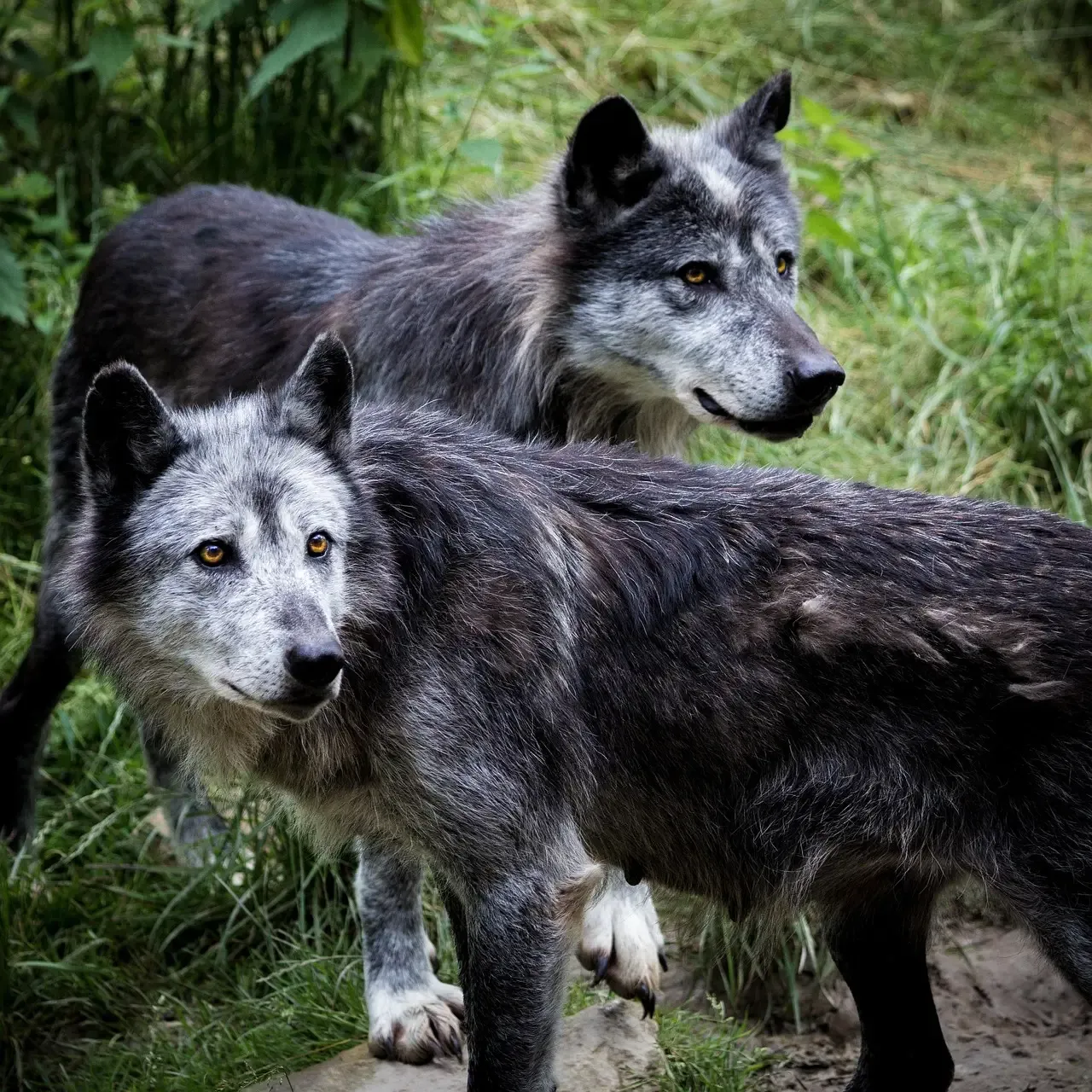
Few conservation stories have captured the public imagination quite like Yellowstone. In Yellowstone, wolves were extirpated from the park by the mid-1920s, absent for a period of seven decades, and reintroduced in the winters of 1995 and 1996. In their absence, the landscape told its own story of slow decline.
The extinction of wolves from the national park had resulted in an exponential growth of ungulates, which put pressure on the park through overgrazing, ground compaction, and soil erosion. The absence of wolves also resulted in a boom in coyote populations.
Their return triggered something scientists call a trophic cascade. The main highlights include: providing ecological niches for scavenging species through increased numbers of elk carcasses; reducing the time deer graze due to wolf presence, which decreases overgrazing of important species such as aspen, cottonwoods and willows; and reducing the number of coyotes in wolf territories. One of the more striking findings came from a long-term study of Yellowstone’s streamside vegetation. Research utilizing previously published data from 25 riparian sites, collected over a 20-year period from 2001 to 2020, revealed a remarkable 1,500% increase in willow crown volume along riparian zones in northern Yellowstone National Park, driven by the effects on elk due to a restored large carnivore guild following the reintroduction of wolves in 1995 and 1996.
When the grey wolf was reintroduced into the Greater Yellowstone Ecosystem in 1995, there was only one beaver colony in the park. Today, the park is home to nine beaver colonies, with the promise of more to come, as the reintroduction of wolves continues to astonish biologists with a ripple of direct and indirect consequences throughout the ecosystem.
The Science Is Impressive, but It Is Also Genuinely Complicated
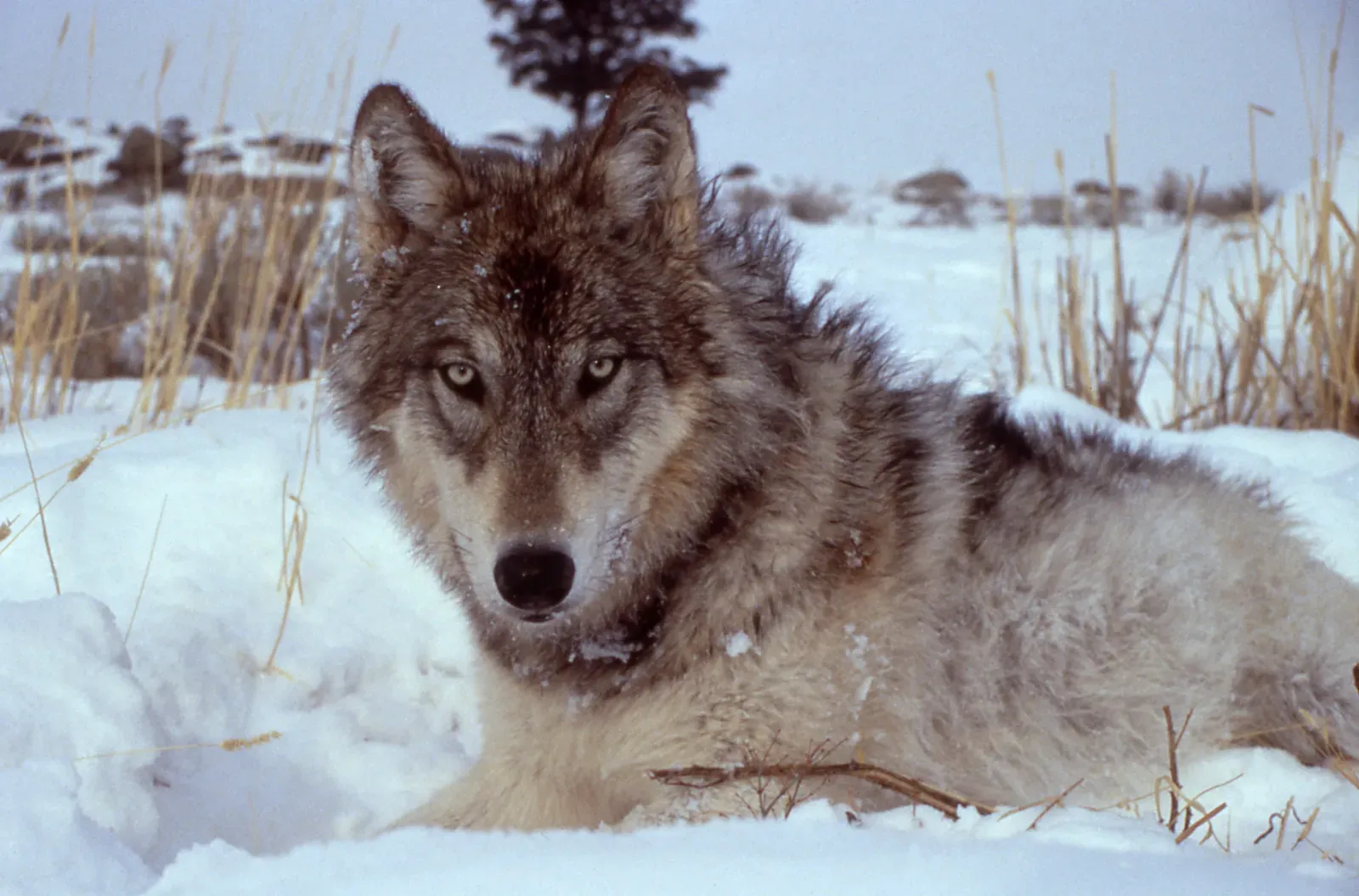
The Yellowstone story became something of a cultural phenomenon, told in documentaries and shared across social media as proof that nature can heal itself when predators return. The reality, researchers now caution, is more layered. While large carnivores are widely believed to reduce ungulate populations and promote plant growth through trophic cascades, scientific synthesis shows that their impacts are complex, context dependent, and shaped by multispecies interactions, alternative stable states, and especially, human activities.
In an analysis of about 170 citations published since the 1930s, researchers found clear evidence of predator-induced trophic cascades in only limited circumstances. On Isle Royale National Park, wolves diminished moose populations to the point that trees grew taller. But in Yellowstone, a more than 3,000-square-mile park in the heart of one of North America’s most intact ecosystems, the connection between the predator’s reintroduction and changes in vegetation has generated more debate.
The absence of these predators for nearly a century transformed the food web and landscape. Yellowstone’s northern range shifted from willow and aspen stands along small streams with beaver activity to grasslands due to intensive browsing by elk. The widespread changes stabilized into an alternative ecological state that resisted returning to previous conditions once the carnivores were restored. In other words, ecosystems don’t simply rewind. They move forward into something new.
The biggest driver of changing elk population numbers across the West is humanity. In most mainland systems, it is only when wolves are combined with grizzly bears and human hunting is removed as a substantial component that predators are seen suppressing prey numbers.
Colorado’s Wolf Reintroduction Is a Living Experiment
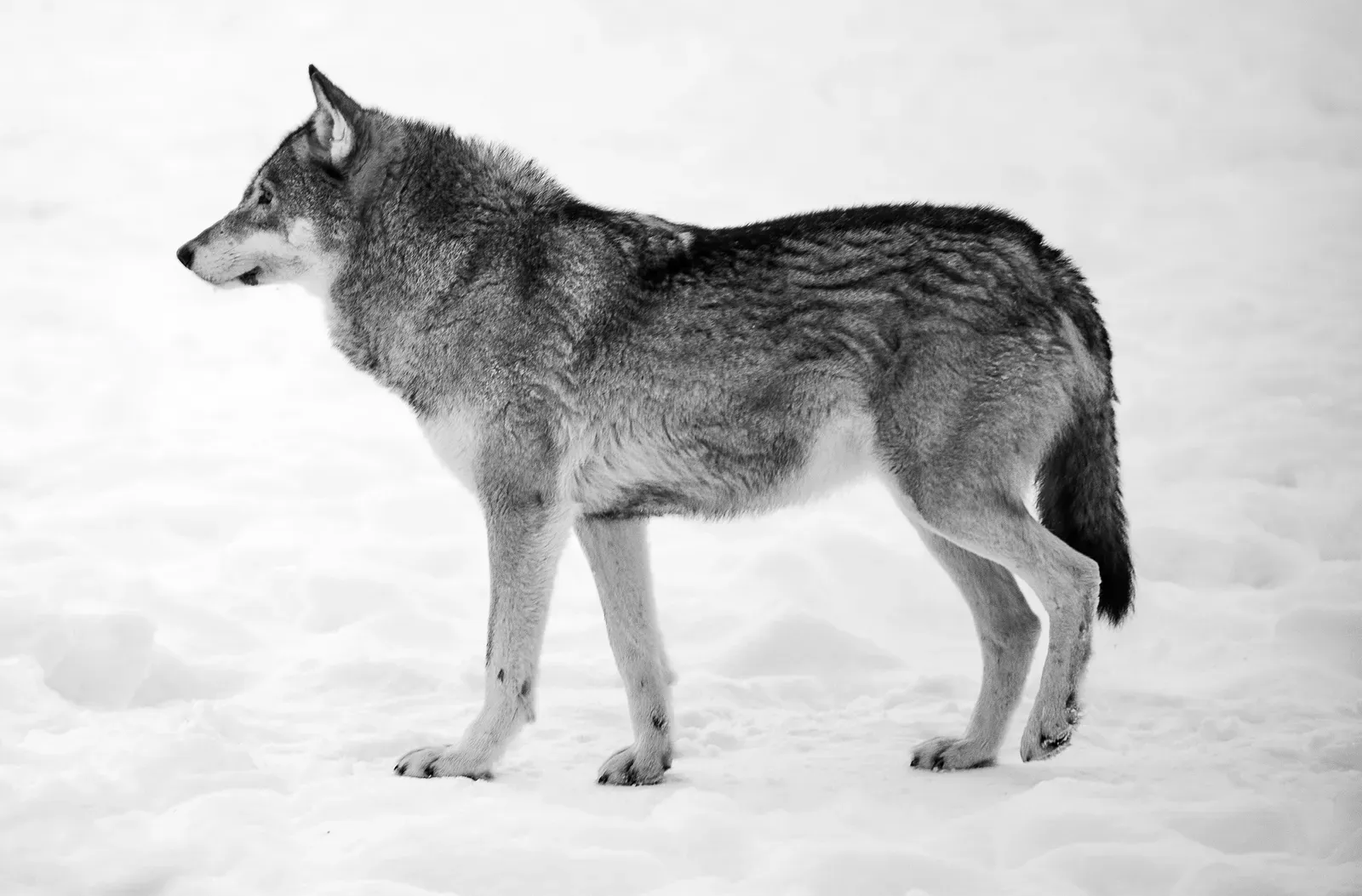
No state better illustrates the ambition and the difficulty of modern predator restoration than Colorado. The release of ten wolves in December 2023 marked an important phase in restoring the wolf to a state in which it had been extirpated during the 1940s. In November 2020, voters in Colorado passed by a narrow margin Proposition 114, an initiative that called for the reintroduction of wolves to the Western Slope. Both this proposition and Colorado’s wolf restoration plan required the introduction of wolves to begin by the end of 2023.
The Colorado Wolf Restoration and Management Plan recommends the capture and translocation of 10 to 15 wolves every year for three to five years, for a total of 30 to 50 translocated wolves. So far, Colorado Parks and Wildlife has completed two successful translocation efforts which brought 25 gray wolves to Colorado. The first of these was completed in partnership with the Oregon Department of Fish and Wildlife in December 2023. The second took place in January 2025 in partnership with the British Columbia Ministry of Water, Land and Resource Stewardship.
The program has faced serious headwinds. More than half of the 25 gray wolves that have been translocated into the state since 2023 have now died, and the release that was planned for this winter was canceled amid pushback from the federal government. Still, signs of natural recovery have emerged. At least six pups were born in the summer of 2025, confirming the formation of three new wolf packs. The program remains very much a work in progress.
When Predators Return, Conflicts Follow Them
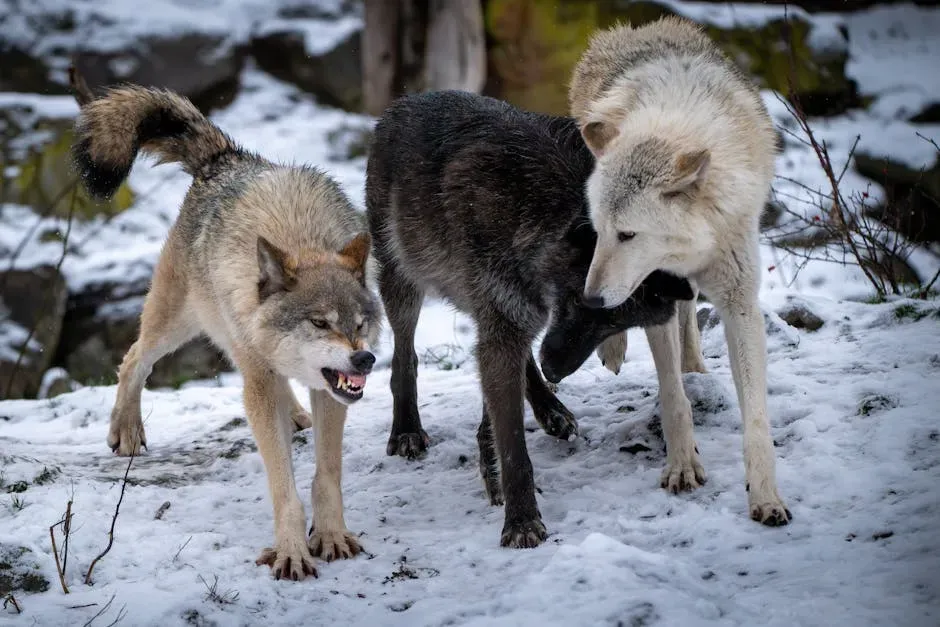
The return of apex predators does not happen in a vacuum. It plays out across a patchwork of private ranches, public lands, and small rural communities where the stakes are personal and immediate. Colorado’s program is highly controversial, especially among rural farmers and ranchers who decry wolves killing their livestock. Between April 2024 and April 2025, wolves killed at least 25 cattle and sheep, according to the recently released annual report on the reintroduction effort.
The reintroduction of apex predators is not a simple return to some primordial equilibrium. Instead, it involves navigating modern landscapes reshaped by roads, cities, ranches, and millions of people. That tension sits at the heart of nearly every predator debate in the US today.
When a predator is reintroduced into a landscape, it must be guided by sound science and accompanied by a robust management plan. Leaving reintroduction decisions to a ballot box referendum or emotionally charged public opinion creates challenges, because ecological relationships are interwoven and can’t be captured by a simple yes-or-no vote. Biologists, ecologists, and wildlife managers spend years studying population dynamics, habitat capacity, disease risks, and prey-predator balances. Their expertise is critical in determining how many animals can be reintroduced, where they should be released, and how best to mitigate conflicts with humans or livestock.
There are, however, some unexpected upsides to predator presence. Yellowstone’s wolf restoration led to an estimated reduction in elk-vehicle collisions in surrounding areas. Agricultural conflicts with elk decreased as herds spent less time on private lands and more time in forested areas. Meanwhile, wolf-related tourism brings substantial economic benefits to gateway communities, an estimated $35.5 million annually, supporting hundreds of jobs in an economically challenged region.
What the Future of Predator Recovery Actually Looks Like
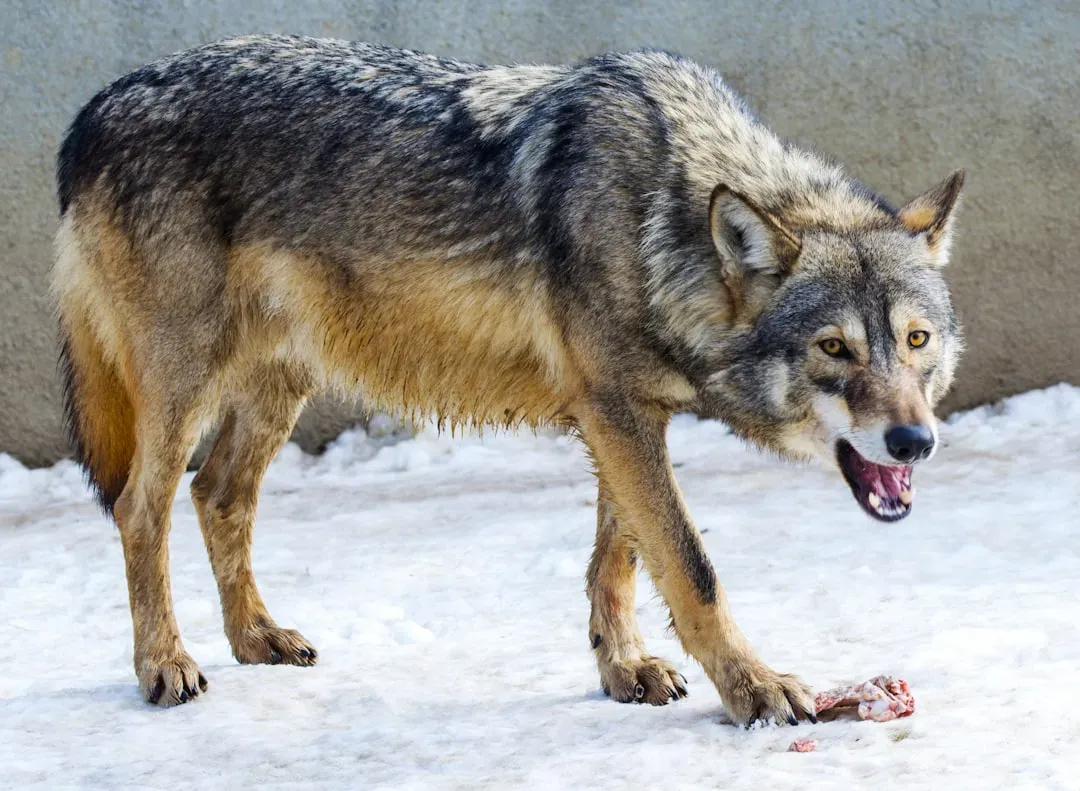
The broad narrative of predator recovery in the US is one of genuine progress. As U.S. society has evolved to prioritize species conservation efforts and regulate activities such as the harvesting of furs, people have gained interest in the preservation and reintroduction of once-hunted apex predators. At the same time, scientists are increasingly careful about how they frame what recovery actually means.
An experiment spanning more than two decades has found that removal of apex predators from an ecosystem can create lasting changes that are not reversed after they return, at least not for a very long time. Patience, it turns out, has to be built into the science and the policy.
Early assessments may not capture the full impact of a restored predator, as plants with a long regeneration time often respond slowly to altered herbivore pressures and ecosystem dynamics. Accurately measuring trophic cascade effects on woody plants requires monitoring ecosystems over extended periods following predator reintroduction.
Non-lethal approaches to wolf-livestock conflict are growing in popularity, linked to social values prioritizing wildlife conservation and human-wildlife coexistence. While these are sometimes framed as alternatives to lethal removal, lethal and non-lethal tools are often used in combination. Finding that balance, practically and politically, remains among the central challenges of the coming decades.
Conclusion
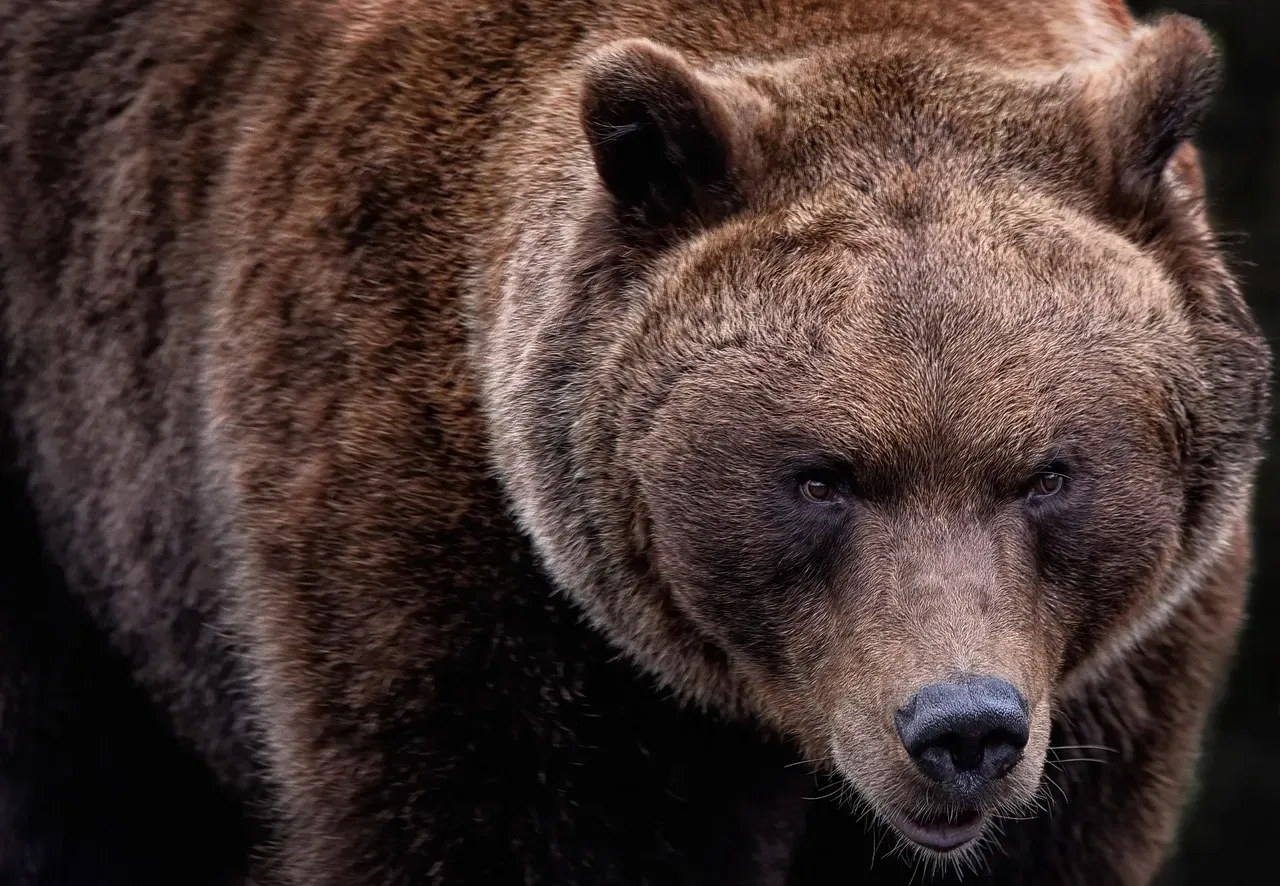
The return of iconic predators to American landscapes is one of the more consequential ecological stories unfolding in our lifetime. Wolves are raising pups in Colorado. Grizzlies are testing old boundaries. Decades of research from Yellowstone have shifted how ecologists understand the connections between carnivores, prey, plants, rivers, and even soil.
The science tells us the effects are real, but rarely simple. Ecosystems can veer off in new, unpredictable directions due to changes that occurred when large carnivores were absent. This is particularly likely in today’s era of climate change and invasive species. Recovery is not a return to an old photograph of the land. It’s something messier and more dynamic.
What the evidence does support is that where these animals regain a foothold, the ecosystem tends to become more layered and more resilient over time. The conversation happening across rangelands, courtrooms, ballot boxes, and research stations right now is really a question about what kind of landscapes Americans want to share with nature. The predators are back. How far that goes will depend on what comes next from us.

- 15 Tender Things Old Dogs Do the Closer the End Quietly Comes - July 21, 2026
- 14 Ways a Rescue Cat Shows It Has Given You Its Fragile Heart - July 21, 2026
- 13 Familiar Things That Bring an Aging Dog Deep, Quiet Comfort - July 21, 2026