

Most people think they know animals pretty well. We grew up with them, live alongside them, watch documentaries about them. Yet a surprising number of everyday animal behaviors are routinely misread, feared, or simply explained wrong. The gap between what an animal is actually doing and what we assume it’s doing can lead to unnecessary fear, poor decisions, and in some cases, real harm to both people and the creatures involved.
Animal behavior is a topic most of us believe we’re more knowledgeable about than we really are, often because humans have a tendency to find their own habits in other species or because we’re working with outdated information passed down over generations. The result is a set of persistent myths that feel like common knowledge but fall apart under scrutiny.
Dogs Showing Teeth Are Not Always Being Aggressive
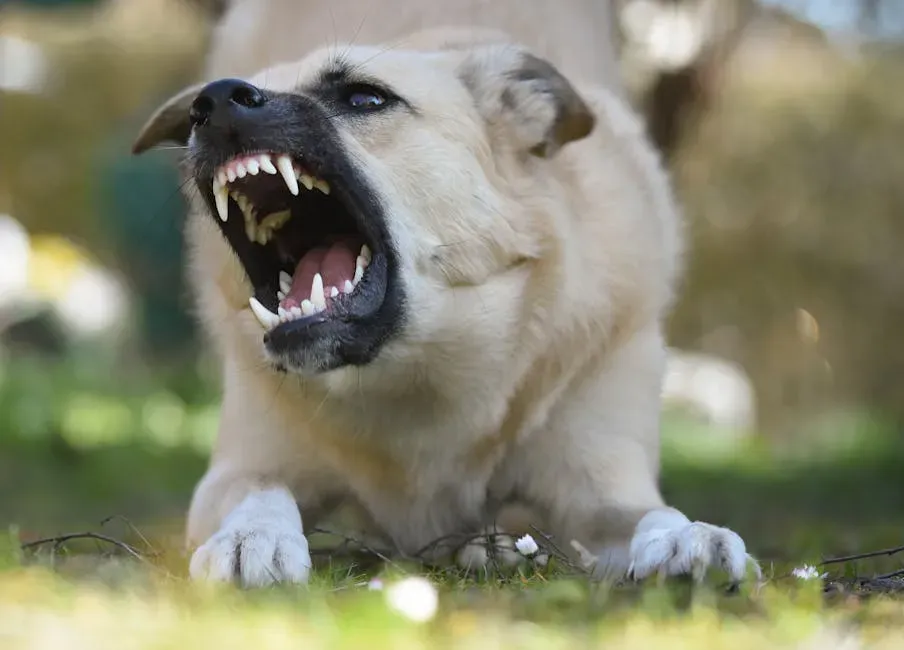
Seeing a dog bare its teeth tends to trigger an instant alarm. It looks threatening, and sometimes it genuinely is. The trouble is that teeth-baring covers a surprisingly wide range of canine communication, and conflating all of it with aggression is a mistake that can actually make situations worse.
It’s a misconception that any time a dog shows their teeth, they must be aggressive. Dogs show teeth for many reasons, including fear, stress, submission, playfulness, or even pain. Context and body language are everything here.
A slow, stiff wag can mean tension, and a fast, aggressive wag can indicate stress. A loose, full-body wiggle usually signals joy, while a high, stiff wag might indicate alertness or even aggression. A low wag could show insecurity. The teeth themselves are just one piece of the picture.
Teaching that growling or teeth-baring is communication rather than bad behavior matters enormously. A dog that’s punished for warning signs may learn to skip the warning and go straight to a bite. In other words, suppressing the signal doesn’t remove the underlying feeling; it simply removes the warning.
A Cat’s Purr Doesn’t Always Mean Happiness
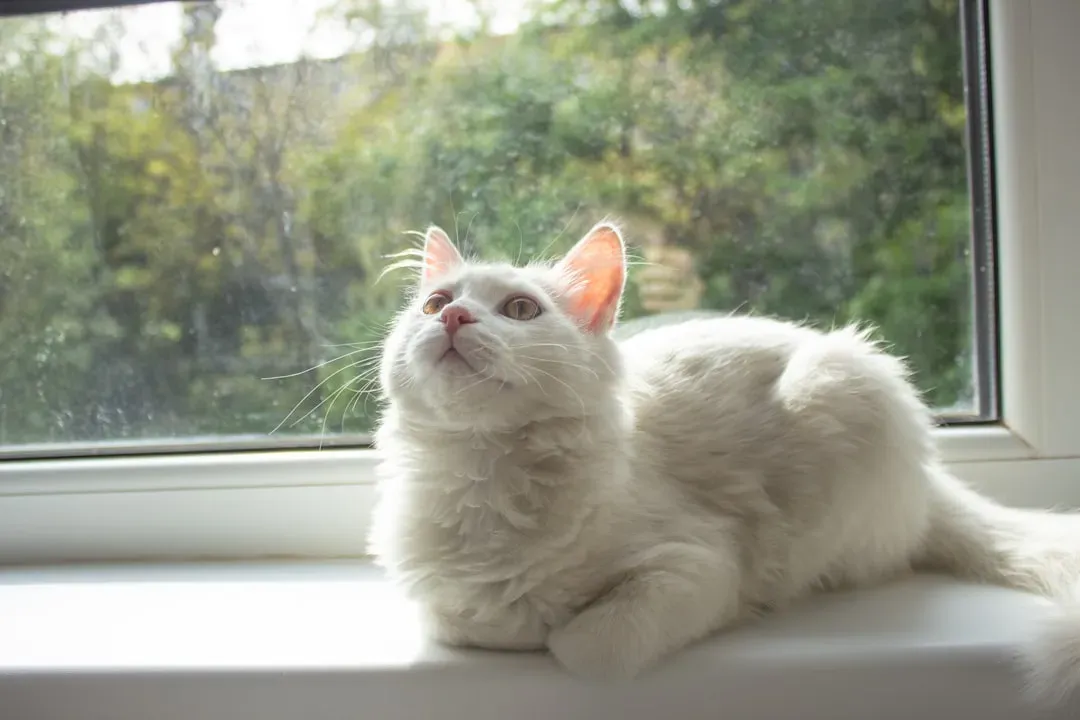
Few animal behaviors feel as instantly comforting as a purring cat. It’s easy to read it as a simple signal of contentment, a small mammal quietly broadcasting its satisfaction. Reality, as usual, is more layered than that.
That soft, rumbling sound is one of the most recognizable traits of cats, but it’s also one of the most misunderstood. While many people associate purring with a happy cat, the truth is more complex. Cats purr across a wide spectrum of emotional and physical states.
Cats can purr when they are healthy and feeling good, but cats can also purr when they are sick or in pain. By purring, the cat may be asking for care. Some cats may even purr before they die, and the purring sound may potentially be a comforting sound for them.
The pitch of the purr can be revealing. When cats are purring out of happiness, the purr tends to be lower pitched, while a stressed-out cat might have a higher-pitched purr. Watching body language alongside the purr is the only reliable way to understand what your cat is actually communicating.
Opossums Don’t Choose to Play Dead
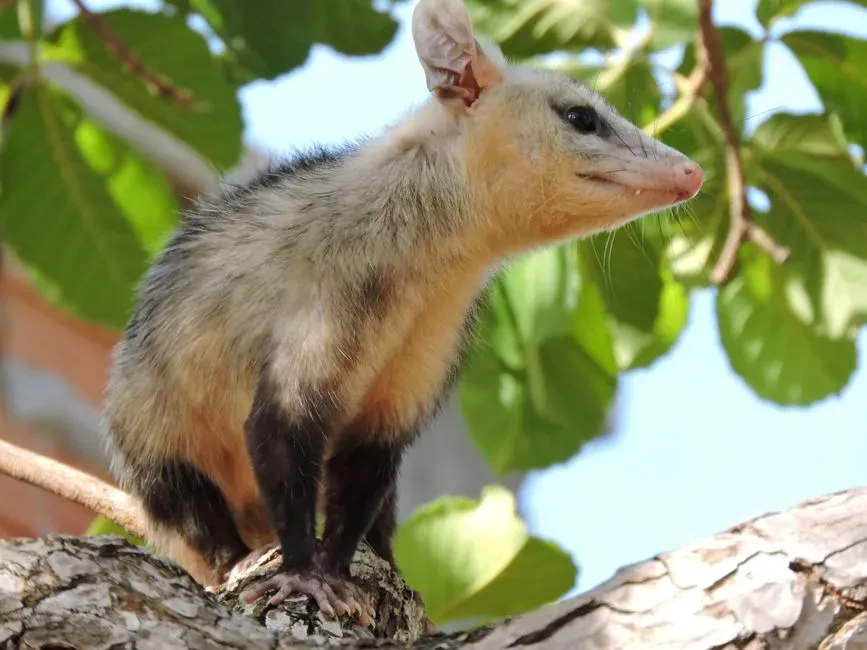
The phrase “playing possum” has become so embedded in everyday language that most people assume the opossum is performing a clever, deliberate act. It’s actually something quite different, and the distinction matters.
When an opossum appears to “play dead,” it is not a conscious act. Instead, it is an involuntary physiological response to extreme fear or stress. This state is scientifically known as tonic immobility or thanatosis, a temporary paralysis that occurs when the animal feels an inescapable threat.
Opossums can remain in this state from 40 minutes to four hours. It’s easy to imagine that an opossum jumps up and runs the moment a predator is out of sight. However, they are in a state of shock, so their body must have a chance to recover.
When in this state, the opossum may emit a foul-smelling fluid from its anal glands, mimicking the odor of decay or illness. This unpleasant scent, combined with its lifeless appearance, makes the opossum an unappealing target. The combination of appearing dead and smelling dead maximizes the chances of a predator abandoning its pursuit. It works, but the opossum has no say in the matter.
Bears Are Not Truly Hibernating in Winter
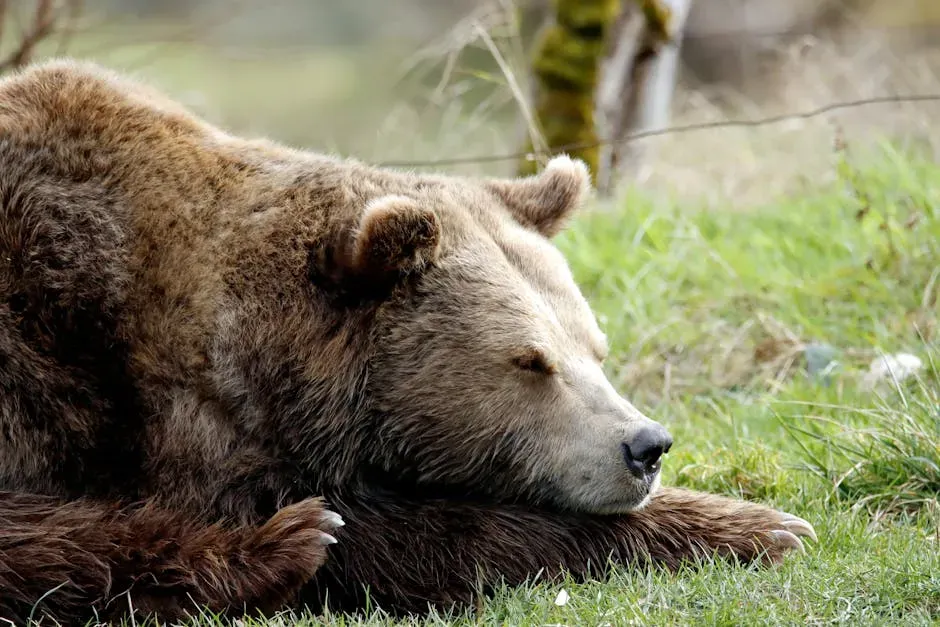
The image of a bear deeply asleep through the entire winter, completely unreachable and impossibly difficult to rouse, is one of those ideas that feels authoritative and has been repeated for so long it’s treated as fact. It’s also not quite right.
True hibernation occurs when an animal drastically lowers their body temperature to nearly match their surroundings and sleeps through winter. Hibernating animals, like woodchucks, appear lifeless and are not easily awakened. Bears, on the other hand, exhibit torpor, a shorter-term reduction in body temperature accompanied by lethargy.
Heart rate drops, but not as much as that of true hibernators. Though less active than usual, bears in torpor can readily respond to external stimuli. This is a meaningful difference, both scientifically and practically.
The misconception isn’t just academic. The dangerous misconception that sleeping bears are nearly impossible to arouse during the winter months can lead people to underestimate the risk of a winter encounter. A bear in torpor is not the same as a bear in a coma. Caution remains warranted year-round.
Skunks Spray as a Last Resort, Not a First One
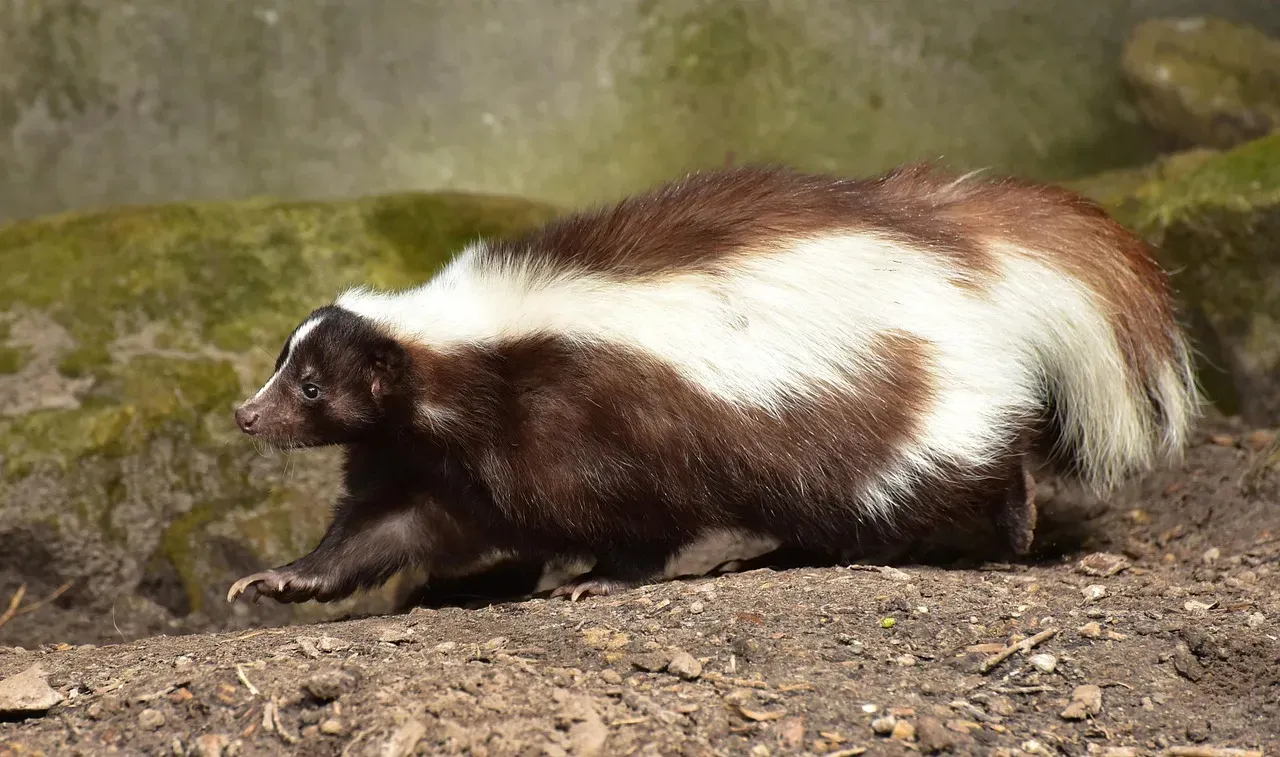
Spot a skunk and most people back away fast, fully expecting to be drenched in the animal’s infamous spray. The fear is understandable, but the assumption behind it gets the skunk’s behavior almost entirely wrong.
In reality, skunks spray as rarely as possible. They try to avoid using their glands whenever they can because the liquid they secrete is limited and will fully empty itself out before getting replenished. Depending on the skunk, they can spray up to six times before they need to wait two weeks for their glands to recharge.
In those two weeks, they are, of course, extra vulnerable. So skunks do, in fact, employ any other method to get away from predators before they resort to spraying. This includes stamping their feet and, depending on the species, performing something resembling a warning display. The spray is genuinely a last line of defense.
Skunks give plenty of warnings. Spraying is a last-ditch defense, not a first response. If you give a skunk space and move away calmly, the chances of being sprayed are very low. The reputation for hair-trigger spraying does the animal a real disservice.
Mother Birds Don’t Abandon Their Young If Humans Touch Them
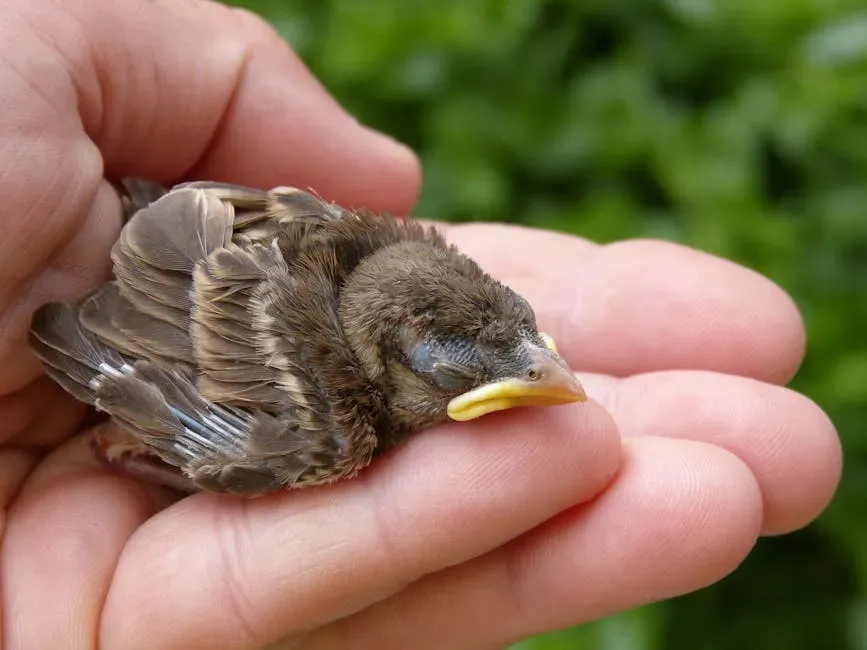
This is probably one of the most widely believed animal myths in circulation. Children are told it constantly, adults repeat it with confidence, and the result is that people feel paralyzed around any baby bird they encounter on the ground. The truth is considerably more reassuring.
The falsehood that mother birds will abandon their offspring if touched by a human derives from the belief that birds can pick up on human scent. In fact, most birds have a rather poor sense of smell and are unlikely to readily abandon their young.
Young, seemingly helpless birds often have their mothers close by, carefully watching. Human disturbance, rather than human touch, near a nesting site is far more likely to contribute to a mother bird stranding her young ones. The act of touching a fledgling is far less disruptive than lingering nearby, making noise, or disturbing the nest itself.
The practical takeaway is fairly straightforward. If you find a young bird on the ground, placing it back in or near its nest is unlikely to cause abandonment. What causes problems is sustained human presence near the nest, which keeps the parent away far more effectively than a brief physical contact ever could.
Understanding Animals Changes Everything
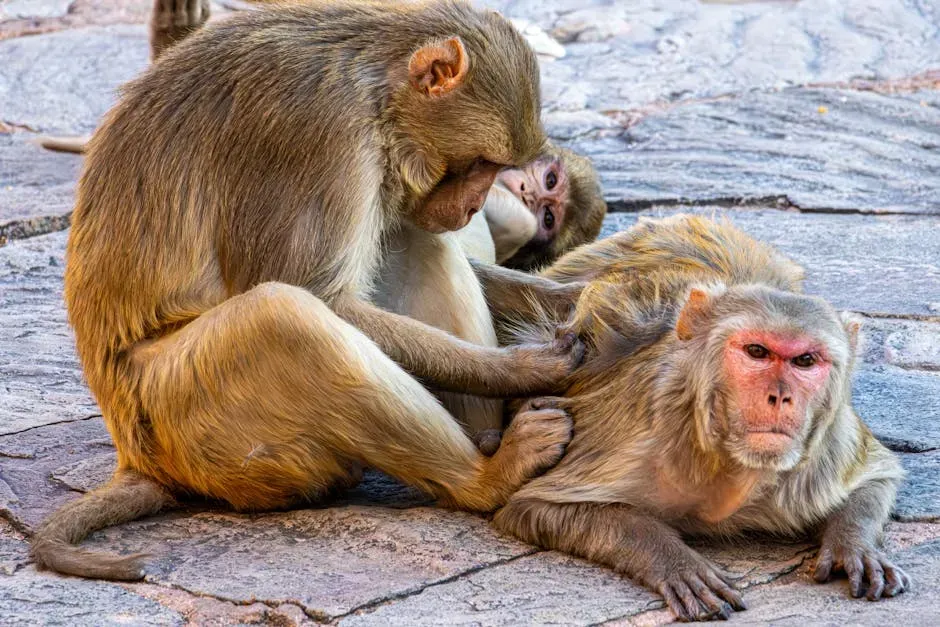
The consistent thread running through all of these misunderstandings is the same: humans tend to interpret animal behavior through a human lens, and the translation often goes wrong. Humans tend to project their own reactions onto animals, and because we are a completely different species, our experiences are not the same as theirs.
When people understand animal behavior, encounters become less stressful and more manageable. Wildlife myths persist because they’re simple, dramatic, and easy to remember, but they’re rarely accurate. Accuracy, in this case, also happens to be more interesting.
What’s worth noting is that getting these things right isn’t just a matter of trivia. Social attitudes can influence which animals people protect and which they kill without a second thought. Misconceptions carry real consequences for wildlife, and for the people who share space with it.
The animals around us are doing exactly what their biology has shaped them to do. Most of them aren’t threatening, performing, or acting out of malice. They’re simply navigating the world as best they can, on their own terms, using signals that make perfect sense once you know what you’re looking at.

- 6 Exotic Bird Species You Can Spot in U.S. National Parks - July 19, 2026
- 11 Iconic American Birds Facing New Challenges and How You Can Help - July 19, 2026
- 10 Friendliest Animals in the World - July 19, 2026