

Worried about unexpected vet bills?
Pet insurance can cover thousands in unexpected vet costs. Get a free quote from Lemonade in under 2 minutes.
Get My Free Quote →Sponsored · Opens Lemonade.com
Most people who own a pet do so with genuine love and good intentions. They buy the food, schedule the odd vet visit, and feel reasonably confident they’re doing right by their animal. Yet despite the deep affection and well-meaning intentions most pet parents hold for their animals, it’s not uncommon for them to inadvertently make mistakes that affect their pet’s health and well-being. These errors often stem from a lack of knowledge rather than a lack of care or love.
These aren’t acts of neglect. They are the result of mixed messages, outdated advice, and the comforting illusion that if a pet looks fine today, everything must be fine tomorrow as well. The following twelve mistakes show up repeatedly in veterinary clinics, and knowing them is half the battle.
1. Skipping Regular Veterinary Checkups
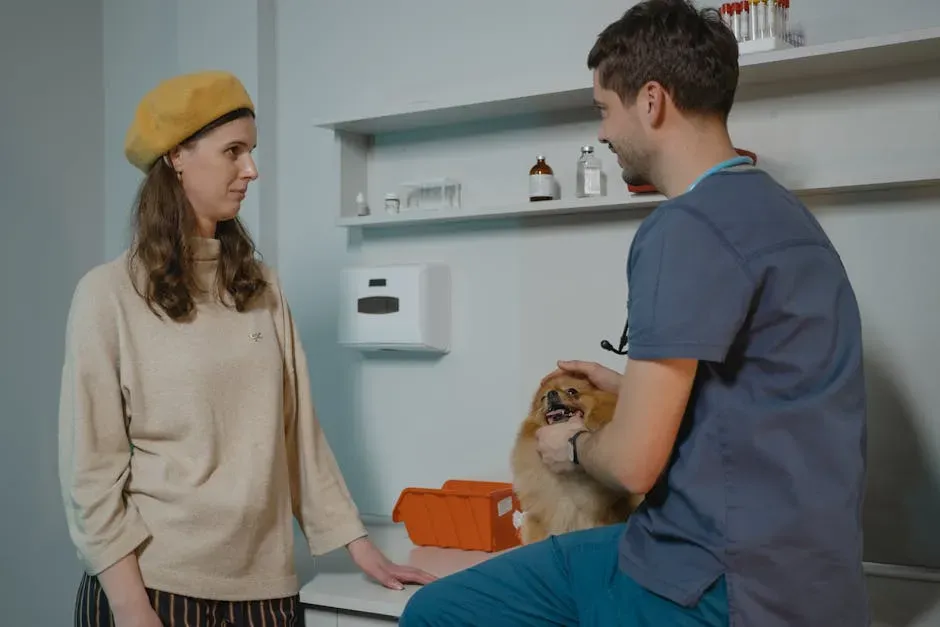
One of the most widespread pet health mistakes is assuming that a pet only needs to see a vet when it looks unwell. Animals are experts at concealing discomfort, which means a problem can quietly grow before any obvious signs appear.
Professional bodies such as the American Animal Hospital Association advise that most pets should have at least one veterinary examination per year, with more frequent visits for seniors and young animals. These checkups are not just for vaccinations. They allow vets to pick up subtle changes in weight, heart function, joint health, skin condition, and behavior long before those changes become crises.
Only about four in ten dog and cat owners visit a vet every year. While yearly visits may not be essential for every pet, this is something you should establish with your vet. Annual vet visits can be life-saving, so make sure you’re not neglecting any necessary veterinary care.
2. Overfeeding and Ignoring Portion Sizes
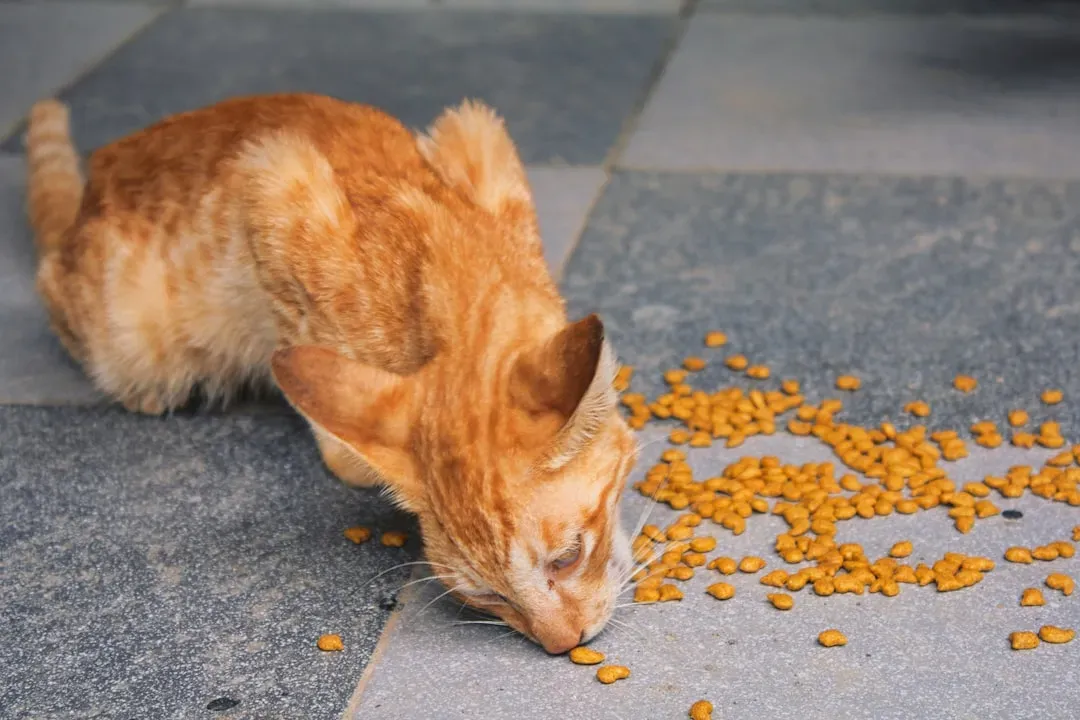
While those extra treats or heaping food scoops may feel like love, they can quietly put your pet at risk of obesity, joint problems, diabetes, heart disease, and a shortened lifespan. Most pet owners don’t realize they’re overfeeding because pets rarely refuse food.
A study classified roughly three in five dogs and nearly two-thirds of cats as overweight or obese. Those are sobering numbers for what is largely a preventable condition.
Overestimating food portions is one of the biggest causes of weight gain. Use a measuring cup and never estimate by eye. Treats should make up no more than ten percent of daily caloric intake. The difference between a measured scoop and a generous pour adds up quickly over months and years.
3. Feeding Human Foods That Are Toxic to Pets

One of the most common pet care mistakes is assuming that if something is safe for humans, it must be safe for animals. This thinking can lead to genuinely dangerous situations.
Human foods including chocolate, grapes, onions, garlic, raisins, macadamia nuts, and xylitol are highly toxic to dogs even in small amounts. Table scraps also tend to be high in fat, sugar, and sodium, which can lead to digestive problems like pancreatitis.
Lilies can be deadly to cats, even in small amounts. Many human painkillers and antidepressants are highly toxic to pets. Keeping these items out of reach isn’t just good practice. It’s a genuine life-saving habit.
4. Neglecting Dental Health
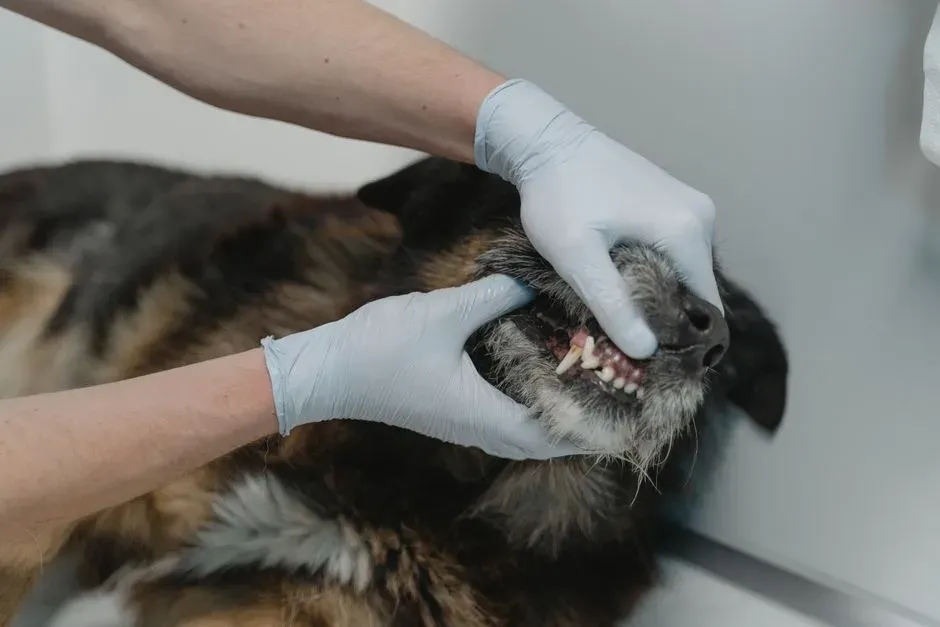
Dental care is crucial. Pets can develop many of the same dental problems as people can. The difference is that pets can’t tell you their mouth hurts, so the problem often goes unnoticed for a very long time.
Oral health is critical for dog and cat wellbeing as well as longevity. People are reluctant to put their hands inside their pet’s mouth, which is understandable. They have a lot of teeth. Teeth are something that should be addressed daily.
Bacteria from the mouth feed into the bloodstream and cause heart and other issues. Regular brushing and professional dental cleanings are not optional extras. They are a core part of responsible pet ownership.
5. Skipping Parasite Prevention

Most dog owners are relatively on top of parasite and flea treatment. However, even indoor pets need this routine care. The assumption that a house cat or an apartment dog doesn’t need flea and tick protection is a very common one, and a costly mistake.
Indoor cats will start itching and develop bloody scabs and sores all over their body as a sign of fleas. Owners ask how that is possible since the cat is indoors. The answer is simple: you bring the outside in every time you walk through your front door.
Fleas and ticks thrive in warm, humid conditions and can transmit diseases such as Lyme disease, ehrlichiosis, and tapeworms. Mosquitoes are the primary carriers of heartworm disease, a potentially fatal condition if left untreated. Preventing these pests is far simpler and less expensive than treating the illnesses they cause.
6. Failing to Socialize Pets Early Enough

Socialization is crucial to helping pets develop a friendly, open-minded attitude about the world and everyone in it. It’s important for pets to be exposed to different types of people, new environments, and new experiences while they are still young.
There’s a specific window of time for proper socialization. The exact timeframe varies depending on the type of pet, but it generally falls in that early, curious stage. With dogs, that window closes around four months, or sixteen weeks.
Animals that weren’t socialized are much more likely to act wary, fearful, or aggressive as adults. This can create stress and friction with their owners and other pets. It can even be dangerous, both for the pets and the humans and animals that interact with them.
7. Using Punishment-Based Training
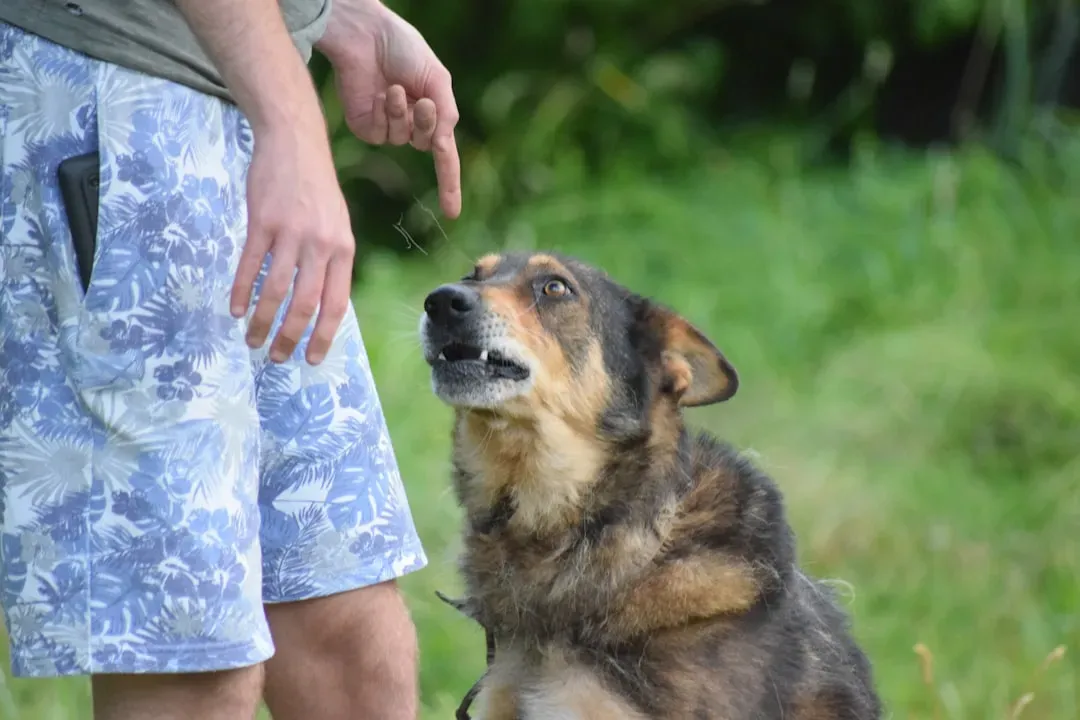
Some handlers adopt a one-size-fits-all approach or rely on outdated methods that emphasize punishment over positive reinforcement. A number of seemingly well-intentioned training strategies can prompt significant behavioral challenges, leading animals to feel fearful or increasing the likelihood of aggression.
Fear-based correction may suppress a behavior in the short term, but it rarely resolves the underlying issue. It often makes things worse and can seriously damage the trust between owner and animal.
Never rush animal interactions or assume that animals will simply go with the flow. Take the time to develop a genuine bond. This can be as simple as speaking to the animal in a soft tone and allowing it to get familiar with your scent. Consistent, reward-based training builds confidence in pets and creates a much calmer, more cooperative companion over time.
8. Letting Pets Become Bored and Under-Stimulated

Boredom is no fun for people, and it’s not good for pets either. No matter what type of animal you have, you’ll need to provide some sort of enrichment or entertainment. The best options vary a bit from pet to pet.
Even small animals need some type of activity or toy in their enclosures. Even small animals can get bored and restless. A bored dog often becomes a destructive one. A bored cat can develop stress-related health issues. Under-stimulation is a real welfare concern.
Cats like to jump and climb, so cat owners should consider buying cat condos or shelves. If you have outdoor space, consider creating a secure enclosure for your cat so it can sit in the sun and experience the sights and sounds of the outdoors. Mental and physical engagement are as important as food and water.
9. Exercising Pets in Extreme Temperatures
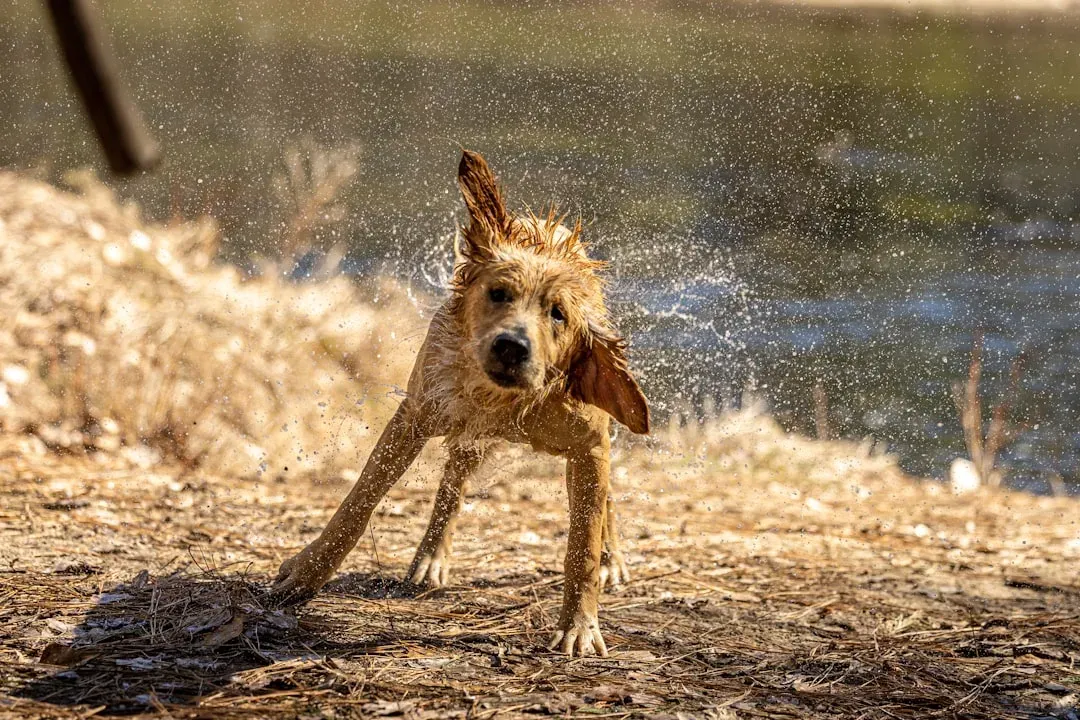
It’s super important to ensure your dog gets enough activity, but exercising them in extreme temperatures can do more harm than good. Vets advise owners to think twice before taking pets out in harsh conditions, whether it’s too cold or too hot.
Dogs and cats don’t sweat like humans do. They rely on panting and limited sweat glands on their paw pads to regulate temperature. In extreme heat, these mechanisms aren’t enough. Signs of heatstroke include excessive panting, drooling, bright red gums, vomiting, lethargy, and even collapse.
It’s important to take into account your dog’s breed and health status when making decisions about exercise in various temperatures. A large dog with a thick coat will be more susceptible to problems in warm weather, and skinny, elderly, or young animals will be at increased risk during cold snaps.
10. Not Microchipping or Updating ID Information

As many as one in three pets goes missing at some point in their lives. No matter how loving your furry friend is, there’s always a chance they could get lost or stolen. Proper identification could literally save your pet’s life.
A microchip is a small device about the size of a grain of rice. It’s implanted under the pet’s skin, typically between the shoulder blades. Once it’s in place, your pet won’t even feel it. It’s a one-time procedure with lasting benefits.
Even if your pet is always indoors, mistakes happen. Pets escape and run away. A microchip makes it easier for a pet to find its way back home. When people find lost pets, they often go to local shelters. These shelters look for microchips. Chips contain contact information so they can find owners.
11. Neglecting Grooming and Nail Care
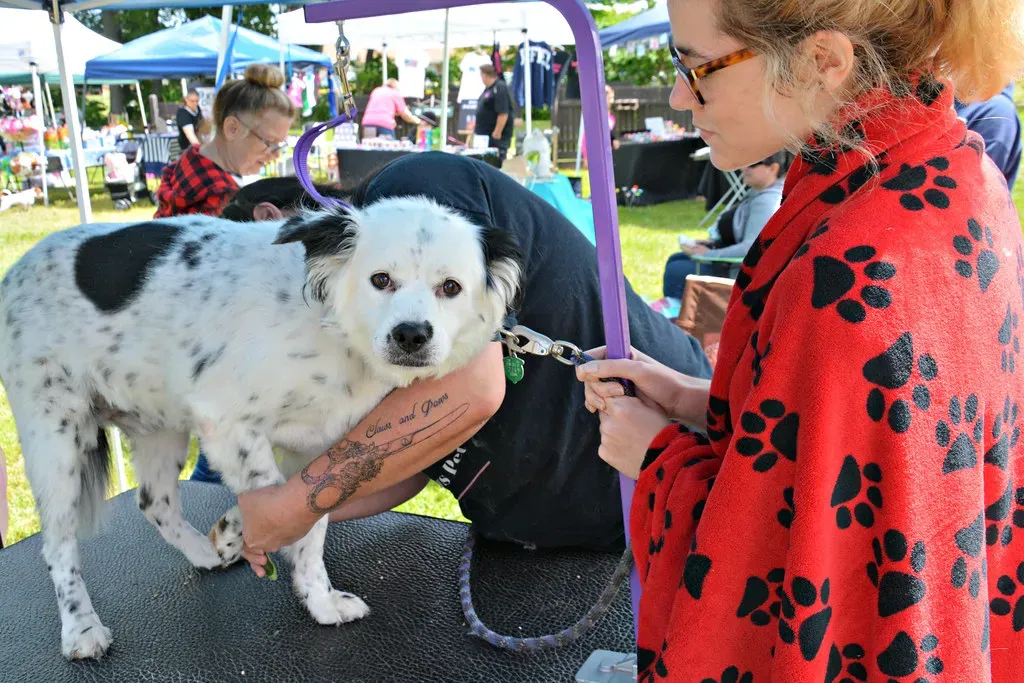
Trimming your pet’s nails regularly is essential for their comfort and mobility. Overgrown nails can cause pain, difficulty walking, and even joint problems. Proper nail trimming prevents these issues and promotes proper posture and foot health.
Paw pads can get cracked and chafed, which is very uncomfortable. Long nails make it hard for a dog to gain good traction, which increases the risk of slips and falls. They also interfere with the angle of the pet’s toes against the ground.
Mats can be painful for your pet. If your pet develops a mat that’s too big to handle at home, don’t panic. It happens even for responsible pet owners. Take your pet to a groomer so they can address it without causing harm to your companion. Grooming isn’t about appearance. It’s about physical comfort and health.
12. Getting a Pet on Impulse Without Proper Research
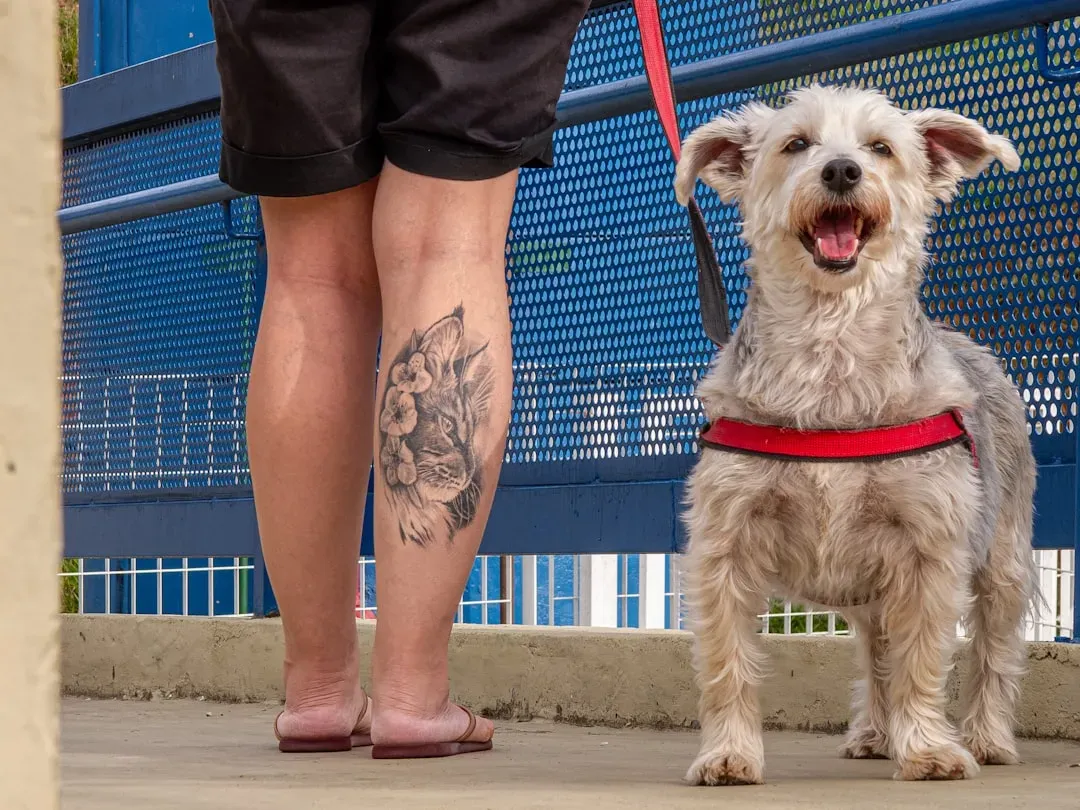
Despite the deep affection most pet parents hold for their animals, it’s not uncommon for them to inadvertently make mistakes that affect their pet’s health and wellbeing. These errors often stem from a lack of knowledge. Understanding the subtleties of pet healthcare, nutritional needs, and behavioral management can be complex. Without proper guidance, even the most devoted pet owner can find themselves unknowingly compromising their pet’s quality of life.
Before you get a pet, you should do thorough research. Make sure the pet is suitable for your lifestyle. Make sure you’re ready for the time commitment and responsibility. An impulsive decision to adopt an animal that doesn’t fit your living situation, schedule, or experience level can result in real suffering for both the owner and the pet.
Over six million animals are surrendered to shelters every year. In many cases, the number one reason owners rehome their pets is a lack of planning. Doing the homework upfront, on breed, temperament, cost, and care requirements, is one of the most important things any prospective owner can do.
Conclusion: Good Intentions Are Just the Beginning
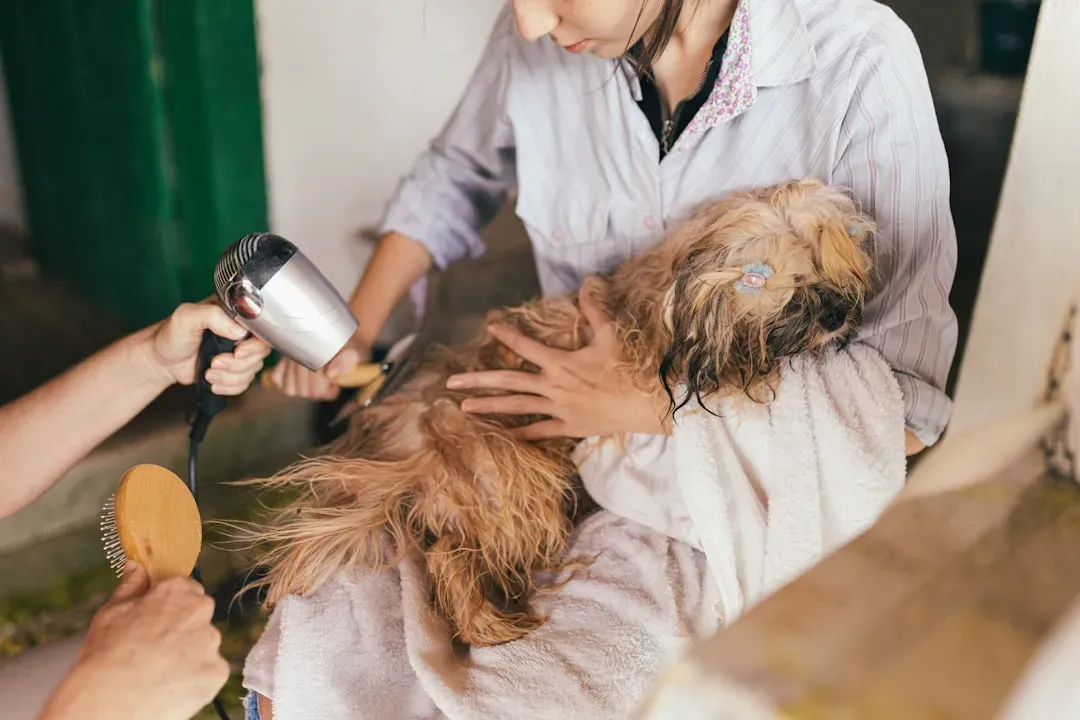
Loving a pet is the easy part. The harder work lies in understanding what they actually need, which doesn’t always line up with what feels natural or convenient in the moment. Most of the mistakes above come from a place of genuine care, just without enough information.
Changing one habit at a time, measuring meals, booking an overdue checkup, adding a daily play session, rethinking punishment-based training, can transform an animal’s life expectancy and comfort. Love shows in the routines that quietly protect a pet’s health: the calendar reminders, the measured scoop of food, the vet visit made before a condition spirals.
The animals in our lives can’t advocate for themselves. That responsibility belongs entirely to the people who chose to bring them home. Small, consistent improvements in how we care for them add up to something meaningful over a lifetime together.
Worried about unexpected vet bills?
Pet insurance can cover thousands in unexpected vet costs. Get a free quote from Lemonade in under 2 minutes.
Get My Free Quote →Sponsored · Opens Lemonade.com
