

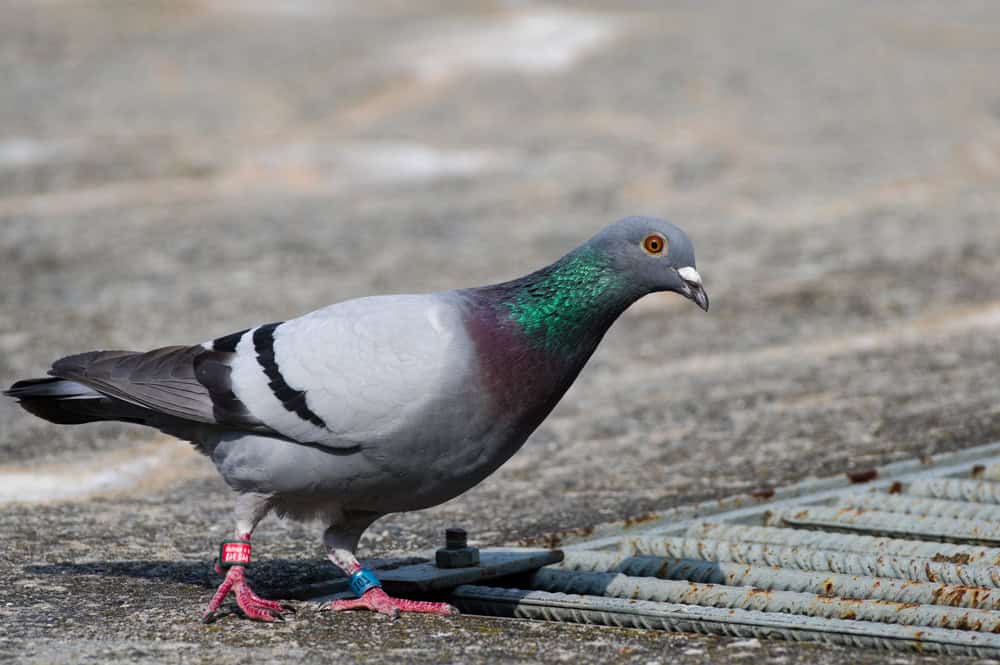
Navigating the intricate web of the natural world, homing pigeons perform one of nature’s most fascinating acts of navigation. These birds have awed scientists for centuries with their ability to find their way home from hundreds of miles away, without any reliance on modern technology. While GPS is something humans may rely on, these feathered navigators have honed their skills over millennia, sparking curiosity and admiration.
The Phenomenon of Homing Pigeons
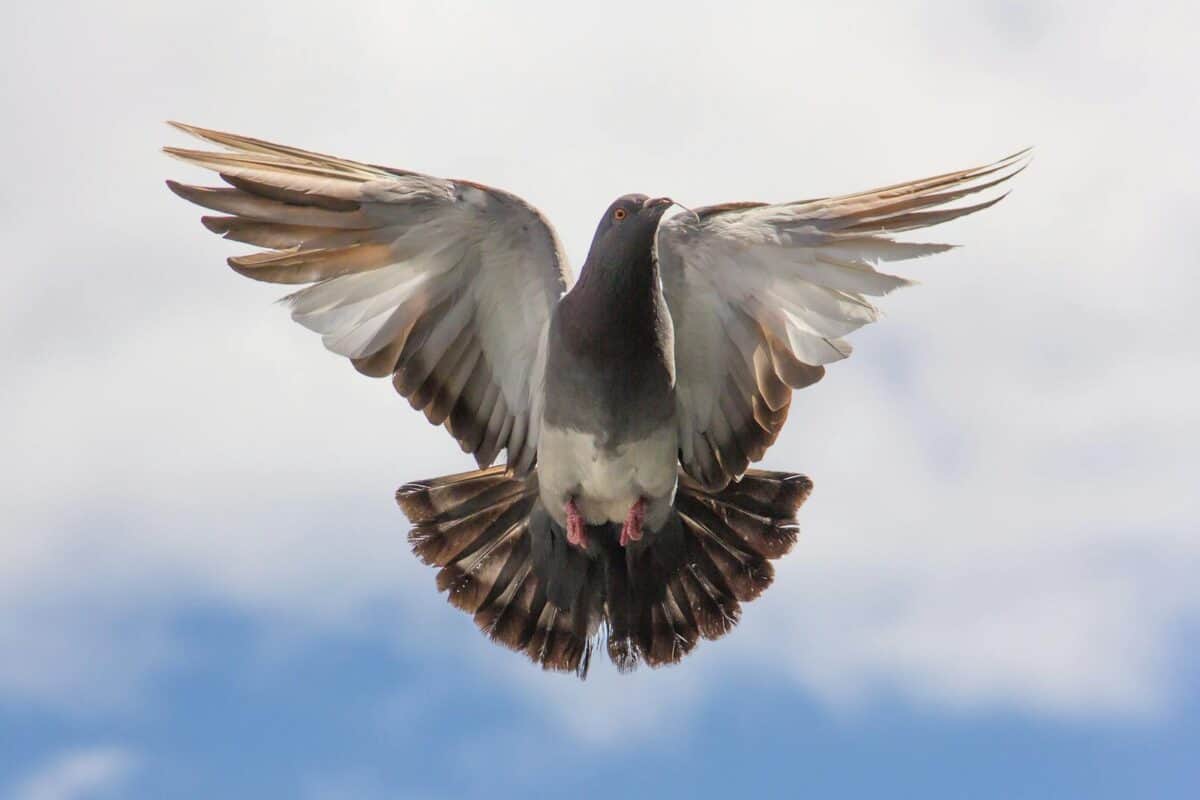
Homing pigeons are a special breed of domesticated pigeons that have an uncanny ability to return to their home loft over vast distances. Whether released in unfamiliar territories or separated from their companions, these birds consistently find their way back, displaying navigational feats that have puzzled and inspired humans.
A Historical Marvel

Round the clock, throughout history, homing pigeons have served critical roles in communication. From ancient civilizations using them to deliver messages across empires to their service in both World Wars for military communication, they have proven to be reliable messengers thanks to their innate navigation skills.
The Basics of Avian Navigation

Bird navigation involves a blend of innate behaviors and learned experiences, which enable them to travel across unfamiliar territories. Homing pigeons, in particular, have been studied extensively to understand the mechanisms behind their impressive navigation skills, making them a key subject in scientific inquiries about animal navigation.
The Role of the Sun and Stars
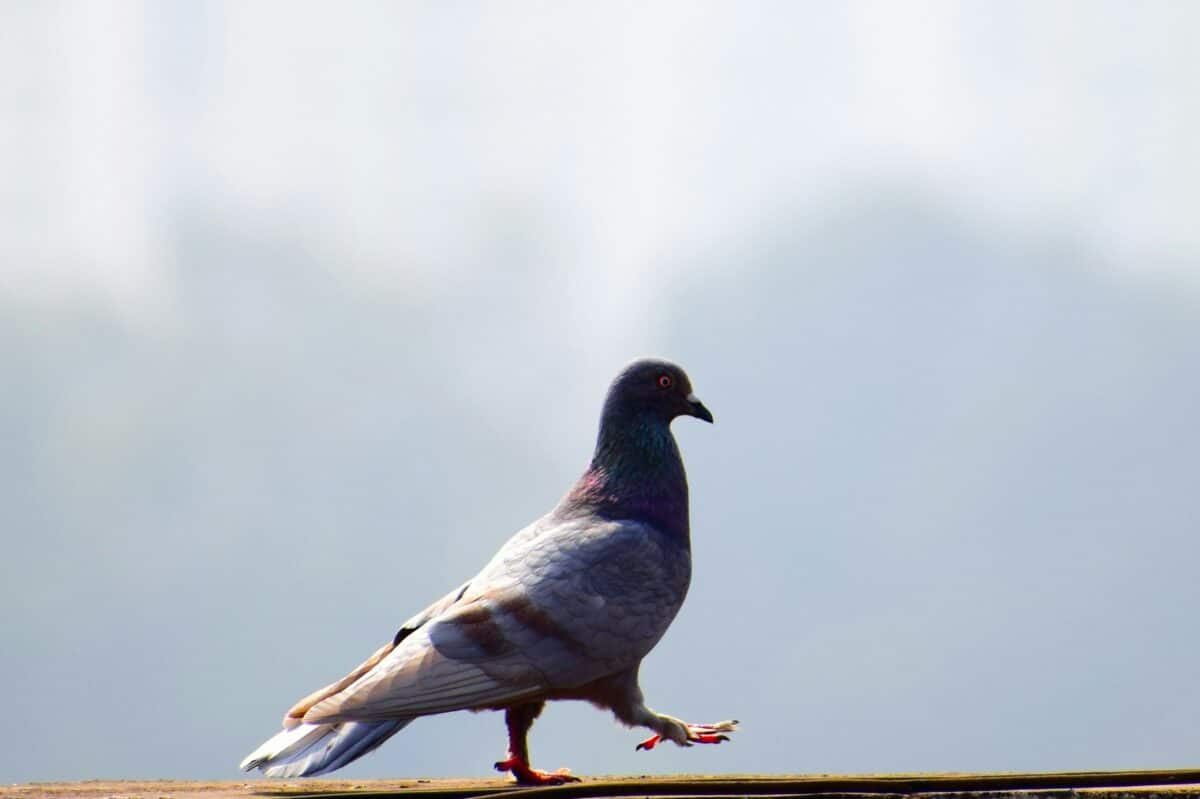
For many years, researchers believed that pigeons navigated using the position of the sun during the day and stars at night. This celestial cue hypothesis held that birds could determine direction by observing the movements of celestial bodies, offering a basic framework for understanding avian navigation.
The Role of the Earth’s Magnetic Field
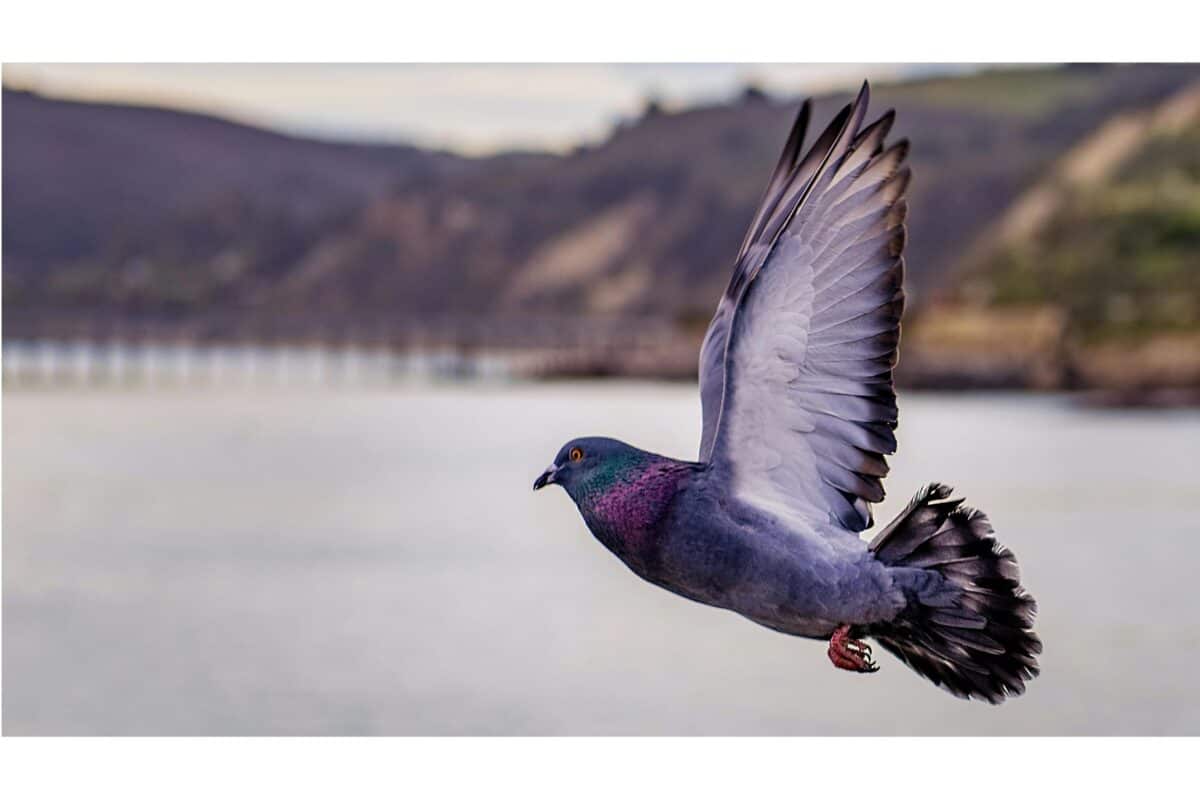
Scientists delved deeper and discovered that pigeons possess an internal compass sensitive to the Earth’s magnetic field. This “magnetoreception” allows pigeons to maintain orientation and direction, even when other visual cues are absent, much like a built-in GPS.
Olfactory Navigation Skills
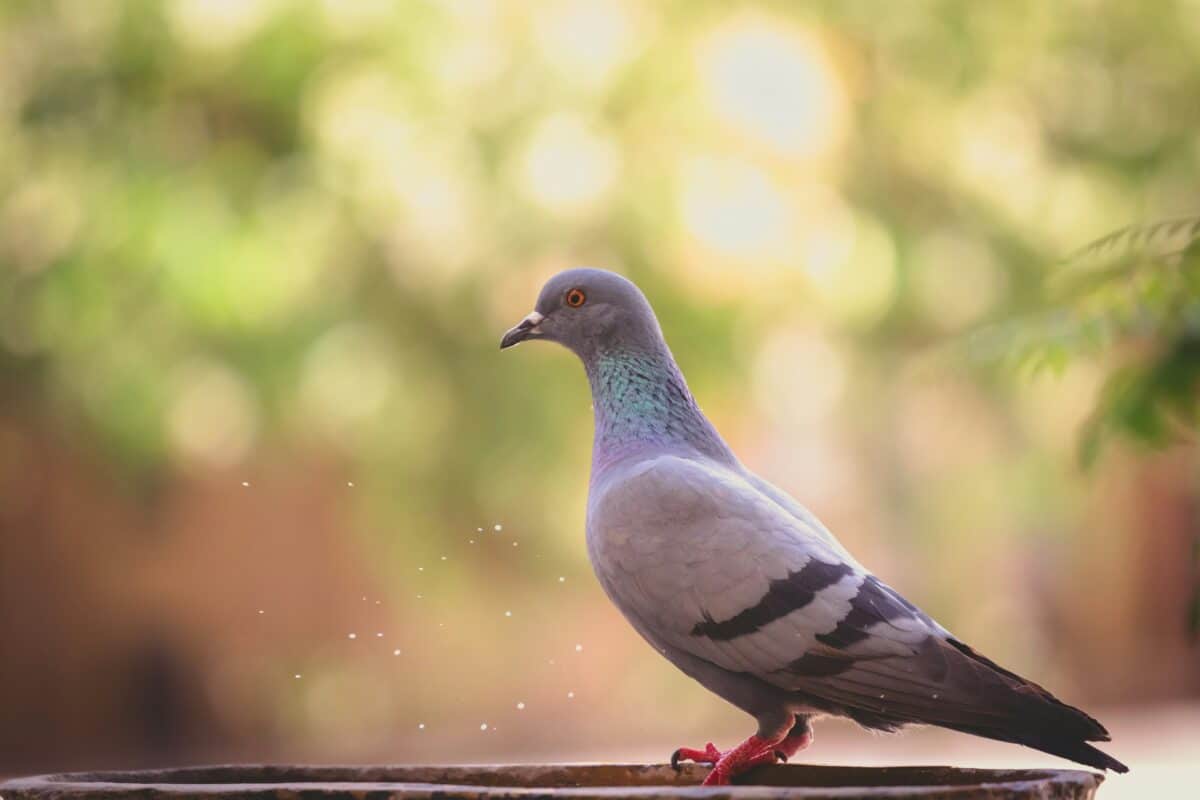
Recent studies revealed that pigeons also rely on their sense of smell to navigate. By creating odor maps based on environmental scents, pigeons can identify their location and establish a flight path home. This groundbreaking discovery has reinforced the multifaceted nature of their navigation capabilities.
Recognizing Landmarks

Visual cues play a crucial role in pigeon navigation, too. Birds recognize familiar landmarks and landscapes, assisting in their long-distance journeys. This visual map memory complements their use of celestial and magnetic cues, creating an integrated navigation system.
Genetics of Navigation

Genetic research has contributed to our understanding of pigeons’ navigational prowess. Scientists have identified specific genes that influence their ability to orient and navigate, suggesting that navigation is, in part, a hereditary skill passed down through generations.
The Role of Experience and Learning
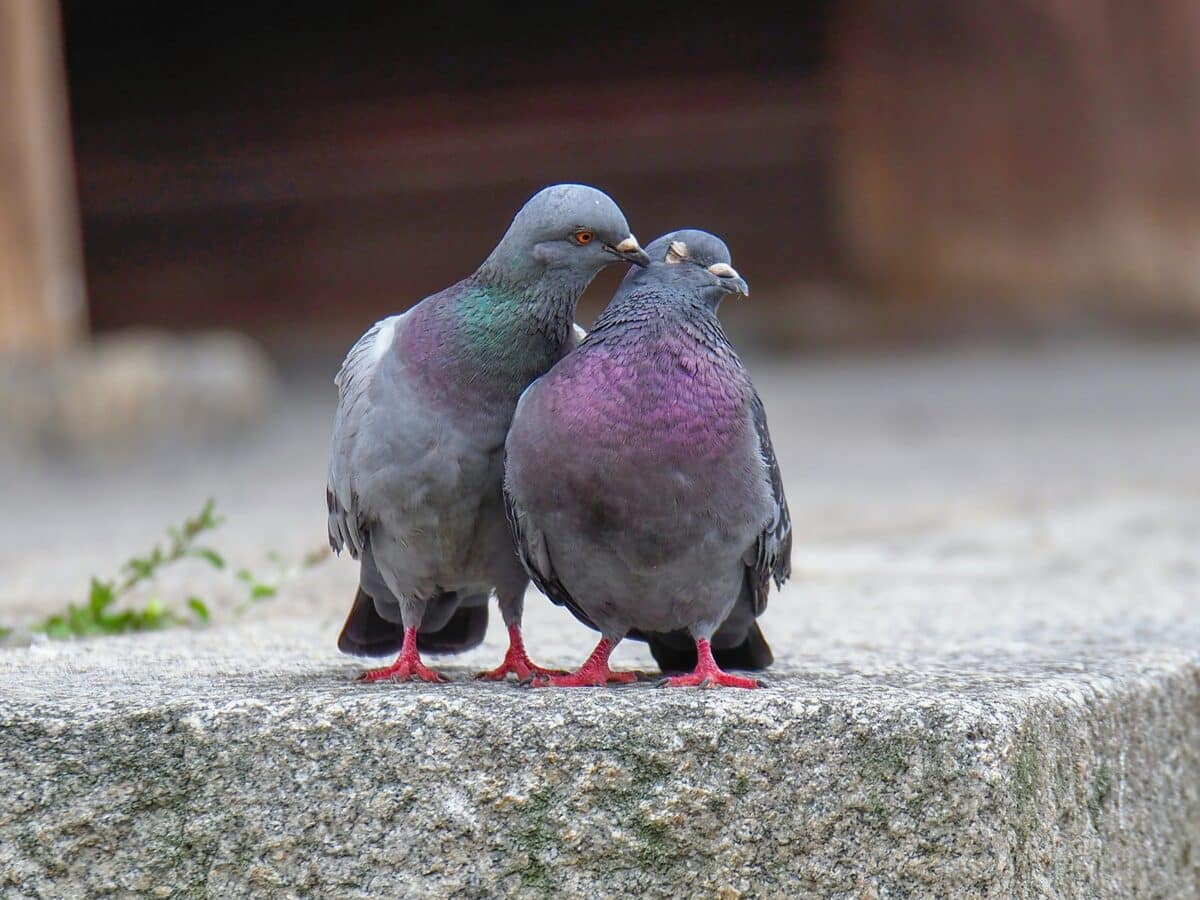
Experience fine-tunes a pigeon’s innate navigation skills. Studies tracking homing pigeons have shown that their routes improve with repeated flights, indicating that learned experiences play a significant role in their navigation efficiency.
Technological Studies in Pigeon Navigation

Advancements in technology have allowed researchers to study pigeons’ flight paths with greater precision. Using GPS tracking devices, scientists have mapped flight routes, unveiling patterns and behaviors previously unseen, further illuminating the complex nature of their navigation.
Implications for Human Technology
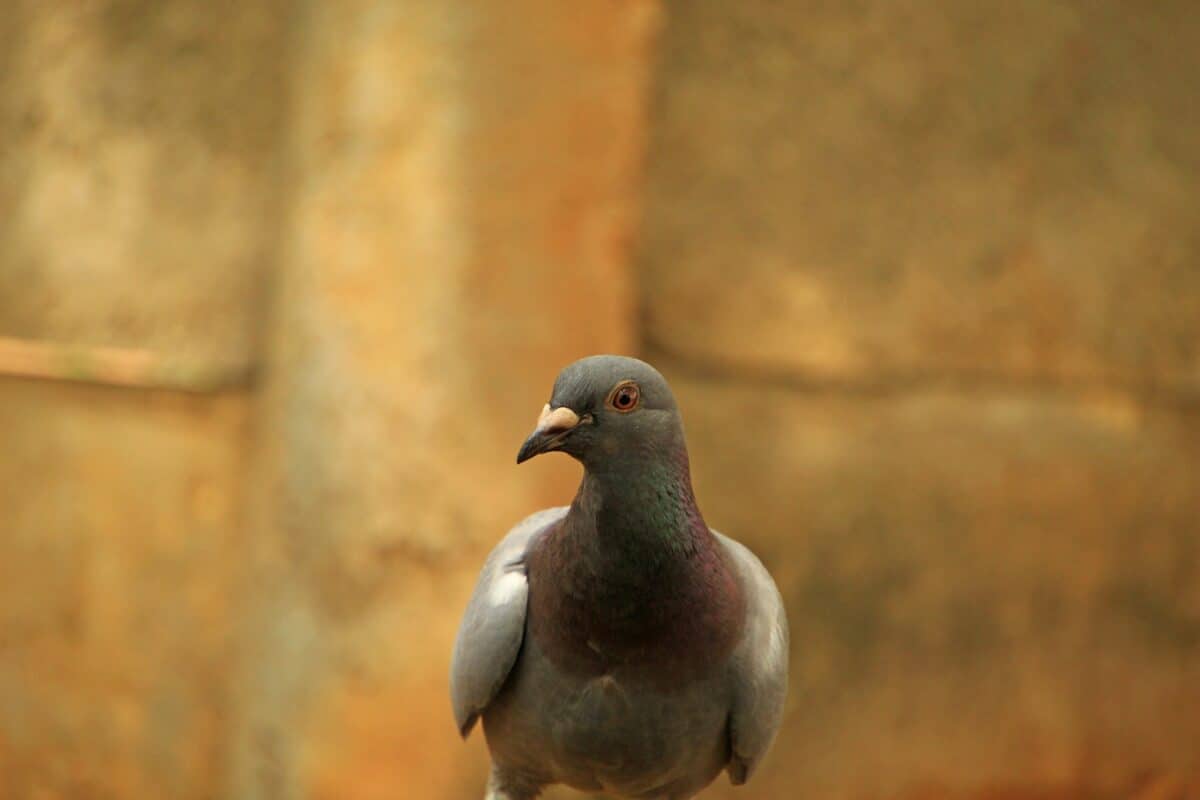
The study of pigeon navigation has broader implications beyond biology. Understanding the intricacies of their natural navigational systems can inspire innovations in human technology, potentially leading to advancements in GPS systems and autonomous navigation for vehicles and drones.
The Future of Research on Homing Pigeons

While much has been uncovered, ongoing research continues to explore the remarkable abilities of homing pigeons. Scientists aim to deepen their understanding of these avian navigators, discovering how they amalgamate different sensory information to create efficient and reliable navigation systems.
Homing pigeons are more than just ordinary birds — they are master navigators and long-standing partners in human history. They captivate us with their seamless blend of instinct and learned skill, making them enduring subjects of scientific intrigue. As we uncover more about their abilities, homing pigeons continue to inspire admiration and wonder, offering fresh insights into the natural world and technological innovation.

From exploring the marine wonders in the Azores and witnessing the vast savannas of Kenya, to delving deep into the rich biodiversity of South Africa and traversing iconic landscapes in Australia and the US like Yellowstone, Chris's experiences are vast.
With a penchant for diving alongside sharks, the ocean holds a special place in his heart.
Through his academic insights, he champions wildlife conservation, striving with 'Animals Around The Globe' to cultivate a profound connection between humans and animals, enhancing our mutual appreciation.
Connect with him at Feedback@animalsaroundtheglobe.com.
- How Bison Are Reshaping the American Prairie - July 10, 2026
- How Ocean Animals Are Affected by Climate Change - July 10, 2026
- 23 Popular Dog Breeds Illinois Vets Secretly Wish You’d Stop Choosing - July 10, 2026