

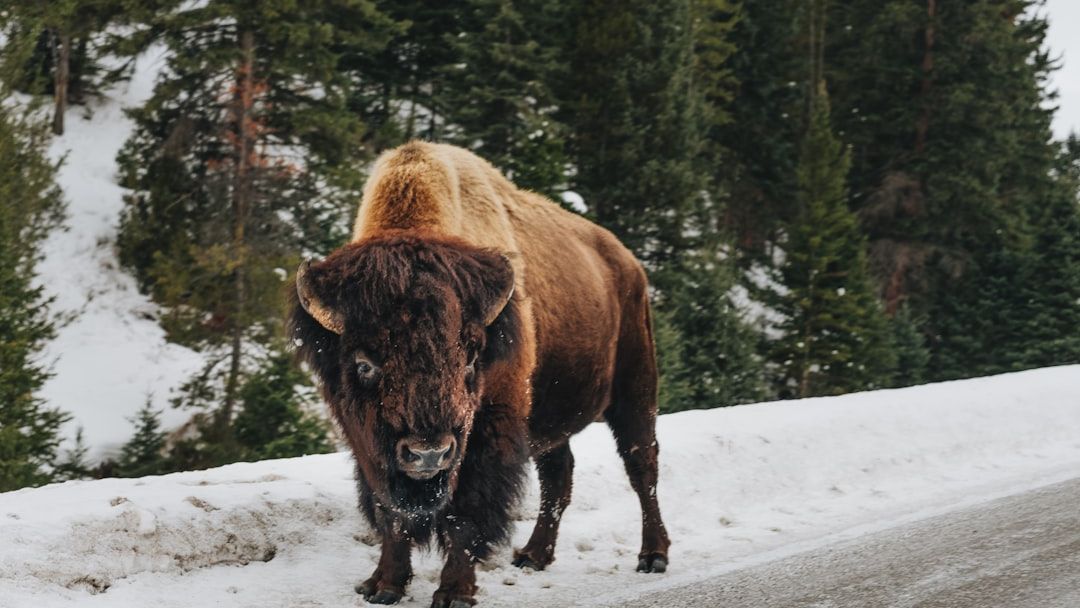
If you’d stood on the Great Plains in the mid-1800s, you would’ve seen something almost impossible to imagine today: millions of bison thundering across the horizon, dark shapes rolling like a storm cloud over the grass. Within just a few decades, that living ocean collapsed to only a few hundred animals left in the wild. For a long time, it looked like the story of the American bison would end as a cautionary tale of greed and shortsightedness.
But that’s not where the story ends. Quietly, steadily, and often against the odds, wild bison herds have been making their way back. Not to the old numbers, not to every corner of the continent, but enough to turn what once felt like tragedy into a slow, powerful comeback. It’s not a miracle, and it’s definitely not complete, but it’s one of the most surprising conservation turnarounds in North America – and it’s still being written right now.
A Near-Extinction That Still Echoes Today
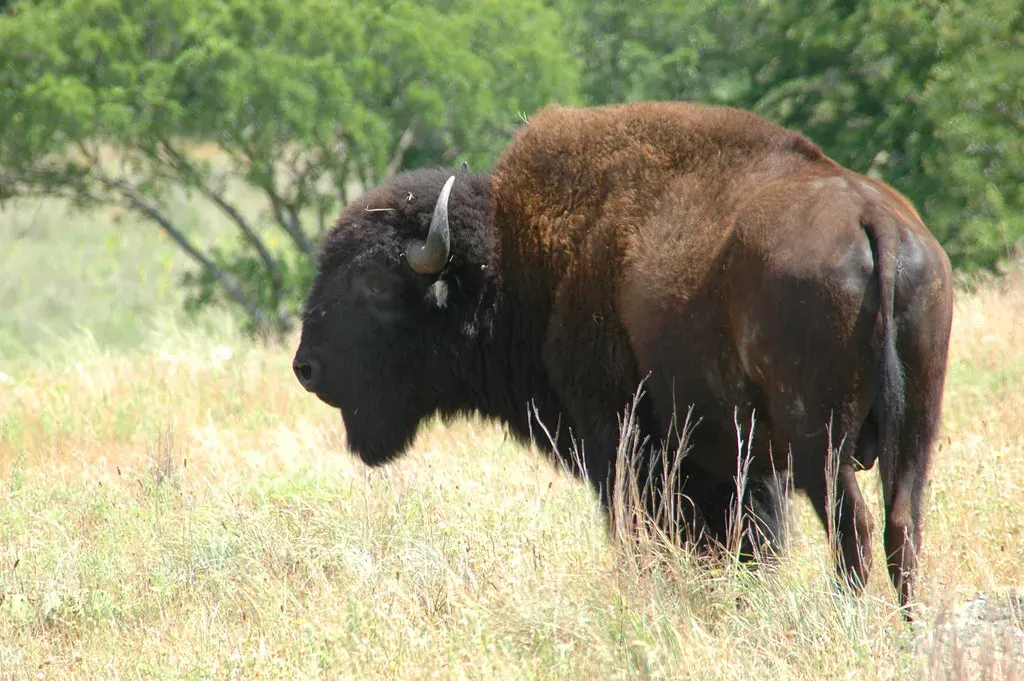
It’s hard to emotionally grasp how close we came to losing bison entirely. In the late 1800s, there were only a few hundred wild bison left in North America, down from tens of millions that once roamed from Canada to Mexico. This wasn’t some natural decline; it was an intentional, industrial-scale slaughter driven by profit, government policy, and a desire to break Indigenous resistance by destroying their primary food source.
Those choices left scars that haven’t healed. Plains tribes lost not just a species, but a central pillar of culture, food security, and identity. Ecologically, grasslands that had evolved with bison for thousands of years were suddenly missing the animal that shaped them. When people talk about bison as a comeback story, it’s important to remember that it started as one of the most brutal wipeouts in environmental history, with human communities paying the deepest price.
From a Few Hundred to Hundreds of Thousands
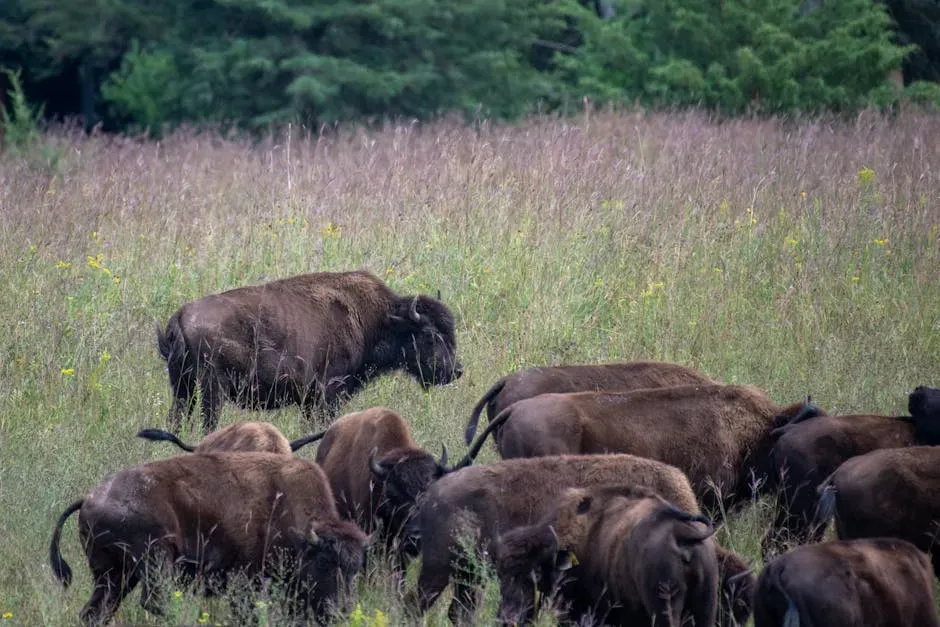
What makes the bison story feel almost unreal is how far they’ve climbed back from that tiny, fragile remnant. Today, there are several hundred thousand bison in North America, most of them living in managed herds on private ranches, tribal lands, and conservation areas. That’s nowhere near the staggering sea of animals that once existed, but it’s a long way from the cliff edge of extinction.
The wild, free-ranging herds are still a small fraction of the total, and they’re mostly tucked into specific regions like Yellowstone, the Dakotas, parts of Montana, and some Canadian prairie reserves. But compared with a century ago, when every single animal had to be carefully tracked and protected, we now have multiple herds stable enough to support long-term planning. The numbers alone don’t tell the whole story, yet they show that this isn’t just symbolic recovery – it’s real, living, breathing progress.
Yellowstone: Ground Zero for Modern Bison Recovery
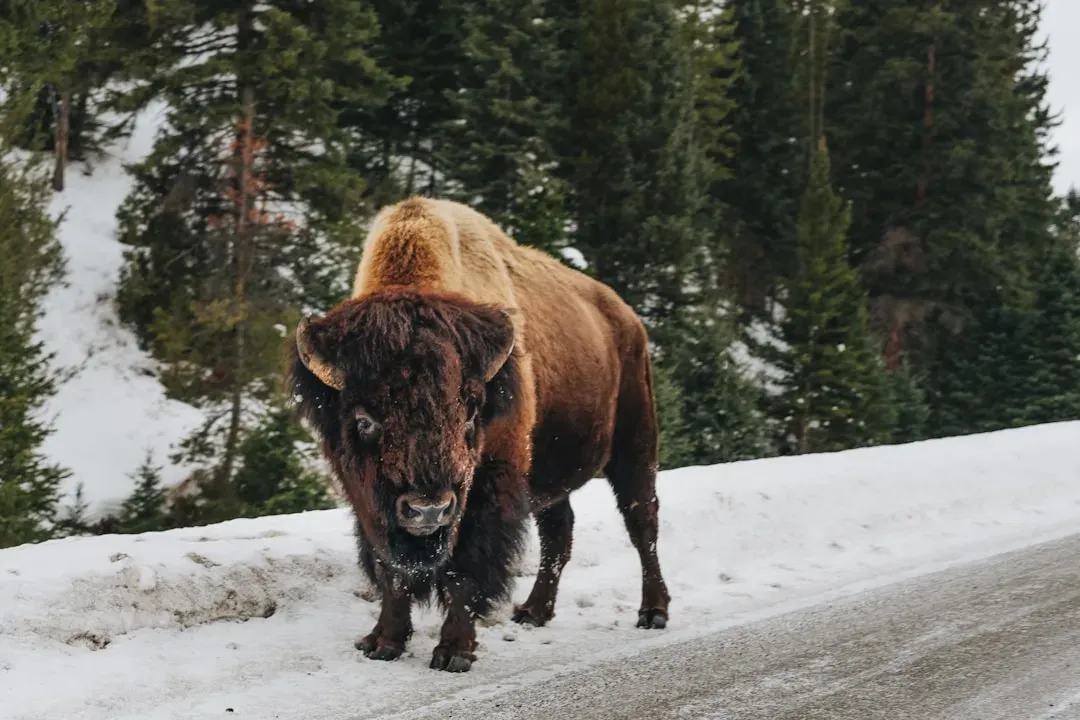
If there’s one place that feels like the beating heart of wild bison recovery, it’s Yellowstone National Park. The bison that survived there in the early 1900s became a crucial source for rebuilding other herds across the continent. Today, Yellowstone’s herd numbers in the thousands and is one of the few that still moves across the landscape much like its ancestors did, following the seasons and the grass instead of fences.
Yellowstone’s bison aren’t just important because there are a lot of them; they matter because they behave like truly wild animals. They migrate, they shape the land, and they’re not fed or treated like livestock. At the same time, the herd sits in the middle of a constant debate about disease, grazing rights, and where bison are “allowed” to roam once they step outside park boundaries. That tension makes Yellowstone both a success story and a reminder that wildness is complicated when it collides with modern property lines.
Indigenous Leadership Is Transforming the Bison Story
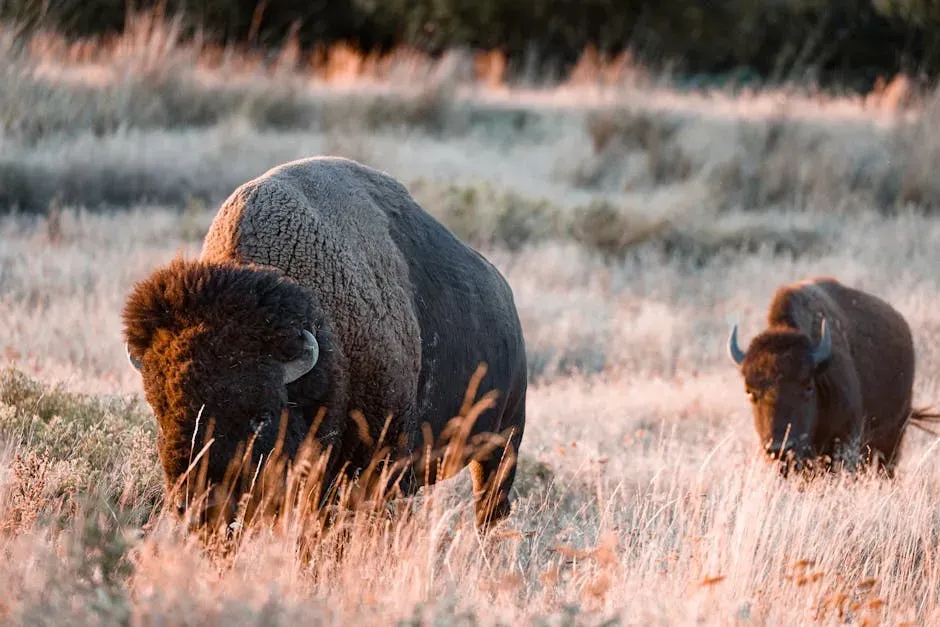
One of the most inspiring parts of the bison comeback is that many of the most meaningful efforts are being led by Indigenous nations. For numerous Plains tribes, the return of bison isn’t just about wildlife; it’s about food sovereignty, cultural revival, and repairing a relationship that was violently broken. Tribal-led herds on lands in places like Montana, South Dakota, and beyond are growing, and they’re being managed through Indigenous priorities rather than outside agendas.
These projects often blend ecological goals with community ones: restoring grasslands, rebuilding traditional diets, providing local meat, and teaching younger generations skills and stories tied to bison. I remember the first time I watched footage of a tribal herd being released onto restored prairie – people cheering, kids running, elders watching with quiet, fierce pride. It felt less like conservation and more like something that should have never been interrupted in the first place finally starting to reconnect.
Wilder Than Cattle: Why Bison Are Ecological Powerhouses
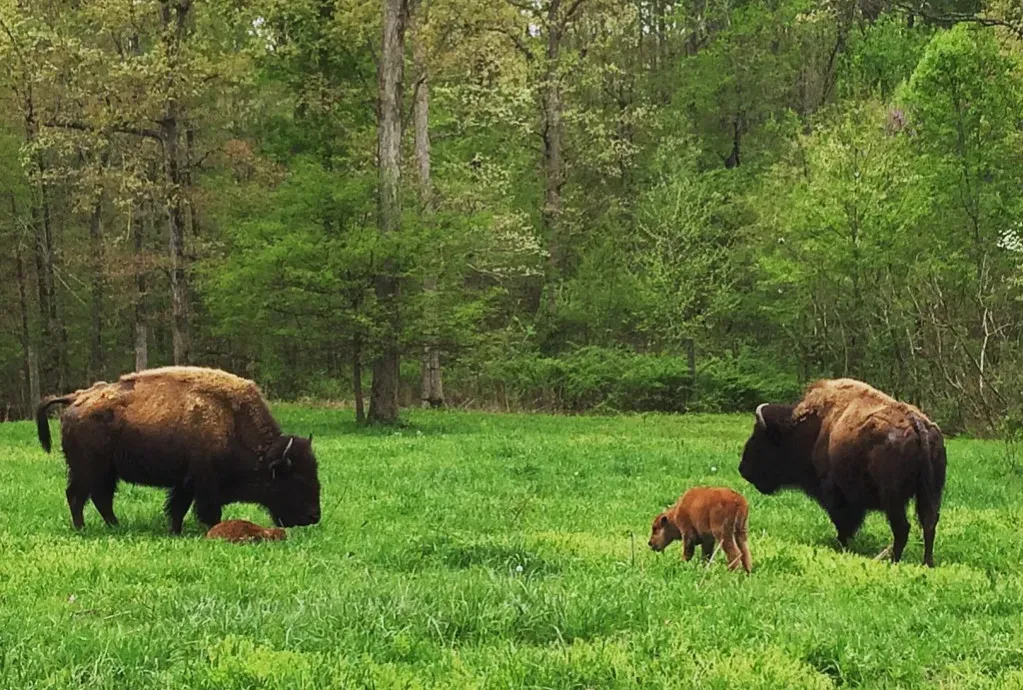
It’s tempting to think of bison as just big, hairy cows, but ecologically they play a very different role. Bison have evolved with North American grasslands for thousands of years, and their grazing style creates a patchwork of short and tall grasses that benefits birds, insects, and small mammals. Their hooves break up soil, helping seeds find purchase, and their wallowing creates small depressions that catch water and provide habitat for plants and wildlife.
Unlike cattle, which often graze intensely in one area, bison tend to move more, hitting an area and then wandering off so the land can recover. That pattern can help maintain prairies, reduce woody encroachment, and boost biodiversity when herds are managed with enough space and flexibility. In some restored prairies, the return of bison has led to more native wildflowers, healthier soil, and a visible increase in other wildlife – like a keystone pulling a whole arch back into shape.
New Herds Are Reclaiming Old Grasslands
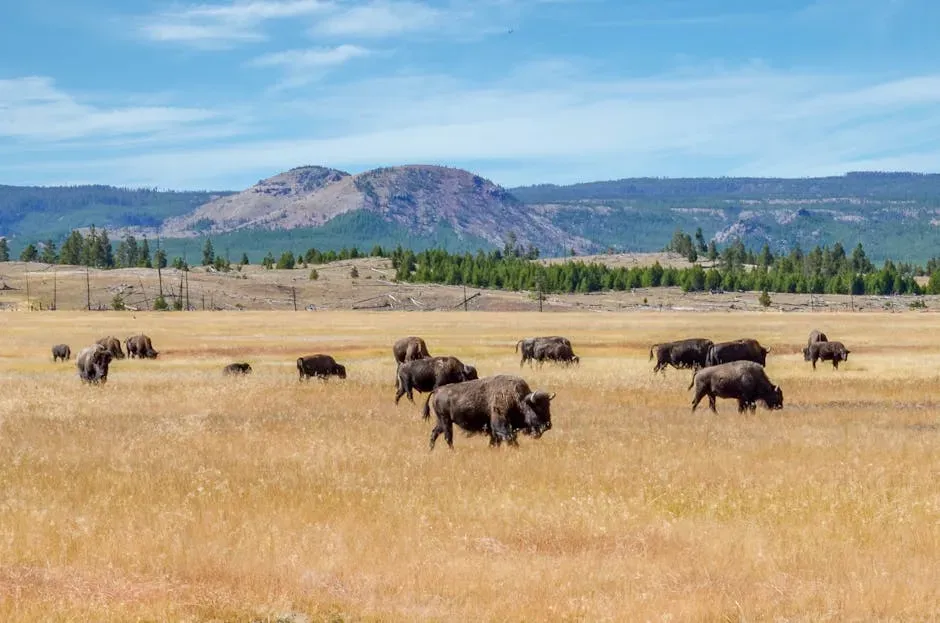
Across the Plains, more and more former crop fields and degraded ranchlands are being converted back into native grasslands – and in many of those places, bison are part of the plan. Conservation groups, private landowners, and public agencies have been working together to rebuild prairies and then bring in carefully managed herds to graze them. In states like South Dakota, Nebraska, Colorado, and Kansas, you can now find bison roaming spaces where they hadn’t been seen for generations.
These aren’t just tourist attractions; they’re functional landscapes. Bison are being used to help control invasive plants, recreate natural disturbance, and rebuild the kind of grass systems that can store significant amounts of carbon in the soil. Standing on one of these restored sites, with bison spread out across rolling hills, it hits you that you’re looking at something that’s both very old and strangely new at the same time – a glimpse of what once was and what could still be expanded.
The Complicated Politics of Fences, Ranches, and Disease
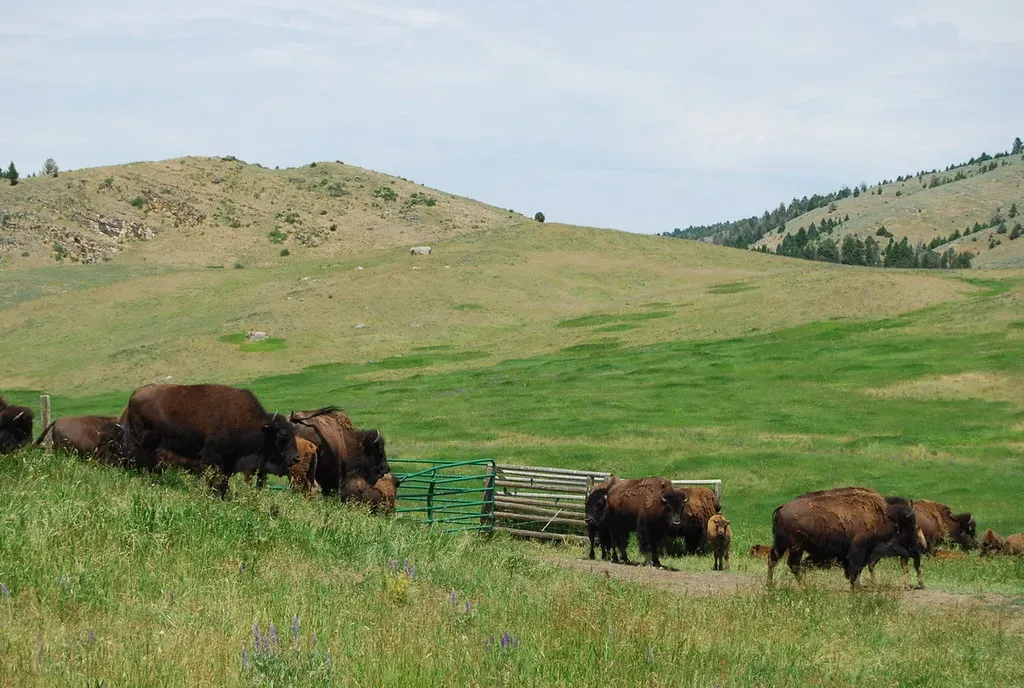
For all the good news, bison recovery is tangled up in some hard realities. Many ranchers worry about bison transmitting diseases like brucellosis to cattle, even though actual documented transmission from wild bison is rare and heavily monitored. Property owners are understandably nervous about large, powerful animals crossing fences, damaging infrastructure, or competing for forage with livestock. These concerns shape whether and where wild bison are allowed to roam outside protected areas.
In practice, that means most bison live behind fences, and their movements are tightly controlled compared with the past. Instead of a continuous sea of animals, we have islands of herds separated by roads, private land, and legal boundaries. Some conservationists argue that we need more room for truly wild bison, while others focus on making coexistence work within today’s realities. It’s messy, emotional, and sometimes confrontational, because it asks a blunt question: how much wildness are we actually willing to live with?
Bison, Climate Resilience, and the Future of the Plains
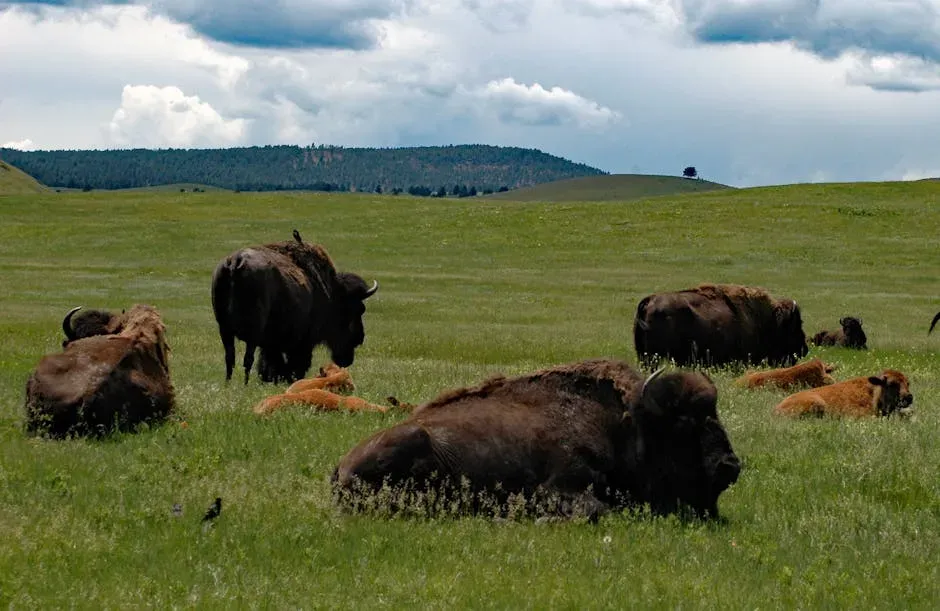
As the climate warms and weather patterns on the Plains become more extreme, bison might matter for reasons that go far beyond nostalgia or even biodiversity. Healthy grasslands, especially those grazed in dynamic ways, can store a lot of carbon underground in deep root systems. Bison, by constantly moving and disturbing the soil surface without plowing it up, can help maintain those root networks and the complex life in the soil.
There’s growing interest in using bison as part of climate-smart land management, especially in areas where restoring native prairie is possible. They’re tough animals, built to handle brutal winters, scorching summers, droughts, and storms, which makes them surprisingly well-suited to a future where weather is less predictable. In a world that’s often scrambling for technological fixes, there’s something quietly radical about looking to an ancient grazer as part of a modern climate solution.
Seeing Bison in Person Changes the Story
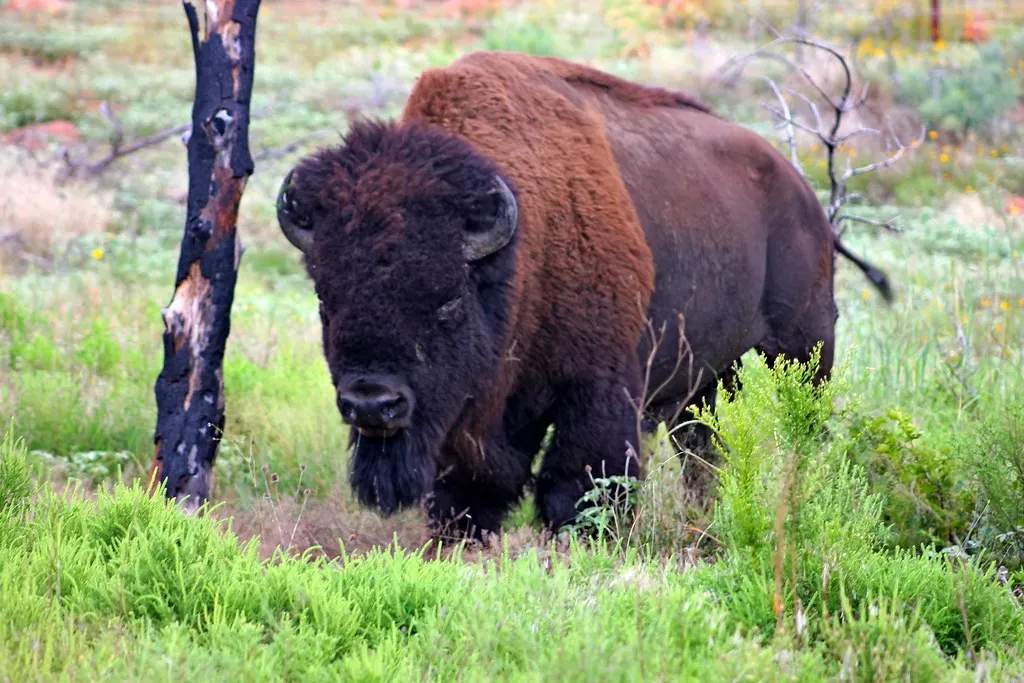
Reading about bison is one thing; standing a respectful distance away and feeling the ground tremble under their hooves is something else entirely. In parks, refuges, and tribal lands across the Plains, more people are getting that experience again – hearing the low rumble of a bull, watching cows and calves navigate the grass, seeing how big and yet incredibly agile these animals really are. It’s hard not to feel a mix of awe and guilt, knowing how close we came to erasing them.
That emotional connection matters. People who’ve seen bison in the wild often talk about them differently afterward – with more urgency, more care, and sometimes more willingness to support restoration efforts with their votes or their wallets. It’s a reminder that conservation isn’t just policy and science; it’s also about the stories we tell ourselves and the feelings that push us to act. Once you’ve locked eyes with a wild bison, it’s much harder to treat them as an abstract symbol on a coin or a sports logo.
Where the Comeback Goes From Here
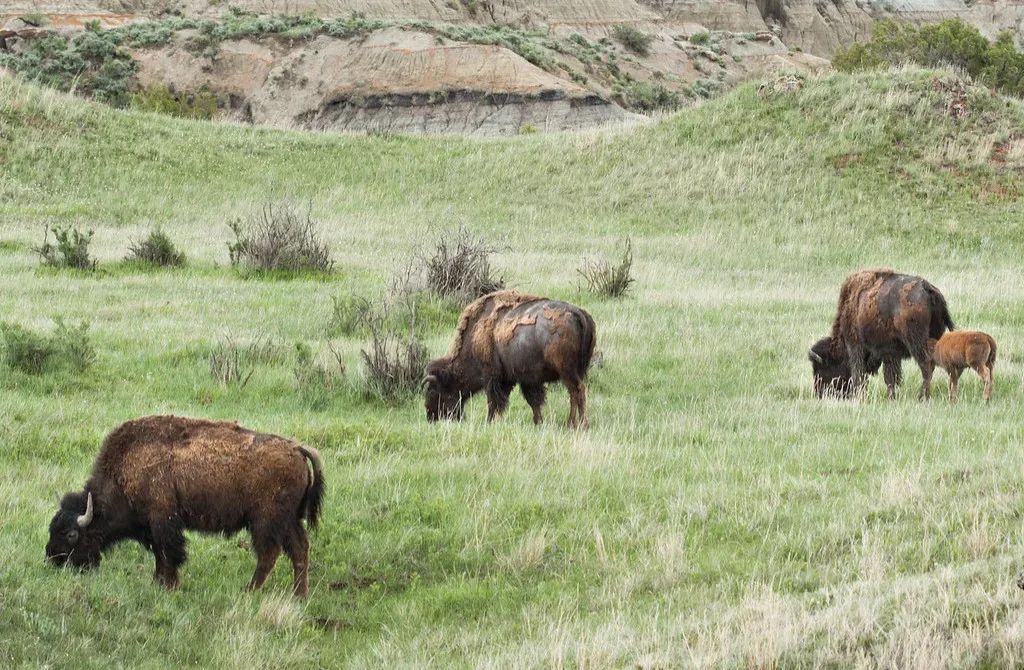
America’s wild bison herds are undeniably making a comeback, but it’s a partial and fragile one. The animals are back in greater numbers, and in more places, than anyone alive a century ago would have dared to hope. Yet they’re still confined, still controversial, and still a shadow of their old continental presence. The next chapters will likely be written in negotiations between tribes, ranchers, conservationists, and governments, deciding where bison fit into a modern, crowded landscape.
In a way, bison force us to decide what kind of future we want for the Great Plains: endless fields and fences, or a patchwork that leaves room for big, unruly life. Their story so far shows that disaster can be reversed with time, humility, and stubborn effort, but it also warns how quickly abundance can be smashed. As these herds push slowly back across the plains, one fence line and one agreement at a time, the real question might be less whether bison can adapt – and more whether we will. What kind of prairie would you rather pass on to the people who come after you?

- Mars’ Watery Secrets: River Deltas Reveal Evidence of Ancient Oceans - June 13, 2026
- Nurturing Tiny Companions: Tips To Keep Small Pets Happy - June 12, 2026
- 10 Must-Have Toys to Ignite Your Dog’s Mental Agility - June 10, 2026