


Chicago’s rat problem has reached staggering proportions, and the situation continues to deteriorate despite millions in city spending and numerous control efforts. What started as an urban nuisance has evolved into a full-blown crisis that’s transforming neighborhoods and challenging city officials like never before.
The statistics paint a disturbing picture. Walking through downtown Chicago today, it’s hard to ignore the growing evidence of rodent activity in alleys, near dumpsters, and even in broad daylight. While many assumed the famous “Chicago rat hole” that went viral in 2024 was the perfect symbol of the city’s rodent issues, scientists recently discovered it was actually made by a squirrel. Honestly, that might be even more unsettling than if it were a rat.
Chicago’s Decade-Long Reign as America’s Rattiest City

For the tenth straight year, Chicago has secured the top spot on Orkin’s Top 50 Rattiest Cities List, maintaining its reign since the list’s inception. This achievement puts the Windy City ahead of even New York and Los Angeles, which consistently rank second and third respectively.
This decade-long dominance highlights the city’s ongoing battle with rodents, as well as the efforts taken to treat their presence, which has been driven largely by the Windy City’s infrastructure and environment. Chicago’s abundance of alleys provides rodents with hidden havens, offering plenty of space to hide while feasting on trash. The city’s unique layout creates perfect conditions for rodent colonies to thrive undetected.
The Shocking Scale of Chicago’s Rat Problem

Rats are a growing issue in Chicago and complaints increased by nearly 40% between 2008 and 2017. These numbers represent just the tip of the iceberg, as many residents never file formal complaints despite witnessing rat activity regularly.
The percentage of rat complaints from an alderman’s office has increased from just over 3% in 2019 to over 20% so far in 2025, possibly indicating elected officials are getting more involved with the problem. This dramatic surge suggests the situation has reached critical levels where political intervention has become necessary.
Why Chicago’s Infrastructure Creates a Rat Paradise

Rodents also love to burrow, finding shelter beneath subway tracks or around underground pipes. In these hidden spots, the rodent population can grow if left unchecked. Chicago’s extensive underground infrastructure provides countless opportunities for rats to establish colonies away from human detection.
The city’s alley system, while practical for waste management, creates perfect corridors for rat movement and feeding. These hidden pathways allow rodent populations to spread throughout neighborhoods without residents realizing the extent of the infestation until it’s too late.
The Biological Horror: How Fast Rats Multiply
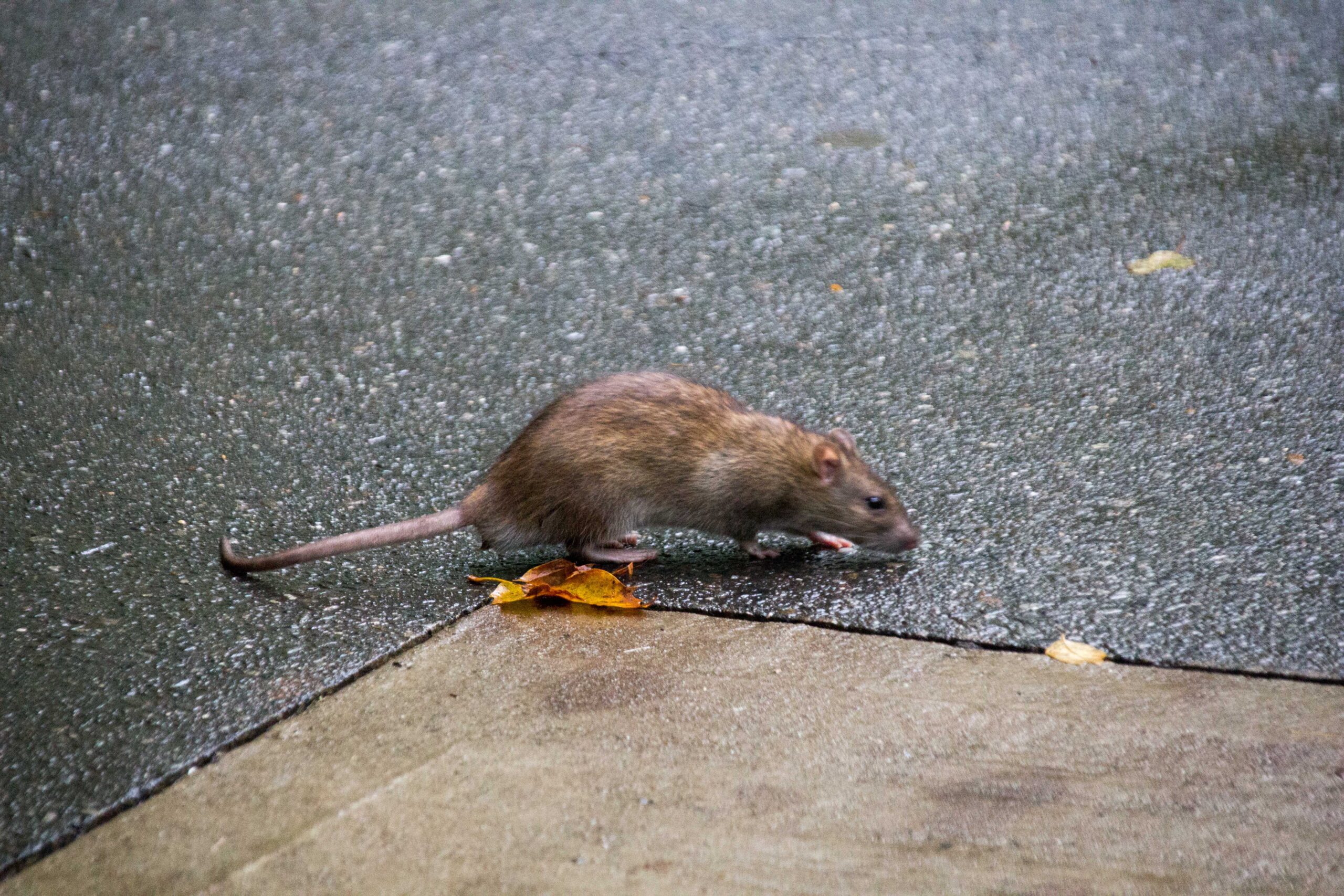
Beginning at the age of two to three months, a female rat can produce four to seven litters per year with each litter containing eight to twelve pups. Females can become impregnated within 48 hours after giving birth. These reproduction rates mean a small rat problem can explode into a neighborhood crisis within months.
Rats have extremely strong, constantly growing teeth that can chew through many materials including steel garbage cans. They also reproduce quickly, causing a small infestation to become a big problem, sometimes before property owners even realize the animals are nearby. This combination of physical capabilities and reproductive speed makes rats nearly unstoppable once established.
The City’s Expensive but Failing Response

Mayor Brandon Johnson’s recommended budget allocates $14.85 million to the Bureau of Rodent Control for the 2024 fiscal year. That’s about $1.5 million more than the bureau received last year for “rodent control” services, which includes eliminating unwelcome guests through inspections and baiting of alleys and sewers, and removing dead rodents from the public way.
Despite this massive investment, the results have been disappointing. For the last two years, the bureau failed to meet its goals to handle each rat complaint within five days. Meanwhile, the rat-fighting bureau is still down about a quarter of its employees since 2019, when it had about 160 people working full time.
Unintended Consequences: When Rat Control Kills Wildlife

Then one by one, the owls died: first the adult male, followed by the owlet, and finally the female. Necropsies later confirmed rodenticides as the cause of death. This tragic incident in Lincoln Park highlights a disturbing side effect of Chicago’s war on rats.
But too often in cities like Chicago, the rodents are laced with poisons known as anticoagulant rodenticides. These rodenticides, which interfere with an animal’s ability to cycle Vitamin K and clot blood, are Chicago’s primary weapon in the city’s seemingly neverending war on rats. The very predators that could naturally control rat populations are being killed by the city’s control methods.
New Approaches and Technological Solutions

In 2025, the department will begin a trial of carbon dioxide as an alternative solution to rodenticides and is currently preparing a request for proposals from CO2 vendors. This represents a significant shift away from the poisoning approach that has proven both ineffective and environmentally damaging.
The Cats at Work program empowers property and business owners to care for a “colony” of feral cats to keep area rodent populations at manageable levels. Some neighborhoods have reported remarkable success with this natural approach, though it remains controversial among bird conservation advocates.
The Human Cost of Living with Rats

Rodents are known to spread illnesses to humans, including Leptospirosis, Salmonellosis, LCM, plague and typhus. The health implications extend far beyond simple property damage, creating genuine public safety concerns for Chicago residents.
Personal accounts from residents reveal the psychological toll of living with persistent rat infestations. Many report sleep disruption from nighttime scurrying sounds, anxiety about food safety, and the constant stress of checking for signs of rodent activity. The problem has become so severe that some residents have been forced to relocate, unable to find effective solutions despite repeated complaints to landlords and city officials.
Conclusion

Chicago’s rat crisis represents more than just an urban inconvenience, it’s become a complex environmental and public health challenge that traditional methods have failed to solve. Despite spending nearly fifteen million dollars annually on rodent control, the city continues to lose ground in this ongoing battle.
The situation demands innovative approaches that balance effectiveness with environmental responsibility. Until Chicago addresses the root causes, including infrastructure improvements and coordinated neighborhood efforts, residents will continue to face the reality of sharing their city with an increasingly bold and numerous rodent population.
What do you think about Chicago’s rat problem? Have you witnessed the situation firsthand, and what solutions do you believe might actually work?
