

There’s a particular kind of quiet that settles over a barn in the early morning. The sound of hay shifting, a soft nicker, the creak of a stall door. If you’ve heard it, you know it. If you haven’t, it’s nearly impossible to describe in a way that does it justice.
Living with horses isn’t a hobby in the conventional sense. It reshapes your mornings, recalibrates your sense of time, and fundamentally changes how you read another creature’s moods. People on the outside often see the romance of it. Those on the inside understand the reality, which turns out to be even richer and more demanding than the romanticized version ever suggested.
Your Schedule No Longer Belongs to You
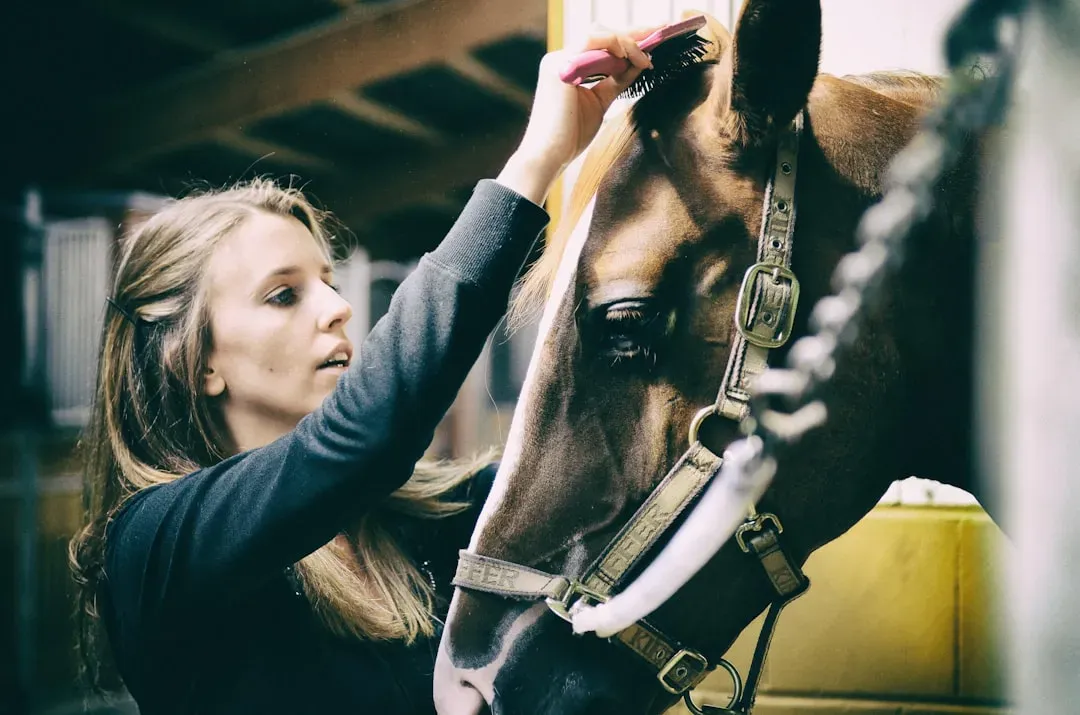
Horses run on their own clock, and eventually, you run on it too. Beyond the financial side of ownership, horses require a massive time commitment. A boarded horse requires roughly eight to twelve hours per week for exercise and care, while keeping a horse at home can demand fifteen to twenty or more hours weekly, covering daily feeding, maintaining stalls, pastures, and property, riding, and groundwork.
It’s difficult, if not impossible, to take vacations when you have twice-a-day, 365-day-a-year chores. The barn doesn’t take public holidays. It doesn’t care about your birthday plans or a family gathering three hours away.
Horses are creatures of habit. They thrive on predictability, and a consistent routine helps reduce stress and promotes a sense of security. The upside is that once you accept the structure, there’s something genuinely grounding about a life built around reliable daily rhythms.
Reading Body Language Becomes Second Nature
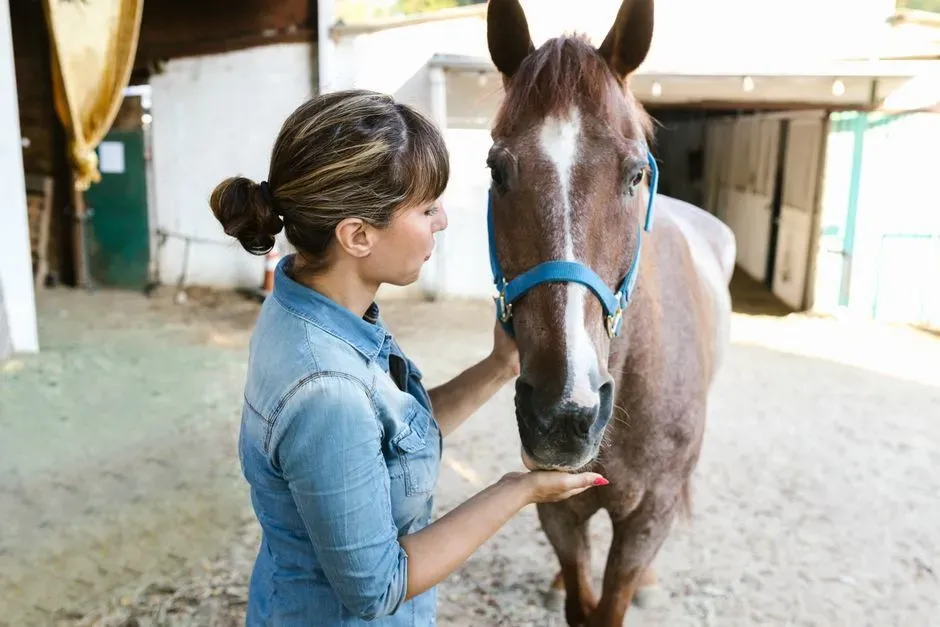
Horses communicate much more through postures, gestures and expressions than they do with their vocal cords. The ability to read and respond to this horse body language is what sets great trainers apart from the rest. For people who live with horses daily, this skill quietly becomes automatic.
As prey animals, horses have developed the ability to communicate with their herd using subtle cues. Every movement of their body, such as a flick of an ear, a swish of a tail, or a shift of weight, carries significant meaning. You learn to notice these things the way you’d notice a change in someone’s facial expression mid-conversation.
Humans generally find it easy to identify the big behavioral signs that horses display such as rearing, bucking, biting, kicking, but we may not be so adept at recognising the smaller, more subtle signs. When we don’t recognise or respond to our horses’ more subtle signs of communication, it results in them having to escalate. Of course, horses can’t actually scream, so they use big behavioral explosions to do this instead. Living with them daily means catching those quiet signals long before things escalate.
The Financial Reality Is Steeper Than Anyone Warns You
When surveyed, the vast majority of horse owners felt prepared for horse care expenses. However, one study found that the actual total lifetime cost is three to four times higher than what horse owners expect. That gap between expectation and reality hits hardest in the first year or two of ownership.
The cost of horse ownership ranges from roughly three hundred thousand to nearly one million dollars based on the role of the horse, covering food and nutrition, boarding and grooming, farrier services, tack and gear, routine and emergency veterinary care, end of life care, and more, over a horse’s lifetime averaged at 25 years.
Not only do you need to afford buying a horse, but you also need to afford the daily care, boarding, feed, vet, and farrier bills that accompany ownership. The expenses are significantly more than the initial purchase price, especially if your horse has high medical costs. Veterans of the lifestyle know this well. They’ve learned to budget not just for the expected, but for the unpredictable.
You Become an Unofficial Veterinarian, Farrier, and Nutritionist
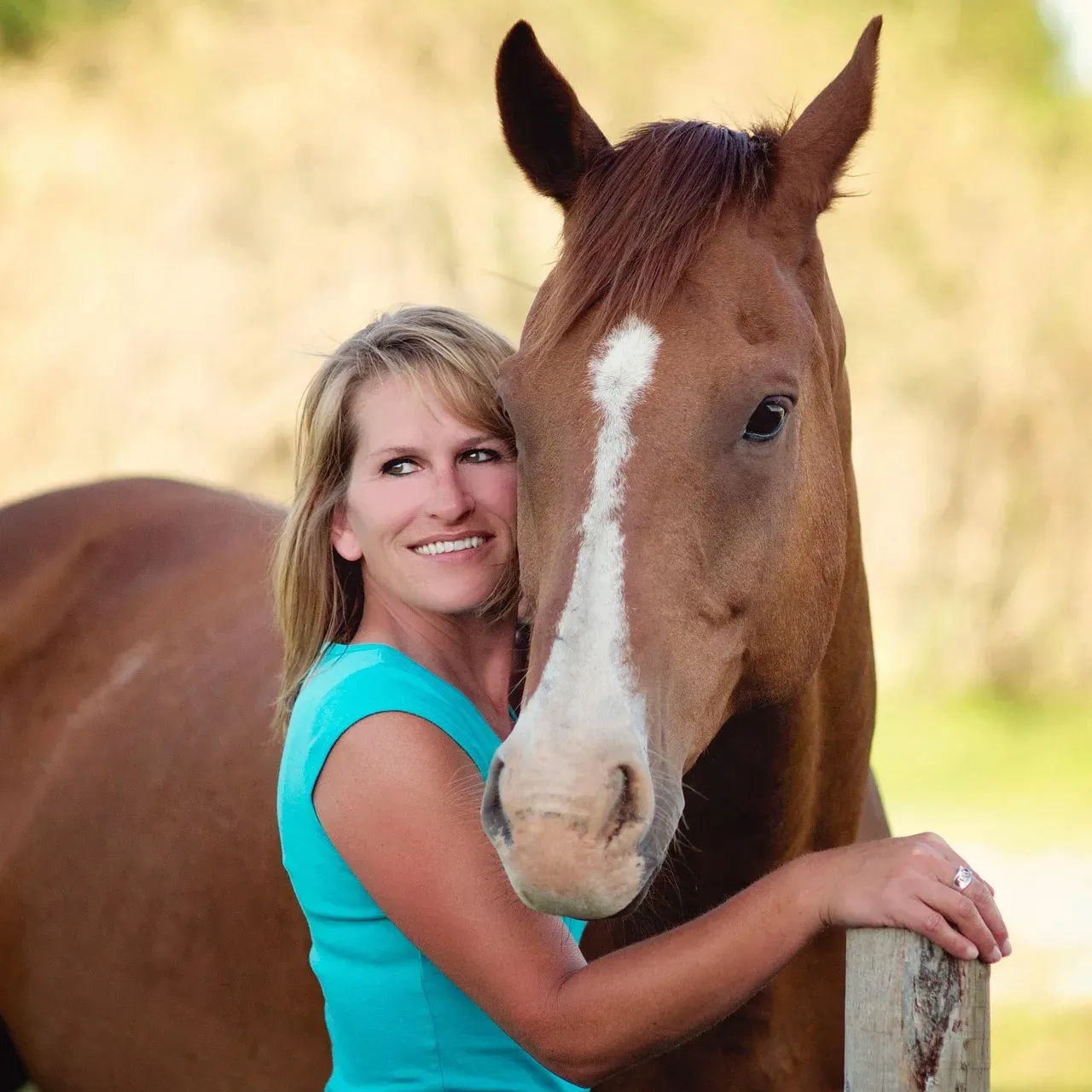
Research shows that owners involved in the daily care of their horse results in a healthier horse and reduced veterinary costs. Being familiar with your horse’s vitals, including temperature and heart rate, and their normal behavior is essential, since changes in these are usually early signs of illness. Horse people absorb this knowledge gradually, almost without realizing it.
Running your hands over your horse’s entire body and down each leg becomes routine. You feel for any heat, swelling, cuts, scrapes, or sensitive spots. Picking up each foot to check for rocks, heat, or signs of thrush is just part of a normal day.
It’s recommended that horses eat about one percent of their body weight in hay or pasture grasses and legumes daily. Horses that primarily consume hay typically eat fifteen to twenty pounds of hay per day. Knowing what and how much your horse eats on any given day becomes one of your most reliable early warning systems for health issues.
Horses Sense What You Bring Into the Barn
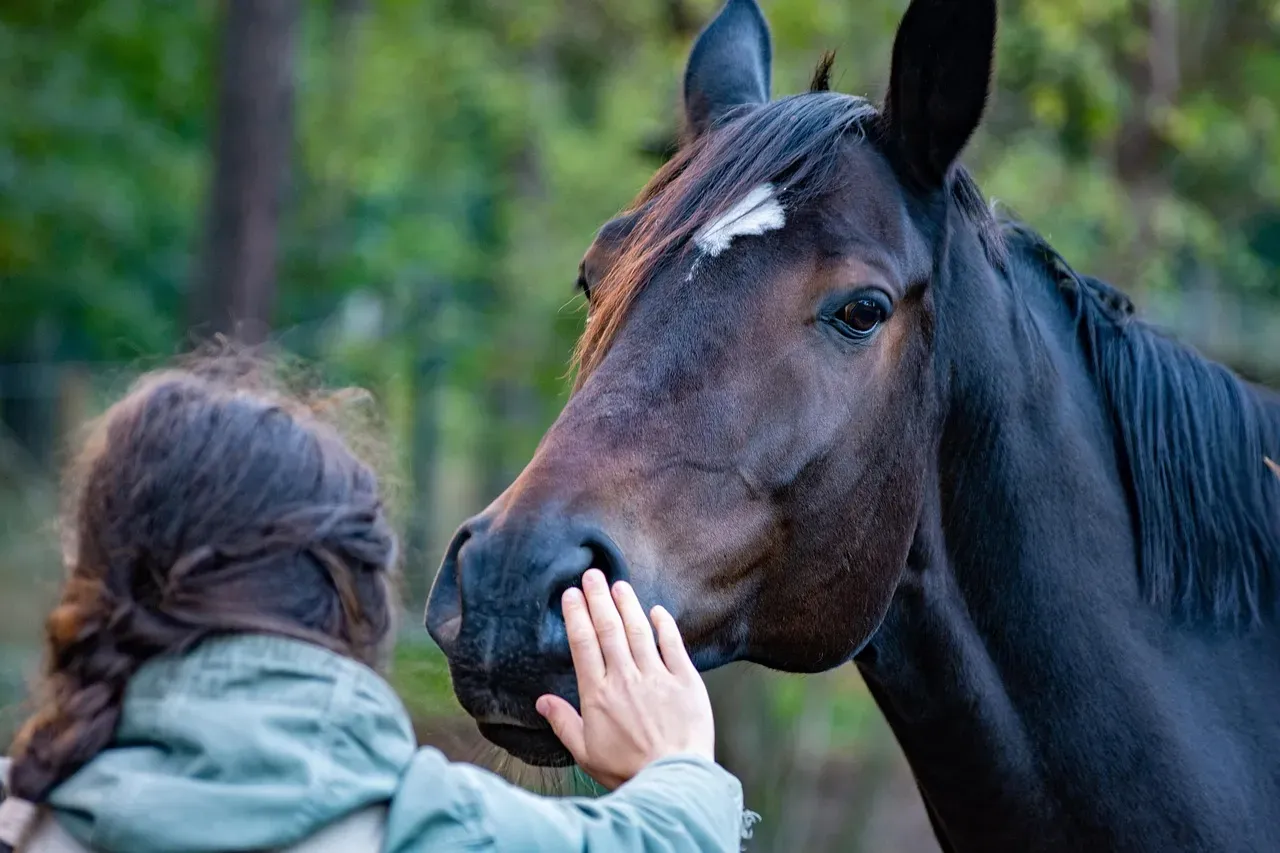
A horse may respond by being reluctant to work with someone who may be carrying anger or fear. A horse’s keen sense of perception allows them to respond to human emotions and intentions. You can’t fake calm around a horse. They simply know.
Spending time with horses helps people feel calm and reduces stress. Horses have a natural ability to sense our emotions, which helps individuals feel understood and connected. People who live with horses often describe the barn as a place where performance isn’t possible, where you have to arrive as yourself.
Many people who work with horses, whether in therapy sessions or recreational programs, report feeling calmer, more confident, and more in control of their emotions. This isn’t a new observation. It’s something horse people have known quietly for generations, long before any research put numbers to it.
The Social Dimension Is Unlike Anything Else
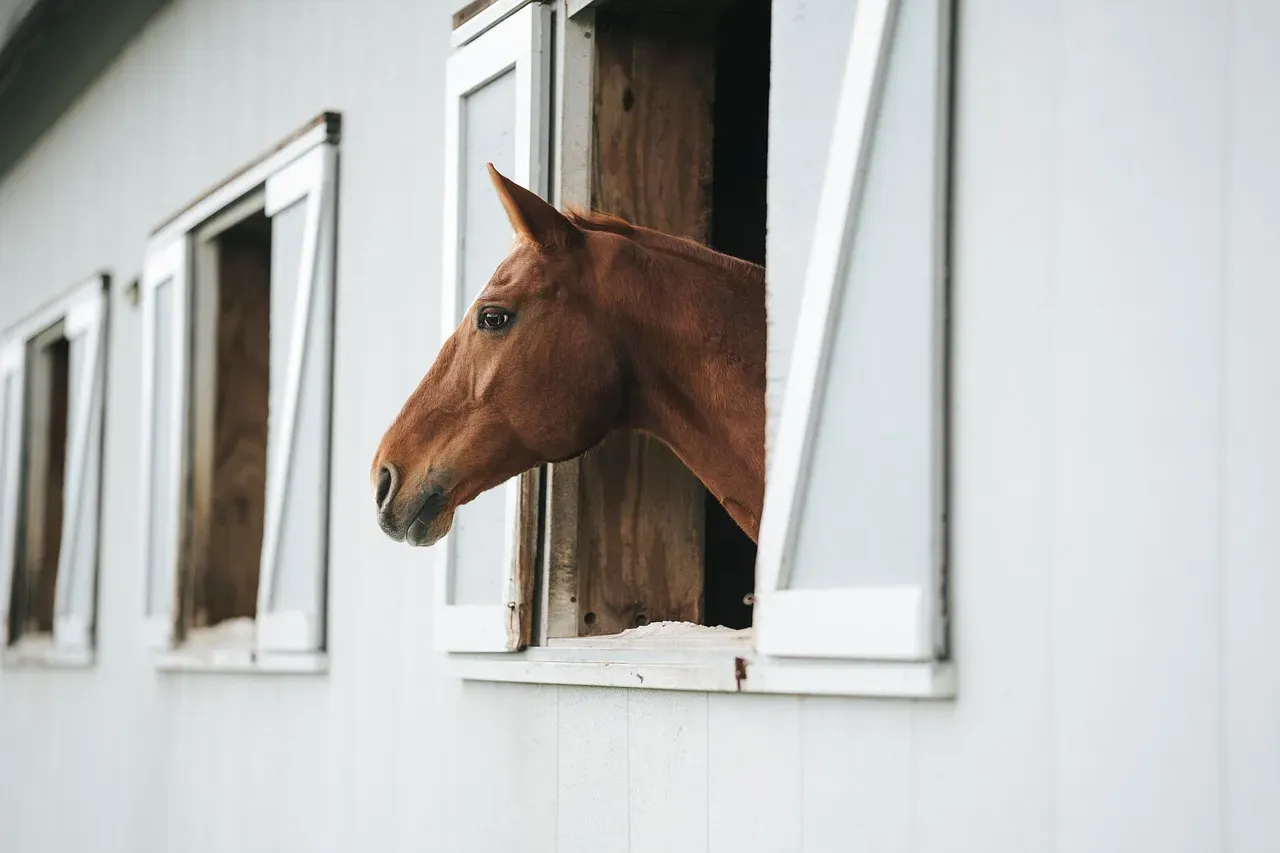
In America, horses often live solo lives, spending more time with people than with other horses. That proximity creates a bond that owners describe as genuinely two-directional, not simply one person caring for an animal, but a relationship with its own language and logic.
If your horse is sick, injured, or colicky, the number of experienced people at a public stable at all hours of the day and night is a significant advantage. Most barn regulars can spot unusual behavior in a horse they see every day, even when it’s not theirs. There’s a whole community that forms around shared care, one that outsiders rarely see.
Horses teach their people constantly. They are excellent teachers of patience, flexibility, and communication. The barn community that grows up around that shared experience tends to be unusually tight. People who muck stalls together at six in the morning tend not to stand on ceremony with each other.
It Changes How You See Patience and Presence
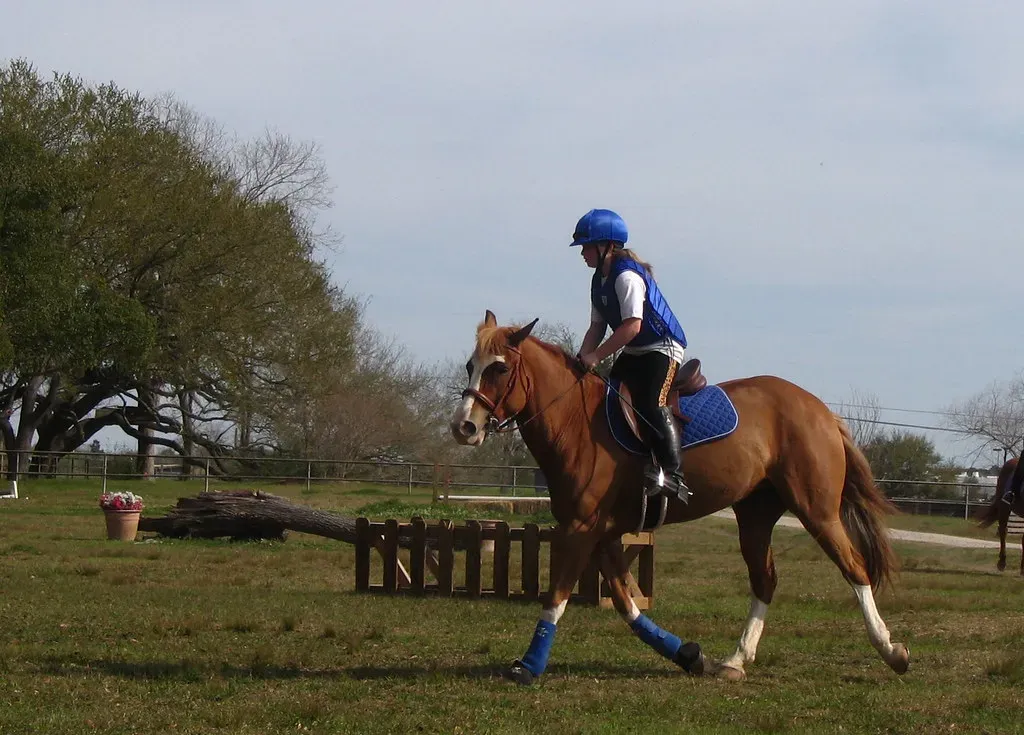
An owner’s perception of their horse’s degree of pain and ability to cope is informed by the horse’s behavior. This shapes attitudes and approaches across every aspect of care. You can’t rush a horse. They operate on a timeline that has nothing to do with your calendar or your mood.
All horses have their own unique personalities, so they all behave differently. That means it’s really important to spend time watching your horse so that you learn what’s normal behavior for them. That kind of close observation, practiced daily, teaches a different quality of attention than most modern activities allow.
After a lifetime spent with horses, many owners are still in awe of their gentle patience, and their ability to teach all of us about ourselves. There’s a reason the relationship endures across decades and across cultures. Horses don’t let you be elsewhere. When you’re with them, you’re there completely, and that, more than anything, might be what only horse people truly understand.
Conclusion
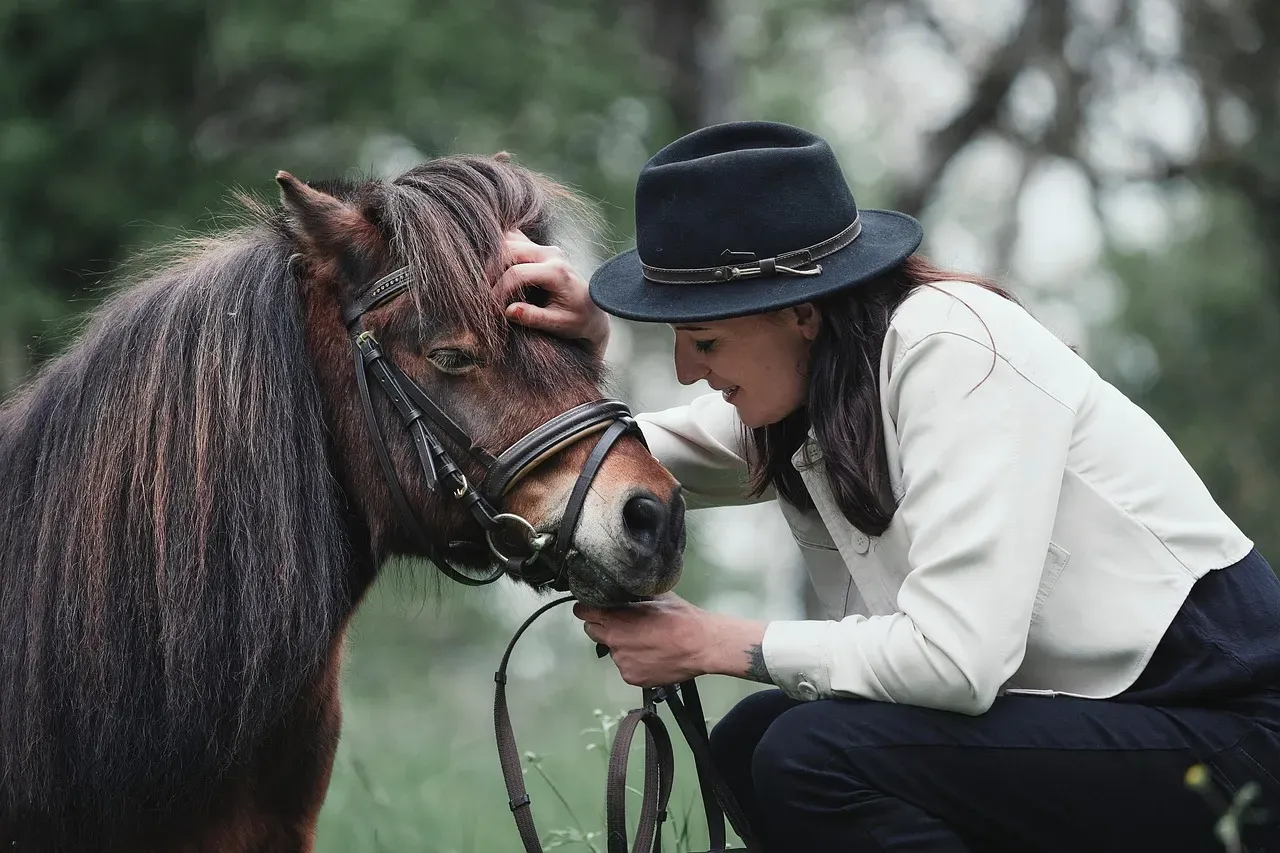
Living with horses is one of those experiences that resists easy summary. The early mornings, the financial weight, the physical labor, the unspoken communication, and the daily surrender to a creature far larger than yourself, none of it maps neatly onto what you expected when you started.
What stays with most horse people isn’t the dramatic moments. It’s the ordinary ones. The reliable nicker at feeding time. The way a horse leans slightly into your hand during grooming. The sense, after months or years, that you’ve learned to speak a language that has no words at all.
Those who haven’t lived it sometimes ask if it’s worth the sacrifice. Those who have rarely feel the need to answer.
