

For a long time, we drew a firm line between human emotion and animal behavior. Empathy, in particular, was considered our private domain, something uniquely ours that set us apart from every other living creature on Earth. That assumption is dissolving fast.
For as much as we have empathized with our dogs, we have been stingy about recognizing empathy elsewhere in the animal kingdom, reserving it as a human trait. This belief is changing, however, as a growing line of research demonstrates not just empathy’s existence in other animals but its subtleties and exceptions as well. What researchers are finding is both scientifically significant and, honestly, quite moving.
Empathy is likely more prevalent in social species. Dr. James C. Harris at Johns Hopkins University described it as “an evolutionary mechanism to maintain social cohesion,” meaning animals that rely on a group for survival must be more sensitive to what those around them are feeling. The nine examples below show just how far that sensitivity reaches.
Elephants Hold Silent Vigils for Their Dead
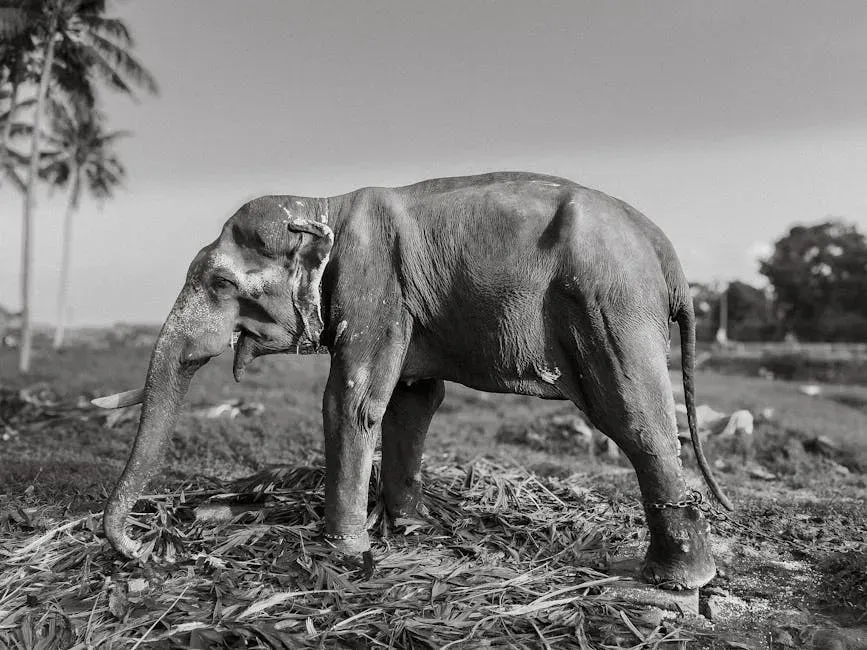
Of all the animals on this list, elephants may come closest to mirroring the human experience of grief. Their mourning behaviors are not subtle. They have been documented stroking the bones of the deceased, guarding carcasses, burying dead calves, and even crying. Though ignoring the remains or bones of other species, elephants almost always react to those of their own.
The most striking expression of a herd’s grief is the vigil they hold around the body of their deceased member. In one instance, a mother elephant was deeply grieving the death of her calf, and the other elephants made a circle around the mother and her baby’s body and stood in silence for hours. They stood motionless, joining the mother in her mourning.
In one documented case, a herd returned to the exact spot where their matriarch had died three years earlier, stood silently for over an hour, then moved on. Calves have been observed mimicking adult behaviors, gently touching bones with their trunks under the watchful eyes of older females, suggesting that mourning is not just instinctual but culturally transmitted.
Rats Choose to Save a Friend Over Eating Chocolate
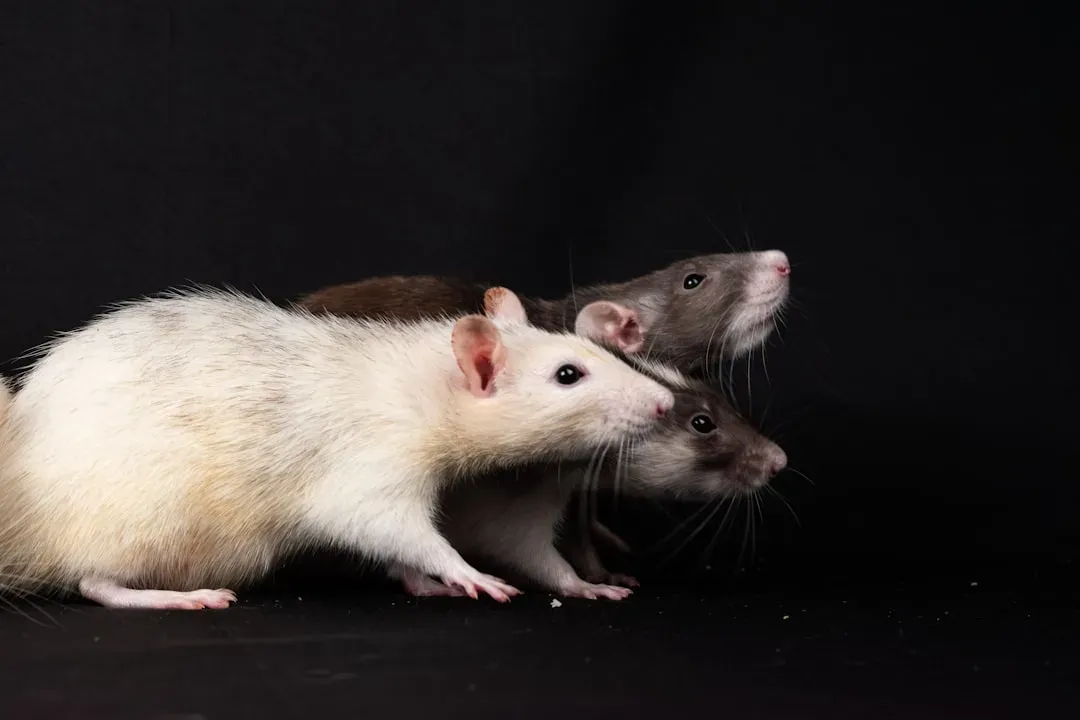
Rats don’t exactly have a reputation for selflessness. The research, though, tells a very different story. Rats preferring to free trapped companions rather than eat chocolate chips represents one of the most striking examples of animal empathy discovered in laboratory settings. In controlled experiments, rats consistently chose to release distressed companions from restraining devices, even when presented with their favorite treats as an alternative reward.
A study showed that rats will rescue their distressed companions from the water, even when offered chocolate instead. They are also more likely to help when they’ve had an unpleasant swimming experience of their own, adding to growing evidence that the rodents feel empathy.
The rats did not open the door when the pool was dry, confirming that they were helping in response to others’ distress rather than simply because they wanted company. Rats that had previously been immersed learned how to save their cagemates much more quickly than those who had never been soaked, suggesting that empathy drove their behavior. It seems shared experience deepens compassion, even in rodents.
Chimpanzees Console Victims After a Fight
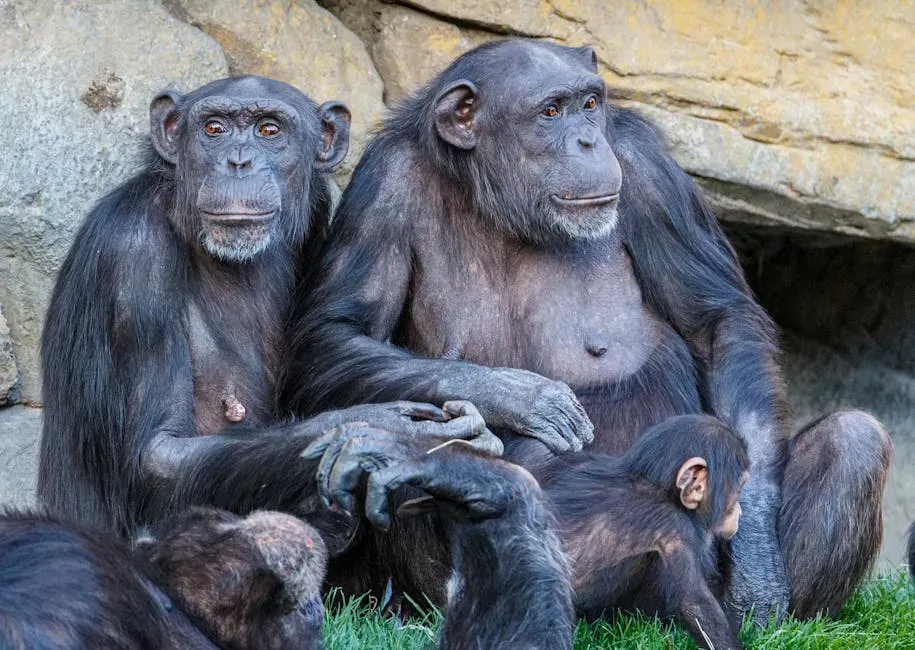
Anyone who has watched chimpanzees knows they can be volatile. What’s less expected is what happens immediately after the conflict ends. Primatologists studying chimpanzees in both captivity and the wild have documented numerous instances of consolation behavior following conflicts. After aggressive encounters within a group, uninvolved third-party chimps often approach and embrace the victims, offering reassuring touches and grooming.
After one chimpanzee has attacked another, for example, a bystander will go over to gently embrace the victim until he or she stops yelping. This isn’t coincidence or random contact seeking. It is a deliberate, targeted response to another individual’s distress.
Great apes have complex social systems; young apes and their mothers have strong bonds of attachment, and when a baby chimpanzee or gorilla dies, the mother will commonly carry the body around for several days. Jane Goodall has described chimpanzees as exhibiting mournful behavior. Their emotional lives, it turns out, run deep.
Dolphins Rescue Strangers, Including Humans
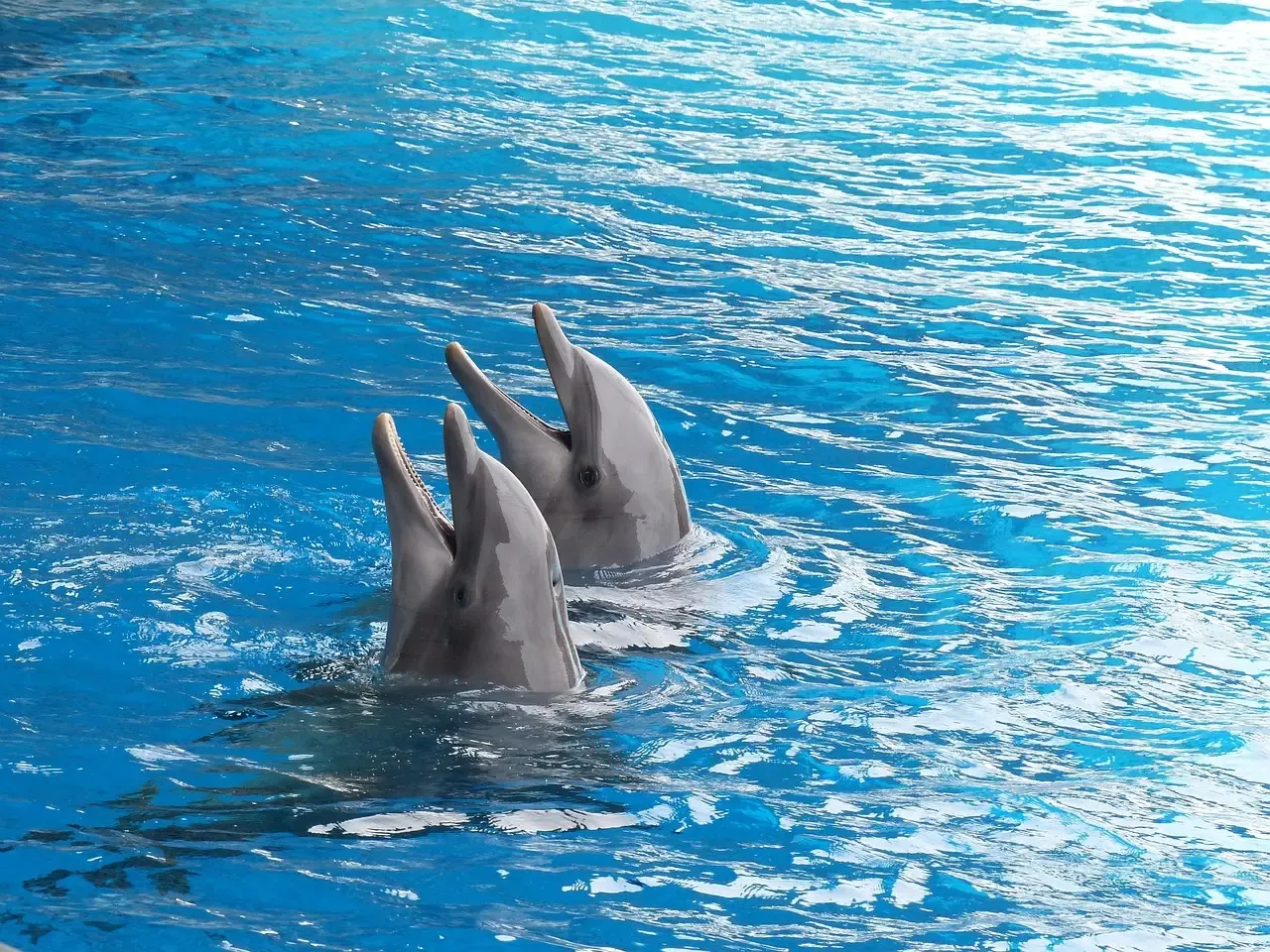
Dolphins have been rescuing humans for so long that the accounts stretch back to ancient Greece. The modern record, though, is just as remarkable. These marine mammals have been observed helping injured or sick companions by pushing them to the surface for air. Dolphins also assist humans, sometimes offering rescue in dangerous situations like when a swimmer is in distress. Historical accounts dating back to ancient Greece describe dolphins saving drowning sailors, but modern research has documented specific instances of dolphins protecting humans from shark attacks and guiding lost swimmers to shore.
In one well-documented case off the coast of Korea, researchers observed a group of Indo-Pacific bottlenose dolphins supporting a female with a spinal deformity for over a week. The disabled dolphin could not swim effectively on her own, yet survived because of the continuous assistance from her pod members, who took turns swimming beneath her to keep her afloat.
What makes these observations particularly compelling as evidence of empathy is that the supporting dolphins often forgo feeding opportunities and expend considerable energy to assist their distressed companions, suggesting their motivation extends beyond simple instinctual responses to genuine concern for the welfare of specific individuals.
Ravens Comfort Their Friends After Conflict
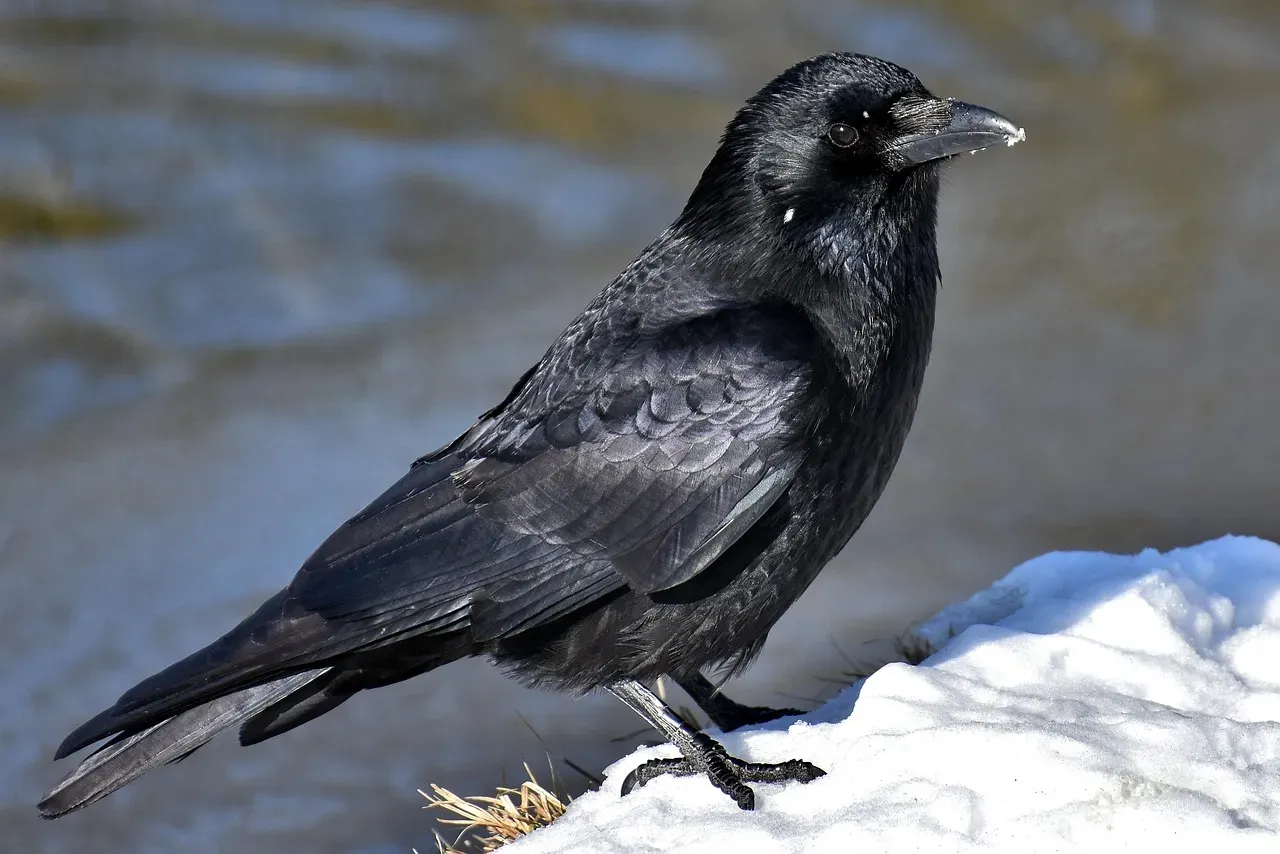
Ravens are widely recognized for their problem-solving intelligence, but their social and emotional sensitivity is only recently being taken seriously by science. Post-conflict behavior in ravens suggested that bystanders consoled victims with whom they shared valuable relationships, indicating that the ravens may employ strategies similar to those used by chimpanzees to alleviate distress.
Upon watching other ravens experience negative emotional states, the observers displayed a pessimism bias similar to that when expecting punishment or no reward. This demonstrates that subjects do not have to be involved in a social interaction themselves, as merely witnessing another’s response to a negative situation is enough to evoke a corresponding effect. These findings suggest that negative emotional contagion is indeed present in ravens.
As one researcher put it, “These building blocks of empathy are present in diverse species. Empathy is not something that defines us as humans.” Ravens, separated from us by hundreds of millions of years of evolution, appear to have arrived at something close to it independently.
Magpies Lay “Wreaths” for Their Dead
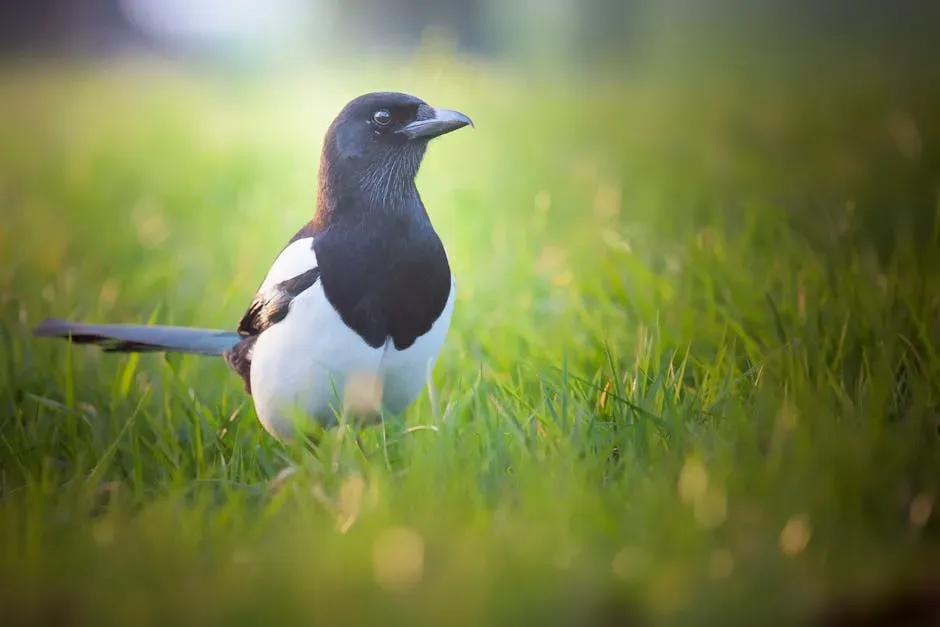
Birds are not typically the first animals people associate with grief rituals. Magpies, however, have been observed doing something that genuinely challenges that assumption. One magpie had obviously been hit by a car and was lying dead on the side of the road. The four other magpies were standing around it. One approached the corpse, gently pecked at it, and stepped back. Another magpie did the same. Next, one of the magpies flew off, brought back some grass, and laid it by the corpse. Another magpie did the same. Then all four magpies stood vigil for a few seconds and one by one flew off.
Birds, too, show signs of grief. Magpies have been observed laying grass “wreaths” by their fallen comrades. This isn’t just instinctual; it’s a deliberate act of mourning. Such behaviors reveal the profound emotional world of animals.
What’s notable about this account is that it was observed by a behavioral scientist in an entirely natural setting, not a laboratory. Ravens also seem to respond to the emotional states of other ravens, suggesting that this capacity for social and emotional awareness runs broadly through the corvid family.
Bonobos Regulate Their Own Emotions to Help Others
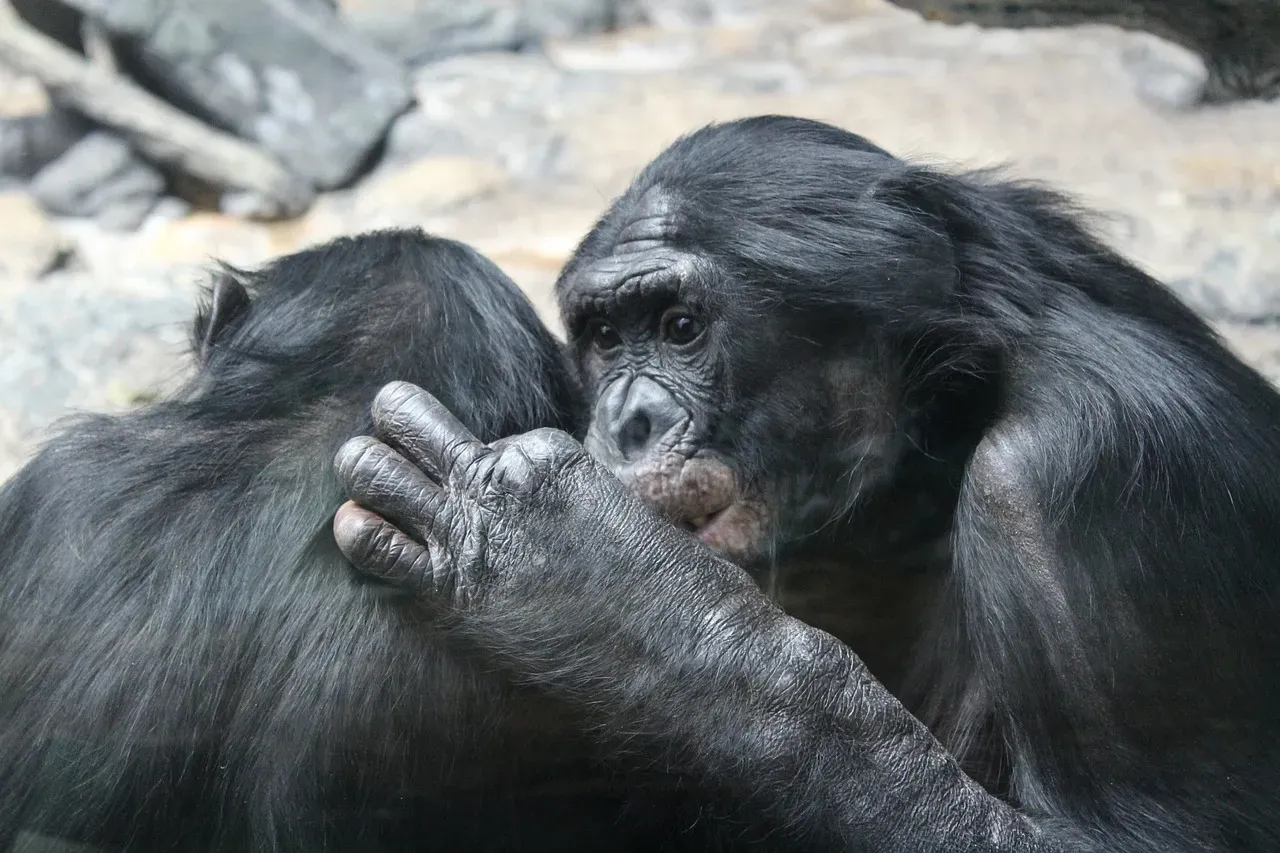
Bonobos, one of our closest living relatives, show empathy in a nuanced way that mirrors human emotional development. Bonobos, one of the closest relatives to humans, are renowned for their peaceful, cooperative societies. They use empathy as a tool to maintain harmony, engaging in altruistic and compassionate behaviors to reduce tension and aggression within their groups. Bonobos have been observed sharing food and comforting their peers, showcasing a profound sense of empathy and social coherence.
They are able to comfort others because of their better capacity to tamp down their own emotions. Emotional control is a major factor in human empathy. Young bonobos who excel at managing their own distress are the first to provide comfort to others, suggesting empathy requires sophisticated emotional regulation skills that parallel human development.
This detail is worth sitting with for a moment. Empathy here isn’t just feeling another’s pain. It’s the ability to set aside your own discomfort long enough to attend to someone else’s. That’s a subtle but meaningful distinction, and bonobos demonstrate it consistently.
Hens Feel Their Chicks’ Distress Physically
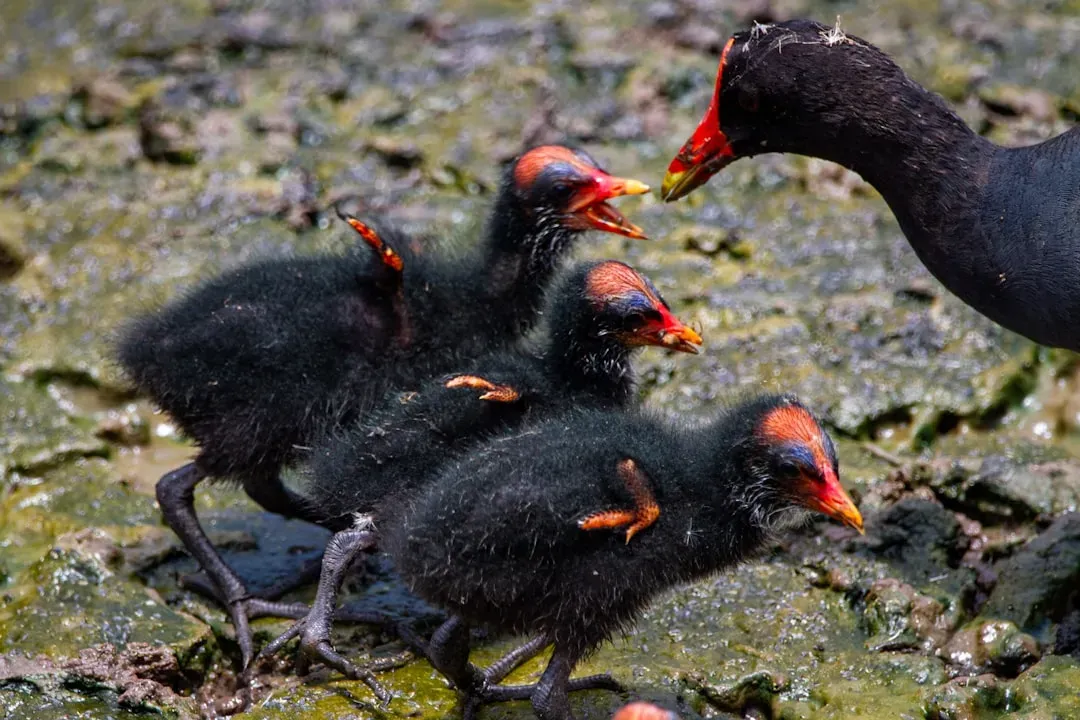
The empathy of a mother hen might sound unremarkable at first. The science behind it, though, is surprisingly revealing. Mother hens display remarkable empathetic responses to their chicks’ distress, according to research from the University of Bristol. In controlled experiments, scientists exposed chicks to mild air puffs that caused no pain but induced mild distress. The mother hens, observing their chicks from a separate compartment, responded with increased heart rates, vocalizations, and alertness, showing physiological and behavioral changes indicating emotional arousal.
More tellingly, the hens showed greater eye temperature increases, a stress indicator, when their chicks were distressed than during control conditions, even though the hens themselves experienced no direct discomfort. This maternal empathetic response extended beyond mere predator vigilance; the hens’ responses were specifically tailored to their chicks’ distress rather than general environmental threats.
These aren’t just maternal instincts operating on autopilot. The responses were targeted, context-specific, and measurable inside the body. There is now a compelling body of neuroscience data showing that the same brain circuits responsible for empathy in humans are shared with animals from mice to monkeys. It appears hens belong in that conversation too.
Macaques Starve Rather Than Harm a Fellow Animal
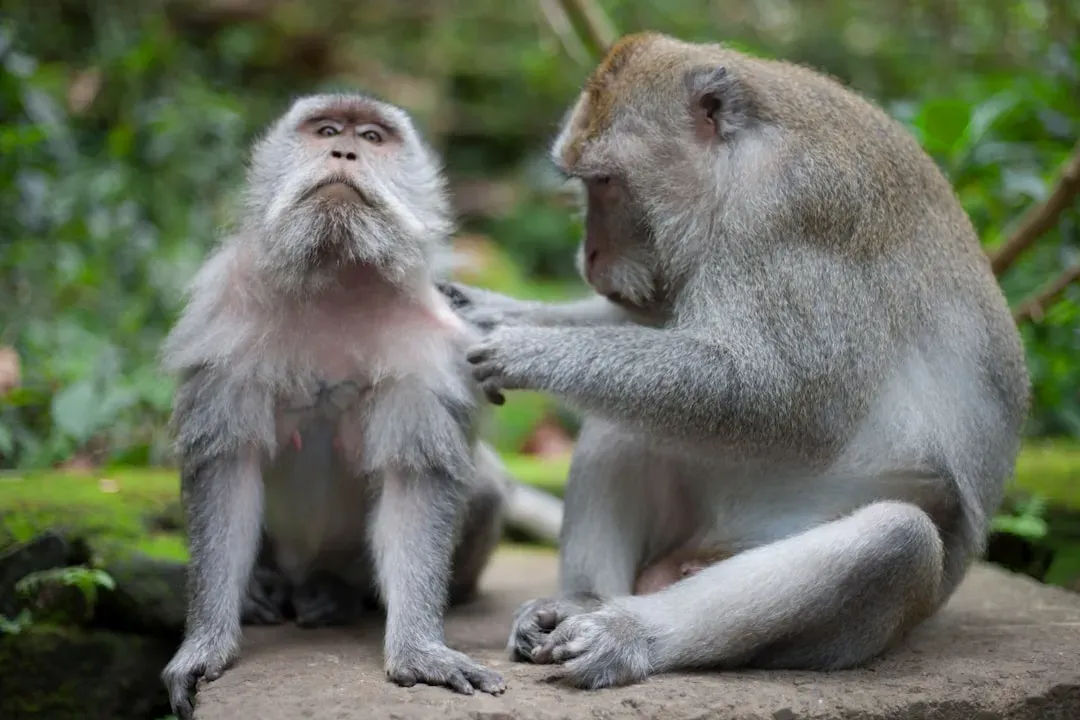
Perhaps the most sobering example of animal empathy comes from an older study involving macaques, and it leaves very little room for skepticism. The macaques were given a chain and taught that they would be fed if they pulled the chain. The catch was that every time they pulled the chain, another macaque would receive a shock. If the macaques didn’t pull the chain, they weren’t fed at all.
Even though it meant risking starvation, the vast majority of macaques refused to pull the chain if they knew it would hurt another macaque. In one case, a macaque went a full two weeks without eating rather than deal with the guilt of hurting another animal.
Two weeks without food is an extraordinary sacrifice under any circumstances. The same neural circuits that are activated in a “victim” exhibiting a behavioral response to a threat are activated in the brain of the witness. At a neural circuit level, it is as though the observer was having the same experience, including feeling pain. For the macaques, that shared feeling was real enough to override hunger entirely.
Conclusion: Empathy Belongs to the Animal Kingdom

Empathy, often considered a uniquely human trait, is increasingly being recognized in the animal kingdom. Many animals form deep emotional bonds and show genuine concern for the well-being of others. These behaviors go beyond simple instincts, suggesting a more complex understanding of emotions.
The ability to recognize and respond to others’ emotions and intentions may not be a uniquely human behavior, recent research suggests. Neural activity associated with empathy has been observed in mice, dogs, and monkeys. With every new study, that list grows longer.
What makes all of this meaningful isn’t just the science. It’s what it suggests about life itself. Caring for others, grieving loss, sitting with a friend in pain, these aren’t inventions of human civilization. They appear to be woven into the fabric of social existence, shared quietly across species in ways we are only beginning to understand. The animal kingdom, it turns out, has been practicing empathy for a very long time.
