
There’s something quietly humbling about watching a crow drop pebbles into a container of water to raise the level and reach food inside. That behavior, documented in real experiments, mirrors a scene straight from one of Aesop’s ancient fables. It turns out the animals around us have been quietly demonstrating remarkable intelligence all along.
Scientists don’t have a standard definition or test for “intelligence.” Some look at tool use, brain-to-body ratios, brain sizes, problem-solving abilities, or self-awareness, though whether these measures truly capture animal intellect is still debatable. What researchers continue to find, time and again, is that cognition in the natural world is far more widespread, varied, and surprising than most of us ever expected. From ocean predators to backyard birds, the following 20 animals represent the most compelling evidence of non-human intelligence science has uncovered.
#20 – Squirrels
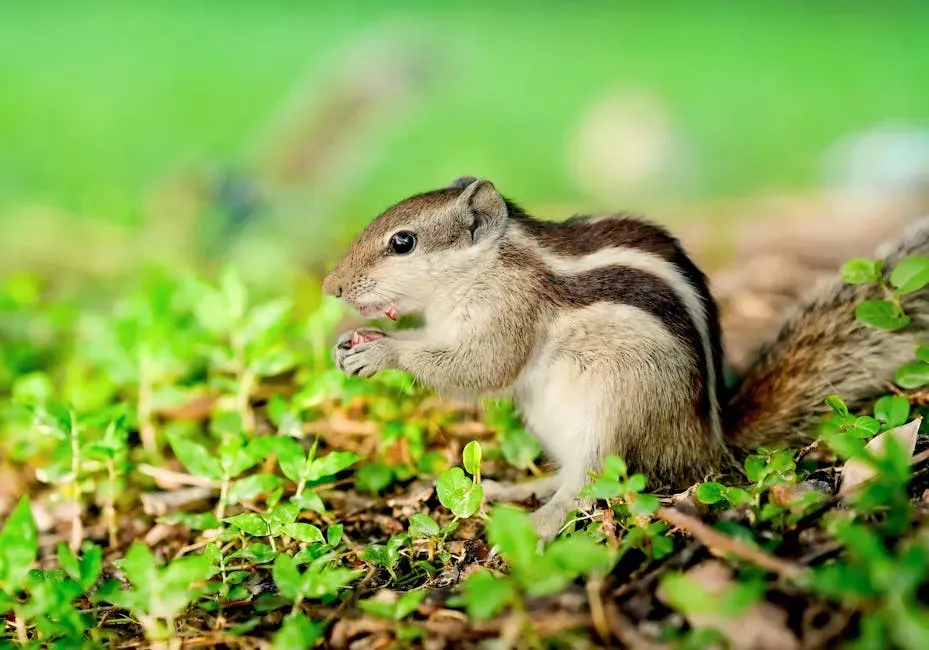
Often overlooked in discussions about intelligent animals, squirrels display a remarkable level of cognitive ability that places them among the smartest animals on the planet. They’re known for navigating complex environments, including busy city landscapes, with impressive ease.
One of the most telling signs of squirrel intelligence is their capacity for deliberate deception. When they think they’re being watched, they’ll pretend to bury nuts and seeds while hiding the actual food under their arms. That’s not instinct. That’s a calculated con.
#19 – Bees
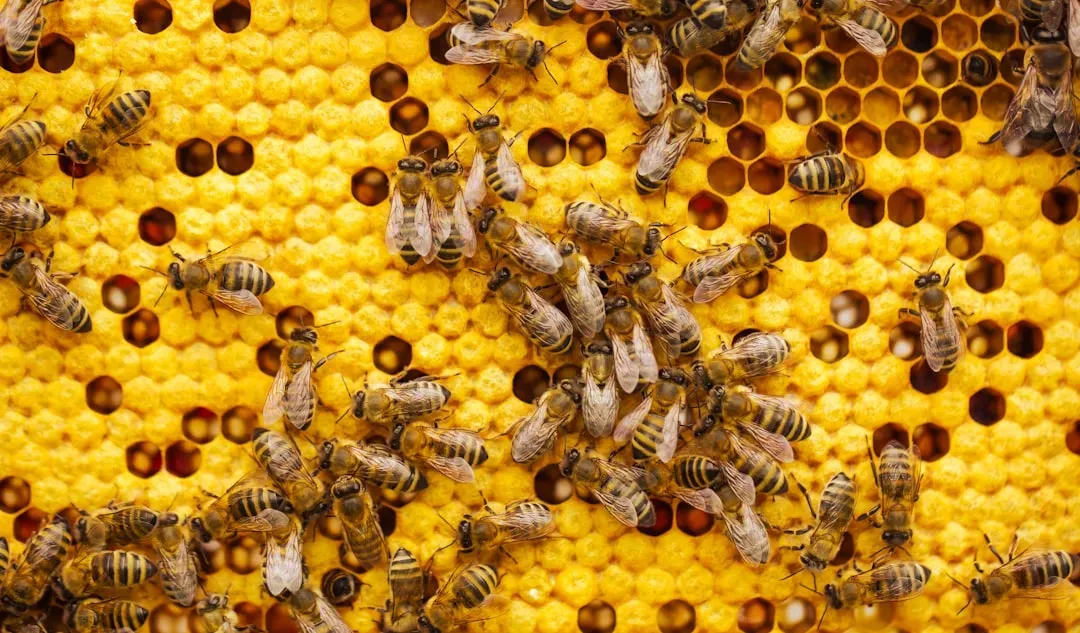
Many people know bees are crucial components of a healthy environment, but what often goes unnoticed is just how highly intelligent they are. Their hive operations involve sophisticated communication systems, including the famous “waggle dance,” which conveys precise directional and distance information about food sources.
Research has shown that once a single individual in a bee colony is trained, a skill spreads swiftly to all the bees. Scientists now have suggestive evidence that there is some level of conscious awareness in bees, and that they have emotion-like states. For an insect, that’s a remarkable cognitive profile.
#18 – Raccoons
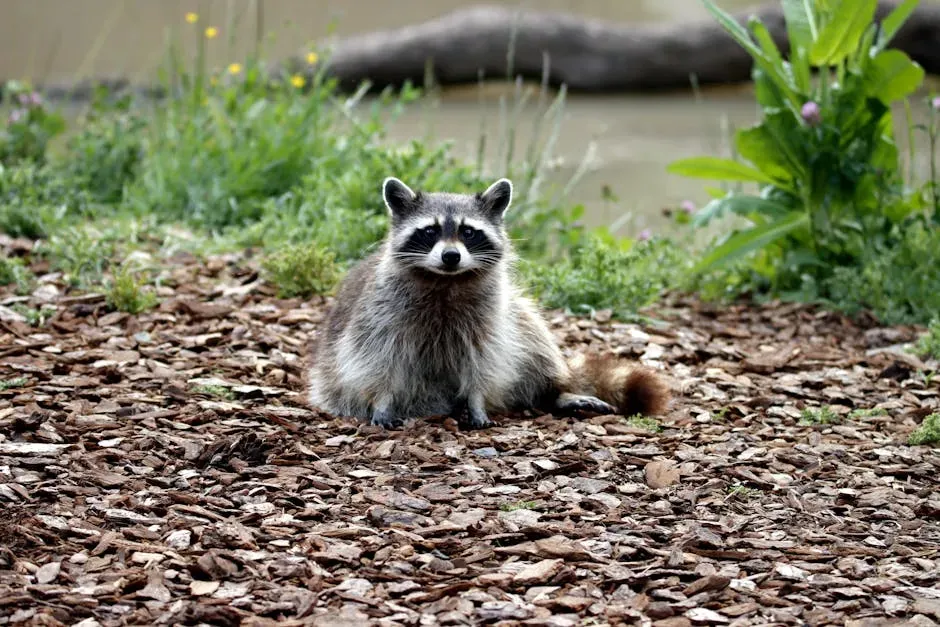
Wild raccoons can learn to solve problems, improving their success probability and solving time over consecutive trials, regardless of human exposure or task difficulty. Their famous dexterity and curiosity aren’t just charming traits. They reflect a genuinely flexible mind built for urban problem-solving.
Research from neuroanatomical studies also found that raccoons should have cognitive capabilities similar to dogs. They’ve been observed opening latched containers, manipulating objects with their forepaws, and adapting rapidly to new challenges in both wild and urban settings.
#17 – Cats

Research into cat intelligence is relatively sparse, largely because cats generally don’t make very willing participants. What is known is that cats excel in several areas, particularly how they perceive the world. Since cats depend heavily on smell, researchers have found that incorporating sensory evaluation is essential when studying their bonds and social interactions.
A 2020 study investigated the cognitive abilities of domestic cats, particularly their memory and social behaviors. It found that cats can remember their owner’s voice and recognize their name, suggesting a level of social intelligence. The study also emphasized cats’ use of social learning and their ability to adapt to complex environments.
#16 – Horses
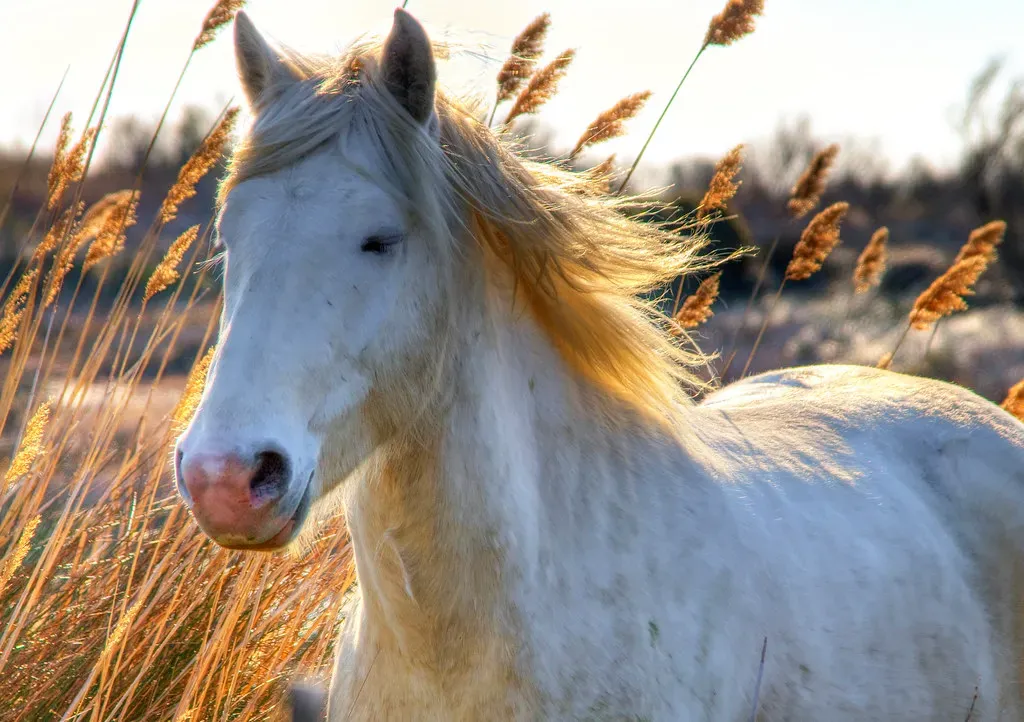
Often overlooked when it comes to intelligence, horses communicate with people differently based on the information they believe a person has. This tendency suggests they are not only capable of advanced cognition but also flexible cognition.
Horses combine emotional perception with cooperative learning. Capable of interpreting human facial expressions and vocal tones, they also remember commands and routes for extended periods. Their ability to read human emotional cues with such precision is something researchers continue to study and find remarkable.
#15 – Pigeons
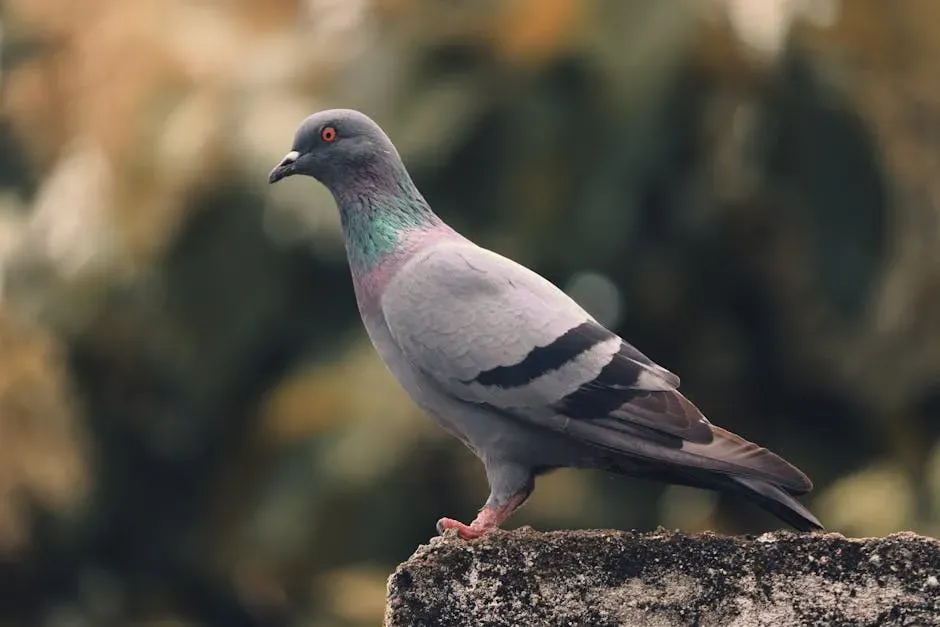
Pigeons excel in navigation, facial recognition, and symbolic learning. They have been trained to differentiate between artworks and even identify abnormalities in medical images. It’s a level of visual discrimination that few would expect from a city bird.
Pigeons can recognize all 26 letters of the English alphabet. They’ve also been shown to pass simple versions of the mirror self-recognition test, placing them in a narrow club of animals with at least a degree of self-awareness. For a creature that spends most of its time on park benches, that’s quietly extraordinary.
#14 – Pigs
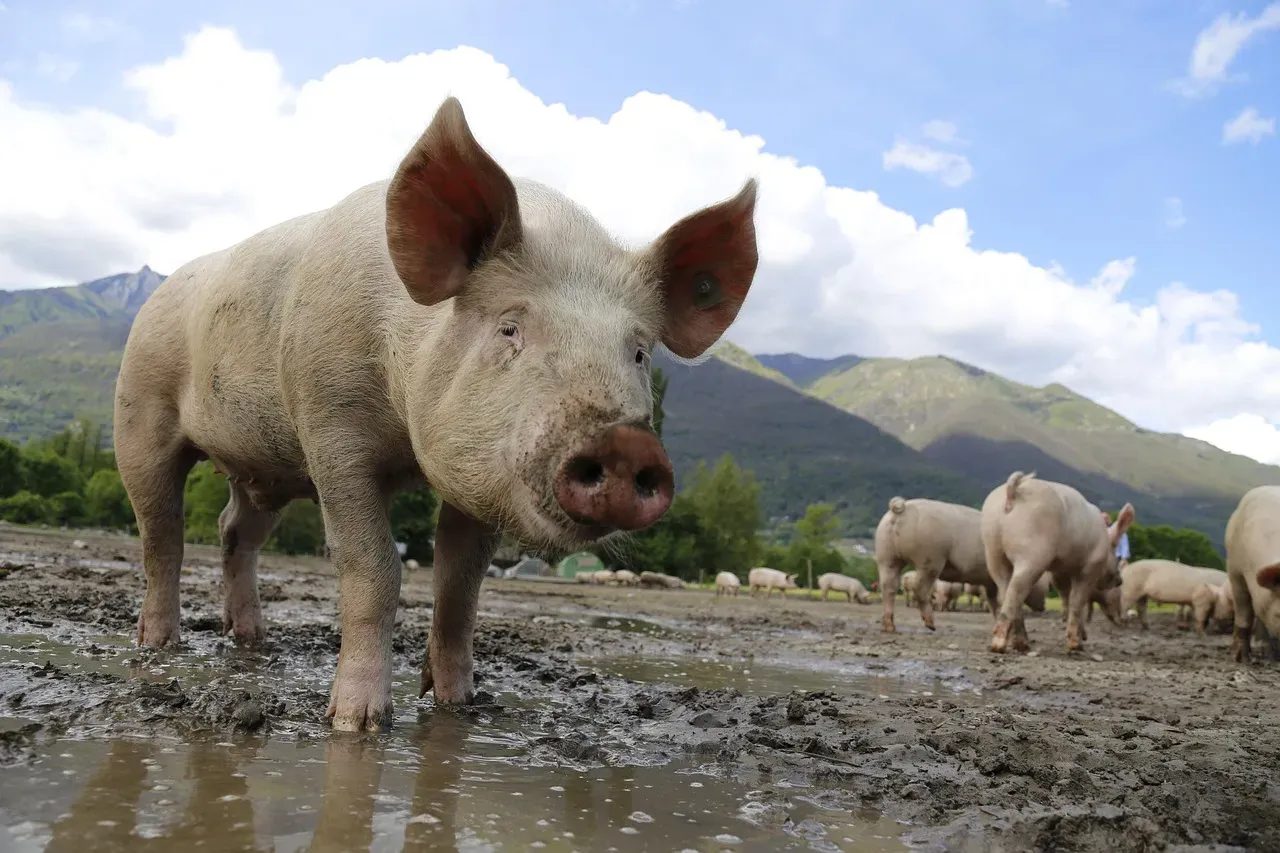
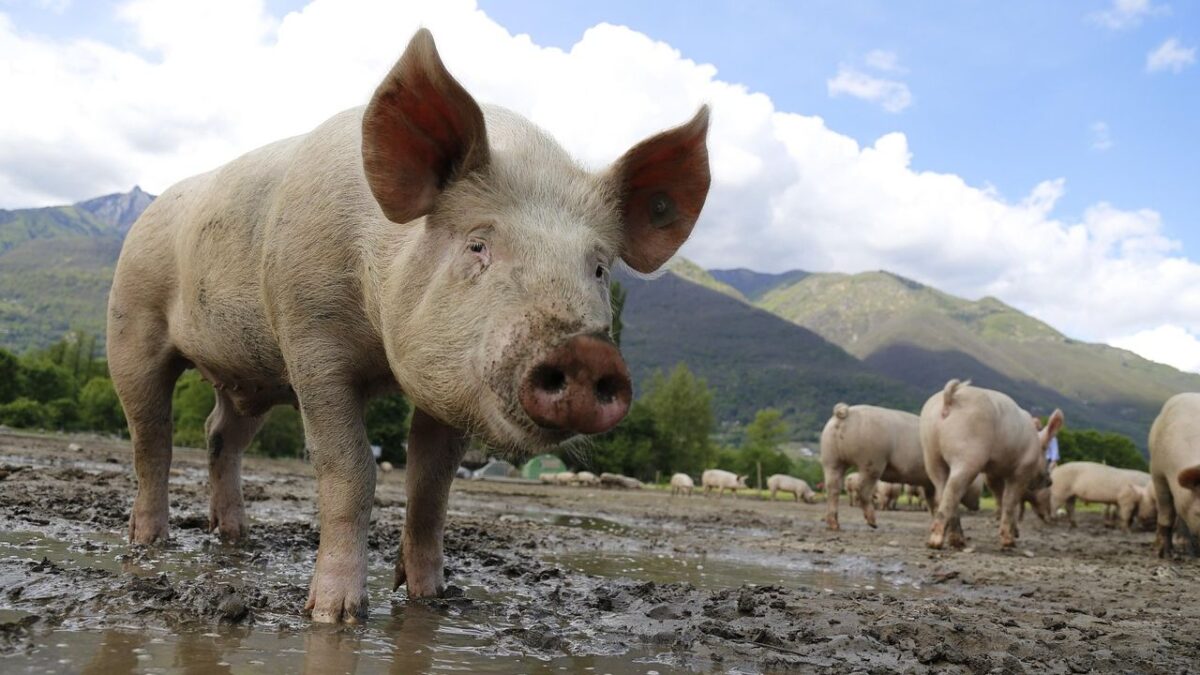
Pigs are often underestimated in the animal kingdom, but they are indeed one of the smartest creatures on the planet. They possess cognitive abilities comparable to dogs and primates, and they display a remarkable capacity for learning and remembering tasks.
Pigs can learn complex tasks, including playing video games. They’ve also been shown to possess a level of intelligence comparable to that of a three-year-old human child. They’re social animals with complex communication skills, responding to commands and exhibiting emotional intelligence, showing empathy and forming strong social bonds.
#13 – Rats
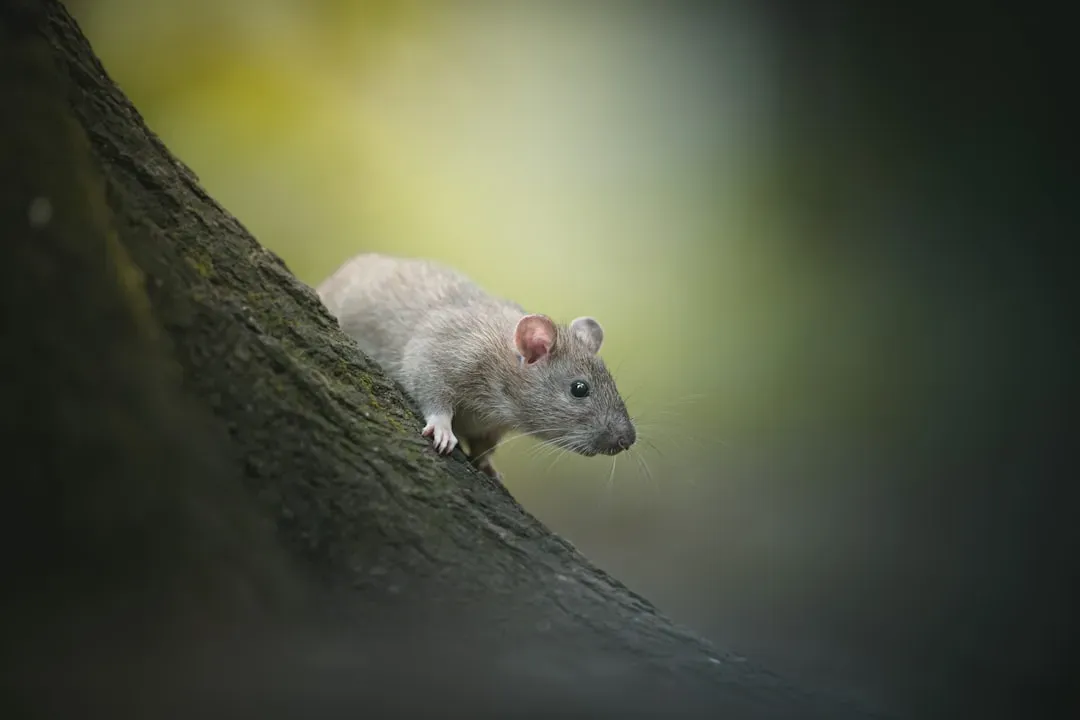
Despite having small and comparatively undeveloped brains, their minds function in an extremely similar way to humans. They have the ability to figure out mazes, memorize routes, and perform complex multiple-step tasks.
Research published in the journal Current Biology in 2007 suggested that rats may be among the few non-primates capable of metacognition. That means they have some ability to think about their own thinking, a cognitive trait once considered exclusively human. Rats are also social animals, and when left alone, they begin to exhibit signs of depression and loneliness.
#12 – Dogs

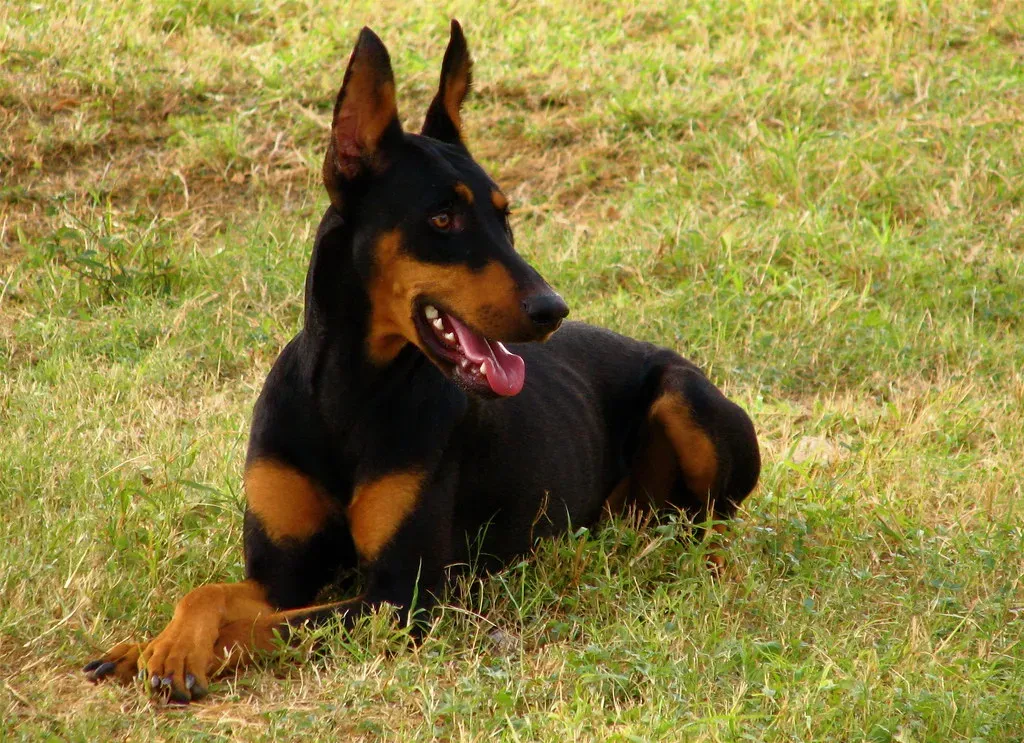
Dog intelligence is impacted by breed. Of all breeds, Border Collies consistently come out on top in terms of intelligence, proving more capable than even Labrador Retrievers at social cognition, inhibition control, and spatial problem-solving.
Scientists have tried various methods to measure canine intelligence, including swarm intelligence, calculating the encephalization quotient, weighing emotional intelligence, and using MRIs on dogs to measure brain activity. Dogs read human social cues with a sophistication that no other animal, including chimpanzees, has matched in controlled studies.
#11 – Wolves
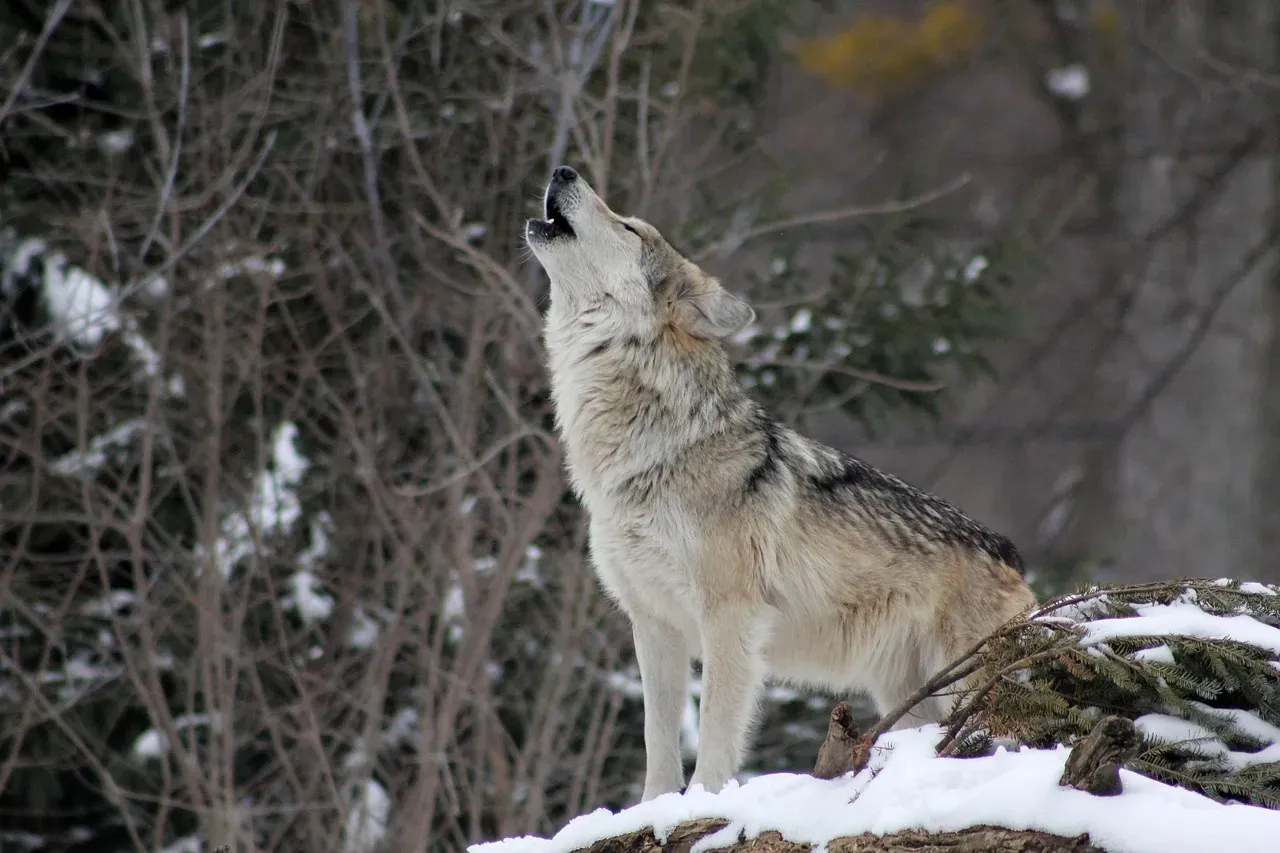
Wolves are highly intelligent pack animals that make the smartest animals list for their advanced teamwork and hierarchical social structure. Their ability to coordinate complex, long-range hunts across varied terrain reflects a level of strategic group thinking that goes well beyond basic predator behavior.
Wolf packs operate on layered communication, with members reading subtle body language, vocalizations, and scent cues to adjust roles in real time during a hunt. Intelligent species often rely on strong group dynamics, communication, and cooperative behavior, improving reproductive success and longevity. Wolves are one of the clearest examples of that principle in action.
#10 – Gorillas
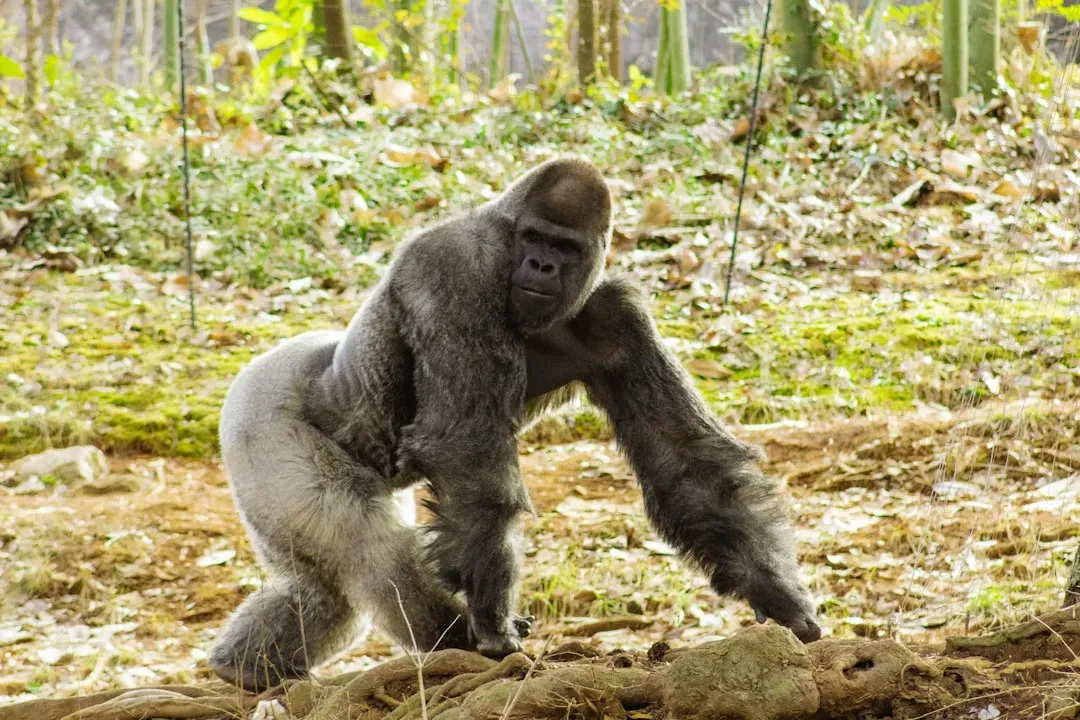
Mountain gorillas and western lowland gorillas display unique cognitive abilities that distinguish them as one of the smartest animals. They use sticks to measure water depth and create comfortable nests for sleeping. These animals also demonstrate a wide range of emotions, and some captive gorillas have been taught sign language, which allows them to express their needs, desires, and even emotions directly with humans.
The famous gorilla Koko, who learned a modified version of American Sign Language, could reportedly use over a thousand signs. Whether that constitutes true language comprehension remains debated, but the cognitive capacity required to learn and use a symbolic communication system is undeniable. Gorillas sit comfortably among the great apes at the top tier of animal intelligence.
#9 – Bonobos
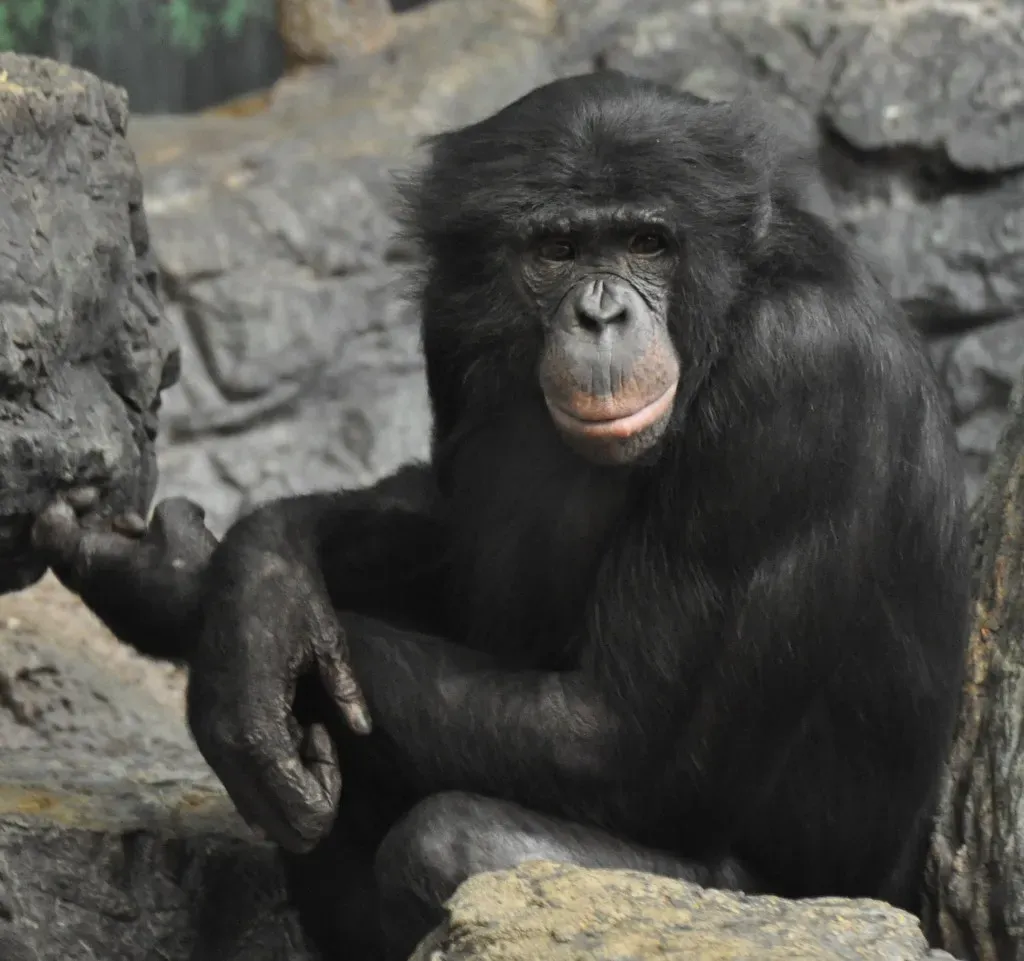
Bonobos, close genetic relatives of chimpanzees, are known for peaceful social dynamics, empathy, and symbolic communication. Their intelligence supports strong social bonds and cultural learning.
In experiments, bonobos will perform a task that results in another bonobo getting a treat. When there’s no other ape present, they are less likely to carry out the task, suggesting that at least in part, they are motivated by helping the other ape. That’s a form of altruism that makes you reconsider just how “human” human kindness really is.
#8 – Elephants

The elephant’s intelligence is not merely a product of large brain size but is also reflected in complex social structures, emotional depth, and exceptional memory. Elephants live in matriarchal societies where knowledge, wisdom, and social norms are passed down from generation to generation, requiring a clear understanding and recollection of social relationships.
Elephants can learn a variety of complicated tasks, but it’s their self-awareness, the ability to recognize themselves in a mirror, that sets them apart on the intelligence scale. Many other animals believe their reflection is another animal and react accordingly. Elephants, by contrast, are highly social and compassionate, often working together to solve problems within their herd.
#7 – Cuttlefish
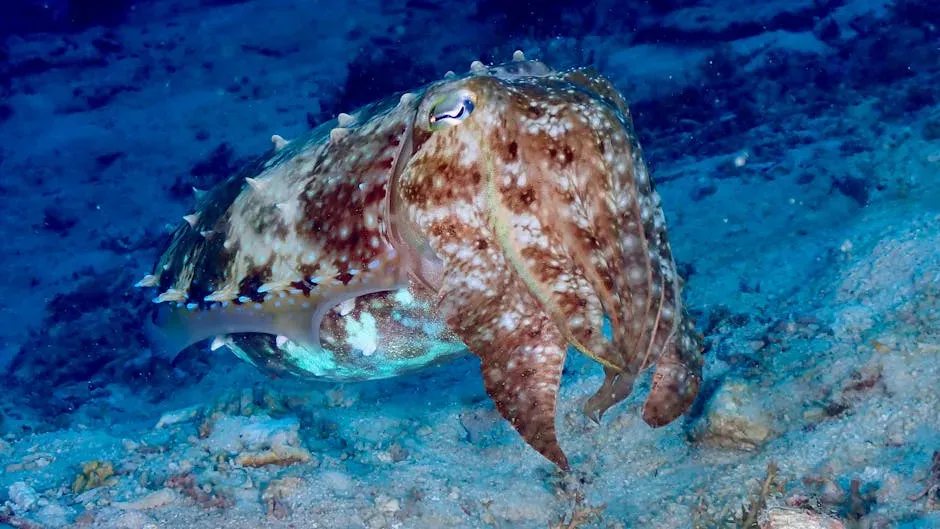
Cuttlefish are masters of disguise, able to change their appearance at will to mimic the colors and textures of their environment. When attempting to mate with a female, smaller males will sometimes mimic the female pattern and even pretend to hold an egg sac to sneak past larger guard males. That’s strategic deception in real time.
In a 2021 study, researchers performed the “marshmallow test,” a famous experiment to study delayed gratification, on six cuttlefish. The lead author noted that self-control is thought to be the cornerstone of intelligence, as it is an important prerequisite for complex decision-making and planning for the future. Cuttlefish passed the test, and that result caught many scientists off guard.
#6 – Octopuses
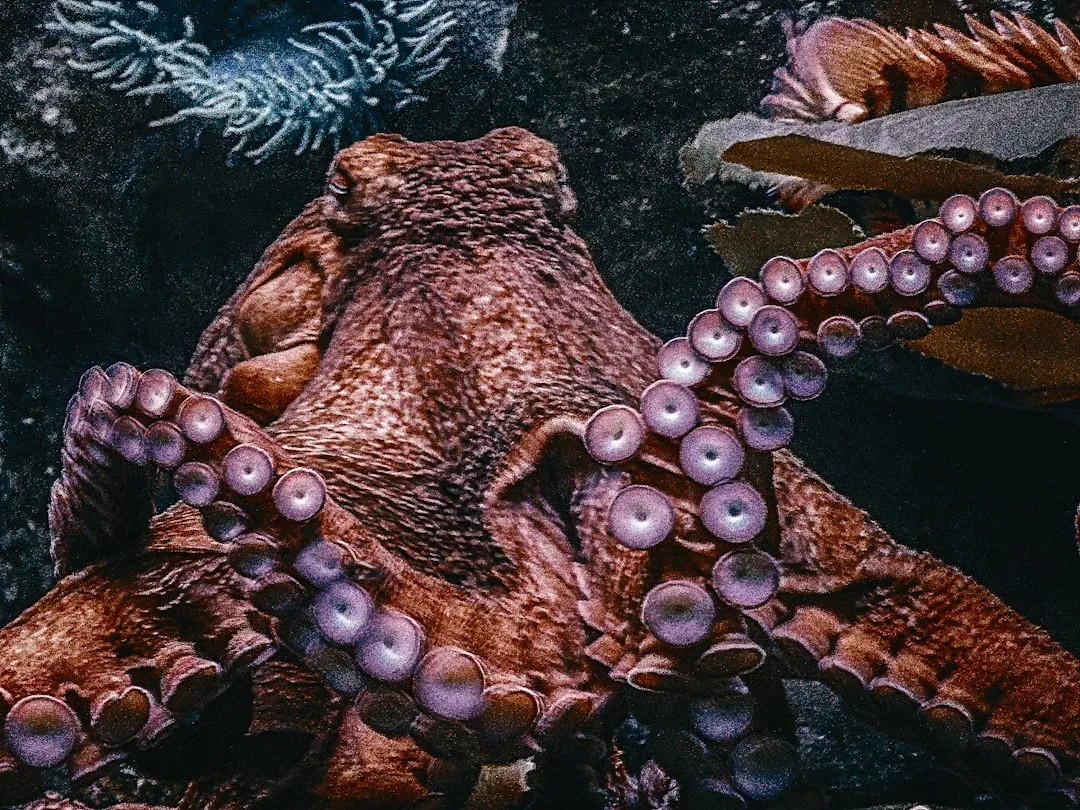
Octopuses are skilled escape artists, with some even escaping their enclosures and swimming all the way back to the wild. Their jailbreaking tendencies are less surprising given that they have a larger brain-to-body ratio than any other known invertebrate species. They are also adept at using tools sourced from their surroundings.
Although an octopus has a central brain, roughly three-fifths of its nerves are distributed throughout its eight arms, which serve as eight mini-brains. They are capable of complex problem-solving, can learn through observation, and have excellent spatial memory. Their camouflage and mimicry abilities are also cognitively demanding, allowing them to control their skin color and texture to blend in with their surroundings or imitate other animals.
#5 – Crows
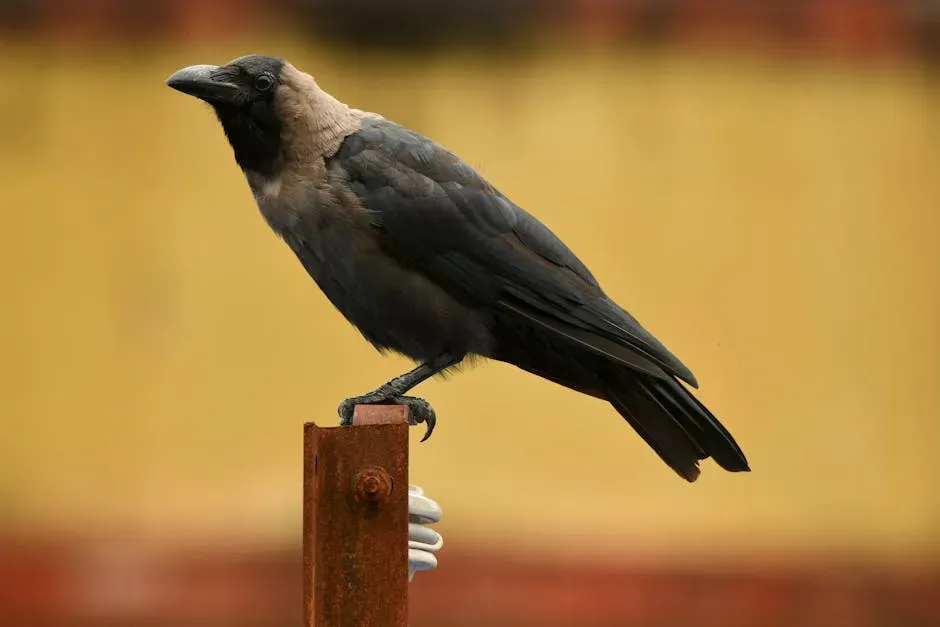
Crows rank among the smartest animals because of their tool use, facial recognition, and ability to solve multi-step puzzles. They not only craft tools from twigs but also improve them, demonstrating causal reasoning and innovation. Crows remember friendly and dangerous humans for years, teaching younger birds which faces to avoid. Their intelligence rivals that of small primates.
Research into their neuroanatomy suggests that crows are aware of the knowledge that they have and are able to ponder that knowledge. This ability is how individuals make new discoveries. A bird that can reflect on what it knows or doesn’t know sits in extraordinary cognitive territory.
#4 – Ravens
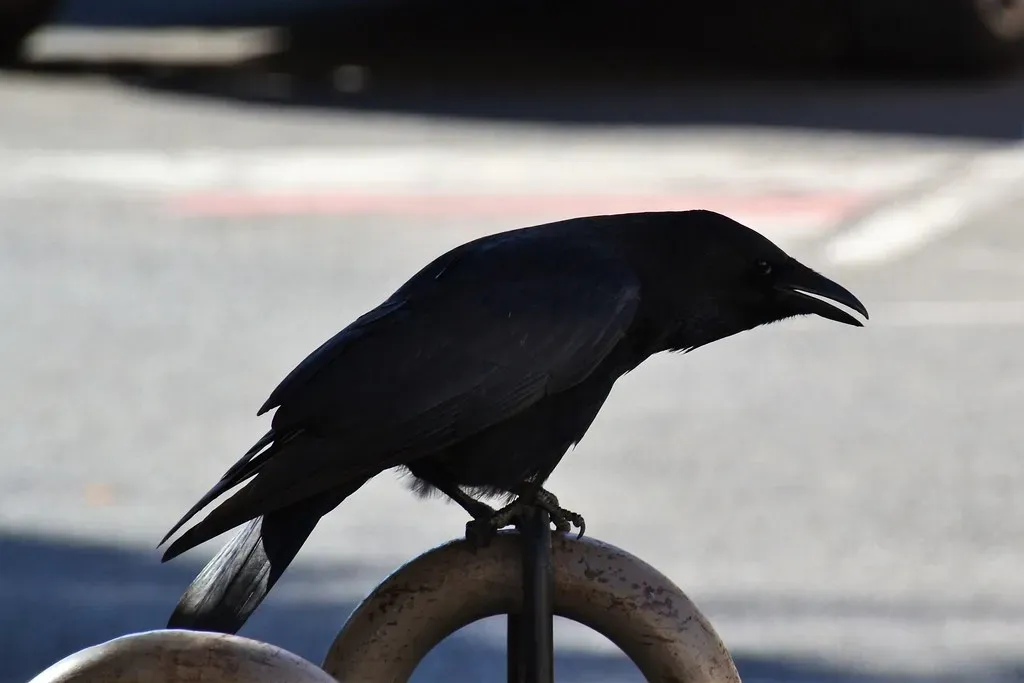
Like their crow relatives, ravens belong to the highly intelligent Corvus genus. These birds solve puzzles, communicate efficiently with one another, trick other animals, and have complex social interactions. Like squirrels, ravens cache their food to retrieve later, and researchers have documented ravens watching others hide food, remembering hiding spots, and stealing food. Ravens also know when they’re being watched and take extra care when hiding their meals.
Research has found that ravens rival great apes in their ability to plan for tool use and bartering. These birds can plan for events 17 hours in advance, and they display impressive levels of self-control when making decisions for the future. For a bird, that kind of forward planning is genuinely astounding.
#3 – African Grey Parrots
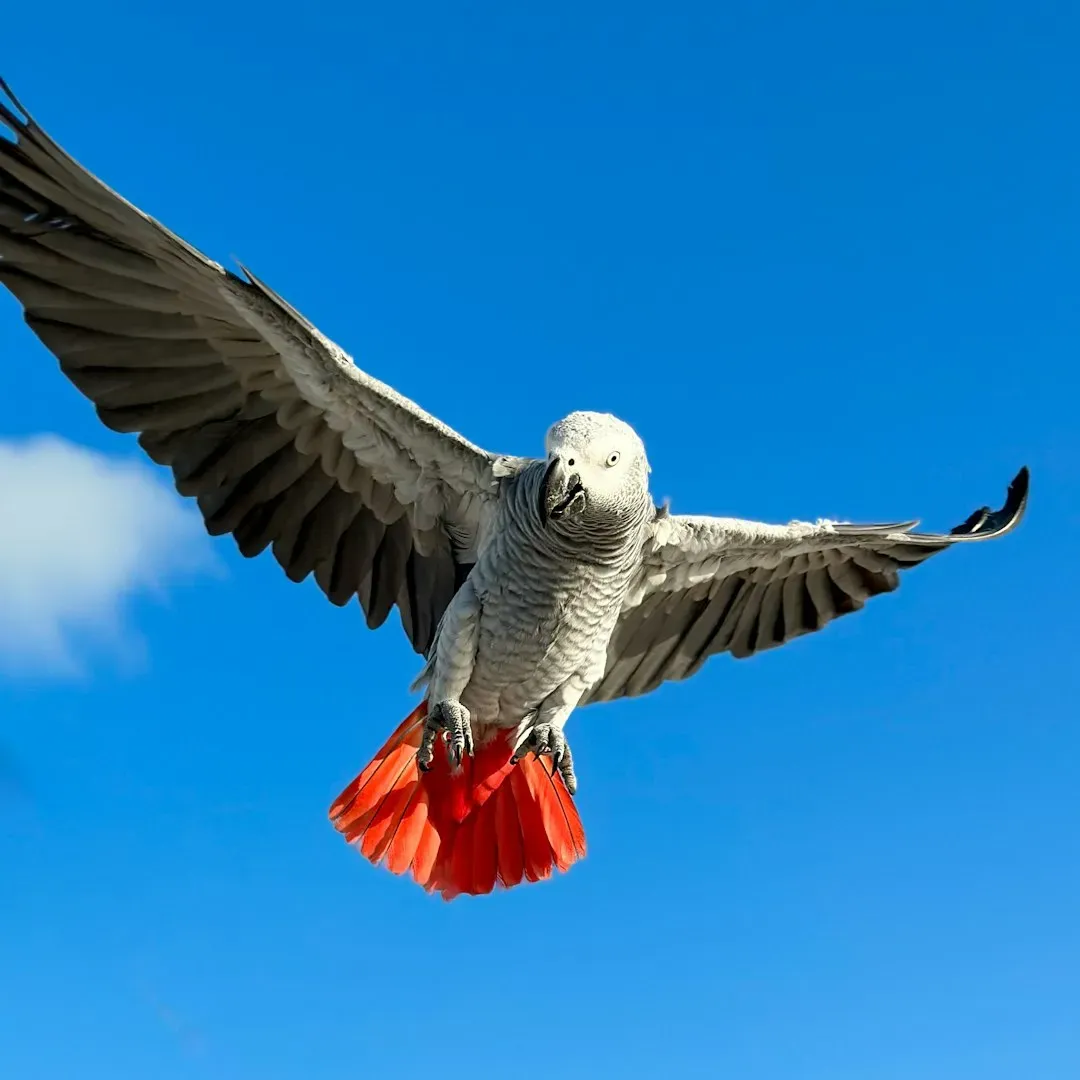
African grey parrots are one of the smartest bird species due to their exceptional problem-solving abilities, communication skills, and memory. They can learn and mimic human speech with remarkable accuracy. One famous example is Alex the parrot, who could identify colors, shapes, and even count up to six objects, demonstrating cognitive abilities similar to those of a young child. Their impressive memory allows them to remember people and tasks for long periods.
In an experiment at Harvard, Griffin, an African grey parrot, outperformed children and college students in a complex visual memory test. Griffin consistently outperformed six to eight-year-olds and matched or exceeded Harvard undergraduates in most trials. The test involved tracking objects hidden under cups and assessing visual working memory and cognitive manipulation abilities.
#2 – Dolphins

Bottlenose dolphins combine echolocation precision with advanced communication systems. They use signature whistles, essentially names, to identify individuals and pass complex behaviors through social teaching. Their cooperative hunting strategies require high-level planning, role assignment, and real-time adaptation, showcasing exceptional cognitive abilities for marine mammals.
Dolphins are one of the most intelligent species on the planet, highly capable of both learning and mimicry. Dolphins in different pods use mud to create traps and use sponges for protection against coral as they search for food, demonstrating their ability to use tools and manipulate their surroundings. Dolphin pods are also known to alter their hunting location and timing to adapt to or avoid new human activities, like construction.
#1 – Chimpanzees
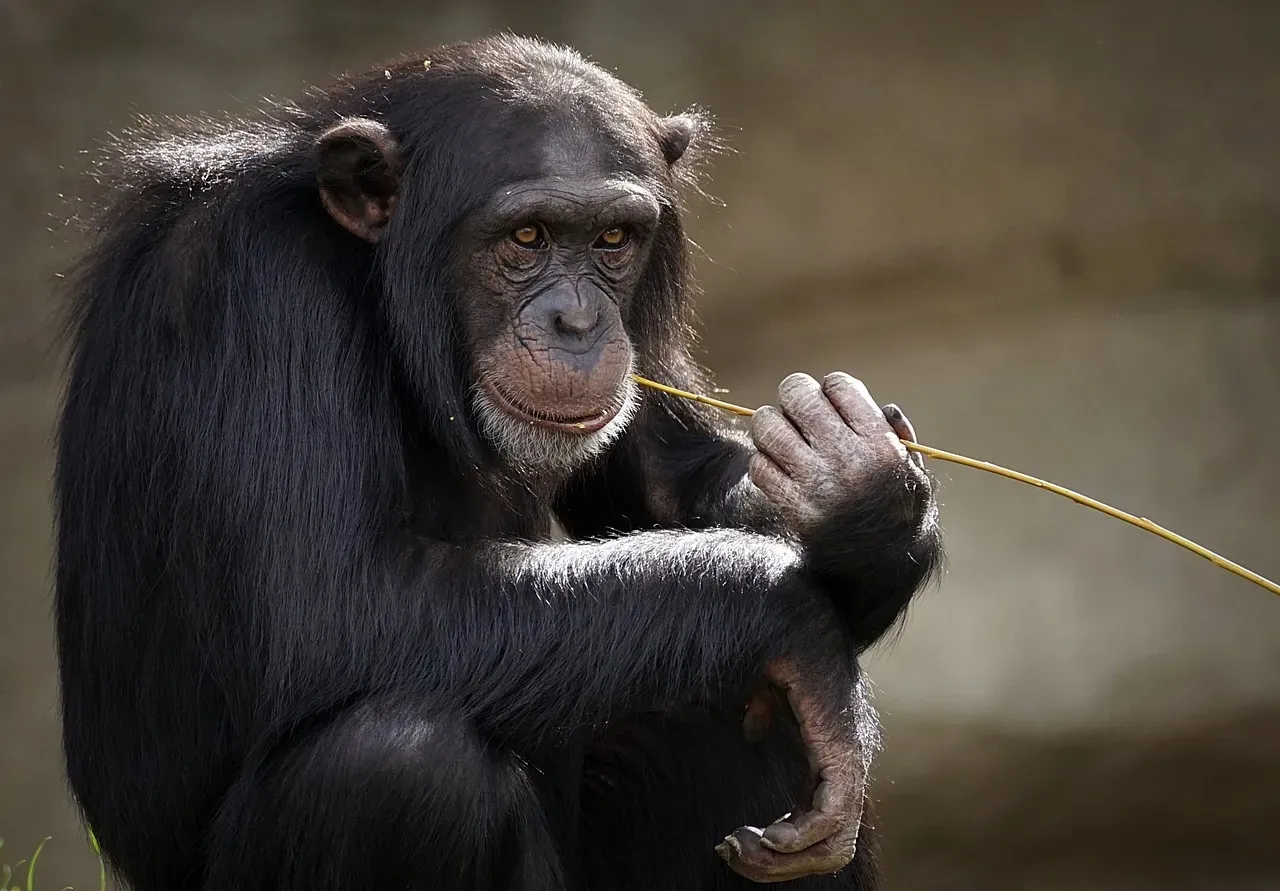
Chimpanzees and bonobos are our closest relatives, sharing almost 99 percent of our DNA and widely considered some of the brightest creatures in the animal kingdom. In 1960, chimps became the first non-human animals documented using tools, an ability scientists previously thought was unique to humans. Further research has uncovered complex social lives, a range of human-like emotions, and metacognition, the ability to “think about thinking.”
Chimpanzees consistently lead intelligence rankings due to their mastery of tool-making, long-term planning, and cultural learning. They craft spears for hunting, use leaves as sponges, coordinate group strategies, and learn sign language with comprehension similar to young children. Their ability to innovate and pass knowledge down generations mirrors early human societies, making them the closest comparison to human cognitive evolution.
Final Thoughts
Non-human animals are constantly proving themselves capable of thought, empathy, and intelligence in ways we never expected. Our increasing understanding of the minds of animals continues to fascinate. What’s becoming more and more obvious is that there aren’t just a few highly intelligent animals, but rather a vast number, all of whom demonstrate their intelligence in unique ways.
As research expands, it becomes clear that cognitive abilities are shaped by survival needs, environmental pressures, and social complexity, revealing intelligence as an adaptive trait rather than a singular human benchmark. Every animal on this list earned its place not by mimicking us, but by excelling at being itself.
Perhaps the most honest takeaway from all of this science is simple: the more carefully we look, the smarter the world around us turns out to be.
