
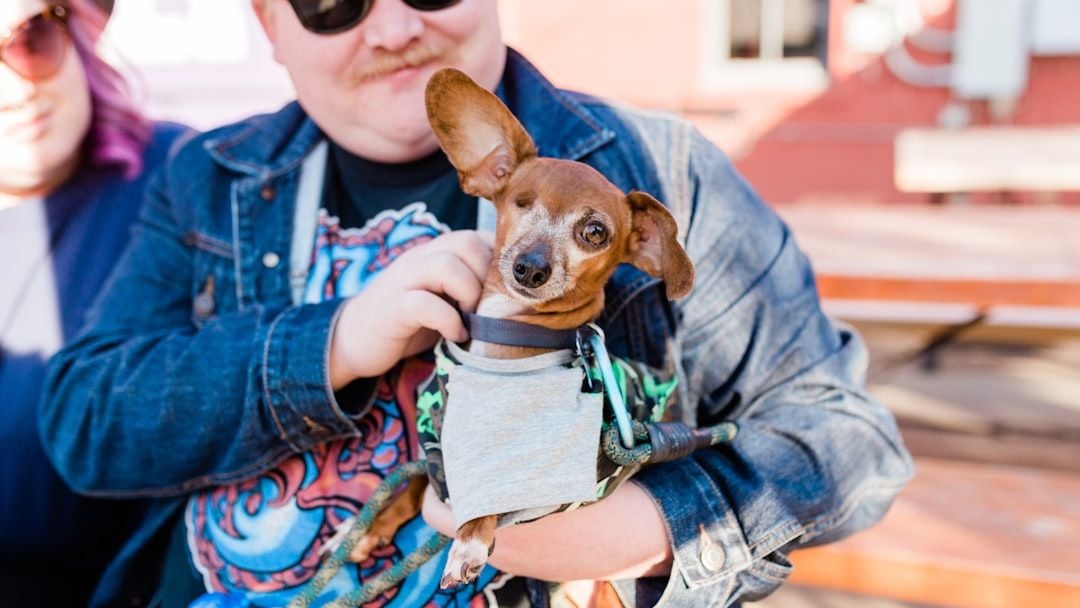
Walk into almost any animal shelter in America right now, and you’ll notice something that might genuinely surprise you. The kennels aren’t filled with nameless, mysterious mutts nobody wanted. Many of the dogs waiting patiently behind those doors are recognizable, beloved, even popular breeds that millions of households actively seek out every single year.
Many shelters across the country are full, and animals, especially dogs, are often staying longer in their care before being adopted. This is creating a surplus of animals, and without enough adoptions, many shelters are struggling to meet the needs of animals in their communities. The reasons behind this crisis are layered, often heartbreaking, and almost never the dog’s fault.
Chicago Animal Care and Control is sounding the alarm as a wave of pet surrenders strains its already overburdened shelter. In a troubling trend that mirrors rising numbers across the country, the city shelter is now taking in an average of 56 animals per day, up from 42 per day during the same period last year. These aren’t isolated numbers. They reflect a national pattern that every one of these 15 breeds is caught up in.
1. Pit Bull Terrier
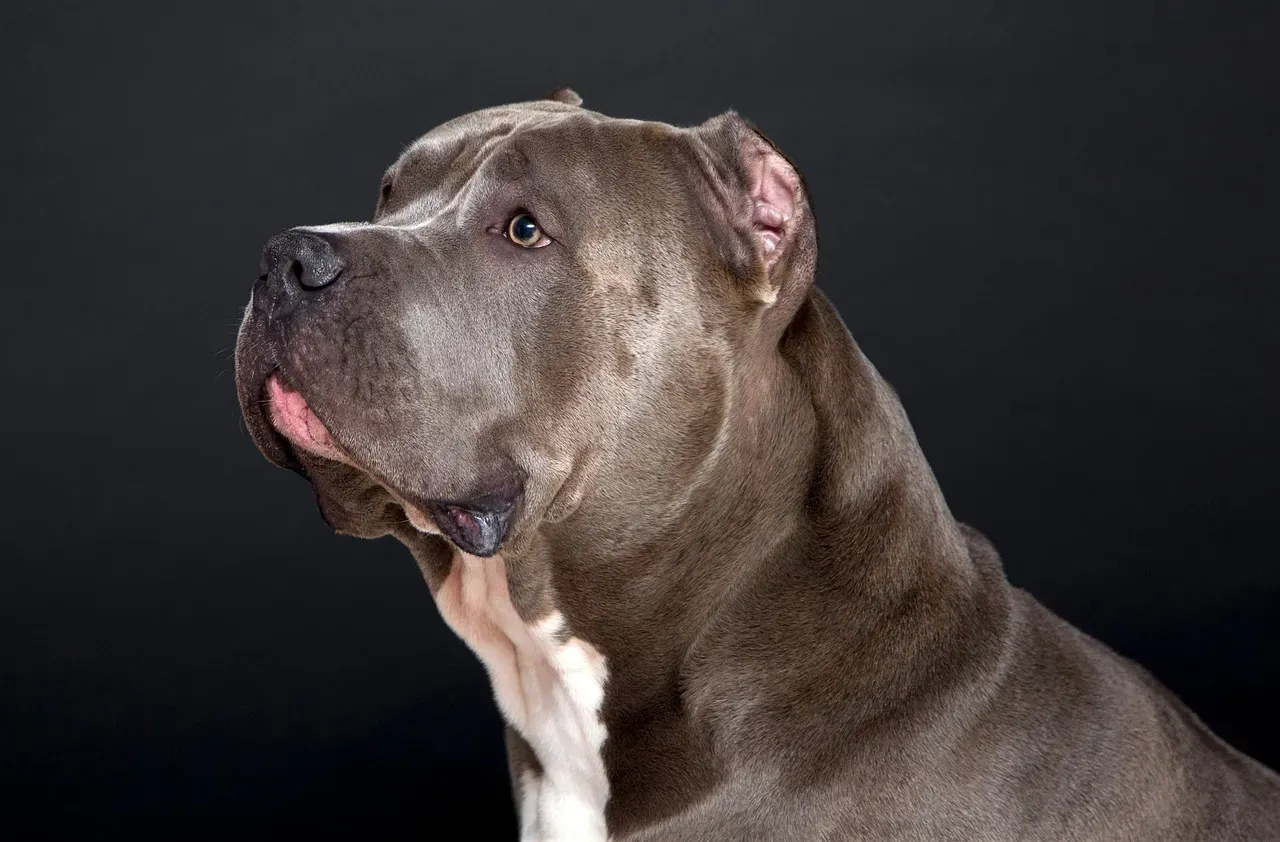
The Pit Bull Terrier is the most common dog breed in shelters across America’s largest cities, accounting for nearly 22% of all dog adoption listings. That is a staggering share, and it’s been persistent for years with little sign of changing.
Sadly, these dogs face high surrender rates due to misunderstanding, stereotypes, and housing restrictions, not because of behavior or temperament. Breed-specific legislation in many cities and apartment complexes forces even responsible, loving owners to give up their dogs simply because of how they look.
Shelter workers often describe Pit Bulls as some of the most affectionate and loyal dogs in their care. The gap between public perception and daily reality in the kennel is wide, and it costs these dogs dearly.
2. German Shepherd
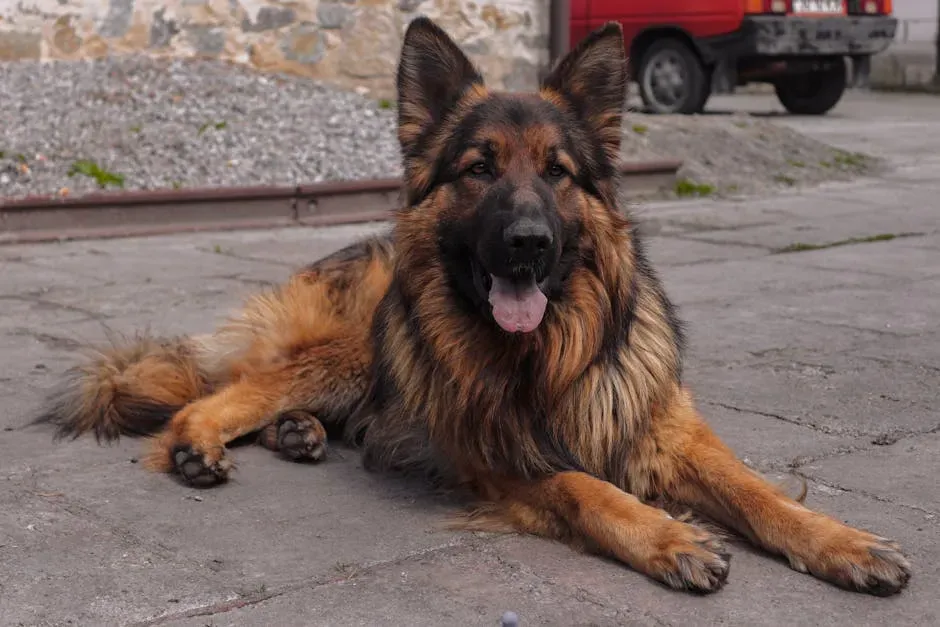
German Shepherds are the second most common shelter breed nationwide, accounting for roughly 11% of shelter dog listings. Given how frequently they top popularity lists, the numbers in shelters feel almost contradictory until you understand the breed better.
German Shepherds are among the most intelligent dog breeds, often serving as police or service dogs. However, their high intelligence comes with a need for extensive training, socialization, and mental stimulation. Many pet parents are unprepared for the responsibility of caring for such a sharp-minded and active breed. When their needs aren’t met, German Shepherds may become anxious or destructive, causing them to end up in shelters.
At a minimum, shepherds should receive at least two hours of exercise a day in addition to mental stimulation through training, games, or puzzles. That’s a real commitment, and it’s one many households quietly underestimate.
3. Labrador Retriever

Labs have held the title of America’s most popular family dog for decades. That popularity, it turns out, is part of the problem. Popular breeds often suffer from overbreeding, especially by unregulated and irresponsible breeders and puppy mills looking to make a quick profit. The sheer number of puppies produced due to overbreeding can flood the market, leading to more dogs than there are homes to take them in. This increases the chances that these dogs will end up in shelters and rescues.
Labrador Retrievers are frequently surrendered due to size, chewing, or lack of training in puppyhood. A bouncy, untrained Lab puppy can quickly become more than a busy household bargained for, especially once it reaches full size at around 80 pounds.
4. Siberian Husky
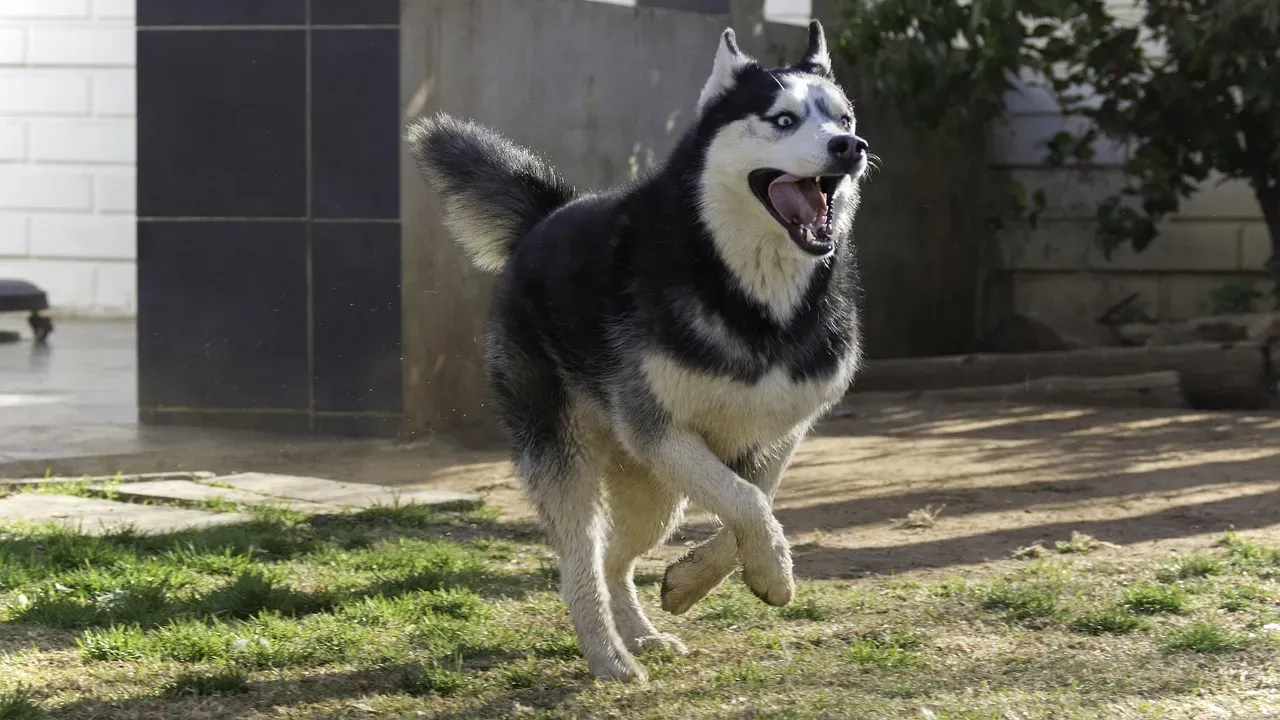
According to pet rescue advocate Rocky Kanaka, the number of Siberian Huskies in shelters doubled between 2020 and 2023. Like other breeds on this list, Huskies have a striking appearance and have stood in the Hollywood spotlight more than once. With superficial popularity comes a misunderstanding of the breed’s true nature: high energy, vocal, independent, and intelligent.
Behind that beauty is a high-energy escape artist with a stubborn streak a mile wide. Bred to run, they get restless fast, leading to howling and epic fence-jumping attempts.
Huskies need consistent, patient training for months as a puppy to become a well-behaved dog. Owners who don’t educate themselves on the training, exercise, and nutrition needs of a Husky can quickly become overwhelmed. That’s not a character flaw in the dog. It’s a mismatch between expectation and reality.
5. Chihuahua

In California alone, Chihuahuas make up roughly 30% of the dog population in shelters. They’re tiny, they’re portable, and they’re wildly overbred precisely because of those traits.
Their small size and low maintenance needs make them popular pets, but this popularity also leads to over-breeding. When the demand for Chihuahuas declines, many end up in shelters. Chihuahuas can be prone to behavioral issues such as anxiety and aggression if not properly socialized and trained. These challenges can lead to owner surrenders, as people may find themselves unprepared to handle these behaviors.
They often become attached to one family member and need consistent, patient training and socialization to discourage behaviors like resource guarding. Without proper education, some owners misinterpret their Chihuahua’s behavior and surrender.
6. Boxer

Boxers are energetic, affectionate dogs known for their playful nature and love of human interaction. Their high energy levels and strong desire for attention can be overwhelming for some people. As a result, they’re often surrendered when people realize they can’t meet the breed’s exercise, attention, and training needs.
Owners who surrender their Boxers usually do so because they are fully unaware of the energy it takes to keep a Boxer healthy and happy. Boxers need hours of exercise every day. A cooped-up Boxer will most likely become destructive and soil their home in some way, especially if left alone for hours at a time.
There’s also a common misconception that Boxers are relaxed, low-effort dogs based on their calm, goofy expressions. That misread sets owners up to fail before they even start.
7. Australian Shepherd
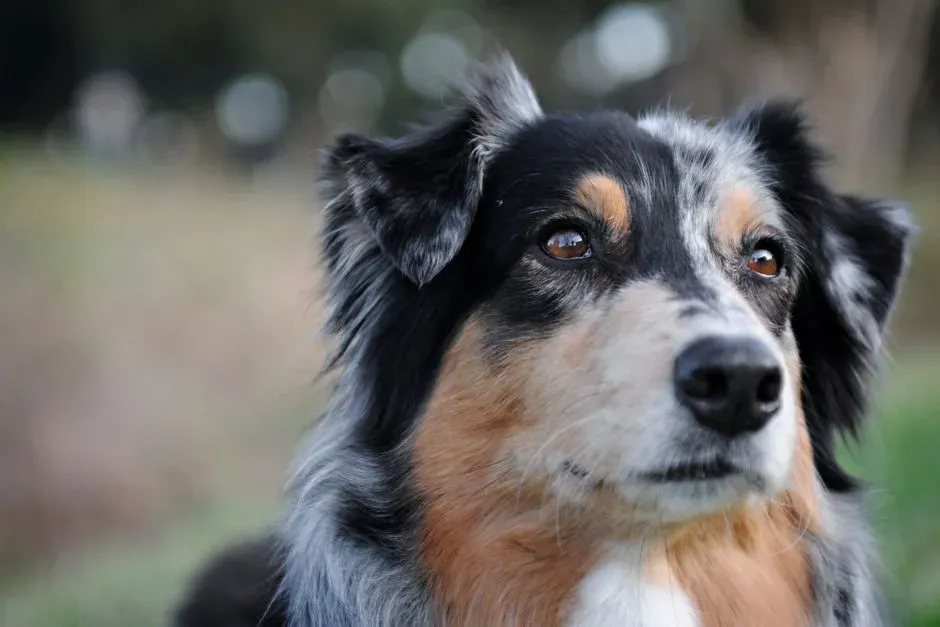
Australian Shepherds need a job, whether it’s herding, agility, or other activities that challenge them. Without proper exercise and mental stimulation, they can become bored and destructive, leading to owner surrender.
They are frequently found in shelters because their high energy levels and herding instincts can be overwhelming for some owners. An Aussie in a small apartment with a nine-to-five owner is a recipe for chaos, and shelters see that equation play out constantly.
What makes this breed’s shelter presence especially poignant is that these are genuinely brilliant dogs. They’re not difficult because they’re broken. They’re difficult because they’re designed for a working life, not a sedentary one.
8. Beagle

Beagles are friendly and curious dogs known for their excellent sense of smell and energetic nature. Despite their charm, Beagles are commonly found in shelters due to their high energy levels and tendency to follow their noses, often leading to escape attempts. Beagles require a lot of exercise and mental stimulation, which can be challenging for some owners to provide. Additionally, their vocal nature and strong prey drive can make them difficult to manage, leading to owner surrender.
Beagles are also known for their loud, distinctive baying, which can be challenging in apartment settings. Many end up in shelters due to behavioral issues that stem from a lack of proper training or outlets for their energy.
Neighbor complaints about noise are frequently cited as a triggering factor. In an urban world of thin walls and close quarters, a howling Beagle can end a tenancy fast.
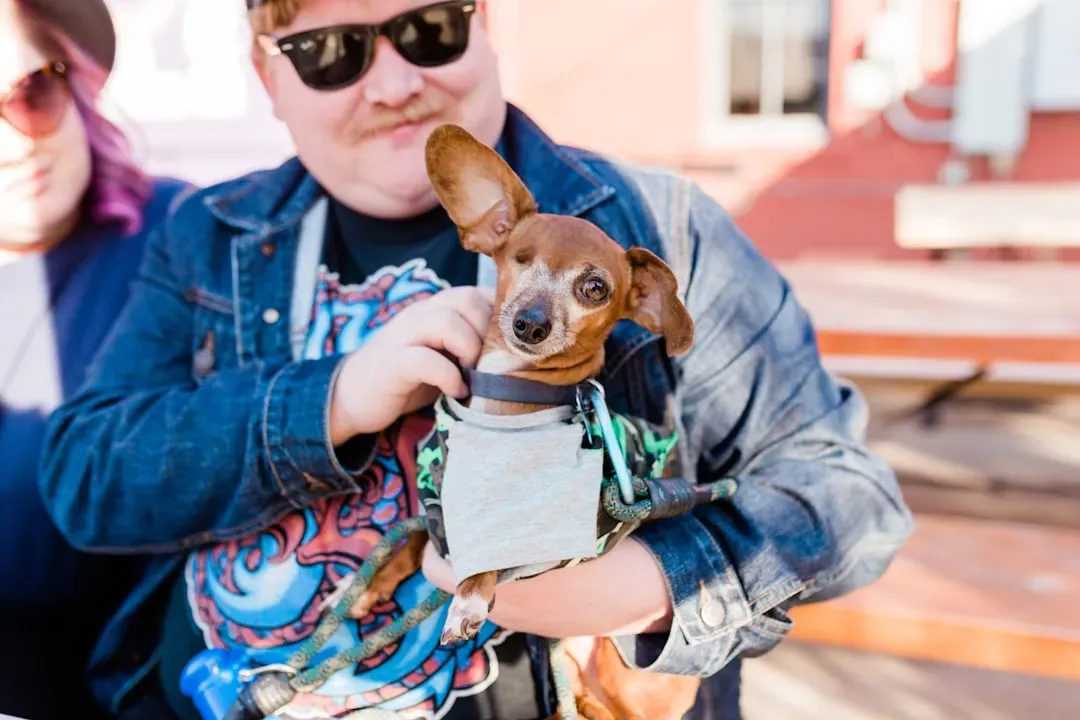
9. Dachshund

With their long bodies and short legs, Dachshunds are charming but often misunderstood. They are frequently found in shelters due to health issues related to their unique build, such as back problems, and behavioral challenges like stubbornness and a strong prey drive. Dachshunds can also be prone to separation anxiety and may not get along well with young children. These factors, along with their popularity, lead to many Dachshunds being surrendered to shelters.
Dachshunds are also prone to back problems, leading to high vet bills that some owners are unprepared to handle. Intervertebral disc disease is a real and costly concern for the breed.
Because they were originally bred to hunt badgers, they have strong personalities. These dogs can be difficult to manage for people who are not familiar with the breed.
10. Rottweiler

Due to their imposing build, Rottweilers often face breed discrimination, especially in rental housing. Moreover, strong protective instincts demand experienced leadership, and when owners struggle to provide structure, territorial tendencies can develop, making rehoming more likely.
Rottweilers are often surrendered due to their intimidating size and strength, which can be difficult for unprepared owners to manage. Without proper training and socialization, Rottweilers may develop guarding behaviors that lead to misunderstandings. They are also victims of breed-specific legislation, which can force families to give them up.
When placed in the right environment, Rottweilers are deeply loyal and loving. Many shelter Rottweilers are just waiting for patient, experienced adopters.
11. Border Collie
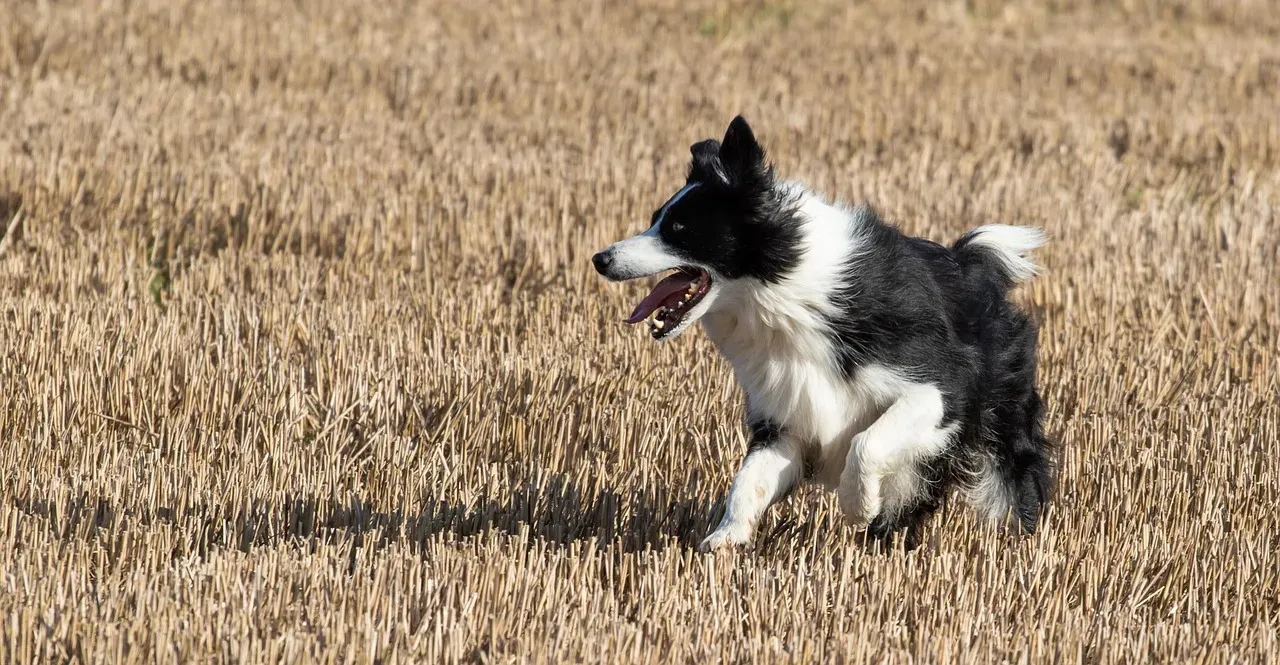
Border Collies are very smart and require a lot of mental and physical exercise, which can be overwhelming for people who aren’t prepared for such an active dog. Without proper outlets for their energy, they can become understandably frustrated, leading to behavioral issues such as excessive barking or destructive behavior. This often results in them being surrendered.
Few breeds match the intelligence and energy of a Border Collie. Designed for herding, they need a job to stay content. Many owners underestimate their demands, and without enough activity, these dogs may develop compulsive habits like excessive barking or pacing.
The irony is thick: the smarter the dog, the harder the fallout when that intelligence goes untapped.
12. Cocker Spaniel

Cocker Spaniels are affectionate and playful dogs known for their beautiful coats and friendly disposition. Despite their popularity as family pets, they are often found in shelters due to grooming needs, health issues, and behavioral challenges. Cocker Spaniels can be prone to ear infections and require regular grooming, which can be overwhelming for some owners.
The maintenance costs alone catch many families off guard. Regular professional grooming is not optional with this breed. It’s a recurring expense that, when it becomes inconvenient or unaffordable, sometimes ends with the dog being surrendered.
The issue of dogs ending up in shelters is complex, influenced by overbreeding, owner surrender, and changing life circumstances. While all breeds can find themselves in shelters, some are more commonly seen due to their popularity, specific breed traits, or misconceptions about their behavior.
13. Golden Retriever
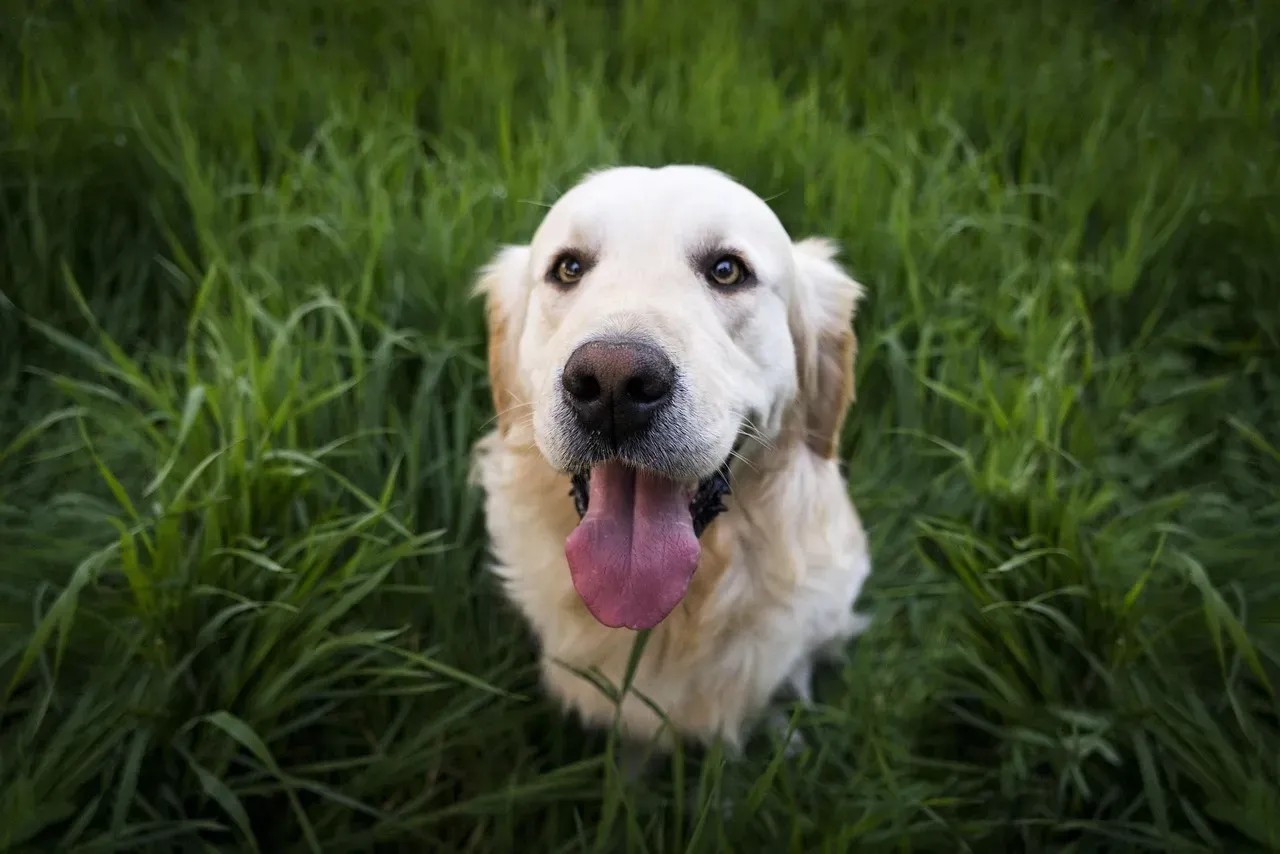
The Golden Retriever’s reputation as the ideal family dog is both a blessing and a burden for the breed. While it may be surprising to see a Golden Retriever in a shelter, it’s actually quite common, especially because the breed and their mixes have soared in popularity in recent years. As more people have sought out these friendly and laid-back dogs, there has been a rise in both intentional breeding and impulse adoptions, which can lead to surrender when families find themselves unprepared to care for them.
Louisville, Kentucky, was notably identified as a city where Golden Retrievers were among the most common breeds in shelters. In many communities, Goldens rarely remain in shelters for long; when they do arrive, they’re often adopted quickly due to strong demand by families.
Their adoptability is a genuine silver lining. Still, the fact that they keep arriving at shelters in the first place points to the same pattern of impulse ownership seen across this list.
14. Great Dane
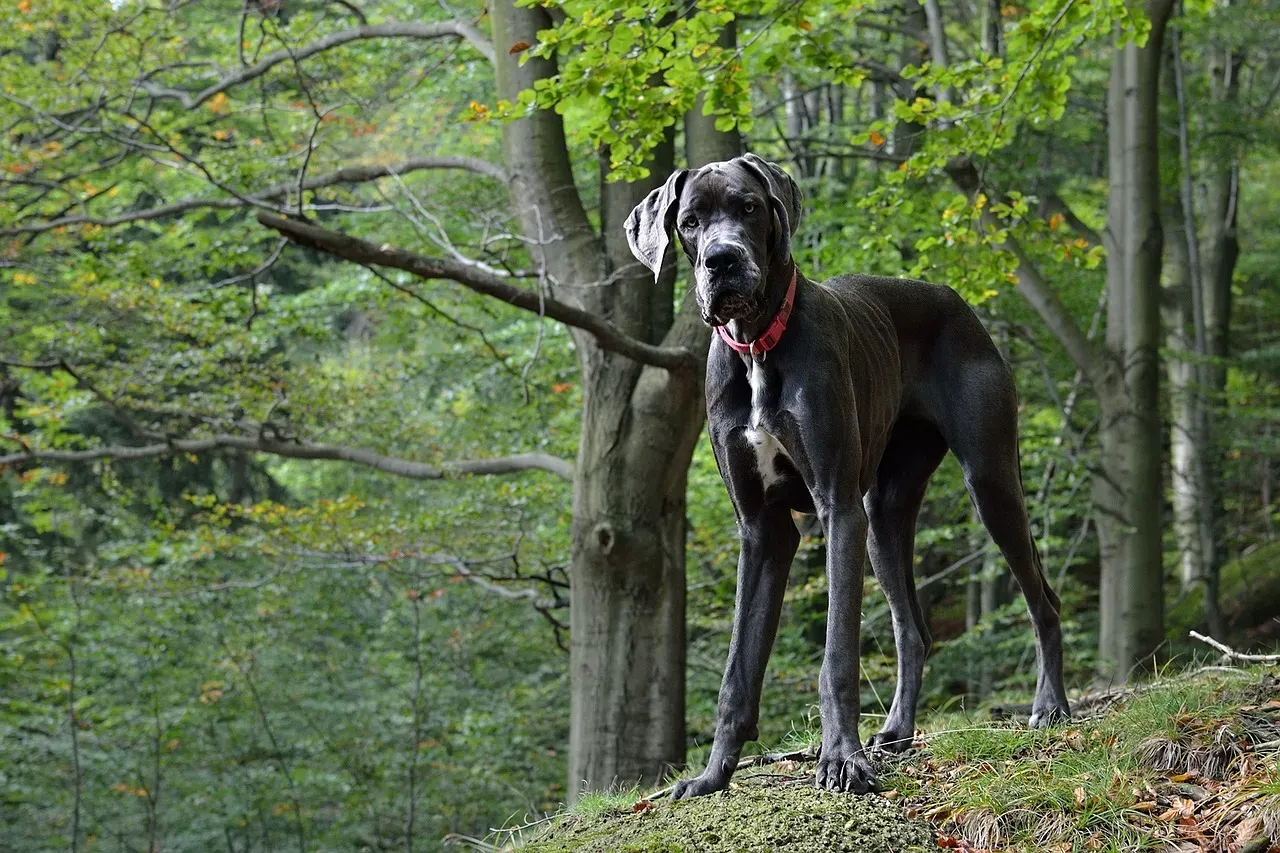
Great Danes are known for their imposing size and gentle nature, often called “gentle giants.” Despite their calm demeanor, their sheer size can overwhelm many owners. Great Danes require significant space and can be prone to health issues such as hip dysplasia and bloat. Their short lifespan and potential for large vet bills can be daunting. Additionally, their size means they need a lot of food, which can be a significant expense. Many Great Danes end up in shelters because their owners find themselves unprepared for living with such a large dog.
The emotional reality of a breed with a shorter lifespan is also worth acknowledging. Some families simply weren’t ready for that aspect, and the grief of anticipating it leads to early surrender in some cases. A Great Dane deserves better than that.
15. Australian Cattle Dog
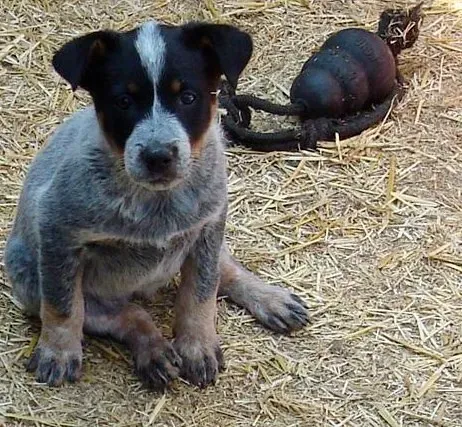
Much like the Border Collie, the Australian Cattle Dog is a herding breed that needs a job. Their size is desired by families because they aren’t too big or too small. Many people are intrigued by their beautiful spotted coat and are most often bought as adorable puppies. Cattle Dogs are very intelligent and without proper training they can become strong-willed, which inexperienced owners aren’t prepared for. Uneducated owners may be surprised by the level of activity needed and surrender this energetic breed to a shelter.
They have high energy levels and need lots of exercise and mental stimulation. One of the many reasons why they end up in shelters. In the wrong home, their intelligence turns into a liability. In the right one, they’re fiercely devoted partners.
The Bigger Picture Behind Every Surrender
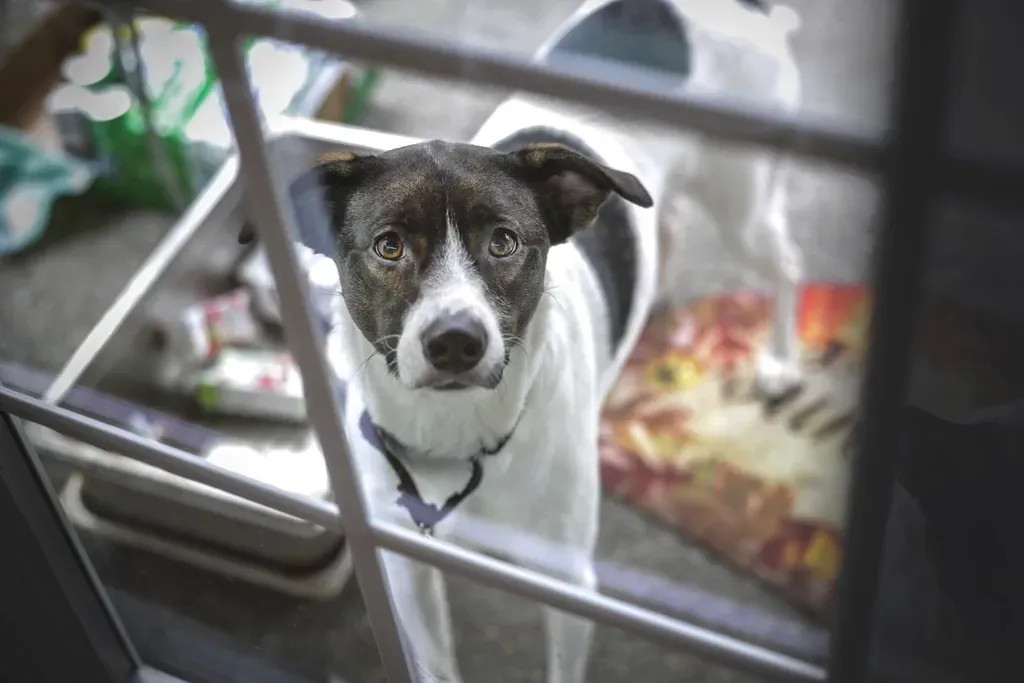
The through-line connecting all 15 of these breeds is rarely malice. Changes in life circumstances, such as moving to a new home, financial hardships, or family dynamics, can make it difficult for pet parents to care for their dogs. Larger breeds, or those who require a lot of care and space, are more likely to be surrendered when their humans’ situations change.
Housing issues account for a significant share of surrenders, with many pet owners struggling to find rental homes that allow animals. Financial challenges related to the cost of pet care also drive a meaningful portion of relinquishments, especially during tough economic periods.
Without long-term solutions, shelters will always struggle to keep up with the number of animals in need. Investing in spaying and neutering programs, pet ownership education, and stronger regulations against unethical breeding can significantly reduce the number of pets entering shelters in the first place.
What You Can Do Right Now
Across the U.S., there are 14,000 animal rescue organizations. Some focus on local sheltering, while others specialize in helping the most vulnerable animals. These organizations are critical in providing care, finding homes, and educating the public, but they often face overwhelming challenges with so many animals in need and limited resources.
Fostering is one of the most practical ways to ease the strain. As shelters continue to face ongoing capacity pressures, the public is encouraged to adopt, foster, or volunteer to support vulnerable cats and dogs in their communities. When people get involved, they help ease the strain on shelters and allow critical resources to be directed to other animals in need.
If adoption isn’t the right step for you today, even sharing breed-specific rescue pages, donating supplies, or simply correcting a misconception about one of these breeds in conversation adds something real to the effort.
Conclusion
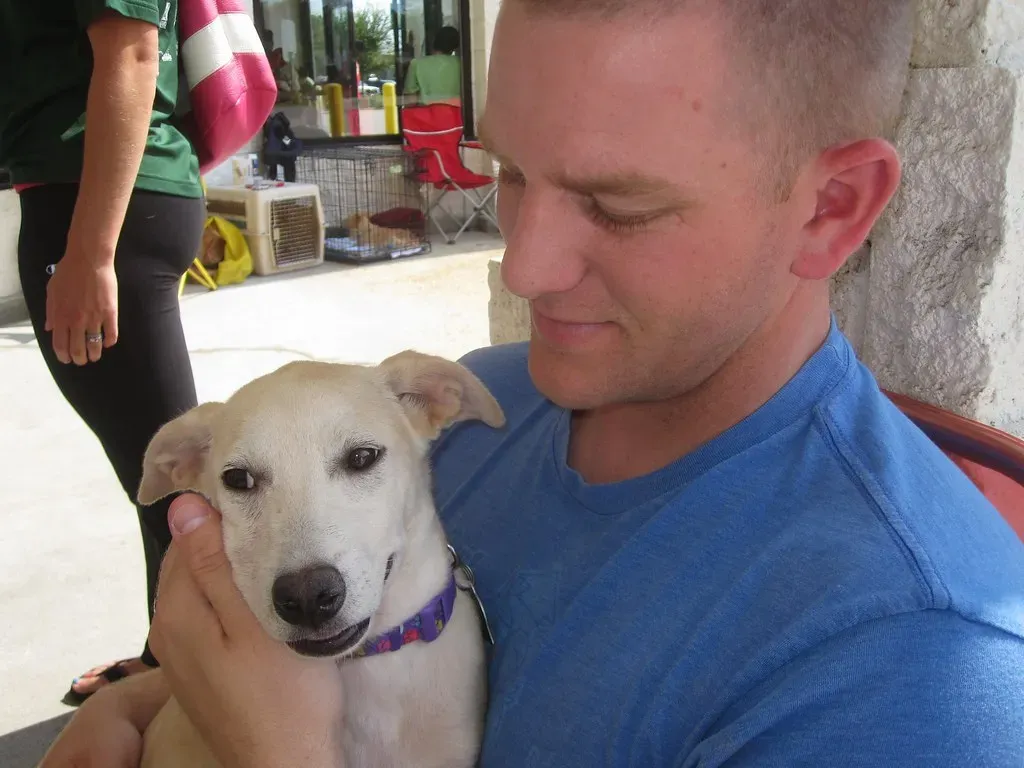
Every breed on this list arrives at a shelter carrying the same thing: the capacity to be a wonderful companion in the right home. An overwhelming amount of surrendered dogs are perfectly safe to adopt. Many of the dogs you find in shelters and rescues are abandoned through no fault of their own. These dogs are often loving, loyal companions waiting for the right person to give them a second chance.
Surprisingly, one in four dogs in shelters is purebred, but certain breeds often struggle to find homes due to outdated stereotypes and breed restrictions. The problem isn’t the dogs. It’s the gap between what people imagine dog ownership will look like and what it actually demands.
The shelter kennels don’t lie. The faces looking back at you through those chain-link doors are often the very breeds featured in commercials, movies, and Instagram feeds. Recognizing that disconnect, and acting on it, is where meaningful change begins.

- 15 Tender Things Old Dogs Do the Closer the End Quietly Comes - July 21, 2026
- 14 Ways a Rescue Cat Shows It Has Given You Its Fragile Heart - July 21, 2026
- 13 Familiar Things That Bring an Aging Dog Deep, Quiet Comfort - July 21, 2026