

Philippine Eagle – Mindanao, Philippines
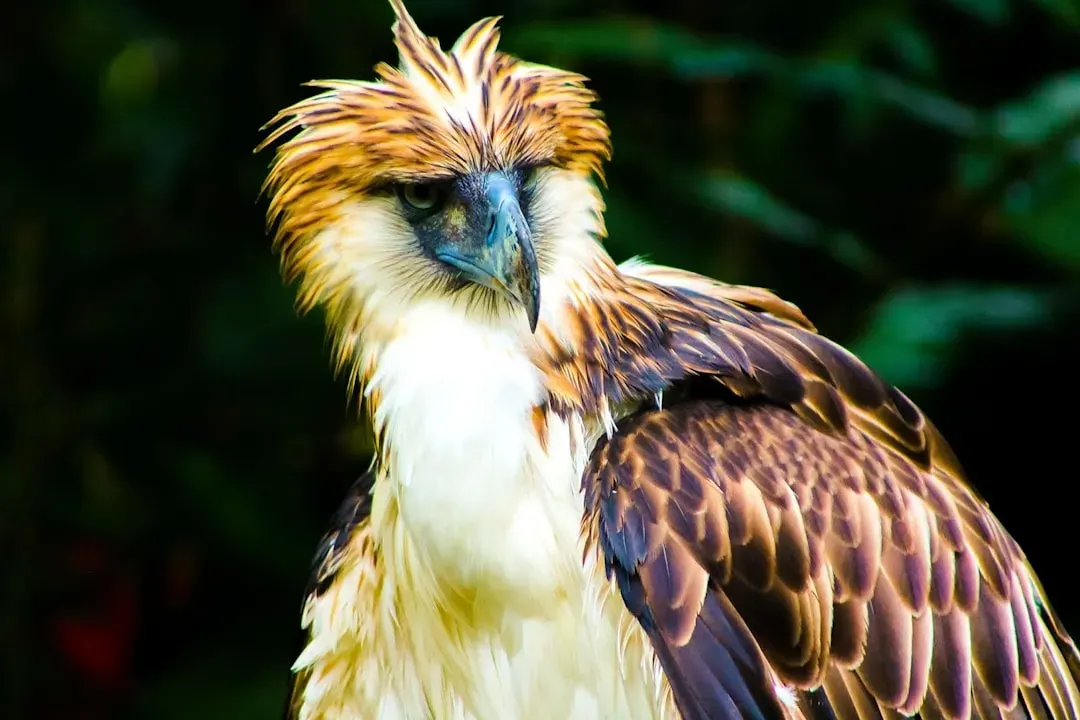
Few raptors command the kind of attention the Philippine eagle does. Sometimes called the “Monkey-eating Eagle,” it is one of the world’s largest and most powerful eagles, found only in the Philippines and inhabiting the lush, mountainous rainforests of the archipelago. It’s a bird that stops you in your tracks.
The Philippine eagle remains one of the world’s rarest eagles, with fewer than 800 mature individuals left in the wild. Its slow reproductive rate, large territorial requirements, and reliance on long-term parental care make it highly vulnerable to population declines, and habitat loss combined with human persecution continue to disrupt breeding success.
The species is considered one of the world’s rarest birds of prey, with roughly 400 breeding pairs left in the wild. Conservation areas like Mount Apo offer the best chances to see them, though sightings even there require patience and a good deal of luck.
California Condor – California, Arizona, and Baja California
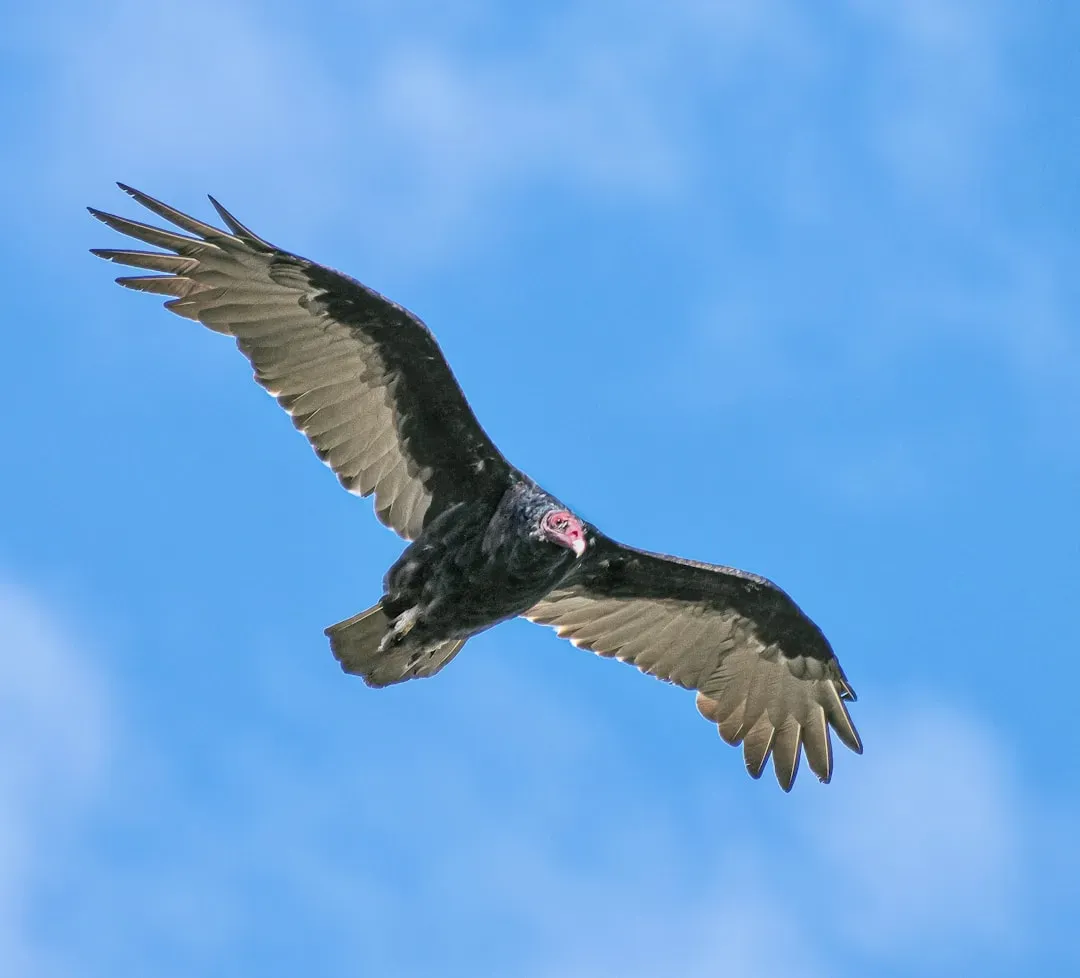
With a wingspan of 9.5 feet and weighing up to 25 pounds, the California condor is the largest land bird in North America. For much of the 20th century, it looked like a species already lost to history. Condor numbers dramatically declined due to agricultural chemicals, poaching, lead poisoning, and habitat destruction, and a conservation plan put in place by the U.S. government led to the capture of all remaining wild condors by 1987, with a total population of just 27 individuals.
What happened next is one of conservation’s more unlikely turnarounds. The California condor’s entire population stood at 607 individuals according to a December 2025 count by the U.S. Fish and Wildlife Service, a dramatic recovery from 1982, when only 22 of the birds remained. The wild population alone reached 392 individuals by the end of 2025. Visitors to the Grand Canyon’s South Rim or Big Sur’s coastal cliffs now have a genuine shot at spotting one riding thermals overhead.
Mauritius Kestrel – Black River Gorges, Mauritius
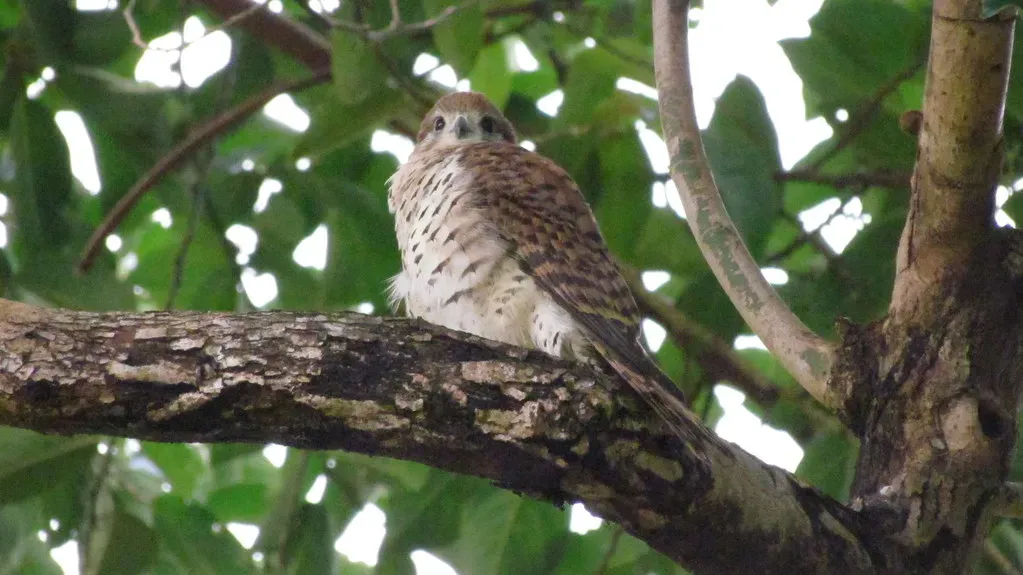
The Mauritius kestrel has one of the most dramatic stories in conservation history. With just four remaining individuals on the island in 1974, the Mauritius kestrel seemed doomed to extinction, making it widely regarded at the time as the rarest bird anywhere on the planet. The odds against it were staggering.
After it was discovered that only a handful remained in the wild in the early 1970s, the kestrel became the focus of an ongoing restoration programme, with scientists and conservation biologists from around the world coming together to reintroduce the threatened species and bring it back from the brink. The kestrel’s population has since swelled to the hundreds and has inspired the successful recovery of other Mauritian species, including the Pink Pigeon, Echo Parakeet, and Mauritius Fody. The species can today be found in the remaining forests of the island, especially in the Black River Gorges region.
Black Harrier – Fynbos Biome, South Africa
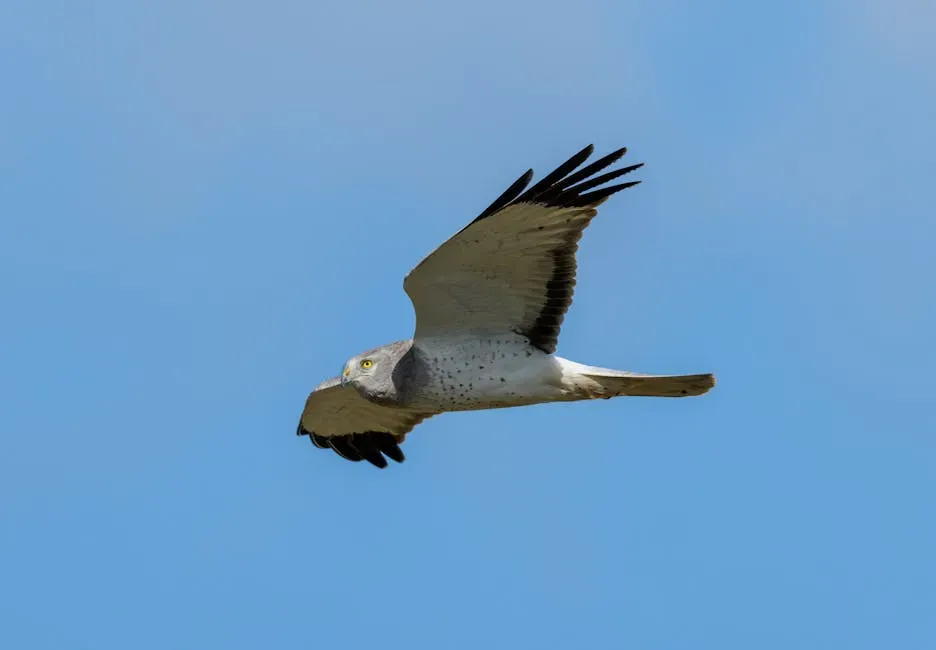
The Black Harrier is considered one of the rarest raptor species in the world, and it may have lost over half of its core breeding habitat in the last century as a result of land use changes in the fynbos biome of its stronghold in southwestern Africa. That’s a staggering habitat contraction for any species to absorb.
Found throughout much of Southern Africa, the Black Harrier inhabits scrub and bush lands interspersed with marshes, sedge lands, cereal croplands, floodplains, grasslands, coastal dune thickets, and even semi-desert areas, from sea level to as high as 2,500 meters. When hunting over dense grass or other vegetation, it listens for the sounds of its prey scurrying below and knows precisely where to aim its sharp talons. The West Coast and Overberg regions of South Africa’s Western Cape give birders the best opportunities to encounter this striking, white-and-black species.
Javan Hawk-Eagle – Java, Indonesia
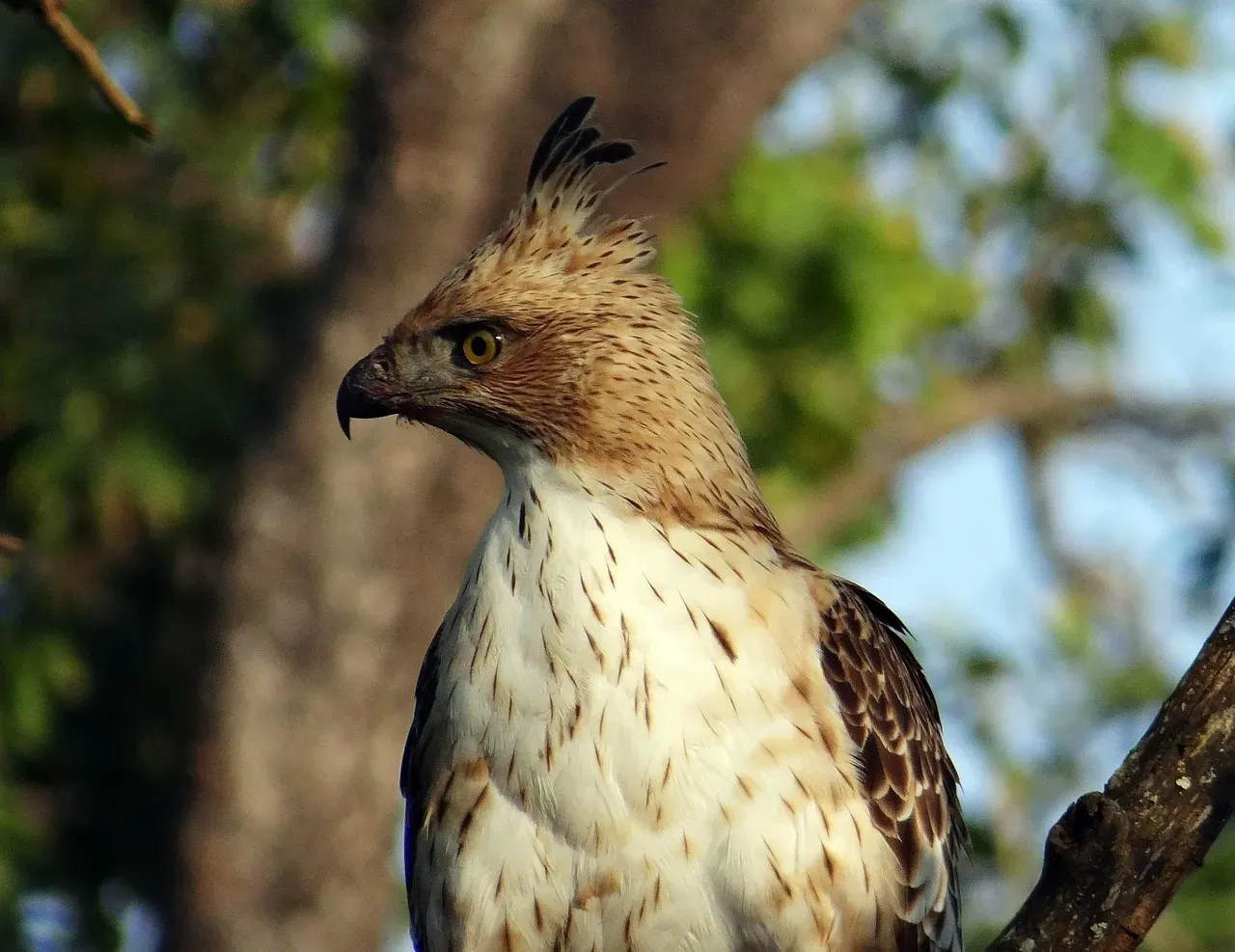
The endemic Javan hawk-eagle is considered threatened with extinction because of its small population size and the severe fragmentation of its habitat on the densely populated island of Java. Like many tropical forest raptors, little is known about many of its population parameters. It’s a bird science is still racing to understand before it becomes too late.
The Javan hawk-eagle has always been described as either rare or very rare, and it was included among the thirty birds of prey considered most urgently in need of a survey. Dense tropical forest in national parks such as Gunung Halimun-Salak and Meru Betiri give the best possible odds for a sighting, though even experienced field ornithologists often leave empty-handed. Its elusiveness is almost part of its identity.
Madagascar Fish Eagle – Northwestern Madagascar
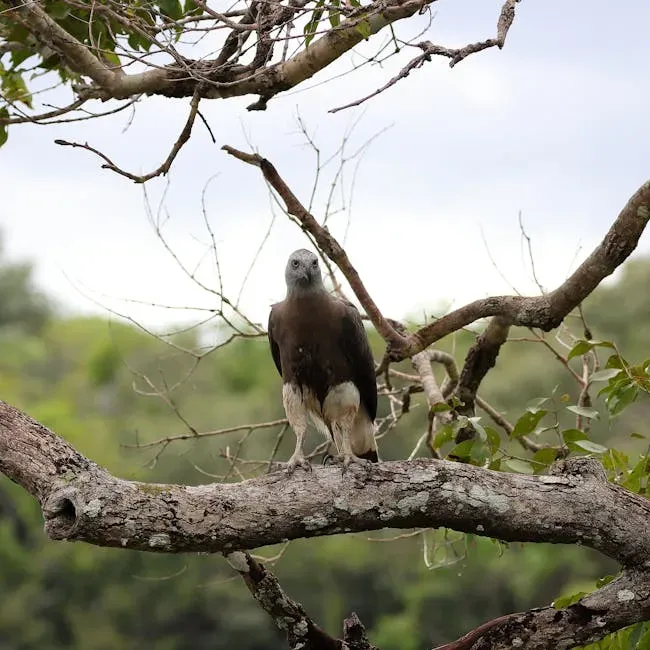
The Madagascar Fish Eagle is the largest raptor in Madagascar, and this island endemic is one of the rarest birds of prey in the world. It once ranged broadly across the island’s northwestern coastline but has been retreating steadily for generations. Today it clings on in a fraction of its former range.
The species is Critically Endangered, with surveys estimating only a few hundred individuals remaining, concentrated around large lakes, rivers, and estuaries in the north and northwest of the country. Areas around the Ankarafantsika National Park and the coastal wetlands near Mahajanga offer the most reliable chances of observation. Getting there takes effort, but for serious raptor watchers, it’s a journey worth taking.
Ridgway’s Hawk – Hispaniola
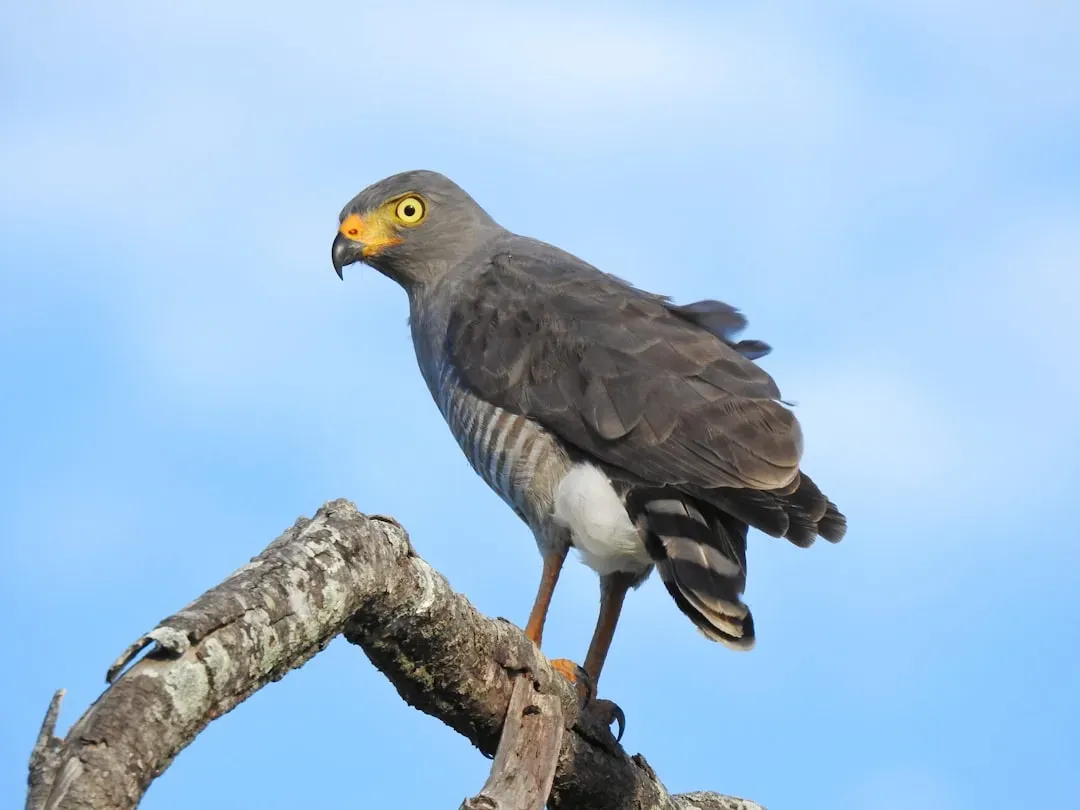
Of the world’s 561 raptor species, 161 are island endemics, and among them is the Ridgway’s Hawk on Hispaniola. These birds are especially vulnerable to extinction yet remain poorly studied, making it difficult to develop effective conservation strategies. The Ridgway’s Hawk is a particularly stark case: confined to a single island it shares between Haiti and the Dominican Republic.
Threats vary across species and regions, but habitat loss and fragmentation, persecution, and poisoning remain the leading pressures for island raptors like this one. The Los Haitises National Park in the Dominican Republic is considered the hawk’s remaining stronghold, and conservation programs led by The Peregrine Fund have been working to stabilize nesting populations there. Local guides with knowledge of nesting sites are essential for any would-be observer.
Black-and-Chestnut Eagle – Andean Foothills, South America
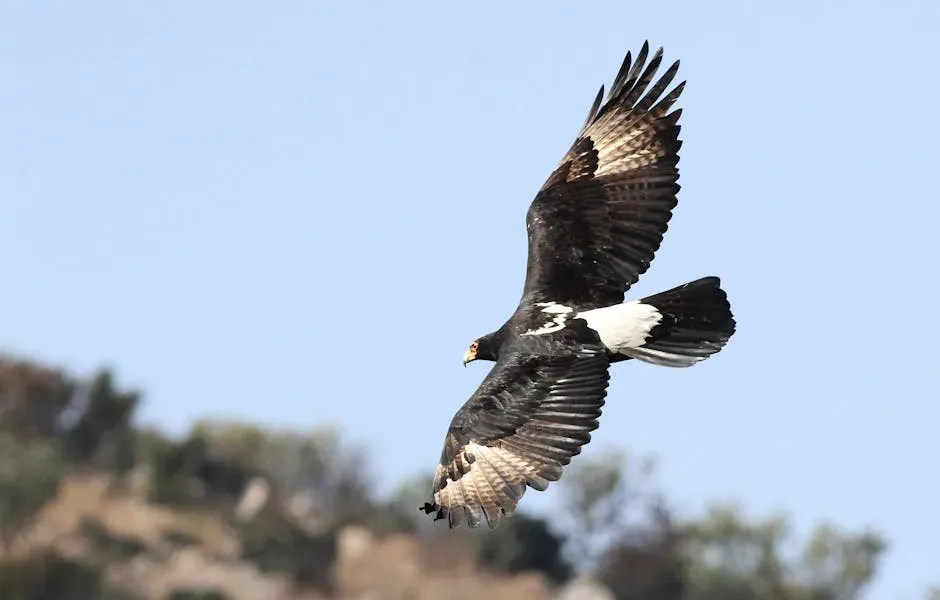
The Black-and-Chestnut Eagle is one of the most endangered eagles in the world. It’s a forest specialist, relying on large, unbroken tracts of Andean cloud forest to hunt and breed, exactly the kind of habitat that has been carved up for agriculture and human settlement across Colombia, Ecuador, Peru, and Bolivia.
In the southern South American region, it is ranked among the most conservation-critical raptor species, and its global population is thought to be very small, potentially numbering only in the low hundreds of mature individuals. Cloud forest reserves in the Andean foothills of Ecuador and Colombia, particularly around Mindo and the Chocó region, offer the best prospects. Even there, the eagle is rarely encountered, which gives any sighting a quality that’s hard to describe after the fact.
A Note on What These Eight Birds Represent
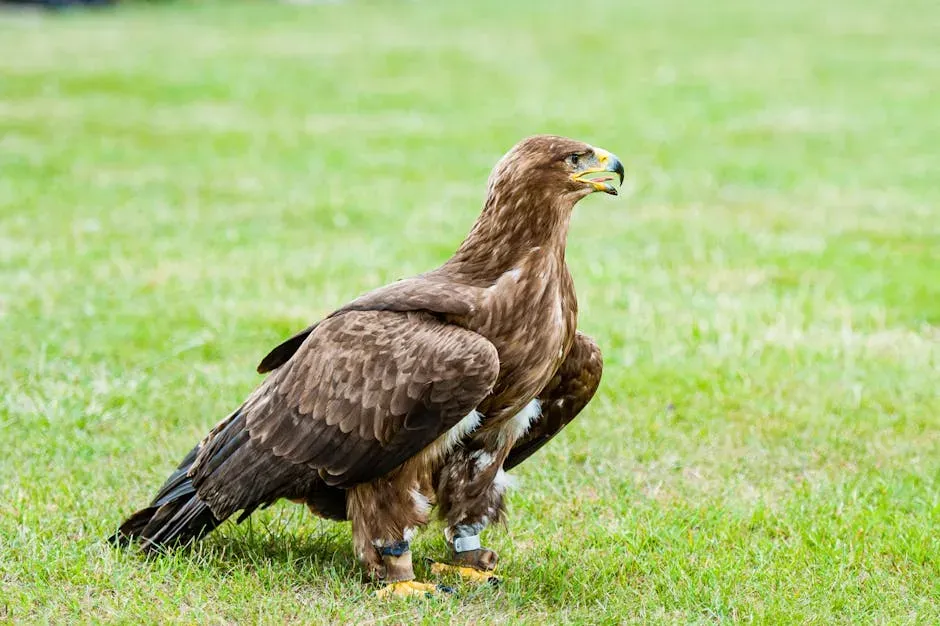
Many of the world’s raptors, or birds of prey, are experiencing declines and are increasingly threatened with extinction. The eight species above are not outliers. They’re a cross-section of a much wider crisis playing out across forests, coastlines, and island ecosystems.
Limited knowledge remains one of the greatest threats to many rare raptors, with Southeast Asia identified as the highest-priority region, home to some of the world’s least-studied species. The good news, where it exists, is that targeted conservation has worked. The California condor, the Mauritius kestrel, and others prove that reversal is possible when effort and resources are sustained over the long term.
For those with the means and the motivation to seek these birds out, the experience carries weight beyond birdwatching. Seeing a Philippine eagle circle above primary forest, or watching a California condor tip its massive wings over canyon walls, is a reminder that these creatures are still here. Whether they remain depends, in no small part, on how seriously we take that fact.
