
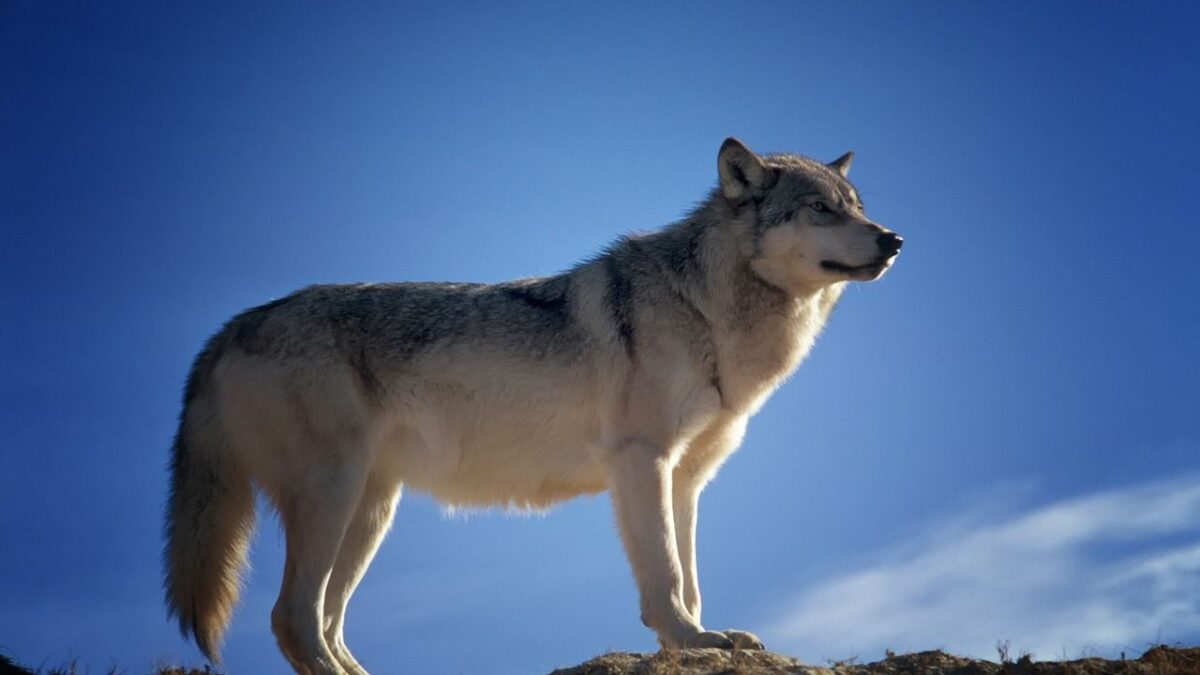
Minnesota holds a distinction that most states can’t claim. Its northeastern corner of lakes and sub-boreal forest once sheltered the last remaining wild wolves in the lower 48 states. That legacy is very much alive today. The DNR estimates a current density of roughly one wolf per ten square miles, making Minnesota’s wolf population the highest of any state in the lower 48.
Most people who hike, camp, or live in northern Minnesota will never come face to face with one. Wolf sightings are rare in the Arrowhead region, and while you might not come face to face with one, if you pay attention, you’ll start to see tracks and hear their midnight choruses everywhere you go. Still, knowing what not to do in those rare moments of contact could genuinely matter.
1. Never Run From a Wolf
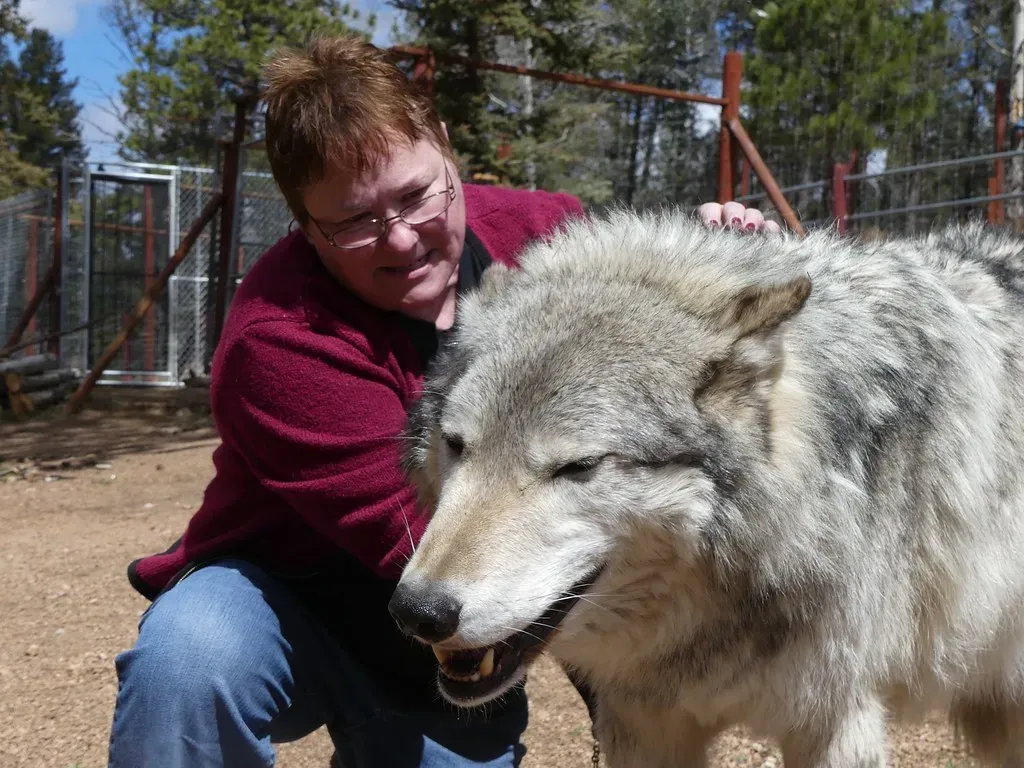
Wolves are apex predators; they love a good chase and see you as prey when you run. The instinct to flee is completely understandable, but it’s exactly the wrong response. Running activates a predator’s pursuit drive, and wolves can reach speeds of up to 37 miles per hour.
Don’t run. Remain calm and confident, while clapping or making noise. Don’t turn your back to the wolf, but move away slowly, and stand your ground. That combination of calm assertiveness and deliberate movement is your best immediate tool.
The logic is simple. A wolf that sees you walk steadily away while making noise is processing a very different signal than one that sees you bolt through the trees. Keep it slow, keep it intentional, and keep facing the animal as you go.
2. Never Turn Your Back
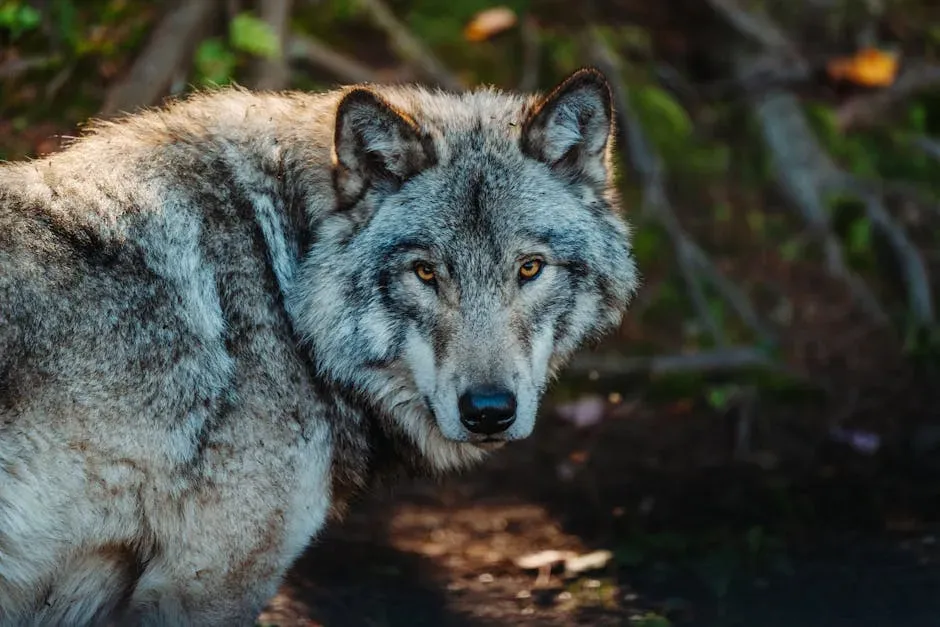
Don’t run, but act aggressively, stepping toward the wolf and yelling or clapping your hands if it tries to approach. Do not turn your back toward an aggressive wolf, but continue to stare directly at it. Eye contact communicates that you are aware of the wolf and not an easy target.
Do not turn your back on the wolf as you slowly and calmly step away from it, and avoid making eye contact in a way they see as a challenge. There’s a nuance here: sustained, hard staring can itself be interpreted as a threat, so your gaze should be alert and steady rather than aggressive or locked in.
If you’re with someone else, position matters. If you are with a companion and more than one wolf is present, place yourselves back to back and slowly move away from the wolves. This way, neither of you has an exposed back and both of you can track the animals.
3. Never Try to Feed or Attract a Wolf
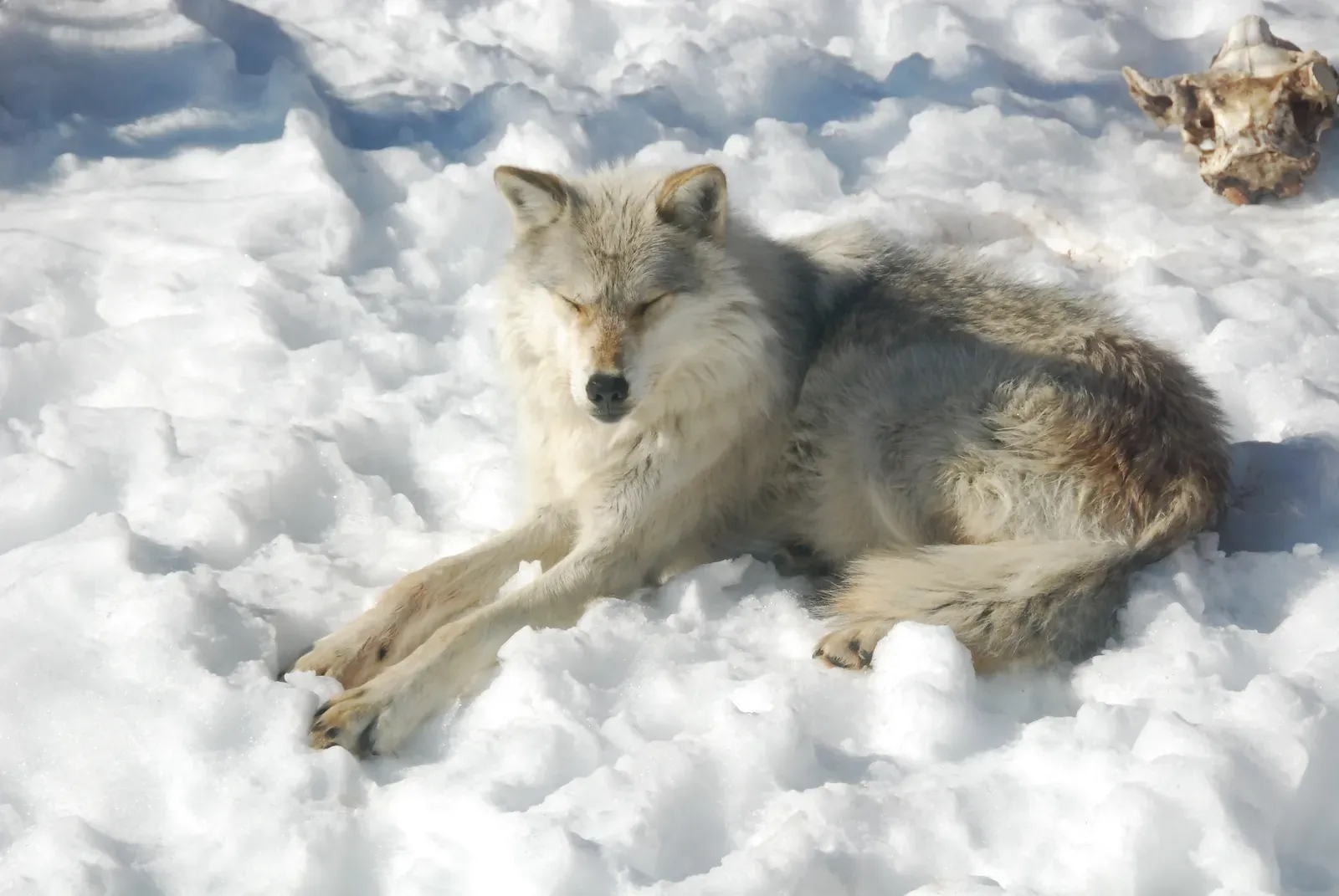
Wolf attacks on people are and always have been rare compared to other wildlife species, both large and small. Most are preventable. When they do occur, they are often connected to one specific factor.
Wolf bites or attacks on humans are so rare, they are poorly understood. These rare incidents have usually involved food-habituated wolves and have led to minor injuries, but no fatalities. Feeding a wolf, even indirectly through unsecured food at a campsite, conditions the animal to associate humans with an easy meal. That shift in behavior is dangerous for both parties.
As for all wildlife, do not provide artificial food sources. Keep food secured, do not burn leftover food or trash, and treat camp hygiene the same way you would for bear country. Hanging your food or using a bear-resistant container and never allowing your pets to roam free are equally important steps in wolf country.
4. Never Let Your Dog Off the Leash
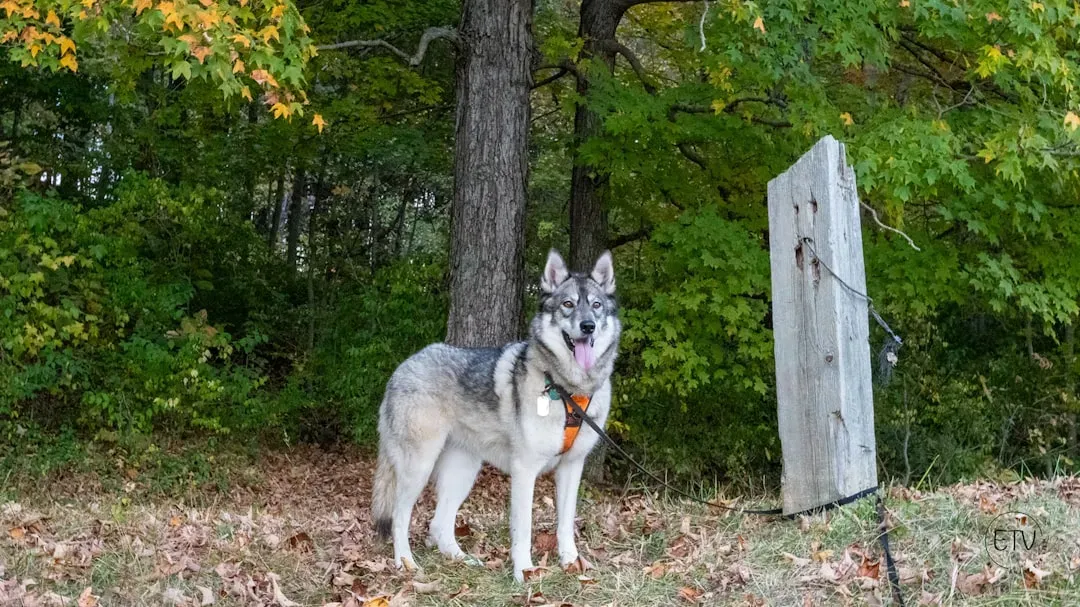
Wolves can be aggressive toward domestic dogs because the wolf views the dog as a “trespassing wolf” that should be driven away or killed. It’s territorial, not random. Your friendly labrador means nothing to a wolf defending its range.
Wolves could be aggressive towards dogs any time, but especially leading up to and during the breeding season (December through February) and the denning period (April through May), or if wolf pups are nearby. These are the windows when tensions run highest, so extra caution during those months is well worth it.
If you encounter a wolf and your dog is present, bring your dog to heel at your side as soon as possible. Standing between your dog and the wolf usually ends an encounter. Your presence as a buffer, rather than your dog’s behavior, is what matters most in that moment.
5. Never Crouch Down or Make Yourself Smaller
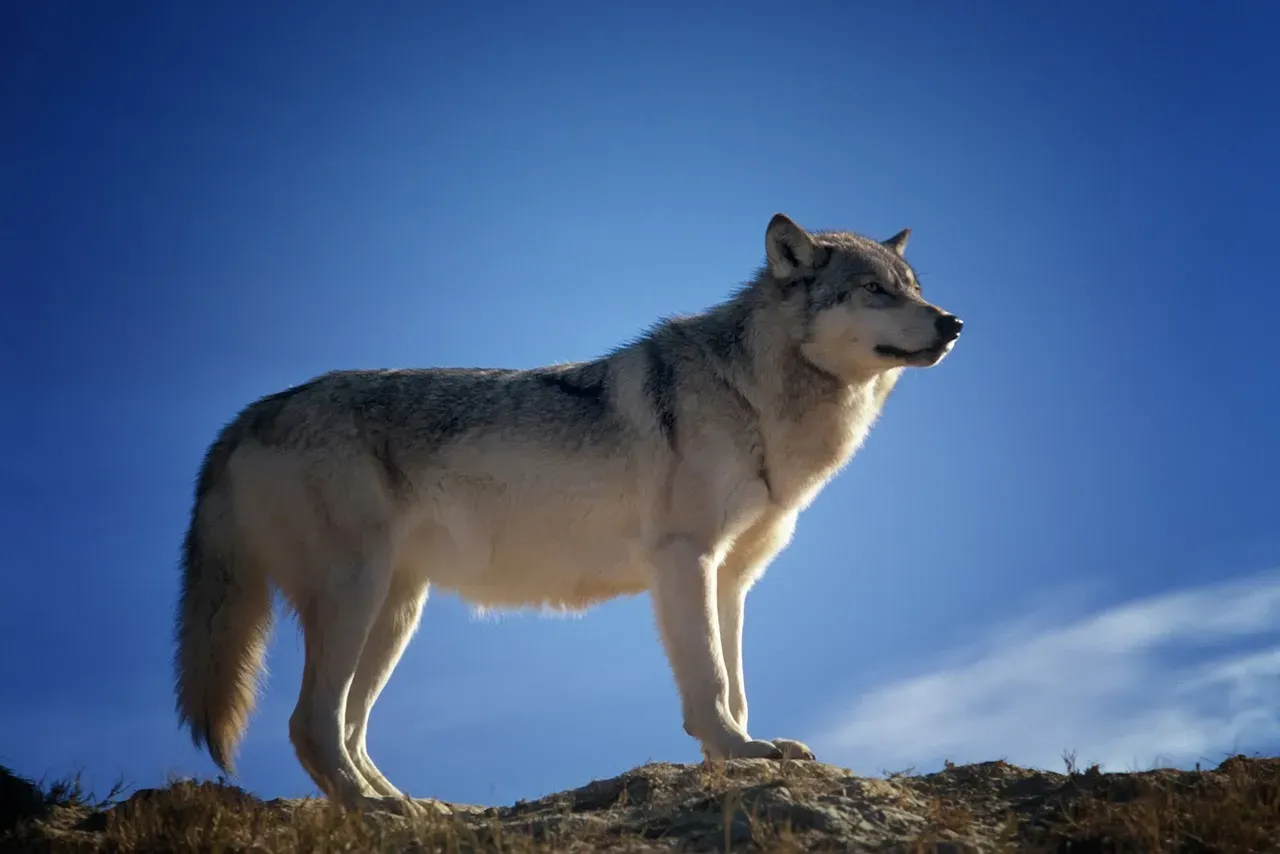
When confronted by a wolf, the instinct to crouch or shrink can feel almost reflexive, especially if you’re frightened. Resist it entirely. Making yourself appear smaller signals submission and vulnerability, which is the opposite of what you want to communicate.
Retreat slowly while facing the wolf and act aggressively. Stand your ground if a wolf attacks and fight with any means possible, using sticks, rocks, ski poles, fishing rods, or whatever you can find. Size and confidence are your allies here. Stand tall, spread your arms if you need to look larger, and make yourself seem like the more imposing presence in the interaction.
Wolves are highly intelligent, social creatures that operate with precision and strategy. Unlike the solitary mountain lion, wolves thrive in packs, working together to hunt, defend their territory, and raise their young. They read body language carefully. Looking small and uncertain is read as an invitation, not a deterrent.
6. Never Stay Silent and Passive
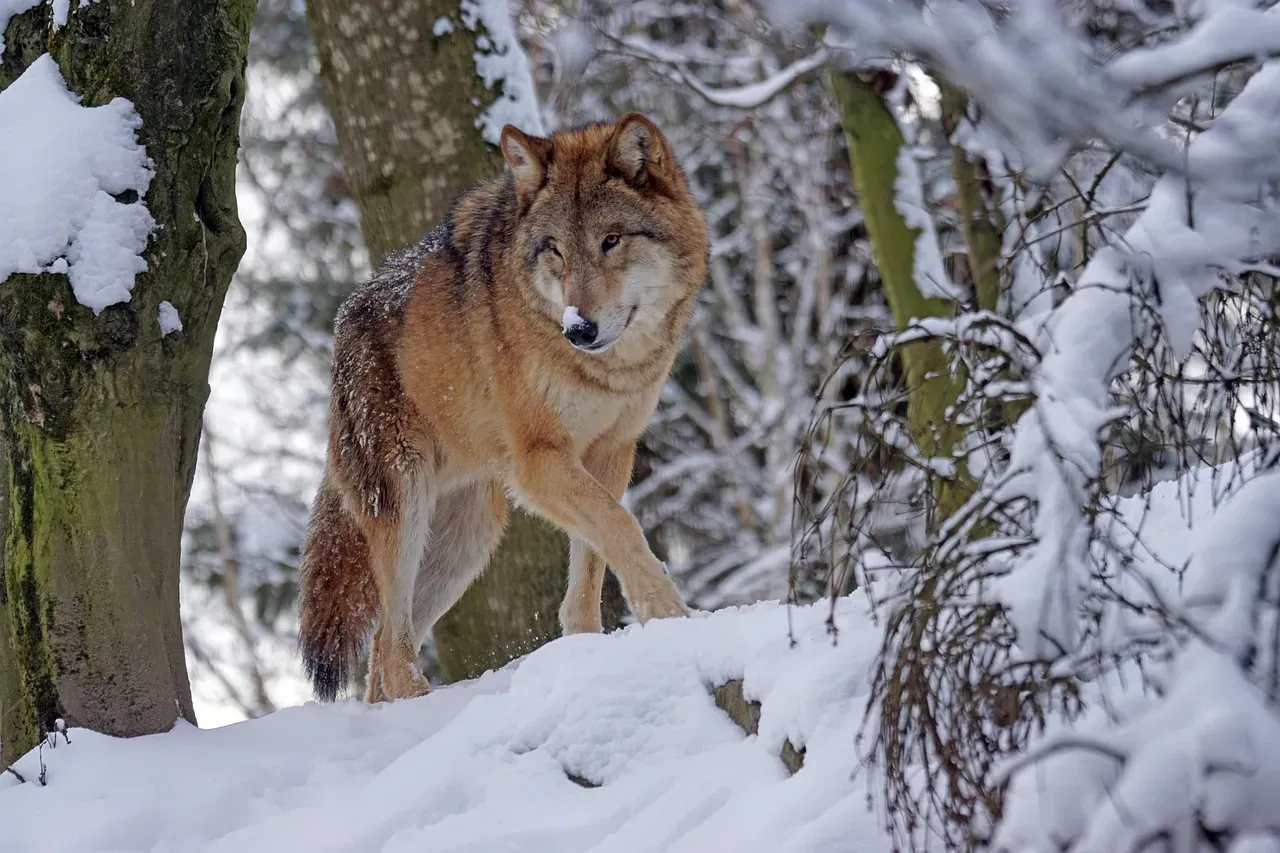
Silence during a wolf encounter can work against you. Noise, done right, is a legitimate deterrent. Use air horns or other noise makers. Use bear spray or firearms if necessary. These aren’t just last-resort tools. They’re part of a layered approach that starts with your voice and escalates as needed.
If you have bear spray, it’s worth carrying in wolf country as you can use it on a wolf. Clapping your hands, shouting firmly, and using a noise-making device all communicate that you are neither prey nor pushover. Passive silence, by contrast, gives the wolf no reason to reconsider its approach.
The goal in any close encounter is to convince the wolf to leave on its own. Understanding these signs helps you stay aware of your surroundings and make informed decisions about your safety. If you know wolves are nearby, you can adjust your route, reinforce your camp, or take extra precautions before an encounter happens. Noise and assertiveness, used early, can prevent an encounter from escalating at all.
7. Never Illegally Harm a Wolf Without Grounds of Defense
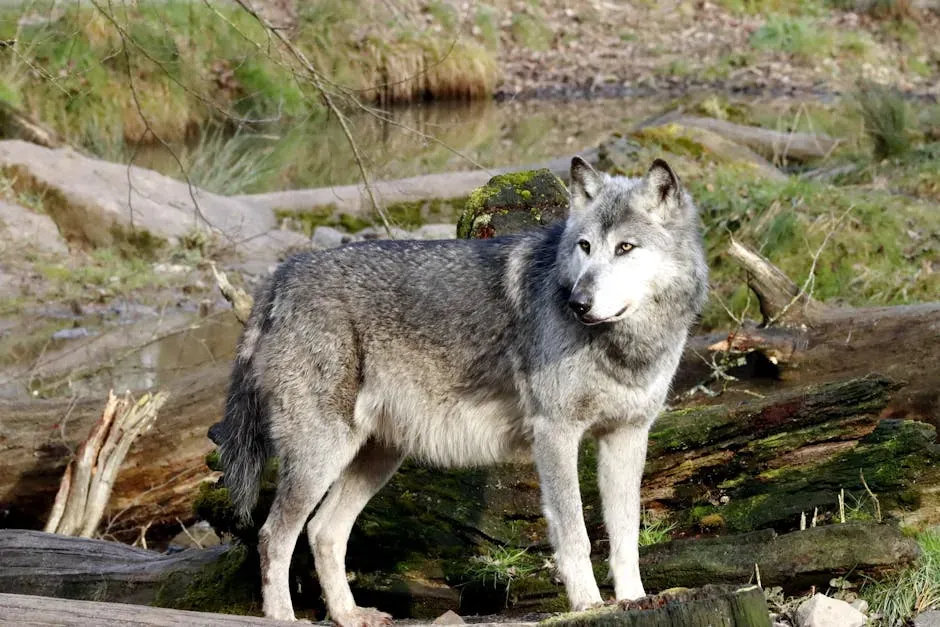
Minnesota’s gray wolf is a federally protected species, and the legal framework around it is specific. Effective February 2022, Minnesota’s gray wolf once again became a federally protected threatened species. Under current federal guidelines, wolves may only be taken in defense of human life. Acting outside those guidelines carries serious legal consequences.
A person may, at any time and without a permit, take a gray wolf in defense of the person’s own life or the life of another. A person who destroys a gray wolf under this subdivision must protect all evidence and report the taking to a conservation officer as soon as practicable but no later than 48 hours after the gray wolf is destroyed. This is a narrow, well-defined legal carve-out, not a general license to act at will.
Harming a wolf out of panic, curiosity, or a vague sense of threat is not defensible under Minnesota law. The DNR is committed to ensuring the long-term survival of the wolf in Minnesota and minimizing and resolving conflicts between wolves and humans. Knowing the law before you enter wolf territory is part of being a responsible and prepared visitor.
A Final Thought on Wolves in Minnesota
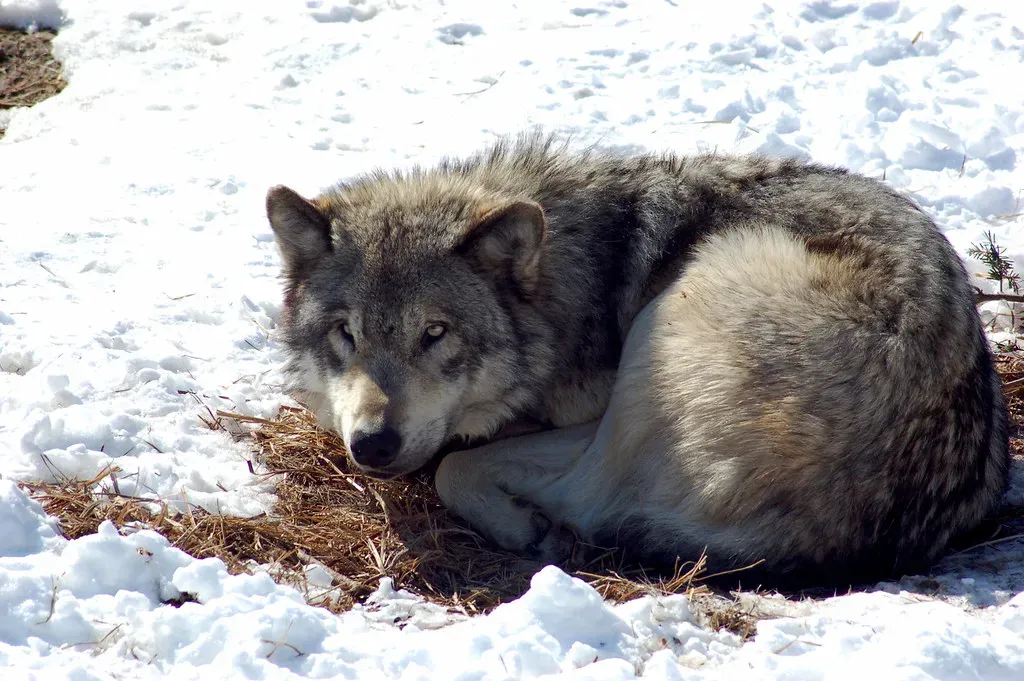
From Little Red Riding Hood to The Three Little Pigs, wolves get a bad rap. In North America, wolf attacks on humans are remarkably rare. The vast majority of encounters, when they happen, end without incident. The wolf retreats. You move on.
Wolves naturally are not man-eaters and typically do not exhibit hostile behaviors toward people. They’d rather avoid human confrontation. Most of the behaviors that escalate encounters are human-driven, which is actually reassuring. It means your choices matter.
Understanding what not to do isn’t about fear. It’s about respect. Respecting the animal, the ecosystem it holds together, and your own responsibility when you choose to walk through its territory. Minnesota’s wolves were nearly gone once. The fact that they’ve come back in force is a story worth protecting.
