
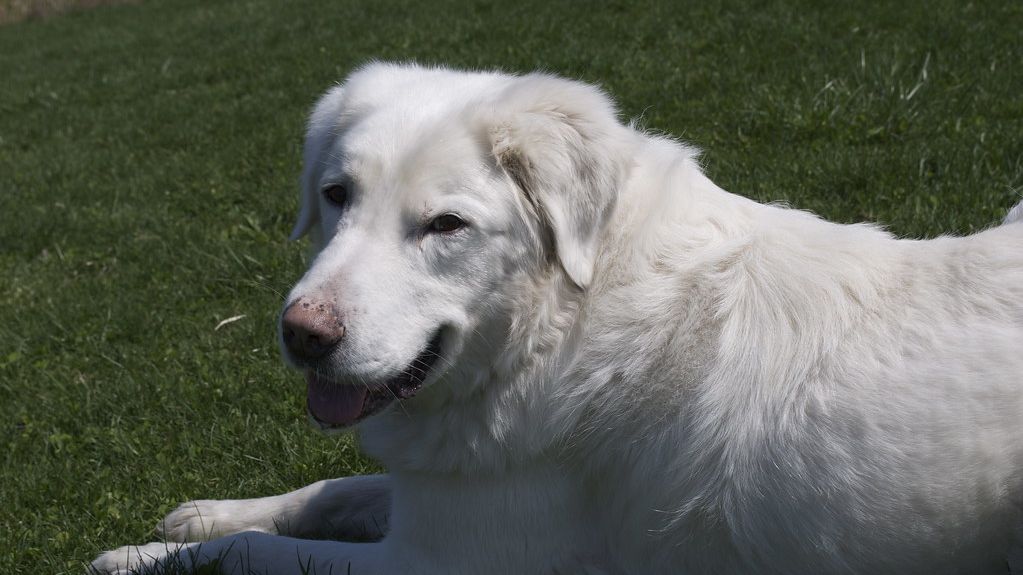
Coyotes are a fact of life across Texas. From the scrubby edges of San Antonio suburbs to the open Hill Country and beyond, they move through neighborhoods with surprising confidence, particularly after dark. Coyotes are both urban and rural, living and hunting in undeveloped lots, parks, neighborhoods, and even commercial areas. They are generally fearful of humans but may see small pets as prey.
For Texas homeowners sharing land with these clever animals, the right dog can make a real difference. Not every breed is cut out for the job, though. The best dog breed to deter coyotes is generally a large, livestock guardian dog that’s been properly trained and socialized. These dogs are bred to protect livestock and naturally possess the size, temperament, and instincts to effectively scare off or defend against predators like coyotes. The twelve breeds below each bring something genuine to the table.
1. Great Pyrenees
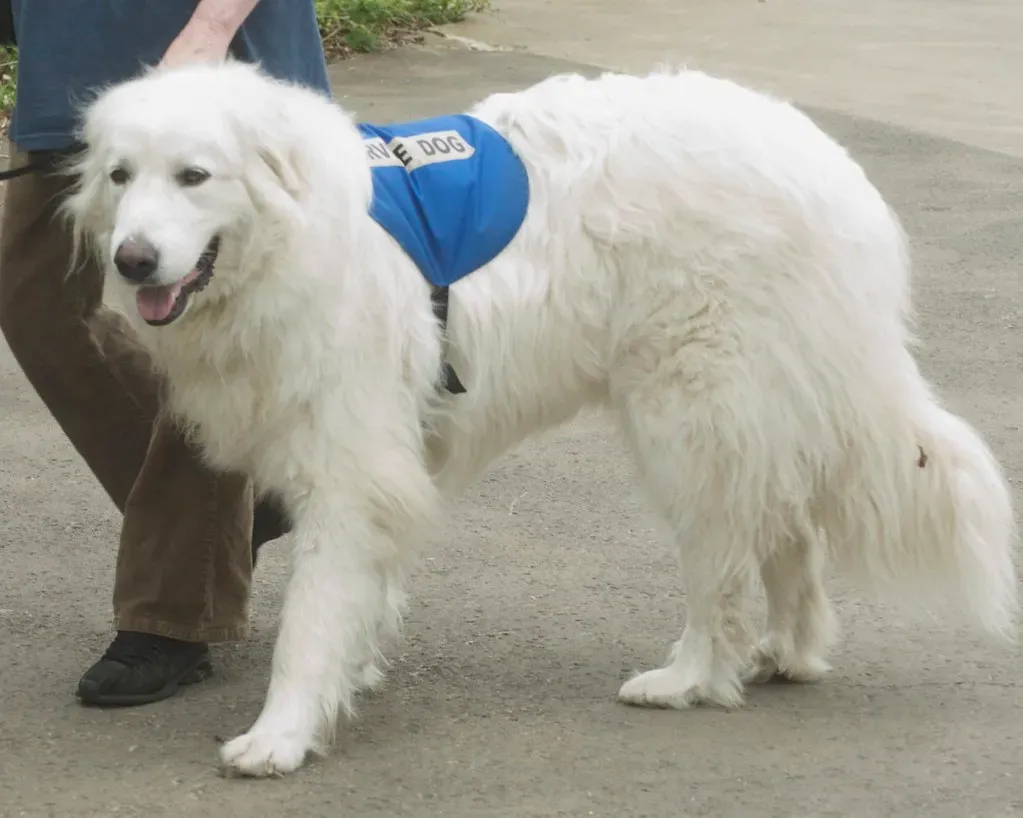
The Great Pyrenees is renowned for its calm demeanor and fierce protective instincts. Originally bred to guard sheep on mountain slopes, this breed possesses a natural inclination to protect its flock or family from predators, including coyotes.
They are huge and can repel attackers, especially coyotes, as they stand 25 to 32 inches tall and weigh 85 to 115 pounds. Their strong, booming bark is also important since it can scare coyotes and other animals.
Their large size and loud bark serve as effective deterrents, while their thick coat protects against bites. The Great Pyrenees are vigilant and possess the stamina to patrol large areas, making them an ideal guardian against coyote intrusions. For Texas families with larger backyards or small acreage, this breed has proven itself time and again.
2. Anatolian Shepherd
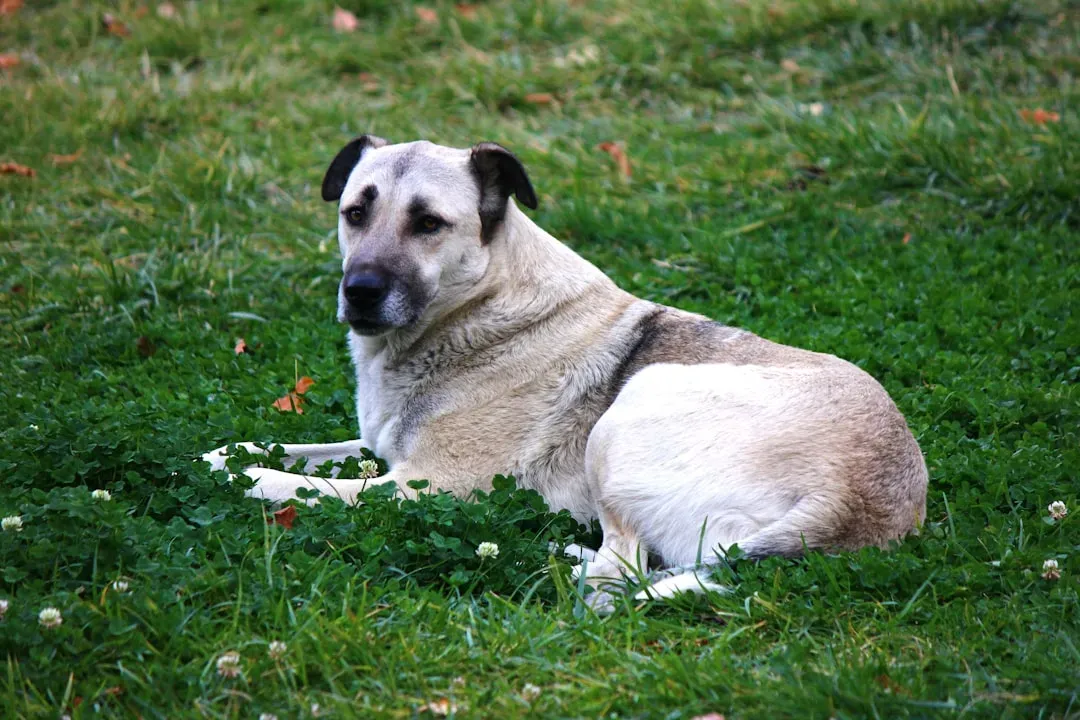
The Anatolian Shepherd is a formidable breed that originates from Turkey, where it was developed to protect livestock from large predators. These dogs are highly intelligent, independent, and possess a keen protective instinct. Their imposing size and strength make them capable of confronting coyotes if necessary.
One of the most important reasons Anatolian Shepherds are so effective in protecting against coyotes is their fearlessness. They are brave when it comes to facing predators. It is not easy to scare them; with their brave attitude, they keep coyotes far away.
Like other livestock guard dogs, the Anatolian Shepherd can protect its master’s animals without human direction or assistance. That independence is a strong asset for Texas homeowners who can’t supervise every hour of the day.
3. Kangal
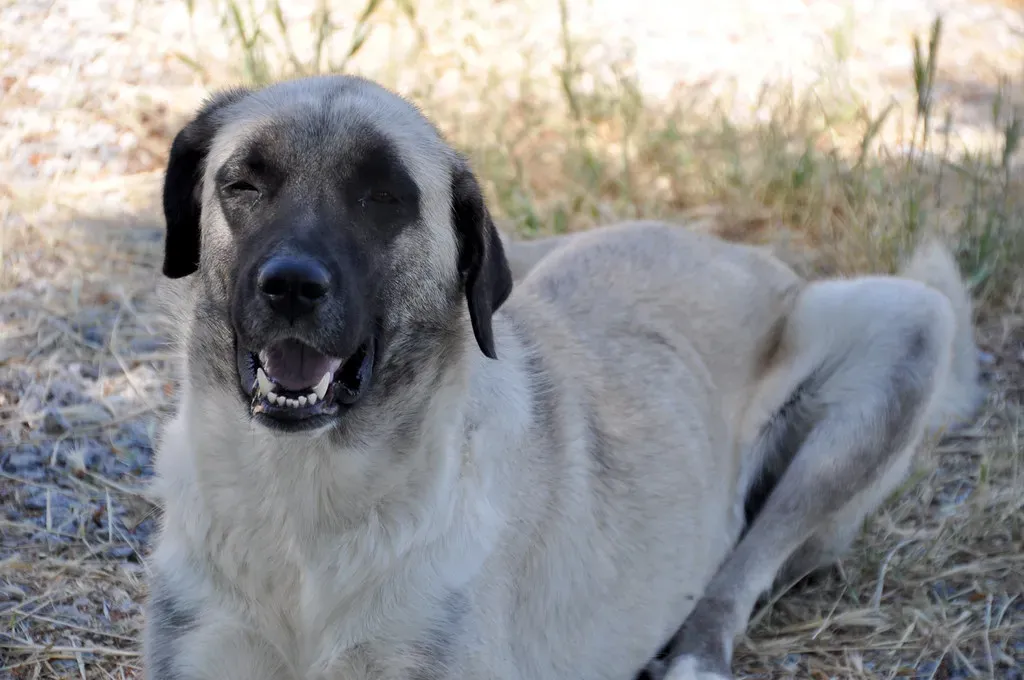
The Kangal, famed for its protective capabilities, is a breed that hails from Turkey. Known for their loyalty and strength, Kangals possess a powerful build and a bite force that is one of the strongest among dogs.
Even though the Kangal has only recently been heard of in the rest of the world, they have been guardian dogs in Turkey since ancient times. These dogs are fast, reaching speeds of up to 31 miles per hour when they need to. Kangals are the best of both worlds when it comes to guardian dogs: they are loyal and gentle to their owners while also guarding your livestock with their lives.
Another Turkish breed, Kangals are known for their incredible bite force and natural guarding behavior. Farmers admire their courage and ability to deter larger predators. In a Texas backyard setting, a Kangal’s sheer presence alone is often enough to make a coyote reconsider its path.
4. Akbash
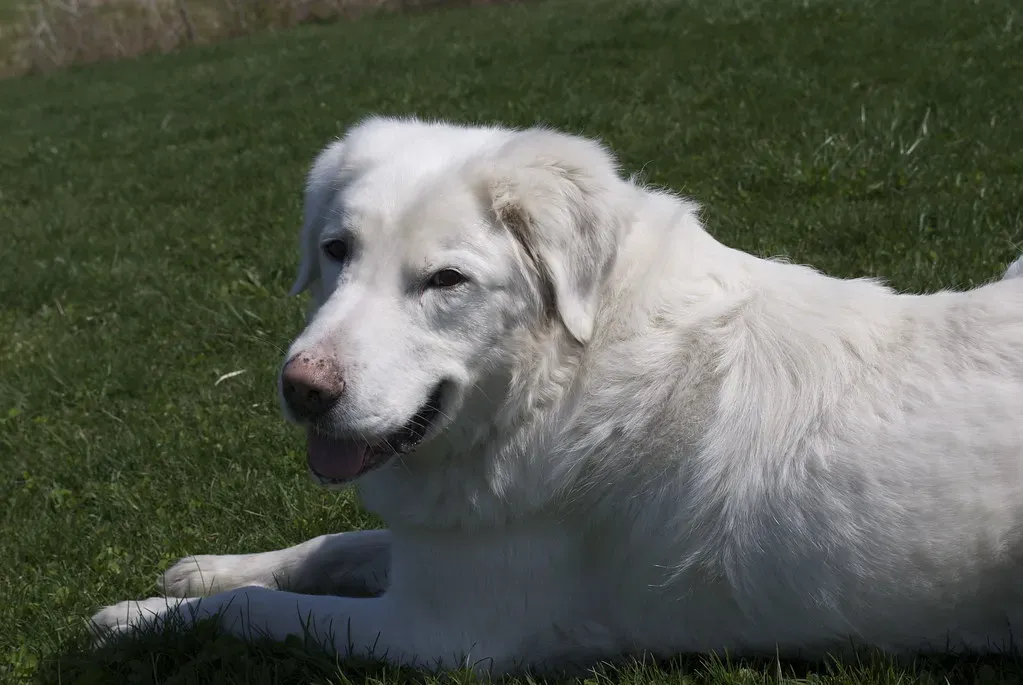
Originating in Turkey, the Akbash is a swift and agile guardian dog that specializes in protecting livestock. With their sharp instincts and strong territorial nature, they are excellent at keeping predators away from sheep and other livestock. They are also known for their loyalty and affectionate bonds with their human families.
While on duty, the Akbash is neither shy nor aggressive. It has keen senses that quickly detect unusual sounds and changes in its environment. It is not hostile except when challenged, and it can think and act independently.
That measured quality makes the Akbash particularly practical. Their natural instincts to protect their families and territory make them vigilant and fearless when it comes to confronting predators. Because of their size and strength, coyotes are less likely to approach an area protected by an Akbash dog.
5. Maremma Sheepdog
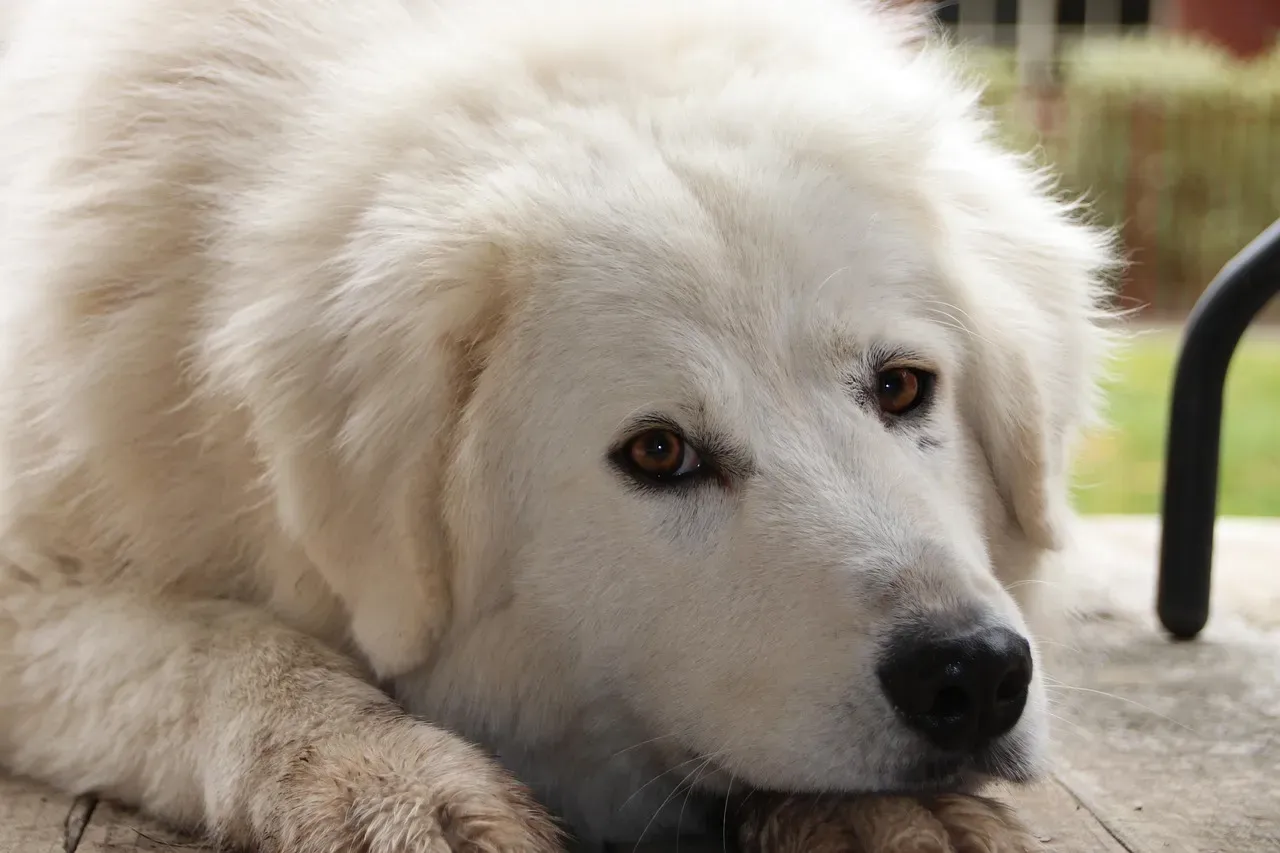
A livestock protection breed of Italian origin, the Maremma Sheepdog has a solid, muscular build and a thick white coat, which forms a thicker collar around the neck. Despite its huge size, the Maremma Sheepdog is very friendly towards animals and particularly gentle with lambs.
It loves adequate open space and is very calm and intelligent. This dog can protect free-range animals from both terrestrial predators such as coyotes, wolves, foxes and stray dogs, as well as aerial predators such as hawks, eagles, and owls.
These white-coated protectors blend in with their flocks, making them less visible to predators. They are affectionate with their family but take their job of protecting livestock very seriously. Worth noting for suburban Texas owners: Maremmas are loud barkers who will follow their instinct to bark at anything they perceive as a threat.
6. Rottweiler
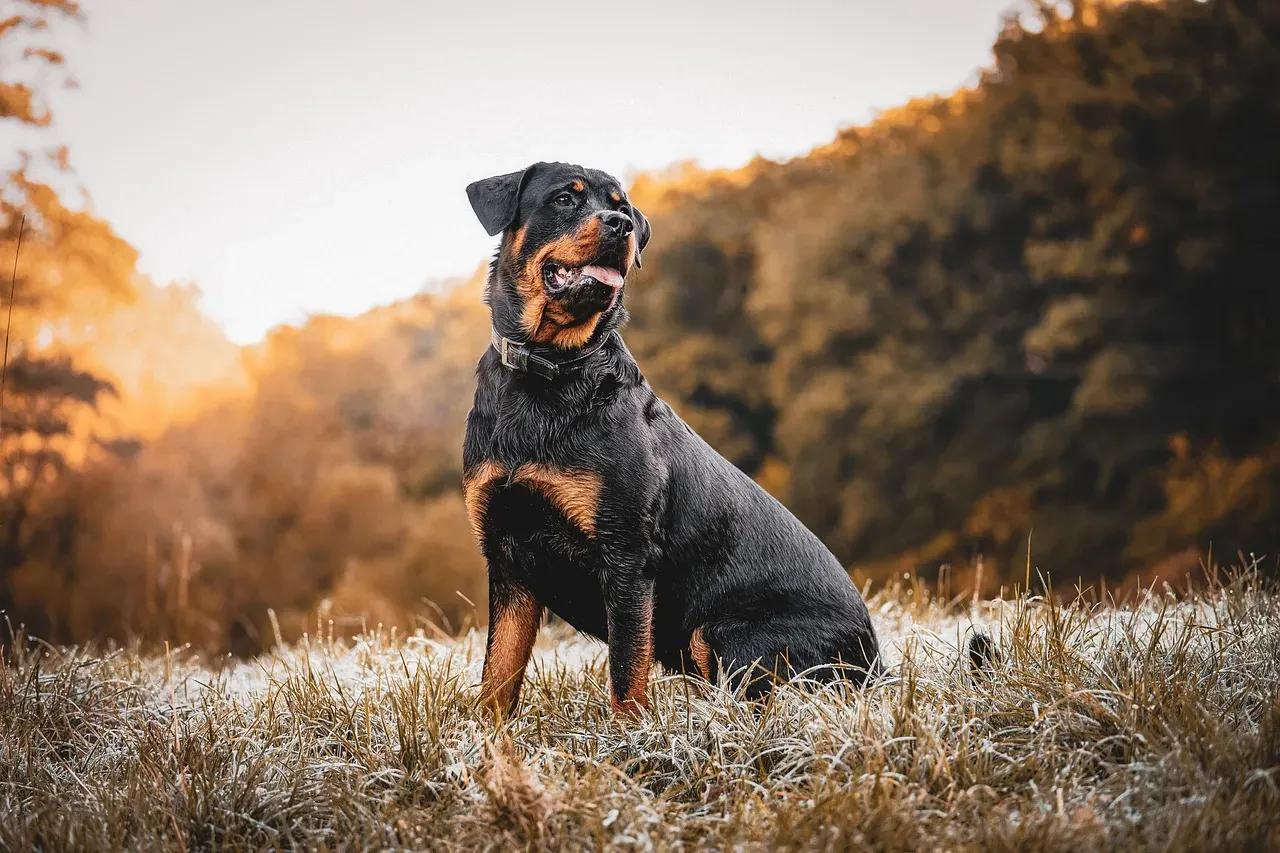
Rottweilers are powerful, confident dogs known for their unwavering loyalty and protective instincts. Historically bred to herd livestock and pull carts, they have a strong, muscular build that makes them formidable against predators like coyotes.
Rottweilers are intelligent and highly trainable, allowing them to understand the difference between a threat and a non-threat effectively. Their deep bark and fearless nature serve as excellent deterrents to coyotes, making them a solid addition to any home seeking protection.
The Rottweiler breed is descended from Ancient Roman cattle dogs, and was originally bred for herding and guarding cattle and livestock, as well as the family. Its territory is much smaller than the Great Pyrenees, Anatolian, and Akbash breeds, preferring to stay close to the family and homestead. That close-range loyalty translates well to a Texas backyard environment.
7. German Shepherd
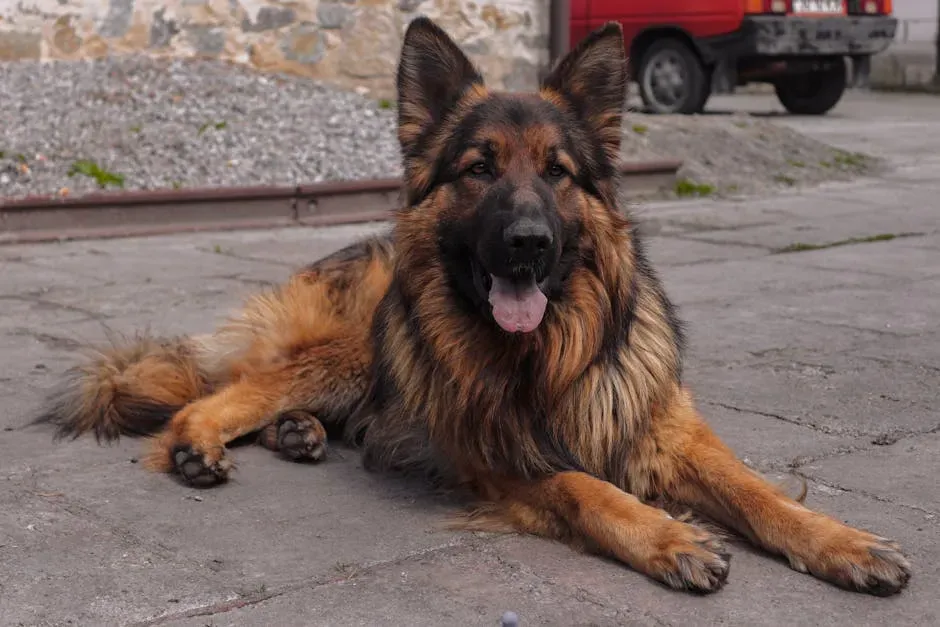
German Shepherds are known for their intelligence, strength, and protective nature. With a strong bite force and fearless temperament, they have been used for centuries to protect animals from predators. Their size and natural protective instincts make them formidable against a coyote.
German Shepherds are also one of the most versatile working dogs in existence, which makes them genuinely adaptable to family life while still holding their ground outdoors. They respond very well to consistent training, which matters when you need reliable behavior around a curious or bold coyote.
While no dog should be put in direct danger, some breeds are naturally better suited to handle encounters with coyotes. These dogs have the strength, intelligence, and protective instincts needed to defend themselves and their owners. Responsible training and supervision are essential in ensuring their safety while living in areas where coyotes roam.
8. Doberman Pinscher
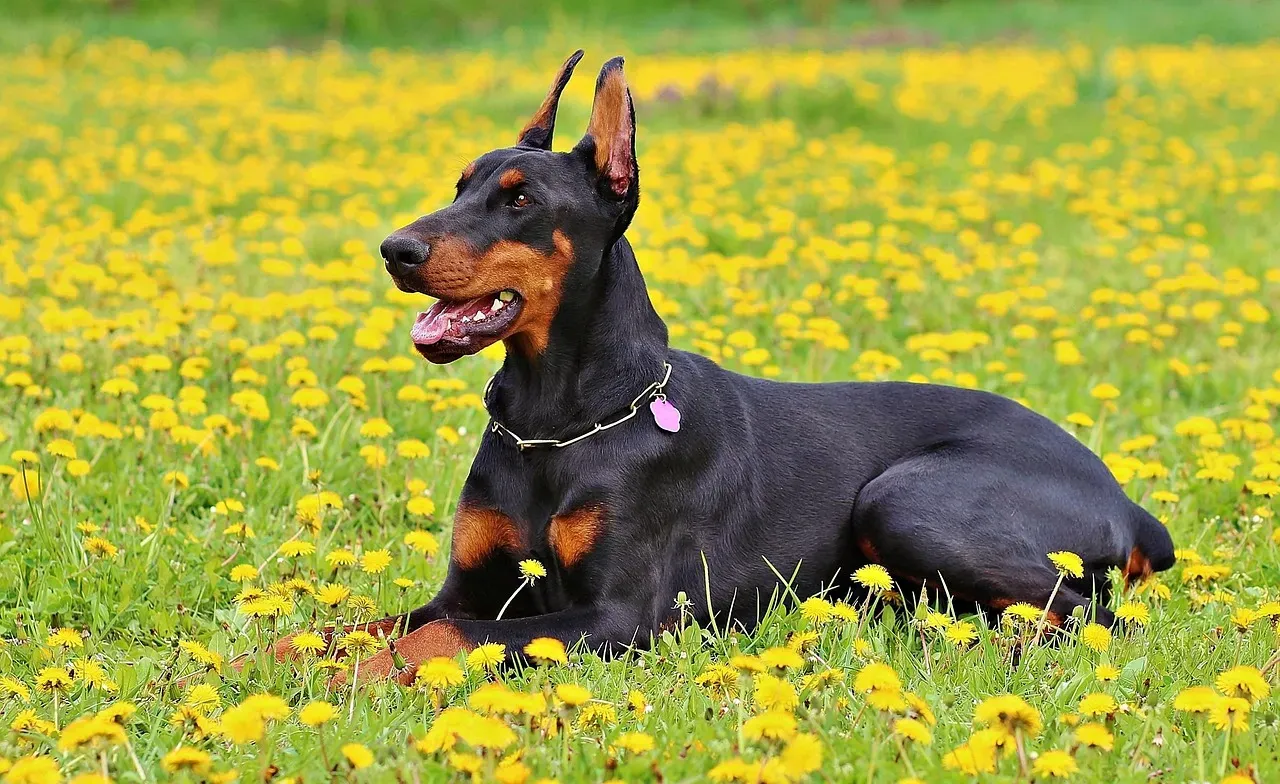
Dobermans are known for their speed, intelligence, and protective instincts. They are naturally alert and have the agility to respond quickly to danger. Their lean yet muscular build gives them an advantage in both speed and strength, making them a capable deterrent against coyotes.
The Doberman’s alertness is arguably its greatest asset in a backyard setting. They notice changes in their environment quickly and respond decisively, which can be enough to discourage a coyote from ever entering the yard in the first place.
They’re also deeply bonded to their families, which channels their protective drive in a useful direction. For suburban Texas households that want a protective breed without the size demands of a full livestock guardian, the Doberman is a compelling choice.
9. Belgian Malinois
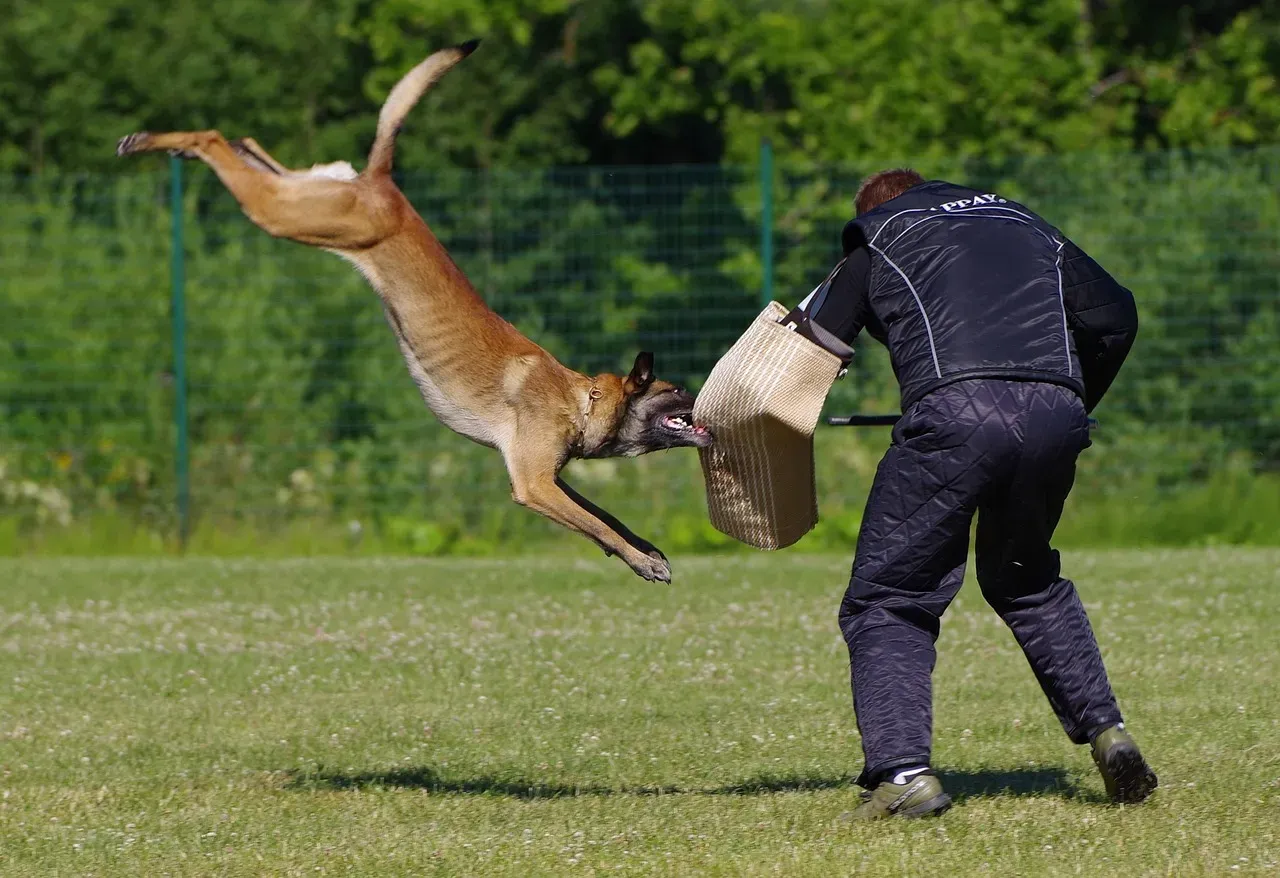
Belgian Malinois dogs are widely used in police and military work due to their speed, agility, and intelligence. Their strong prey drive and protective instincts make them excellent watchdogs. With proper training, they can effectively handle a confrontation with a coyote.
The key phrase there is “with proper training.” The Malinois is one of the most driven and energetic breeds alive, and that energy needs a clear outlet. An under-stimulated Malinois can become difficult to manage, so this breed suits active owners who will commit to regular exercise and structured work.
For Texas families willing to meet those demands, the Malinois is among the most capable deterrent dogs available. Its combination of speed, alertness, and fearlessness makes it genuinely effective in coyote territory.
10. Rhodesian Ridgeback
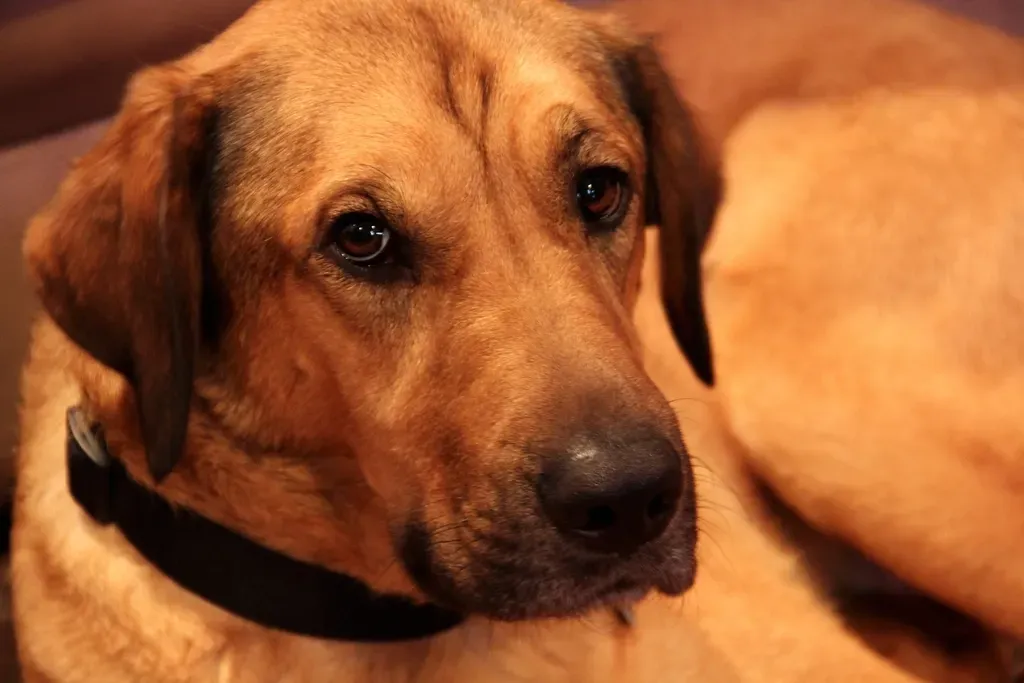
Rhodesian Ridgebacks are special dogs good at hunting and keeping their owners safe. Because of their great adaptability, they can even track large animals like lions. They may scare away coyotes and prevent them from coming due to their size and protective nature.
The Rhodesian Ridgeback, known for its hunting prowess and ability to keep owners safe, is a breed that may repel coyotes but cannot fully safeguard against them. While these dogs are strong and courageous, it is important to understand their limitations when it comes to protecting against coyotes.
The Ridgeback functions best as a deterrent rather than a full-time guardian. It’s athletic, confident, and carries a natural authority that makes smaller predators cautious. It’s important to train Ridgebacks to serve as a guard against coyotes properly. With consistent handling, they can be highly effective in a Texas yard setting.
11. Boerboel
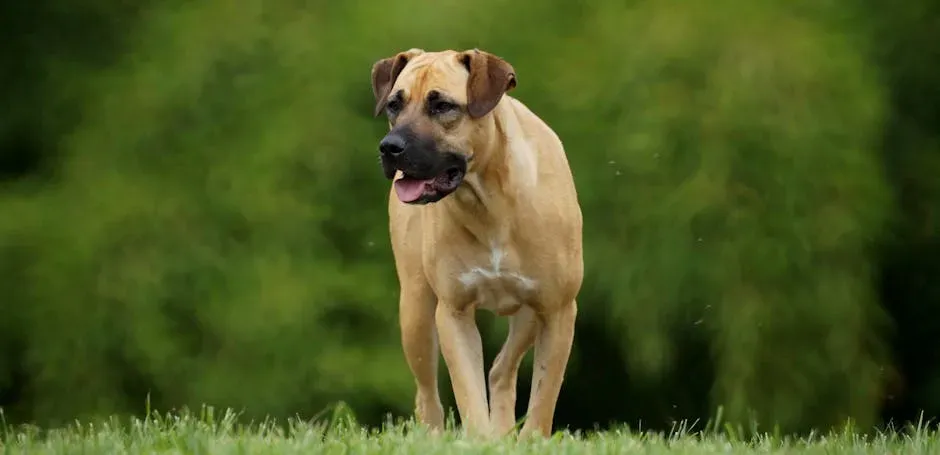
Boerboels are powerful mastiffs with a natural instinct to guard their home and family. Their impressive strength and territorial nature make them excellent at keeping intruders away.
Originally developed in South Africa as a farm guardian against serious predators, the Boerboel carries a confident, calm authority that most coyotes will read immediately as a threat. They’re not reactive dogs by nature, but they are decisive when a genuine threat presents itself.
In Texas backyards, the Boerboel’s size alone is a substantial deterrent. These dogs are loyal to their families and tend to be good with children, which makes them practical for households that want protection without unpredictability.
12. Komondor
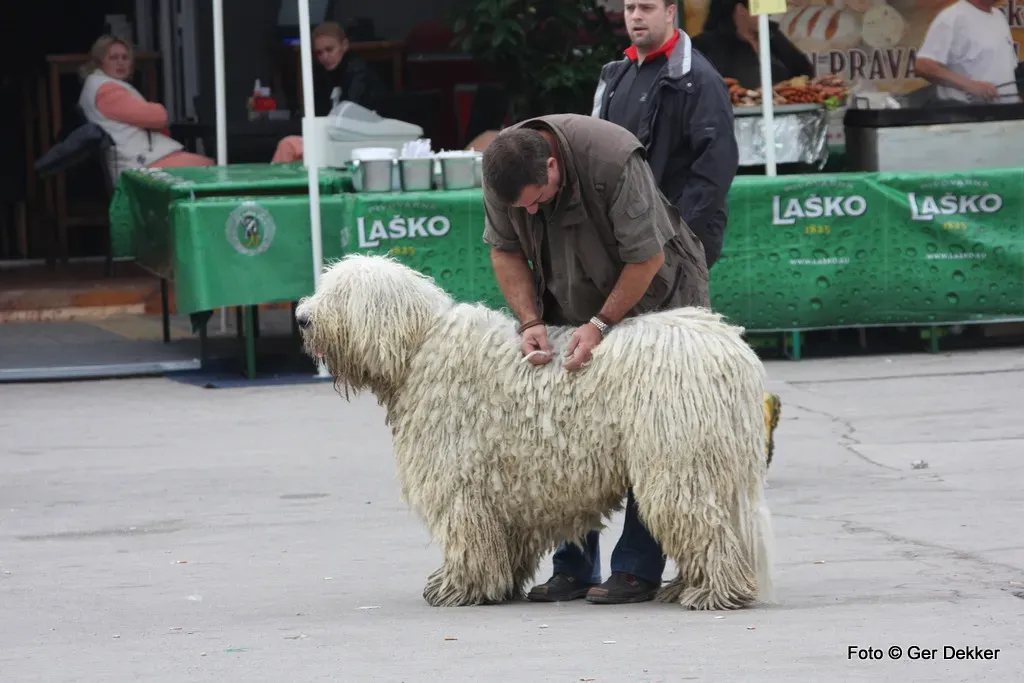
With their distinctive corded coat, Komondors are not just unique-looking but also formidable protectors. They are reserved and independent, making them great at assessing and handling threats on their own.
The Komondor has a distinctive corded coat and is fiercely loyal and extremely protective of its flock. That thick corded coat also provides real physical protection, offering some insulation against bites in a confrontation. It’s one of the more functional physical traits in any guardian breed.
The Komondor is not a dog for first-time owners. It’s independent-minded, not particularly eager to please in the conventional sense, and needs a confident handler. However, for experienced Texas homeowners dealing with persistent coyote pressure, few breeds match its natural deterrence capability and sheer willingness to hold its ground.
A Final Word on Coyote Defense
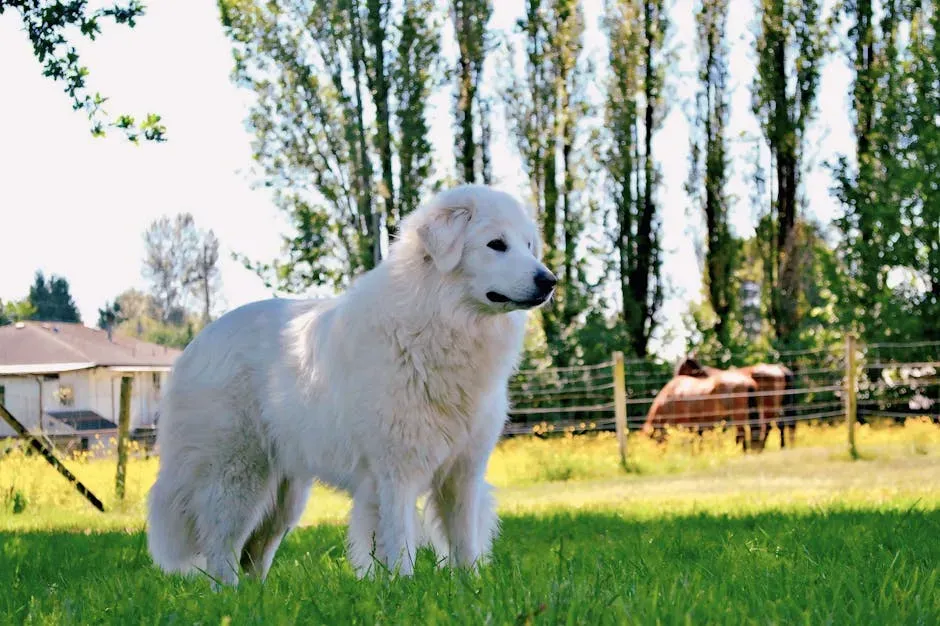
Guardian dogs establish dominance over a pasture through confrontation, scent marking, and barking, enforcing a buffer zone between livestock and coyotes. The same principle applies in a suburban or semi-rural Texas backyard. The presence of a strong, confident dog changes the risk calculation for any coyote in the area.
In North Dakota, dogs slashed coyote predation rates on sheep ranches by 93 percent. While that figure comes from a ranch setting, it reflects a broader truth: a well-chosen guardian dog is among the most effective and natural deterrents available, far more consistent than lights or noise machines alone.
While some large breeds may seem intimidating, not all are suited to protecting against coyotes. Companion breeds or those bred for hunting may not have the territorial or protective instincts needed. It is crucial to select breeds specifically bred for guarding duties. Choosing the right dog for your specific yard size, lifestyle, and family situation matters as much as the breed itself. The best guardian is ultimately one that’s well-trained, properly exercised, and genuinely bonded to the property it protects.
