

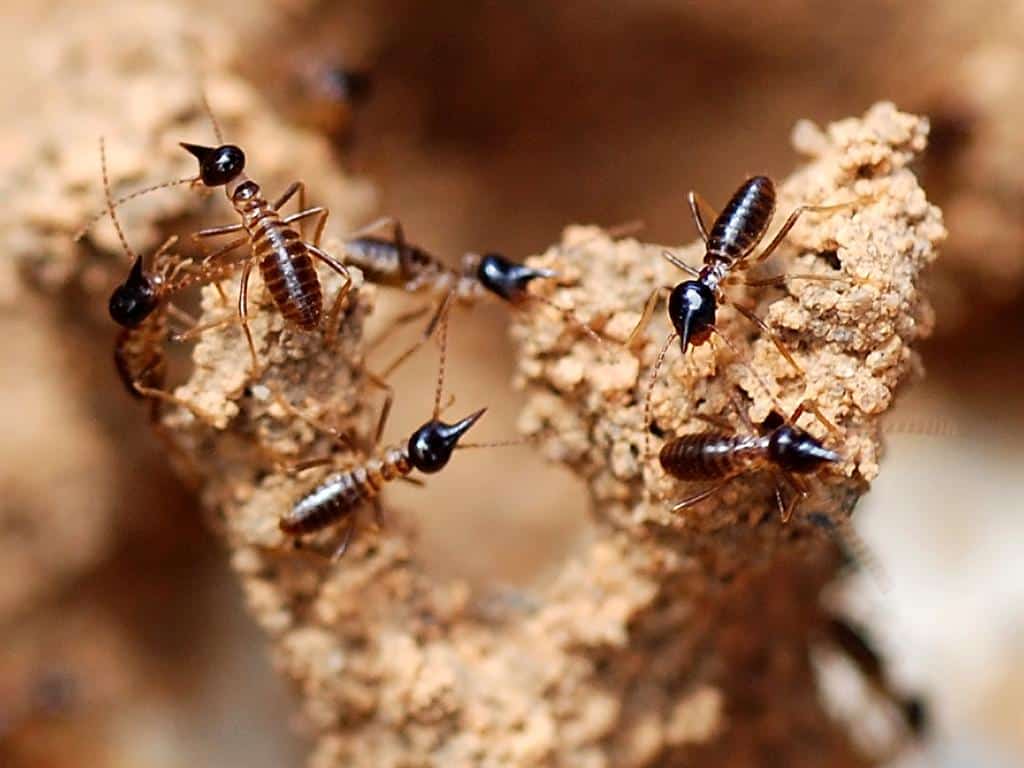
In the vast landscapes of Africa, Australia, and South America stand impressive structures that can reach heights of up to 30 feet—termite mounds. These remarkable constructions aren’t just piles of dirt; they’re sophisticated architectural systems built by creatures barely a centimeter long, without blueprints, engineers, or modern technology. Termite mounds represent one of nature’s most extraordinary examples of collective intelligence and adaptation, incorporating complex ventilation systems that maintain optimal living conditions for millions of inhabitants.
What makes these structures truly fascinating is that termites accomplish this architectural feat without any central coordination or technological assistance. Instead, they rely on decentralized building techniques, responding to environmental cues and following simple behavioral rules that, when combined across millions of individuals, produce structures of remarkable complexity and functionality. The resulting mounds are not just homes but sophisticated climate-control systems that have inspired human engineers and architects to develop more sustainable building designs.
The Social Structure Behind the Construction

The construction of termite mounds depends entirely on the colony’s caste system, which includes workers, soldiers, and reproductive termites. Worker termites, making up about 95% of the colony, are responsible for the actual construction of the mound. These tiny builders operate in coordinated shifts around the clock, with different groups taking over construction duties at different times. This continuous workflow ensures the mound grows steadily and can be repaired quickly when damaged.
The colony operates through a phenomenon known as “swarm intelligence,” where no single termite understands the overall blueprint of the mound, yet together they create structures of remarkable consistency and functionality. This decentralized approach relies on simple feedback mechanisms—termites respond to the presence of pheromones, temperature gradients, and carbon dioxide concentrations, adjusting their building behavior accordingly. Each worker adds tiny balls of soil mixed with saliva and excrement, following chemical trails left by other workers, ultimately contributing to a coherent overall structure.
The Basic Building Materials
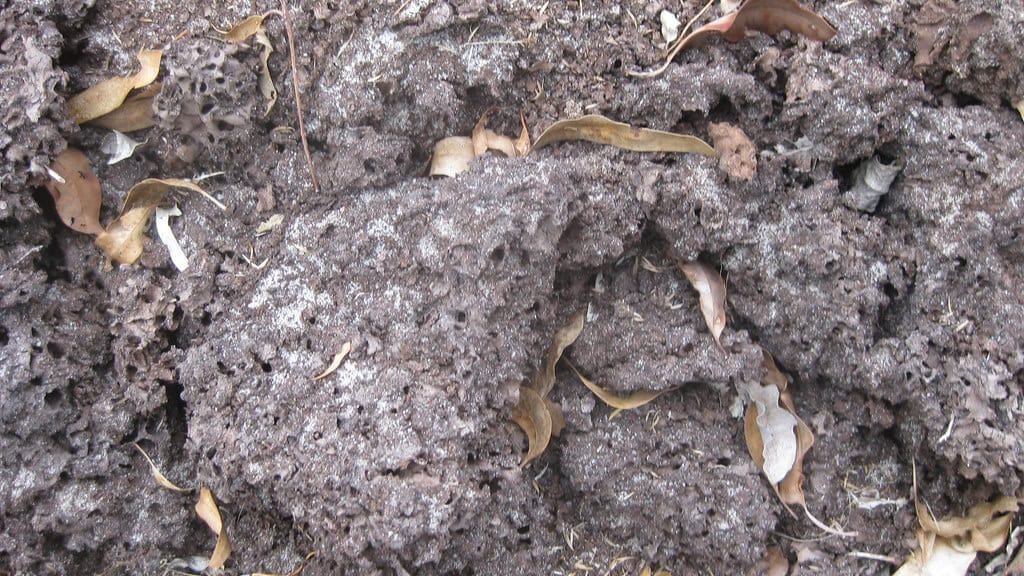
Unlike human construction that often requires processing raw materials into specialized building components, termites work with what’s directly available in their environment. Their primary building material is soil, which they mix with saliva, feces, and sometimes chewed wood to create a mortar-like substance called “carton.” This material hardens into a concrete-like substance that’s remarkably durable, water-resistant, and capable of supporting significant weight. In some species, the finished material can be as hard as cement.
The composition of the building material varies depending on the available resources and the termite species. Some species incorporate more clay, which provides strength when it dries, while others use higher proportions of sand. Desert-dwelling termites often incorporate more organic matter to help with moisture retention. This adaptive use of local materials allows termites to build suitable structures in diverse environments from tropical rainforests to arid savannas, demonstrating remarkable adaptability without the need for importing or manufacturing specialized components.
The Ingenious Ventilation System
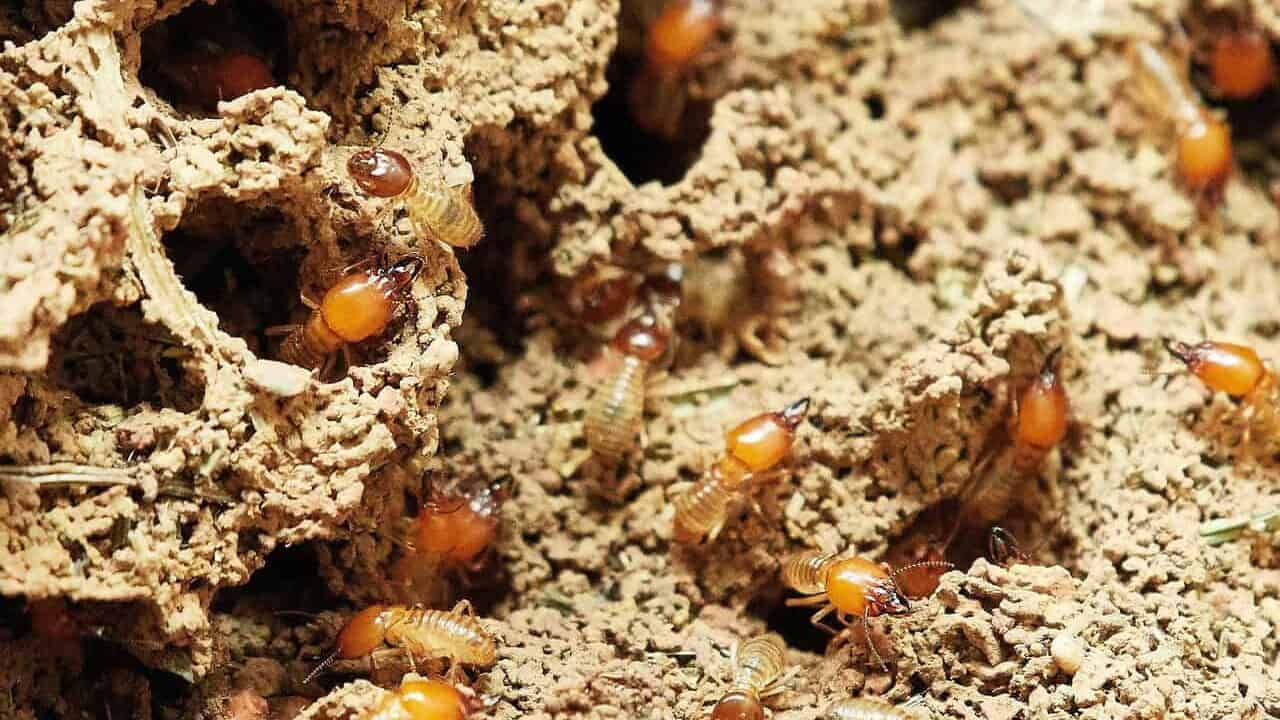
Perhaps the most impressive aspect of termite mound architecture is the sophisticated ventilation system that maintains optimal conditions inside the colony. Termites need to keep their nest at a constant temperature of around 87°F (30.5°C) and humidity levels near 90% to support the fungus gardens many species cultivate for food. To achieve this in environments where external temperatures can fluctuate from freezing to over 100°F (40°C), termites have evolved a passive ventilation system that would make human engineers envious.
The ventilation works through a complex network of tunnels and chambers that harness natural physics principles. Large central chimneys draw warm, stale air upward through the thermal stack effect, while peripheral tunnels allow fresh air to enter. This creates a continuous circulation pattern similar to a lung breathing, all without fans or mechanical devices. Research has shown that gas exchange rates in healthy mounds allow for complete air renewal every 40-45 minutes, providing oxygen for millions of termites and removing carbon dioxide efficiently.
Temperature Regulation Through Design
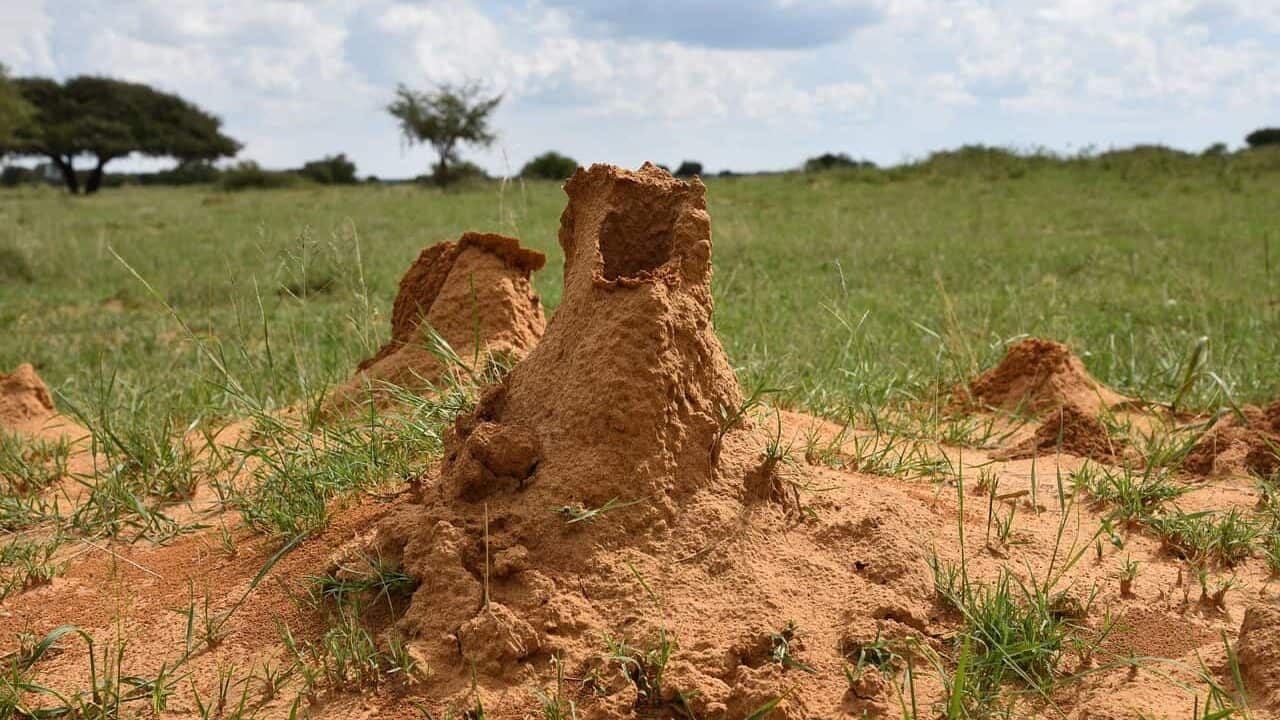
The orientation and shape of termite mounds play crucial roles in temperature regulation. In many species, particularly in the southern hemisphere, mounds are oriented along a north-south axis, maximizing sun exposure in cooler mornings and minimizing it during the hottest parts of the day. The tall, thin profile of many mounds also helps with cooling, as it provides a large surface area relative to volume, allowing heat to dissipate more efficiently.
Inside the mound, termites create a series of chambers with varying temperatures, allowing them to move their brood, fungus gardens, and other sensitive colony components to the optimal location as conditions change throughout the day and seasons. During colder periods, they can concentrate activities in chambers warmed by metabolic heat or solar radiation. During extreme heat, they can retreat to deeper, cooler sections of the mound. This passive temperature control system maintains internal conditions within a 1-2°C range despite external temperature fluctuations of 40°C or more, an engineering feat accomplished without thermostats or air conditioning.
The Role of Stigmergy in Construction
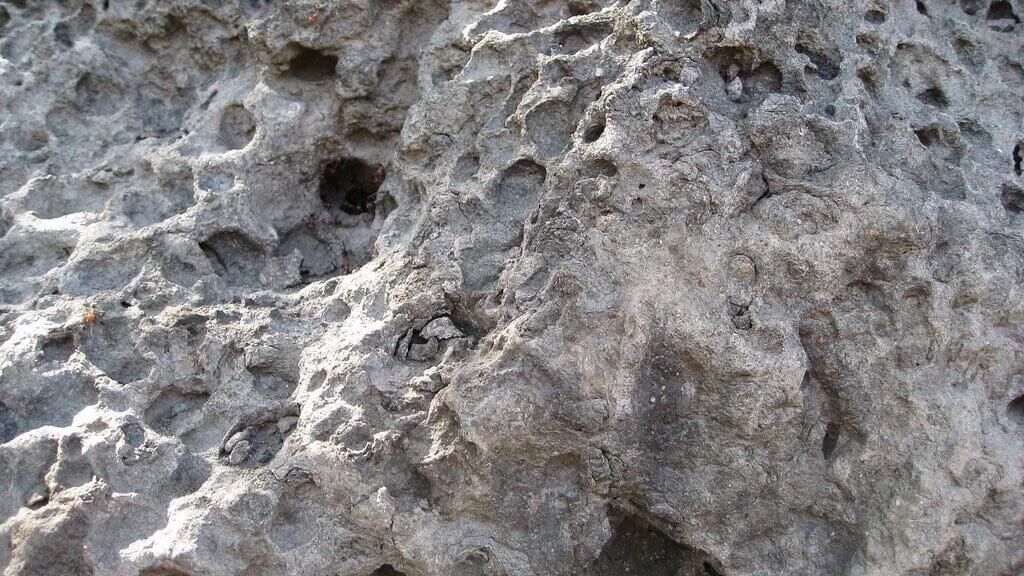
Termites coordinate their building activities through a fascinating process called stigmergy—a form of indirect communication where the structure itself provides cues that guide further construction. When a termite deposits a soil pellet impregnated with pheromones, other termites are attracted to build in the same area, reinforcing and extending that part of the structure. This creates a positive feedback loop, where initial small, random deposits eventually develop into consistent columns, arches, and chambers.
This stigmergic communication allows complex structures to emerge without any termite needing to understand the overall plan. The termites simply respond to local stimuli—the presence of building material, pheromone concentrations, air currents, and temperature gradients. Research has shown that even with simple rules like “deposit soil where other soil has been deposited” and “build toward heat sources,” computer models can simulate the emergence of complex structures remarkably similar to actual termite mounds. This elegant solution to coordinating millions of workers has inspired algorithms in computer science, robotics, and distributed systems design.
Moisture Management Systems
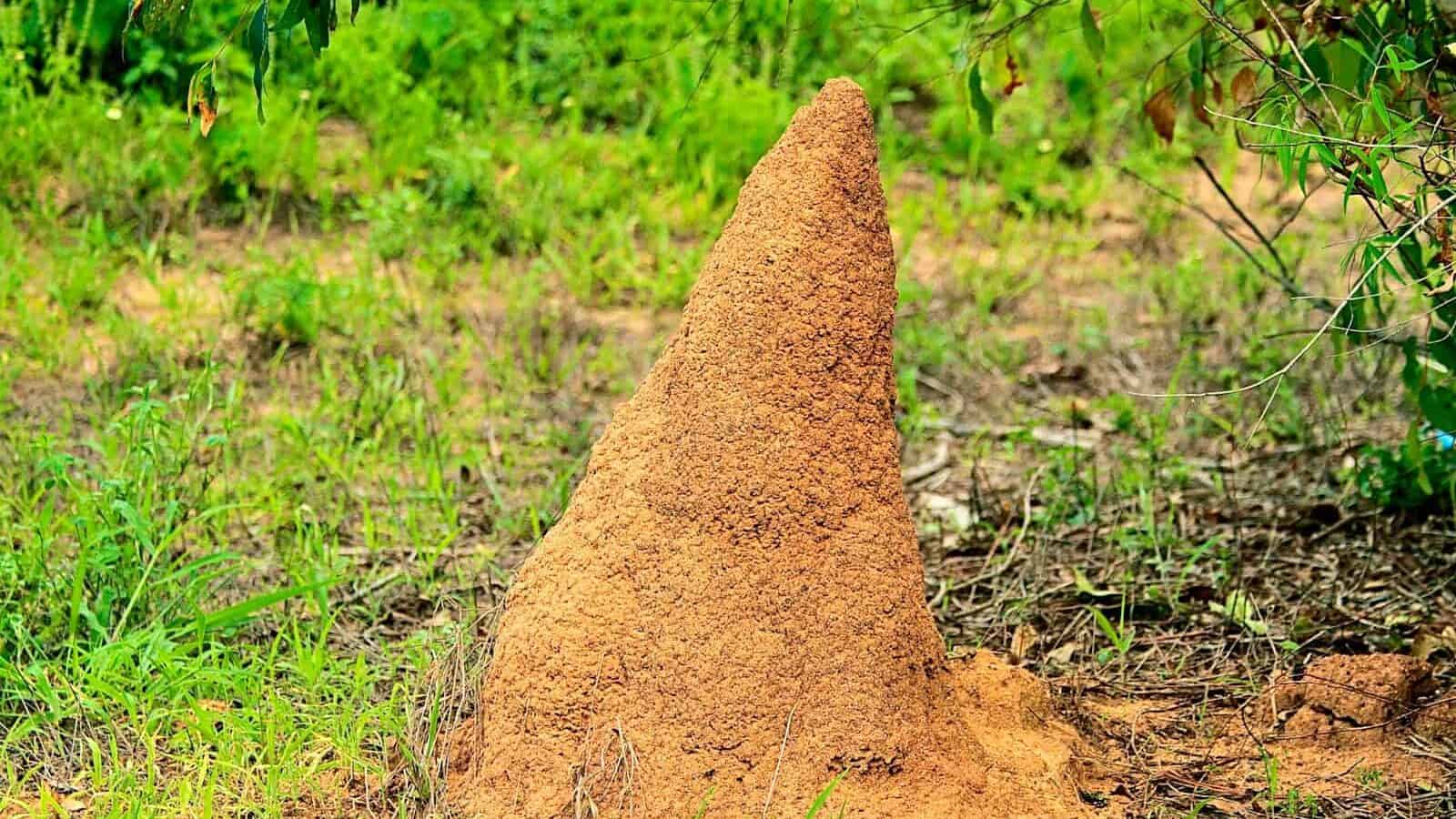
Water management is crucial for termite colonies, particularly in arid environments where access to moisture can mean the difference between survival and colony collapse. Termite mounds incorporate sophisticated moisture management systems that allow them to harvest, store, and conserve water. The structure’s dense outer walls help reduce evaporation, while the inner chambers are designed to capture and condense atmospheric moisture. Some species even construct their mounds to channel rainwater to underground reservoirs for storage during dry periods.
In particularly dry environments, certain termite species dig tunnels extending dozens of meters below the surface to access groundwater. This water is transported upward through specialized channels in the mound structure, ensuring a constant supply of moisture for the colony. The clay-rich building materials used in many mound constructions also help with water retention, absorbing moisture when available and releasing it slowly during drier conditions. This passive humidity control system maintains the high humidity levels (80-90%) required for fungus cultivation and termite survival without any mechanical pumps or irrigation systems.
Adaptations to Different Environments
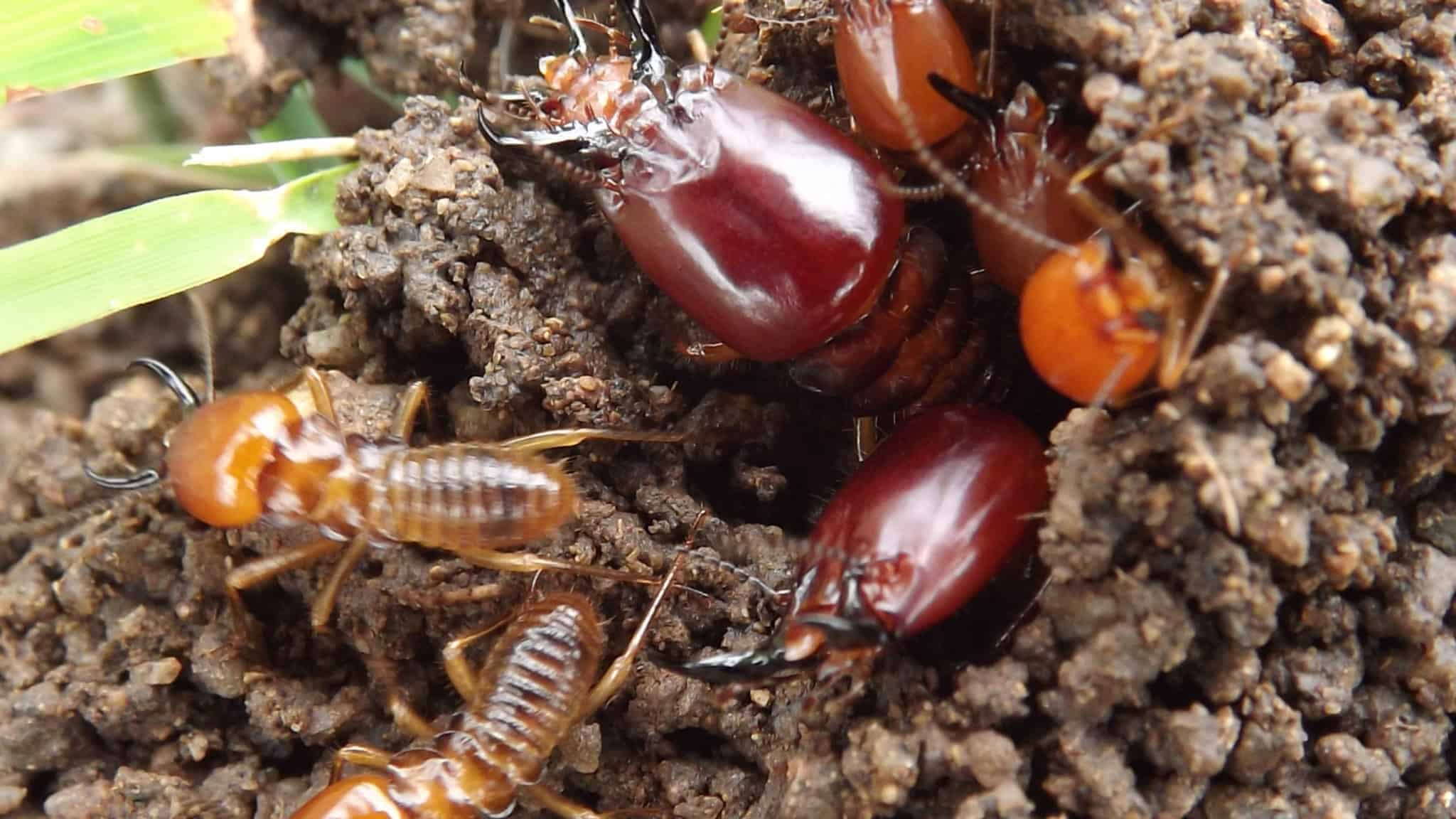
Termite mounds show remarkable adaptations to local environmental conditions, with distinct architectural styles evolving in different regions. In northern Australia, Macrotermes species build tall, cathedral-like structures with thin outer walls that facilitate heat exchange in the hot, humid climate. In contrast, African Macrotermes build thicker-walled mounds with extensive internal ventilation channels to cope with more extreme temperature variations. Desert-dwelling species often construct low, rounded mounds that minimize exposure to sun and wind while maximizing water retention.
Some of the most extraordinary adaptations appear in flood-prone areas, where termites build mounds with elevated bases or even construct completely enclosed arboreal nests in trees. In regions with strong prevailing winds, mounds develop aerodynamic shapes that use the Bernoulli principle to enhance ventilation—as wind passes over the mound, it creates negative pressure that draws stale air out through specialized pores. These diverse architectural solutions demonstrate termites’ ability to adapt their building techniques to local conditions without the benefit of environmental engineering education or technology.
Repair and Maintenance Mechanisms
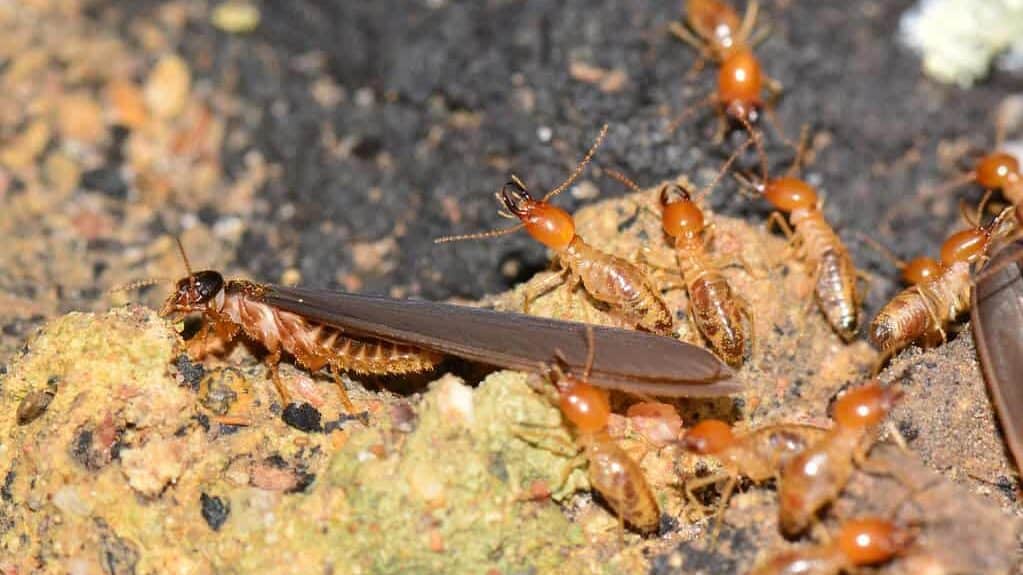
Termite mounds are constantly subjected to damage from weather, predators, and natural deterioration, yet they persist for decades through continuous maintenance and repair. When damage occurs, termites detect changes in air flow, temperature, or light penetration and quickly mobilize to repair the breach. Studies have shown that termites can detect even tiny cracks or holes through changes in carbon dioxide gradients, responding within minutes to begin repairs by bringing soil particles to the damaged area.
The repair process follows the same stigmergic principles as initial construction, with the damaged area emitting chemical signals that attract workers. As repairs progress, the concentration of these signals decreases, eventually returning to normal levels when the repair is complete. This self-regulating system ensures resources are allocated efficiently without any centralized coordination. During rainy seasons, termites take advantage of the softer soil to conduct major renovations and expansions, often rebuilding significant portions of the mound structure to accommodate growing colony populations or address structural weaknesses that have developed over time.
The Engineering Principles at Work
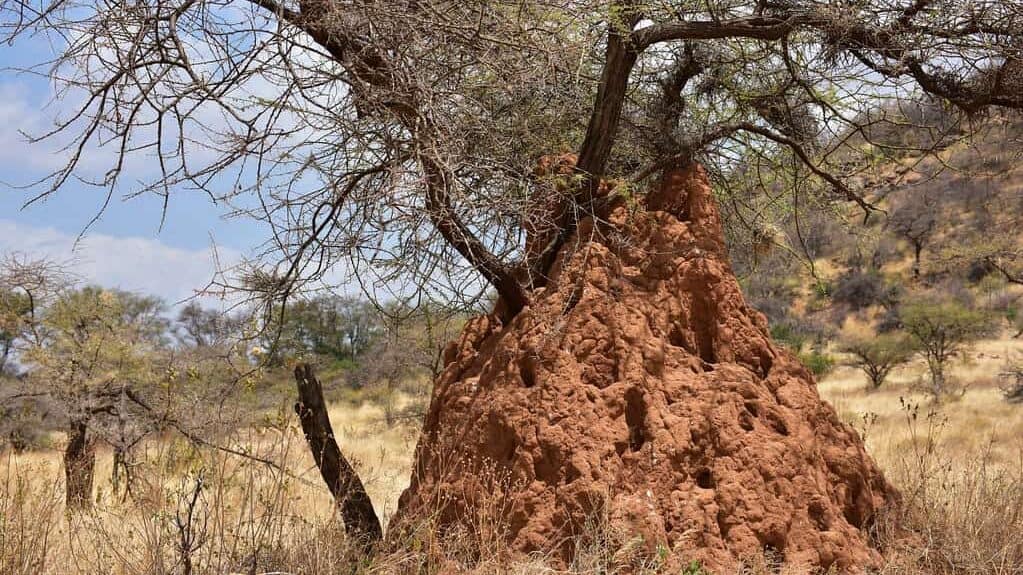
Despite lacking formal knowledge of physics or engineering, termites employ several sophisticated engineering principles in their constructions. Their mounds demonstrate remarkable structural integrity through the use of arches, columns, and buttresses that efficiently distribute weight and resist compression forces. The combination of soil particles with binding agents creates a composite material similar to reinforced concrete, providing both strength and some flexibility to withstand environmental stresses.
The ventilation systems in termite mounds employ principles of fluid dynamics, thermodynamics, and gas exchange that parallel advanced human engineering concepts. The natural convection currents generated within the mound structure are based on the same physical laws that human engineers use to design passive ventilation systems in buildings. What’s remarkable is that termites achieve this sophisticated engineering through evolutionary adaptation and simple behavioral rules rather than calculated design. Each generation of termites inherits the building behaviors that have proven successful, with slight variations that might improve functionality being naturally selected over time.
Biomimicry: Learning from Termite Architecture

The sophisticated design of termite mounds has increasingly attracted attention from human architects and engineers seeking sustainable building solutions. The Eastgate Centre in Harare, Zimbabwe, designed by architect Mick Pearce, is perhaps the most famous example of termite-inspired architecture. This mid-rise building uses passive cooling principles observed in local termite mounds, with a system of ducts and chimneys that harness daily temperature fluctuations to maintain comfortable interior conditions without conventional air conditioning. The result is a building that uses 90% less energy for ventilation than comparable conventional buildings.
Beyond architecture, termite construction principles have inspired innovations in robotics, with researchers developing swarm robots that can construct structures using simple rules similar to those followed by termites. These robots could potentially build in environments too dangerous for humans, such as underwater or in space. The decentralized coordination methods used by termites have also influenced computer algorithms for distributed systems and artificial intelligence applications. By studying how termites solve complex engineering problems with minimal resources and simple rules, humans are discovering more sustainable and efficient approaches to our own construction and organizational challenges.
The Future of Termite Research
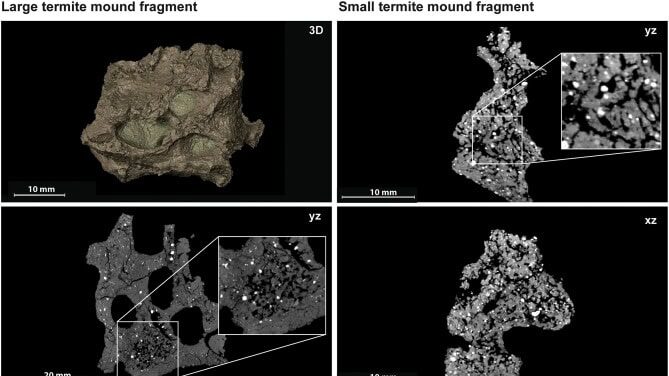
Ongoing research into termite architecture continues to reveal new insights with potential applications across multiple fields. Advanced imaging technologies like CT scans and 3D modeling are allowing scientists to map the internal structures of mounds with unprecedented detail, revealing complex networks of tunnels and chambers that optimize air flow. Some researchers are using artificial intelligence to analyze these structures and identify patterns that might not be immediately obvious to human observers.
Climate change researchers are also studying termite mounds as examples of resilient structures that can maintain stable internal conditions despite increasingly extreme external weather events. Understanding how these natural structures cope with environmental stresses could provide valuable lessons for designing human habitations that can withstand the challenges of a changing climate. Additionally, materials scientists are investigating the properties of termite-built substances, seeking to replicate their strength, durability, and environmental compatibility in new sustainable building materials. As we face growing challenges in creating sustainable human habitats, the humble termite’s three-million-year head start in ecological architecture offers valuable lessons we’re only beginning to fully appreciate.
The remarkable architectural achievements of termites offer a profound reminder of nature’s capacity for complex problem-solving without the technological tools humans rely upon. Through millions of years of evolutionary refinement, these tiny insects have developed building techniques that create structures perfectly adapted to their environmental needs, incorporating sophisticated ventilation, temperature control, and water management systems that function entirely through passive means. Their success challenges our human-centric view of engineering and design, demonstrating that complexity can emerge from simple rules followed collectively.
As we continue to face challenges in sustainable building design and resource efficiency, termite mounds stand as inspiration for what’s possible when we work with natural principles rather than against them. The passive climate control systems, locally-sourced materials, and adaptive designs of termite architecture offer valuable models for human construction in an era of climate change and resource constraints. Perhaps most importantly, termite buildings remind us that extraordinary innovation doesn’t always require complex technology or centralized control—sometimes the most elegant solutions emerge from the collective intelligence of many individuals following simple rules in harmony with their environment.
From the towering cathedral mounds of Australia to the fortress-like structures of African savannas, termite architecture represents one of nature’s most successful examples of environmental engineering. By continuing to study and learn from these master builders, we gain not just practical insights for our own constructions, but a deeper appreciation for the remarkable intelligence embedded in the natural world around us. The next time you encounter a termite mound, take a moment to appreciate it not just as a pile of dirt, but as a sophisticated feat of engineering that humans with all our technology are still striving to fully understand and emulate.

- 12 Dog Breeds That Could Take Down a Mountain Lion - June 22, 2026
- 12 Deep-Sea Creatures You Won’t Believe Exist - June 22, 2026
- 15 Times Elephants Proved Just How Smart They Are - June 21, 2026