
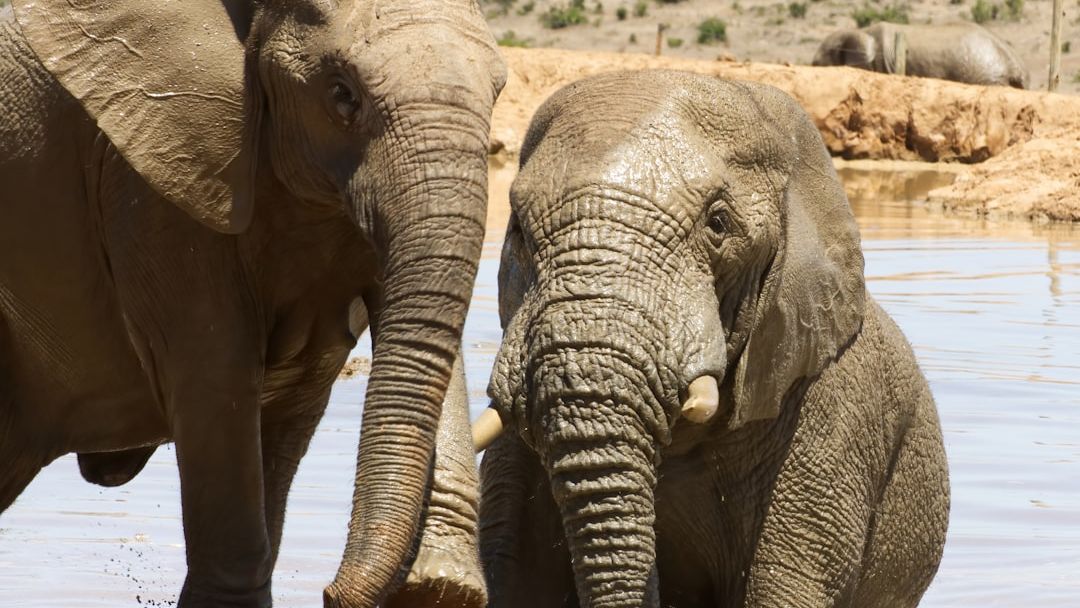
Few animals on earth make us reconsider our own assumptions about family the way elephants do. Watch a herd move across the African savanna and you’re not just witnessing migration. You’re watching something older and more deliberate: a living system of care, memory, and mutual reliance that has been refined over millions of years.
Elephants exhibit profound and enduring loyalty to their families, demonstrating complex social behaviors, empathy, and lifelong bonds. What makes this remarkable isn’t just the sentiment behind it. It’s the practical, everyday way these bonds express themselves, in how elephants eat, move, grieve, and raise their young.
The Matriarch: A Leader Earned, Not Appointed
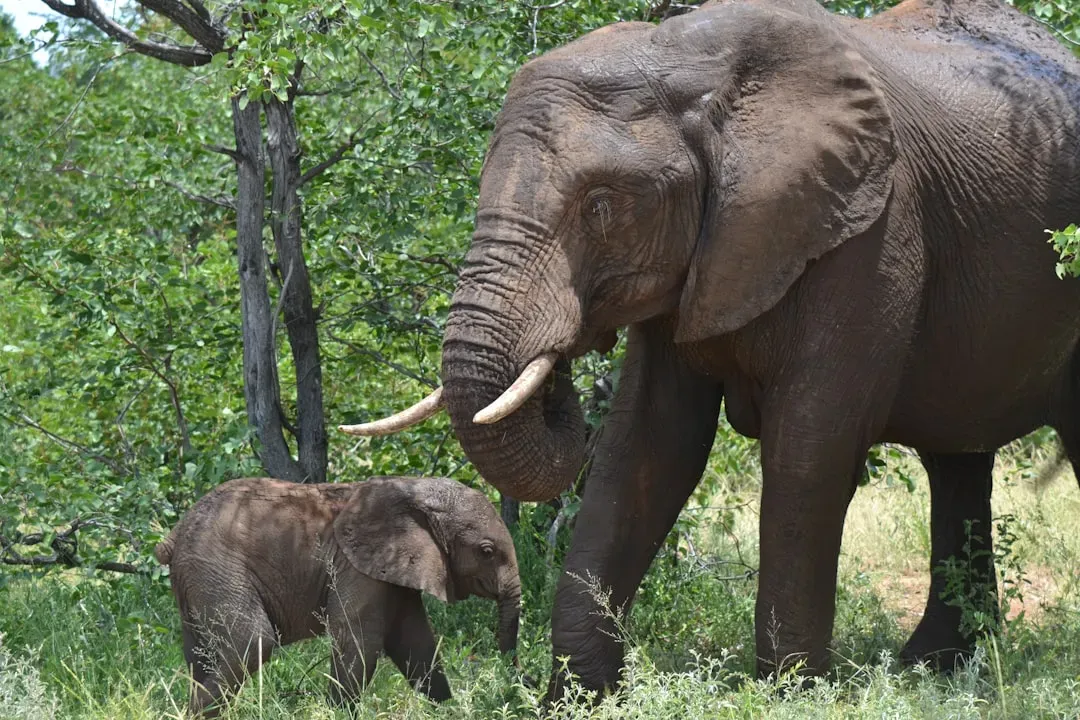
Every herd is led by a matriarch, the oldest and most experienced female. This isn’t a position won through aggression. It’s earned through survival, knowledge, and the trust of the family.
Successful matriarchs are not self-appointed leaders of their family; they are leaders because members of their family respect them, and they are respected because they have proven over the years that they can be trusted to make wise decisions in a time of crisis. Through the years, older females become “repositories” of social and ecological knowledge.
Having an older, more experienced matriarch leading the family group can give elephants a strong survival advantage. Studies in Amboseli National Park have revealed that family groups with older, larger matriarchs roam across larger areas in times of drought. This is due to the older female’s knowledge of alternative areas with food and water.
In 1993, the Tarangire National Park area experienced a serious drought lasting nine months. The lack of rainfall caused a significant increase in elephant infant mortality, rising from an annual average of two percent to twenty percent. Researchers discovered that elephant family groups that migrated out of the park were less likely to experience infant mortality. These groups were also more likely to be led by older matriarchs, showing that having a group led by an older matriarch with more knowledge of alternative food and water sources gives the group as a whole a stronger survival chance.
A Family Structure Built on Kinship and Cooperation
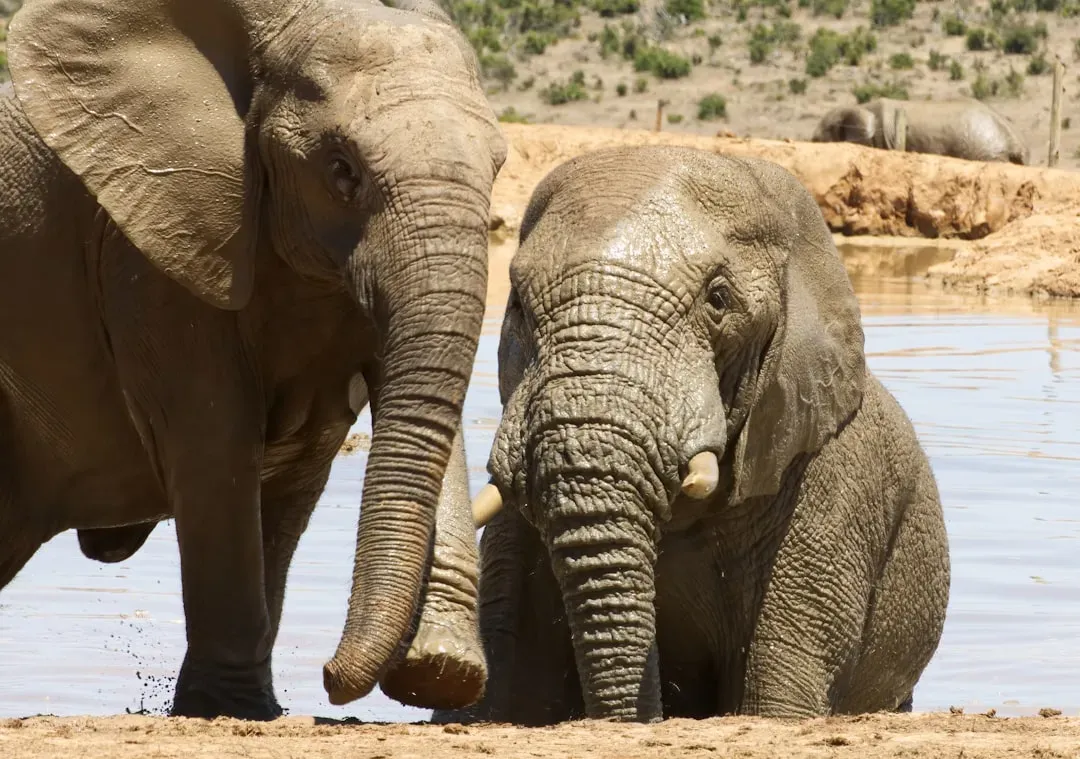
Elephant society is fundamentally built around the family unit, the most stable and cohesive social grouping. This unit, often consisting of three to twenty-five members, is composed almost entirely of related females and their immature offspring. The adult females are typically sisters, daughters, aunts, and grandmothers, creating a multigenerational structure where females remain within their natal herd for life.
The matriarch and her female offspring stay together for life, so the bond between elephant mothers and daughters is an extraordinarily long relationship. There’s something grounding about that. Not the dramatic burst of loyalty, but the steady, unbroken kind that spans decades.
Members of a family show extraordinary teamwork and are highly cooperative in group defense, resource acquisition, offspring care, and decision-making. When resources get thin, this cooperation becomes survival itself.
If a mother dies, her calf is typically adopted by another female in the herd, often a sister or close relative. The calf will nurse from the adoptive mother and be treated as her own. This safety net is one reason why intact social structures are so critical for elephant population health.
How Elephants Communicate Across Distance and Time
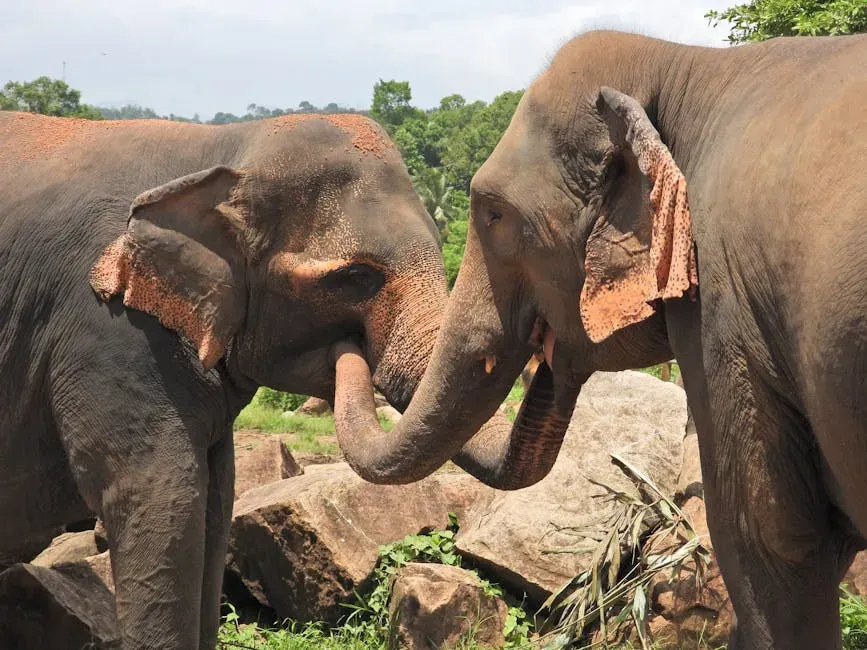
The social structure depends on sophisticated communication. Elephants use a combination of vocalisations, infrasound, body language, chemical signals, and even seismic vibrations detected through their feet to share information. A low rumble from the matriarch can coordinate the movement of the entire herd across a distance of several hundred metres.
They utilise a variety of vocalizations, some of which are powerful low-frequency calls that can carry over long distances. These vocalizations allow elephants to recognise the voices of hundreds of individuals from up to two kilometres away.
When researchers in Amboseli, Kenya, played the recorded call of an absent family or bond-group member, the elephants returned the call and moved towards the sound. However, the call of an elephant outside their “friendship” bond group did not elicit a notable reaction, while the call of a stranger caused them to group together defensively, and raise their trunks to smell.
Calves learn this vocabulary gradually, and by adulthood, an elephant has a communication repertoire that includes dozens of distinct signals. Language, in a sense, is something passed from one generation to the next within these families.
Grief, Memory, and the Weight of Loss
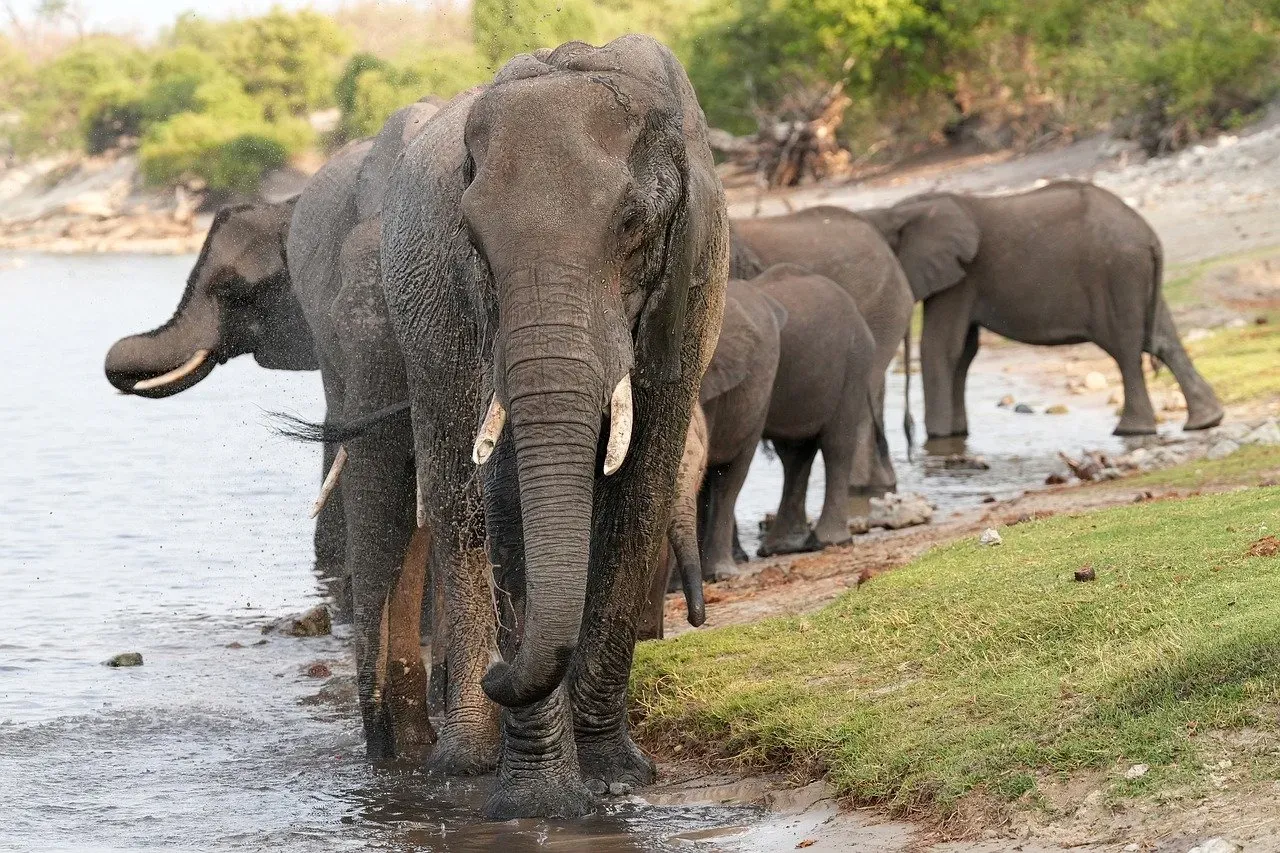
Elephants appear to have rich emotional lives that include a disposition to grieve the death of a herd member. Elephants’ efforts to help others who have fallen or incurred injury have been interpreted to involve empathic perspective-taking, a relatively rare ability among nonhuman animals.
Elephants demonstrate complex emotional connections, even in times of loss. When they come across the remains of deceased elephants, they exhibit mourning behaviour. The herd pauses in silence, touching the remains with their trunks. In some cases, tusks or bones may be carried along as the herd continues their journey. This mourning behaviour highlights the deep emotional bonds within elephant herds and their ability to recognise and grieve the loss of their companions.
Elephants show more interest in elephant bones than in the remains of other animals, and they spend the most time with the bones of their family members. Scientists believe this indicates not only a strong memory but also a form of social attachment that endures even after death.
Researchers have found that elephants have a remarkable memory, which plays a crucial role in their mourning behaviours. They can recognise individual elephants even after many years apart, and the loss of a family member is not something they simply forget. Instead, elephants seem to process and experience grief in a way that reflects a deep understanding of the importance of those relationships.
When Family Bonds Break: The Cost of Disruption
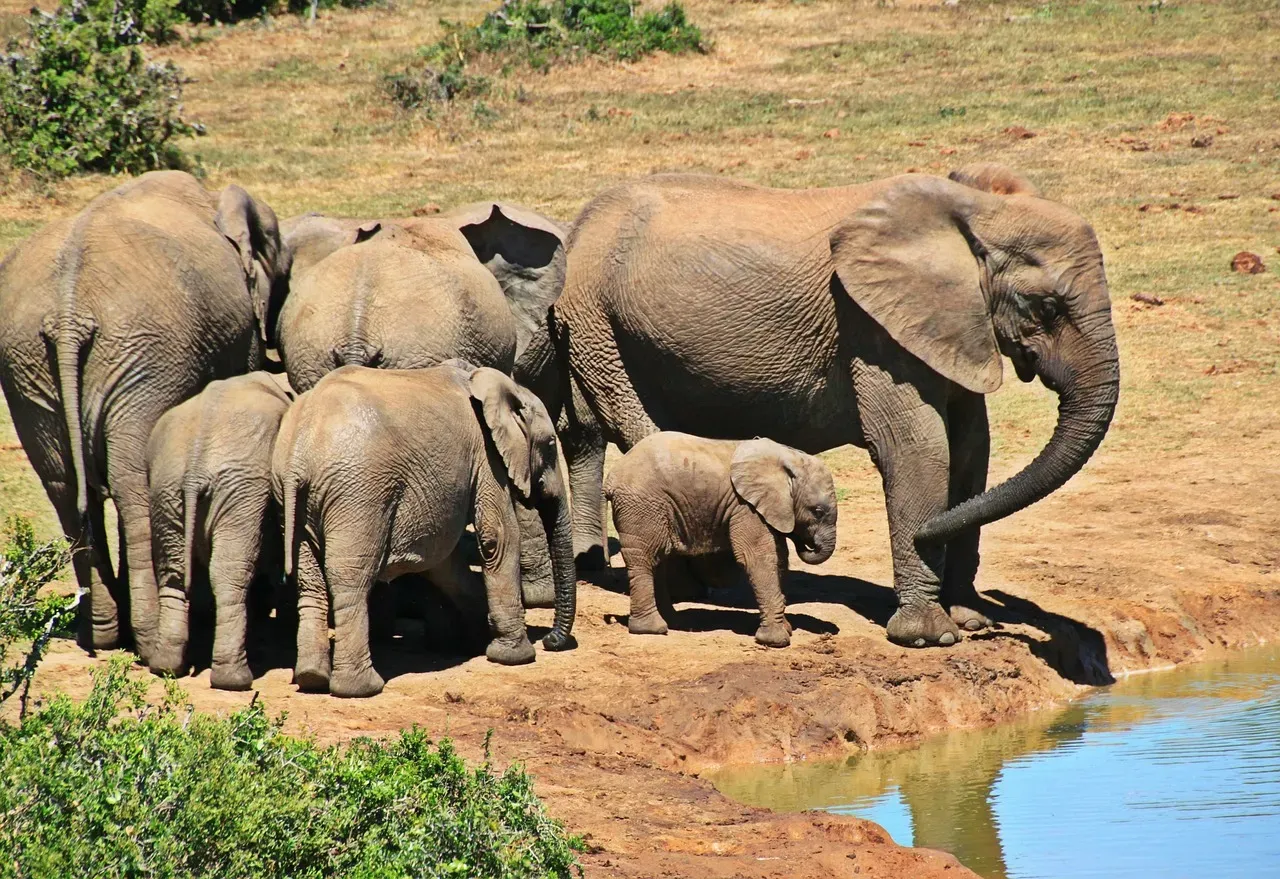
When older elephants are killed, especially matriarchs, the loss of accumulated knowledge can have devastating effects on the herd’s ability to survive. This is not metaphorical. It’s a measurable, documented consequence.
When poaching or translocation breaks up a herd, the consequences go beyond the individuals lost. The social structure collapses. Young elephants without older role models develop behavioural problems. They become more aggressive, less socially competent, and have lower reproductive success.
Poaching, fueled by the illegal ivory trade, targets the very elephants most crucial to the herd’s survival, mature adults and matriarchs. The psychological trauma of poaching extends beyond the immediate loss. In regions with high poaching rates, young elephants raised without adequate adult guidance have exhibited abnormal behaviour: heightened aggression, social withdrawal, and poor parenting skills.
A population of one hundred elephants in intact family groups is healthier and more resilient than a population of two hundred individuals whose social bonds have been disrupted. The structure is as important as the count.
Conclusion: What Elephants Quietly Teach Us
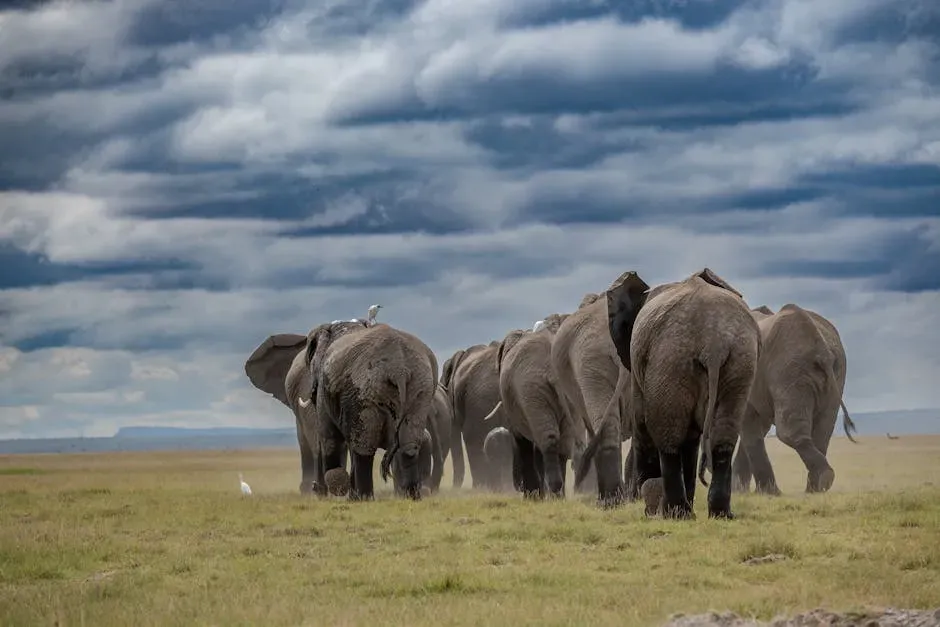
Elephants don’t perform their loyalty. They live it, in every movement of the herd, every protective circle around a calf, every vigil held beside a fallen member. Elephants help us to cross the bridge of understanding between our species, to see who they are, and to reconnect with the non-human life that we share our planet with. Perhaps in them, we see a version of what we aspire to be: intelligent, social, emotional, respectful of ancestors, playful, self-aware, and compassionate.
The evidence from decades of field research is consistent: elephant society revolves around the family unit, a tightly knit group typically led by the matriarch, the oldest and often wisest female in the herd. These families are not merely groups of individuals living together; they are intricate networks built on kinship, cooperation, and unwavering support.
There’s a quiet lesson in that. Family, at its most essential, isn’t about proximity or obligation. It’s about showing up, generation after generation, through drought and loss and the long years in between.
