
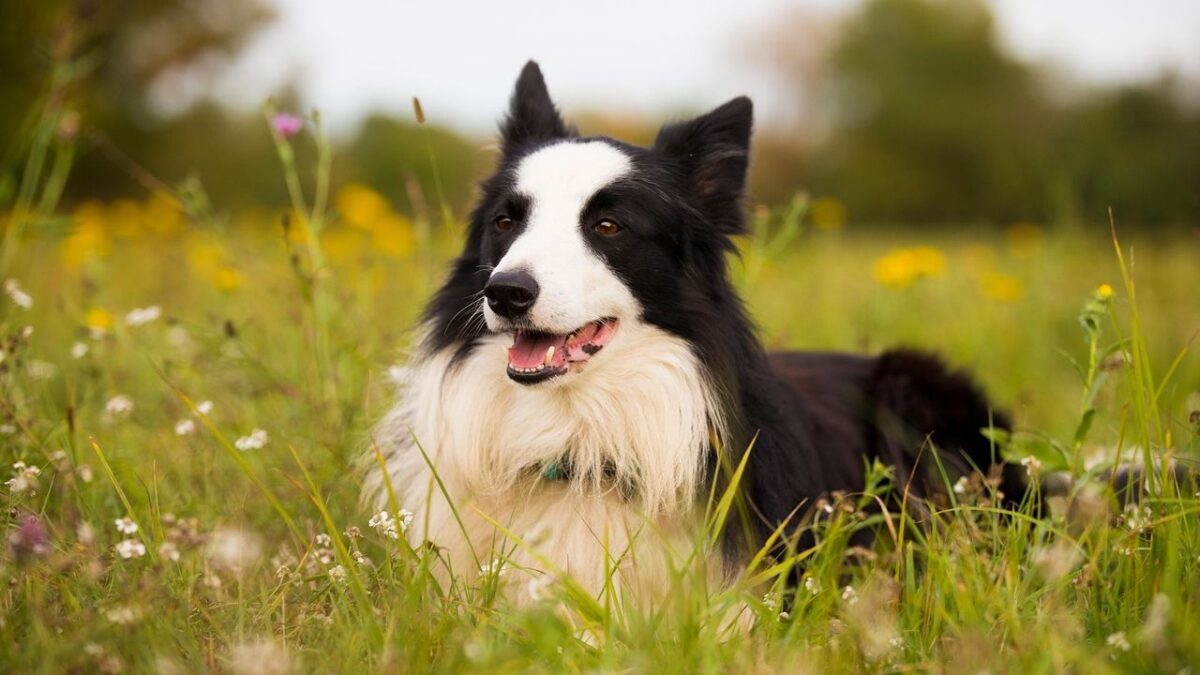
Adopting your first dog often feels like welcoming a new family member, full of tail wags and endless potential. Yet some breeds carry traits that demand more than enthusiasm from a novice owner. High energy, stubborn streaks, or protective instincts can turn joy into frustration without the right experience.[1][2]
These dogs thrive with structured lives, firm training, and plenty of stimulation. First-timers might find themselves overwhelmed by behaviors like escaping, nipping, or guarding. Understanding these challenges helps match the right pup to the right home.
Akita
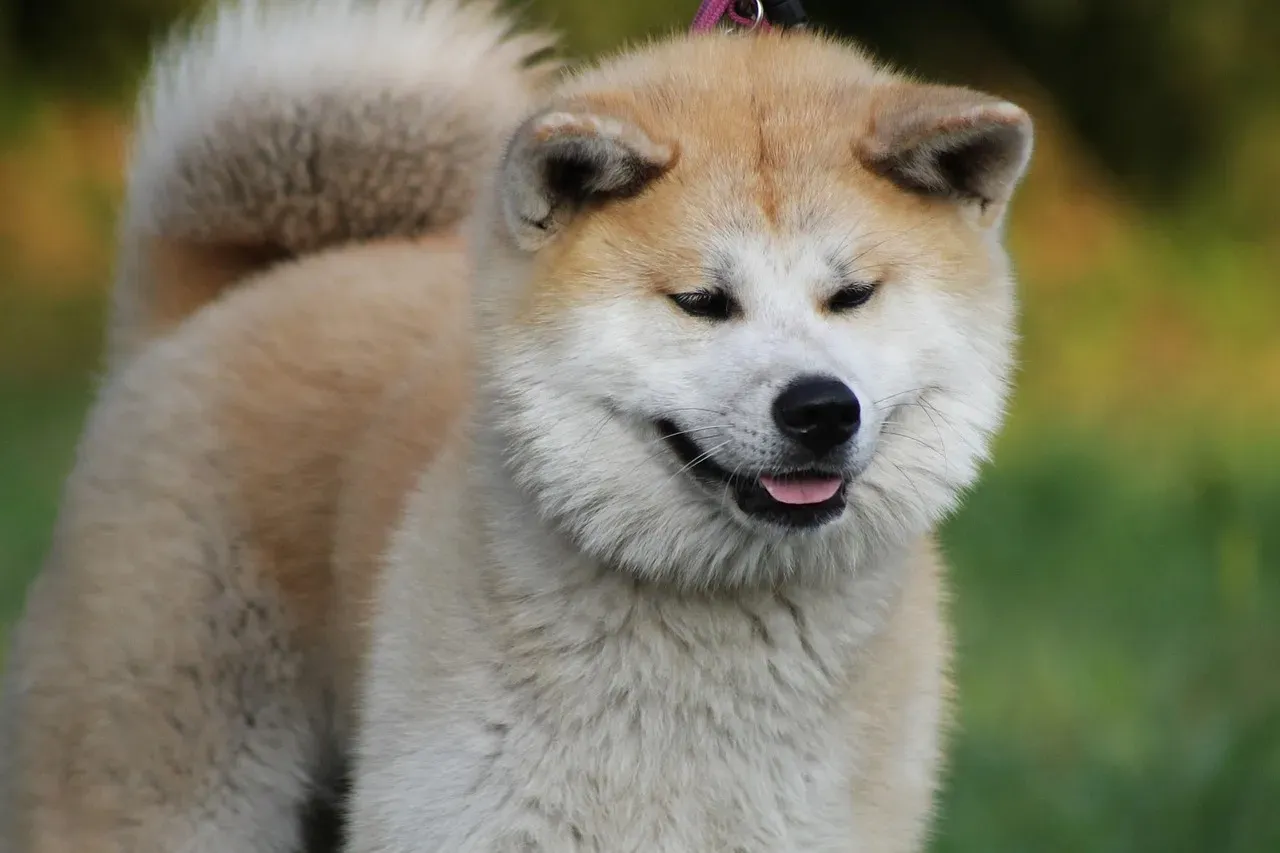
Akitas possess a strong prey drive that makes them unpredictable around smaller animals. They often show aggression toward strangers or other dogs without early, thorough socialization. Their protective nature demands an experienced handler who can establish clear boundaries from day one.[1]
Training proves tough due to their independent mindset and wariness of outsiders. Heavy shedding adds to grooming chores, while their size requires consistent exercise to prevent dominance issues. Moodiness can surface unexpectedly, testing patience in new owners.[3][2]
Alaskan Malamute
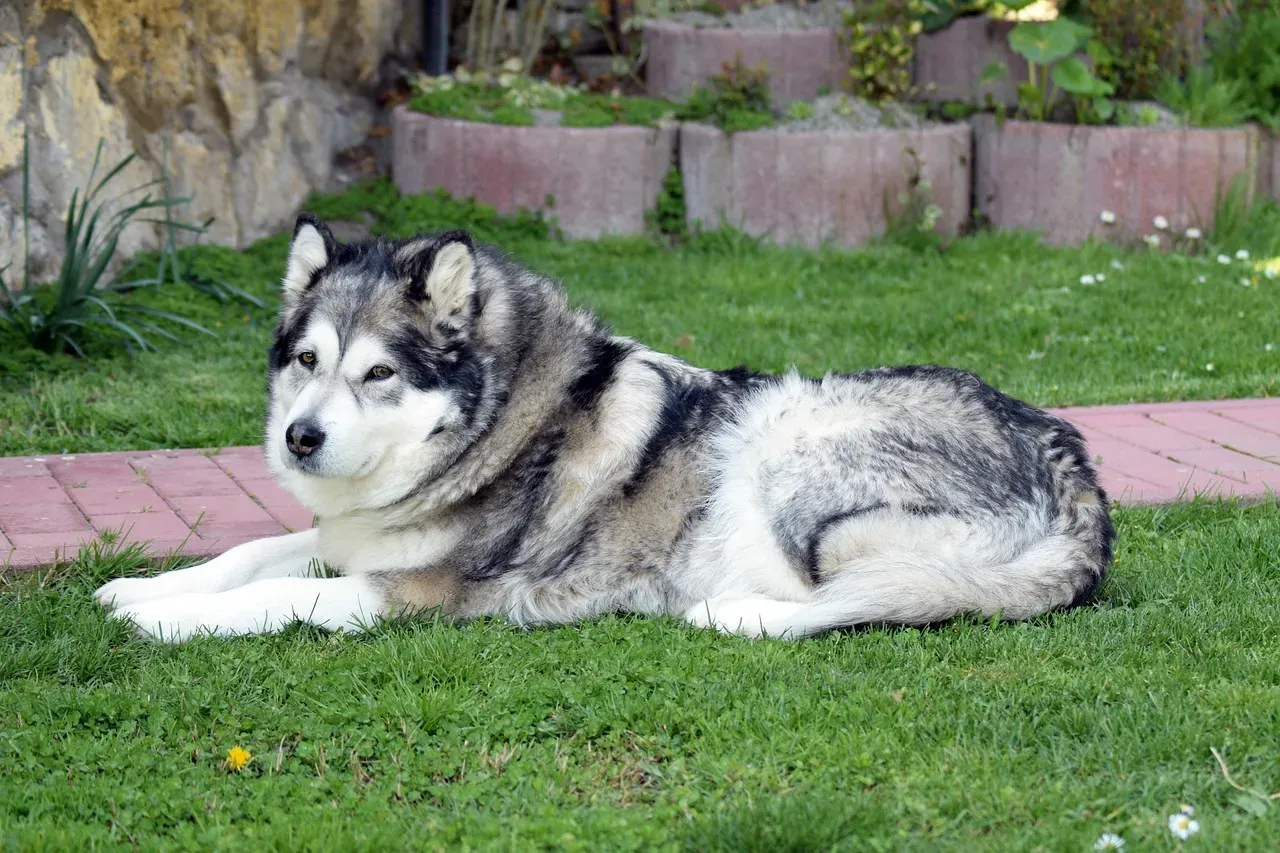
These powerful sled dogs pack boundless energy and love to pull on leashes, posing safety risks for inexperienced walkers. Heavy shedding turns homes into fur factories, demanding frequent brushing. Escape artistry runs deep; they dig, jump fences, and bolt at chances.[1]
Boredom leads straight to destruction, so daily hours of exercise prove essential. Vocal tendencies and pack mentality mean they dislike solitude. Heat sensitivity limits activities, complicating care for beginners.[3][2]
Australian Cattle Dog
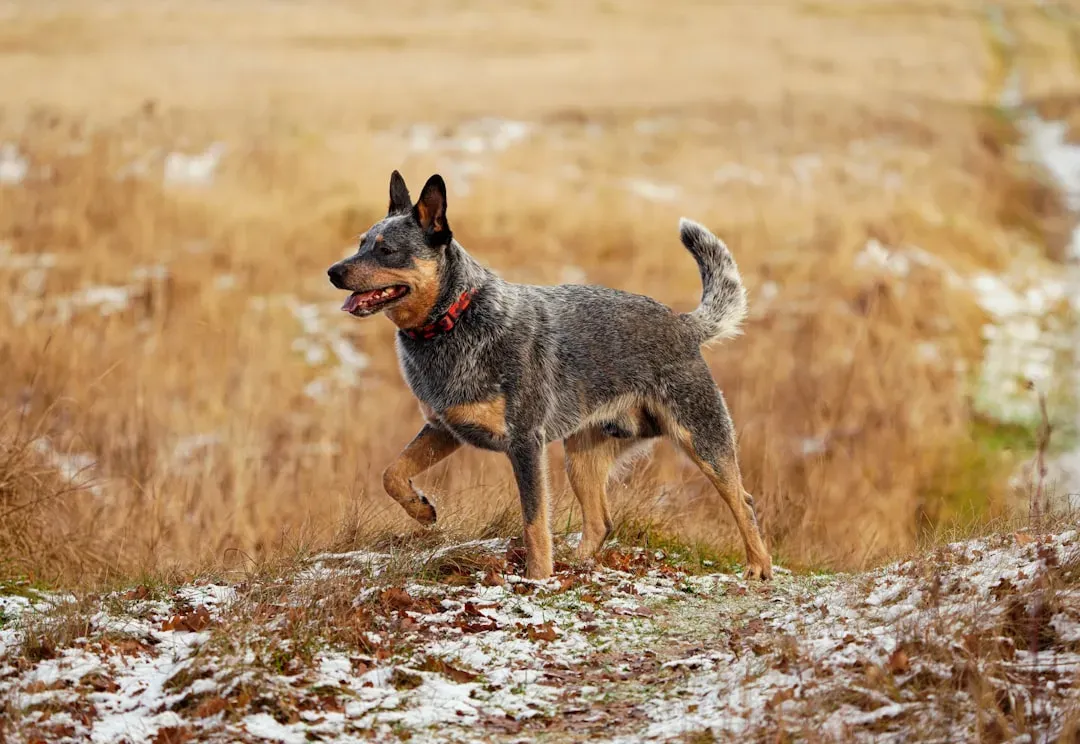
Bred for herding, these dogs outsmart owners with sharp wits and endless endurance. Boredom sparks mischief like nipping heels or chasing anything moving. They crave jobs, turning restless without mental challenges or vast space.[1]
Stubbornness clashes with novice training efforts, demanding firm consistency. High energy needs tire most schedules, while wariness of strangers adds socialization hurdles. Rural life suits them best, not apartments.[3][2]
Belgian Malinois
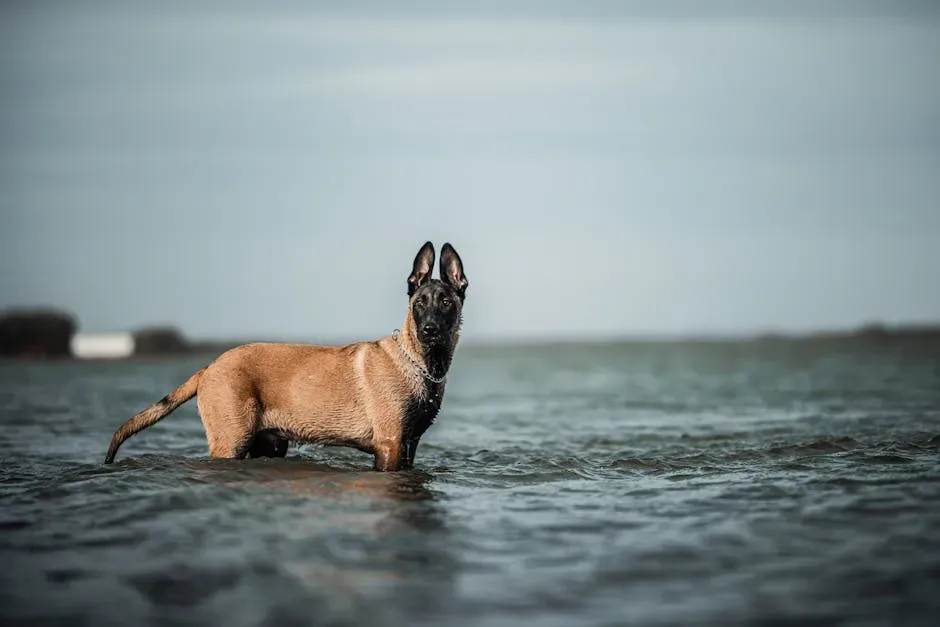
Athletic powerhouses, Malinois bore easily and destroy without intense daily workouts. High prey drive endangers kids or pets if unmanaged. Their guarding instincts require precise training to discern threats from friends.[1]
Immense strength lets untrained ones overpower handlers. K-9 level stimulation keeps them balanced, overwhelming for starters. Early manners demand pro-level commitment.[4]
Border Collie
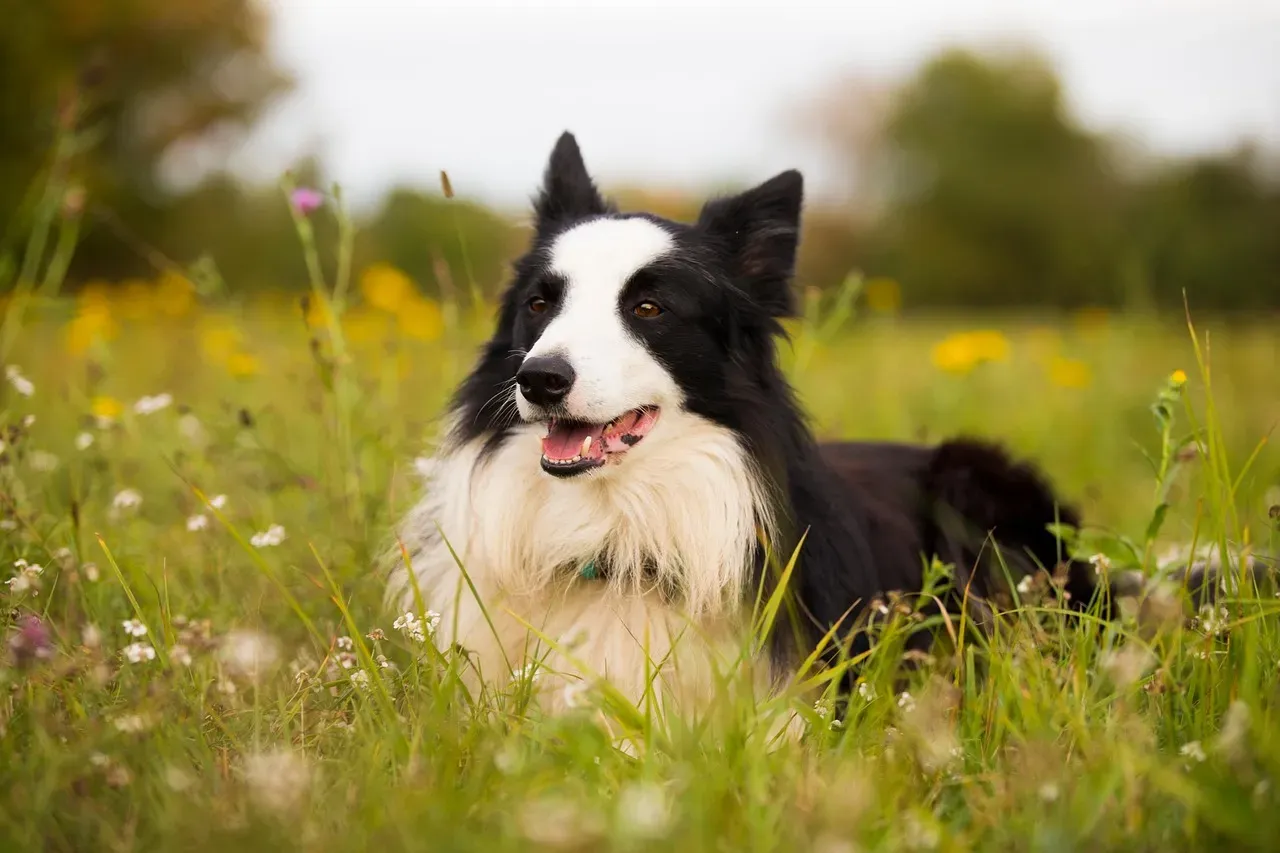
Workaholics at heart, these herders need two hours of exercise daily or they nip heels and chase cars. Super intelligence demands puzzles and tasks, or boredom breeds chaos like digging and barking. Stress builds fast in dull settings.[1][2]
Independence hinders basic obedience for novices. Socialization prevents over-stimulation around people. Apartments rarely suffice for their drive.[3]
Chow Chow
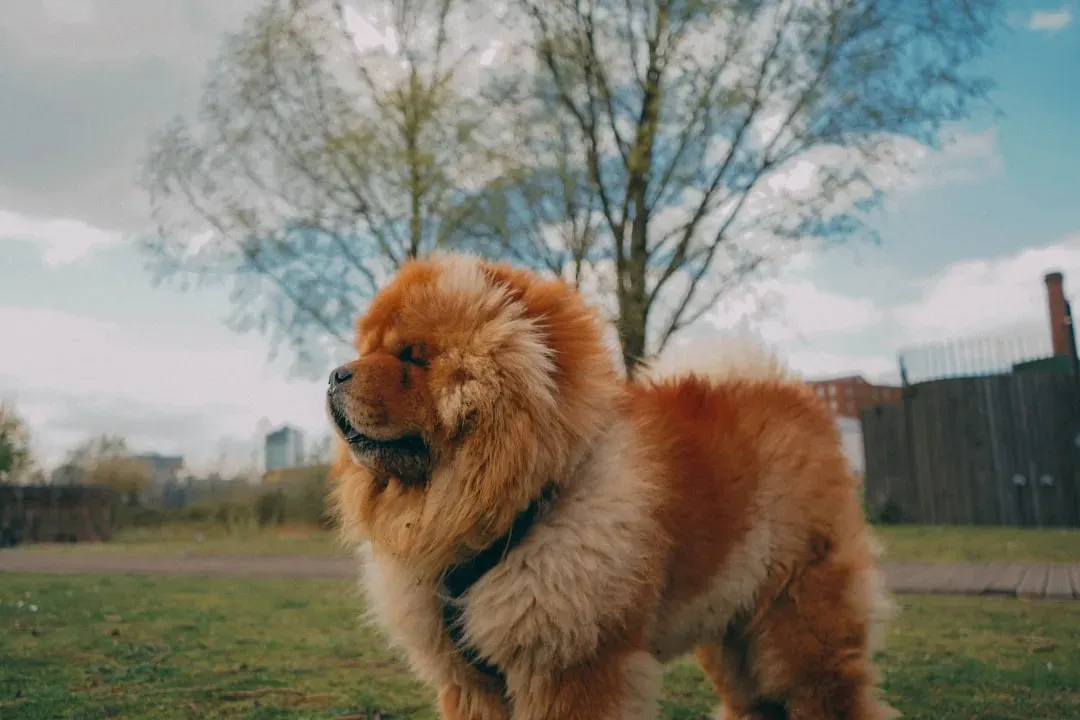
Guard dog roots make them reactive to strangers and dogs without flawless socialization. Aloofness means little eagerness to please, letting them seize control. Stubborn wills resist casual training sessions.[1]
Thick coats demand grooming marathons. Aggression risks rise in unseasoned homes. They bond tightly but snub outsiders, complicating family life.[2][3]
Doberman Pinscher
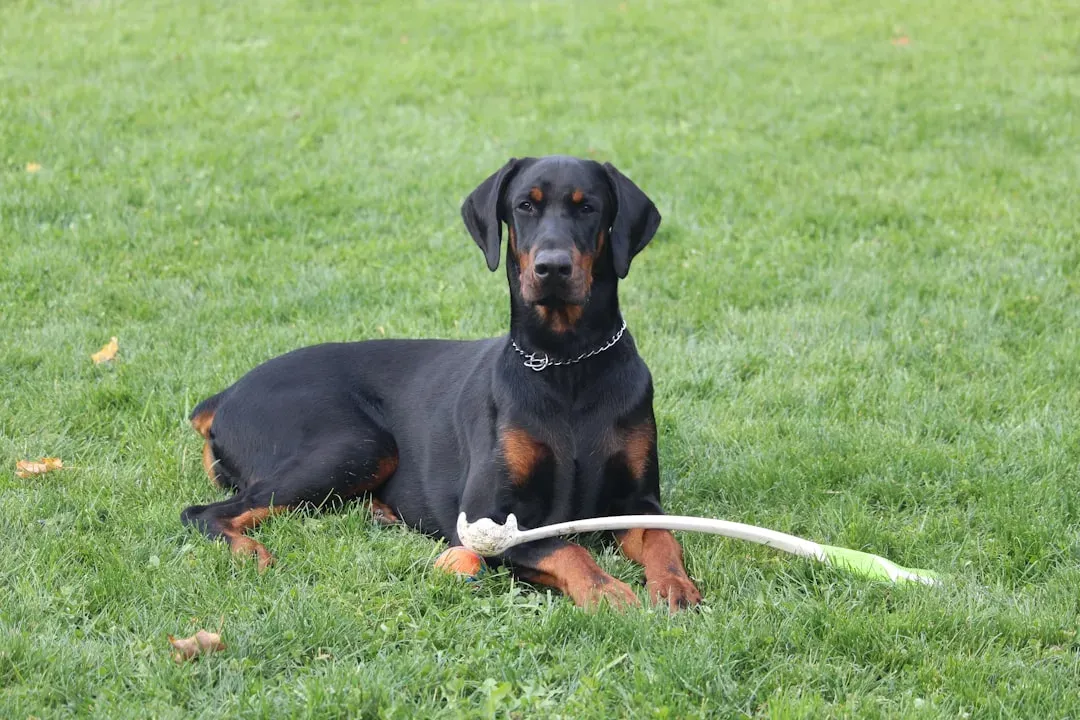
Always alert protectors, they eye strangers warily and snap without socialization. Guarding heritage keeps them on edge, needing constant exposure. Their sleek power amplifies mishandled behaviors.[1]
Training curbs potential aggression, but novices falter. High exercise prevents dominance plays. Loyal yet demanding, they suit confident leaders only.[4]
German Shepherd
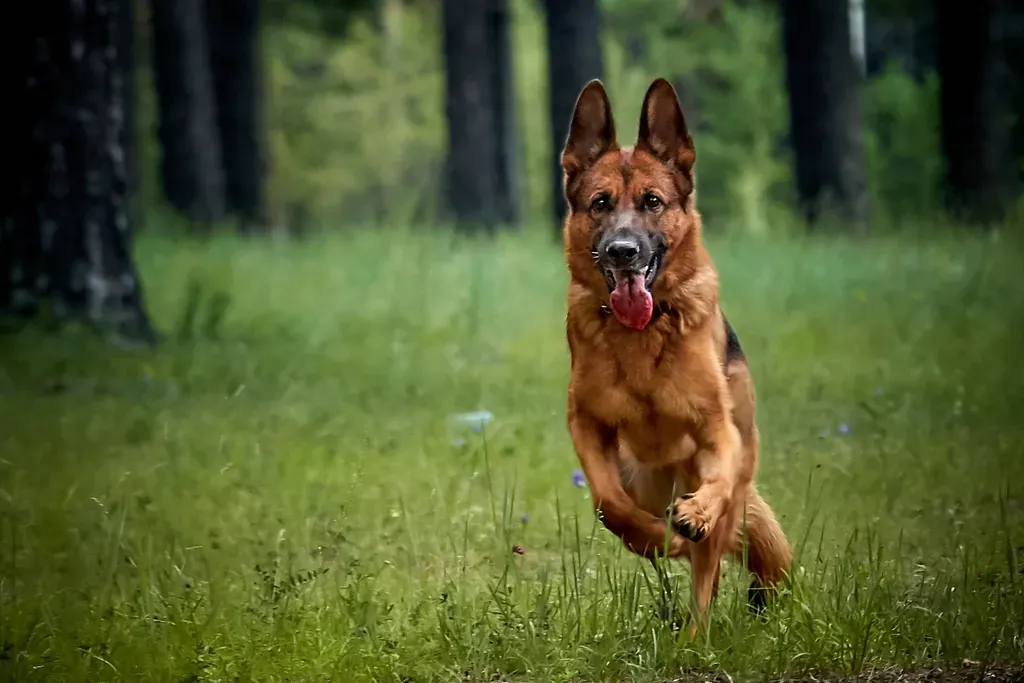
Brainy protectors crave daily mental workouts or grow defensive. Health woes like hip dysplasia burden care. Large frames need space and stamina for runs.[1]
Dominance emerges without firm training. Socialization tempers aggression risks. Alone time sparks guarding excesses.[2][3]
Jack Russell Terrier
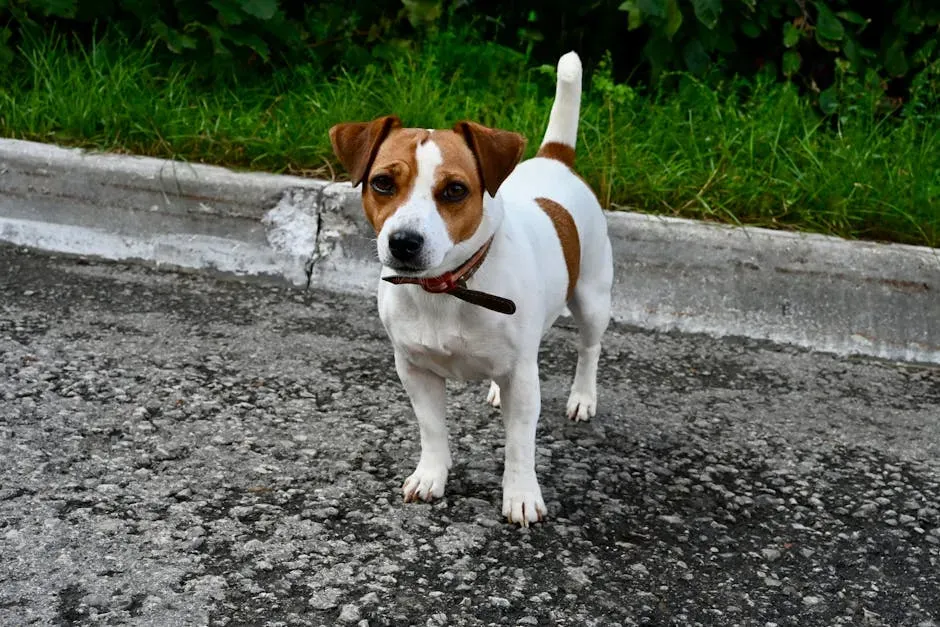
Terriers burst with hunting energy, digging and barking nonstop. Prey drive chases critters relentlessly. Smart but feisty, they demand inventive training.[1]
Hyperactivity exhausts casual owners. Escapes and curiosity lead to trouble. Continuous engagement prevents household havoc.[3]
Rottweiler
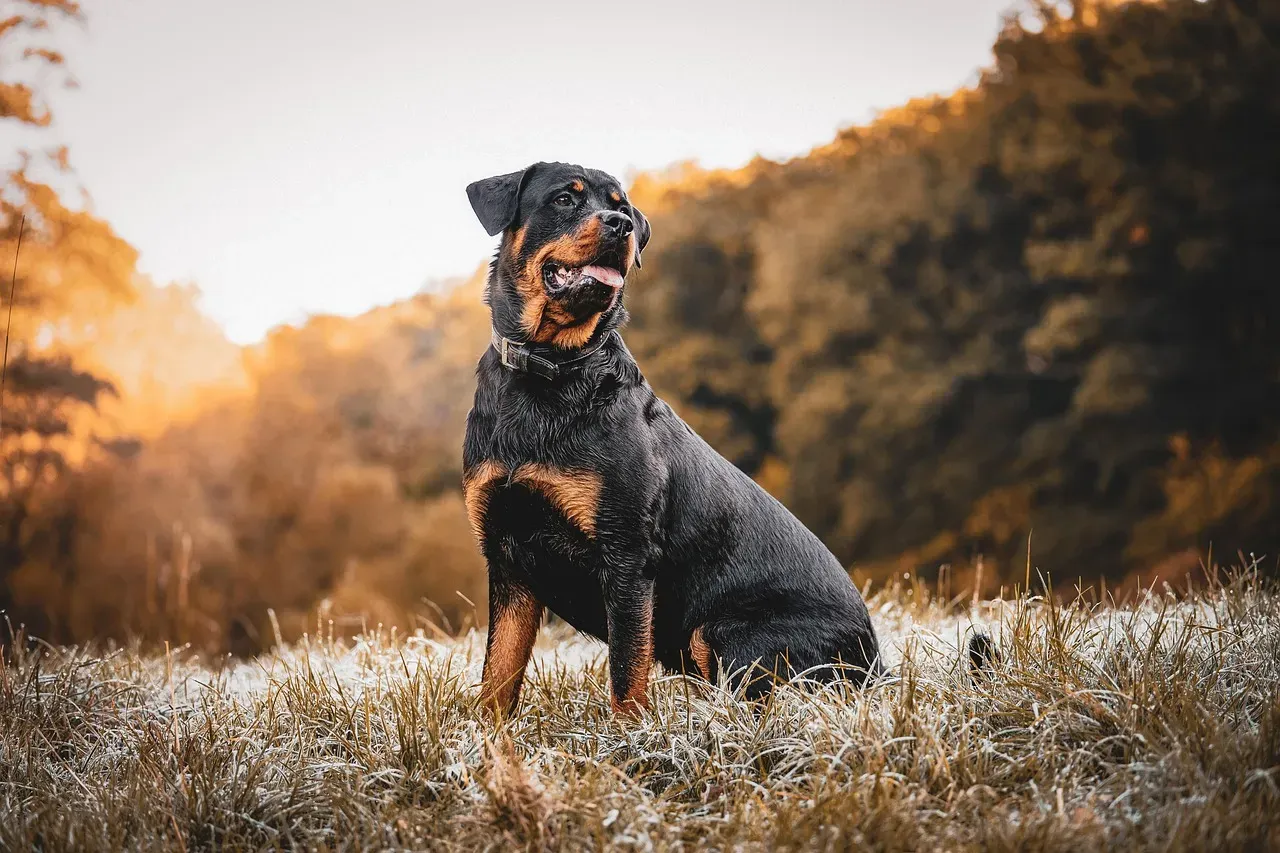
Territorial guardians turn aggressive sans training. Raw strength overpowers unsteady hands. Willful natures test authority daily.[1]
Socialization softens stranger suspicion. Exercise curbs dominance bids. Affection hides power demands.[2]
Saint Bernard
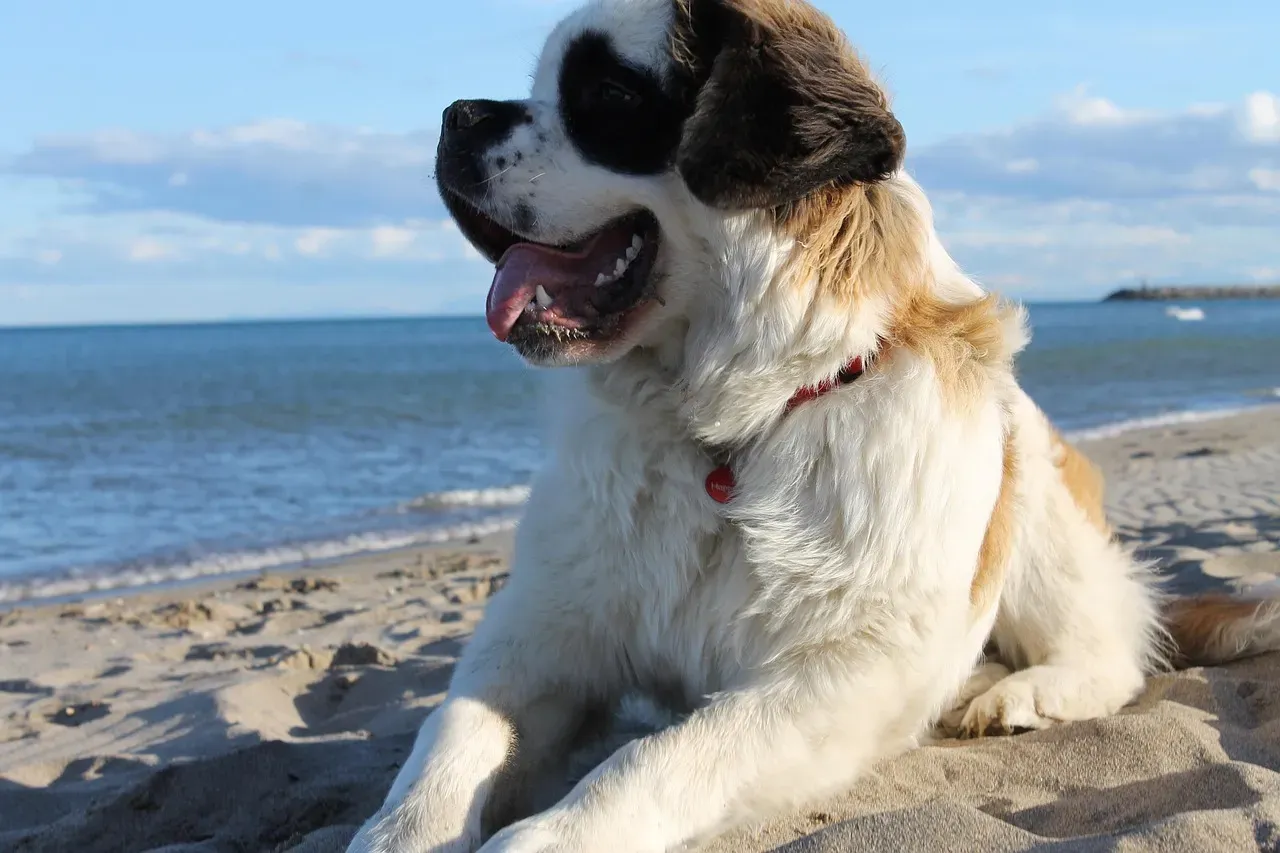
Giant frames amplify jumping and stubborn refusals. Drool trails mark their path everywhere. Early training averts behavioral blowups.[1]
Size invites obesity risks. Heat woes limit play. Messy habits overwhelm tidy novices.[2][3]
Siberian Husky
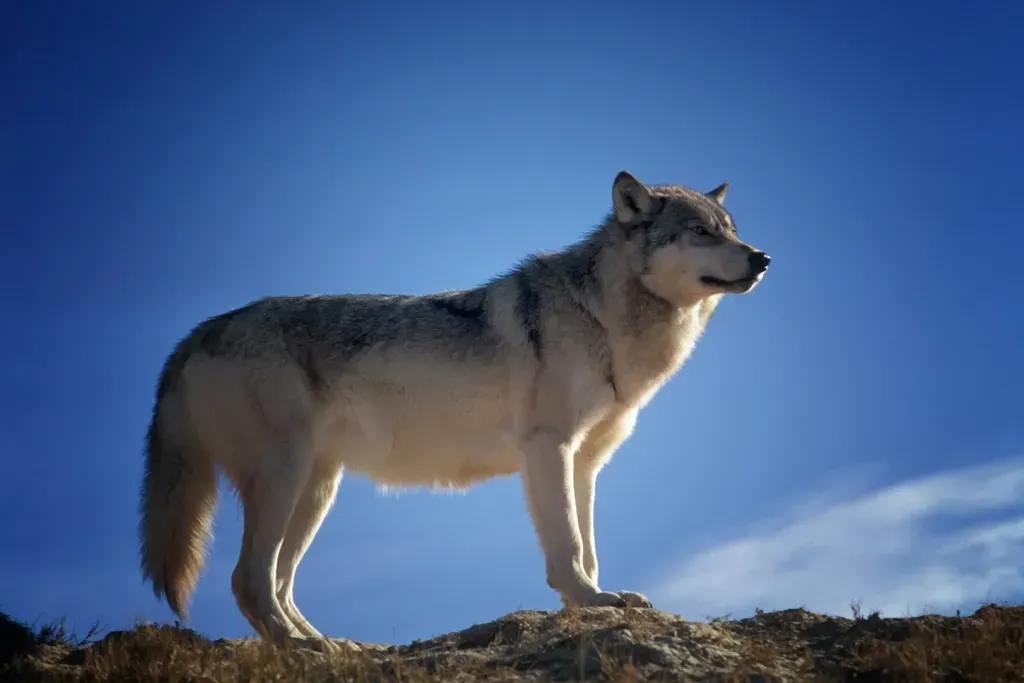
Sled stamina fuels escape plots and door dashes. Independent smarts ignore commands often. Howling echoes through nights.[1]
Heavy exercise or destruction follows. Cold lovers hate apartments. Pack needs curb alone time.[2][3]
Final Thoughts
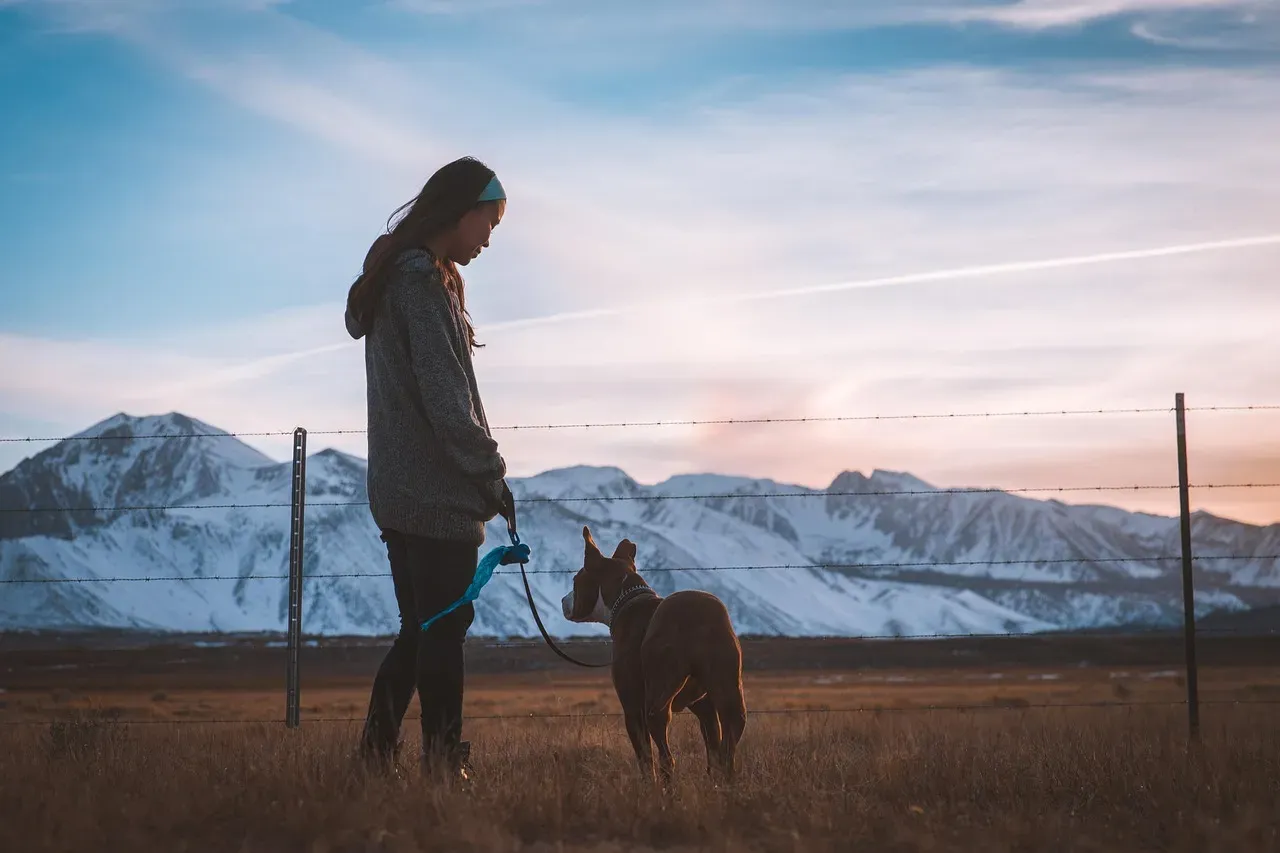
These breeds shine with dedicated, knowledgeable owners who match their drive. First-timers fare better with forgiving, adaptable companions. Research temperament against your lifestyle, and consider rescues with known histories.
Patience and prep build lasting bonds, whatever the breed. A mismatched dog strains everyone, but the right fit brings quiet joy for years.[1]
