
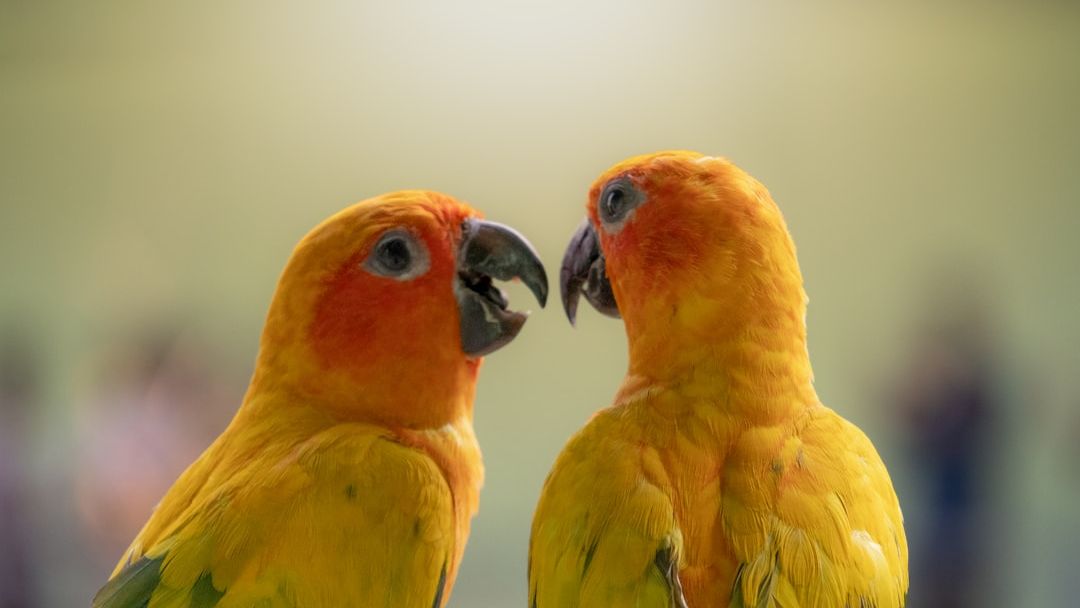
Step outside on a quiet morning and it’s immediately clear that the yard is anything but silent. Chickadees chatter, robins whistle, cardinals whistle back. To casual ears, it sounds like pleasant background noise. To scientists who’ve spent decades studying avian communication, it’s something far more structured than that.
Beyond the pleasant background music lies a complex language, a vibrant communication system that allows birds to navigate their world, warn of danger, stay connected, and ultimately, find a mate. What’s striking is how much is being said, right there above your garden, every single day.
Songs vs. Calls: Not the Same Thing
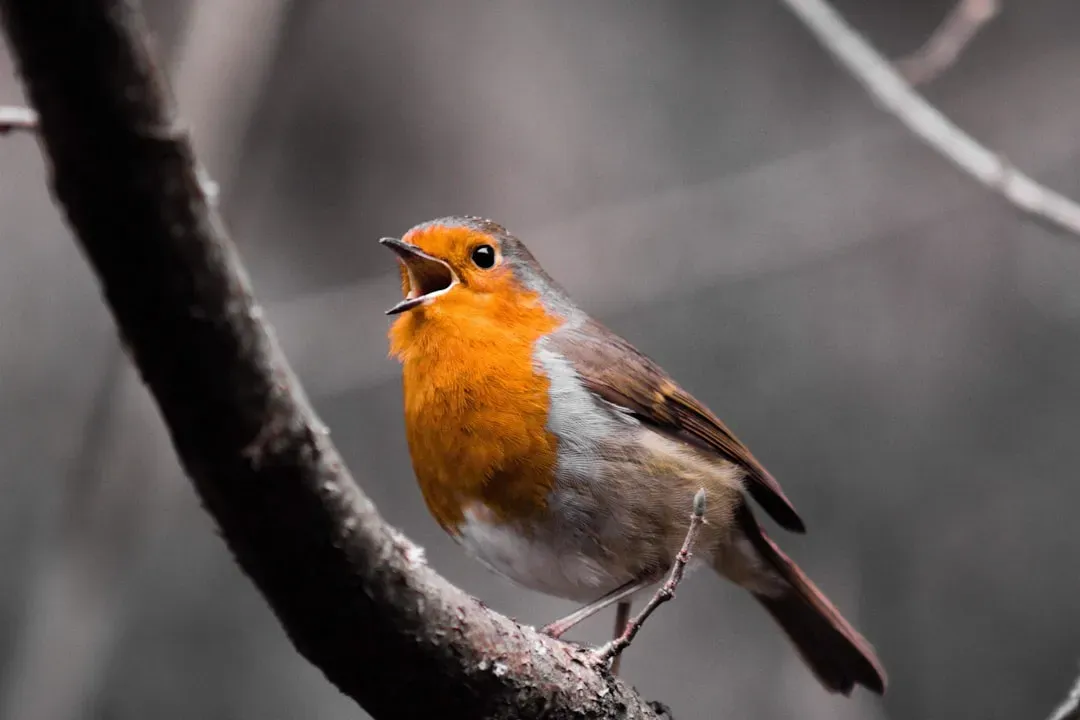
Most people use the words “song” and “call” interchangeably when talking about birds. Ornithologists don’t, and the distinction matters more than you’d expect.
Songs are longer and more complex and are associated with territory and courtship and mating, while calls tend to serve such functions as alarms or keeping members of a flock in contact. Think of songs as formal declarations and calls as everyday conversation.
Songs are complex, often musical vocalizations used primarily by males to defend territories and attract mates. They’re typically longer, more structured, and sung from prominent perches. You’ll mostly hear the full performance during breeding season.
Calls are shorter, simpler vocalizations used year-round by both sexes. They serve practical purposes: alarm calls warn of predators, contact calls keep flocks together, and flight calls help coordinate movement. Calls are often more useful for identification because they’re heard throughout the year.
Birds don’t waste energy on meaningless vocalizations; each sound fulfills a distinct purpose, from announcing danger to wooing a mate. That’s a useful frame to keep in mind every time you step outside.
The Alarm System: Danger Has a Dialect
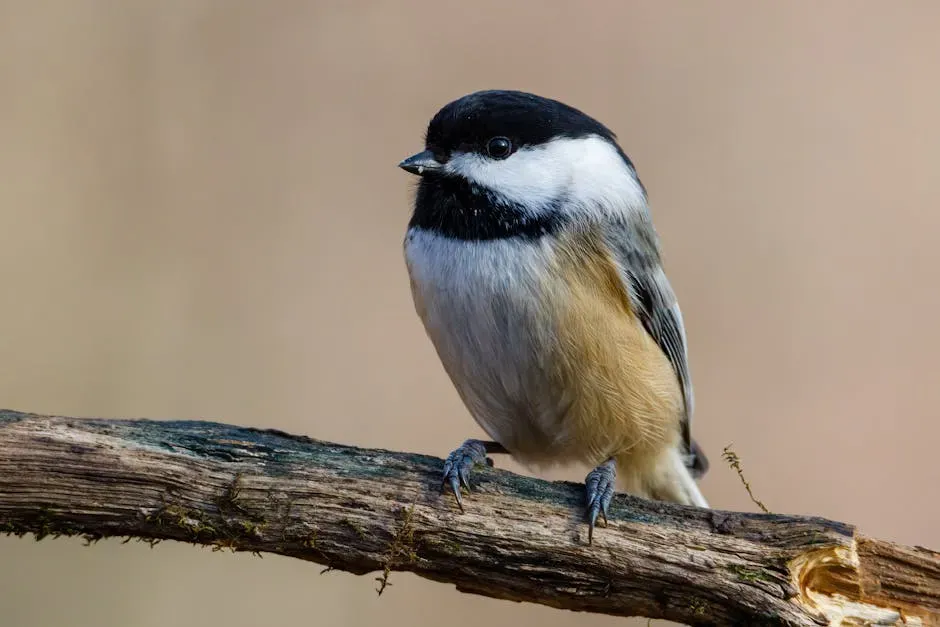
When something goes wrong in the yard, birds don’t just make noise. They make very specific noise. Research has revealed that many species produce different alarm calls depending on the type of predator detected. Chickadees, for example, use distinctive calls for aerial predators versus ground-based threats.
Black-capped chickadees change the number of “dees” in their characteristic call to indicate the relative size and threat of predators. More “dees” means more danger. It’s a graduated warning system, surprisingly precise for a bird that weighs less than a handful of coins.
The sound of the alarm call is often described as sharp and abrupt, chirps, chips, or whistles repeated rapidly. Think of a sudden, insistent tink-tink-tink or a sharp “seet!” Other alarm calls may be harsh or scolding, buzzes, squawks, or chatters.
The urgency and intensity of alarm calls often correlate with the immediacy of the danger, creating a sophisticated risk assessment system. Perhaps most remarkably, many birds practice “mobbing calls” that actually summon other birds to collectively harass predators until they leave the area, demonstrating how alarm calls can coordinate complex group defense behaviors across avian communities.
Birds communicate alarm through vocalizations and movements that are specific to the threat, and bird alarms can be understood by other animal species, including other birds, in order to identify and protect against the specific threat. That cross-species understanding is one of the more quietly remarkable features of backyard nature.
Contact Calls and Social Bonds: Staying Connected
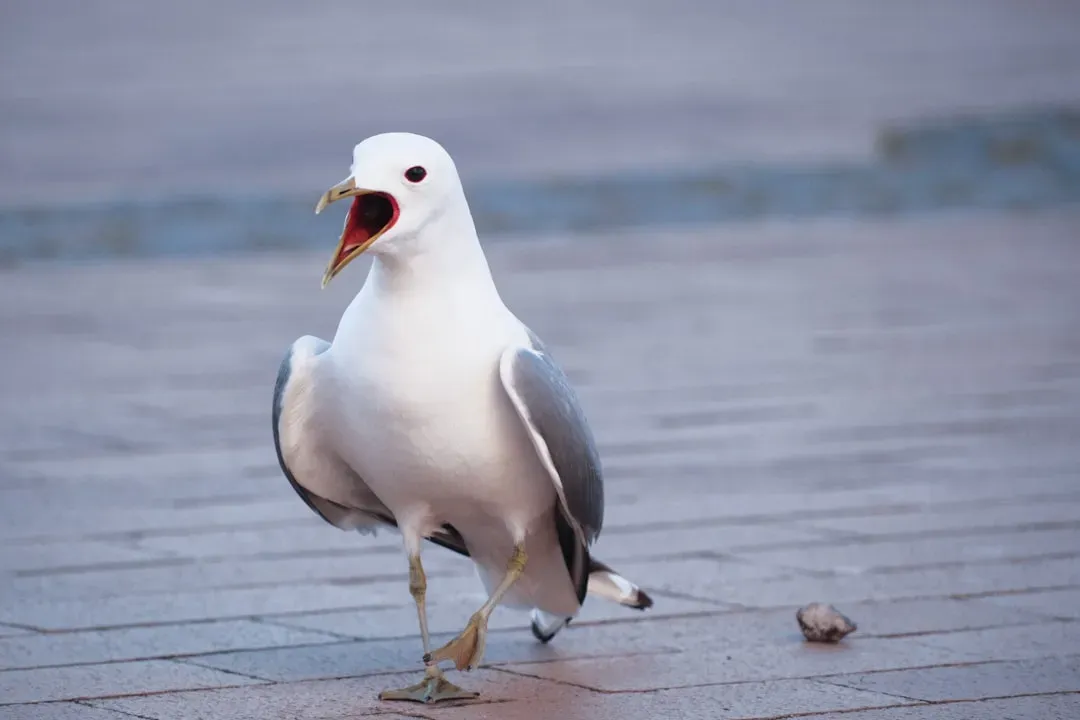
Not everything a bird says is about danger. Much of what you hear is simply birds keeping tabs on one another. Contact calls are used to maintain connection with other birds, especially within a flock or between parents and offspring. They are usually soft and short, gentle chirps, peeps, or calls.
A robin’s “tut, tut” means “danger is near,” while a Canada goose’s honk while migrating means “follow me!” Many mother birds will use short chirps to keep tabs on their young while foraging together, keeping a constant chorus of “where are you?” and “here I am!” so they don’t get separated.
Many species, such as Canada geese, use distinctive contact calls that individual family members recognize, allowing parents and offspring to locate each other in crowded breeding colonies or during flight. Researchers have discovered that contact calls often contain subtle individual signatures that allow birds to identify specific flock members, functioning like auditory name tags in complex social groups.
Many birds that nest in colonies can locate their chicks using their calls. Calls are sometimes distinctive enough for individual identification even by human researchers in ecological studies. It’s a level of social sophistication that most people walking past a hedgerow never pause to consider.
Territorial Songs and Mating Calls: The Art of Persuasion
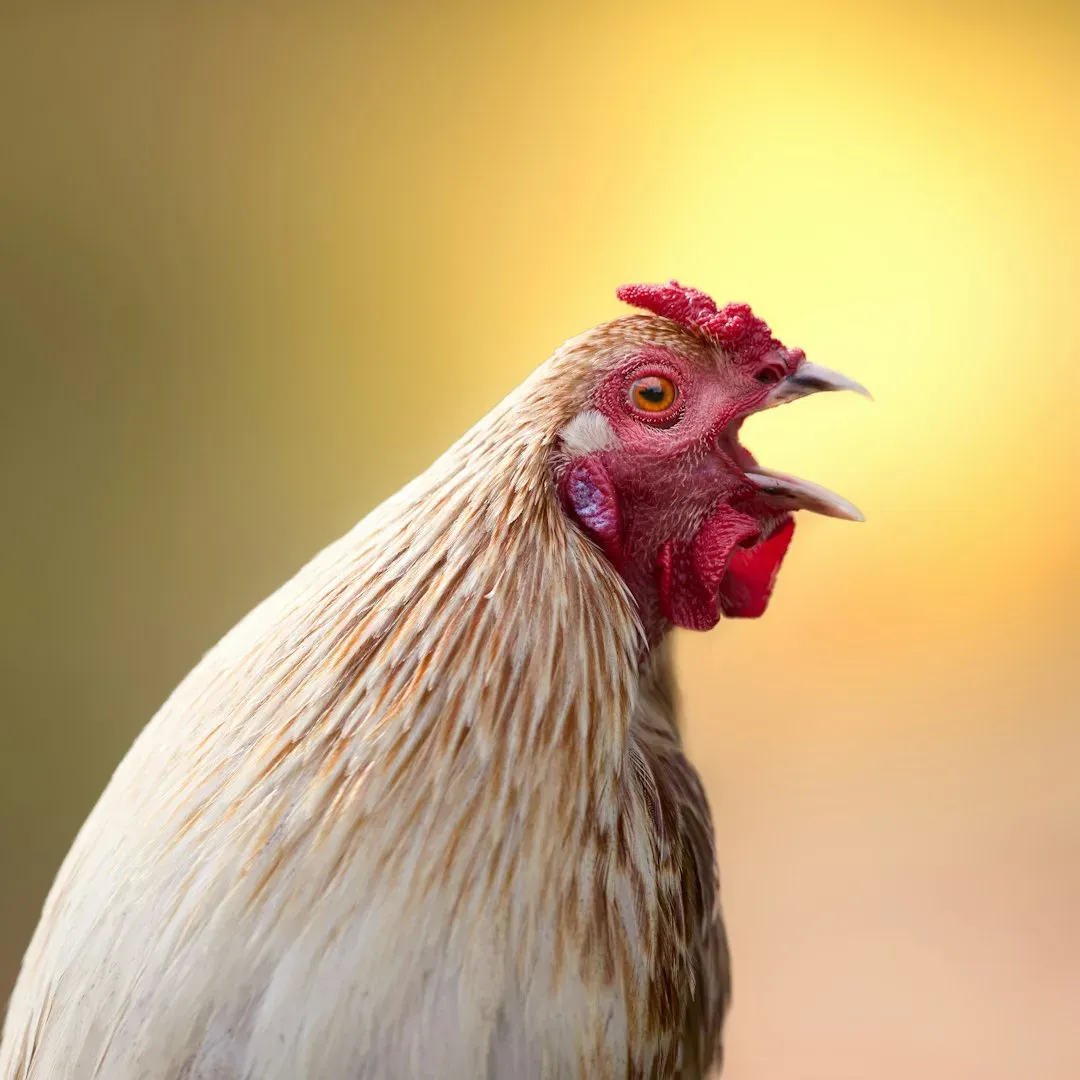
Spring mornings carry a particular intensity for a reason. Mating songs are primarily used by males to attract females and establish territory during the breeding season. They are often complex and musical, perhaps a series of notes, trills, whistles, and warbles that can be quite elaborate and distinctive for each species.
The second principal function of bird song is territory defense. Territorial birds will interact with each other using song to negotiate territory boundaries. Since song may be a reliable indicator of quality, individuals may be able to discern the quality of rivals and prevent an energetically costly fight.
Song complexity is also linked to male territorial defense, with more complex songs being perceived as a greater territorial threat. Put simply, a richer song carries more weight. It isn’t just beautiful; it’s a statement of fitness.
The dawn chorus is the daily peak of birdsong, starting 30 to 60 minutes before sunrise and lasting about an hour. In Britain, it begins in late February with Song Thrushes and Robins, building through March and April as summer migrants arrive. By May, the chorus can involve more than 20 species singing simultaneously.
Cold mornings make sounds travel farther because of the calm air, letting songs carry up to 20 times farther than at midday. That’s partly why the dawn chorus feels so overwhelming. The birds aren’t louder. The physics just favor them.
Bird Language, Learning, and the Surprising Science of Syntax
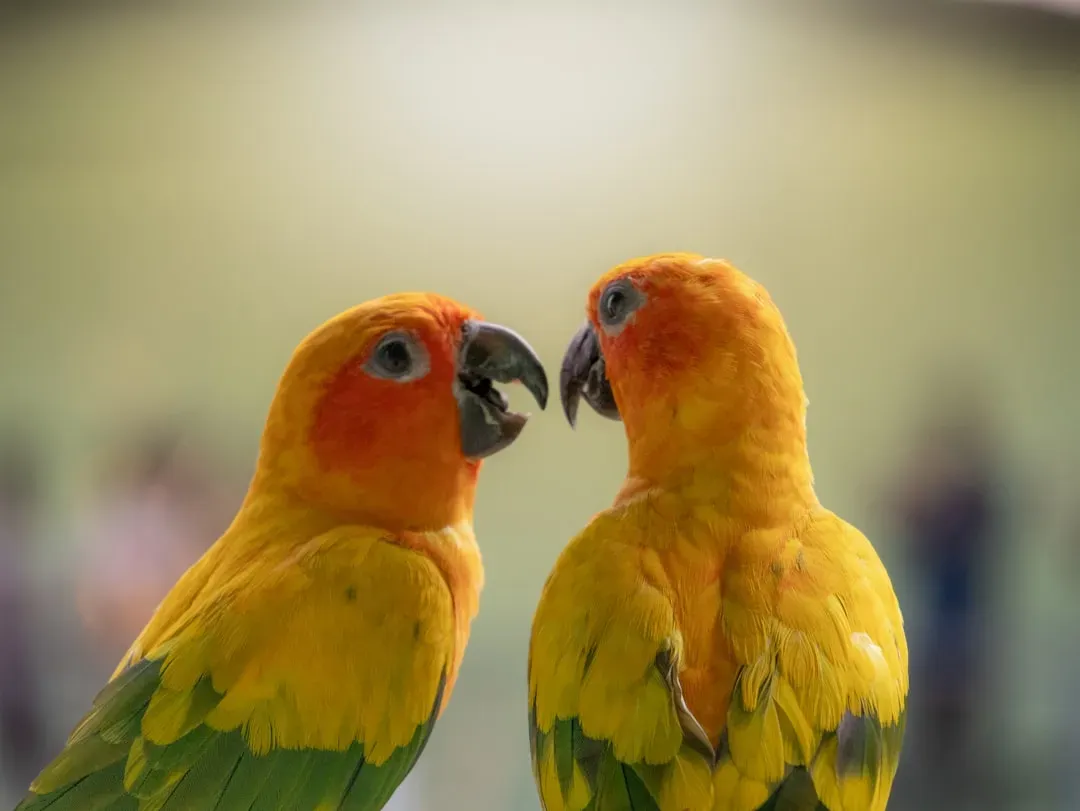
The deeper you look into bird communication, the harder it becomes to dismiss it as mere instinct. Research published in Nature Communications reports experimental evidence for compositional syntax in a wild animal species, the Japanese great tit. Tits have over ten different notes in their vocal repertoire and use them either solely or in combination with other notes. Experiments reveal that receivers extract different meanings from “ABC” notes, which prompt scanning for danger, and “D” notes, which mean “approach the caller,” and a compound meaning from “ABC-D” combinations.
Compositional syntax is not unique to human language but may have evolved independently in animals as one of the basic mechanisms of information transmission. That’s a significant finding, and it quietly reshapes how we think about what “language” actually requires.
Birds learn their songs in a process remarkably similar to human language acquisition. Young birds go through a “babbling” phase, called subsong, gradually refining their output to match the adult songs they hear around them. This is why regional “dialects” exist – a Chaffinch in Devon sounds subtly different from one in Yorkshire.
Near the Golden Gate Bridge in San Francisco, White-crowned Sparrows have been found to have more than 10 different dialects. Even within a single city, the vocal landscape shifts from one neighborhood to the next.
A study published in Nature Ecology and Evolution found that 21 different species of birds, spanning several continents and millions of years of evolution, make nearly identical sounds as a warning against brood parasites. The findings suggest the alarm call has both innate and learned characteristics. It reflects birds’ ability to associate certain behaviors with sounds, a trait that challenges long-held assumptions about the sharp division between animal communication systems and human language.
Listening More Carefully: A Practical Takeaway
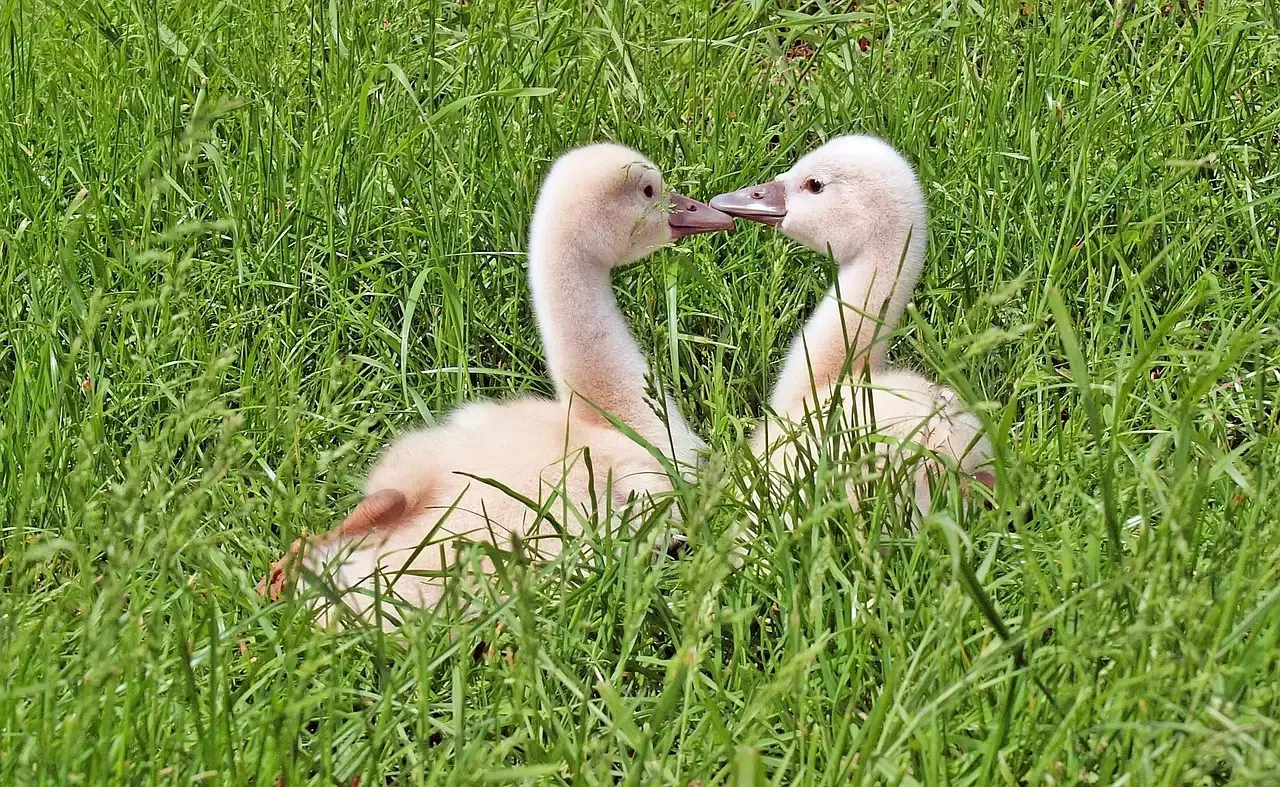
Understanding bird language doesn’t require a science degree or expensive equipment. It mostly requires slowing down. Learning bird songs is a great way to improve your awareness of the outdoors. Your ears can give you a solid step up when dealing with dense foliage, faraway birds, or birds that look identical to each other. Plus, knowing bird songs just makes the outdoors feel more familiar. There’s a reason people often use the word “birding” instead of “birdwatching” – it’s because listening opens up a whole new dimension.
Dedicated bird apps like Merlin Bird ID and BirdNET can help you identify birds. Websites like Xeno-canto and the Cornell Lab of Ornithology’s All About Birds have extensive libraries of bird songs and calls. These tools have made the once-intimidating world of bird identification genuinely accessible.
The language of birds isn’t magic. It’s something you can learn by observing and listening. As you become attuned to bird behavior and communication, your backyard transforms into a stage of fascinating interactions rather than background noise.
Conclusion
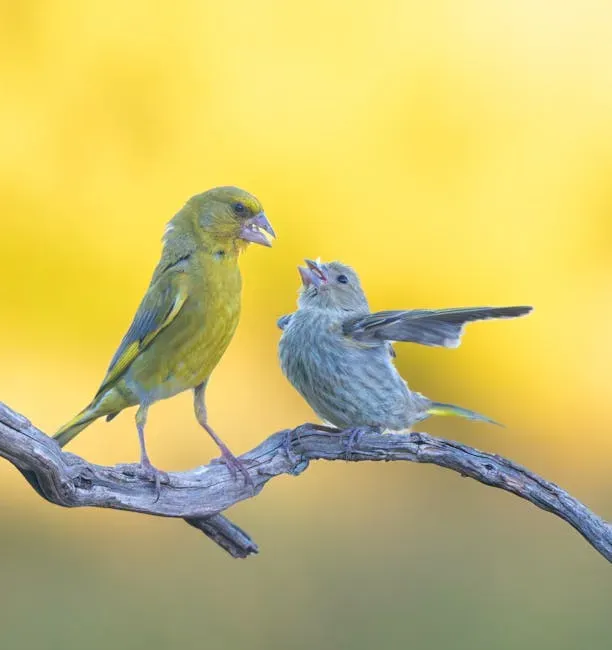
There’s something quietly humbling about realizing how much has been happening just outside the window all along. Every alarm call, every territorial song, every soft contact chirp carries specific intent, shaped by millions of years of evolution and, in many cases, passed down through generations like a cultural tradition.
The science keeps revealing more. Syntax. Dialects. Cross-species eavesdropping networks. Grammar-like rules in small songbirds. Just as with human languages, songbirds have dialects that are learned and passed down through generations. The parallels to our own communication are hard to ignore.
Perhaps the most grounded takeaway is simply this: the next time the yard goes suddenly quiet, pay attention. The birds just said something important.

- What Insect Are You According to Your Zodiac Sign - July 26, 2026
- 6 US States With the Most Wild Turkey - July 26, 2026
- 8 US Cities Reeling Under Flooding Problems - July 26, 2026