

You know that eerie, almost magical moment when you pull into the driveway and someone in the house yells that the dog started going crazy a few minutes ago? It feels like your dog has your schedule wired into their soul, as if they can sense your return long before your car turns the corner. For years people called that superstition, guesswork, or just wishful thinking from devoted pet parents.
But as animal science has caught up with what dog lovers have always suspected, the story has become a lot more interesting. While researchers are still unraveling the details, the emerging picture is that your dog really may anticipate your homecoming through a powerful mix of scent, timing, sound, and social bonding. It is not magic, but the science behind it is so strange and beautiful that it almost feels that way.
The Strange Moment Your Dog Heads To The Door

Think about how often someone at home will say your dog suddenly got up, stared at the door, or started pacing and wagging well before your engine was even audible. To the people in the house, nothing obvious changed, yet the dog snapped from relaxed to alert as if notified by an invisible text message. It is the kind of moment that makes even the most rational person wonder what is really going on in that furry head.
When you start paying attention, this pattern can become hard to ignore. Many families notice it happens at roughly the same time every day, or whenever a specific person is due back. Some dogs will sit by the window, others curl up near the entrance, and a few get visibly restless. What feels like pure intuition is likely a complex cocktail of signals your dog has learned to read better than you read your own calendar.
Dogs Live In A World Of Smell And Micro-Cues

One of the most powerful tools your dog has is their nose, and it is not just a little better than yours. It is orders of magnitude more sensitive, capable of picking up faint chemical traces in the air and on surfaces that you do not even register as smells. Your scent is not just on your clothes or your car; it is subtly woven into the environment of your home and changes over the course of the day.
Some scientists have proposed that as time passes after you leave, the concentration and pattern of your scent in the house shift in a somewhat predictable way. Over many repetitions, your dog may learn that when your remaining scent has faded to a certain level, it usually means you will be back soon. To them, that fading scent is like a clock you cannot see, a quiet chemical countdown that says your return is getting close.
Can Dogs Actually Tell Time Or Just Feel Patterns?
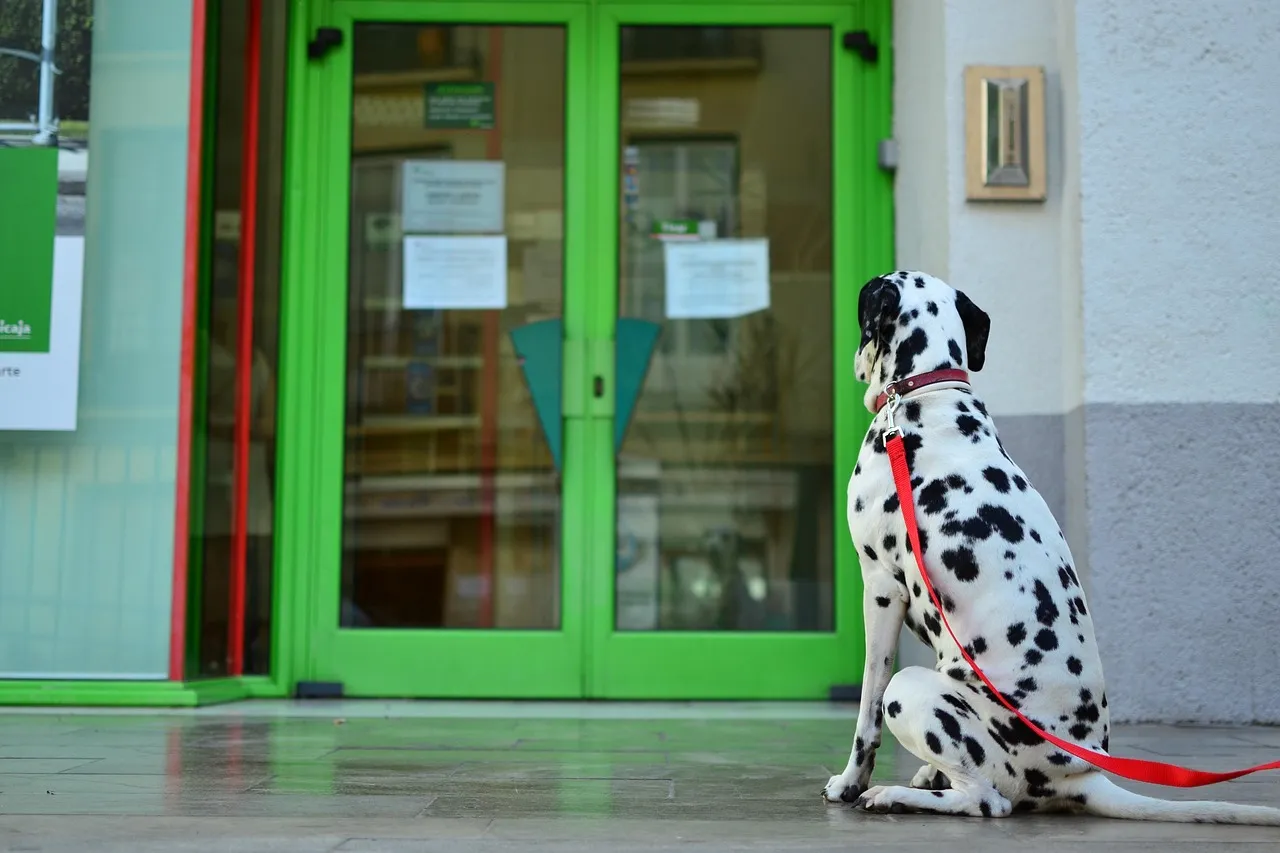
Of course, dogs do not sit around reading wall clocks or checking calendars, but they are surprisingly tuned in to daily rhythms. They notice when the light changes, when traffic outside tends to get heavier, when neighbors slam their car doors, and when the household follows its usual routines. Over time, these rhythms form a predictable pattern that your dog begins to associate with your arrival.
Instead of thinking of your dog as knowing it is exactly five thirty, it makes more sense to say they have absorbed a layered pattern of environmental cues. The smell in the air, the level of background noise, the emotional energy in the home, and even the routines of other family members combine to create a familiar pre-arrival mood. Your dog feels that pattern rather than calculating it, but the effect can look a lot like they are reading a clock.
Supersonic Hearing: Your Dog Hears You Before You Hear Yourself
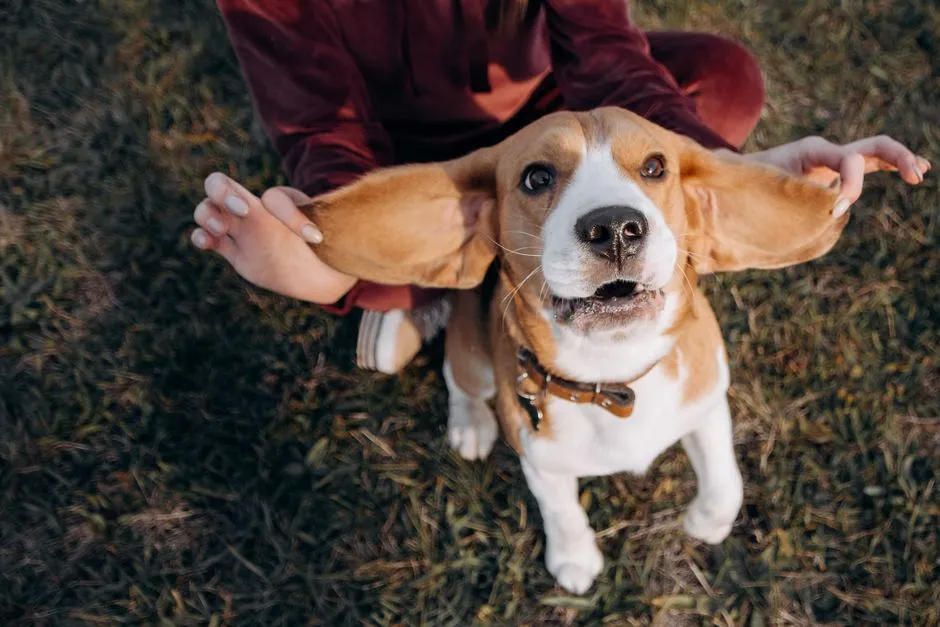
Even before your car is visible at the end of the street, it might already exist in your dog’s world of sound. Dogs hear a wider range of frequencies than humans and can pick up quieter sounds from farther away. The particular mix of engine noise, tire pattern, and even the way you handle the accelerator and brakes can become a unique acoustic signature your dog learns over time.
Many owners assume their dog only reacts when the car is in the driveway, but that is usually because that is when humans finally notice. In reality, your dog may have heard your vehicle a block or two away, long before any person would register it as different from background traffic. By the time your key hits the lock, your dog has already run through an entire emotional build-up, from first detection to full-blown excitement.
How Routine, Habits, And Attachment Shape Anticipation

It is not just senses that explain this; it is also psychology. Dogs are masters of routine, and they thrive on predictable patterns. When you come home around the same time most days, their brain gets used to that schedule and starts to prepare emotionally and physically. If dinner, walks, cuddles, or playtime usually follow your arrival, the anticipation becomes even more intense.
This is where attachment really kicks in. Many dogs form deep bonds with particular people, and those bonds create a powerful motivation to track where that person is and when they might return. To a strongly attached dog, the difference between you being gone and you being on your way back is not just a small detail; it is the emotional high point of their day. That bond makes every tiny cue about your return feel important and worth noticing.
The Science: What Studies Can And Cannot Prove Yet

Researchers have studied how dogs respond to human absence and return, but the science is still catching up with all the stories pet owners tell. Some experiments have looked at whether dogs behave differently depending on how long their person has been away, suggesting that dogs do have some sense of duration. Others have explored their responses to familiar versus unfamiliar car sounds and footsteps, showing that dogs can discriminate with impressive accuracy.
However, there is still debate about exactly how much of this is conscious anticipation versus learned associations and emotional conditioning. Science is careful and slow, especially when dealing with complex behavior that is influenced by biology, environment, and past experience. So while animal science does lend support to the idea that your dog can anticipate your return before your car appears, it also warns us not to oversimplify the story with mystical claims or absolute statements.
When It Feels Psychic But Is Really Deep Connection

From the outside, these behaviors can look almost supernatural. Your dog walks to the door with perfect timing again and again, and it is tempting to say they just sense your presence. But when you break it down into smell, sound, timing, routine, and attachment, a more grounded picture emerges. The explanation might be natural, yet that does not make it any less astonishing or meaningful.
Personally, I find the grounded explanation even more moving. It means your dog has paid such close attention to your life, your patterns, your sounds, and your scent that they have effectively woven you into their inner world. What feels like psychic ability is really the result of a relationship so consistent and so emotionally charged that your return becomes the most predictable, cherished event on their daily timeline.
What This Means For How We See Our Dogs
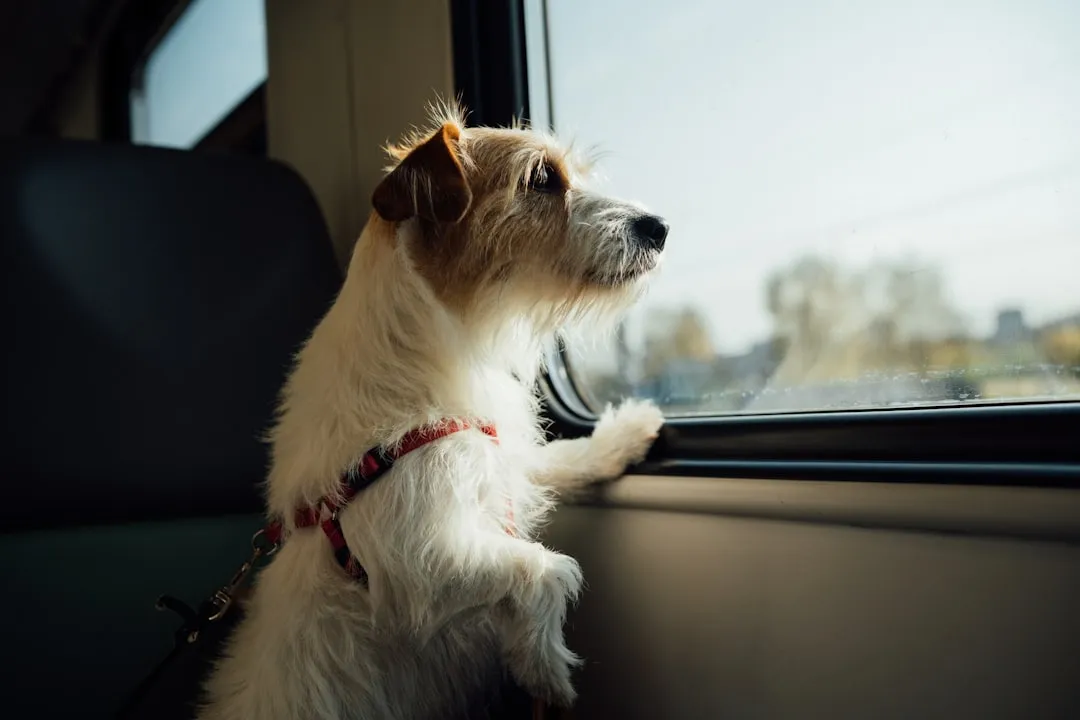
Understanding that your dog probably knows you are coming home before your car appears should change how you think about everyday life with them. You are not just a background character who shows up randomly; you are the central figure in a story your dog is constantly tracking. Every exit and every return are chapters they pay attention to, storing details and building expectations.
In my opinion, the real lesson is that we should take their emotional lives much more seriously. Your comings and goings are not small things to your dog; they are the rough outline of their entire day. The more we respect that, build stable routines, and show up in ways they can depend on, the more we honor that invisible, science-backed bond. In the end, your dog does not need magic to know you are on your way home; they just need you to be the kind of human who is worth waiting for. And honestly, is there a better question than whether we are living up to the way our dogs already see us?

- 9 Things Chickadees Remember About Reliable Backyard Feeders - July 26, 2026
- Animal Science Says Your Dog Knows You're Coming Home Before Your Car Appears - July 26, 2026
- 10 Animals That Sacrifice Their Body Parts To Survive - July 26, 2026