
Somewhere along the way, a few dozen Burmese pythons were released into a Florida swamp, and the Everglades has never been the same. That story captures something true about invasive animals in general: the damage they do rarely announces itself until it’s too late to stop.
Invasive species are altering ecosystems across at a swift pace, outcompeting native wildlife, disrupting food chains, and causing billions of dollars in environmental damage. According to the U.S. Fish and Wildlife Service, invasive species cost the American economy approximately $120 billion annually through damage control, habitat restoration, and lost agricultural productivity. These are not abstract numbers. They translate to collapsed fisheries, vanished mammal populations, eroding coastlines, and forests stripped bare.
What follows is a look at eight of the worst offenders – animals that arrived through the pet trade, ballast water, cargo ships, or simple human carelessness, and then proceeded to rewrite the ecosystems they invaded.
1. Burmese Python
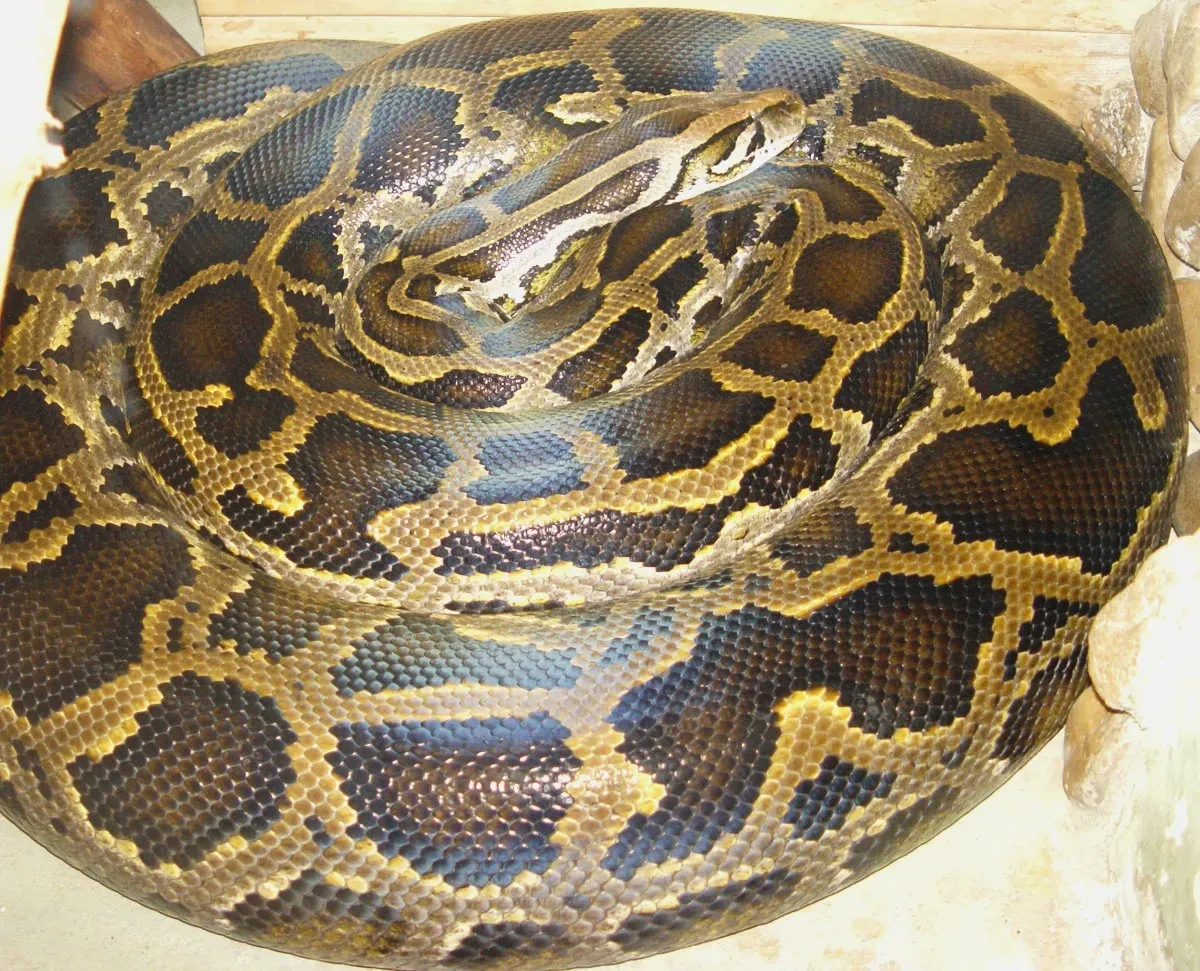
Starting in the 1980s, the swamps of the South Florida Everglades have been overrun by one of the most damaging invasive species the region has ever seen: the Burmese python. These massive snakes, which can grow to 20 feet long or more, have all but decimated the region’s small- and medium-sized mammal population, wreaking havoc within the area’s ecosystem.
Burmese pythons were introduced to Florida in the 1970s as part of the exotic pet trade. Many owners who found it challenging to care for these snakes released them into the wild. Then, in 1992, Hurricane Andrew destroyed a python breeding center, resulting in hundreds more snakes being released.
Severe declines in mammal populations throughout Everglades National Park have been linked to Burmese pythons. A 2012 study found that populations of raccoons had declined 99.3 percent, opossums 98.9 percent, and bobcats 87.5 percent since 1997. Marsh rabbits, cottontail rabbits, and foxes effectively disappeared over that time.
Estimates of python populations range from at least 30,000 to more than 300,000. Their aggressive predation on native wildlife robs panthers, raptors, bobcats, and other native predators of their primary food sources. Control efforts remain ongoing, but eradication at this scale is considered practically impossible.
2. Feral Swine (Wild Hogs)
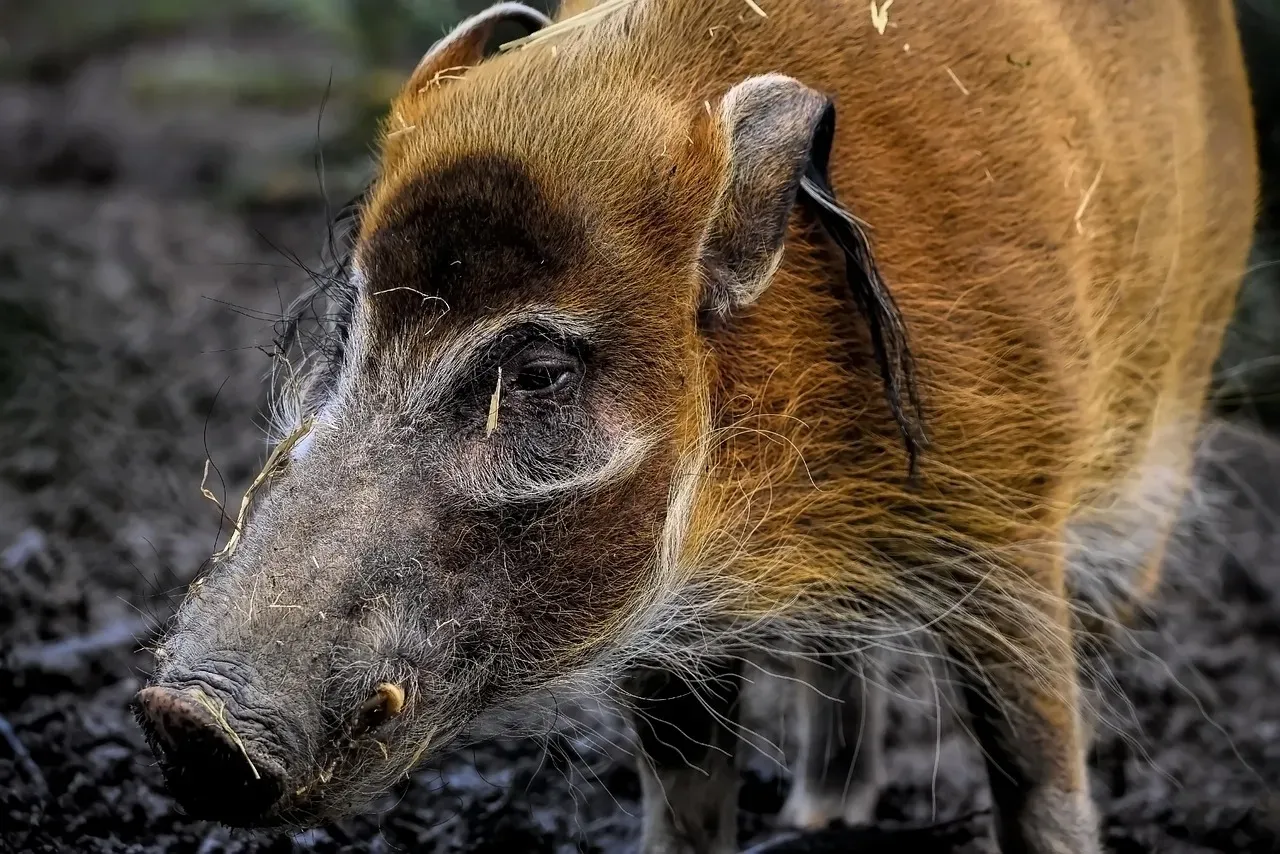
Feral swine represent one of the most destructive invasive species , causing an estimated $2.5 billion in damages annually through crop destruction, disease transmission, and habitat degradation. Their reach spans nearly every state in the country, and their adaptability makes management exceptionally difficult.
These animals have been called the most destructive of all invasive species, and for good reason. Originally transported from Europe to America as a food source, feral swine have since done untold damage by damaging outdoor structures, rendering soil infertile, and eating crops meant to feed humans. They can also do serious damage to people and pets, not only through their aggressive attacks but also through the dozens of diseases and parasites they carry.
These intelligent omnivores adapt quickly to diverse environments, reproduce prolifically with litters averaging 5 to 6 piglets twice yearly, and lack significant natural predators in most American ecosystems. That combination of intelligence and fertility is precisely why control programs consistently struggle to reduce populations in any meaningful way.
3. Invasive Carp (Asian Carp)
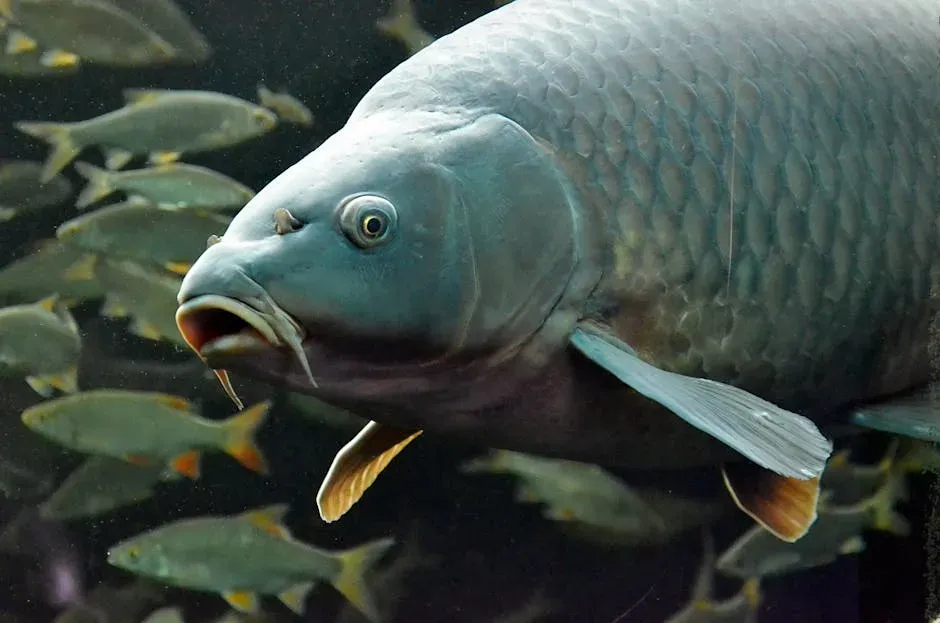
Asian carp threaten freshwater ecosystems across the Mississippi River basin and approach the Great Lakes. These fish include four species: bighead, silver, grass, and black carp. Originally imported in the 1970s for aquaculture pond management, they escaped into waterways and spread rapidly.
Bighead and silver carp compete with native fish by consuming plankton, and once they reach high numbers, they can completely change what a river system can support. The concern around the Great Lakes is especially urgent, given that the region supports one of the most valuable freshwater fisheries on the planet.
More than 15 million pounds of carp were harvested from Kentucky and Barkley lakes in 2024, and more than 74 million pounds have been harvested from these lakes since 2013. Despite those staggering removal numbers, more than 15 million pounds of invasive carp were harvested from Kentucky and Barkley lakes in 2024, yet the species still remains in these waterways. The fish are simply too prolific to eliminate through removal alone.
4. Zebra Mussels
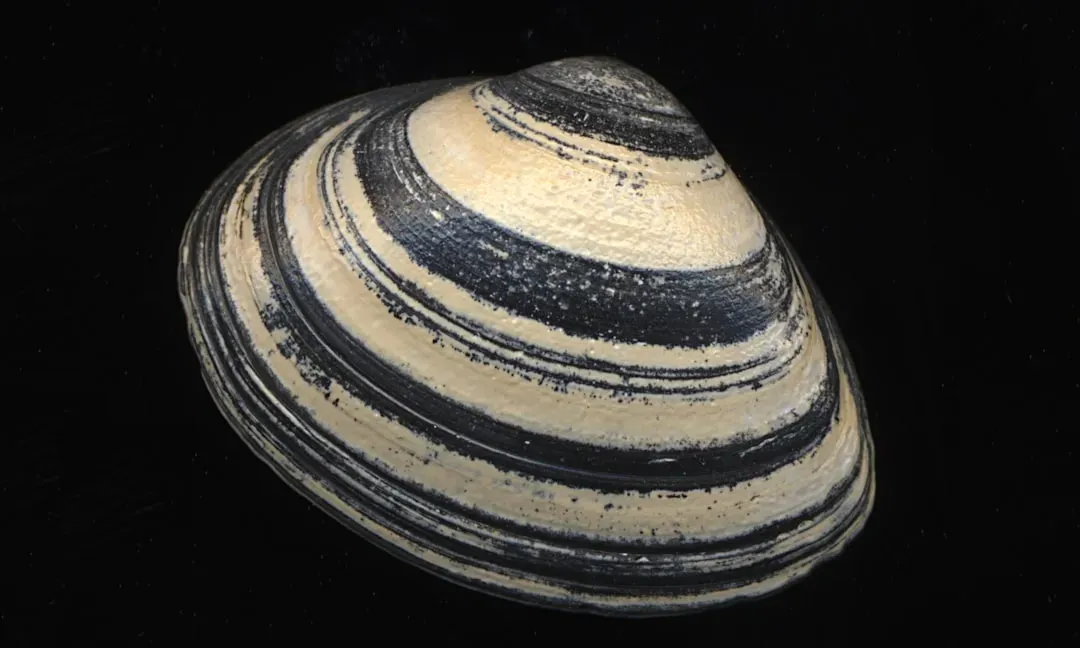
The zebra mussel is a small, non-native mussel originally found in Russia. In 1988, this animal was transported to North America in the ballast water of a transatlantic freighter and colonized parts of Lake St. Clair. In less than ten years, zebra mussels spread to all five Great Lakes.
They have spread to 31 states across the U.S., causing severe ecological and economic damage. These invasive mussels clog water intake pipes, render beaches unusable, and damage boats. They consume massive amounts of algae and plankton that native fish larvae and mussels need to survive.
Zebra mussels cost businesses and communities over $5 billion in the first 10 years after invasion alone. A female mussel is able to produce up to one million offspring per spawning season, and while they grow, they attach very tightly to hard surfaces causing damage to water intakes, filtration equipment, boat hulls and motors, and other personal property. Once established in a water body, removal is considered effectively impossible.
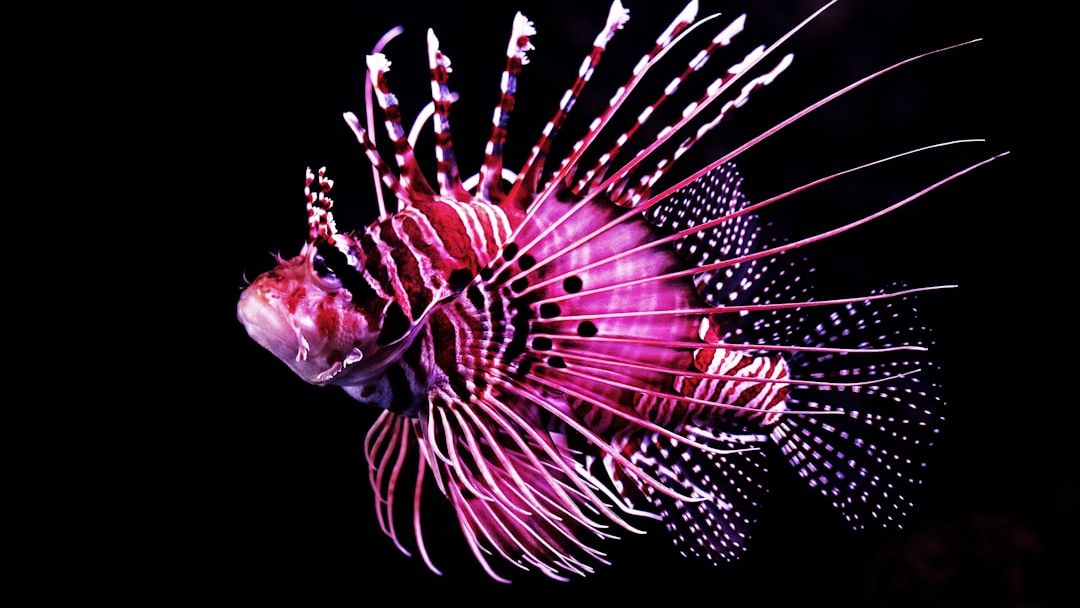
5. Lionfish
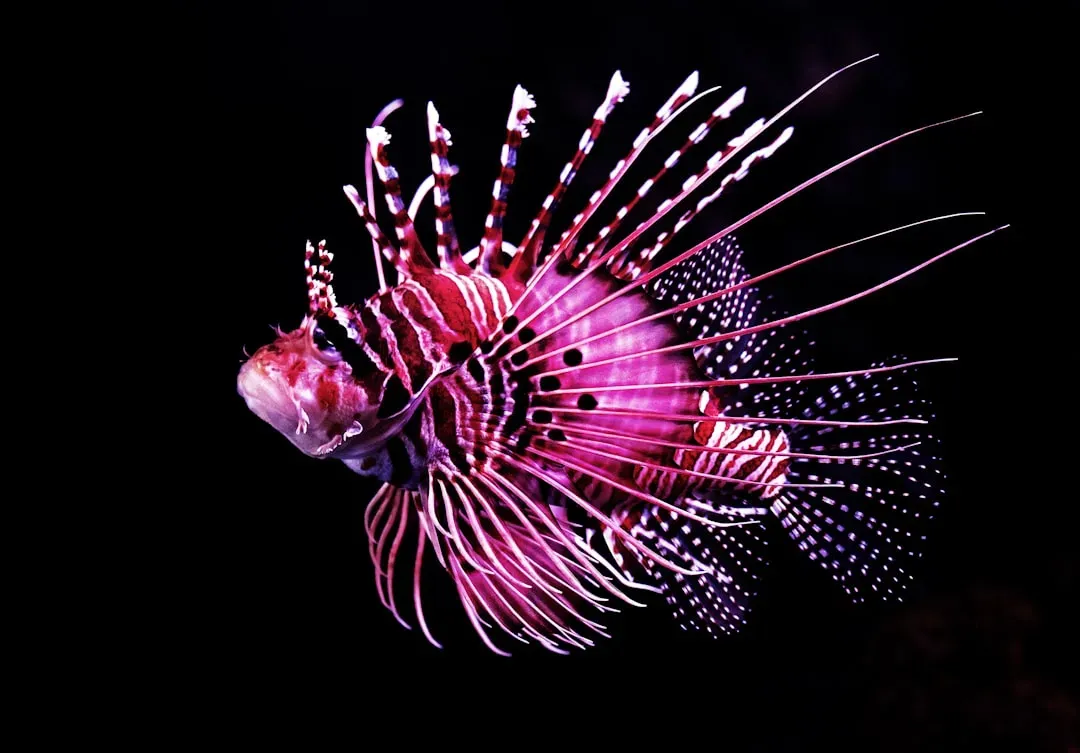
Two species of lionfish are the first marine fishes known to invade and establish self-sustaining populations along the eastern seaboard of the United States. First documented off the coast of Florida in 1985, lionfish are now found along the Atlantic coast of the United States as well as in the Caribbean Sea and Gulf of Mexico.
Today, the National Oceanic and Atmospheric Administration estimates there are over a thousand lionfish per acre in some areas. The population likely grew so rapidly due to a combination of their high reproduction rates – a single female can produce up to 2 million eggs – and lack of predators.
Researchers have discovered that a single lionfish residing on a coral reef can reduce recruitment of native reef fish by 79 percent. Lionfish feed on prey normally consumed by snappers, groupers, and other commercially important native species, meaning their presence could negatively affect the well-being of valuable commercial and recreational fisheries.
As lionfish populations grow, they put additional stress on coral reefs. Lionfish eat herbivores, and herbivores eat algae from coral reefs. Without herbivores, algal growth goes unchecked, which can be detrimental to the health of coral reefs.
6. Nutria
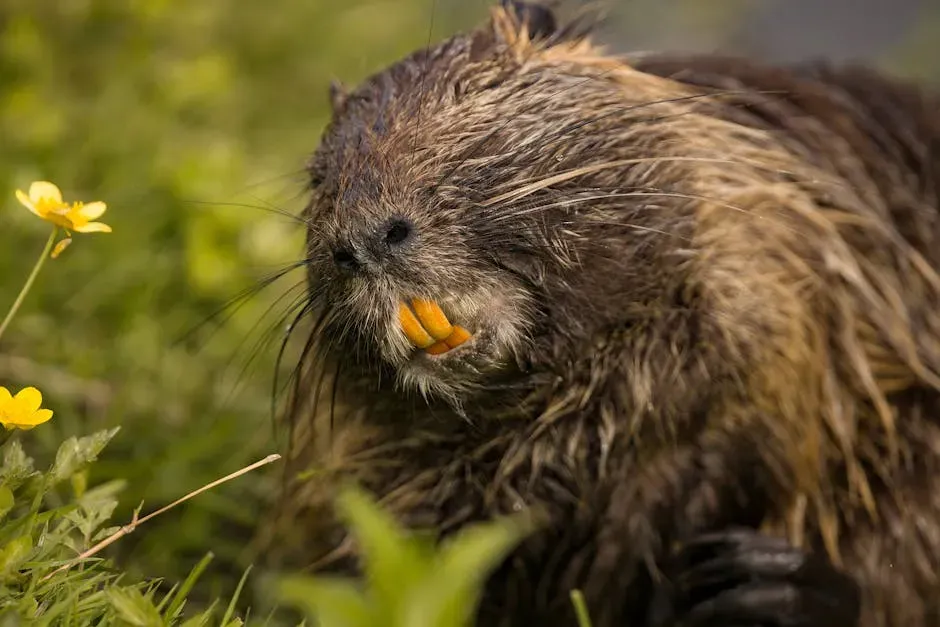
The lone mammalian species threatening the Gulf Coast is a large rodent known as the nutria. This species was brought to Louisiana from South America in hopes of bolstering a domestic fur trade. However, enough of these animals escaped and made their homes in the thousands of coastal bayous and waterways, becoming a problem.
These rats annually damage 100,000 acres of coastal wetlands with their ravenous appetite for aquatic plants, making this already vulnerable region even more susceptible to coastal erosion. Additionally, they are notorious for destroying crop yields.
When they graze vegetation down to roots, the marsh loses structure and erosion accelerates beyond repair, with open water the only future for some of these affected areas. Wildlife habitat is lost and the marsh’s ability to buffer storms is reduced, creating an expensive restoration problem caused by a single animal’s feeding behavior. The state of Louisiana offers $6 per nutria tail delivered to collection centers run by local wildlife and fisheries authorities, with a projected annual goal of harvesting 400,000 nutria annually.
7. European Starling
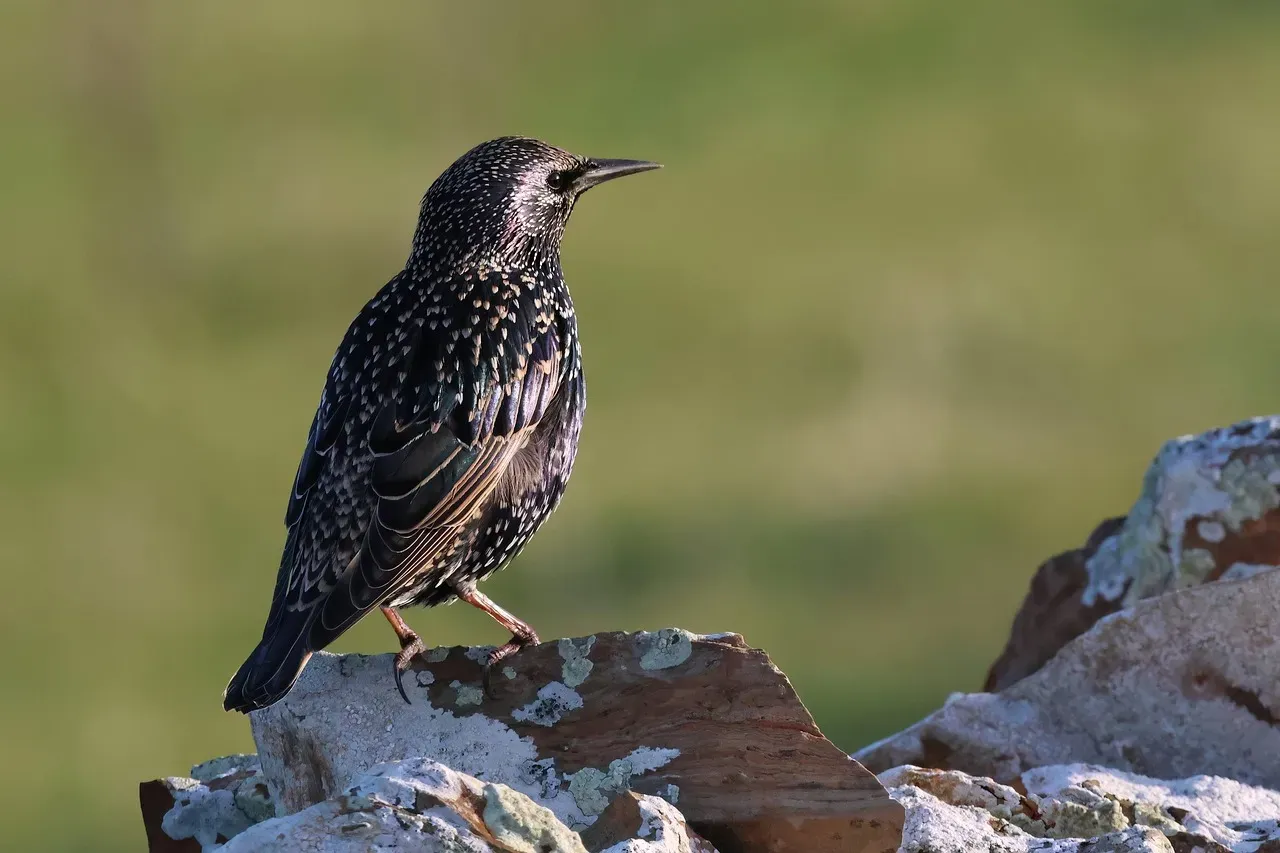
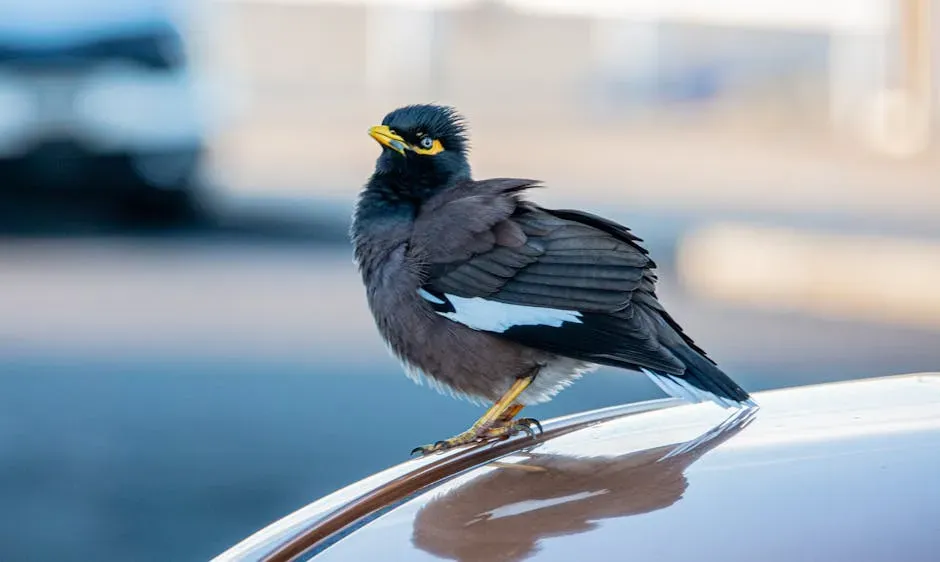
European Starlings were introduced to New York in 1890 when 80 birds were released in Central Park. The population exploded to an estimated 200 million breeding adults across the United States. That is one of the most consequential deliberate introductions in American ecological history, a well-intentioned act that spiraled far beyond what anyone anticipated.
These birds compete aggressively with native species for nesting cavities. They cause widespread crop damage in agricultural areas throughout the country, particularly affecting livestock operations. Cavity-nesting birds like bluebirds and woodpeckers suffer disproportionately, losing nesting sites to starlings year after year.
Starlings move in massive flocks called murmurations – visually spectacular, ecologically disruptive. Their aggressive behavior and sheer population size make them one of the most permanently established invasive animals on this list, with no realistic path toward meaningful control at a national scale.
8. Brown Tree Snake
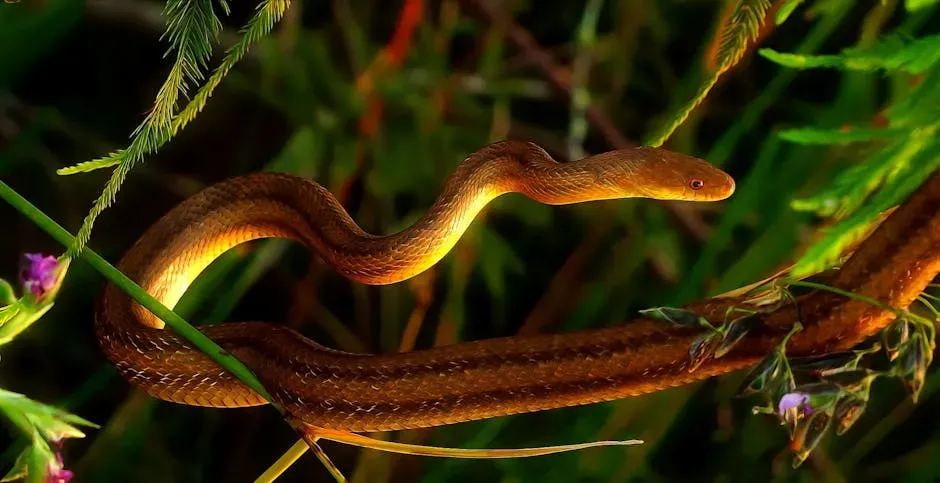
The brown tree snake poses a significant threat to U.S. territories, particularly Guam. This mildly venomous, rear-fanged snake arrived accidentally in the late 1940s or early 1950s, likely through military transports. Since its introduction, the species has decimated Guam’s native wildlife.
Over half of the island’s native bird and lizard species have suffered local extinction. Two of three native bat species have also disappeared. The snake causes frequent power outages by climbing electrical infrastructure.
The American bullfrog and brown tree snake have collectively caused $16.3 billion in global damage since 1986. In addition to ecological harm, the invasive pair have ruined farm crops and triggered costly power outages. Hawaii fears the brown tree snake most; if it ever gets there, the damage could reach $1.7 billion annually. Biosecurity measures at airports and ports in Hawaii and across the Pacific remain in place specifically because of this snake’s track record on Guam.
The Bigger Picture
A four-year assessment by 86 researchers from 49 countries found that economic costs from invasive species now total at least $423 billion every year globally, with invasive species playing a key role in 60 percent of recorded plant and animal extinctions. The United States carries a disproportionate share of that burden.
Many were introduced accidentally, while others arrived through trade, travel, or well-intentioned human decisions that had negative consequences. Many invasive species were introduced intentionally for biological control, hunting, or as escaped pets before becoming ecological problems. Prevention, not reaction, is what experts consistently identify as the most cost-effective approach.
Warmer temperatures under climate change are expected to further drive the expansion of invasive species. That means the challenge isn’t static – new ranges are opening up, and species that were once regionally contained are finding footholds where they previously couldn’t survive.
The honest conclusion is uncomfortable. Several of these animals are now so deeply embedded in American ecosystems that full eradication is off the table. What remains is management, monitoring, and the harder work of preventing the next wave. The python was once a pet. The starling was once a romantic gesture. The mussel arrived in a ship’s ballast tank without anyone noticing. In most cases, the moment of introduction was unremarkable – it was everything that came after that wasn’t.

- 12 Common Mistakes Pet Owners Make That Can Harm Their Beloved Animals - July 19, 2026
- Why Mangroves Are Vital to Florida’s Coast - July 19, 2026
- How Did Reindeer Become a Symbol of Christmas? - July 19, 2026