
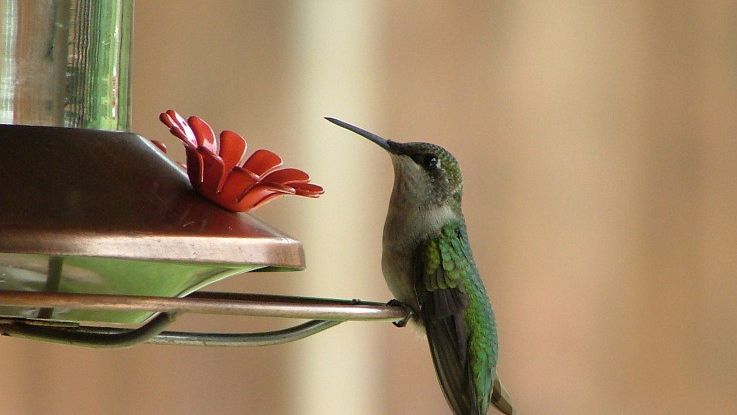
Few backyard rituals feel quite as rewarding as watching a hummingbird zip in, hover for a split second, and dip its beak into a feeder you’ve carefully set out. These tiny birds move with a kind of concentrated energy that’s genuinely hard to look away from. Getting their visit right, though, requires more care than most people realize.
No one puts up a hummingbird feeder thinking it will do more harm than good. Small mistakes, however, can snowball into big problems for hummingbirds if you’re not careful. From what you put in the feeder to where you hang it, every detail matters more during the heat of summer. Here are twelve of the most common mistakes to steer clear of this season.
Using the Wrong Nectar Ingredients
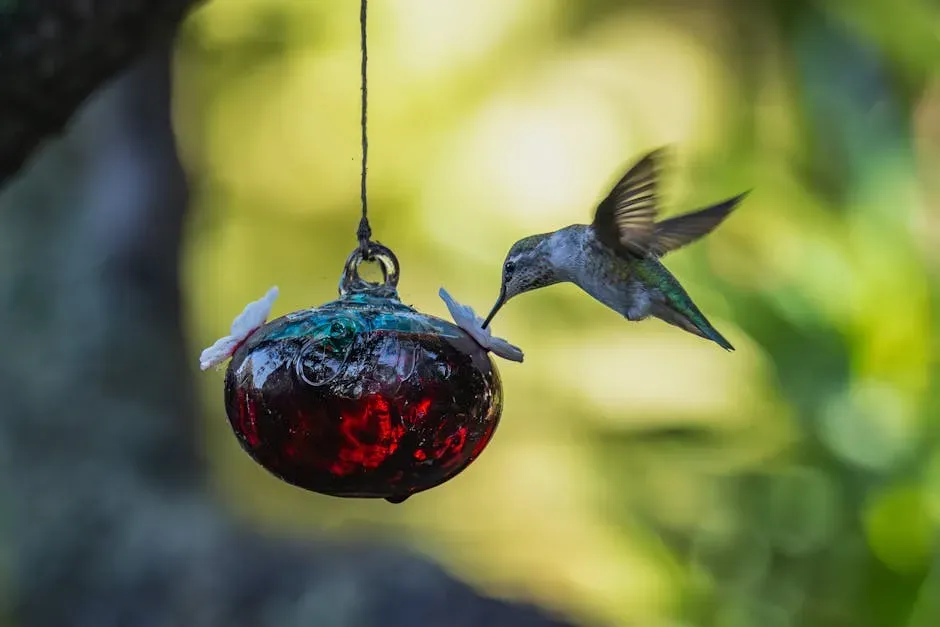
You don’t need fancy ingredients for hummingbird feed. Plain white sugar and clean water work perfectly, and getting creative with your bird feeder ingredients will cause hummingbirds to eat what they shouldn’t, or avoid your feeder completely.
Honey and brown sugar can both be harmfully sticky, and brown sugar contains molasses which can hurt hummingbirds because of its high iron content. Many fruit juice blends feature artificial sweeteners that offer no benefits for these birds. Honey’s sticky consistency is especially dangerous to hummingbirds as it can act like a glue if it gets caught on their tongues and potentially weld their bills shut.
Getting the Sugar-to-Water Ratio Wrong
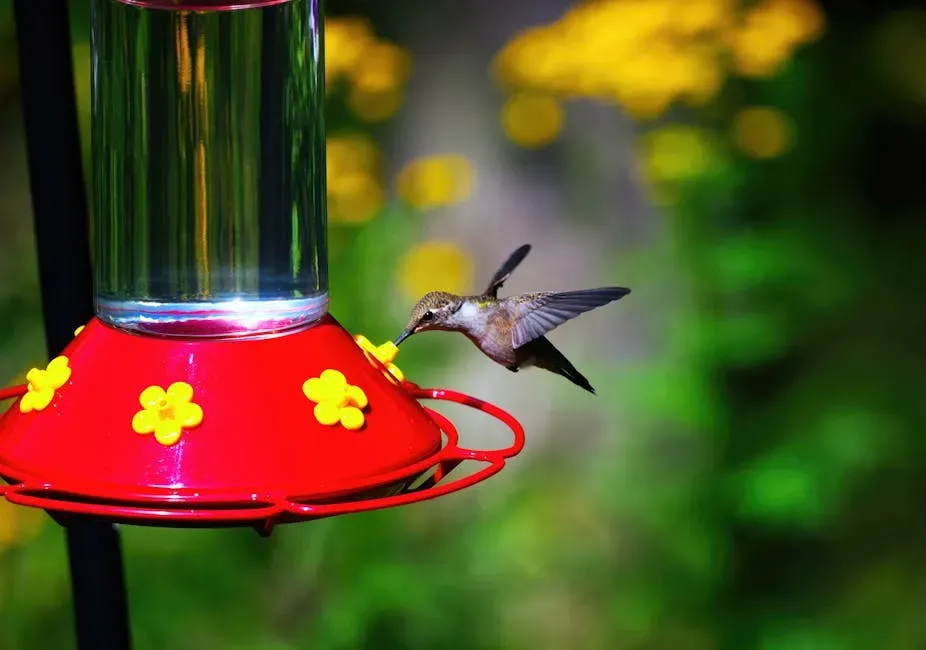
The most common beginner mistake is creating the wrong sugar water mix. Getting the right ratio can be tricky, but it becomes second nature with practice. The correct approach is one part sugar to four parts water.
Too little sugar won’t appeal to hummingbirds, while too much sugar makes the mixture too thick and syrupy. Make sure you double check your math when prepping the hummingbird nectar, especially if you’re prepping a larger batch. It may be easiest to start with the sugar amount and then multiply by four rather than starting with the water amount and dividing.
Adding Red Dye to the Nectar
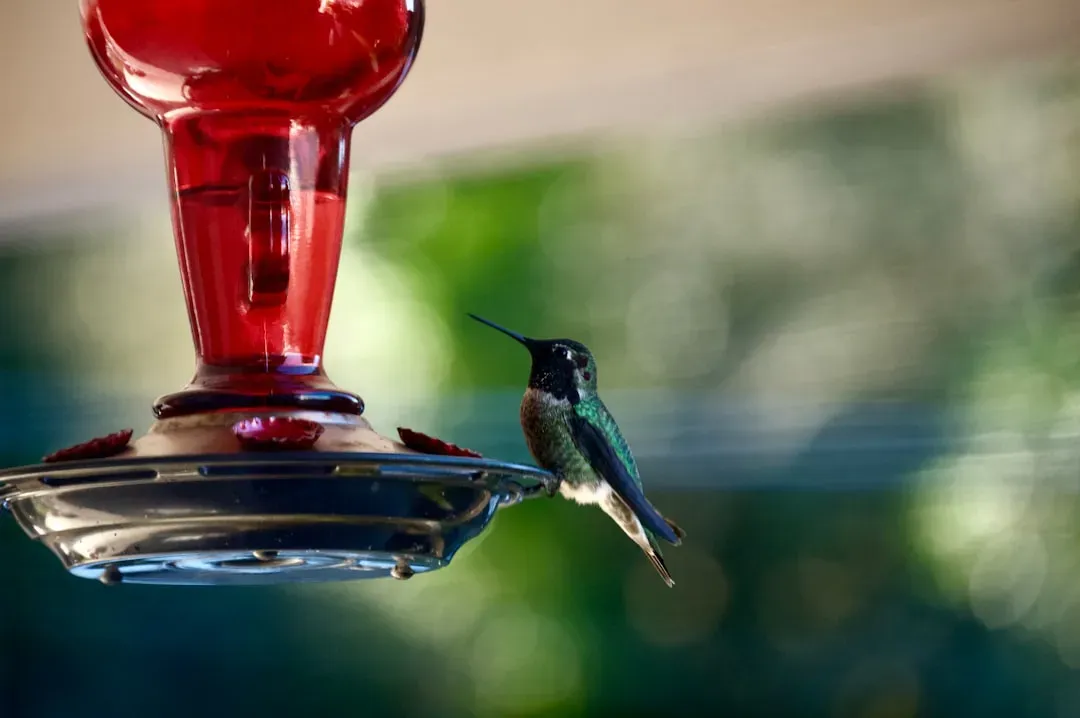
Although hummingbirds are attracted to red color, you should refrain from adding red dye to your homemade sugar nectar or purchasing pre-made nectar with red dye. Most feeders are already red, so it’s not necessary to add red dye to attract the birds, and red dye is potentially harmful to these beautiful winged creatures.
Nectar in flowers is clear, and red food coloring may be harmful for hummingbirds. It’s the flowers that are brightly colored, not the nectar, and that’s why hummingbird feeders are typically designed with red parts to attract the attention of hummingbirds. The artificial ingredients in red food coloring can hurt hummingbirds by promoting the growth of tumors on their bills and liver.
Letting Nectar Sit Too Long in Summer Heat
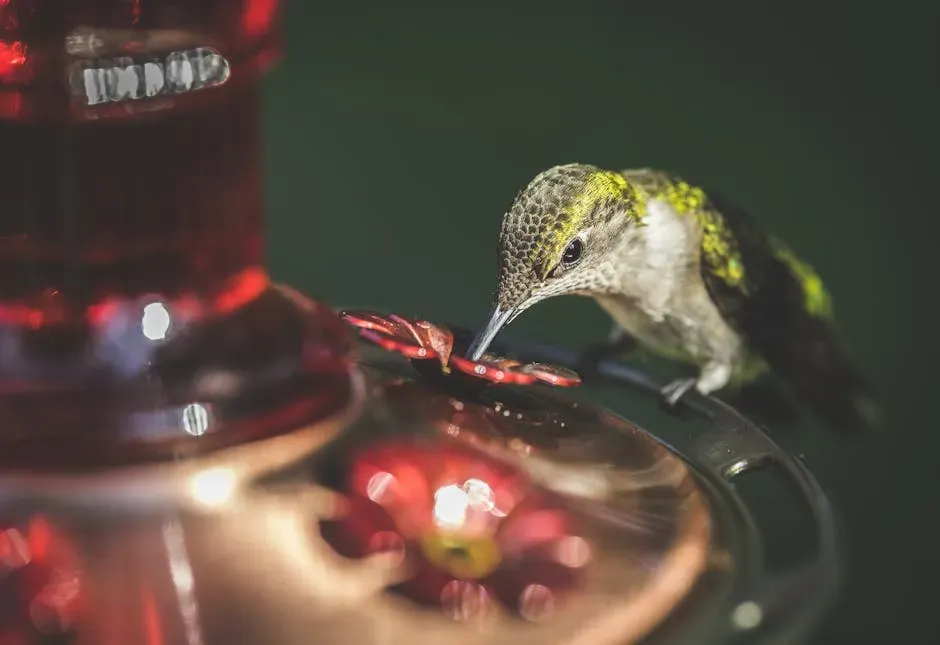
Hummingbirds have a keen sense of taste and will abandon a feeder if the nectar has begun to ferment. In temperatures above 80°F, sugar water can turn toxic in just two to three days.
During the heat of summer, nectar must be replaced every four to five days at minimum. In hot weather, the feeder should be emptied and cleaned every day or every other day. If you notice nectar turning cloudy, replace it immediately. This is one of those details that seems minor until you notice your feathered visitors have quietly stopped coming.
Skipping Regular Feeder Cleaning
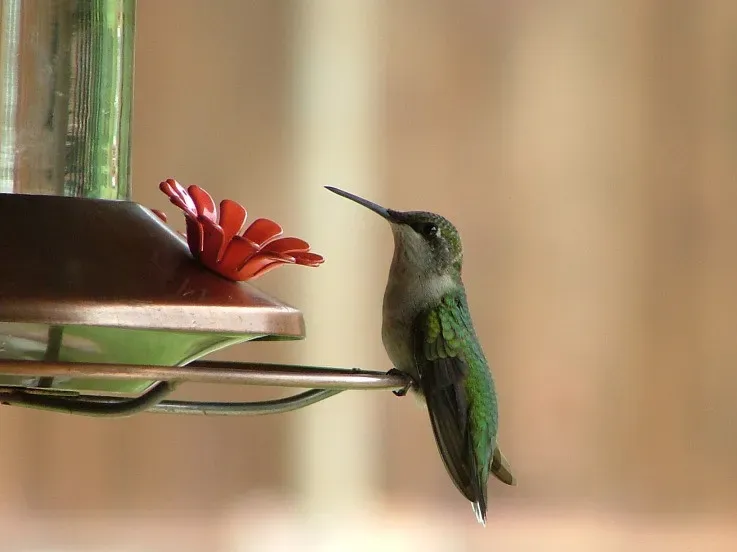
Homeowners frequently make the mistake of simply refilling feeders rather than learning how to properly clean them. If you want to make your backyard a welcome habitat for hummingbirds instead of a breeding ground for bacteria and disease, it’s vital to maintain feeders.
Black mold can build up both where you can see it on the outside of the feeder, but also on the inside where it is out of sight. Birds who regularly come into contact with this black mold can die a slow, miserable death of starvation because the mold can cause their tongues to swell to the point that they can no longer get nourishment. At least once a month you should soak feeders in a bleach solution before rinsing thoroughly, as sterilizing the feeder helps avoid fermentation, mold, or fungus that can harm hummingbirds.
Placing the Feeder in the Wrong Spot
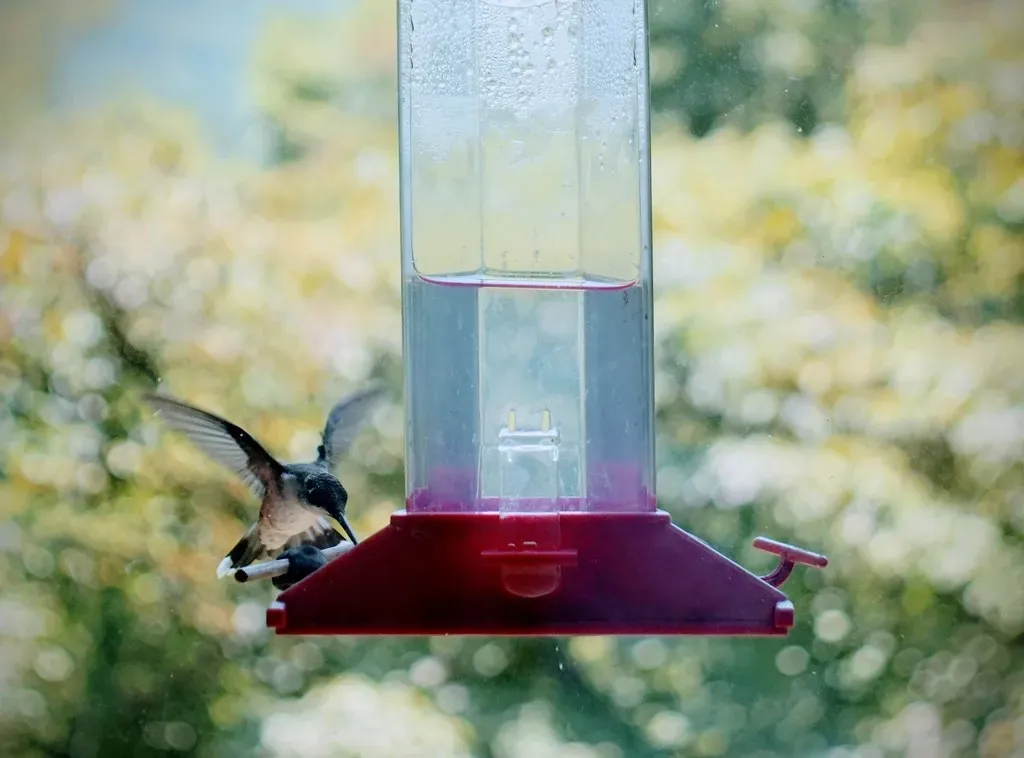
Position your feeder in an area with shade, especially one that gets afternoon shade to protect it from the hottest temperatures. Nectar can spoil quickly on hot days, and if a feeder is in full sunlight all day long, it may not be suitable for hummingbirds for more than a day or two.
Proper hummingbird feeder placement should be at least four feet off the ground and away from tree trunks, retaining walls, or steps where roaming cats and other predators can lurk and capture hummingbirds. Hummingbirds won’t visit a feeder if they feel vulnerable to predators, and they prefer feeders placed within ten to fifteen feet of a safe zone, such as a tree or large shrub.
Hanging the Feeder Too Close to a Window
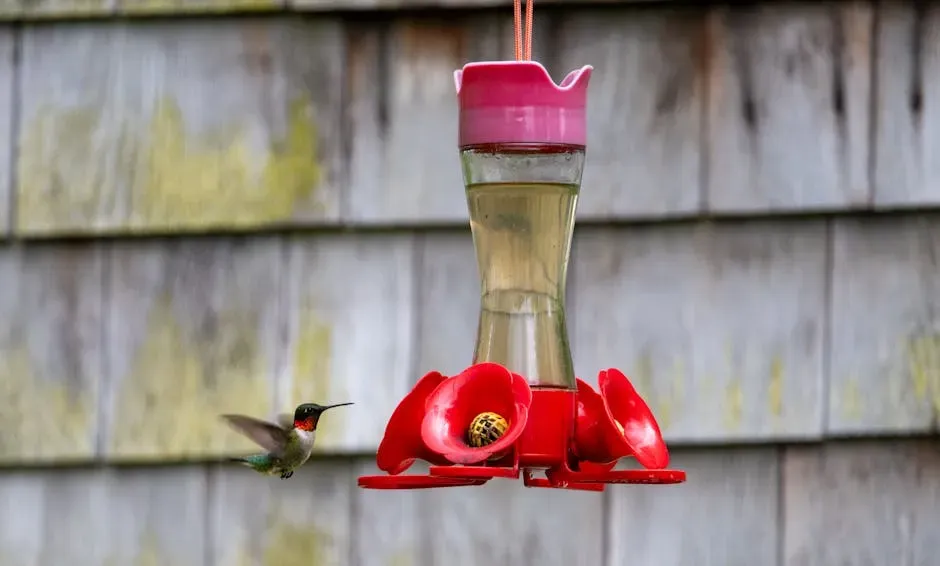
If you put your hummingbird feeder too close to a window, your feathered visitors could crash into the glass. Window collisions are a serious and sadly common hazard for hummingbirds, whose speed and agility can actually work against them in that split-second moment of confusion.
Window collisions are one of the major killers of hummingbirds, so place the feeder at least 25 feet from the window, or adjacent to the window, not in between. That small shift in placement can make a genuine difference for the birds visiting your yard .
Only Putting Out One Feeder
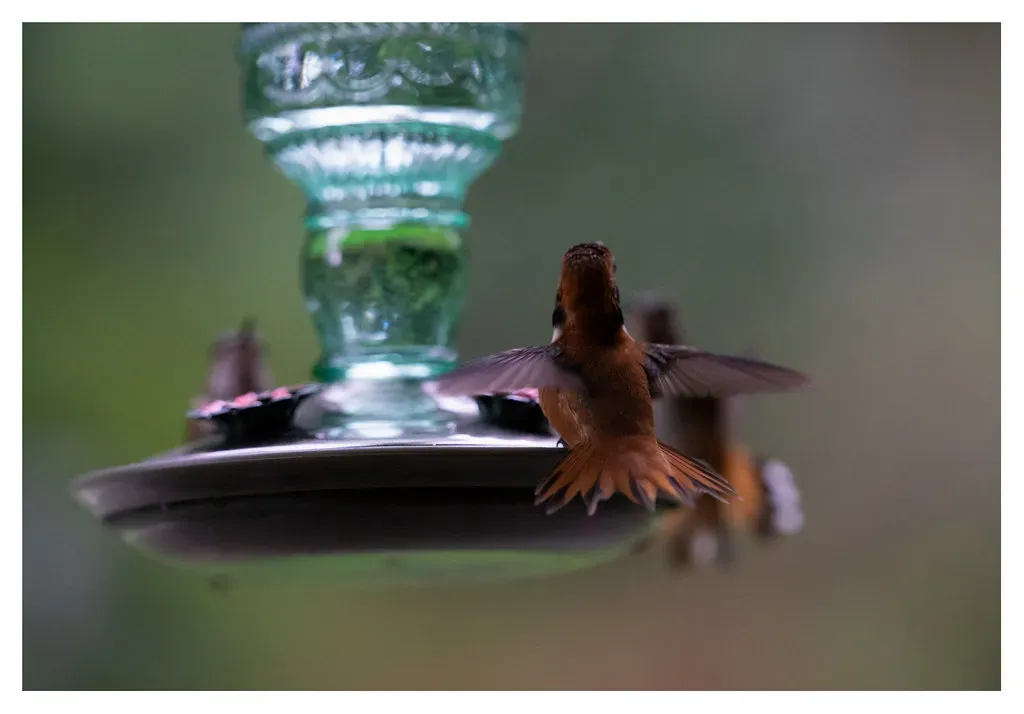
It’s no secret that hummingbirds can be very territorial. If you’re only setting out one sugar water feeder, a single bully hummingbird might wind up hogging the whole thing, leaving the rest of the hungry hummers in your backyard to look elsewhere.
A super-sized feeder with several nectar ports might attract more hummingbirds, especially more mild-mannered females. Unfortunately, males in particular can be fiercely territorial, and one alpha male hummingbird can claim a feeder and doggedly chase all others away. Consider more than one feeder and place them in different locations.
Ignoring Ants and Bees at the Feeder
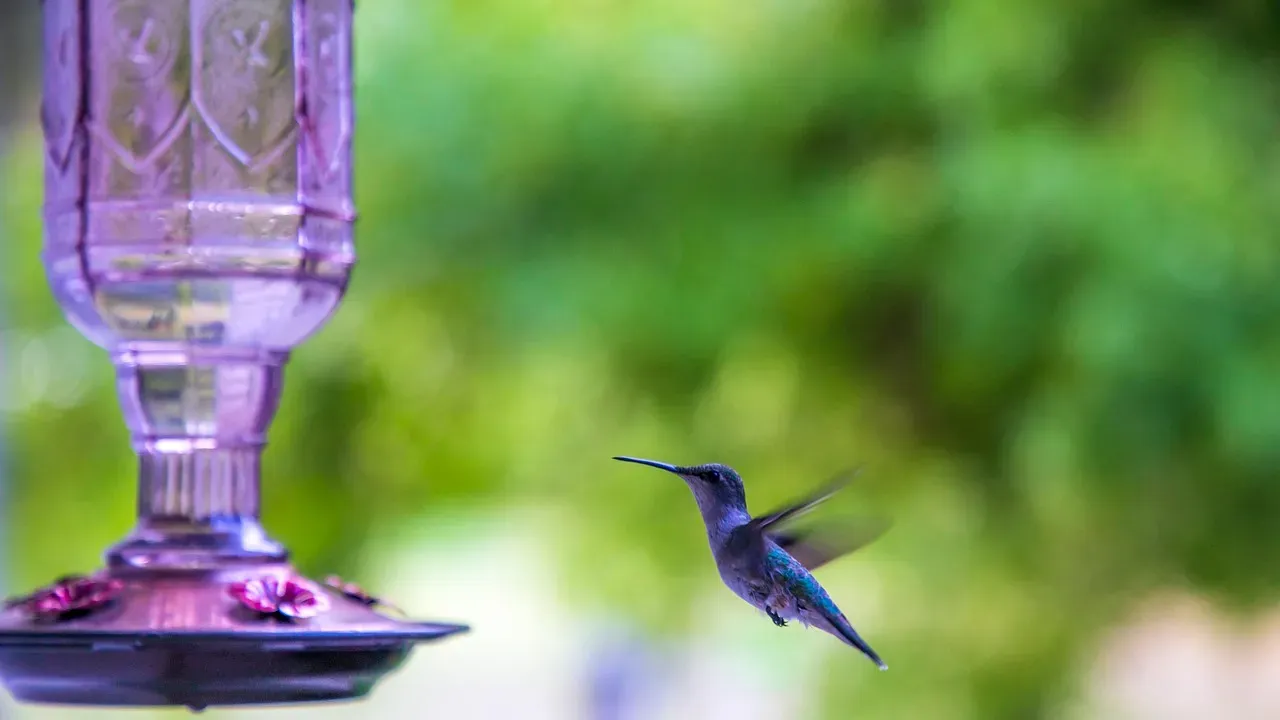
Although hummingbirds do eat insects, they do not eat ants. The presence of ants on your hummingbird feeder can prevent them from using it, or the ants may enter the feeder and contaminate the nectar, which can be harmful to hummingbirds.
Bees love sugar water and can sometimes get stuck in the feeder, blocking the hummingbirds’ feeding station. A bee guard looks like a little cage placed over the feeding ports, making it impossible for even small bees to get inside. An ant moat attaches to the feeder’s hanger, and when you fill the cup with water, it stops ants from crawling down and invading the hummers’ food source.
Choosing a Feeder That’s Difficult to Clean
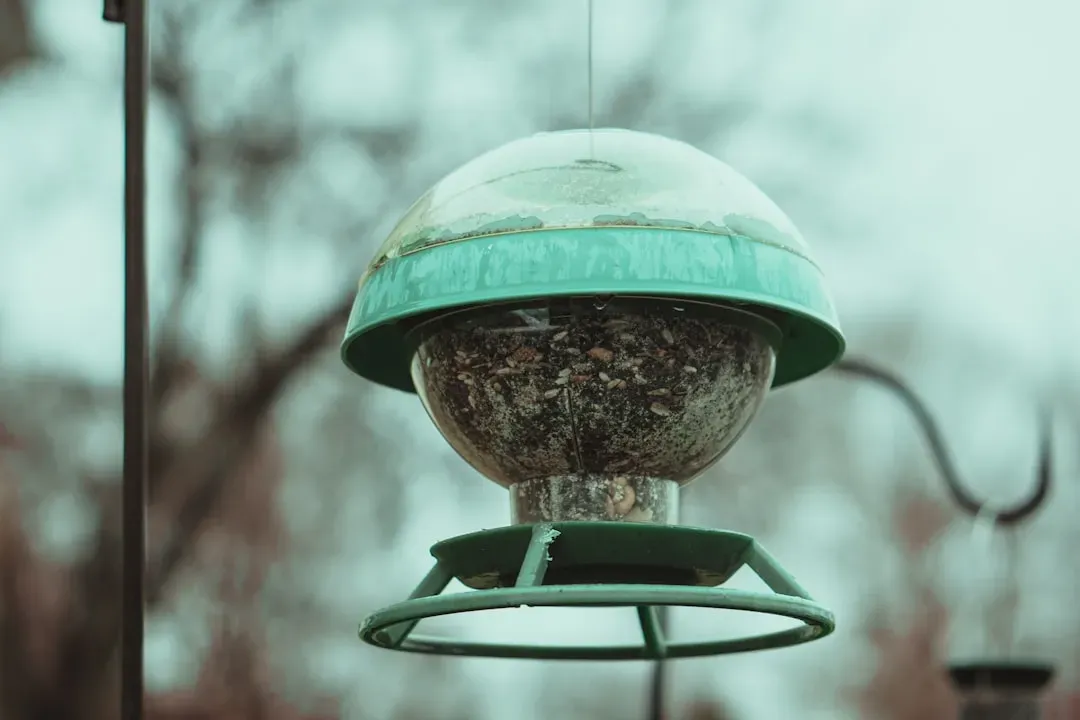
Many feeders on the market are poorly designed, with small openings or parts that don’t come apart. Lots of artsy, beautiful feeders fall into this category, especially ones made from blown glass. A feeder that looks gorgeous on a porch may be doing far more harm than good if you can’t properly scrub the inside.
The key when choosing a feeder is clean-ability. Get a design that is easy to clean so that your backyard visitors stay healthy. If you don’t have time or aren’t willing to clean and refill the feeders every two or three days during the hot summer months, it’s better not to put them out at all.
Relying Solely on Feeders Without Any Plants
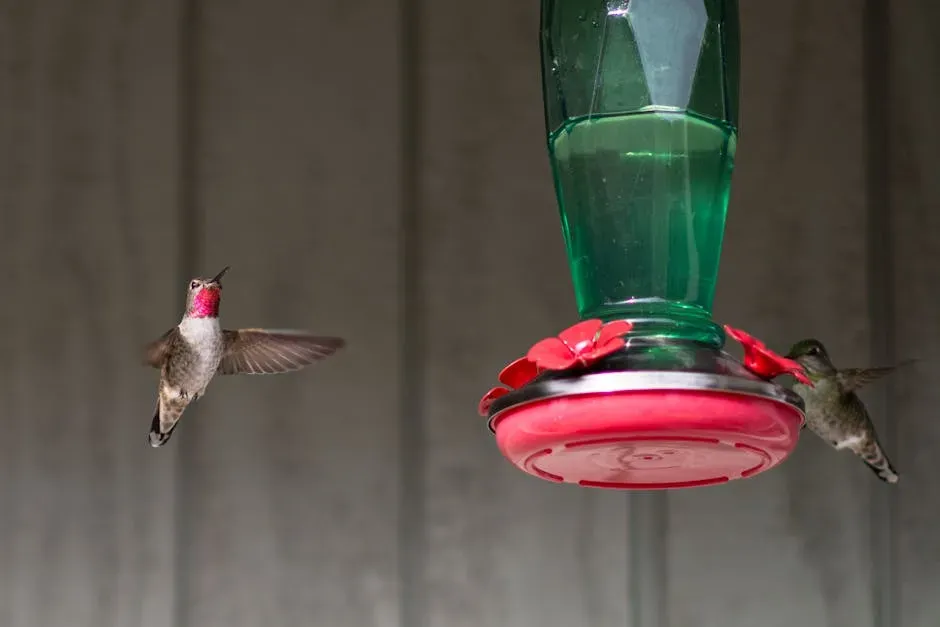
While native flowering plants are the best source of nectar for hummingbirds, supplementing with a well-tended sugar-water feeder can provide additional sustenance during nesting season and migration. A feeder alone, without any natural surroundings, is a much less appealing destination for these birds.
Hummers are more likely to visit your yard if, in addition to offering a feeder, you also plant flowers that they like. They’re attracted to the color red, and flower nectar is a valuable food source for them. Relying solely on feeders and neglecting natural food sources is a mistake that limits hummingbirds’ dietary variety.
Giving Up Too Quickly
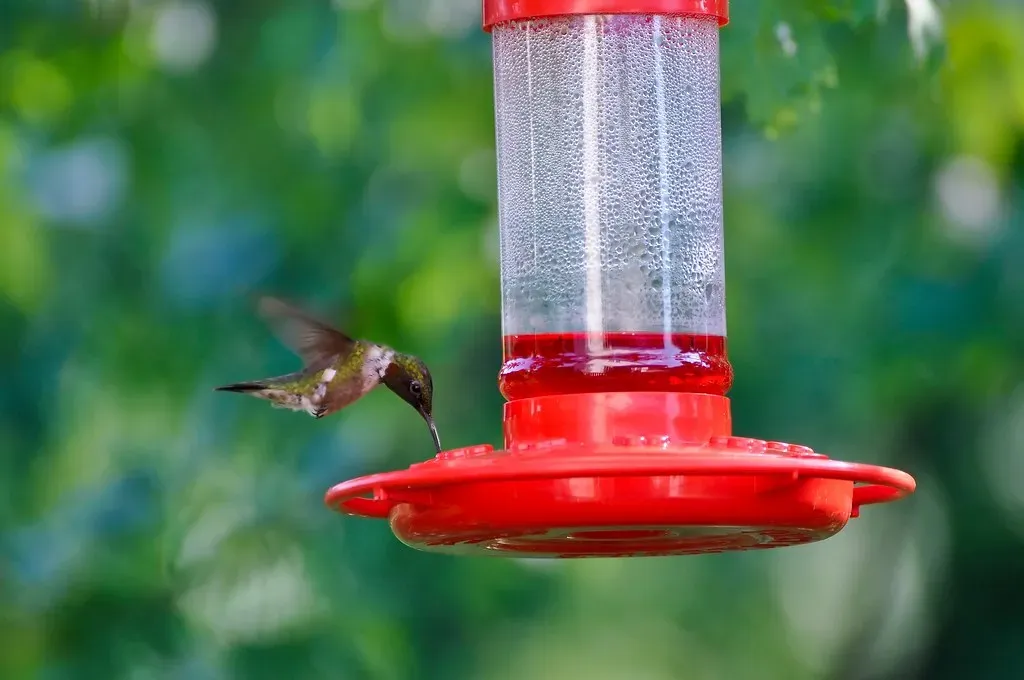
Attracting hummingbirds takes time and consistency. They are creatures of habit and will take time to discover new food sources. If your yard isn’t already on their established flight path, it may take a while for them to find your feeder.
If you just put your feeder out, it can take two to six weeks for local hummingbirds to find it and add it to their daily route. If you set your feeder out too late in the spring, birds may have already established their territories elsewhere. Stay consistent. If you let the feeder go dry once, they may strike your yard off their list for the rest of the season.
Conclusion
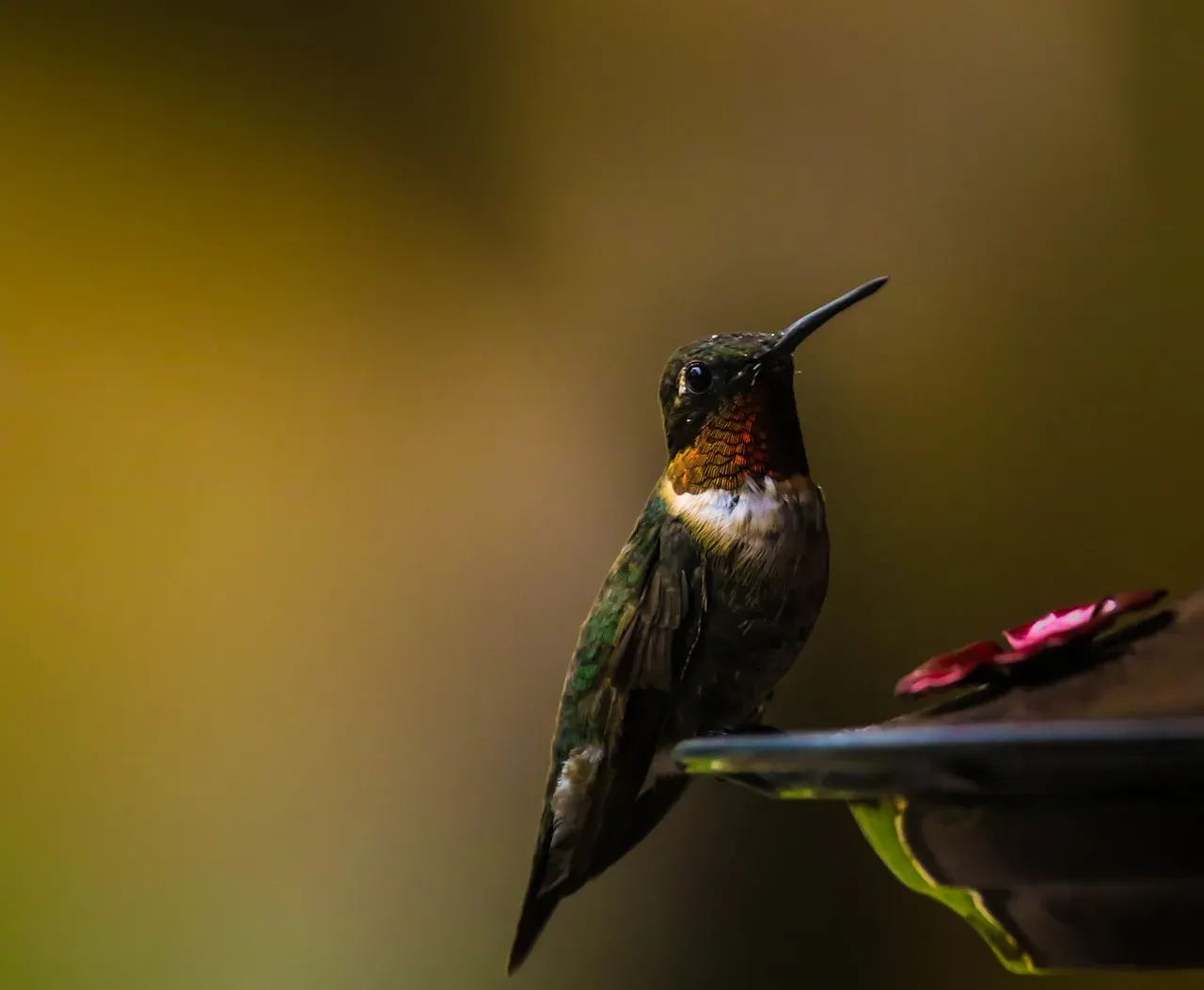
Hosting hummingbirds well is less about expensive equipment and more about consistent, thoughtful habits. Clean feeders, the right nectar ratio, smart placement, and a little patience go further than any elaborate setup ever could.
Most of the mistakes on this list are easy to correct once you know about them. The birds themselves will tell you when something’s off; they simply stop showing up. Getting these basics right not only keeps hummingbirds safe, it keeps them coming back all summer long.
There’s something genuinely grounding about caring for wild visitors, even in a small way. The effort you put into your feeder this season is a quiet investment in something worth protecting.

- 14 Quiet Signs Your Dog Knows Its Time Is Near and Wants You Close - July 22, 2026
- 10 Falcon Facts That Will Blow Your Mind - July 22, 2026
- 5 Incredible Migratory Journeys Animals Make Every Year - July 22, 2026