
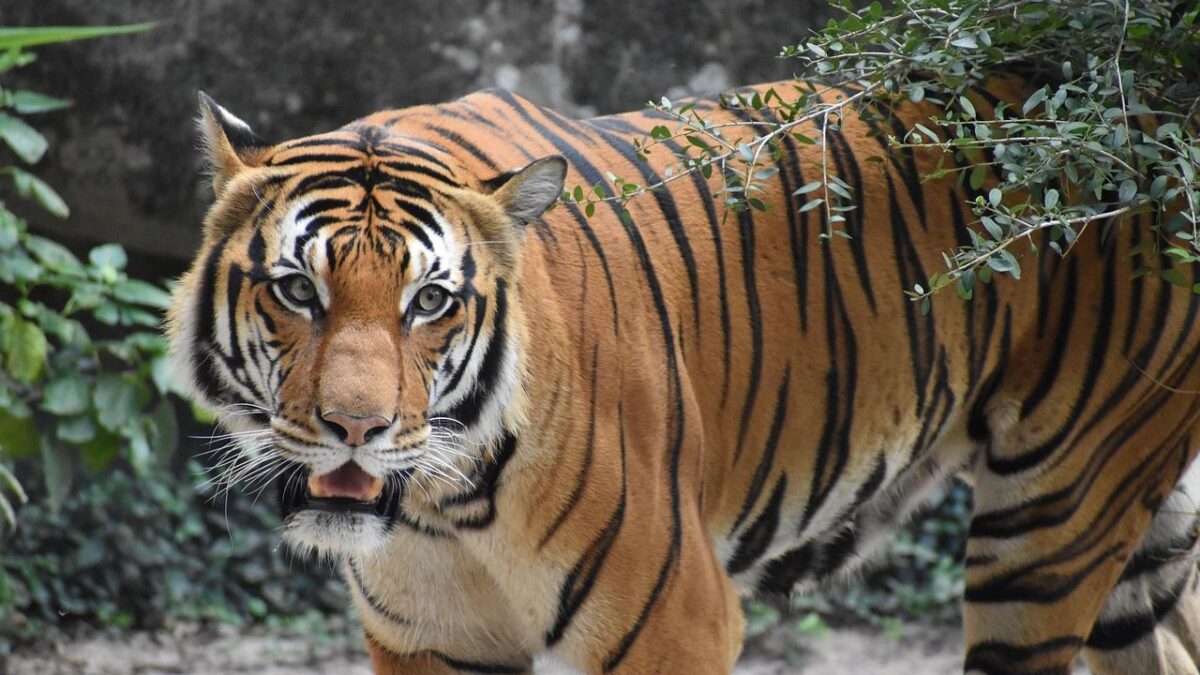
There is something quietly fascinating about an animal that has no need for company. While lions earn their fame through the spectacle of the pride, the tiger moves through the world almost entirely alone, and does so not out of limitation, but out of evolutionary precision. Every instinct, every physical adaptation, and every behavioral pattern the tiger carries has been shaped over millions of years to support a life of magnificent independence.
Most people know tigers are solitary. Fewer people understand just how deeply and specifically that solitude is wired into everything they do. From the way they mark a boundary to the way they see in darkness, the tiger is built for one. These twelve traits explain why.
They Are Hardwired for Lone Living From Habitat Itself
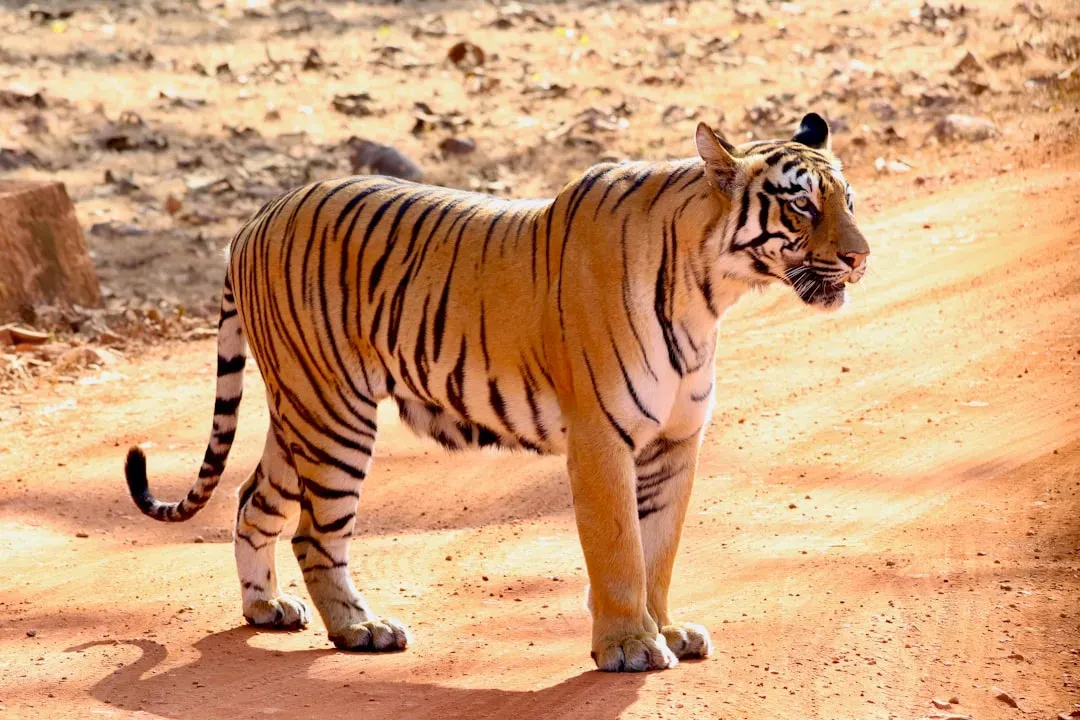
Forest habitats are not optimal for group communication, offering reduced visual contact between individuals. Scattered prey is insufficient to support large groups, and lone individuals experience lower competition for food. These ecological realities are not coincidental. They are the very pressures that made solitary living the dominant strategy for tigers across Asia.
Dense forests and heterogeneous habitats in Asia disperse prey such as deer, wild boar, and smaller ungulates more thinly and unpredictably. A solitary, wide-ranging strategy minimizes intra-species competition for these patchily distributed resources.
This stands in sharp contrast to lions, whose open savanna environment concentrates prey predictably. The tiger’s forest home essentially demanded that it go it alone, and natural selection obliged.
Their Vast Territories Are Designed for One Occupant
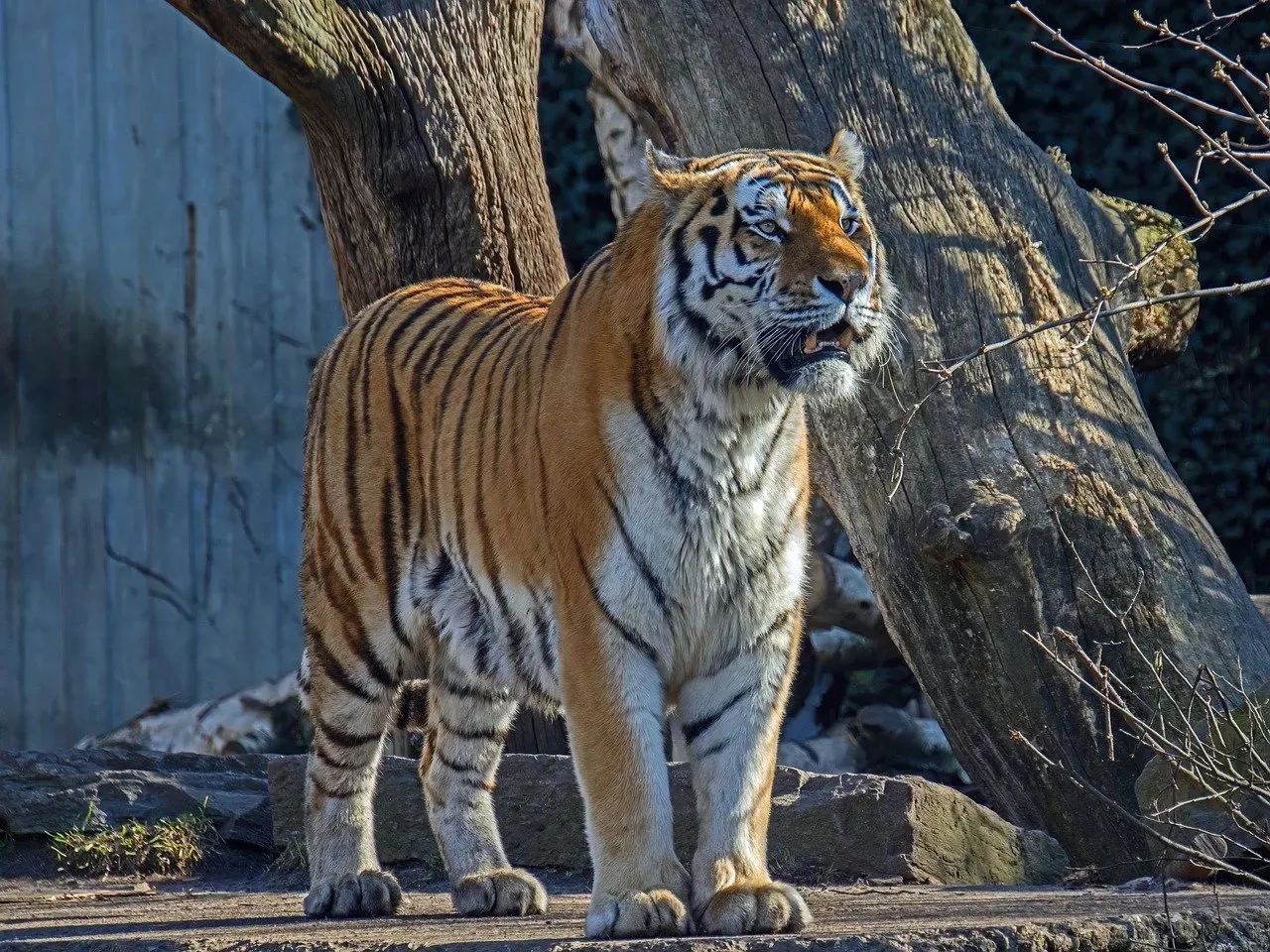
Adult tigers lead largely solitary lives within home ranges or territories, the size of which mainly depends on prey abundance, geographic area, and the sex of the individual. The sheer scale of these ranges makes constant social contact practically impossible.
In Ranthambhore, India, where prey concentrations are high, male tigers have territories ranging from 5 to 150 square kilometers. In Siberia, where prey concentrations are much lower, male tiger territories range from 800 to 1,200 square kilometers.
This isolation is a survival necessity driven by the sheer size of the animal and its corresponding energy requirements. Maintaining a large body mass requires vast amounts of food, which in turn demands an enormous, protected hunting ground. Sharing that ground would mean starvation for both parties.
Their Scent-Marking System Replaces Social Contact
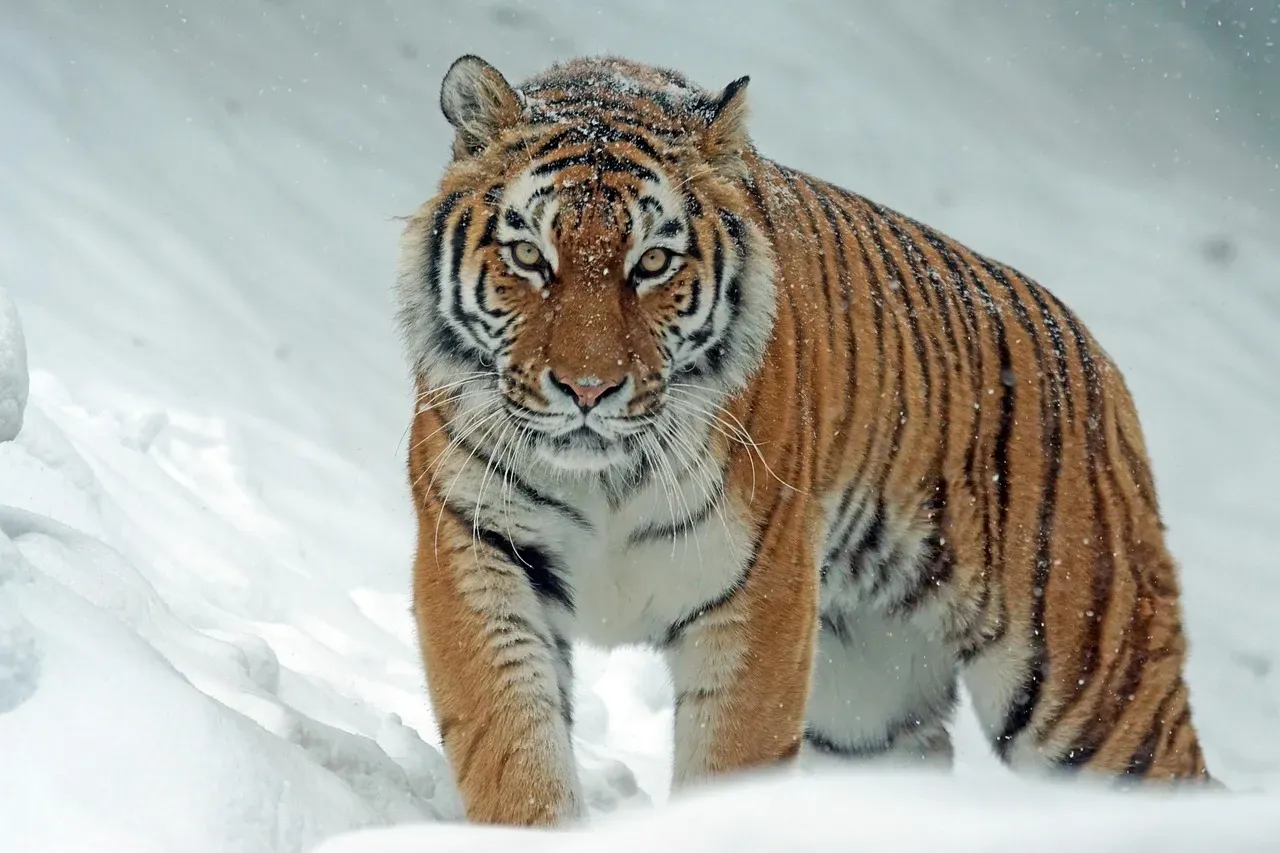
Despite their solitary nature, communication is a very important part of tigers’ behavioral ecology. They communicate through vocalizations such as roaring, grunting, and chuffing, and through signals such as scent marking and scratches on trees. Tigers are fiercely territorial animals, so these signals are particularly important to communicating where one tiger’s home range ends and another’s begins.
The scent marks contain pheromones and other chemical compounds that communicate information about the tiger’s identity, sex, age, and reproductive status to other tigers. It is, in effect, a social network that functions without any actual socializing.
Tigers marked more heavily at territorial boundaries than in the interior of territories, and in border areas marks were highly clumped at contact zones where major routes of travel approached territorial boundaries. This precision makes unplanned encounters relatively rare.
They Are Masters of the Stalk-and-Ambush Hunt, Alone
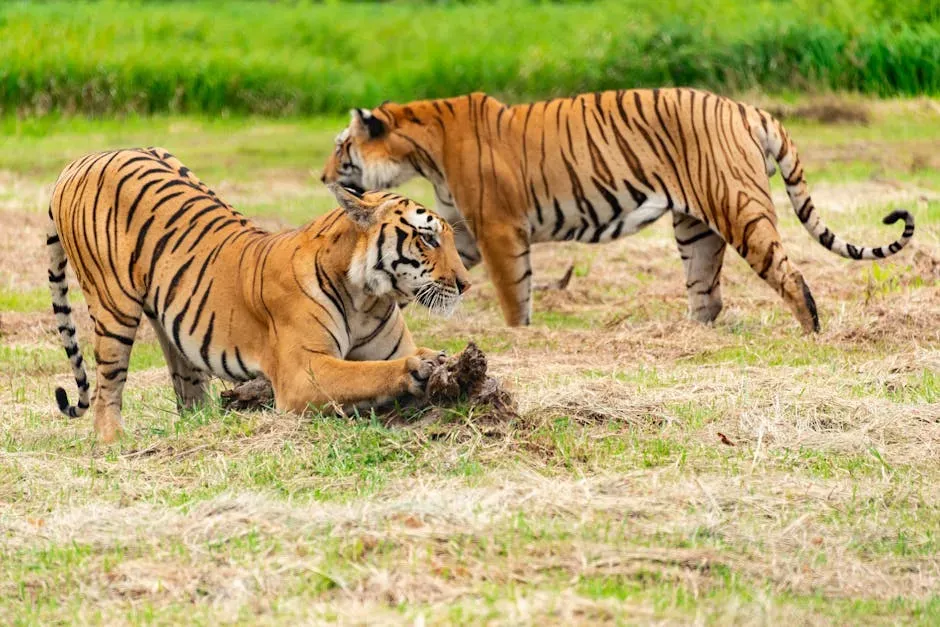
Tigers do not use collaborative tactics when hunting as lions do, but rely solely on personal skills and abilities to obtain their food. This solitary living depicts their evolutionary way of life, where they find it easier to survive as individuals rather than as a group.
Tigers are “stalk and ambush” hunters. They usually stalk prey from behind to within less than 25 metres before making a final rush, relying on quickly overtaking prey rather than pursuing it for any distance. A second tiger would shatter this approach entirely.
Tigers employ stealthy movement, using their padded paws to minimize noise while stalking through underbrush or thick foliage. This is critical when pursuing prey such as deer, where sound could easily alert them to danger. Every element of the hunt is calibrated for one quiet predator, not a group.
Their Night Vision Makes Them Self-Sufficient After Dark
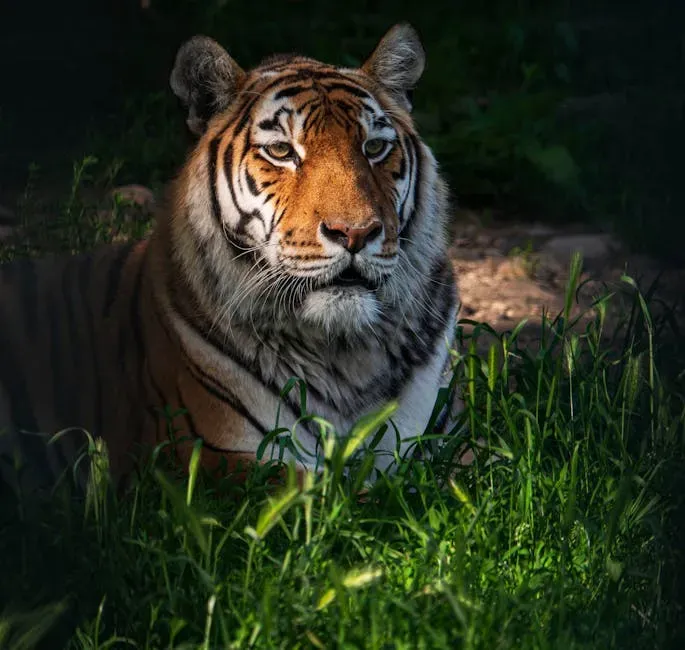
Most tigers prefer to hunt, eat, and patrol their vast territories at night, and sleep during the day. This is primarily due to a combination of ecological, biological, and behavioral factors that make nighttime activities advantageous for tigers.
Tigers have night vision that is six times better than that of humans, which helps them hunt successfully in the dark. This remarkable sensory capability means they have no need for companions to assist in locating or running down prey.
Tigers also have a layer of cells called the tapetum lucidum behind the retina. This layer reflects light passing through the retina back into the eyes, amplifying the available light effectively and allowing tigers to see in much dimmer conditions. It is a perfect solo instrument for a nocturnal predator.
They Actively Patrol Their Boundaries Without Invitation

Tigers assert and maintain their control over their territories by continuously patrolling them. This is not passive ownership. It is an active, ongoing commitment that occupies a significant portion of their daily routine.
Research using GPS tracking collars has revealed that tigers often make deliberate marking patrols along territory boundaries, systematically refreshing their scent posts even when not actively hunting in those areas. The boundary work and the hunting work are separate activities, each requiring the tiger’s full individual attention.
By patrolling its territory, a tiger is able to maintain the boundaries, communicate its presence and dominance to other tigers in the area, and reduce the likelihood of conflicts between tigers. The patrol itself is conflict prevention in action.
Their Coat Camouflage Is Built for Individual Concealment
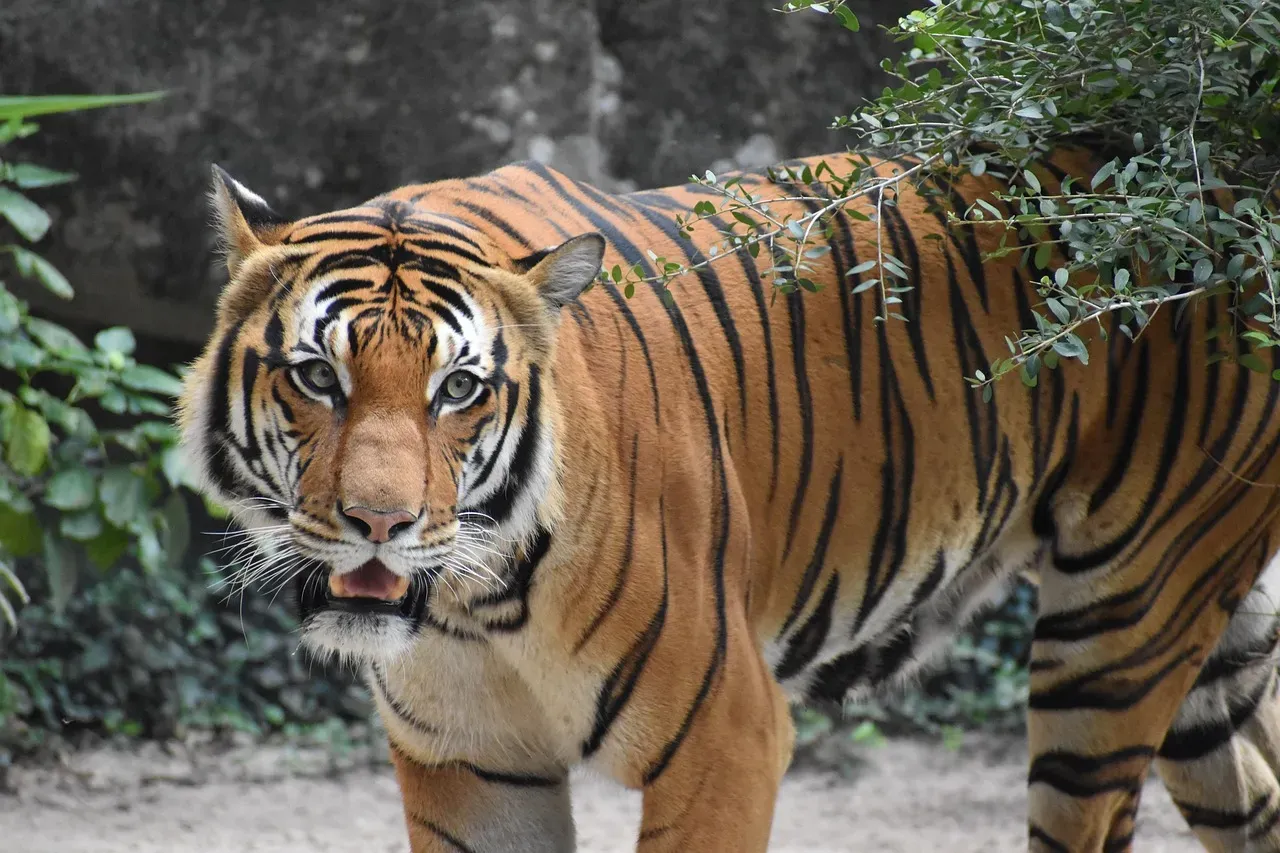
Tiger striations offer excellent camouflage, rendering them almost invisible to other wild animals. The vertical stripe shape dissolves the outline of the tiger and makes it completely blend with tall grass, bamboo, and filtered sunlight in the forest setting.
Tigers’ stripes help them to blend in with their surroundings, and because their prey cannot distinguish between red and green, their orange fur doesn’t actually give them away. This cryptic coloring is specifically adapted to solo ambush tactics.
A group of striped, orange cats would be harder to conceal, not easier. The camouflage is precisely calibrated for one animal moving alone through dappled forest light.
Adult Males Deliberately Exclude Other Males
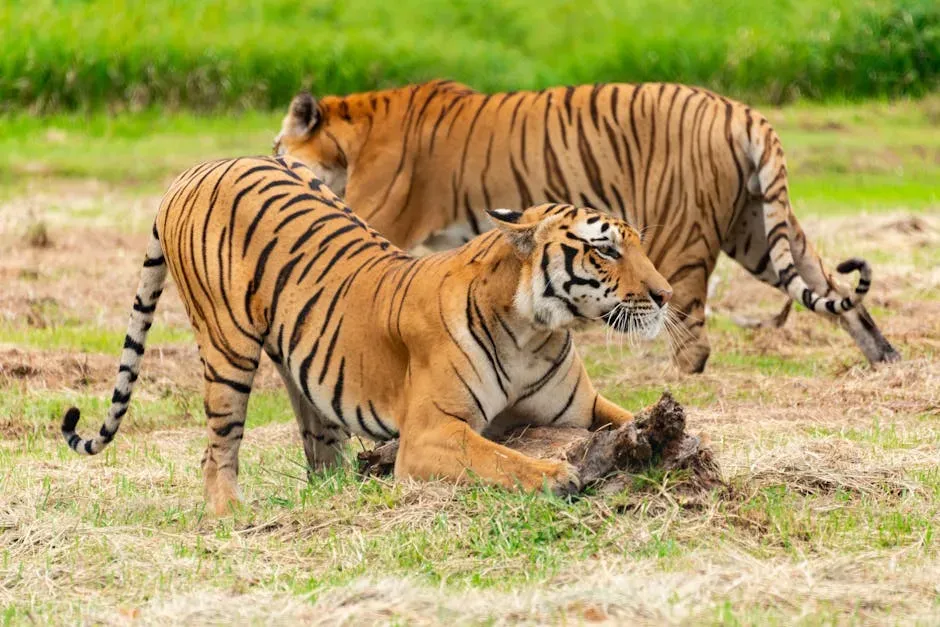
Males and females defend their home ranges from those of the same sex, and the home range of a male encompasses that of multiple females. Male tigers are not simply indifferent to each other. They are actively hostile.
Aggression among adult male tigers can be influenced by the number of tigers in a given area and whether there is a social disruption in which males are competing for control of a territory. The intensity of aggression increases when there are high tiger densities because there is more competition for resources and mating opportunities.
Tigers do not take trespassing lightly and will actively defend their territory if needed. However, they try to avoid fighting where possible, as this can be detrimental to their health and survival. The threat of injury from a rival tiger of similar size is a powerful motivator for maintaining distance.
Mothers Are the Only Long-Term Social Bond, and Even That Is Temporary
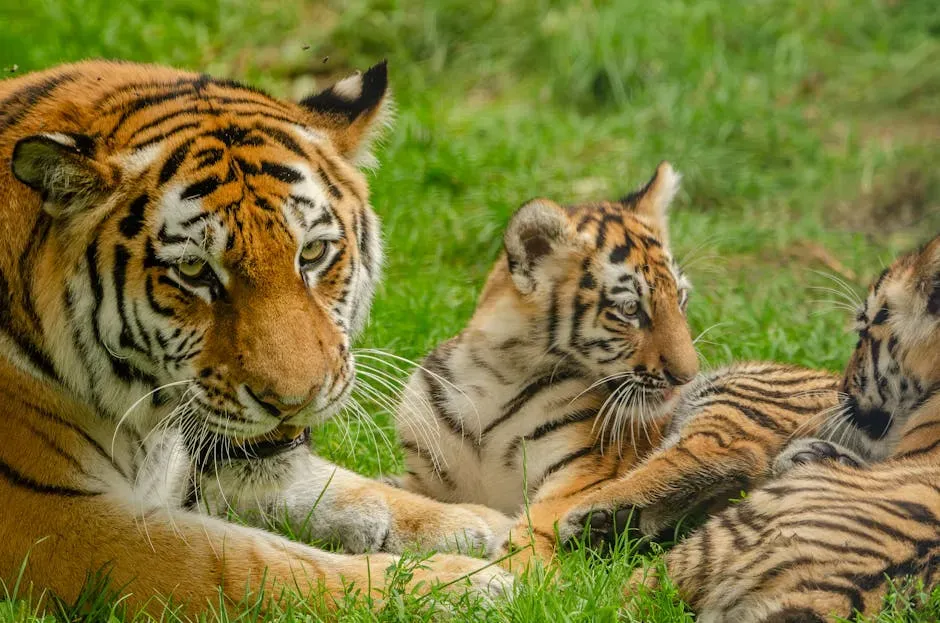
When it comes to social behavior, tiger mothers form the strongest bond with their cubs. They teach them everything they need to know to survive in the wild, from hunting and stalking to scratching and roaring. Cubs typically stay with their mothers for two to three years before going off on their own.
The father plays no part in the upbringing of the cubs. In fact, it has been suggested that he may be a danger to them. That detail alone reveals just how fundamentally the tiger’s social architecture differs from more group-oriented species.
Even mother tigers and cubs will separate as soon as they’ve reached sexual maturity, usually around two to three years old. The most nurturing relationship in a tiger’s life has a firm, built-in expiration date.
They Feed Alone and Guard Their Kills Jealously
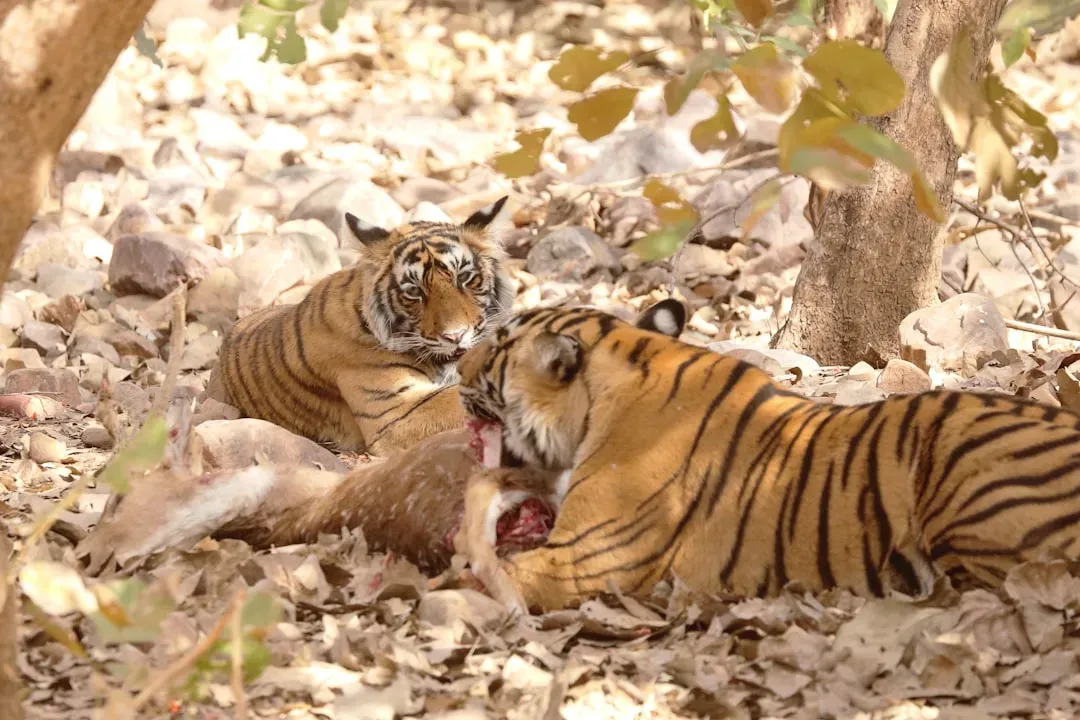
A single tiger may feed on its kill for several days with no significant competition from scavengers. This is one of the quieter advantages of solitude. There is no hierarchy at the carcass, no waiting for a dominant individual to finish first.
Tigers can kill prey as large as a buffalo weighing 200 kilograms. They may eat between 20 and 30 kilograms at a stretch, feeding intermittently for several days on large carcasses until it is consumed.
If the prey is large enough to provide more than one meal, a tiger will cover it with soil and leaves, then return to it later. Sharing would undermine the entire economic logic of the hunt. Every calorie earned belongs to the tiger that earned it.
They Communicate Across Distance Without Gathering in Groups
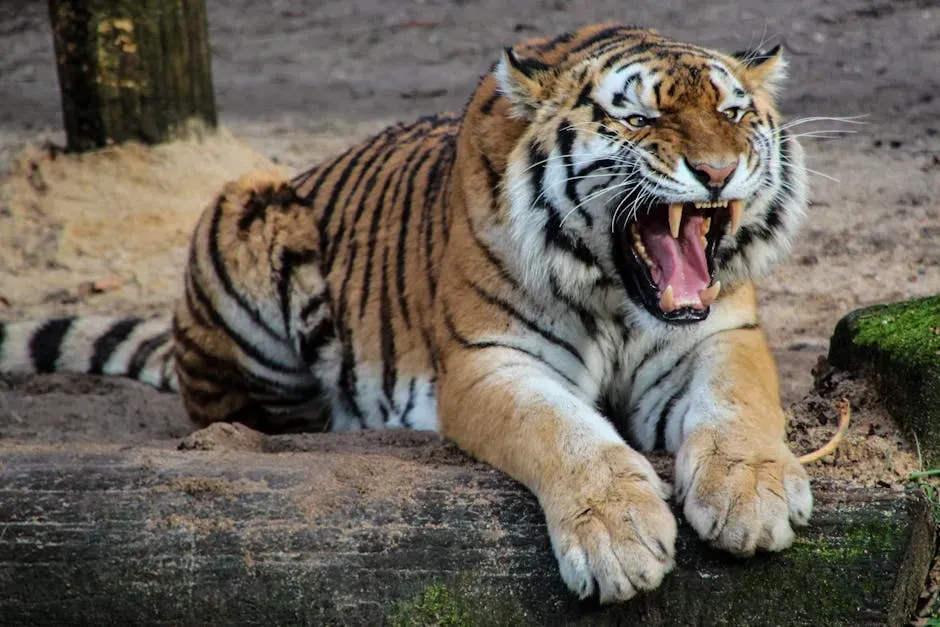
Tigers utilize a variety of vocalizations to communicate over long distances. Roaring is produced in situations such as taking down large prey, signaling sexual receptivity, and females calling to their young. These roars may be heard from distances over three kilometers.
Sound waves in the infrasonic range, below human hearing, travel long distances, allowing communication between widely scattered individuals. This long-range acoustic signaling is precisely what makes physical proximity unnecessary.
Researchers can distinguish individual tigers by their roars with up to roughly ninety percent accuracy. Each tiger has a distinct vocal signature, making identification possible without ever seeing the animal. It is a communication system designed for a species that prefers not to be seen.
Even Their Social Interactions Stay Minimal and Purposeful
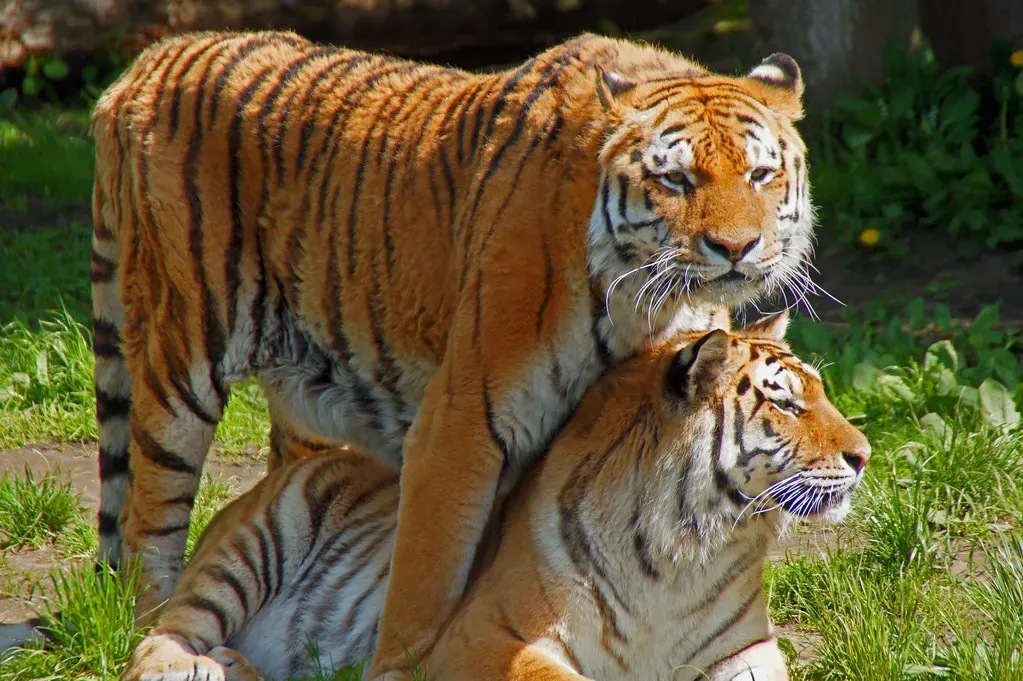
Tigers are usually solitary in nature, interacting briefly only for mating purposes and occasionally to share their kill. Every interaction that does occur has a specific biological purpose. There is little that could reasonably be called idle socializing.
Mating is another temporary social affair, with males and females interacting briefly, sometimes for up to a week, before going their separate ways. Even this contact, the most fundamental social exchange in any species, is kept brief and transactional.
Research found that tiger social networks were fickle, remaining stable for about three years before dissolving. Males were more likely than females to form bridges between other tigers, and resident tigers were more central in the networks than nonresidents. Even in the most socially networked populations, the connections are loose, shifting, and built around survival rather than companionship.
Conclusion
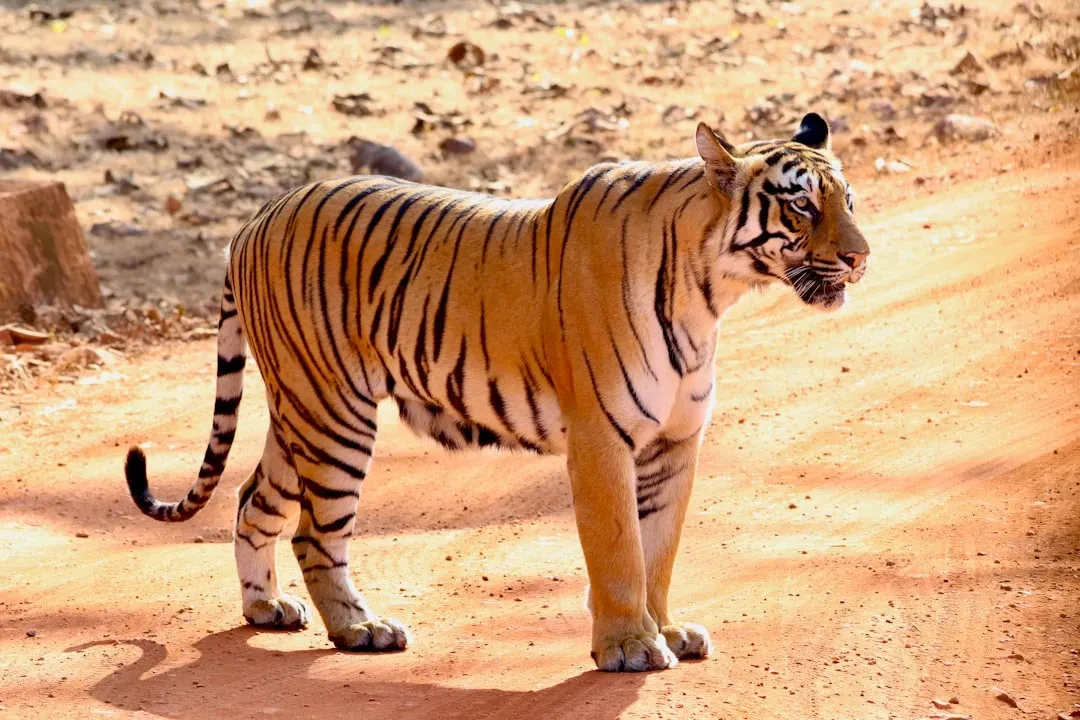
The tiger’s solitude is not a quirk or a personality trait. It is an intricate, multi-layered adaptation built from anatomy, ecology, prey distribution, territorial logic, and millions of years of natural pressure. Every feature examined here, from the night vision to the scent post, from the camouflaged coat to the temporary mother-cub bond, points in the same direction: a life optimized for independence.
What makes this genuinely striking is how fully the tiger has committed to that life. It has developed long-distance communication so it need not meet. It has developed camouflage so it can hunt alone effectively. It has arranged its entire reproductive structure around minimal contact. Nothing about the tiger’s biology leans toward togetherness.
Understanding this depth of solitude matters beyond mere curiosity. Conservation efforts depend on knowing how much space a tiger truly needs, and why that space cannot be shared. The tiger doesn’t just prefer to be alone. In the most precise biological sense, it was made that way.
