
Most dog owners spend a surprising amount of time quietly worrying. Does my dog like his life? Is she bored? Does he miss me when I’m gone? It’s one of the more endearing things about caring for a dog. You share your home, your routines, and often your couch with this creature, and yet you can’t simply ask them how they’re feeling.
The good news is that dogs communicate constantly. They do it through posture, eyes, breathing, and dozens of small behaviors that most of us overlook or misread. Once you know what to look for, it becomes clear that your dog might be far more content than you’ve been giving yourself credit for.
Their Body Is Loose, Not Tense
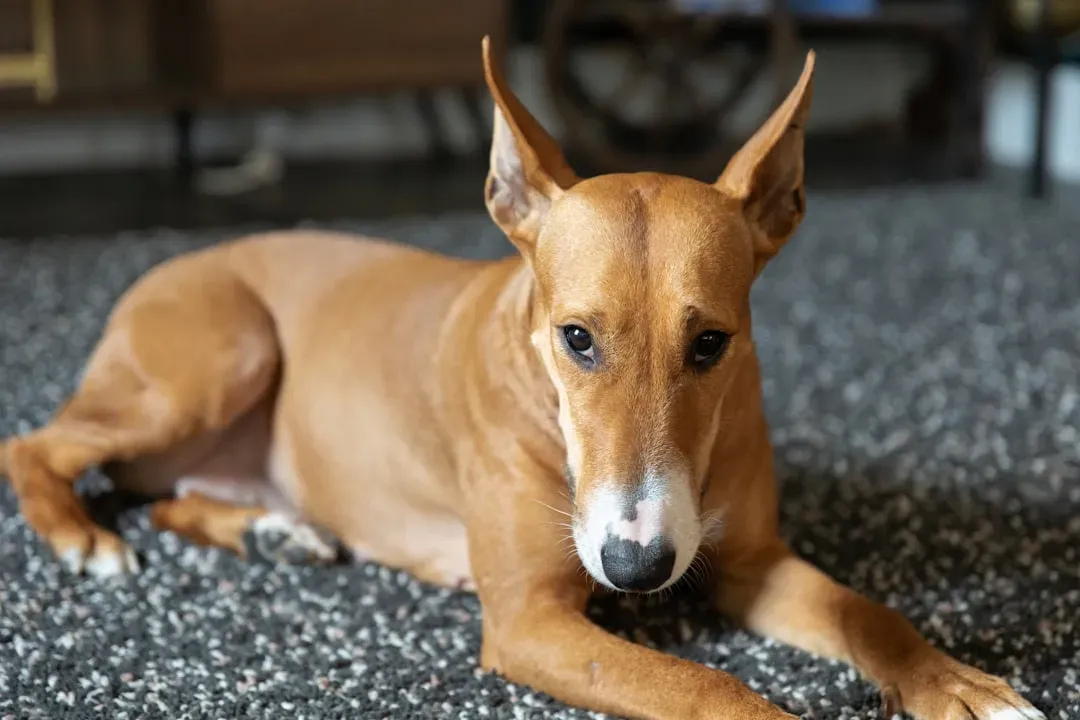
The single clearest window into a dog’s emotional state isn’t their bark or their tail. It’s the quality of their muscle tension. Relaxed body language is one of the most obvious indicators of a happy, content dog. When a dog is at ease, everything about them looks soft and unhurried.
Happy dogs typically display relaxed, tension-free body language, meaning their neck and muscles are soft, their posture is loose, and they appear calm and at ease. Think of it as the canine version of a deep exhale after a long day.
True happiness involves relaxation and security. Think of it as a state of calm, confident well-being rather than just manic excitement. A dog flopped sideways on the floor with zero apparent concern for anything happening around them? That’s a dog who feels genuinely safe.
They Give You That Soft, Slow Gaze

When a dog is happy, their eyes and eyelids will be open and relaxed, their gaze will be soft, and they will blink often. It’s easy to miss this when you’re not looking for it, but it’s one of the most consistent signs of contentment a dog can offer.
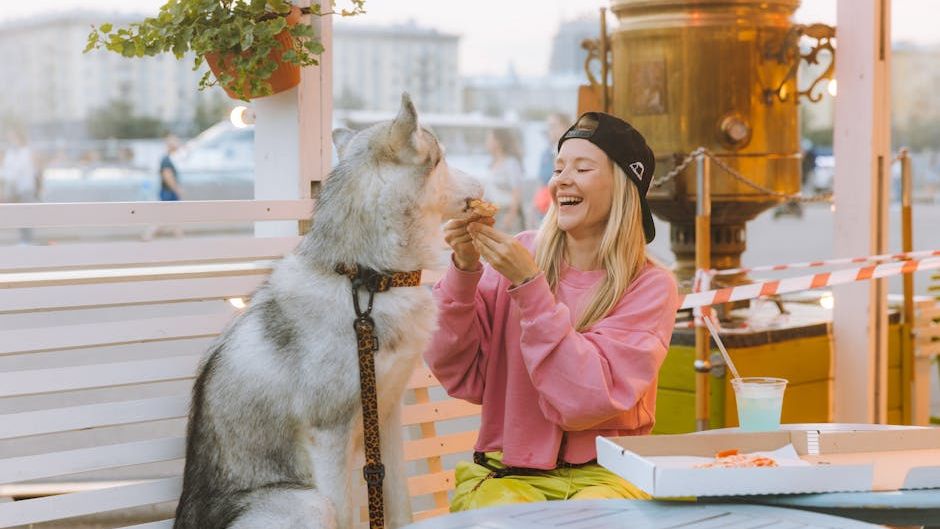
Eye contact is a major sign of trust in dogs, so those loving looks the two of you share while sitting together after a long day of hanging out are sure signs of a happy dog. That’s not nothing. That’s trust made visible.
That soft gaze can mean love and affection and has the power to stimulate the release of oxytocin (the “love hormone”) in its owner as well. According to a study published in Science, oxytocin strengthens the affectionate bond between you and your dog. The exchange works both ways, which makes it one of the more remarkable things about the human-dog relationship.
Their Tail Wag Involves Their Whole Body
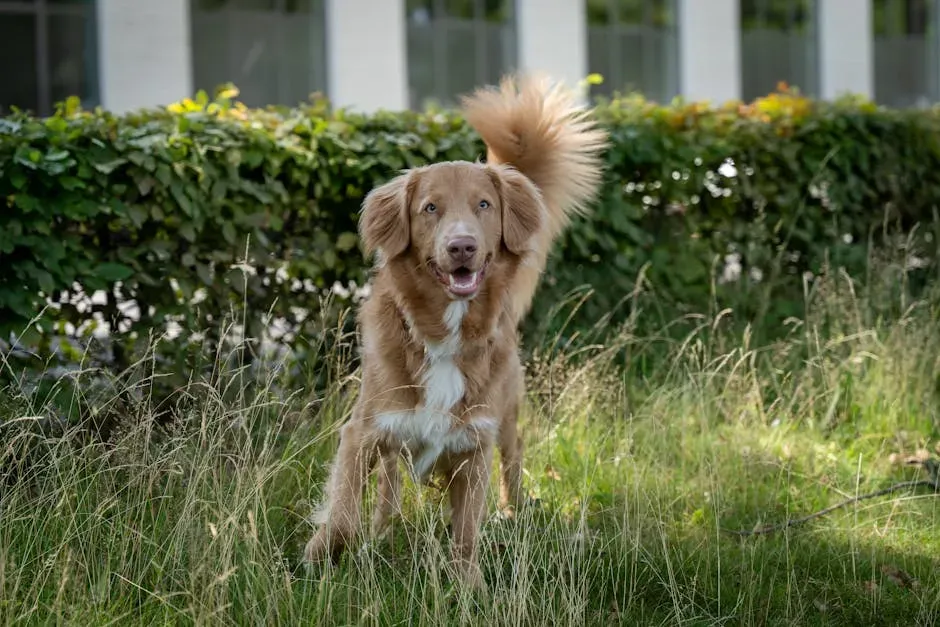
A wagging tail gets misread more than almost any other dog signal. Not every wag means the same thing, and speed and position matter enormously. A gentle, loose tail wag can indicate happiness in a dog. Dogs that are feeling happy may wag their tail slowly and widely from side to side, with their tail in a neutral position or slightly raised.
The full body wag is more than just a tail movement. The dog’s hips and sometimes even the shoulders move with the tail, showing total engagement and happiness. When you see that whole-body shimmy, that’s about as pure a signal of canine joy as you’ll ever witness.
A Current Biology study published in 2020 noted that dogs who wag their tails more to the right are showing happiness, while wags primarily on the left might indicate stress or nervousness. It’s a small detail, but it’s worth paying attention to, especially if you’re trying to read a dog whose other signals are ambiguous.
They Sleep Deeply and Without Worry
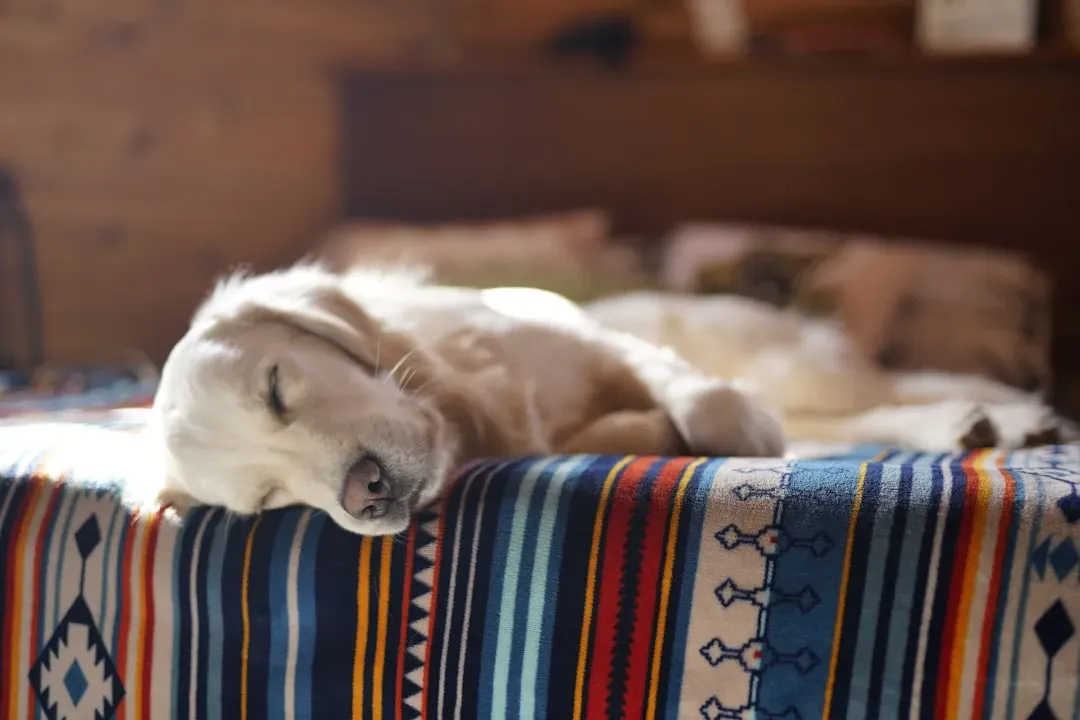
The way a dog sleeps tells you a lot about how safe they feel. Dogs who feel safe and content usually have regular, restful sleep. They may nap with their bodies relaxed, stretched out, or curled in a comfortable position. A dog sprawled out on their back with paws in the air is essentially broadcasting maximum trust to the world.
Healthy, happy adult dogs usually sleep for up to 16 hours a day. That might sound alarming to a new dog owner, but it’s entirely normal. Rest is a sign of a body and mind that aren’t under constant stress.
A peacefully sleeping dog will have a body in a relaxed and stretched-out position and a regular, calm breathing pattern. If your dog sighs contentedly as they drift off beside you, take that as a quiet compliment.
They Eat With Consistent Enthusiasm
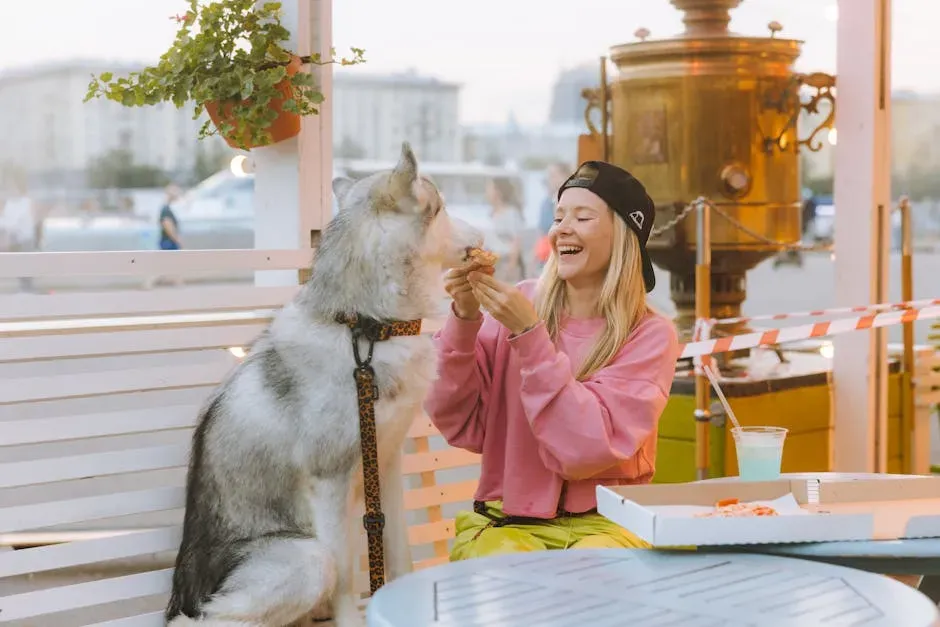
Appetite is one of the most reliable mood indicators in dogs, precisely because it’s one of the first things to shift when something is wrong. A happy dog generally has a healthy, consistent appetite, showing enthusiasm for regular meals. Of course, there may be exceptions, such as temporary changes due to health issues or age, but an ongoing interest in food is a positive sign.
Dogs that are content and feeling well have good appetites. A change in your dog’s appetite is one of the first signs of potential illness or unhappiness. You don’t need to see them sprint to their bowl every time. Steady, reliable interest in meals is what matters.
Different dogs eat differently. Some are enthusiastic gobblers, others are deliberate grazers. If your dog is stressed or ill, they may refuse food. While every dog has different eating habits, it’s important to check that they are consistent. For example, if your dog’s favourite time of the day is dinnertime and they start to show a lack of interest in eating, then it tells you that something else might be going on.
They Initiate Play and Curiosity on Their Own
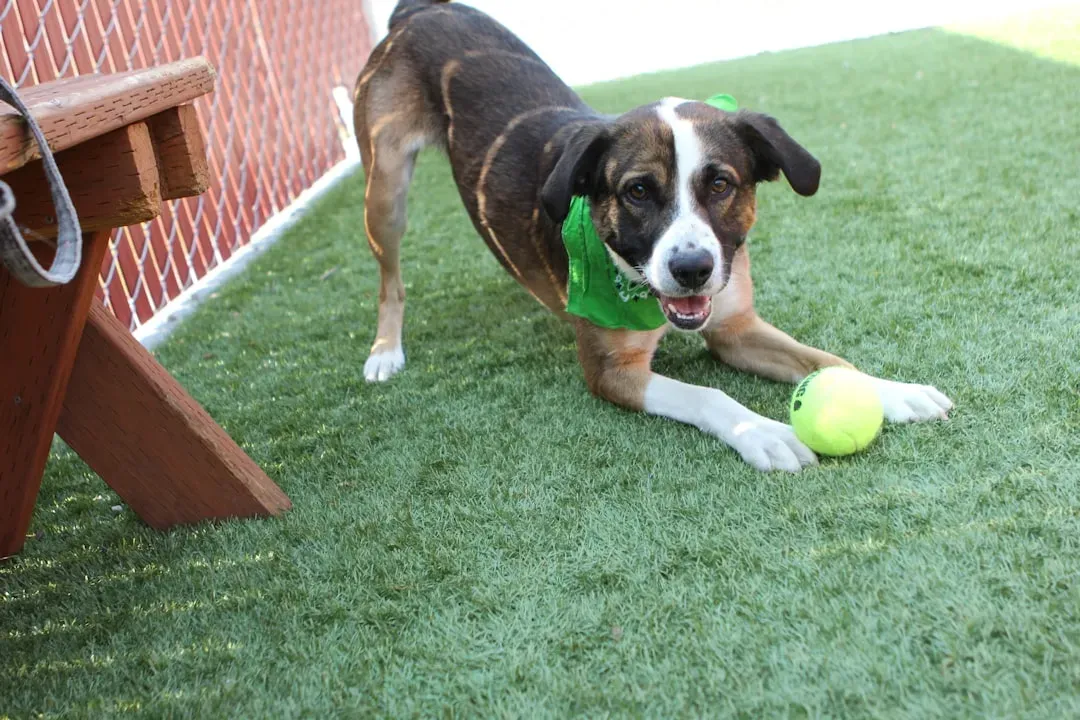
A happy dog doesn’t just respond to play. They start it. Happy dogs are typically eager to engage in playful activities, and they show it through various playful behaviors. If your dog does a “play bow” by lowering its front legs and raising its hindquarters, it’s an invitation for some fun. Another common gesture is when they bring you a favourite toy, nudging it toward you to join in the play.
A University of Michigan study set out to determine why exactly dogs perform this bowing behavior. Researchers found that dogs play bow most often when there is a pause in play, and they wish to continue playing. So if you see your dog play bow in the middle of playing fetch, this gives you a good idea that they’re enjoying what they’re doing and want to play more.
Happy dogs show a natural curiosity about their environment, sniffing around and exploring new areas. A dog who still finds their daily walk interesting, who pulls toward that particular patch of grass with genuine enthusiasm, is a dog who hasn’t lost their appetite for the world around them.
They Seek Physical Contact With You
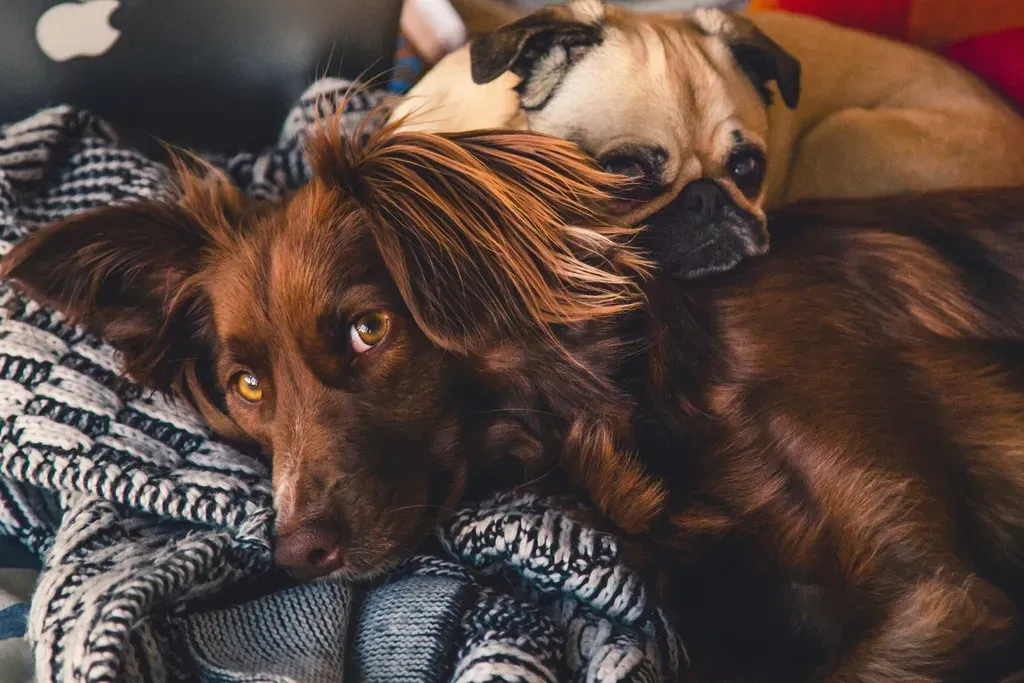
Dogs who feel genuinely happy with their people tend to want to be close to them. Not in an anxious, clingy way, but in the relaxed, voluntary way of a creature that simply prefers your company. Happy dogs make a lot of body contact. If your dog reacts, stays close, or even leans in toward your hand during petting, they’re enjoying the contact.
A happy dog tends to seek out physical affection, nudging for petting or curling up close. Some dogs may gently paw at you, rest their head on your lap, or press against you to get closer. These behaviors show that they feel secure and trust you, which is a key element of a happy, fulfilling relationship between you and your dog.
Because a dog’s belly is a vulnerable spot, when your dog rolls over for a belly rub, they’re indicating that they feel safe and content with you, and are seeking affection. This can also be a sign of submission, intended to indicate that they are not a threat. Either way, a dog who regularly offers you their belly is a dog who trusts you completely.
They Have Moments of Pure, Unfiltered Zoomies
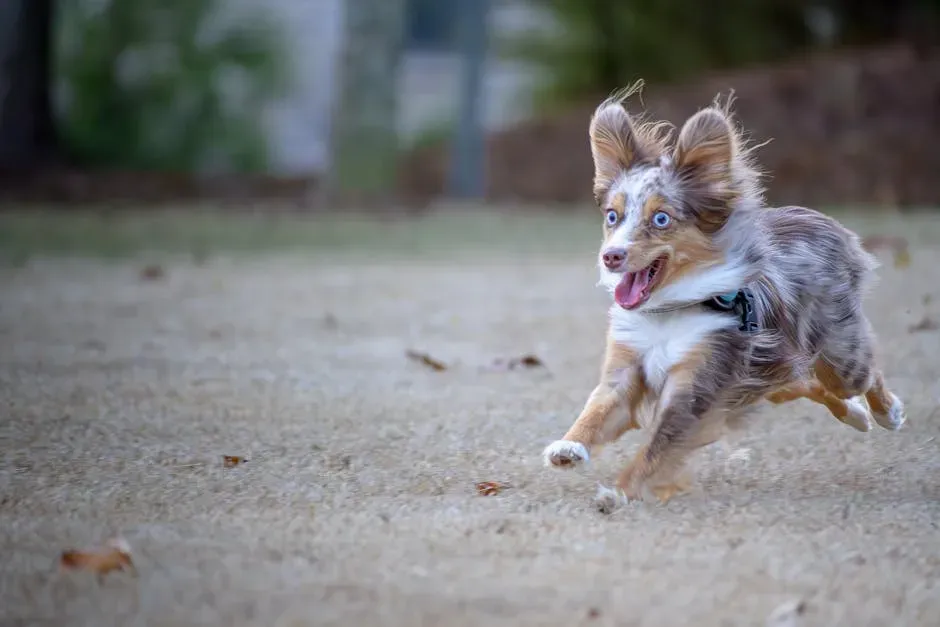
Few things in the dog world are as purely joyful as a good set of zoomies. When a dog gets the zoomies, they are experiencing random bursts of enthusiasm to release pent-up energy. This excess energy can come from excitement, such as seeing a favorite family member come home or when their bath is over.
Zoomies, or sudden bursts of energy and running around, are a playful way your dog can show off their happiness. When a dog experiences the zoomies, they may also display other signs of happiness, such as a wagging tail and playful expressions. These quick bursts of energy are a great sign of contentment.
Dogs can develop a special happy dance, like wiggling, spinning, or hopping around. It’s their way of physically expressing joy. This behavior usually happens when a dog feels safe and excited, often greeting their favorite person or anticipating something they enjoy, like a walk or treat. It’s chaos. It’s also one of the clearest signals your dog sends.
Conclusion: Your Dog Is Probably Telling You Already
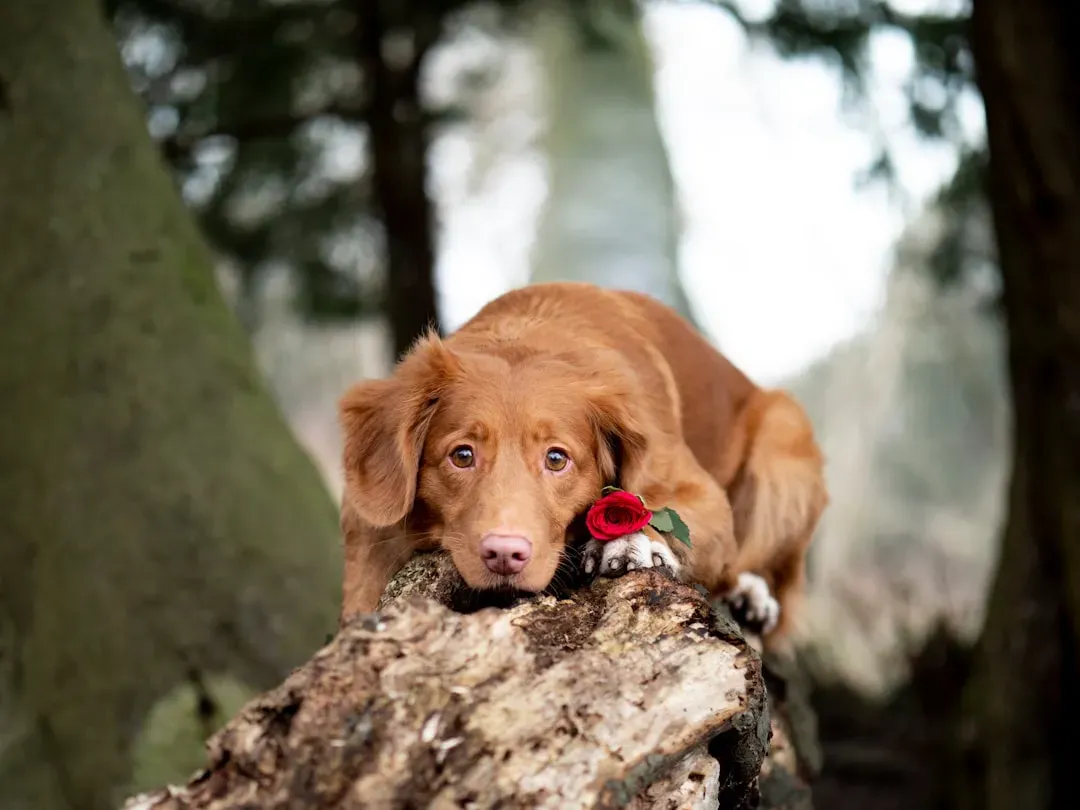
The quiet truth is that most well-cared-for dogs are doing just fine. They’re not overthinking their happiness the way we do. Your dog might not speak your language, but they’re always using their body to communicate with you. Learning to read those signals is one of the best ways to understand how your pup is really feeling.
The key is to look at the overall picture rather than focusing on just one detail. A wagging tail doesn’t always mean a dog is happy. It’s the rest of the body that gives the wag context. When you start reading your dog as a whole, the picture usually becomes much clearer.
Dogs thrive off of consistency. Consistent behaviors and routines communicate to dogs what to expect and how to react. The more dogs feel they can read your mind, the stronger your bond will be. You’re likely already giving your dog more than you realize. The signs are there. You just have to know where to look.
